


Choosing off-campus housing is a popular option for many Harvard students who seek greater independence, privacy, and flexibility. But for students who own pets or plan to adopt one, a common and important question arises: Are pets allowed in off-campus Harvard housing?
In this in-depth guide, we’ll explore the pet policies of off-campus rentals near Harvard University, the pros and cons of bringing a pet as a student, the best neighborhoods for pet-friendly housing, and how to find apartments that welcome furry companions.
Understanding Pet Policies in Off-Campus Harvard Housing
Unlike on-campus dormitories—which generally do not allow pets, with limited exceptions such as service animals—off-campus housing presents more varied opportunities. Because most off-campus rentals are privately owned, pet policies depend on the individual landlord or property manager.
Key Takeaway: Yes, pets can be allowed in off-campus Harvard housing—but it depends entirely on the landlord or rental agency.
Common Scenarios:
- Some landlords allow pets but with restrictions (e.g., only cats, small dogs, or specific breeds).
- Many buildings charge a pet deposit or monthly pet rent.
- Others have a strict no-pet policy, often due to building insurance or potential damage concerns.
To avoid misunderstandings, always ask about the pet policy before signing a lease.
Types of Pets Typically Allowed
When off-campus landlords do allow pets, these are usually the terms:
- Cats: Most commonly allowed, especially in smaller apartments or condos.
- Small Dogs: Often permitted with breed or weight limits (e.g., under 25 pounds).
- Caged Animals: Hamsters, guinea pigs, and rabbits may be acceptable in many places.
- Fish Tanks: Usually unrestricted unless very large.
- Reptiles/Birds: May be allowed on a case-by-case basis.
However, large dogs, aggressive breeds, or exotic pets may face restrictions due to liability or space constraints.
💡 Tip: Even if a unit is advertised as pet-friendly, always confirm breed, species, and size policies in writing.
Harvard's Policy on Pets in University-Owned Housing
While this article focuses on off-campus housing, it’s important to note that Harvard University housing (owned and operated by Harvard) generally does not allow pets.
- Harvard Yard dormitories: No pets allowed.
- Graduate student housing: No pets, except service animals or emotional support animals (ESAs) approved through university channels.
If you live in university housing and need an accommodation for an assistance or service animal, the request goes through University Disability Resources. Students start with their own School’s Local Disability Coordinator, and residents of Harvard University Housing submit the Housing Reasonable Accommodation Request Form.
Does Harvard accept emotional support animals?
Yes. Harvard treats an emotional support animal as an assistance animal, which is a reasonable accommodation rather than a pet, so a no-pets rule is not the end of the conversation. Harvard uses the Fair Housing Act definition: an assistance animal is required for a disability, it does not need training or certification, and it does not have to be a dog.
How to request one in Harvard housing. Students start with their own School’s Local Disability Coordinator, listed by University Disability Resources at accessibility.harvard.edu. Residents of Harvard University Housing submit the Housing Reasonable Accommodation Request Form, which University Disability Resources reviews together with the housing office. Expect to provide medical documentation from your provider, either on letterhead or on Harvard’s own assistance animal form, covering your diagnosis, your current functional limitations, and how the animal helps. Incomplete documentation is usually found insufficient, so it is worth getting right the first time.
Three practical points. Harvard University Housing has pet-friendly residences you can apply for directly, which is simpler than an accommodation if a standard pet will do. Accommodation requests in that housing are considered after you secure a unit through the lottery, not before. And more than one assistance animal is rarely approved.
Renting off campus is a different process. Your landlord is not Harvard, so Massachusetts fair housing law applies instead. Under that law a support animal is not a pet, which means a no-pets policy does not bar it, breed and weight limits do not apply to it, and no pet fee or pet deposit may be charged for it. A landlord may ask for documentation of the disability-related need, so have your provider’s letter ready before you apply. One narrow exception is worth knowing: an owner-occupied two-family home is largely exempt from the state fair housing law, so the accommodation may not apply if your landlord lives in the other unit.
Get any approval in writing before you sign, and keep it with your lease. If you believe a landlord has refused a legitimate request, the Massachusetts Commission Against Discrimination takes housing complaints.
Pros and Cons of Having a Pet in Off-Campus Student Housing

Bringing a pet to college can be rewarding—but it comes with responsibilities.
✅ Pros
- Emotional support: Pets can ease homesickness, reduce stress, and provide companionship.
- Routine and structure: Caring for a pet encourages healthy habits.
- Increased social interaction: Pets can spark conversations with neighbors or fellow students.
❌ Cons
- Extra costs: Monthly pet rent, food, vet bills, pet insurance.
- Housing restrictions: Fewer apartment options available.
- Time commitment: Pets require daily care, which may conflict with busy academic schedules.
- Potential damage: You may be liable for any pet-related damage to rental property.
If you're considering bringing a pet, be honest about your lifestyle, study schedule, and long-term plans.
Best Neighborhoods for Pet-Friendly Off-Campus Housing Near Harvard
Some Boston and Cambridge neighborhoods offer more pet-friendly housing than others. Here’s a breakdown:
🐾 Allston
- Student-heavy area with many independent landlords
- High availability of pet-friendly units
- Access to parks and sidewalks
🐾 Brighton
- More residential, with quieter side streets
- Spacious apartments with pet accommodations
- Close to dog parks and green spaces
🐾 Cambridge (Outside Harvard Square)
- Select units allow pets, especially in multi-family homes
- Access to Charles River paths and Cambridge Common
🐾 Somerville
- Known for its progressive attitude toward pets
- Several dog parks and pet-friendly cafes
🐾 Brookline
- Upscale rentals may allow pets with conditions
- Nearby parks and trails, but higher rents
Before renting, explore the neighborhood’s walkability, access to parks, and availability of vet services or pet stores.
How to Find Pet-Friendly Apartments Near Harvard
Searching for pet-friendly off-campus housing requires a strategic approach. Here are the best platforms and tools to help you find the right fit:
1. Use Harvard’s Apartment Database
- Harvard’s official platform lets you filter listings by pet policy.
- Check each listing for pet rent, deposits, and restrictions.
2. Explore spoteasy.com
- spoteasy.com is a trusted platform for apartment listings in the Boston area, including Cambridge.
- You can use filters specifically to find pet-friendly apartments, saving you time and avoiding back-and-forth with landlords.
- The site features photos, amenities, and landlord contact details for easier comparison.
🐶 Tip: On spoteasy.com, select "Pets Allowed" in the filters to view listings tailored to dog and cat owners.
3. Browse General Rental Platforms
- Use the pet policy filter on Spot Easy, which separates cats from small dogs and large dogs.
- Be cautious and verify that listings are legitimate—especially on open platforms.
4. Talk to Local Agents or Brokers
- Real estate agents in the Harvard/Cambridge area may know of pet-friendly listings not posted online.
- Ask about pet fees and whether the landlord accepts pets without a U.S. rental history.
5. Leverage Facebook & Student Groups
- Harvard subletting and housing groups often have listings from students who are also pet owners.
- You can also post your needs and ask for recommendations.
🎯 Pro Tip: Start your search early. Pet-friendly apartments near Harvard fill up fast and often have additional requirements.
Lease Terms and Legal Considerations
When applying for off-campus housing with a pet, make sure to:
- Get everything in writing. If a landlord allows pets, include this in the lease agreement.
- Understand fees: Ask about non-refundable pet deposits, monthly pet rent, and cleaning charges.
- Clarify restrictions: Check for breed, species, or weight limits.
- Review local pet laws: Cambridge and Boston have rules about leash laws, licensing, and noise.
🛡️ Reminder: Service animals and ESAs have legal protections under the Fair Housing Act. Landlords cannot charge extra fees for them, but documentation is required.
Student Testimonials: Life with Pets Near Harvard
Lina (GSD Student): “I brought my cat with me from Brazil and found an apartment in Somerville. It’s been great having her with me, especially during winter when I stay in more.”
Eric (HMS Student): “I found a pet-friendly place in Fenway with a small park nearby. My dog gives me a break from the long hours of study.”
Sarah (GSAS Student): “It took time to find a landlord who would accept pets, but I was able to sublet from a student who had similar needs.”
These stories show that while it’s possible, pet-friendly housing requires planning and persistence.
Final Thoughts: Is Bringing a Pet to Harvard Right for You?
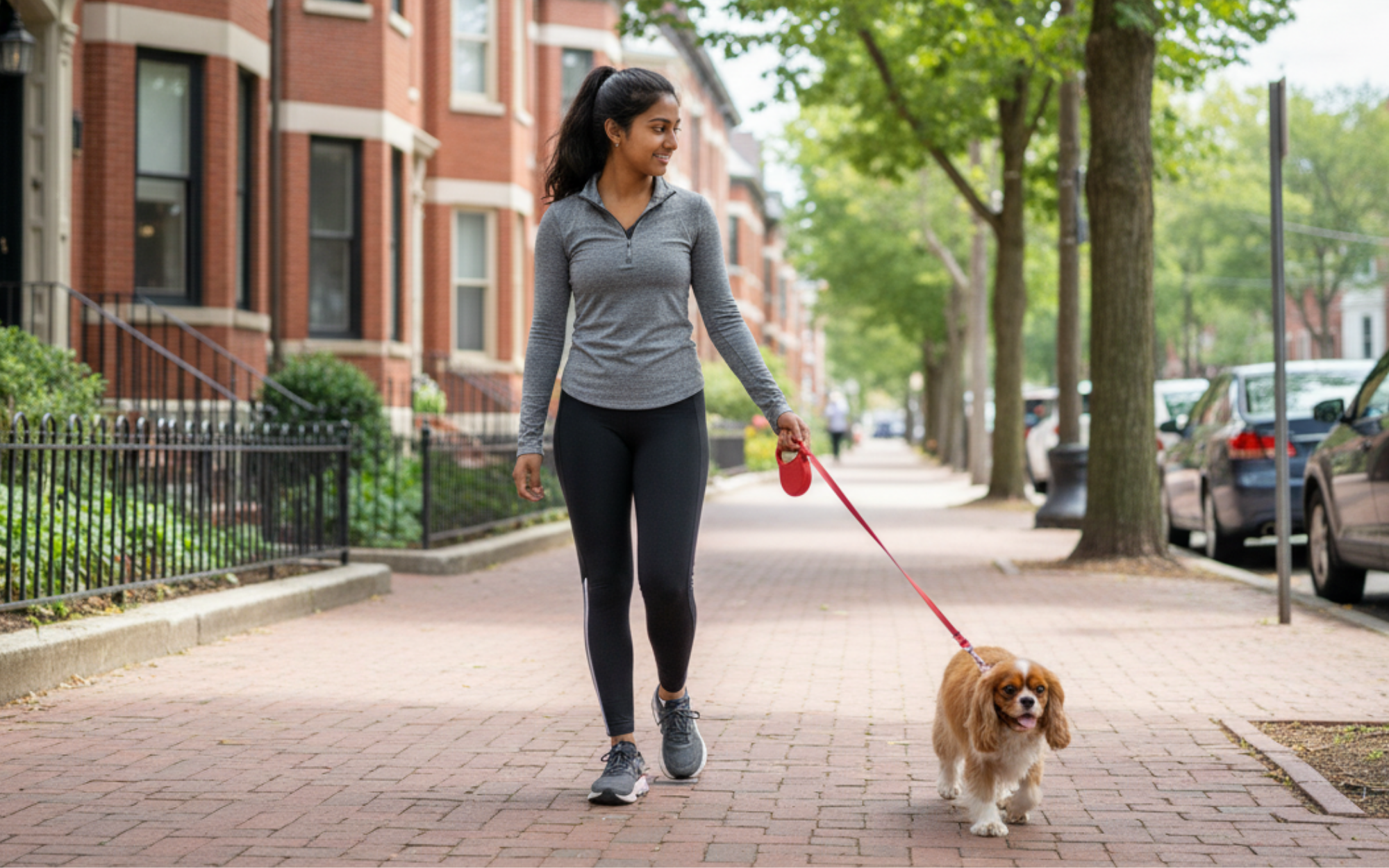
To summarize: Yes, pets are allowed in off-campus Harvard housing—but not everywhere. Each building and landlord has their own rules, so it’s critical to research and communicate clearly.
If you’re an animal lover and can commit to the time and expenses, having a pet during your Harvard experience can offer emotional and social benefits. Just be sure to:
- Start your search early
- Use Harvard’s housing tools and student groups
- Ask detailed questions before signing
- Budget for pet-related costs
And if pet-friendly housing isn’t immediately available, consider short-term housing or connecting with other students in similar situations. Flexibility and networking go a long way.