


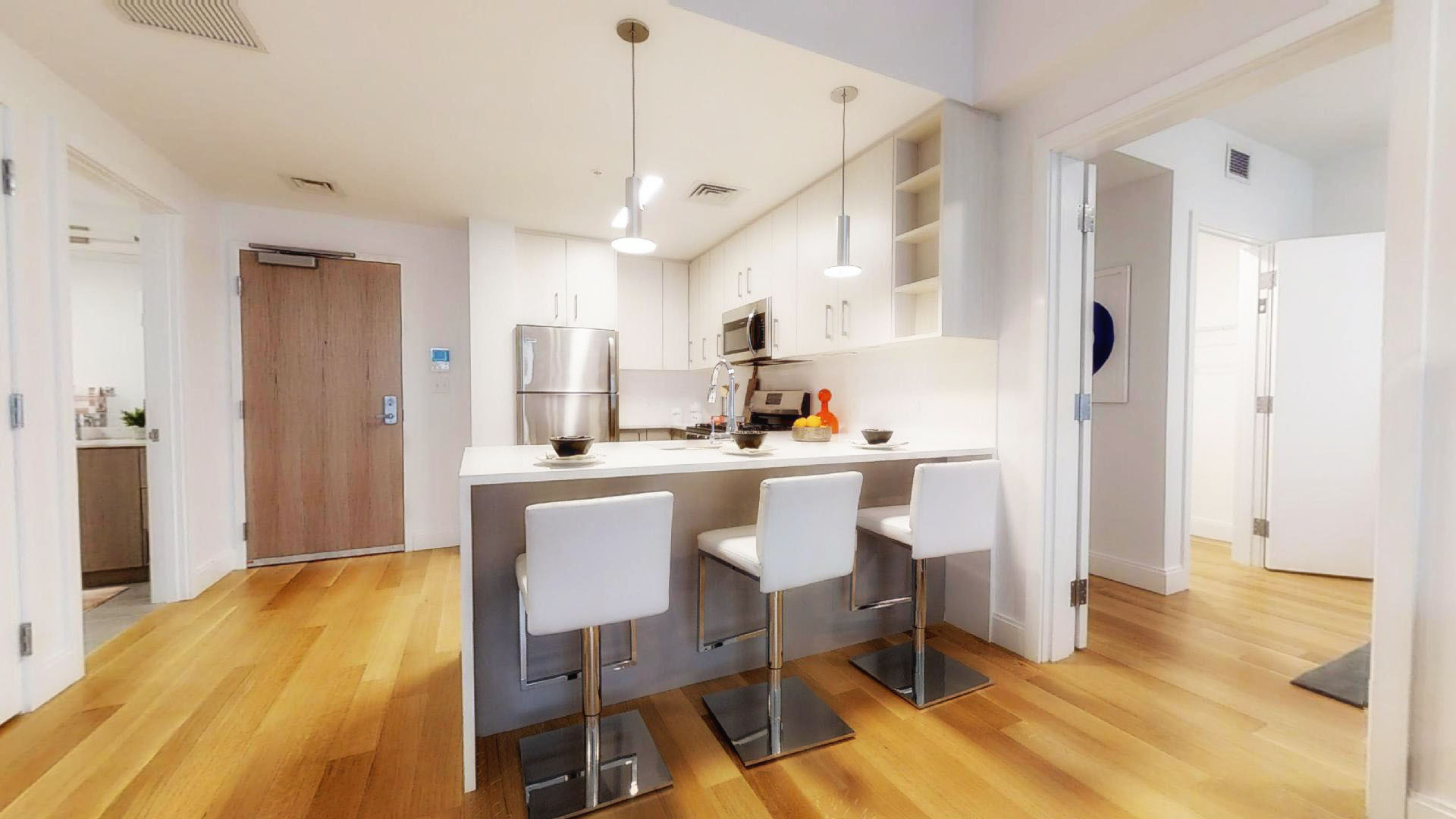
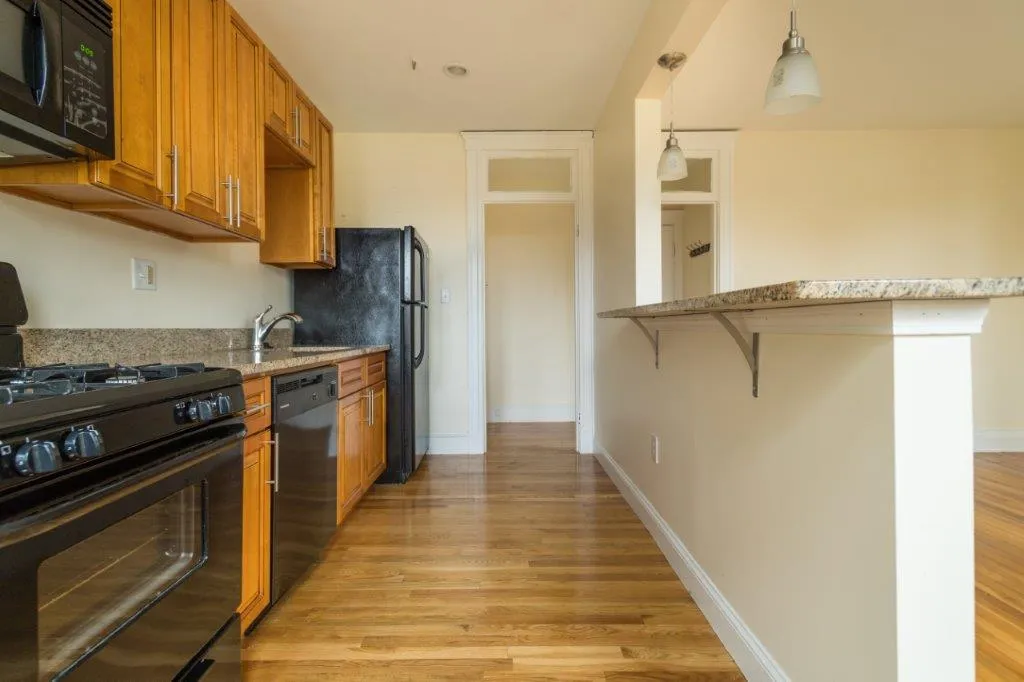
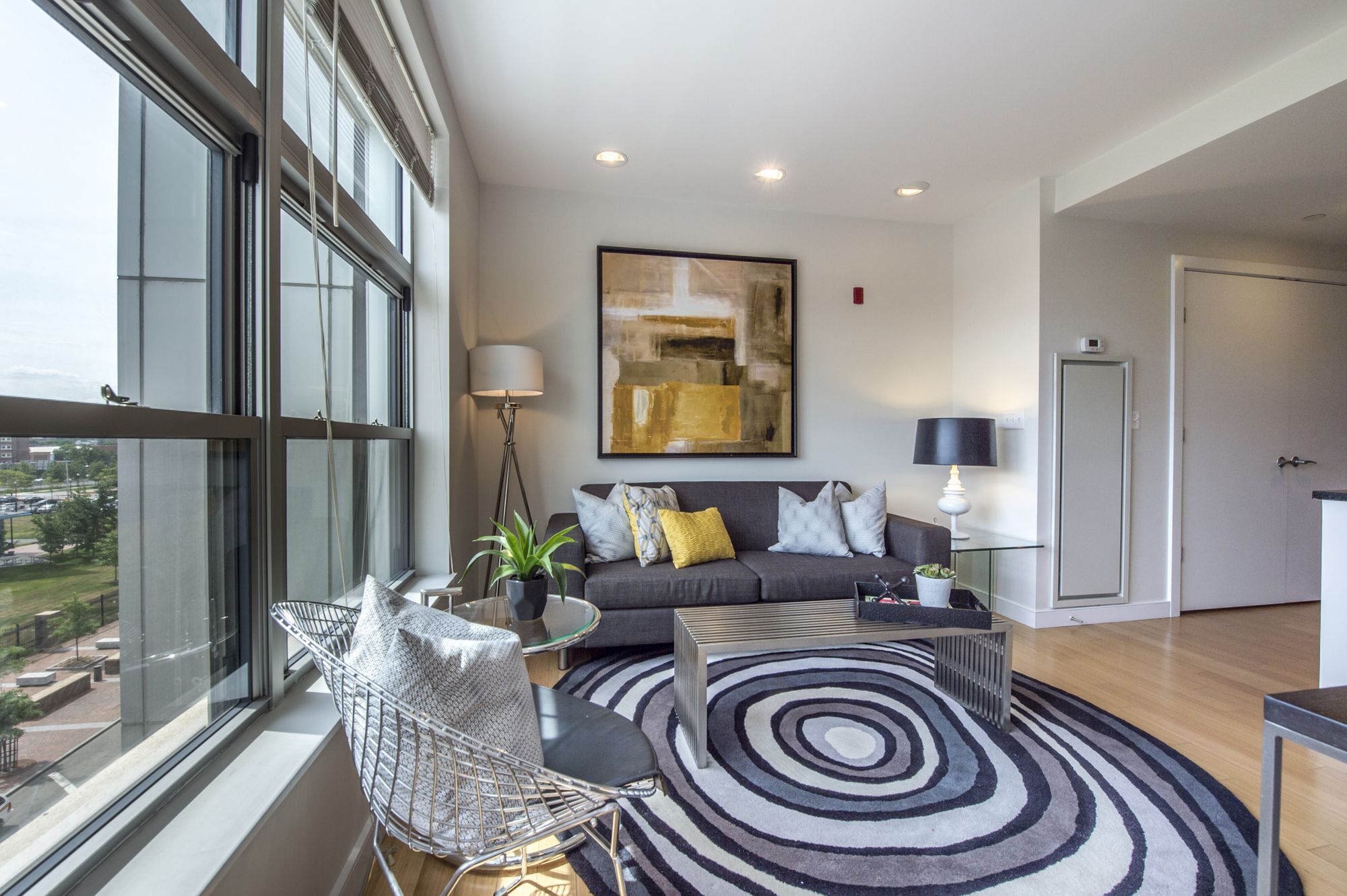
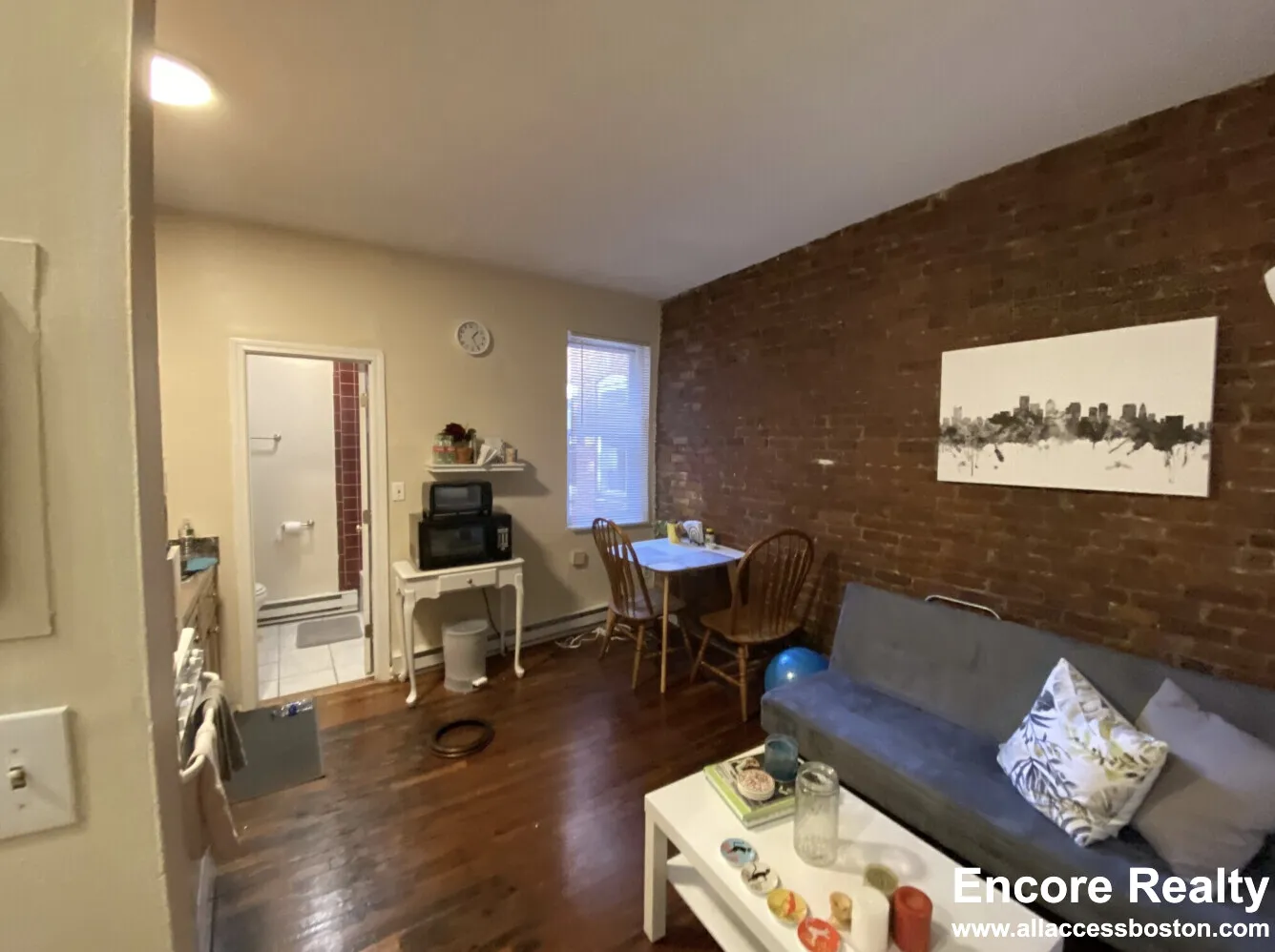
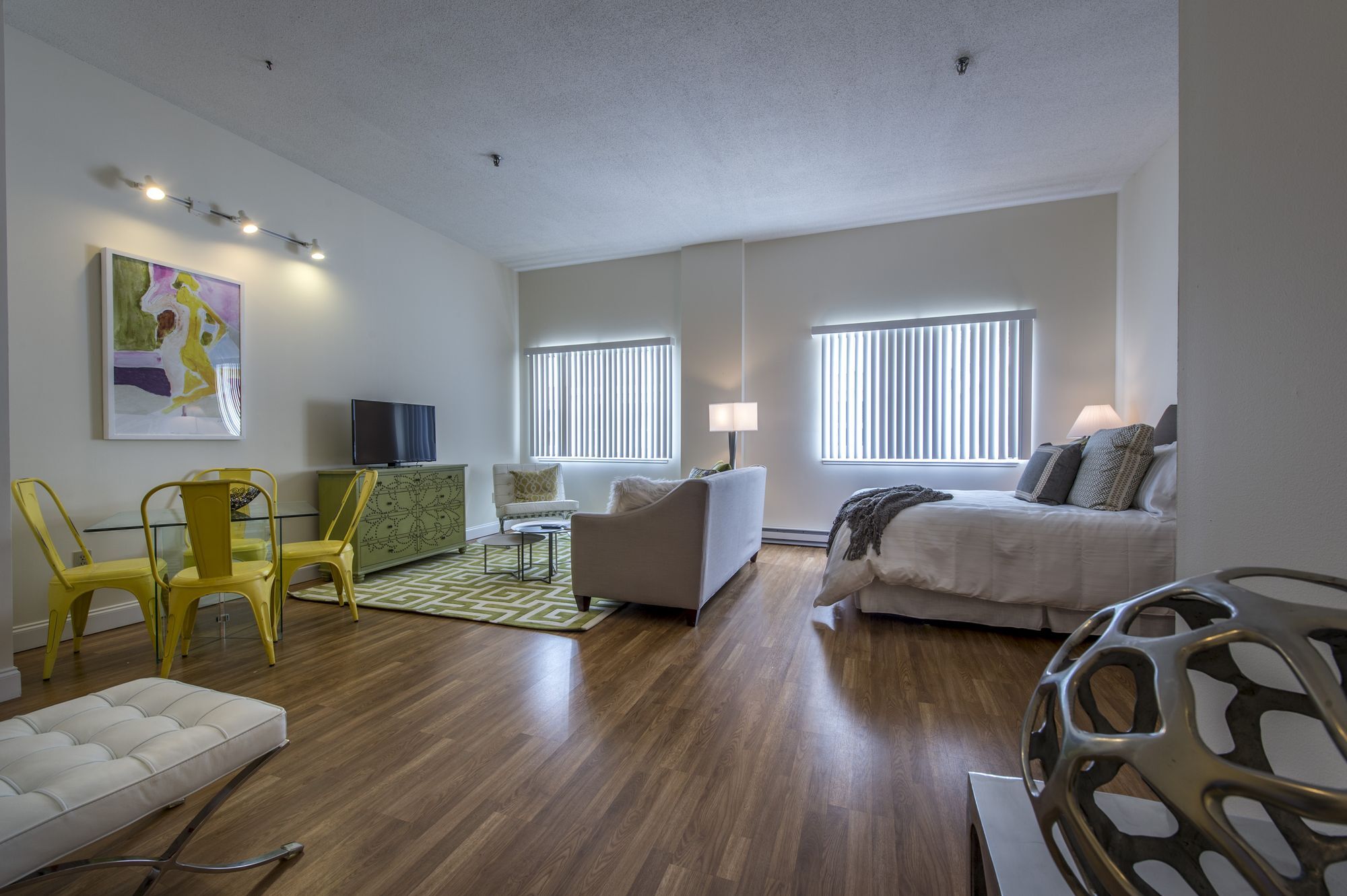
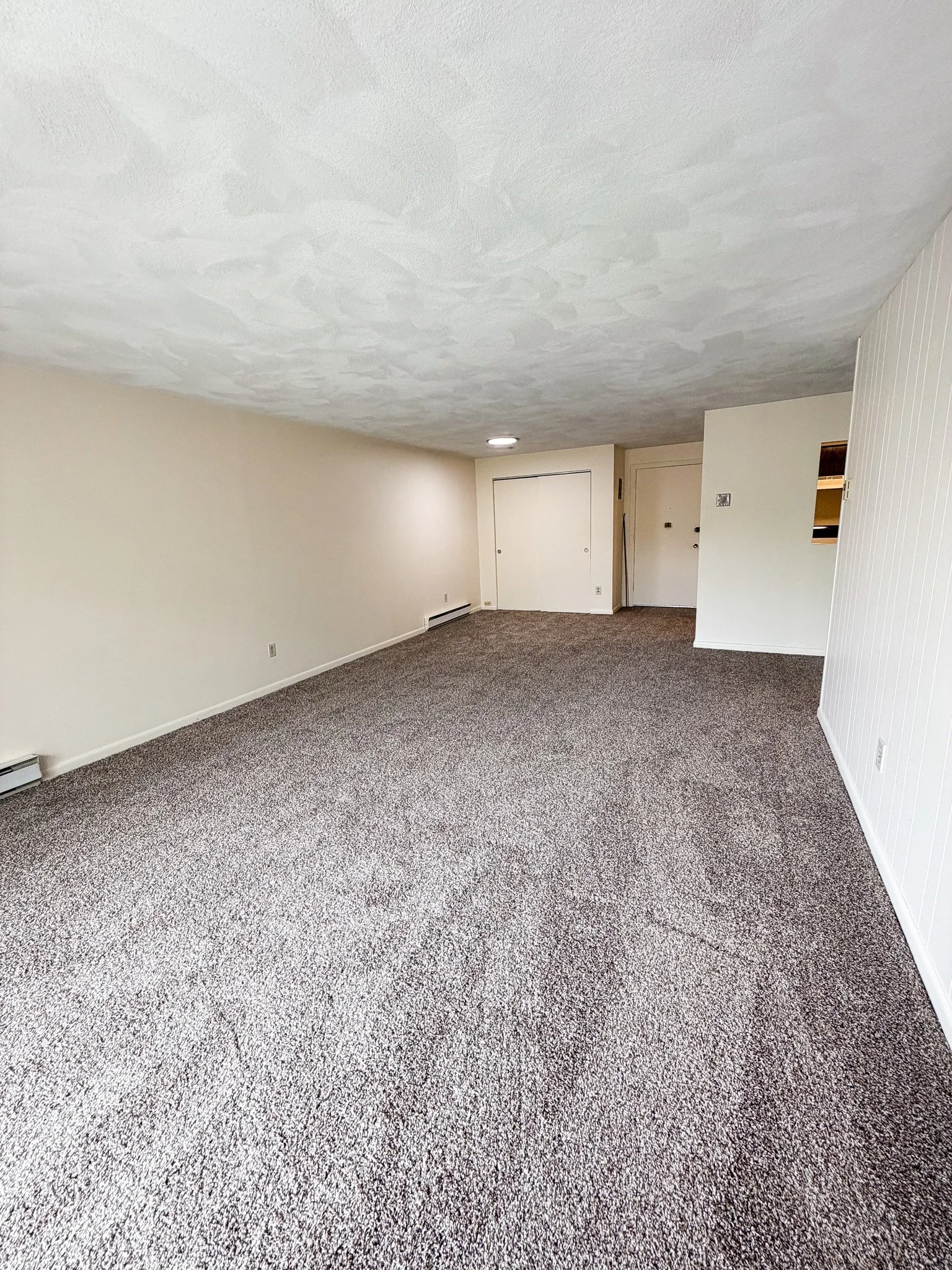
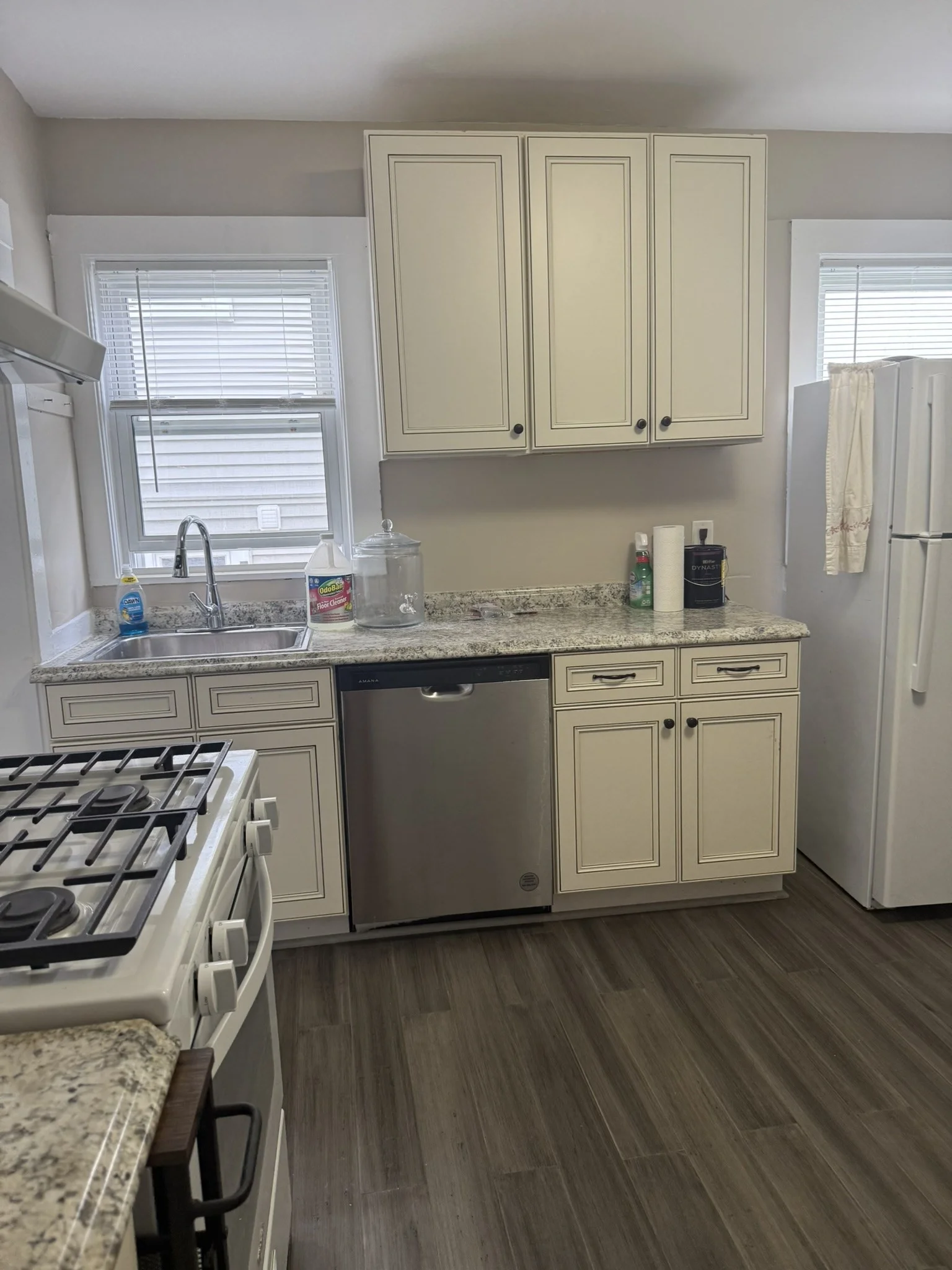
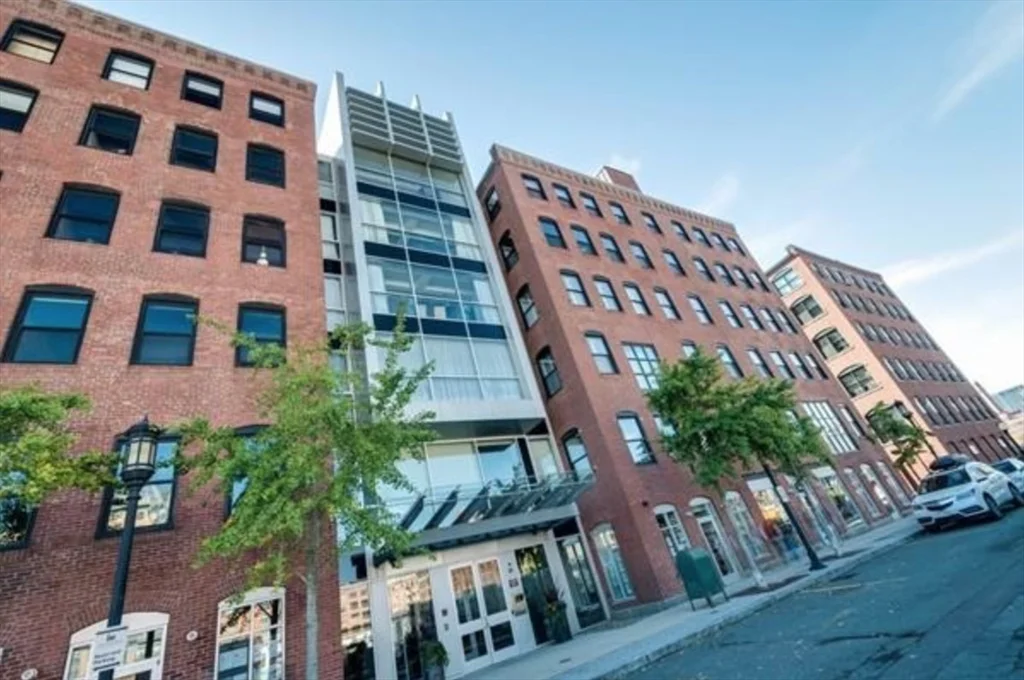
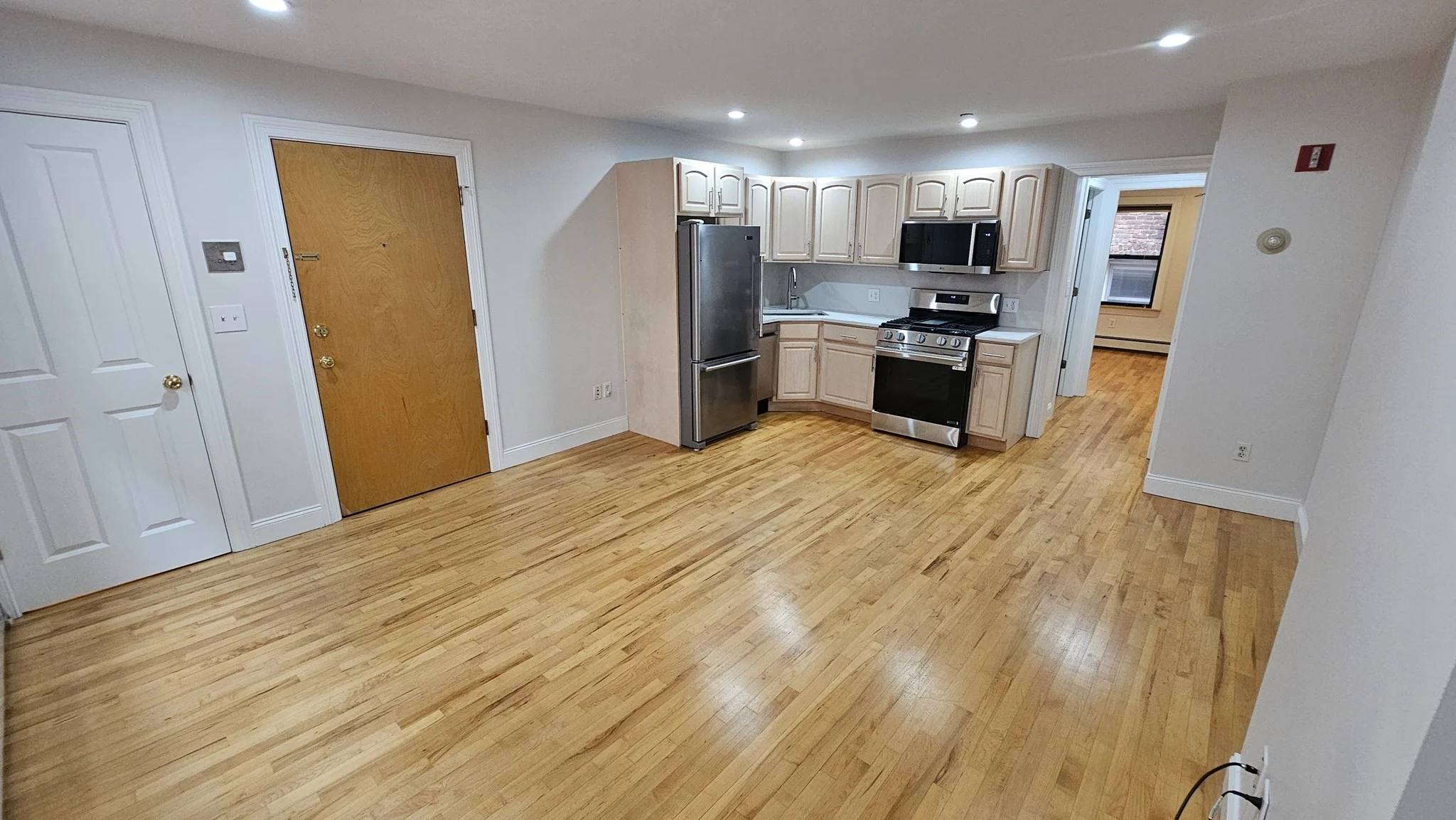
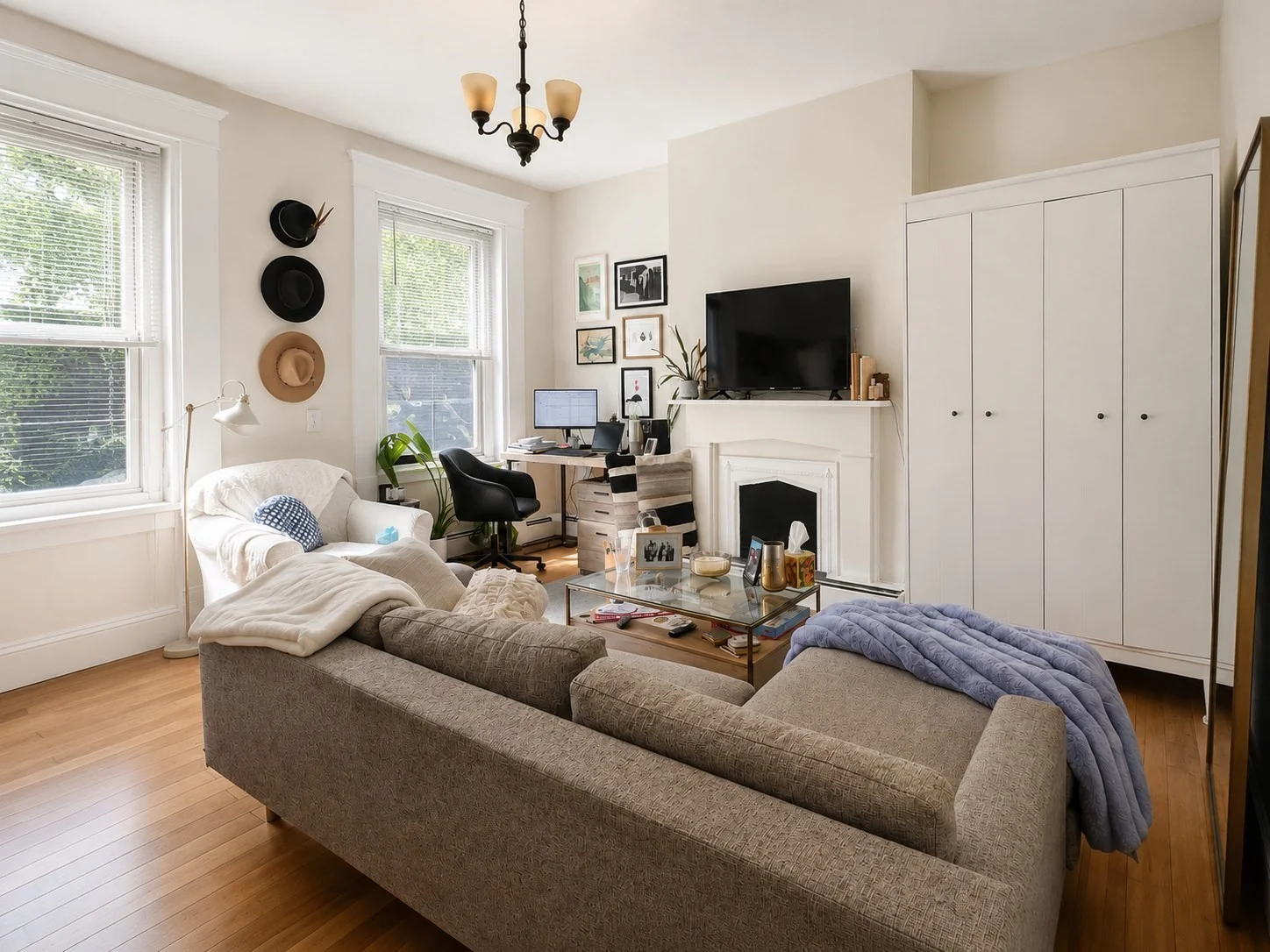
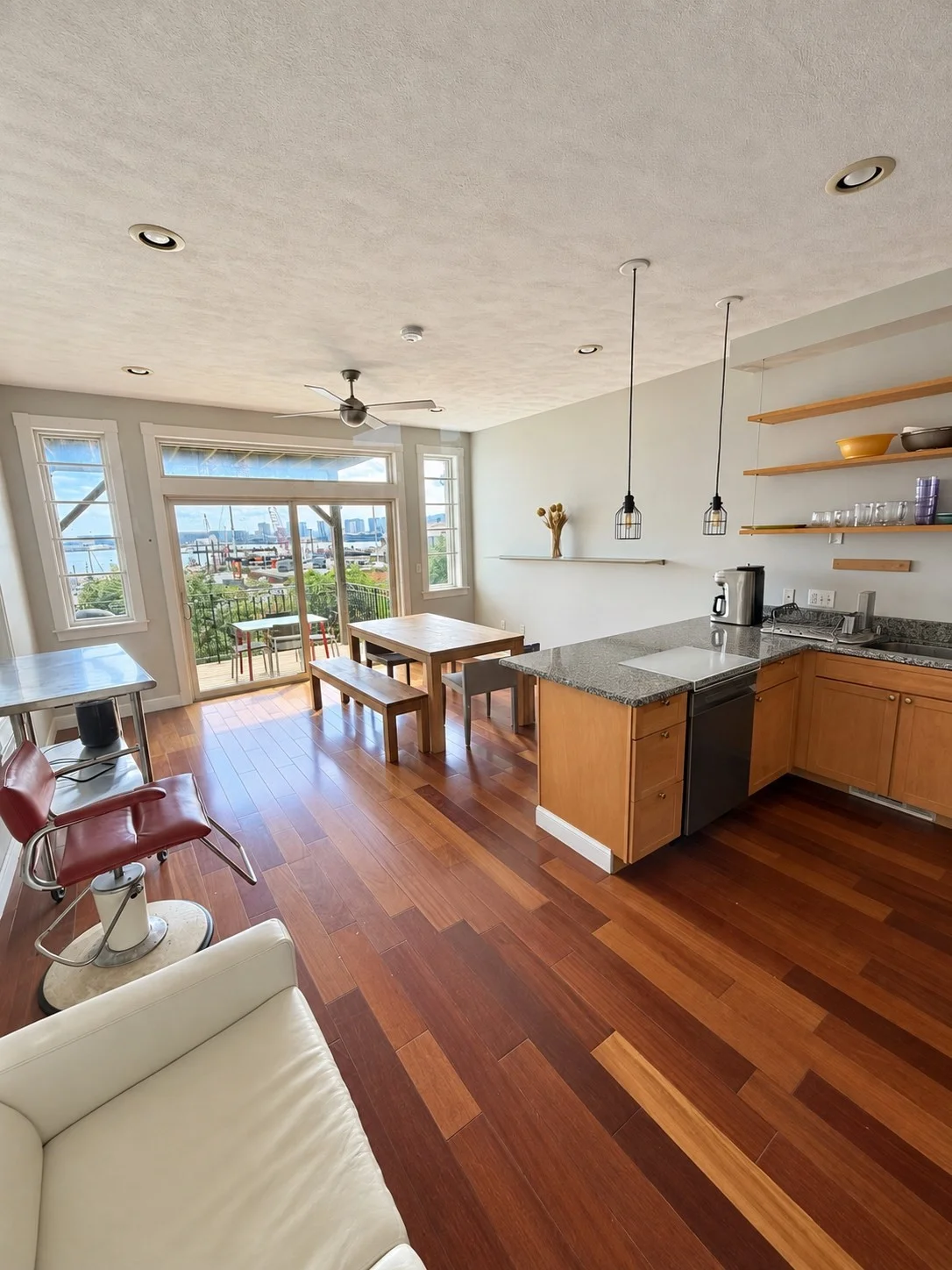
Average rent in Boston
As of August 2026, active listings on Spot Easy, each posted by verified agents.
| Size | Average |
|---|---|
| studio | $2,373 |
| 1-bedroom | $2,928 |
| 2-bedroom | $3,632 |
| 3-bedroom | $4,069 |
| 4+ bedroom | $4,705 |
About Boston
Boston is built as a set of distinct neighborhoods rather than one continuous grid, so when you search Boston apartments for rent, the neighborhood matters far more than the city name does. A one-bedroom averages $2,463 in Brighton and $3,574 in Back Bay as of August 2026 — a spread of more than a thousand dollars for the same bedroom count — against $2,928 citywide.
The MBTA's Red, Orange, Blue and Green lines all converge downtown, with the Silver Line running to the Seaport and commuter rail leaving from North Station and South Station. Because the network is radial rather than a grid, a listing's walking distance to a station is usually the single biggest practical difference between two otherwise similar apartments, and it is worth filtering on before price.
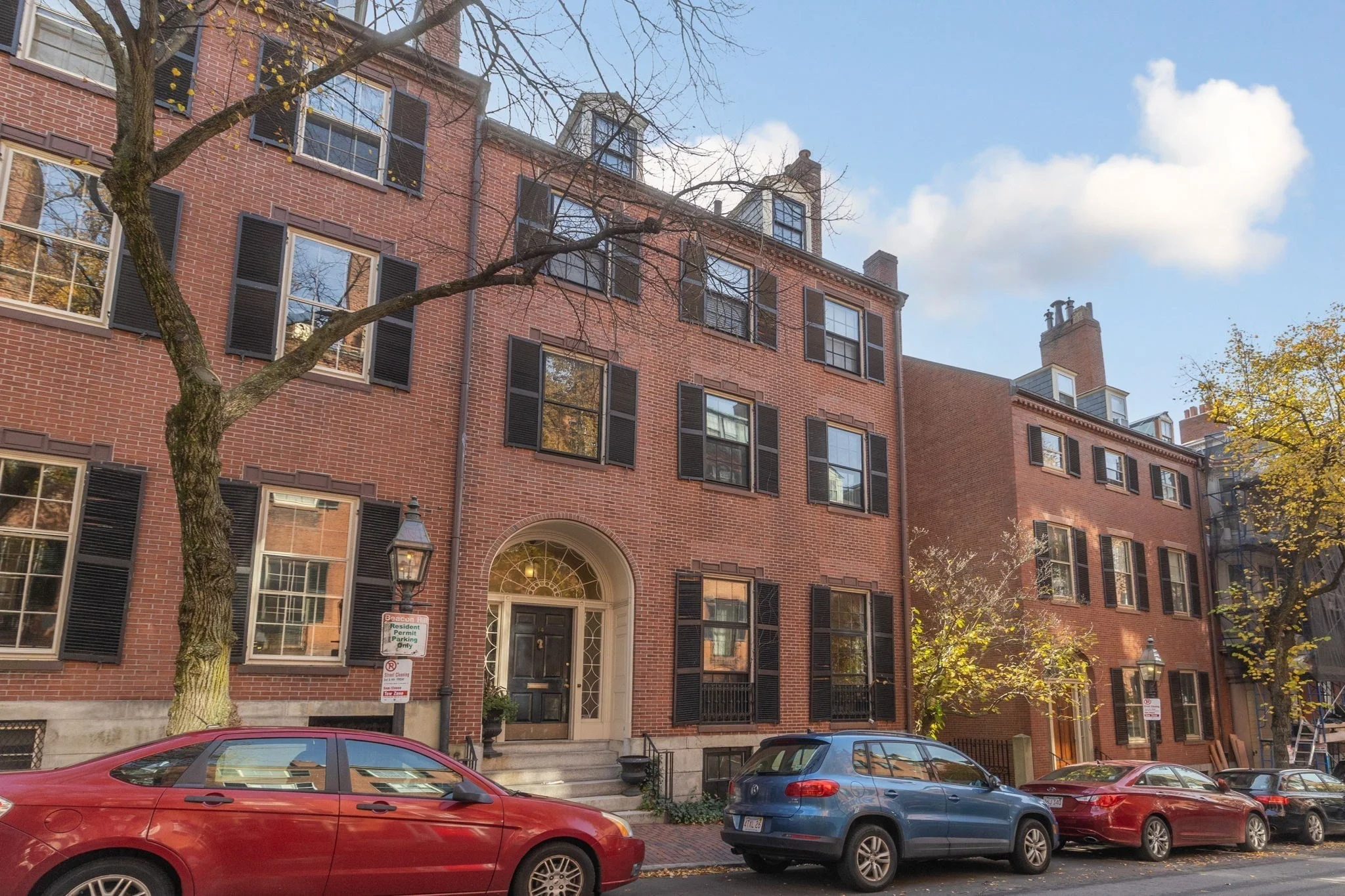
The brownstone blocks of Back Bay and the South End sit beside the downtown core. Allston and Brighton run west along the Green Line and hold both the deepest inventory in the city and some of its lowest one-bedroom averages. South Boston and East Boston face the harbor, Fenway and Jamaica Plain sit along the Green and Orange lines, and Dorchester spreads south with the largest share of three-family housing.
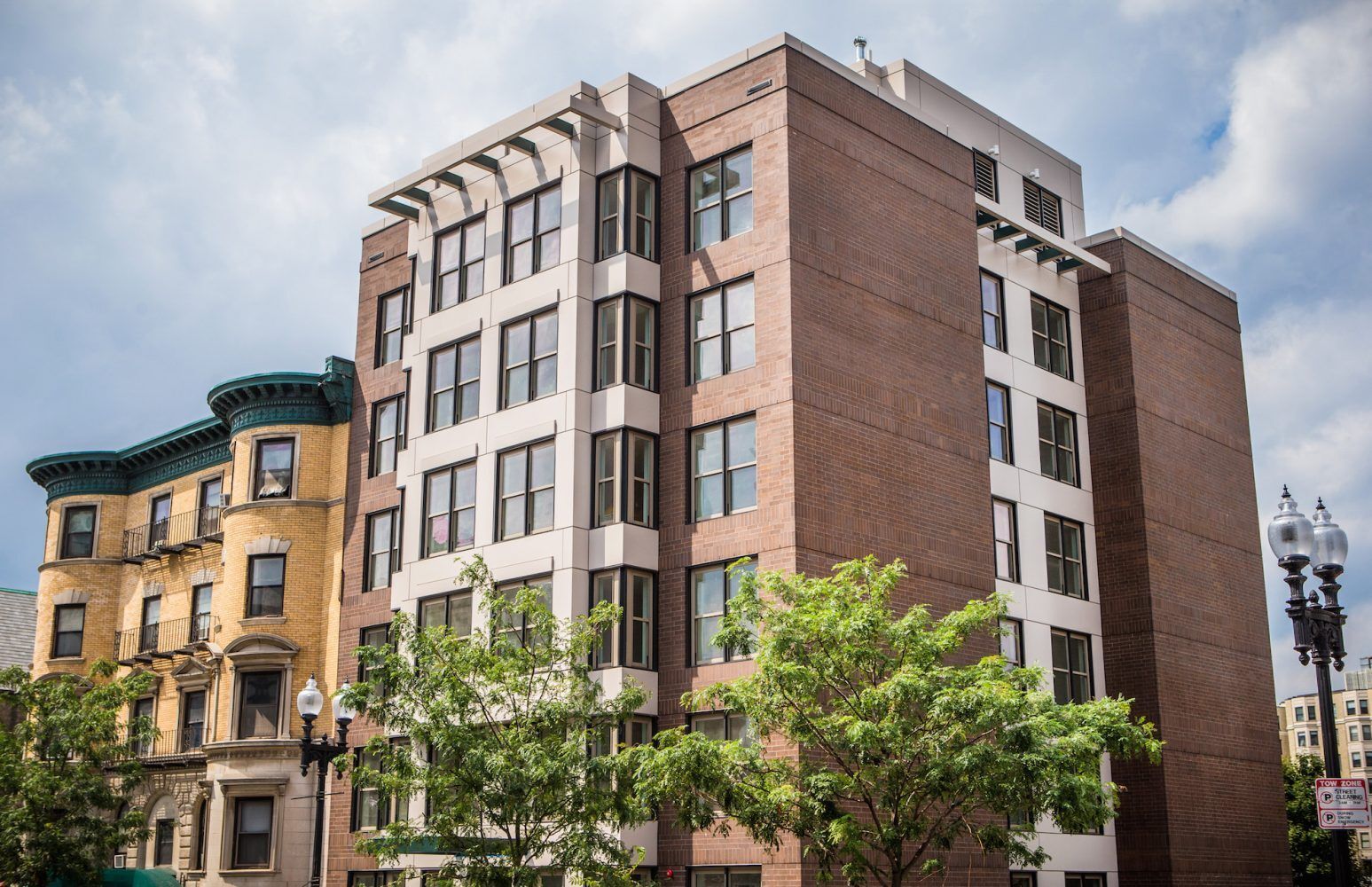
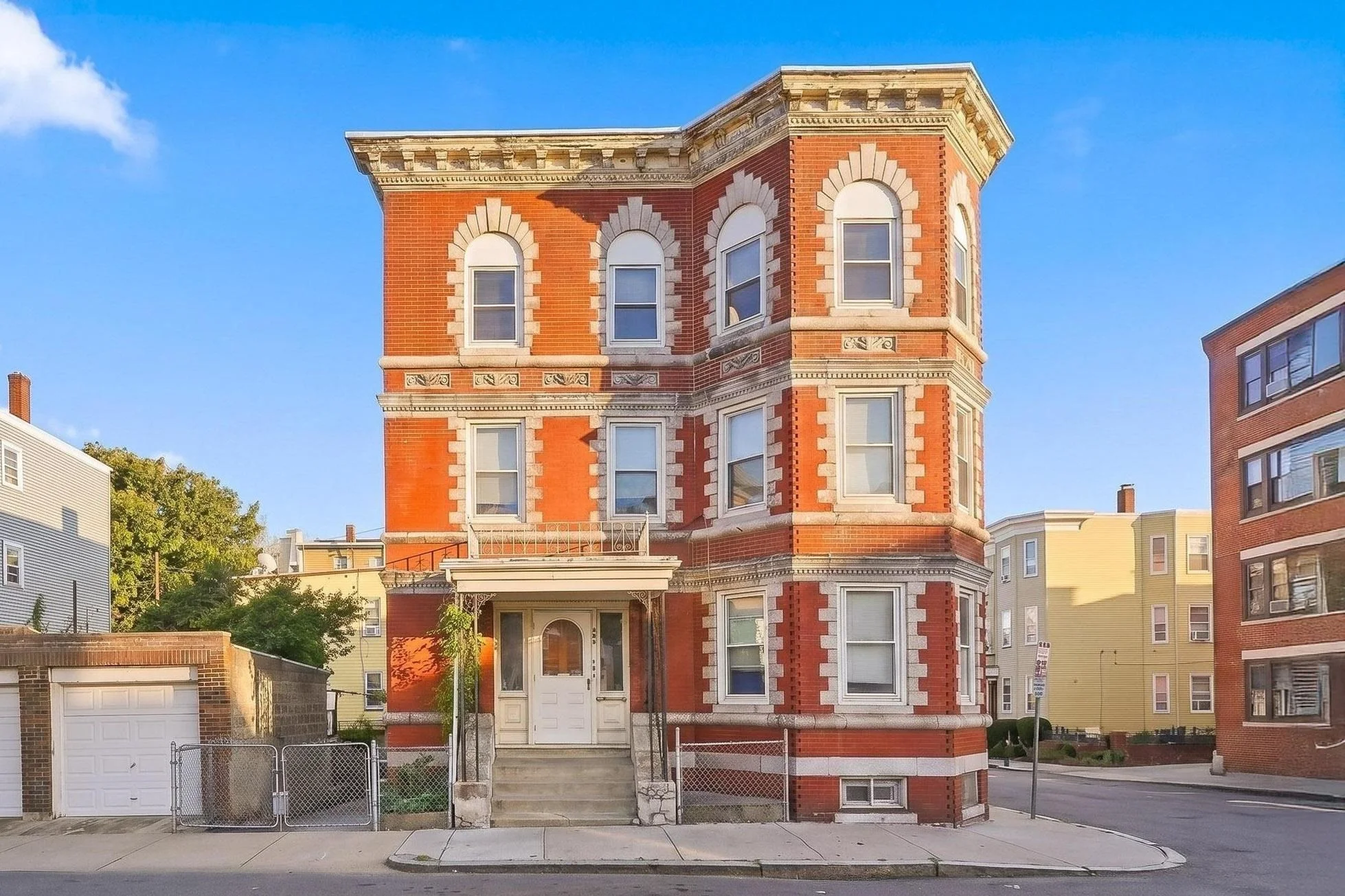
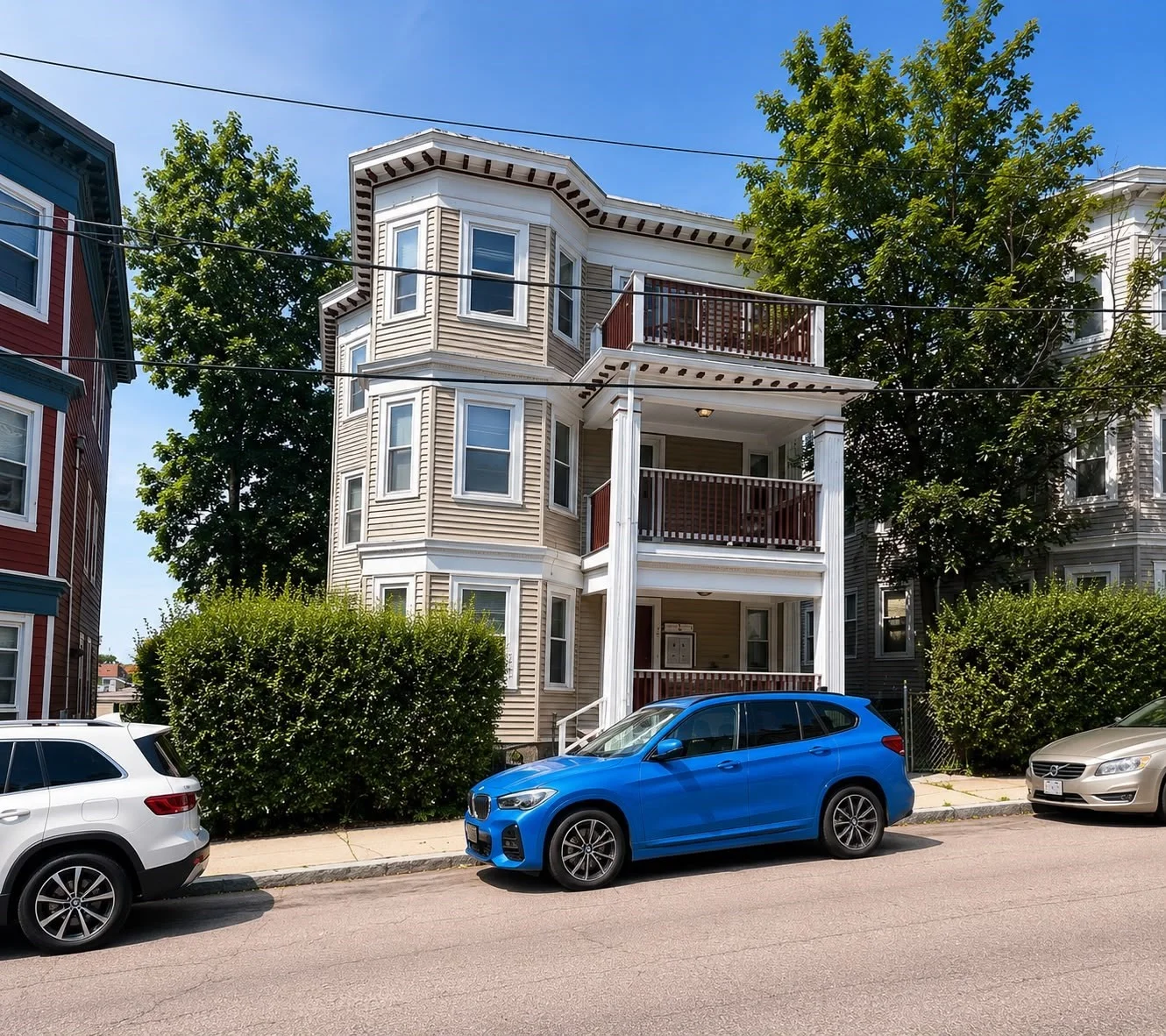
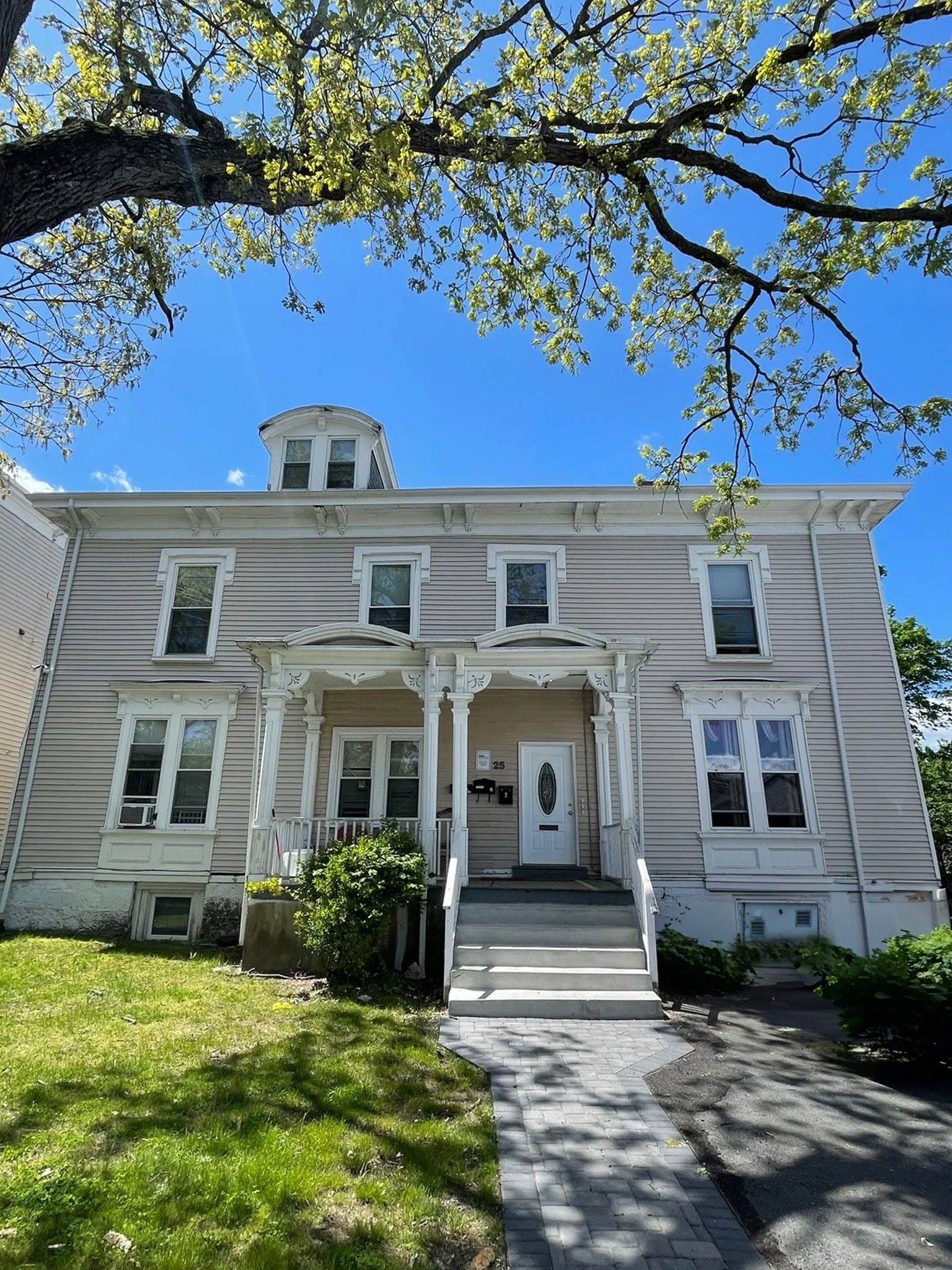
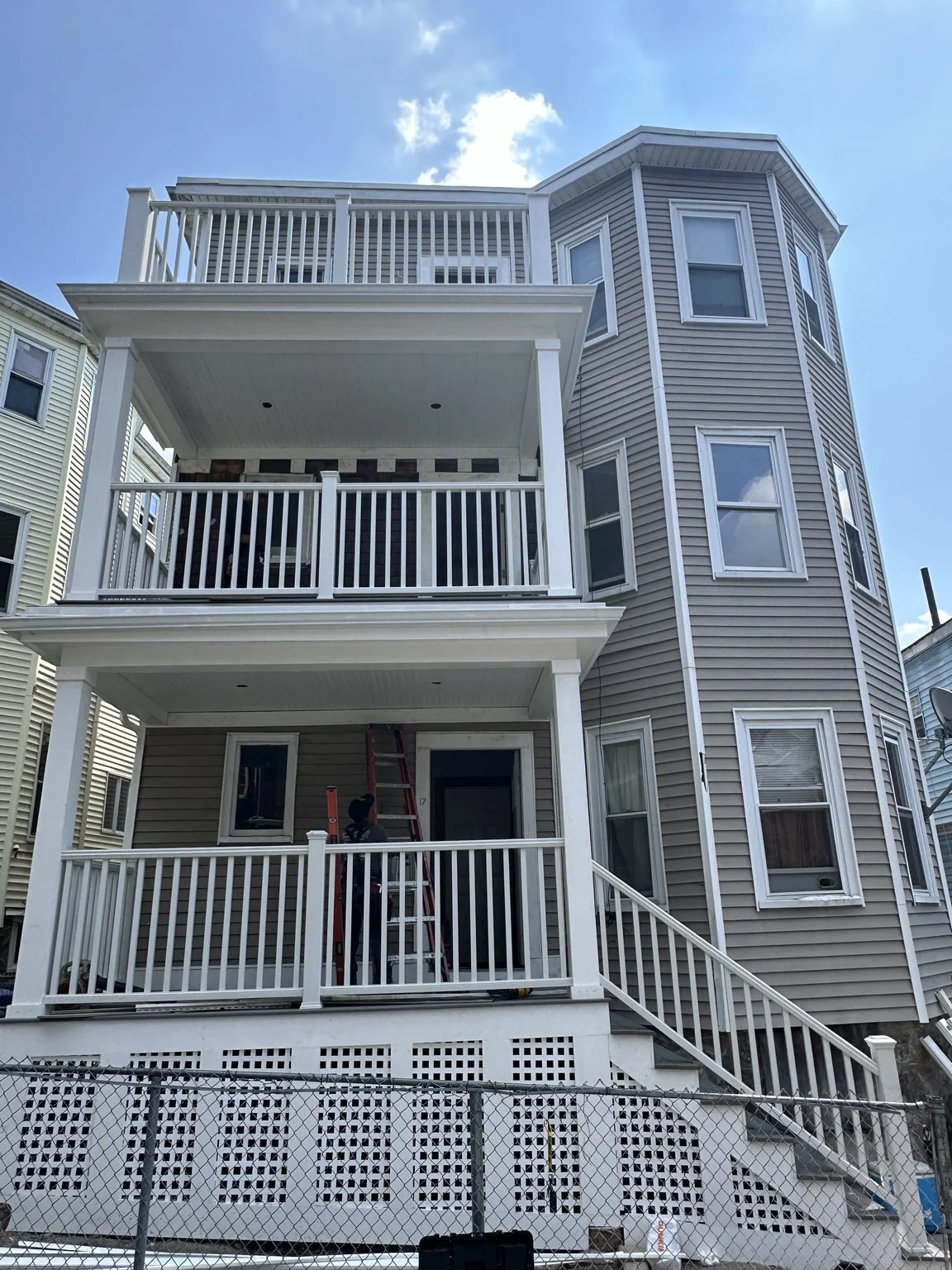
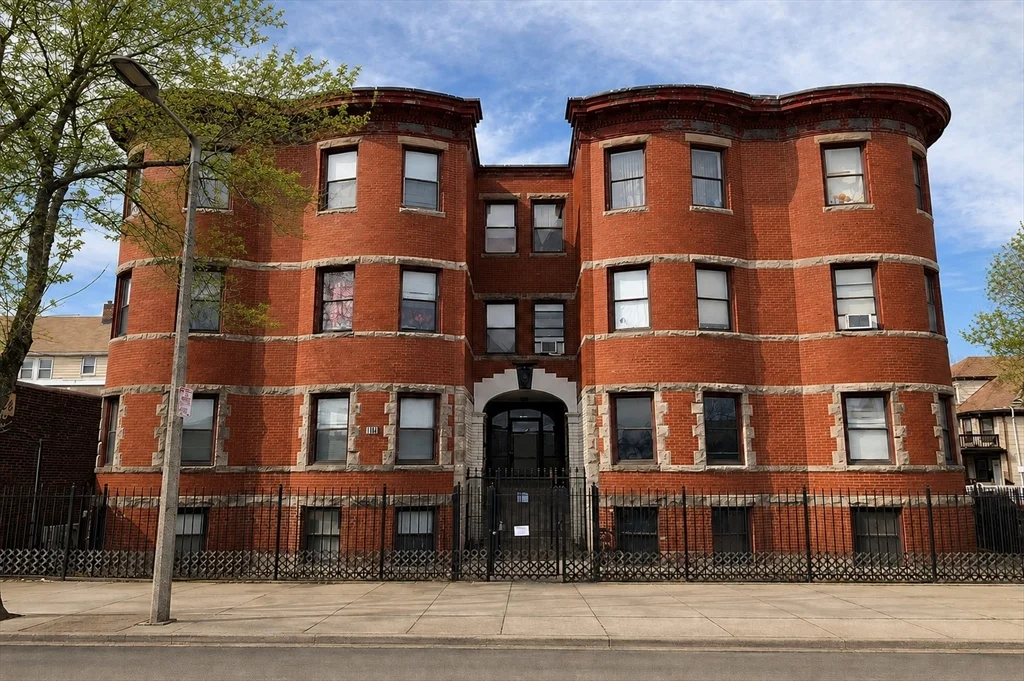
Three-family houses and small four-to-nine-unit buildings together account for roughly half of Boston's residential properties, which is why so many Boston apartments are a full floor of a wood-frame house rather than a unit in a managed building. Only a few hundred buildings in the city have 50 units or more, and those cluster downtown, in Back Bay and along the waterfront. Which of the two you are looking at changes the elevator, laundry, parking and outdoor-space picture completely.
Most of the market turns over on September 1, so inventory is widest from April through July and thinnest in late winter. Searching early in that window gives the widest choice; searching outside it means fewer listings but less competition and more room to negotiate.
Spot Easy lists Boston apartments from verified agents, with real-time availability, filters for bedroom count, bathrooms, pets, parking, laundry, elevator access and no-broker-fee listings, and photos or 3D tours on most units. Average asking rents by bedroom count are published monthly in the Spot Easy Rent Index. We cover how to avoid broker fees in Boston and what is included in Boston apartment rent in more depth.
FAQ about Boston Apartments for Rent
What is the average rent in Boston?
In August 2026 the average asking rent in Boston is $2,373 for a studio, $2,928 for a 1-bedroom (+$133 higher than the median), $3,632 for a 2-bedroom, $4,069 for a 3-bedroom and $4,705 for a 4+ bedroom. Those figures come from active listings on Spot Easy, and we recalculate them each month.
How much should I budget for an apartment in Boston?
Most 1-bedrooms in Boston rent for about $2,928 a month — the more typical (median) price is $2,795. Studios average $2,373, 1-bedrooms average $2,928 and 2-bedrooms average $3,632. Budget toward the average — a handful of pricier units pull it above what most listings actually ask.
Is it cheaper to split a 2-bedroom in Boston than rent a studio?
Usually, yes. A 2-bedroom in Boston splits to about $1,816 each, against $2,373 for a studio. That saves roughly $557 a month, or 23%.
Are there no-fee apartments in Boston?
Yes. You can filter your search down to no-fee listings, and we verify each agent before they can post. Our Boston no-broker-fee apartments page covers how fees work here and what they cost when one does apply.
How much does it cost to rent an apartment in Boston?
In Boston the average asking rent is $2,373 for a studio, $2,928 for a one-bedroom, $3,632 for a two-bedroom and $4,069 for a three-bedroom as of August 2026, according to the Spot Easy Rent Index. Those are averages of asking rents for every listing active during the month, not estimates or a sample. Boston neighborhoods sit well above and below those lines: a one-bedroom runs $2,463 in Brighton and $3,610 in Boston Downtown, a spread of more than a thousand dollars for the same bedroom count. The Rent Index publishes the median beside every average, so you can see where the middle of the market sits instead of relying on a single number. For a Boston one-bedroom, the more typical listing asks $2,795, a little under the average.
What is the typical price of a one-bedroom in Boston?
A one-bedroom in Boston carries an average asking rent of $2,928 as of August 2026, per the Spot Easy Rent Index. The more typical listing asks $2,795, a little below the average, because a smaller number of higher-end one-bedrooms pulls the average upward. Studios sit lower at a $2,373 average, so stepping down a size saves about $555 a month, or roughly $6,660 over a year. Where you search moves the number more than anything else: Brighton's one-bedroom average is $2,463 and Allston's $2,637, while the North End reaches $3,411 and Back Bay $3,574. Sharing costs less per person than renting alone — the $3,632 two-bedroom average works out to about $1,816 a bed, and the $4,069 three-bedroom average to about $1,356. For comparison, the Greater Boston metro average is $2,863, so the city proper runs $65 over the wider region.
Which Boston neighborhoods have the lowest rents?
Brighton has the lowest one-bedroom average asking rent of any Boston neighborhood the Spot Easy Rent Index tracks, at $2,463 as of August 2026, followed by Dorchester at $2,544, Allston at $2,637, East Boston at $2,670 and Fenway at $2,856. All five sit below the $2,928 Boston average. At the other end, Boston Downtown at $3,610, Back Bay at $3,574 and the North End at $3,411 are the most expensive. The pattern is broadly geographic: rents fall as you move outward from the downtown core and Back Bay, and the Green Line B and C corridors through Allston and Brighton carry both the lowest averages and the deepest inventory. Compare the same bedroom count across neighborhood pages rather than comparing neighborhoods in the abstract, since the mix of unit sizes differs a great deal.
Which Boston neighborhoods should I search first?
Start from your commute rather than a neighborhood name, because Boston's transit is radial and a short distance on a map can be a long trip. Allston and Brighton sit on the Green Line B and C branches and carry the deepest rental inventory in the city, which is also why they hold among the lowest one-bedroom averages in the city, at $2,637 and $2,463. South Boston and East Boston put you near the harbor and the Red and Blue lines. Fenway and Mission Hill sit closest to the Longwood Medical Area and the Green Line E. Jamaica Plain and Roxbury run south along the Orange Line, and Dorchester spreads furthest south with the largest share of three-family housing. Each neighborhood page lists its own live inventory and filters, so shortlist two or three and compare the same bedroom count across them.
What kinds of buildings are Boston apartments in?
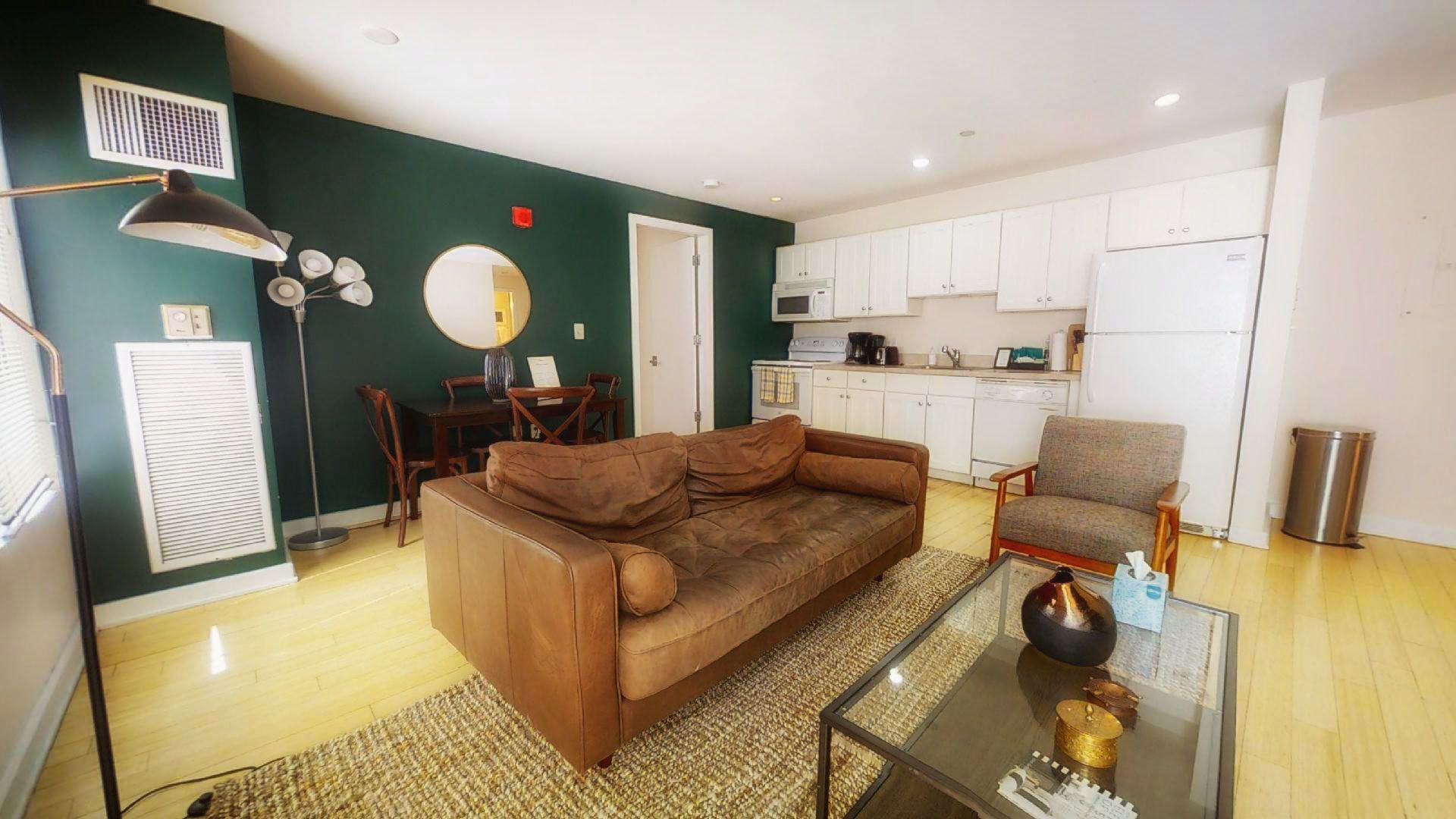
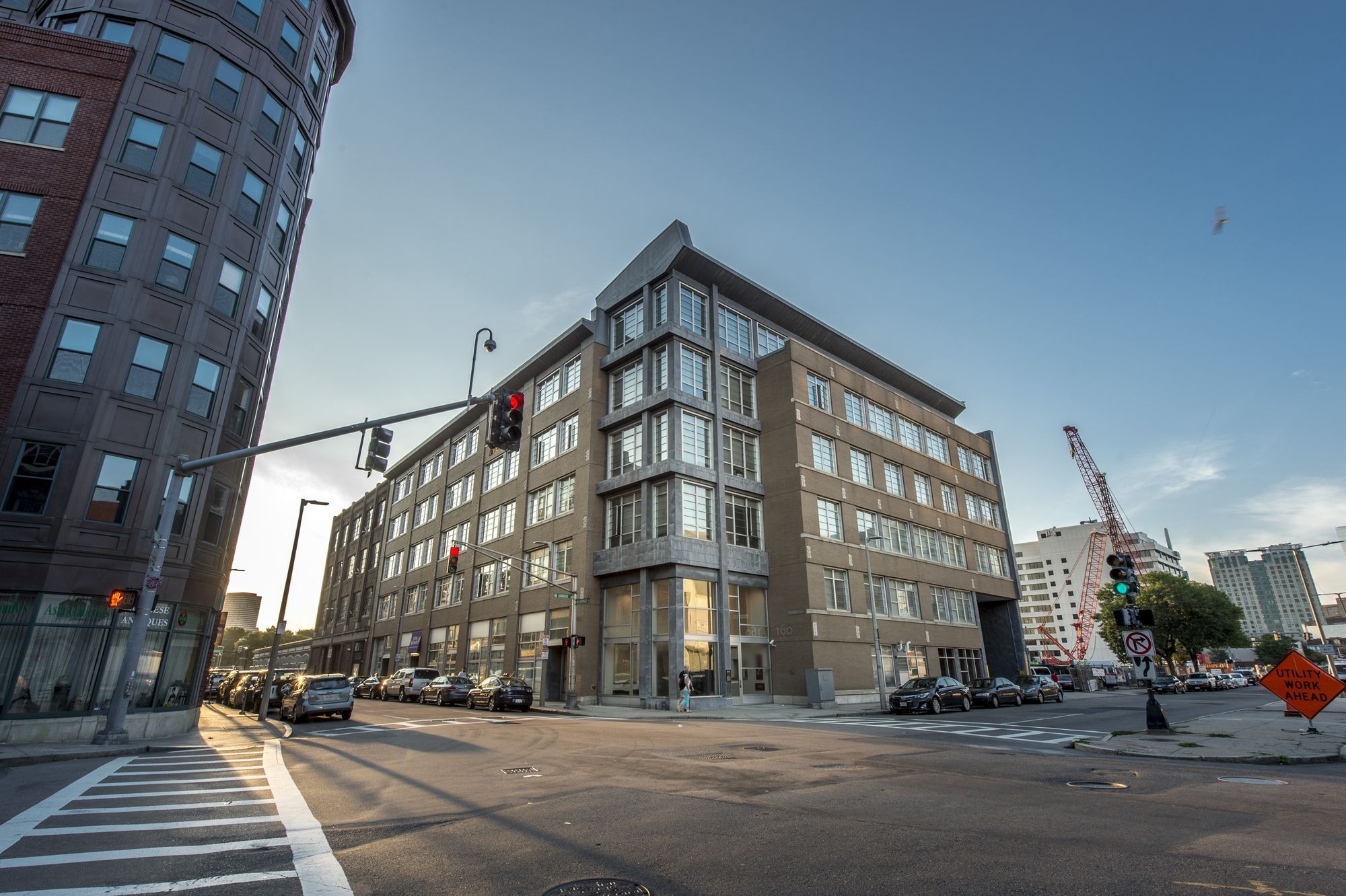
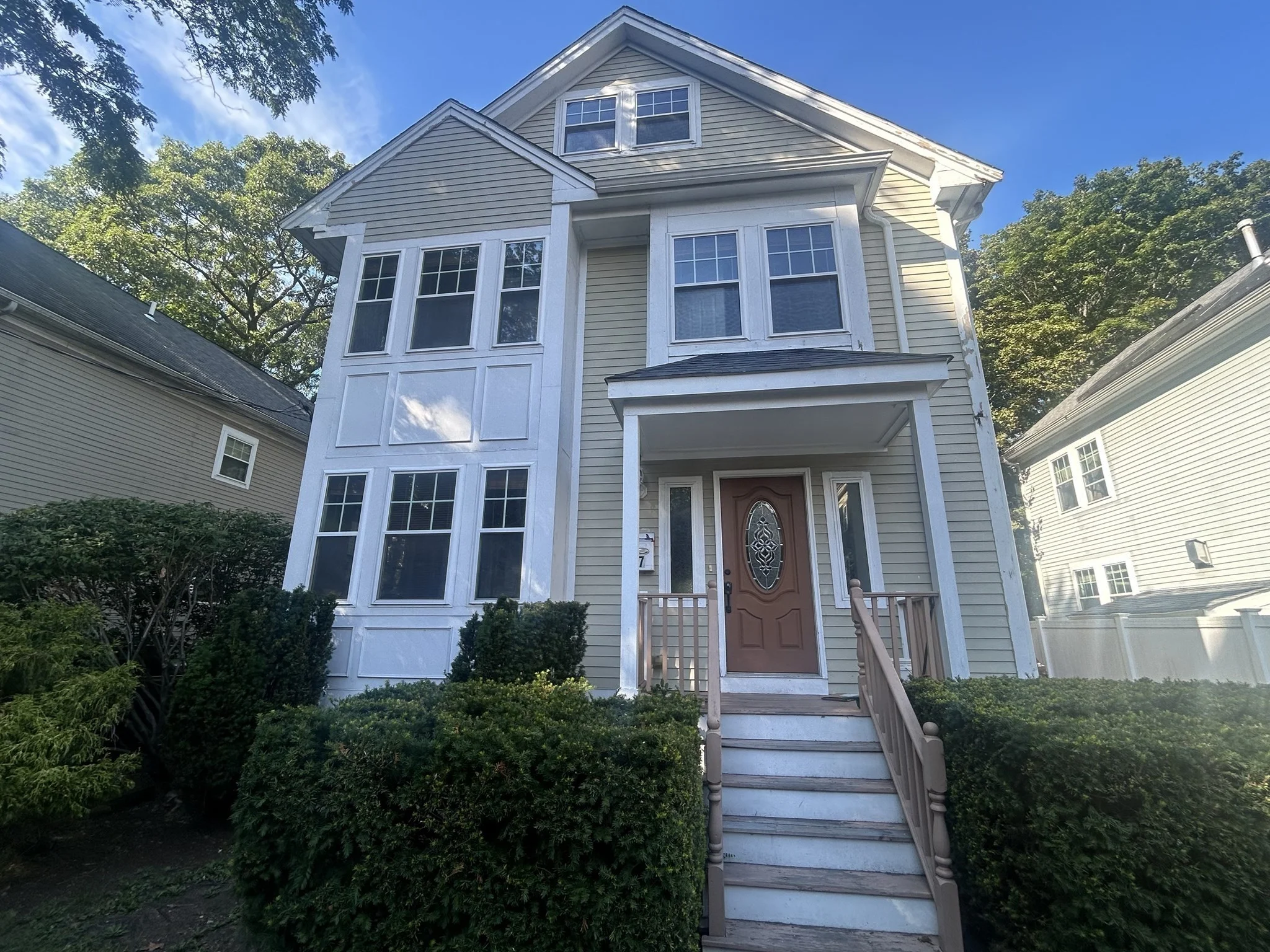
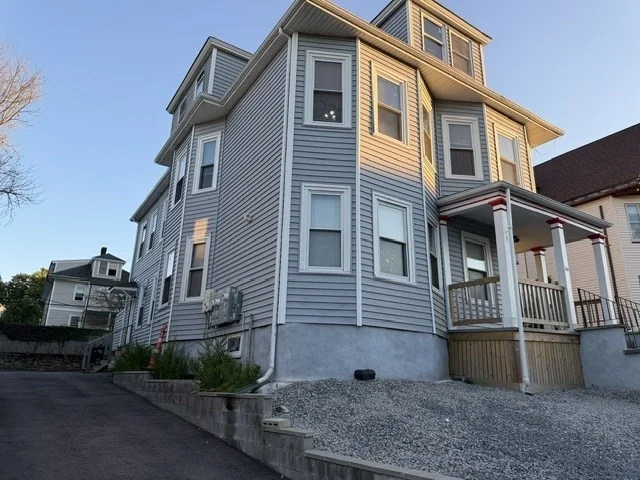
Most Boston apartments are a floor of a wood-frame house rather than a unit in a managed building. Three-family houses and small buildings of four to nine units together account for roughly half of the city's residential properties, while only a few hundred buildings in Boston have 50 units or more. Three-deckers are the defining local housing type and they dominate Dorchester, Allston, Brighton and Jamaica Plain. Larger elevator buildings cluster downtown, in Back Bay, the Seaport District and along the waterfront. The building type is what determines whether elevator access, in-unit laundry, central air and off-street parking are realistic, so it is more reliable to filter for those amenities directly than to infer them from the neighborhood or the rent. Listing photos and 3D tours usually make the distinction obvious at a glance.
When should I start looking for an apartment in Boston?
Boston's rental market runs on a September 1 turnover, so inventory is widest between April and July and thinnest from November through February. That single date drives more of the market here than in most US cities, because the academic calendar and a large share of one-year leases both land on it. If you need a September 1 start, searching in late May or June gives you the widest choice; by August what remains is thin and moves quickly. Searching in late fall or winter means far fewer listings but noticeably less competition, and more willingness to negotiate on a unit that has sat. Whatever the season, set an alert for your bedroom count and neighborhood rather than checking manually, because well-priced units in the peak often go within days of posting.
How competitive is the Boston rental market?
Competitive during the April-to-July peak and materially less so outside it. In the run-up to September 1, well-priced units within a short walk of a T station are often taken by the first complete application rather than the strongest one, so having documents assembled before you tour matters more than touring more apartments. Outside the peak the balance shifts: fewer listings, but less competition on each and more room to negotiate on a unit that has been sitting. Fee terms are one place renters have more leverage than they expect, and they are set per listing rather than per neighborhood, so the no-broker-fee filter is worth applying early rather than assuming a fee applies everywhere. A unit that has sat past September is also the one most likely to move on price.
How do I find no-broker-fee apartments in Boston?
Apply the no-broker-fee filter, which restricts results to listings an agent has marked as carrying no tenant-paid fee. Fee terms in Boston are set per listing rather than per neighborhood or building, so the filter is more reliable than any rule of thumb about where no-fee apartments cluster. Our Boston no-broker-fee apartments page covers the rest: what a fee costs when one applies, who is allowed to pay an agent under the Massachusetts rule effective August 1, 2025, and when no-fee units are easiest to find.
Are utilities included in Boston apartment rentals?
It depends on the building type more than the neighborhood. Larger managed buildings sometimes include heat and hot water in the rent, while the three-family houses that make up most of Boston's stock usually leave heat, electricity and internet to the tenant. The difference is not small in a Boston winter: two units can advertise the same rent and cost meaningfully different amounts between December and March, and older three-deckers are rarely the better insulated of the two. Heat and hot water are the line items that move the total most, while electricity and internet are more predictable. Every Spot Easy listing states what is included, so check that line before comparing two rents directly. If heat is on the tenant, ask which fuel the unit uses and for a recent monthly figure for that specific unit rather than an estimate for the building, since consumption varies by floor and exposure.
Can I find a short-term or sublet apartment in Boston?
Yes, though short-term rentals are a small share of the Boston market and cluster around the academic calendar. Most availability appears for summer terms and mid-year departures, so May through August is when the most options post and availability outside that window is inconsistent. Filter for short-term listings and read the lease length stated on each one, since short term can mean anything from a two-month summer sublet to a nine-month academic-year lease. Expect to provide the same documents a standard lease requires. With a sublet the original tenant usually stays on the lease, so confirm in writing that the landlord has approved the arrangement before you pay anything. Because this inventory turns over quickly and unpredictably, an alert for your size and neighborhood beats checking manually, and dates aligned to September 1 will always give you more choice.
Are there pet-friendly apartments in Boston?
Yes, and it is worth applying the pet filter at the start of a Boston search rather than the end, because policies vary sharply between buildings and a restriction will rule out an otherwise ideal unit. Some buildings allow cats but not dogs, others cap weight or exclude specific breeds, and many that do allow pets charge either a one-time pet fee or additional monthly rent. Owner-held three-family houses, which make up most of Boston's rental stock, are often more flexible than large managed buildings, but the policy is set per listing rather than per neighborhood, so read each one. Ask whether the allowance is written into the lease or informal, since an informal arrangement can change when a building changes hands. Where a listing is pet-friendly, expect questions about the animal's size, breed and age, and be ready to provide vet records.
What documents do I need to rent an apartment in Boston?
Expect photo ID, recent pay stubs or a signed offer letter, and references from a prior landlord. Managed buildings run formal credit and income screening and often ask for annual income at a multiple of the monthly rent, so allow a day or two for a decision; owner-held units are frequently decided by the owner directly and can move within hours. First month, last month and a security deposit are typically due at signing, and Massachusetts caps a security deposit at one month's rent. At the $2,928 Boston one-bedroom average that is roughly $8,784 up front before any broker fee. The deposit must be held in a separate interest-bearing account at a Massachusetts bank, and you are owed a receipt within 30 days naming the bank and the account. Assembling the complete file before you tour is the highest-value thing you can do during the April-to-July peak.