

![What Is Typically Included in Apartment Rent in Boston? [Guide for 2025]](https://storage.ghost.io/c/a0/b2/a0b24891-6a6c-47f1-ab75-80aa819e6bed/content/images/2025/08/What-Is-Typically-Included-in-Apartment-Rent-in-Boston.png)
If you’re renting in Boston, one of the most important details in your lease is knowing exactly what’s included in your rent. Beyond the base rental price, inclusions like heat, hot water, internet, or parking can have a big impact on your monthly budget.
Boston’s rental market is unique, and what’s covered can vary widely depending on the building type, neighborhood, and landlord’s policies. This guide breaks down the most common utilities, amenities, and services included in Boston apartment rent, the legal requirements, and how to negotiate the best deal.
What “Included in Rent” Means on a Boston Listing
When a listing says “utilities included” or “heat and hot water included,” it means your landlord covers those specific costs as part of your monthly rent. Instead of paying separate bills to service providers like Eversource or National Grid, you pay a single rent amount that bundles those charges.
Why Inclusions Matter for Renters
Inclusions protect you from seasonal cost spikes, especially during Boston’s cold months, and they make listings easier to compare accurately — two apartments at the same advertised rent can have very different true monthly costs.
How Boston’s Rental Market Differs
Boston has a lot of older housing stock, including brownstones, and those buildings are where you’re most likely to find heat and hot water bundled into the rent. It varies building by building, though, so confirm it in writing rather than assuming. Newer high-rises, on the other hand, may separate out utilities but offer more modern amenities.
Common Utilities Included in Boston Rent
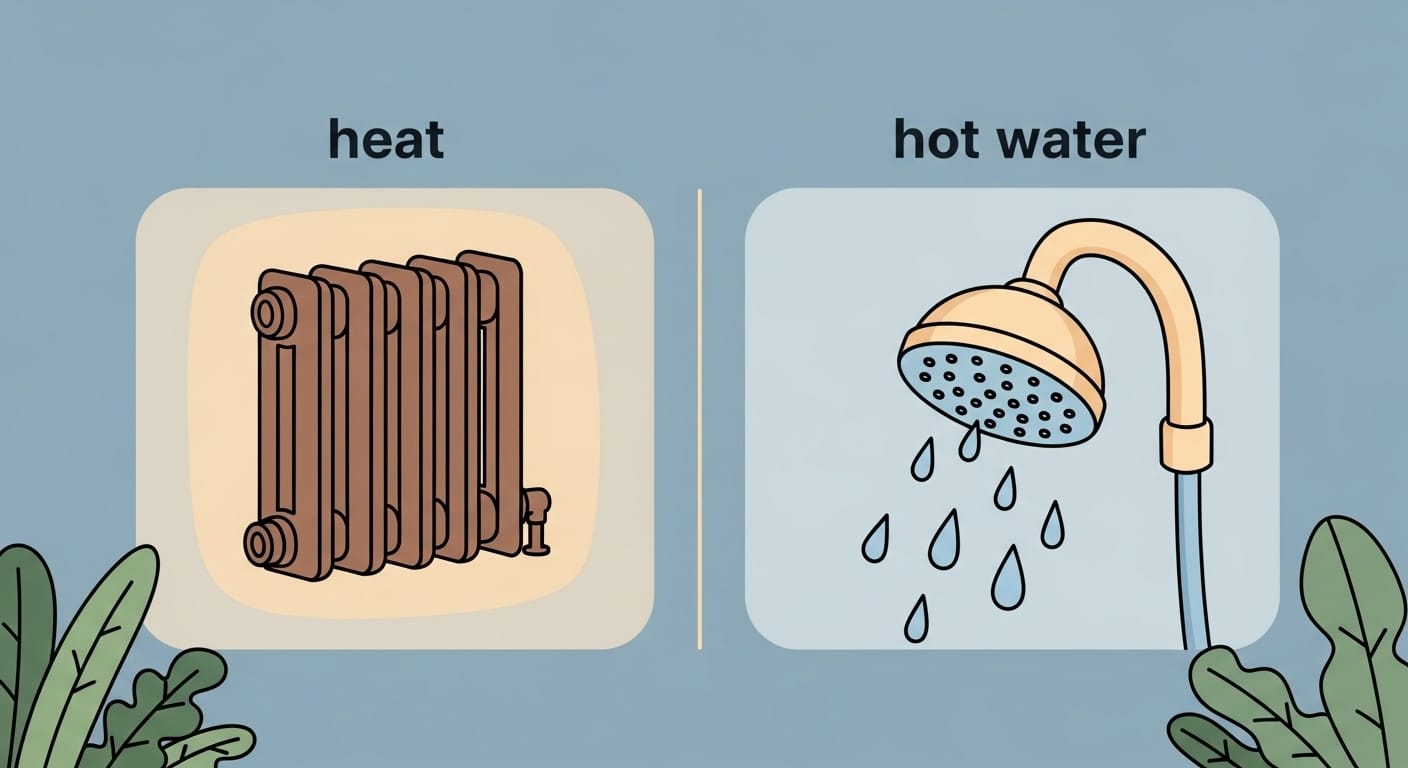
Heat, hot water, and water and sewer are the utilities you’ll most often see bundled into Boston rent, while electricity, cooking gas, internet, and parking are the ones that vary most from building to building. Massachusetts law also decides some of this for you — a landlord must supply heat and hot water to a minimum standard regardless of what the lease says about who pays.
Heat and Hot Water
In Boston, heat and hot water included is one of the most common rental perks. Massachusetts requires landlords to maintain heat from September 15 through May 31 under the state Housing Code (105 CMR 410.180), so many landlords simply build this cost into the rent. A local board of health can shorten the season for its city or town, ending it as early as May 15 or starting it as late as September 30, so check your city’s posted heating season if you’re near the edge of it.
- Common heating systems: Oil-fired boilers, gas heat, and central heating.
- Winter advantage: Heating costs can spike during cold months; having this included saves money and hassle.
Water and Sewer Charges
Water and sewer are billed at the property level, which makes them easier to fold into rent — this is especially common in multi-unit buildings. Massachusetts does let a landlord bill water to you separately, but only at the start of a new tenancy and only if strict conditions are met: the unit has to be separately submetered, water-conservation devices must be installed, and the arrangement has to be set out in a written rental agreement (G.L. c.186 §22). If your lease is silent on water, ask before you sign.
Trash and Snow Removal Services
Check your lease for who handles trash and snow removal. In many Boston buildings the landlord takes care of both, and in Boston’s snowy winters snow clearing for walkways and driveways is often written into lease obligations — but it’s a lease term, so read it rather than assume it.
Cooking Gas or Electric Heat
Some older Boston apartments use gas for cooking and heating. Inclusions vary—gas may be bundled with rent in some brownstones, while electric heating is more often billed separately.
Electricity
Electricity is less commonly included in Boston rents, but you may find it bundled in some furnished or luxury rentals. If excluded, tenants typically set up an account with Eversource and pay monthly based on usage.
Amenities Often Covered in Boston Rentals
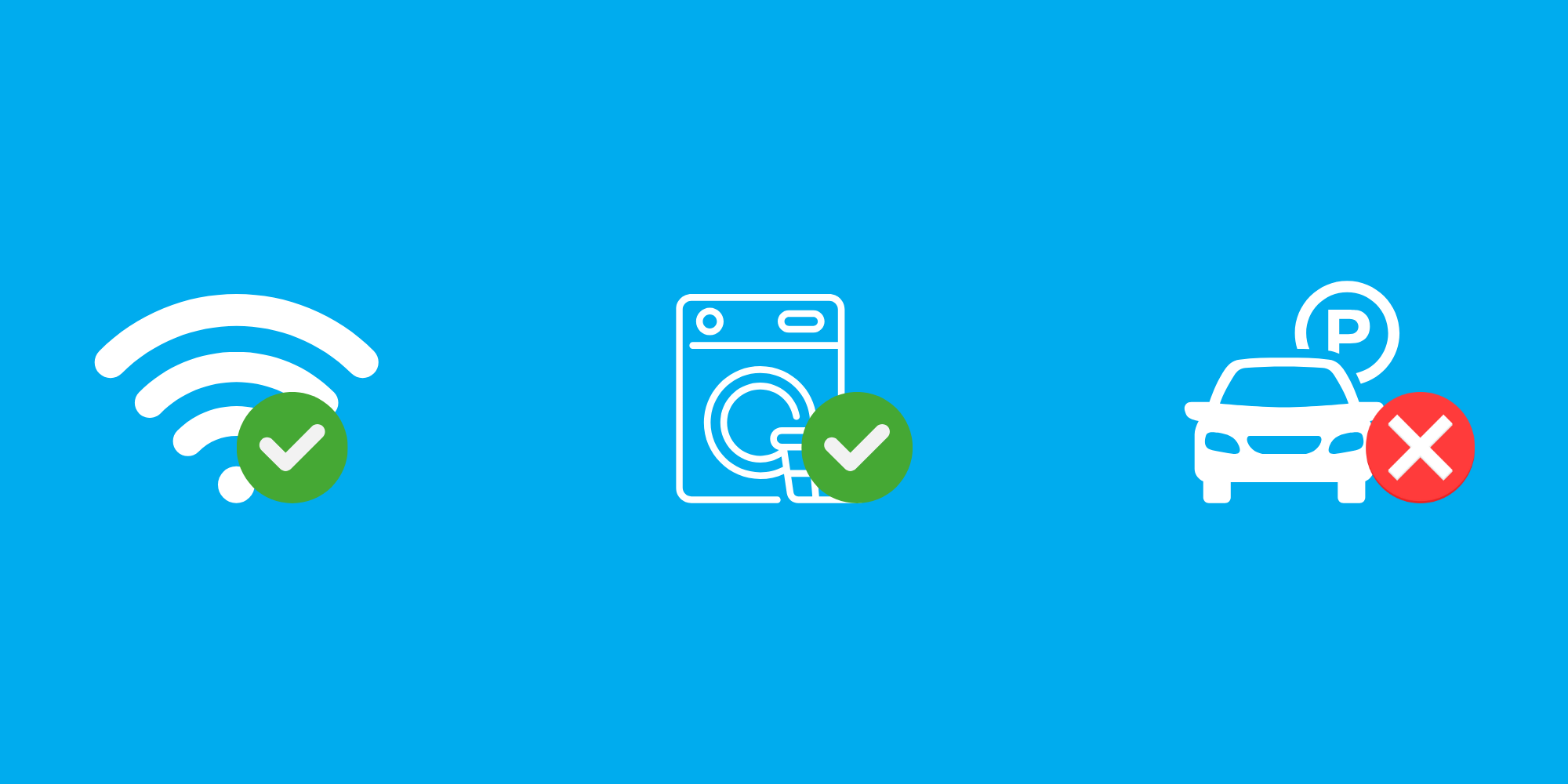
Beyond utilities, some Boston landlords bundle Wi-Fi, laundry, parking, or building security into the rent. These extras show up most often in furnished, student-oriented, and professionally managed buildings, and least often in small older multi-families.
Wi-Fi/Internet & Cable TV
While not a legal requirement, some landlords include Wi-Fi or cable TV in the rent—especially in furnished or student-oriented apartments. How much that saves you depends entirely on the plan the building provides, so ask what the service actually is before treating it as a discount.
Laundry Facilities
Some buildings offer free shared laundry facilities, while others charge per load or require tenants to arrange their own appliances.
Parking
In high-demand neighborhoods like Back Bay or Beacon Hill, parking spaces can be extremely valuable. Some leases bundle parking into the rent, but more often it’s an optional add-on.
Security Systems and Building Maintenance
Intercoms, keyless entry systems, and building security can be part of the rental package, particularly in luxury or professionally managed properties.
Furnished vs. Unfurnished
Furnished apartments—often aimed at short-term renters or relocating professionals—may include more bundled services like utilities, internet, and even cleaning.
What Determines Whether Utilities Are Included
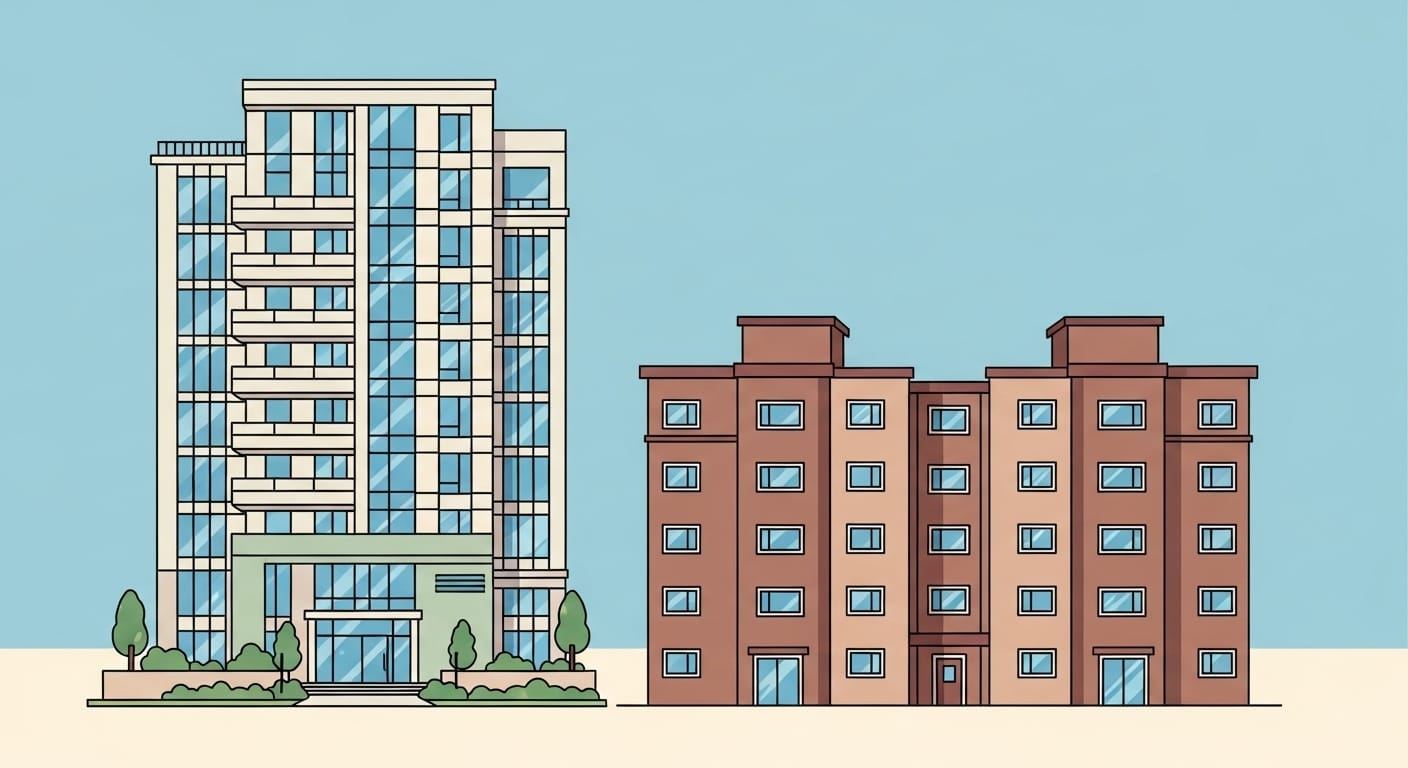
Three things drive it: the neighborhood, the building’s age and type, and whether the unit is marketed as luxury or affordable. Older centrally-heated buildings more often include heat, while newer buildings with individual HVAC usually bill separately. Renting across the river? Compare against what’s standard and what’s extra in Cambridge apartment utilities.
How Inclusions Vary by Boston Neighborhood
- Back Bay & Beacon Hill: High rents, but many historic units include heat and hot water.
- Allston & Brighton: A lot of older multi-family housing, so what is included varies widely from one building to the next.
- Jamaica Plain & Dorchester: More variation in amenities; you may find larger units with more inclusions for the price.
Brownstones vs. High-Rises
- Brownstones: Often include heat and hot water, fewer luxury amenities.
- High-Rises: Modern features, but utilities may be billed separately.
Luxury Apartments vs. Affordable Housing
Luxury units often separate utility charges but offer high-end extras like gyms or concierge services. Affordable housing may include more utilities to simplify billing.
Why Older Buildings More Often Include Heat
Historic properties often use centralized heating systems that are easier to include in rent. Newer properties with individual HVAC units usually bill separately.
Costs When Utilities Are Not Included
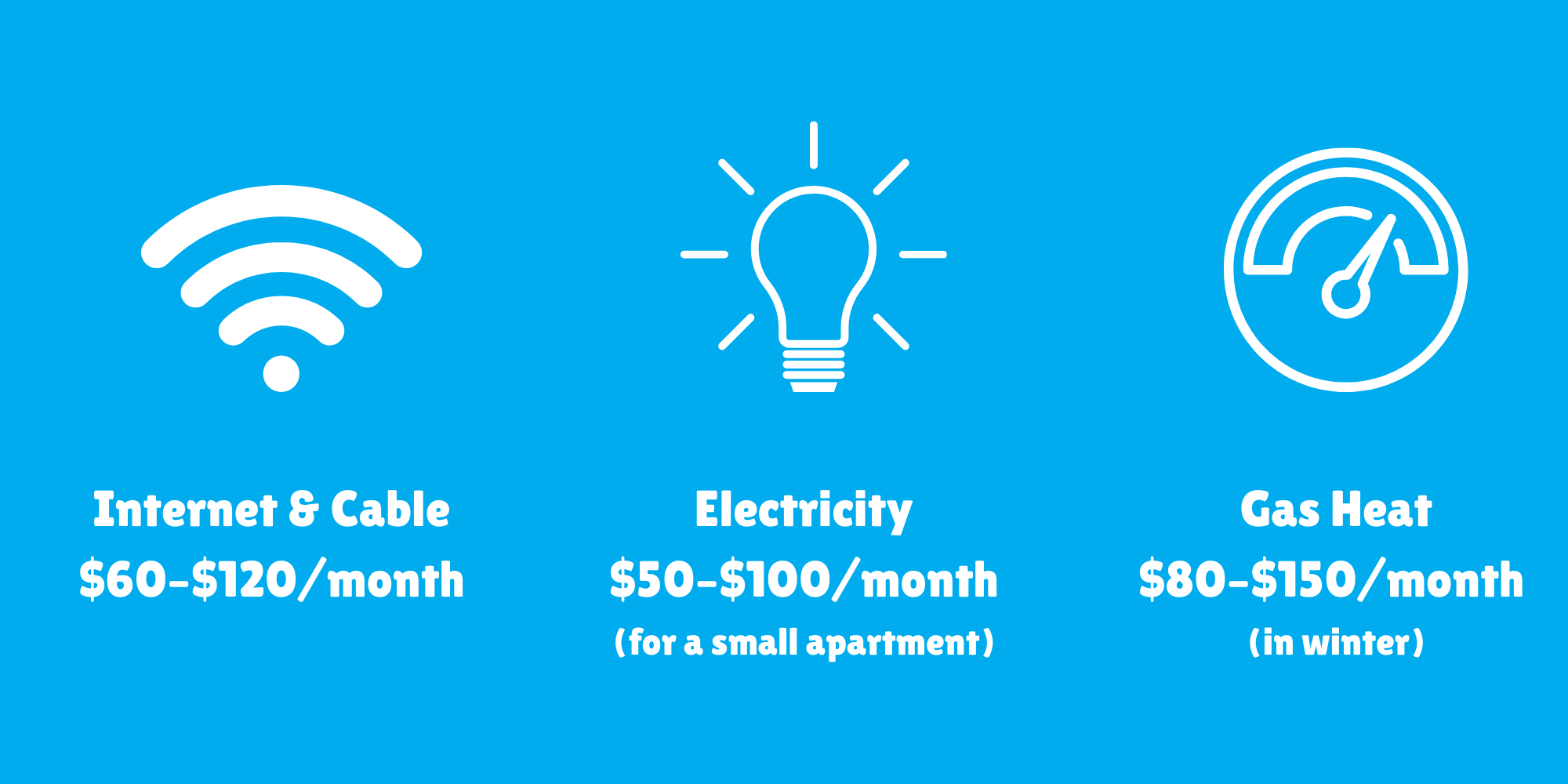
If your rent excludes major utilities, you’ll be budgeting for electricity, heating, and internet as separate monthly bills on top of rent. There’s no reliable citywide “average” for this — what you’ll actually pay depends on the size of the unit, how it’s heated, how well it’s insulated, and your own usage. The number that matters is the one for the specific apartment you’re considering, and you can usually get it.
Which Bills You’ll Be Responsible For
When utilities aren’t included, these are the ones that typically land in your name:
- Electricity: billed by Eversource based on your usage; higher in summer if you run air conditioning.
- Heating: gas, oil, or electric, depending on the building — this is usually the largest seasonal swing.
- Internet & cable: your own account with a provider; varies by plan and promotion.
- Water/sewer: often the landlord’s, and billable to you only under the submetering conditions described above.
How Electricity and Gas Costs Differ by Season
Electric heating can cost more than gas during winter months. Air conditioning use in summer also increases electricity bills.
Winter Heating Costs
Boston winters can be long and cold. If heat isn’t included, plan for a seasonal spike in your utility bills rather than budgeting off a summer month.
Estimating Costs Before Signing a Lease
Ask the landlord for the average monthly utility bills from previous tenants, or contact the utility companies directly for historical usage data at that address. This is the most reliable number you can get, because it reflects the actual unit rather than a citywide average — and it’s a fair question to ask before you sign.

What Massachusetts Law Requires Landlords to Provide
Massachusetts sets minimum standards for heat and hot water that apply no matter what your lease says about who pays, and it limits when a landlord can pass electricity and gas costs to you at all. These come from the State Sanitary Code’s housing chapter, 105 CMR 410.000.
Massachusetts Laws on Heat & Hot Water
Landlords must supply heat from September 15 through May 31, at a minimum of 68°F between 7:00 a.m. and 11:00 p.m. and 64°F between 11:01 p.m. and 6:59 a.m. (105 CMR 410.180). The same section caps the heating system at 78°F, so an overheated apartment is a code issue too.
Hot Water Temperature Requirements
Landlords are also responsible for providing hot water year-round at not less than 110°F, and it must not exceed 130°F (105 CMR 410.190).
When the Landlord Must Pay for a Shared Utility
The owner has to provide the electricity and gas used in your unit unless two things are both true: the gas or electricity is metered through a meter serving only your unit, and a written letting agreement says you pay for it (105 CMR 410.354). So if a meter covers more than your apartment — a shared hallway, a basement, another unit — that cost is the landlord’s, not yours.

How to Negotiate Utilities into Your Rent
You have the most leverage before you sign. Ask which utilities are included in writing, then ask whether parking, internet, or storage can be bundled into the monthly rent rather than billed separately.
Questions to Ask Before Signing a Lease
- Which utilities are included?
- Is heat central or individual?
- Who pays for electricity and the internet?
- Are there seasonal cost spikes?
Bundling Amenities for a Better Deal
If you’re negotiating, ask about combining parking, internet, or additional storage into your monthly rent.
Comparing Listings for Inclusions
Two apartments with similar rent prices may have vastly different total monthly costs once utilities are factored in.

Costs That Are Almost Never Included in Rent
Renters insurance, your upfront move-in costs, and pet fees sit outside the rent almost everywhere in Boston — budget for them separately from your monthly number.
Renters Insurance
Many Boston leases require you to carry renters insurance, and it isn’t included in your rent — check whether yours does. If you’re new to it, here’s why you need renters insurance.
Security Deposits and Upfront Fees
Common move-in costs include first month’s rent, last month’s rent, and a security deposit. Broker fees are a separate question, and the Massachusetts rules on them changed — see the complete guide to Boston’s broker-fee law before you agree to pay one. What a landlord may take out of a deposit is also tightly limited; our guide to Massachusetts security deposit law covers it.
Pet Fees
If you have pets, check whether fees or monthly pet rent apply.

How to Compare Two Listings on Total Monthly Cost
Add the rent to the utilities you’d actually pay in each unit, then compare those two totals. An apartment with higher rent but more inclusions can genuinely be the cheaper place to live.
Checklist for Reviewing a Lease in Boston
- Confirm all inclusions in writing
- Understand seasonal heating rules
- Ask for average utility bills
- Clarify pet, parking, and amenity policies
Why Higher Rent Can Cost Less Overall
Look beyond the rent amount—factor in all inclusions, exclusions, and seasonal costs to make an informed decision. A unit that bundles heat in a cold-weather city can beat a cheaper listing that doesn’t.
Boston Rent Inclusions: Quick Answers
Q: What utilities are typically included in Boston apartment rent?
Heat, hot water, and water/sewer are the ones you’ll most often see included. Electricity, gas for cooking, internet, and parking may or may not be, depending on the property — and trash and snow removal come down to what your lease says.
Q: Is heat free in Boston rentals?
“Free” heat usually means it’s bundled into your rent. Massachusetts requires landlords to provide heat from September 15 through May 31 (105 CMR 410.180), but whether you pay for it separately depends on your lease.
Q: How much do utilities cost without inclusion?
It depends too much on the unit to quote a useful citywide range — heating type, apartment size, insulation, and your own usage all move it. Ask the landlord for the previous tenant’s average monthly bills, or ask the utility for historical usage at that address. That number is specific to the apartment you’re actually considering.
The Bottom Line on Boston Rent Inclusions
Knowing what’s included in your Boston apartment rent can save you money and stress. Always get inclusions in writing, compare listings carefully, and understand both the legal requirements and seasonal cost factors.
In a city with diverse housing—from historic brownstones to luxury towers—these details can make all the difference in finding the right place at the right price.