




Average rent in Charlestown
As of August 2026, active listings on Spot Easy, each posted by verified agents.
| Size | Average |
|---|---|
| 2-bedroom | $4,166 |
About Charlestown
Charlestown sits across the Charles River from the North End, on a peninsula small enough to walk end to end in half an hour. Only four neighborhoods in the Spot Easy Rent Index average more for a two-bedroom - the Back Bay, Chinatown, the South End and the North End: the Spot Easy Rent Index put the average asking rent for a Charlestown two-bedroom at $4,166 in August 2026, against $3,632 across Boston and $3,533 across Greater Boston. The more typical listing asked $3,850, so the average is being pulled upward by a thin band of high-end units rather than describing the middle of the market.
Transit is the reason to be careful here. The Orange Line stops at Community College and Sullivan Square, both on the western edge, and the MBTA ferry runs from the Navy Yard to Long Wharf in about ten minutes. Nothing else touches the neighborhood. There is no Red Line, no Blue Line and no Green Line stop in Charlestown at all, and the walk from the eastern end of the Navy Yard to Community College is a genuine twenty minutes. Where you sit relative to those two stations changes your commute more than it changes your rent.
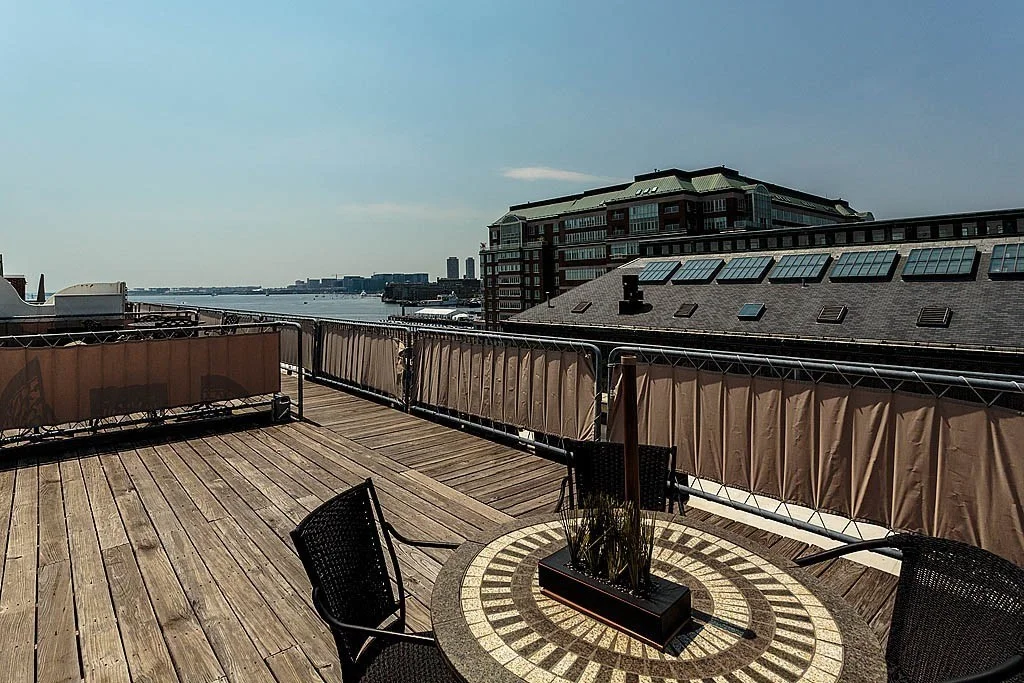
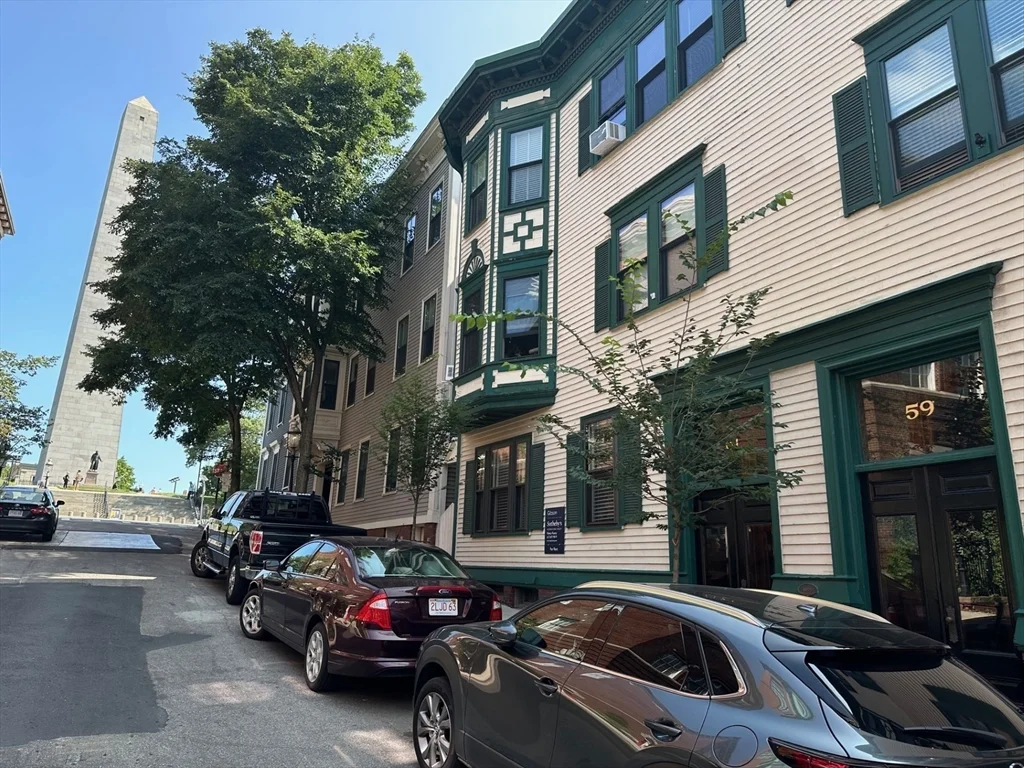
The peninsula divides into a few distinct pockets: the streets climbing Bunker Hill, the flatter blocks around City Square and Thompson Square, and the converted Navy Yard along the waterfront. The North End is one bridge away, East Boston faces it across the harbor, and Somerville begins just past Sullivan Square.
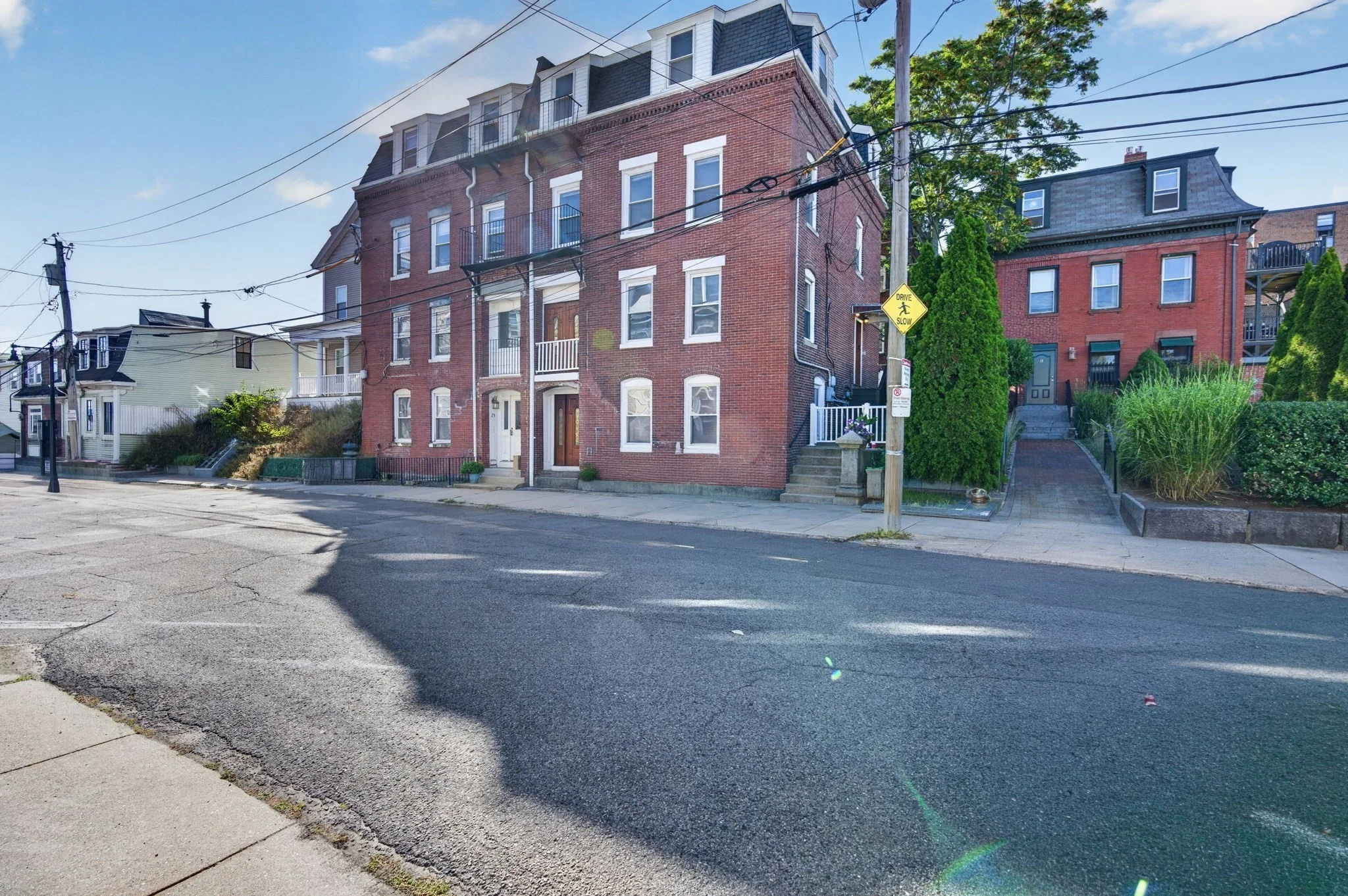
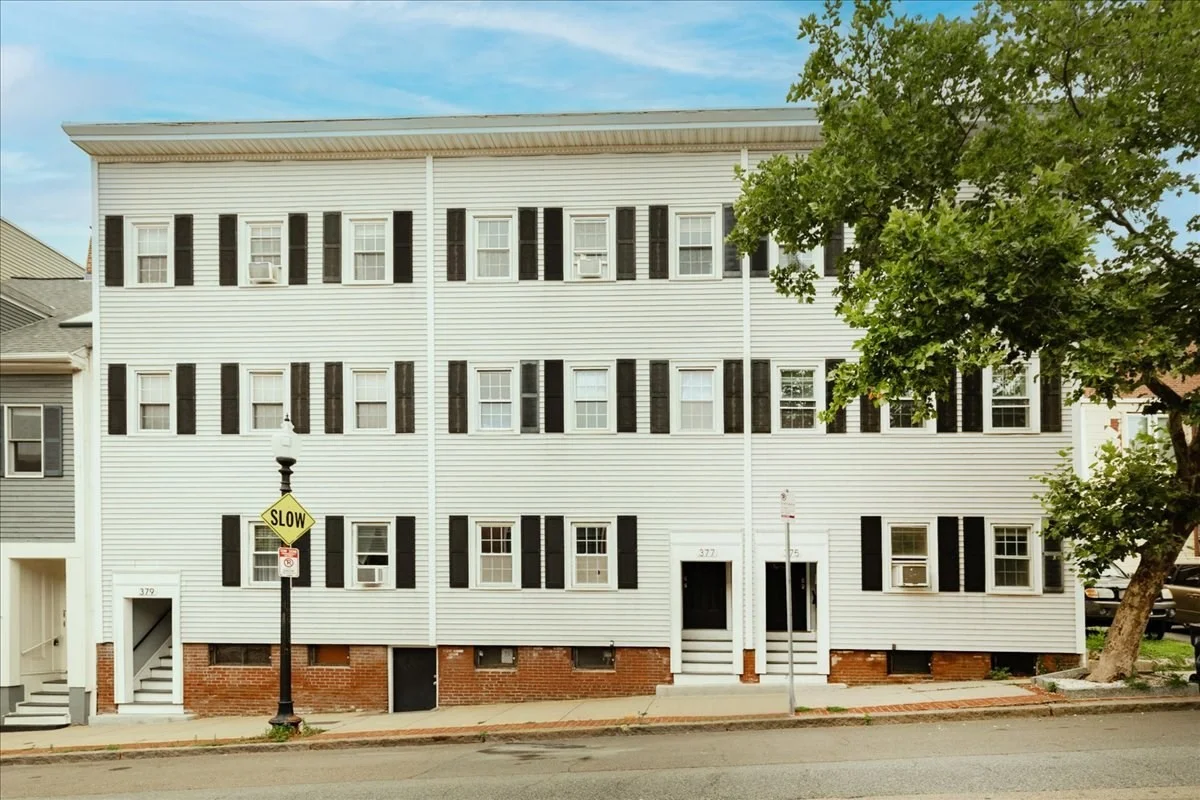
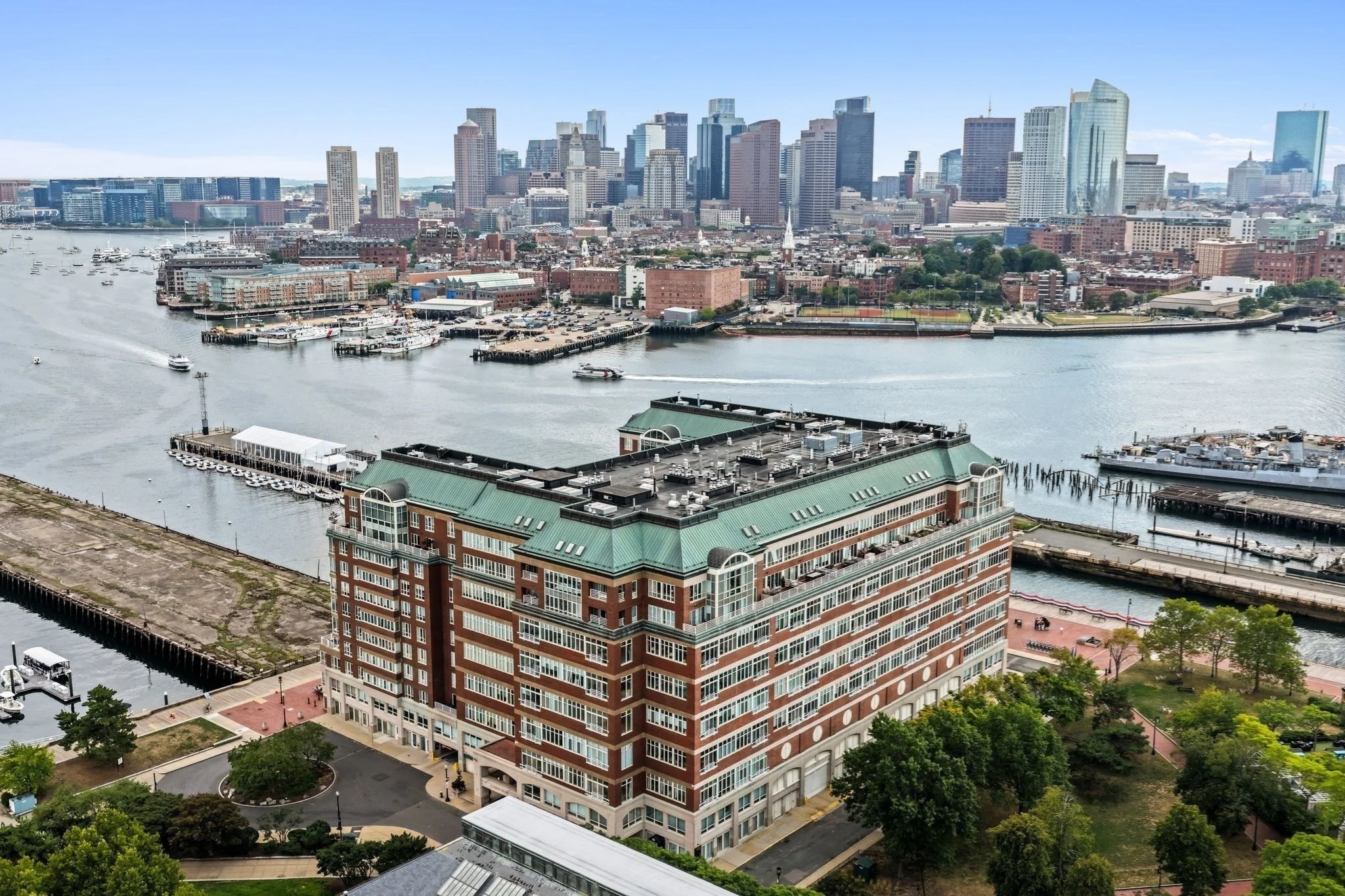
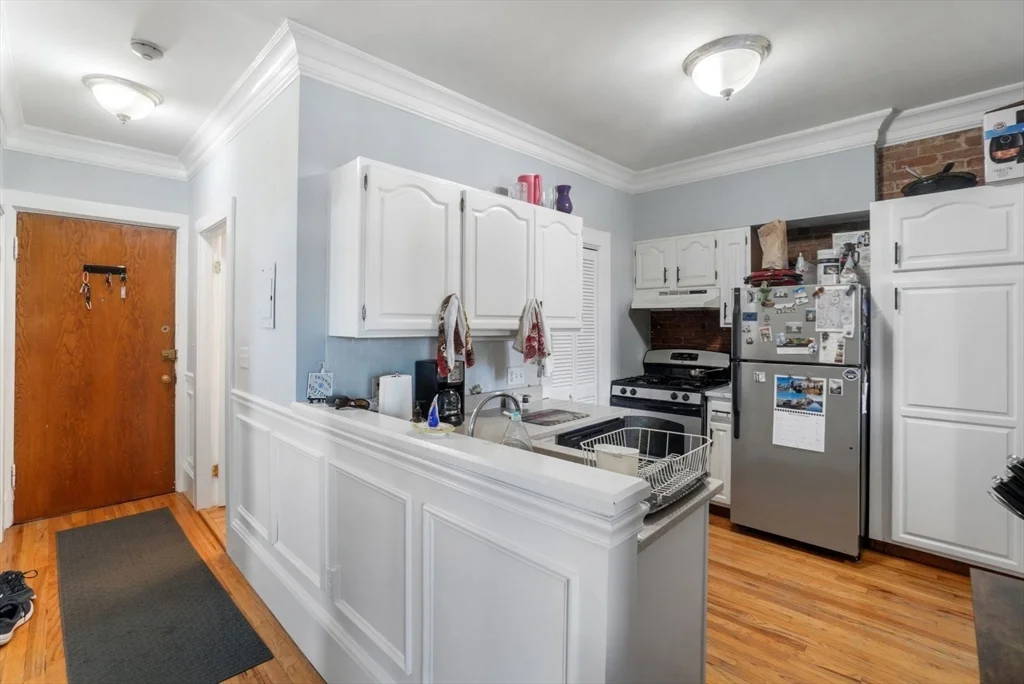
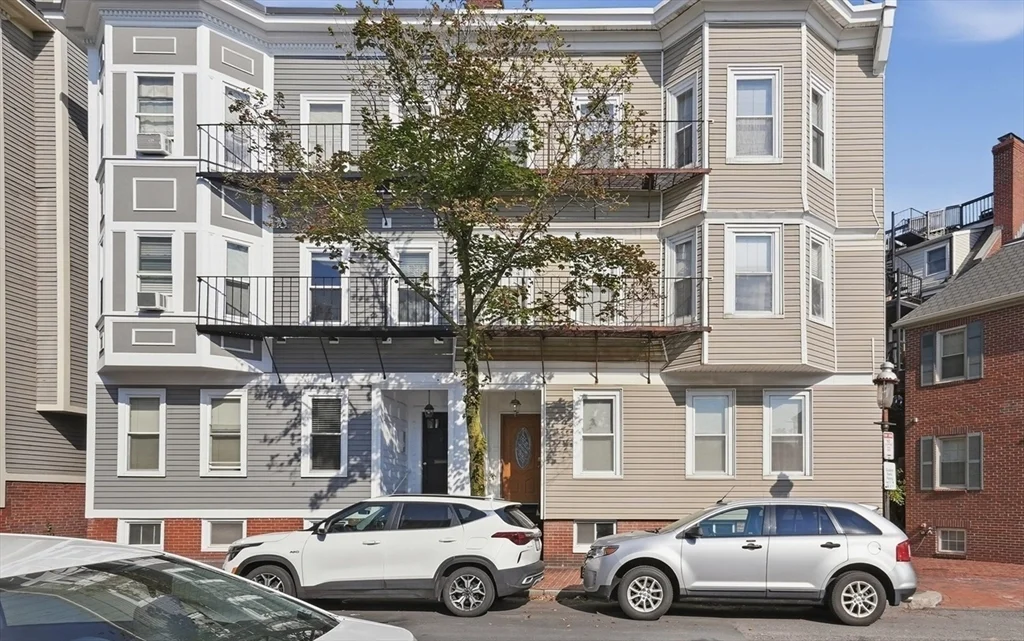
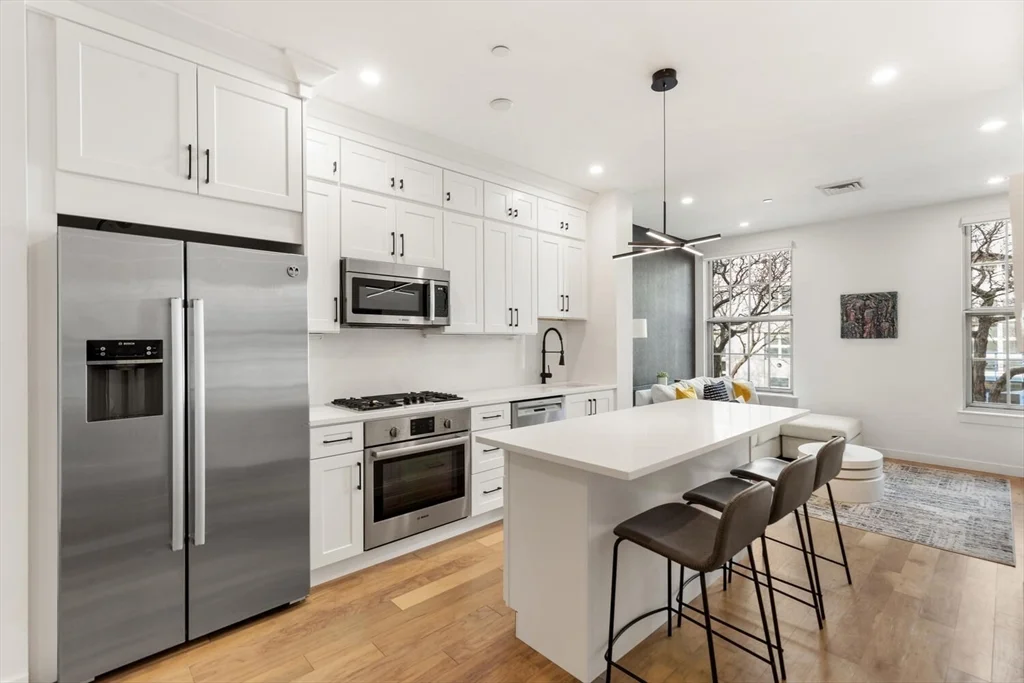
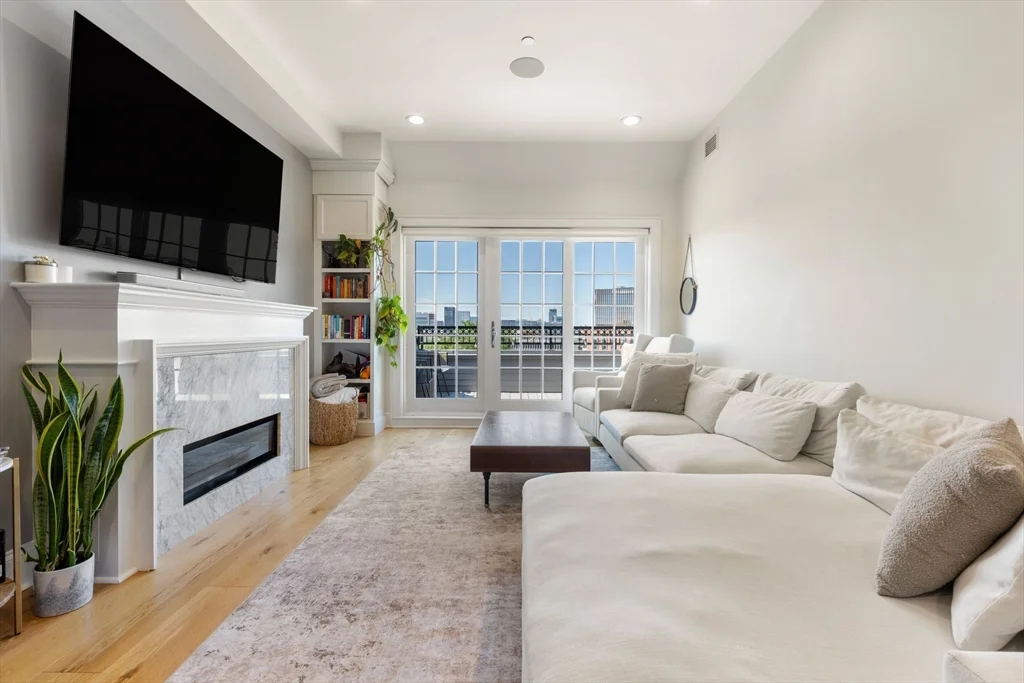
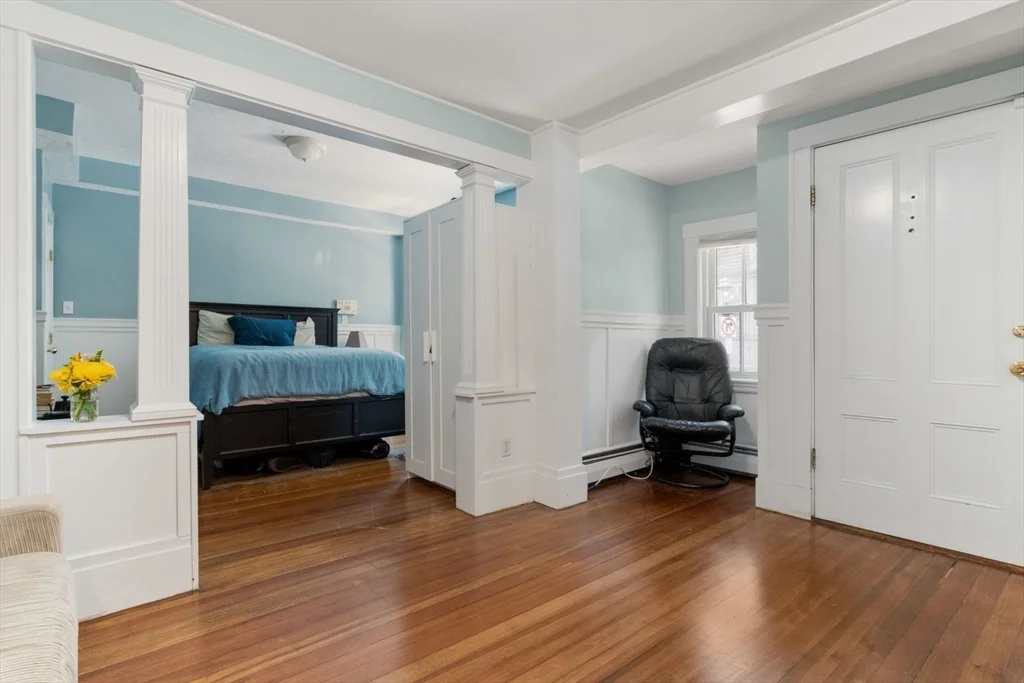
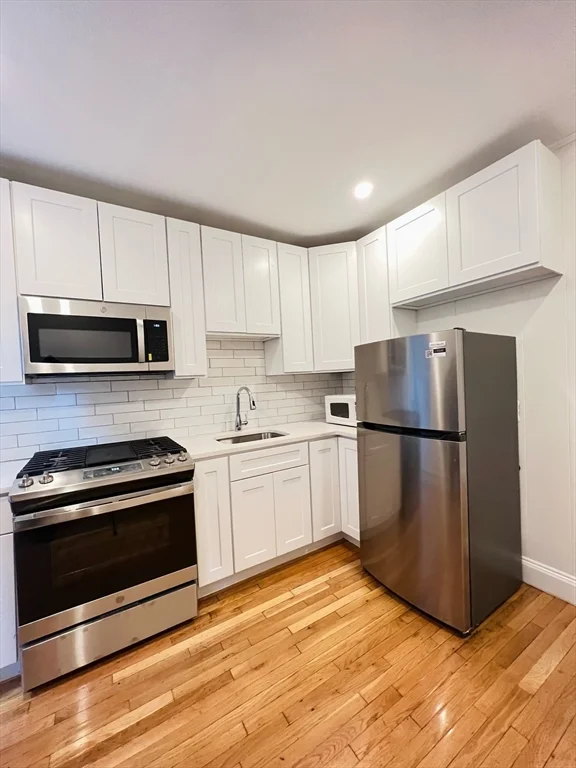
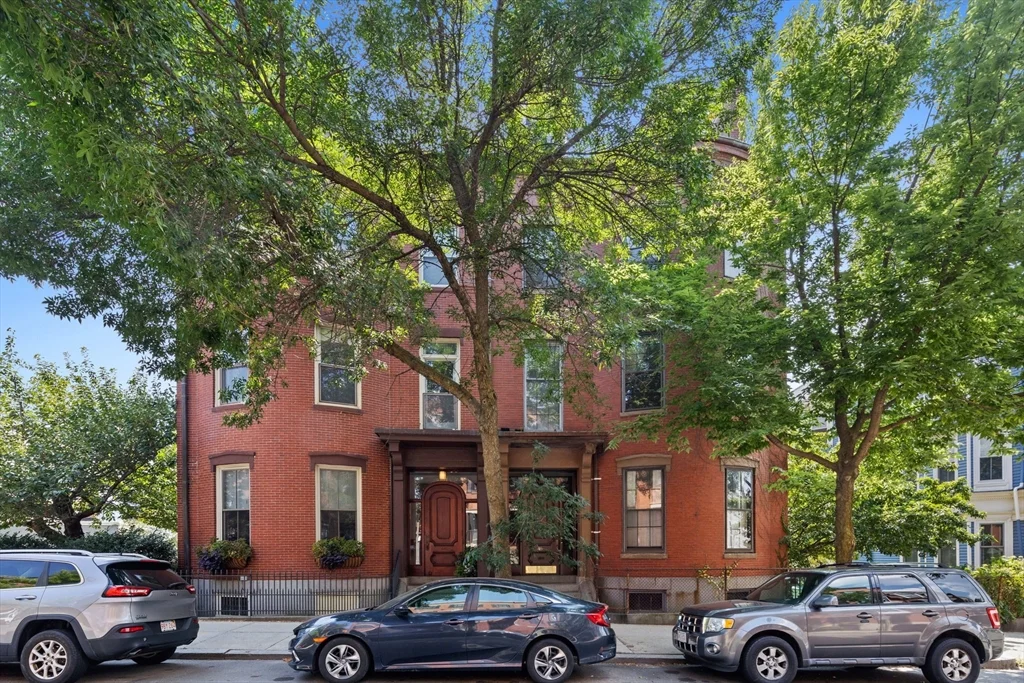
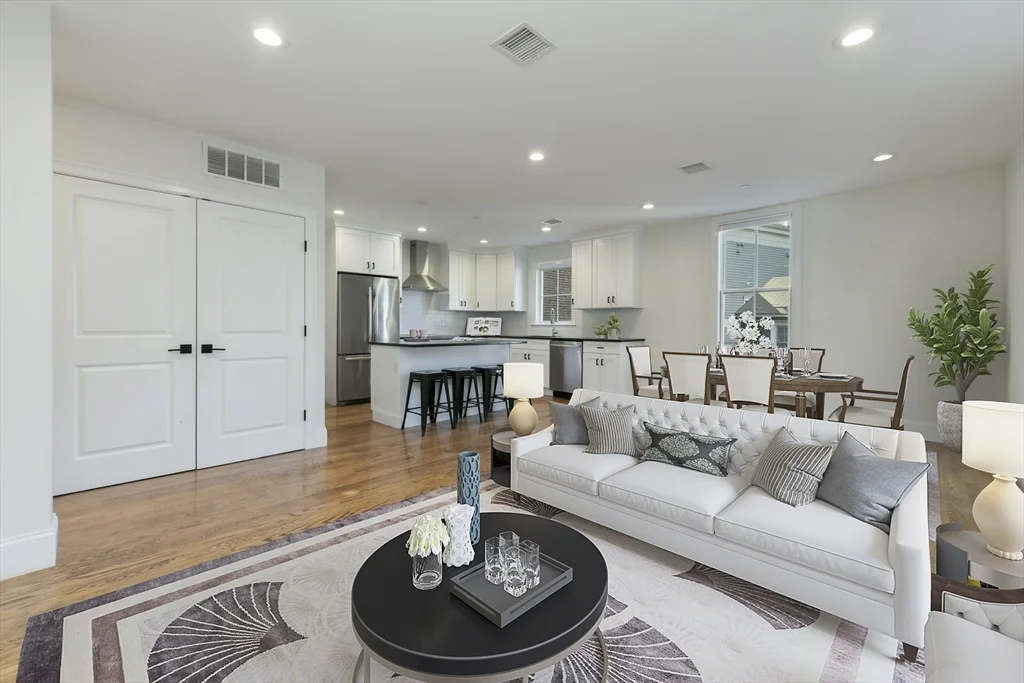
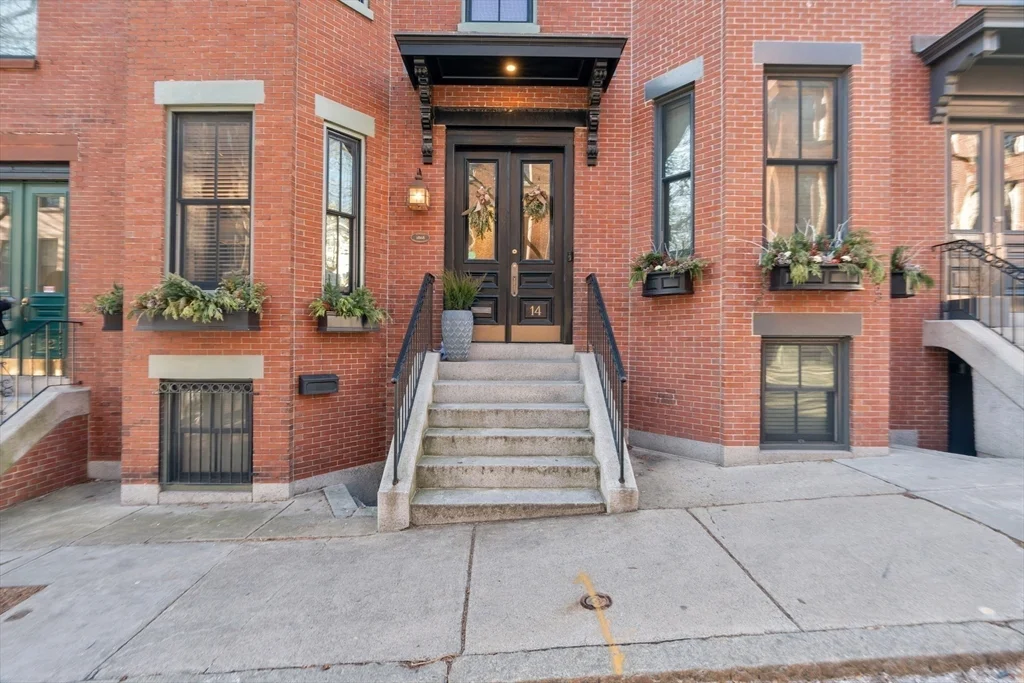
Close to six in ten buildings here hold one to three units, which in Charlestown usually means a brick rowhouse or a wood-frame conversion. Expect walk-ups, original layouts and no elevator on most of the stock. The Navy Yard is the exception and behaves like a different market: larger buildings, elevators, in-unit laundry and deeded parking, priced accordingly.
Greater Boston runs on a September 1 lease cycle, and Charlestown follows it, though the Navy Yard buildings turn over year-round. Listings for a September start appear from March. You can filter by bedroom count, parking and laundry on Spot Easy, and every listing here is posted by a verified agent. The Spot Easy Rent Index publishes the underlying figures each month.
FAQ about Charlestown Apartments for Rent
What is the average rent in Charlestown?
In August 2026 the average asking rent in Charlestown is $4,166 for a 2-bedroom (+$316 higher than the median). Those figures come from active listings on Spot Easy, and we recalculate them each month.
How much should I budget for an apartment in Charlestown?
Most 2-bedrooms in Charlestown rent for about $4,166 a month — the more typical (median) price is $3,850. 2-bedrooms average $4,166. Budget toward the average — a handful of pricier units pull it above what most listings actually ask.
How does Charlestown rent compare with nearby neighborhoods?
For a 2-bedroom, the average in Charlestown is $4,166, next to North End at $4,500 and East Boston at $3,192. These cover the same bed size in the same month, and we only include areas with comparable data available.
Why does the two-bedroom figure sit so far above the typical listing?
Because a small number of high-end units carry it. The Spot Easy Rent Index recorded a $4,166 average for a Charlestown two-bedroom in August 2026 while the more typical listing asked $3,850, a gap of more than three hundred dollars. That shape tells you the market is not uniform. Most of what you will see falls near the typical figure, in rowhouse conversions and wood-frame walk-ups on the hill and around Thompson Square. The average is lifted by the waterfront end of the stock, mainly Navy Yard units with elevators, in-unit laundry and parking, which list several hundred dollars higher than an equivalent bedroom count inland. Read the average as the ceiling of the range rather than the middle of it, and budget against the typical figure unless you are specifically shopping the Navy Yard. If the amenities are what you are after, compare a Navy Yard unit against the North End and South Boston before assuming Charlestown is the cheaper route to them.
Is a one-bedroom or a three-bedroom cheaper here than a two-bedroom?
The Rent Index published no one-bedroom, three-bedroom or four-plus figure for Charlestown in August 2026, so there is no reliable average to quote for those sizes. That is a statement about how thin those segments are, not about their price. Charlestown turns over a small number of apartments each month compared with Allston or Dorchester, and outside the two-bedroom segment there is not enough monthly volume to publish a figure that would mean anything. Practically, this means you should price one-bedrooms and three-bedrooms listing by listing rather than against a neighborhood benchmark. Compare each one against the same bedroom count in the North End or East Boston, both of which publish more sizes, and treat any Charlestown asking price as a single data point. Those two neighborhoods sit close enough to be a fair reference and deep enough to carry a published figure at more sizes than Charlestown does.
Which parts of the neighborhood tend to ask less?
The inland blocks, as a rule. Charlestown prices on proximity to the water and to the Orange Line, and the streets climbing Bunker Hill and running toward Sullivan Square generally ask less than the Navy Yard waterfront for the same bedroom count. The trade is condition and amenity rather than location: inland stock is older, mostly walk-up, and far less likely to include parking or in-unit laundry, and it is where most of the neighborhood's wood-frame conversions sit. The Navy Yard trades the opposite way, with newer systems and elevators at a premium. Because the neighborhood does not break into separate rent-index scopes, there is no published figure for either pocket on its own, so compare listings directly. If the gap matters more than the address, East Boston sits across the harbor at a materially lower two-bedroom average.
What kind of buildings will I actually be viewing?
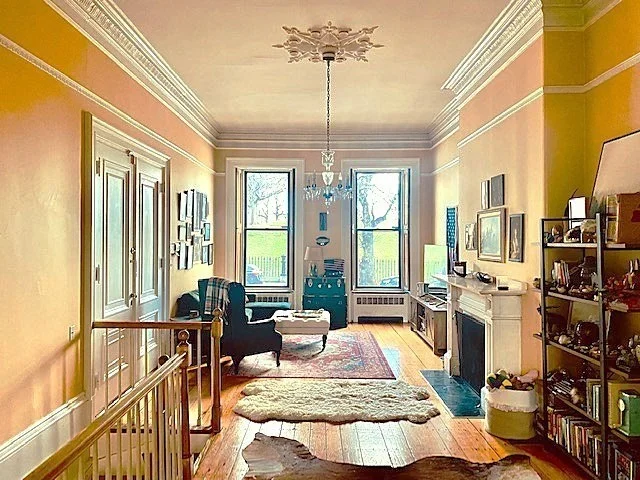
Mostly small ones. Close to six in ten buildings in Charlestown hold one to three units, which is a much higher share of small stock than the Back Bay or Fenway carry, and it shapes what you get, more than the asking price does. Expect brick rowhouses and wood-frame houses split into flats, stairs instead of an elevator, radiators rather than central air, and laundry in a shared basement if it is on site at all. Ceiling heights and original detail are common; storage and closet space usually are not. The Navy Yard is the clear exception, with mid-size and larger buildings, elevators, in-unit laundry and deeded parking. Filter for the features you actually need rather than assuming them, because in Charlestown the difference between two listings a few streets apart can be forty years of building systems.
When should I start looking for a September move?
From March, and seriously by May. Greater Boston concentrates its turnover on September 1, and Charlestown follows that cycle for most of its inland stock, so the widest choice appears in late spring for a lease starting at the end of summer. Waiting until August means competing for what is left. The Navy Yard behaves differently and releases units throughout the year, which makes it the more realistic option if you need a January or April start. If your dates are fixed, set your search early and check it often rather than watching one weekend, because Charlestown lists a small number of apartments each month and an individual listing can be gone within days. If your dates are flexible, a lease starting outside the September peak usually faces less competition, and the Navy Yard is where those starts are most likely to exist.
How quickly do apartments here get taken?
Quickly, and for a structural reason: Charlestown is a small peninsula with limited stock, so at any moment there is not much on the market. That means the competitive pressure comes less from the number of renters than from the shortage of options. Come to a viewing ready to act, with your documents already assembled, and expect that a well-priced two-bedroom near either Orange Line stop will not sit. Two practical consequences follow. First, schedule viewings the day a listing appears rather than batching them for the weekend. Second, decide your ceiling before you view, because the gap between the average and the typical asking price here is wide enough that you can talk yourself upward in the room. Set the number first. Bring your documents to the first viewing rather than promising to send them later, because an owner deciding between two applicants will usually take the one who can complete today.
How do broker fees work on a Charlestown listing?
Fee terms are set per listing, not by neighborhood, so the only reliable answer is the one on the listing itself. Where a fee does apply in Greater Boston it is commonly quoted as a month's rent, which against the August 2026 Charlestown two-bedroom average of $4,166 is a substantial addition to your move-in cost. Use the no-broker-fee filter on Spot Easy to see only listings that state there is no fee. Treat a listing that says nothing about fees as unconfirmed rather than assuming it is free, and ask before you view rather than at signing. Separately, Massachusetts law caps a security deposit at one month's rent under M.G.L. c.186 section 15B, so a request for more than that is not permitted regardless of what the fee arrangement turns out to be. Ask for the full move-in cost as a single written figure before you apply rather than assembling it yourself from separate conversations.
Are utilities usually included?
Rarely in full, and the split matters more here than in a newer building. Most Charlestown apartments sit in small older buildings where heat is the significant cost and the arrangement varies by unit rather than by street. Some rowhouse conversions include heat and hot water because the building has a single system that cannot be metered per apartment; others put every utility on the tenant. Ask specifically which utilities are included, how the unit is heated, and whether there are storm windows, because an older wood-frame flat heated by electric baseboard can cost several hundred dollars a month more to run in winter than the same apartment on gas. Get the answer before you sign, not after, and treat the rent and the running cost as one number when you compare listings. In a rowhouse conversion it is also worth asking whether the unit has its own thermostat, since sharing a system with another apartment removes your control over the bill.
Can I find a short-term or furnished lease?
Some, but expect the search to take longer than a standard twelve-month one. Most Charlestown inventory is unfurnished and on a full-year lease tied to the September cycle, which is the least accommodating shape for a short stay. The Navy Yard is the better place to look, because its larger buildings turn over year-round and are more likely to offer shorter terms or corporate arrangements. Elsewhere in the neighborhood, a short lease usually appears as a sublet covering the remainder of someone else's year. If your timeline is genuinely short, widen your search to the North End and downtown, where more of the stock sits in larger managed buildings that can accommodate an unusual term. Confirm any short-term arrangement in writing on the lease itself rather than relying on a verbal agreement with the agent. Ask what happens when the term ends, because converting to month-to-month and simply expiring leave you in very different positions.
Are pets allowed in most buildings?
It depends on the owner, and in Charlestown that means it varies building by building rather than following a neighborhood pattern. Because most of the stock is one to three units, the decision usually rests with an individual owner who lives locally or nearby, not with a management company applying a standing policy. That cuts both ways: there is often more room to discuss a pet than in a large building, and there is no guarantee to fall back on. Where pets are allowed, expect conditions on weight or breed and, in walk-ups, on stairs. Massachusetts does not permit a separate refundable pet deposit on top of the capped security deposit, so anything described that way is worth questioning. Filter for pet-friendly listings and confirm the terms in the lease. On the hill, where many buildings have no outdoor space of their own, it is also worth working out where you would walk a dog before you commit to an address.
What should I have ready before I view?
Assemble everything before your first viewing, because Charlestown's small inventory rewards speed. Have photo identification, recent pay stubs or an offer letter, bank statements, references from a previous landlord, and the contact details of anyone who will co-sign. Know your credit position before an agent runs it. Have first month, last month and a security deposit available as funds you can move the same day, and remember that Massachusetts caps the deposit at one month's rent. If you are applying with roommates, collect their documents at the same time rather than in sequence, since an application is only as fast as its slowest participant. Arriving at a viewing with a complete file is the single practical advantage available to you in a market this thin. Where your income falls below what an owner is looking for, a co-signer with their paperwork ready is usually the fastest way to close the gap.