
If you’ve ever searched for an apartment in Boston, chances are you’ve come across a broker fee—and likely felt frustrated about it. In most U.S. cities, renters can find and move into an apartment without paying a broker. But in Boston, this extra cost—often equal to a full month’s rent—is not just common, it’s practically expected. So, why do Boston apartments charge broker fees? Let’s break it down
What Is a Broker Fee?
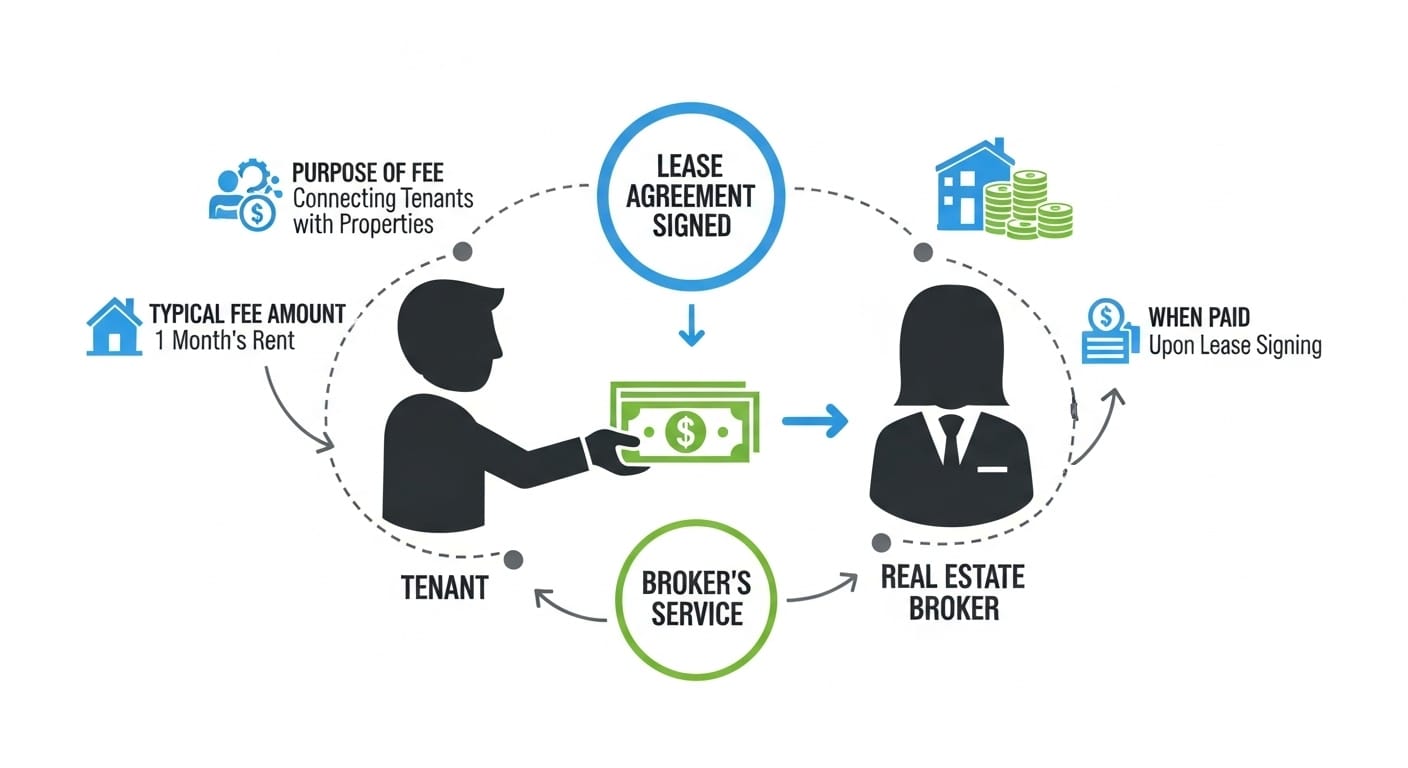
A broker fee is a charge renters must pay to a real estate broker who helps them secure a rental apartment. In Boston, the standard fee is typically one month’s rent, though it can vary slightly. This fee is paid in addition to other move-in costs like the security deposit, first month’s rent, and sometimes last month’s rent.
This means that if you’re renting a $2,500/month apartment, you might need $7,500–$10,000 upfront—making move-in costs one of the steepest barriers to renting in Boston.
Why Are Broker Fees So Common in Boston?
Broker fees are a hallmark of Boston’s rental culture and have been entrenched in the local housing market for decades. The main reasons for this include:
1. Landlord Market Advantage
In Boston’s high-demand rental market, landlords typically don’t need to offer incentives to fill units. They often hire brokers to market and manage listings but pass that cost onto renters. Unlike cities where the landlord pays the broker to find tenants, Boston landlords have the leverage to shift that burden.
2. Limited Supply of Rentals
Boston has a limited housing supply, especially in central areas like Back Bay, Mission Hill, or the South End. This means renters have fewer choices and often must accept units even when broker fees are part of the deal.
3. Gatekeeping by Brokers
Many of Boston’s apartments—particularly desirable ones—are only accessible through brokers. They control listings, conduct showings, and act as intermediaries between landlords and renters. Because they manage access, they can charge for it.

Who Pays the Broker Fee—and Why?
Legally, either the landlord or the renter can pay the broker fee. But in practice, it’s almost always the renter who ends up paying.
This has led to criticism from tenants’ rights advocates who argue that it’s unfair for renters to pay a broker’s fee for someone they didn’t choose. This concern is especially strong in cases where renters have no relationship with the broker and found the unit themselves via Zillow or Craigslist—only to be told they still owe a full month’s rent as a broker fee.

How Broker Fees Affect Renters
Paying a broker fee adds a significant burden to renters—especially those already stretched thin by Boston’s high rent prices. Here's how it affects them:
✅ Higher Move-In Costs
For a typical apartment, move-in could cost first month’s rent, last month’s rent, security deposit, and the broker fee. This can total $8,000+.
✅ Reduced Affordability
Even renters who could afford the monthly rent may be unable to cover the upfront costs—essentially locking them out of housing.
✅ Fewer Choices
Some renters avoid listings that charge broker fees altogether, limiting their housing options. In a tight market, this could mean settling for a less desirable unit or location.

Are There Alternatives to Paying Broker Fees?
Fortunately, you’re not entirely out of options. Here are some strategies that can help you reduce or avoid broker fees in Boston:
1. Search for No-Fee Apartments
Some large management companies or institutional landlords list units directly without broker involvement. Look for listings labeled “no-fee” on sites like:
- Craigslist (filter for “no broker fee”)
- Facebook Marketplace (search local housing groups)
- Zillow
- Search for no-fee apartments on Spot Easy.
2. Ask if the Landlord Will Pay
Sometimes you can negotiate and ask the landlord to cover the broker fee, especially during off-season months (November to February), when demand dips. Landlords may agree just to secure a tenant.
3. Look for Lease Takeovers or Sublets
Many tenants leaving mid-lease are looking for Sublet apartments or someone to take over their lease. These arrangements typically don’t involve a broker at all. Try:
- Reddit (r/BostonHousing)
- Lease takeover groups on Facebook
- College bulletin boards or alumni housing networks
4. Go Directly to Leasing Offices
Some newer or luxury apartment buildings in areas like Seaport or Back Bay have onsite leasing teams. These buildings typically offer no-fee rentals, and you can apply directly without involving a broker.

Why Don’t Landlords Just Pay the Fee?
In cities like New York (where reforms have been proposed) or San Francisco, it’s increasingly common for landlords to pay the broker. So why not in Boston?
The main reasons are:
- Market conditions favor landlords
- No legal requirement to shift payment burden
- Low vacancy rates mean landlords don’t need to offer extra perks
- Many landlords have longstanding agreements with brokers
This creates a market where renters feel they have no choice, even though the system could be changed with updated regulations or cultural pressure.

Final Thoughts: Do Broker Fees Belong in Modern Boston?
While broker fees remain a major part of Boston’s housing market, they are increasingly viewed as outdated and unfair. In a time of high rents, wage gaps, and housing scarcity, asking renters to shell out an extra month’s rent for access to a listing they may have found themselves feels like price gouging to many.
Until meaningful reform happens, the best thing renters can do is:
- Stay informed
- Use no-fee listing sites
- Negotiate when possible
- Explore alternatives like lease takeovers
Boston may still charge broker fees—but you don’t always have to pay them.