

Finding a sublet apartment in Boston can be a smart option when you’re looking for flexibility, furnished rentals, or short-term housing without the hassle of a full lease commitment.
Whether you're an intern, student, relocating professional, or someone just looking for a temporary home, subletting offers an efficient and often more affordable way to live in the city.
This guide walks you through how to find a sublet in Boston, including where to look, what questions to ask, and tips to avoid common pitfalls.
What is a sublet and how does it work in Boston

A sublet, or sublease, is when the original tenant of a property rents out their apartment, or a room within it, to another person for a specified period. In Boston, this is particularly common among students and renters who need to move before their lease ends.
There are generally two types of sublets:
- Temporary Sublet: You move into an apartment temporarily while the original tenant is away (for summer internships, travel, etc.).
- Lease Takeover: A listing that says "lease takeover" usually means you'd take over the lease directly from the current tenant, for the rest of the term, instead of renting from them as their subtenant. In Massachusetts this is technically a lease assignment, and most Boston leases require the landlord's written approval for it, just as they do for a sublet. The outgoing tenant stays on the hook to the landlord unless the landlord signs a release. Our guide to subletting rules in Boston walks through how assignments work and how to request that approval.
Sublets in Boston are appealing for several reasons:
- Short-term leases
- Furnished apartments (No need to buy any furniture)
- Lower upfront costs
- Minimal commitment
Best platforms to find sublets in Boston
Your success in finding a great sublet largely depends on where you look. Here are the most popular and effective platforms used in Boston:
1. Facebook Marketplace and housing groups
Search using terms like "Boston sublets", "ISO roommate", "room for rent in South End", or "lease takeover August". For groups, search Facebook directly for terms like "Boston sublets" or "Boston apartments roommates sublets" and join whichever active groups come up for your target neighborhood.
These private listings often include furnished rooms, short-term lease options, and roommates needed posts.
2. Craigslist
Still a classic option. Use the "sublets & temporary" category and filter by neighborhood (e.g., Brookline, Jamaica Plain, Mission Hill). Just be cautious: verify listings before sending deposits.
3. University housing boards
If you're a student or moving to Boston for academic reasons, check student boards at Boston University, Northeastern University, Harvard, or MIT. Most of these boards require a school login or an affiliation with that university, so they work best if you're already a student, faculty, or staff there.
4. Roommate apps
Roomi and similar roommate apps let you filter for room shares and sublets by budget and move-in date. Worth a look alongside Facebook and Craigslist rather than as your only search.
Popular neighborhoods for sublets in Boston
Different parts of Boston cater to different lifestyles and budgets. Here’s where to focus your search:
South End
Known for beautiful brownstones and high-end apartments, the South End offers many furnished rentals and short-term housing options. Great for renters who want a walkable, vibrant area.
Mission Hill
Close to Northeastern and Harvard Medical School, with roommate-style apartments and budget-friendly pricing. Expect plenty of sublets in the summer.
Jamaica Plain
A walkable neighborhood with a strong local community. You can find private room sublets, often in shared apartments, and even townhouse units.
Brookline
Bordering Boston proper, Brookline offers a quieter, residential vibe. It's well connected via the Green Line and has a high concentration of available sublets, especially in summer.
How to spot a good sublet deal in Boston
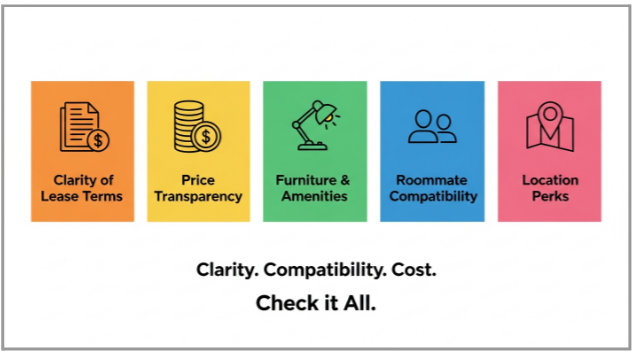
Not all sublets are equal. Here’s how to evaluate them:
Clarity of lease terms
Ask if this is a lease takeover or temporary sublet. Ensure you're not entering into a verbal-only agreement. Look for keywords like "apartment I’ve signed over" or "lease ends August."
Price transparency
Make sure you understand the rent, whether utilities are included, and if there’s a security deposit. Sometimes people offer discounted rent to fill a room fast, especially in the off-season.
Furniture and amenities
Many sublets come furnished. If you're only staying short-term, this can save hundreds in moving costs.
Roommate compatibility
If you’re moving into a shared space, ask about current roommates, house rules, and expectations. Look for listings that mention “roommates needed” or “apartment roommates looking.”
Location perks
Use maps to check proximity to public transit, groceries, and restaurants. The South End and South Huntington Ave stay popular for a reason.
Questions to ask before you sign a sublet
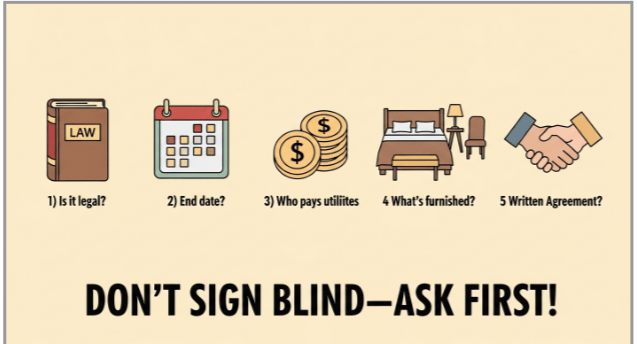
Before committing to a sublet, get clarity on these crucial points:
- Is the Sublet Legal? Confirm with the leasing office or landlord that subletting is allowed before you agree to anything. Whether you can sublet comes down to your lease, and most Boston leases require the landlord's written consent.
- What’s the End Date? Know the exact short term lease duration and whether extensions are possible.
- Who’s Responsible for Utilities? In some cases, the original tenant may continue paying and ask you to reimburse.
- What’s Furnished? Is it a fully furnished apartment, or just a room with a bed?
- Is There a Written Agreement? Protect yourself with a signed sublet contract, even if it’s informal.
Timing tips: when to sublet in Boston
Boston’s housing market moves fast and shifts dramatically depending on the season.
High season (May–August)
This is prime time for sublets and lease takeovers, especially as students leave for summer. Furnished rentals are abundant, but competition is higher. Postings often include terms like “available now” or “short-term lease through Aug”.
Off-season (November–February)
Fewer people move during the colder months, so there's less competition for the sublets that are available. You may have more room to negotiate on rent or move-in date than during the summer rush, though pricing still comes down to the individual landlord or subletter.
How to find a subletter for your Boston apartment
If you're the one leaving and need to fill your spot, start with your landlord, not your listing. Confirm in writing that your landlord approves the sublet before you post anything. Most Boston leases require it, and subletting without permission risks eviction.
Once you have approval, list on the same platforms renters use to search: Facebook groups for Boston sublets, Craigslist's "sublets & temporary" category, and your university's off-campus housing board if that applies. Include your move-out date, rent, whether it's furnished, and any roommate house rules.
Timing matters. Demand peaks around the September 1 turnover and again in early summer, when students head home. List a few weeks ahead of either window for the best pool of applicants.
Screen anyone interested the way a landlord would: ask for references, confirm they can cover the rent, and meet in person or on video before handing over keys. A written sublet agreement isn't legally required in Massachusetts, but it's worth having: it spells out rent, dates, and responsibilities for both sides. You stay legally responsible to your landlord for the rent and the unit even after your subtenant moves in.
One more rule: Boston treats any stay under 28 consecutive days as a short-term rental, and only a registered owner-operator can offer one, so a subletter staying just a few weeks isn't a legal setup.
If your sublet search falls through, or you'd rather find your own new place, Spot Easy can help with the long-term side: search apartments for rent in Boston with verified agents and a no-broker-fee filter. Spot Easy is built for long-term rentals, not sublets or short-term stays, so this is the fallback for your next lease, not a place to post this one.
Red flags to watch for
While many listings are legitimate, watch for the same warning signs that apply to any Boston rental: pricing well below market, vague listings with few or no photos, and any request to pay before you've seen the unit in person. Our guide to avoiding rental scams in Boston covers the full list of red flags and how to verify a listing before you send anyone money.
Final tips for finding a sublet in Boston
- Be ready to act fast: good listings go within hours.
- Prepare a short intro about yourself (for roommate situations).
- Have your references, ID, and proof of funds handy.
- Use multiple platforms to cast a wider net.
- Don’t hesitate to negotiate slightly on price or move-in dates.
Conclusion
Finding a sublet in Boston doesn’t have to be overwhelming. With the right tools, a clear understanding of neighborhoods, and attention to lease details, you can secure the perfect space, whether for a few months or an extended stay. Use trusted platforms, ask smart questions, and keep your timing flexible to find a great room, apartment, or furnished sublet that fits your lifestyle.
Want help organizing your search? Use Spot Easy to find apartments for rent in Boston