

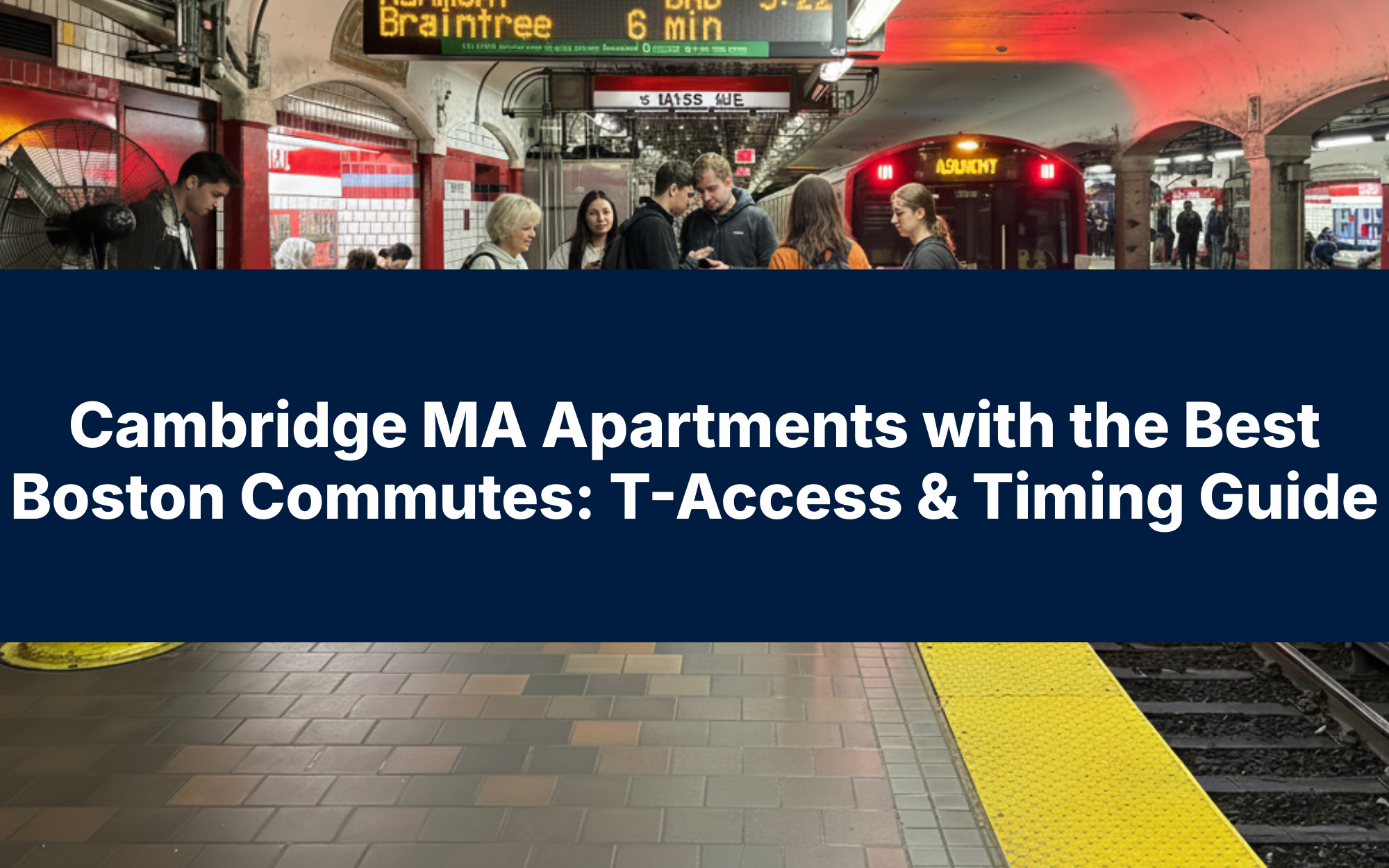
If you're working in downtown Boston but craving a more affordable, vibrant, and walkable place to live, Cambridge might just be your ideal home base. Known for its rich intellectual atmosphere, eclectic neighborhoods, and robust public transit access, Cambridge offers a sweet spot for professionals looking to reduce commute times without sacrificing lifestyle.
In this comprehensive guide, we break down the best neighborhoods in Cambridge for Boston commuters, focusing on T-access, commute time, bike-friendliness, and overall livability.
Why Cambridge is a Smart Choice for Boston Commuters
Cambridge is located just across the Charles River from downtown Boston, offering proximity to major job hubs in both cities. Thanks to the MBTA Red Line, a growing network of bike lanes, and walkable streets, commuting from Cambridge can be faster and less stressful than living in some parts of Boston.
In fact, many commuters find that they spend less time on the train or bus than friends living in neighborhoods farther out in the Greater Boston area. And because Cambridge neighborhoods are so well-connected, it's easy to switch between transportation modes, whether you're walking, biking, or using rideshare services.
Plus, Cambridge is home to renowned institutions like MIT and Harvard University, and is surrounded by a thriving tech and biotech ecosystem. If you work in Kendall Square or Central Square and need to reach downtown Boston daily, this guide is tailor-made for you.
Best Cambridge Neighborhoods for Boston Commuters

Let’s explore the top neighborhoods based on T-access, commute efficiency, housing options, and lifestyle appeal.
1. Kendall Square
- Closest T Station: Kendall/MIT (Red Line)
- Commute to Downtown: ~10 minutes
- Walkability: Excellent
- Bike Access: High
Arguably the most connected area in Cambridge, Kendall Square offers the shortest commute to downtown Boston via the Red Line. Home to numerous tech and biotech companies, it's ideal for urban professionals who prioritize convenience. Amenities, restaurants, and riverside parks make it one of the most livable spots.
Housing in Kendall tends to skew on the expensive side, with many high-rise apartment buildings and recent developments. If you're working in biotech or tech, you may even be able to walk to work.
2. Central Square
- Closest T Station: Central (Red Line)
- Commute to Downtown: ~12 minutes
- Vibe: Artsy, eclectic, vibrant nightlife
A perfect mix of affordability and connectivity, Central Square offers direct access to the Red Line, tons of dining options, and a dense stretch of music venues and independent businesses.
Central Square is also known for its music scene, local businesses, and food options. While the rent is slightly lower than Kendall Square, it still offers strong access to downtown with an efficient Red Line connection.
3. Harvard Square
- Closest T Station: Harvard (Red Line)
- Commute to Downtown: ~15 minutes
- Lifestyle: Intellectual, historic, walkable
With Harvard University at its heart, Harvard Square offers historic charm and strong Red Line connectivity. Expect lots of foot traffic, vibrant cafes, and access to public transit that quickly connects to Boston.
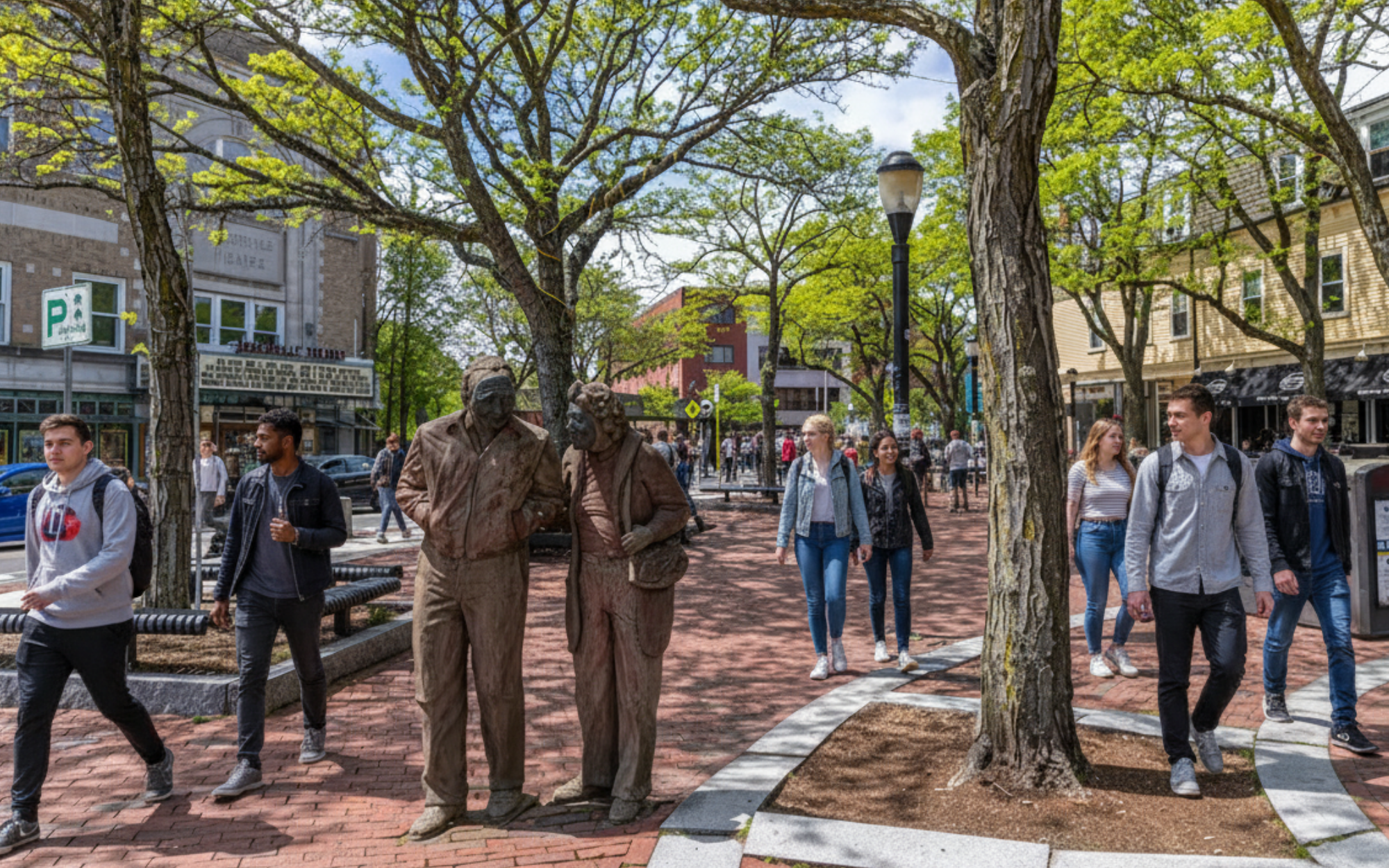
Harvard Square has a classic New England feel, with cobblestone sidewalks and colonial architecture. It's especially attractive to university employees, researchers, and students, but it's also a draw for professionals who want a cultured yet accessible lifestyle.
4. Porter Square
- Closest T Station: Porter (Red Line + Commuter Rail)
- Commute to Downtown: ~18-22 minutes
- Bonus: Access to the Fitchburg Commuter Rail Line
Porter Square is more residential but still highly accessible. It caters to those looking for a quieter neighborhood without sacrificing MBTA access. It's also a favorite for those commuting west of the city via commuter rail.
The area features a mix of small businesses, cafes, and a shopping plaza anchored by a Target and several restaurants. Housing options range from older multifamily homes to newer apartment complexes, offering something for every budget.
5. Alewife
- Closest T Station: Alewife (Red Line terminus)
- Commute to Downtown: ~25 minutes
- Car Access: Excellent (Park & Ride)
At the end of the Red Line, Alewife is ideal for commuters who want to park and ride or access suburban areas. It connects to bus routes like 62 and 76 and has adjacent bike trails.
Alewife also offers direct access to the Minuteman Bike Trail, making it a top pick for cyclists commuting downtown or into Cambridge’s other neighborhoods. While it's more car-friendly than other parts of Cambridge, it still supports a walkable and transit-oriented lifestyle.
Other Areas to Consider Outside Cambridge
While this guide focuses on Cambridge, a few nearby cities also offer solid commutes into Boston:
Somerville
Known for its dense squares and ongoing development, Somerville is a strong alternative. Davis Square provides access to the Red Line, while Union Square connects via the Green Line Extension. Somerville is bike-friendly and full of culture, breweries, and new apartment developments.
Watertown & Belmont
Though not directly on a T line, Watertown and Belmont offer express buses into Boston and are close to Cambridge's western border. They offer more suburban space and larger units with manageable commutes.
Brookline
Brookline features Green Line access and a more residential, leafy atmosphere. It offers leafy residential streets, larger homes, and proximity to the Longwood Medical Area and Fenway.
Commute Comparison Table
Living Car-Free in Cambridge
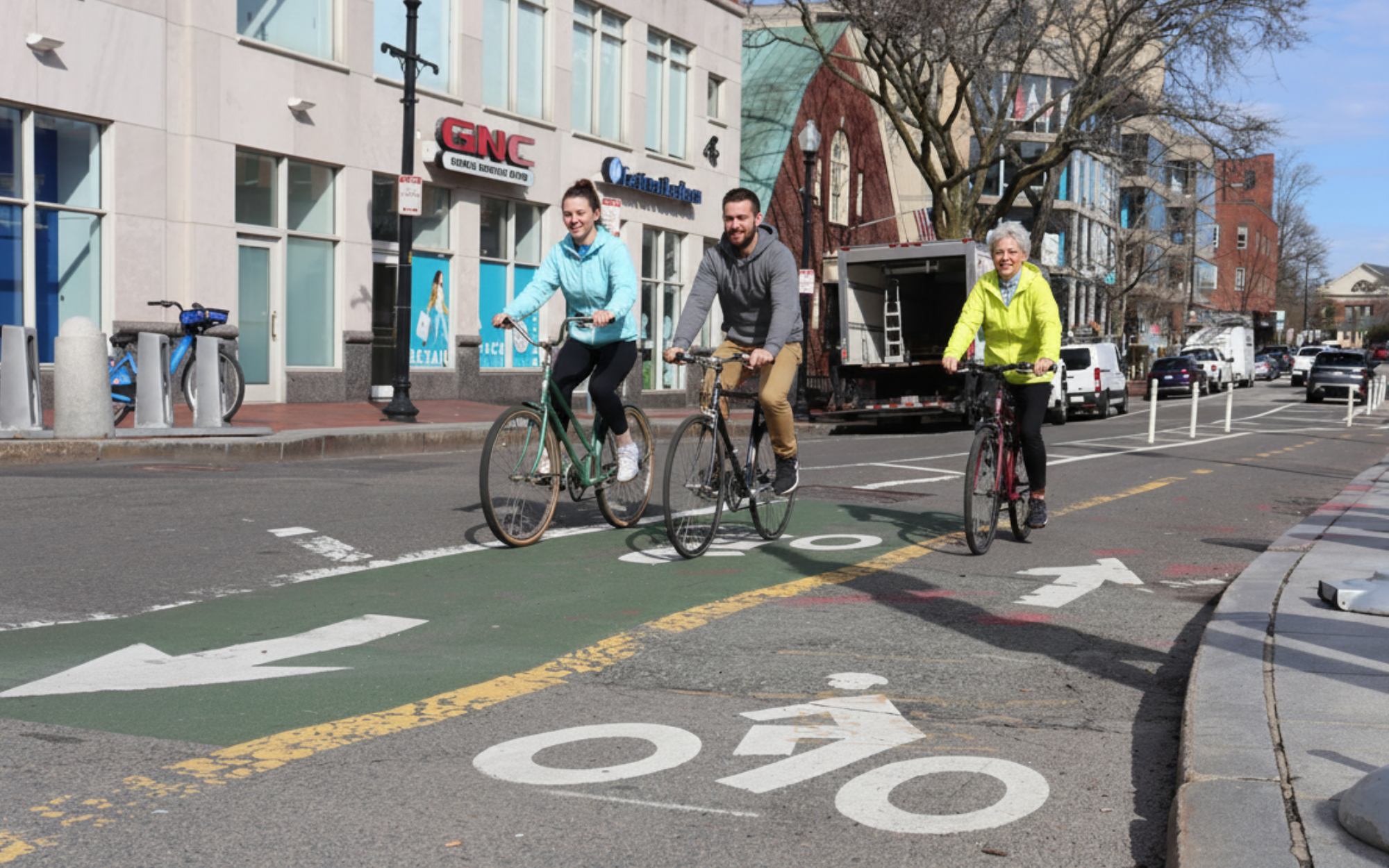
Cambridge is one of the most car-optional cities in the Boston metro area. Here’s how you can get around:
- Zipcar: Available at multiple locations
- Bike lanes: Extensive and growing
- MBTA stations: Strategically located near most residential hubs
- Walkability: High in areas like Central and Kendall Square
Biking is increasingly popular in Cambridge, with the city investing in protected bike lanes and improved infrastructure. You can ride safely through many neighborhoods, and there are ample bike racks at T stations.
Living without a car not only saves money but also reduces your environmental impact and stress levels. Residents report fewer hours stuck in traffic and more time enjoying the city.
Public Transit Tips for Boston Commuters
Want to optimize your Red Line commute from Cambridge to Boston?
- Use MBTA apps or Google Maps to plan ahead
- Avoid peak rush between 7:30–9:00 AM and 5:00–6:30 PM if possible
- Consider bike+T combinations using station bike racks
- Check real-time Red Line service updates on the MBTA website
- Look into monthly passes if you’re a daily commuter
- Know your transfer stations: Park Street and Downtown Crossing are key
Rent Prices vs Commute Efficiency
Here’s what to expect when balancing affordability and access:
- Kendall & Harvard Squares: Premium pricing for walkable, transit-rich areas
- Central & Porter Squares: More reasonable prices with strong Red Line access
- Alewife: More affordable rents, tradeoff is longer commute
According to current rental market data:
- Kendall Square 1-bedrooms: ~$3,200/mo
- Harvard Square: ~$3,000/mo
- Central Square: ~$2,800/mo
- Porter Square: ~$2,600/mo
- Alewife: ~$2,200/mo
Utilities, parking, and amenities can add $300–600 depending on the building.
Picking a Square by What It Offers
Match the square to what you actually need from it:
- Shortest walk to the biotech and tech offices: Kendall Square
- Most music, nightlife and dining: Central Square
- Quietest streets and the lowest rents on this list: Porter Square or Alewife
- Most walkable to campus: Harvard Square
- Best balance of price and Red Line access: Central Square
Each neighborhood has its own rhythm. Kendall is fast-paced and futuristic, Harvard Square is traditional and academic, and Alewife is peaceful and green.
How to Search Smarter: Apartment Hunting Tips
- Use real estate sites with commute-time filters
- Look for listings that mention Red Line access, "walk to T", or "bike commute"
- Confirm proximity to MBTA stops or major bus routes (like 62/76 to Alewife)
- Consider lease flexibility if your work schedule may change
- Always check the Cambridge public transit map to evaluate real travel times
- Visit during rush hour to get a real sense of transit and traffic
- Talk to current tenants about commute reliability
Save a search on Spot Easy and it will alert you by email, text or push when a new listing matches. There is no transit-distance filter, so set the search location to the station you want to be near.
Final Thoughts: How to Choose the Best Cambridge Location for Your Boston Job
Choosing where to live in Cambridge as a Boston commuter depends on what you value: speed, space, affordability, or lifestyle.
If commute time and transit access are top priorities:
- Kendall Square is your best bet.
- For a lively, balanced lifestyle: Central Square.
- If affordability is key: Alewife delivers value with decent Red Line access.
If you can handle a slightly longer commute, Porter Square offers a quieter lifestyle without giving up access to downtown. Harvard Square gives you a classic, prestigious vibe close to everything.
Whatever your choice, Cambridge offers a unique blend of urban living, transit connectivity, and professional opportunity. With careful planning, you can enjoy the perks of a short commute while living in one of Greater Boston’s most desirable neighborhoods.