

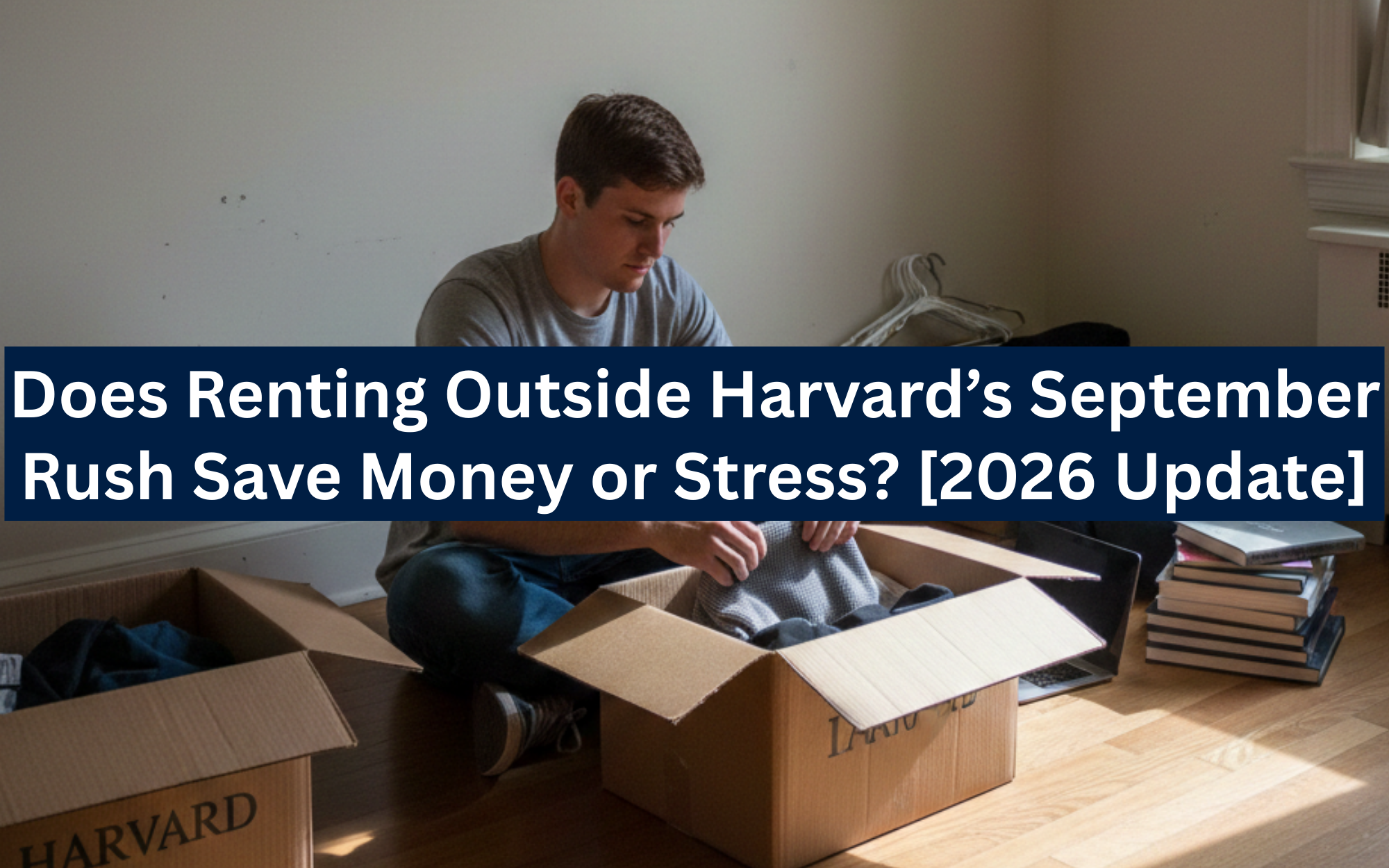
Securing housing near Harvard University can feel like a strategic mission. Every fall, a rush of students flood the rental market, hoping to secure a place close to campus. But is joining the September housing scramble your best bet? Or can renting earlier (or even later) actually save you money and stress? This guide breaks down the real costs, emotional factors, and planning strategies so Harvard students can make the smartest housing decision possible.
Understanding the Harvard September Housing Rush
What Is the Harvard September Rush?
The "September rush" refers to the annual surge in demand for off-campus housing by students, particularly around the start of the academic year. With tens of thousands of students arriving in Cambridge and nearby areas like Allston, Brighton, and Somerville, the housing market becomes fiercely competitive.
Why It Happens
- Academic Calendar Pressure: Students want leases that align with the school year (September to May/June).
- Dorm Overflow: Not all students are eligible or able to stay in on-campus dorms.
- Proximity to Campus: Everyone wants to live near Harvard Square or other walkable areas.
Consequences of the Rush
- Higher Prices: Demand spikes drive up rent.
- Limited Inventory: Quality units near Harvard go fast.
- Hasty Decisions: Students rush to secure spots, often compromising on roommates or lease terms.
The Financial Impact of Renting Before or After the Rush
Housing Costs and Monthly Rent Comparison
One of the biggest questions is whether you can actually save money by renting outside the rush period. Here's a breakdown:
These figures suggest that students renting in April or May often find better deals and more negotiating power.
Total Monthly Costs: More Than Just Rent
Beyond the base rent, students should account for:
- Utilities: $100–$200/month (electricity, gas, water, internet)
- Renters Insurance: $10–$20/month
- Groceries vs. Meal Plans: Groceries typically cost $250–$400/month. Harvard meal plans can cost over $5,000 per semester.
- Public Transportation: A monthly MBTA pass costs $90 (discounted student rate available).
These indirect costs are often overlooked during the rush but are easier to plan for when renting earlier.
Does Living Off Campus Actually Save Money?

Yes—if you plan ahead. Renting a shared apartment off-campus before the rush can save thousands per year. But jumping into the September scramble may erase those savings.
Key Factors That Affect Savings:
- Number of roommates (shared costs)
- Lease term flexibility (9-month vs. 12-month)
- Early lease discounts
- Access to kitchen (reducing reliance on meal plans)
Financial Aid Considerations
Harvard's financial aid covers a "cost of attendance" that includes room and board. Off-campus costs must stay within that allowance. If you rent early at a lower rate, you may stretch your aid further. Be sure to speak with the Financial Aid Office about how off-campus choices affect your package.
Stress Factors in the Harvard Housing Process
The Harvard Housing Scramble: A Mental Strain
September's rush isn't just expensive—it's exhausting. Students often report:
- Anxiety over securing a place in time
- Conflict over incompatible roommates
- Pressure from limited housing inventory
- Disruption during a critical academic transition
How Early Planning Can Reduce Stress
Students who begin their housing search in spring (March–May) report far less stress. Why?
- More options are available
- Better roommate matches can be arranged
- You have time to review leases carefully
- More time to plan furniture, move-in logistics, and budgets
Helpful Tools to Reduce Off-Campus Stress
- Roommate Matching Apps: Platforms like Roomsurf or Facebook housing groups help you find compatible roommates.
- Bill Splitting Tools: Apps like Splitwise or Venmo simplify shared expenses.
- Housing Checklist: Create a document outlining must-haves, budget, and lease details.
Stress-Free Neighborhood Choices
Choosing the right neighborhood is crucial. Here are some comparisons to consider:
Neighborhoods slightly farther from campus are often cheaper and less competitive during the September rush.
Key Considerations When Renting Outside the Rush
Choosing the Right Lease Duration
If you rent early, you may get a 12-month lease with time to find a summer subletter, effectively lowering your costs.
Finding Compatible Roommates
Rushed housing decisions often lead to roommate conflicts. Start early and consider:
- Shared lifestyle habits (cleanliness, noise levels, guests)
- Study schedules
- Financial reliability
Using a roommate compatibility checklist or app can help align expectations.
Planning Your Housing Budget
Use this simple formula:
(Monthly Rent + Utilities + Groceries + Transport) x 9 or 12 = Total Annual Cost
Use Harvard International Office data and housing listings to benchmark:
- Studio apartments: $1,900–$2,300/month
- 2-bedroom shared: $1,200–$1,600/month per person
- 3+ bedroom shared: $900–$1,300/month per person
Verdict – Is Early Renting Worth It for Harvard Students?
Does Renting Outside the Rush Actually Save Money?
Yes. Data shows rents are up to 15% lower when you sign before the September surge. You also have better negotiation power and time to find subletters or split costs.
Does It Reduce Stress?
Absolutely. Students who plan early avoid the emotional toll of rushed decisions, limited choices, and last-minute scrambling.
Who Benefits Most From Renting Early?
- International students who want housing secured before arrival
- Grad students with longer programs
- Anyone who values peace of mind and budget predictability
Final Thoughts

Renting outside Harvard’s September rush isn’t just about timing. It’s about taking control of your financial future and mental well-being. By planning ahead, using the right tools, and being strategic with your neighborhood and lease choices, you can save hundreds—even thousands—while avoiding the stress that plagues many students each fall.
Pro Tip: Start your housing search in March or April, build a housing checklist, and reach out to potential roommates early. You’ll thank yourself when September rolls around and you're already unpacked, not panicking.