
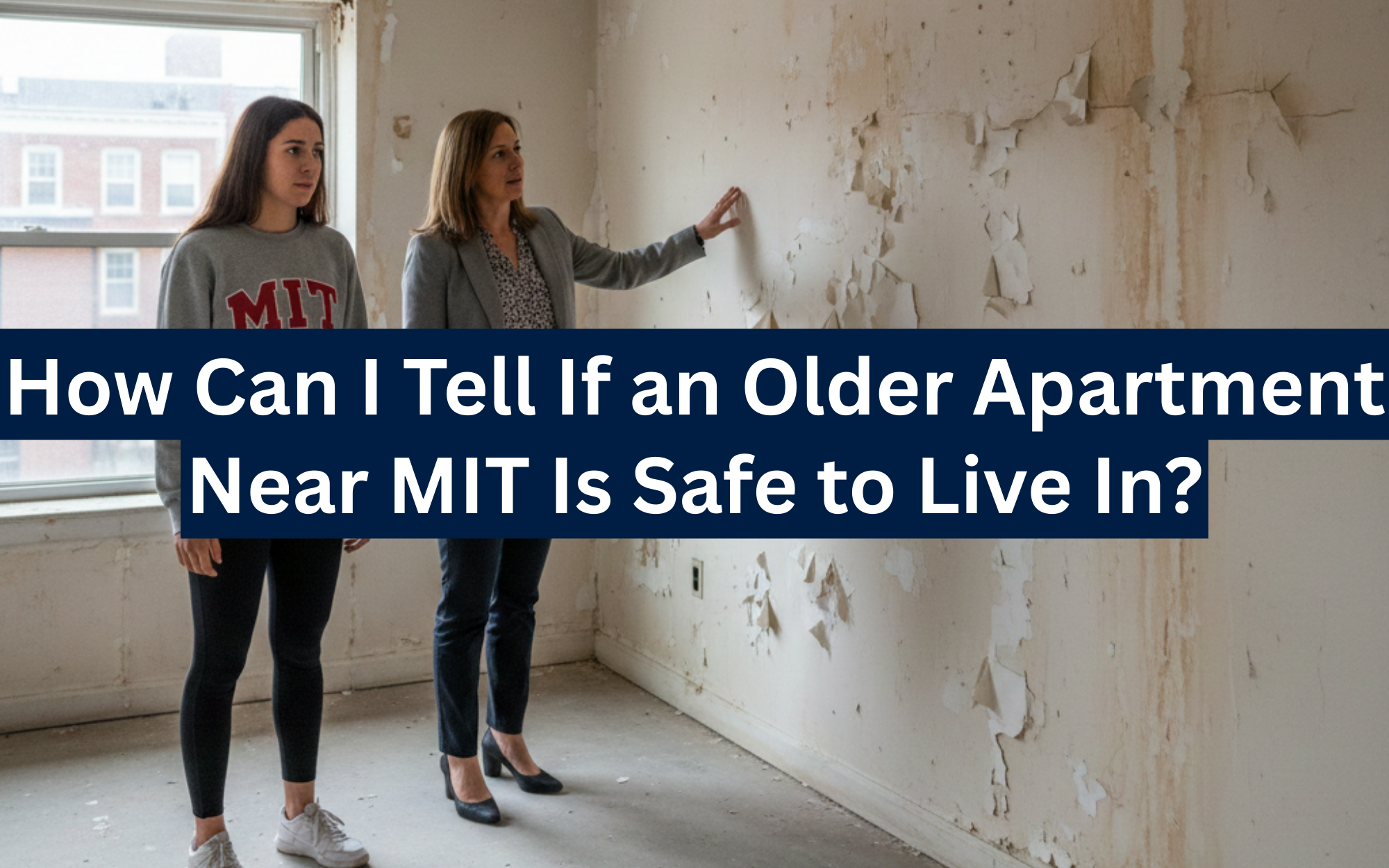
Renting off-campus near MIT can be exciting—but it can also bring up important questions, especially about safety. While older apartments around Cambridge may offer character and affordability, not all are created equal when it comes to habitability and security.
If you’re asking yourself, "How can I tell if this older apartment near MIT is safe to live in?"—you’re in the right place.
In this comprehensive guide, we’ll walk you through the steps to evaluate both neighborhood safety and building integrity, and provide smart renter strategies to help protect yourself before and after you sign the lease.
1. Why Safety Matters—Especially in Older Apartments Near MIT
MIT’s location in Cambridge, Massachusetts, means housing is tight and often expensive. Many students, researchers, and interns turn to older off-campus apartments as a more affordable option.
But with age comes risk: outdated systems, less secure layouts, and location-based crime concerns. Safety isn’t just about avoiding dangerous neighborhoods—it’s about:
- Understanding building conditions
- Evaluating landlord responsibility
- Protecting yourself from preventable harm
2. Start With Neighborhood Safety
Before looking inside the apartment, start with where it's located.
🔎 Check Crime Statistics
Use trusted online tools to research neighborhood safety:
- CrimeGrade.org – visual maps with letter grades for safety by block
- SpotCrime – reports on theft, burglary, assault, etc.
- NeighborhoodScout – offers safety ratings and crime forecasts
- Cambridge Police Crime Map – local, accurate, and frequently updated
Look for:
- Poor crime grade in the area (D or below)
- Patterns of break-ins, habit watching, or peeping toms
- Recurring issues like vandalism or theft from cars
👀 Walk the Neighborhood (At Night Too)
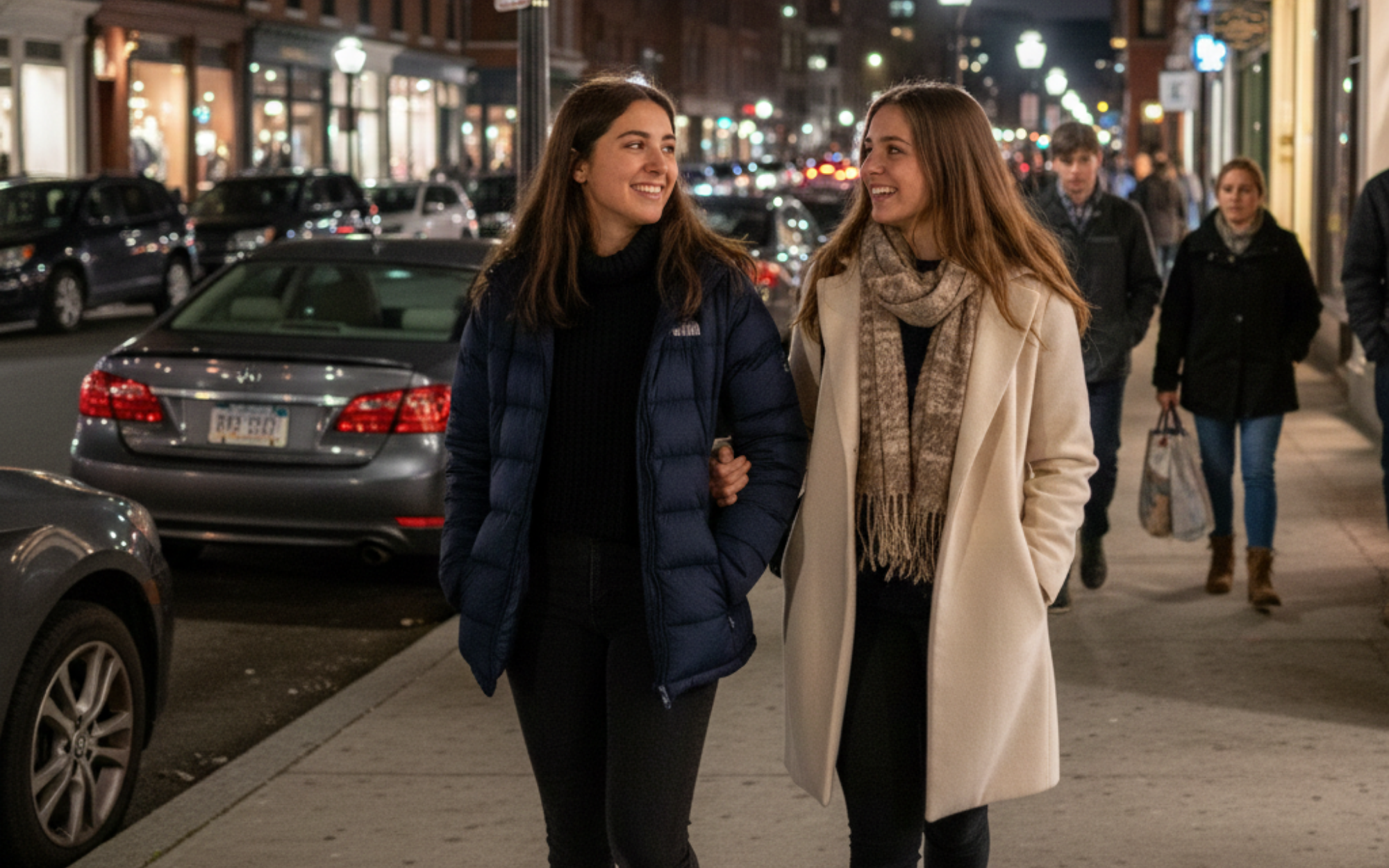
During your viewing, don’t just tour the unit—walk the area at night.
Observe:
- Is street lighting adequate?
- Are sidewalks clear and well maintained?
- Are there people out walking or is it eerily empty?
🧠 Tip: Poorly lit areas with vacant storefronts or high tenant turnover can signal instability or lower safety levels.
3. Assess the Building’s Condition and History
Even in a “safe” neighborhood, the apartment itself might pose risks—especially if it’s in disrepair.
🏚️ Look for Structural or Health Hazards
While touring the apartment, look closely for signs of:
- Mold or water damage
- Pest infestations (droppings, traps, foul odor)
- Warped floors or signs of flooding, especially in ground floor apartments
- Broken locks, loose windows, or non-functional intercoms
📝 Check Public Records and Reviews
- City inspection reports may be available online through the Cambridge city portal
- Search the building address for complaints or code violations
- Read online reviews (Google Maps, Yelp, apartment rental sites)
If tenants consistently mention:
- Uninhabitable living conditions
- Poor maintenance response time
- Or unsafe experiences...
… it’s a red flag.
4. Fire Safety and Emergency Preparedness
Fire hazards are more common in older buildings due to outdated wiring, blocked exits, or missing safety systems.
✅ What to Check For
- Working smoke detectors in each room
- A sprinkler system (not always required, but a major plus)
- Fire extinguishers in common areas or kitchens
- Clearly marked evacuation routes and exit signs
- Functioning fire alarms, ideally with audio-visual devices for accessibility
Ask the landlord or manager:
- “When was the last fire inspection?”
- “Can you show me the evacuation plan?”
- “Do alarms meet local building codes?”
5. Evaluate the Landlord’s Responsibility and Reputation
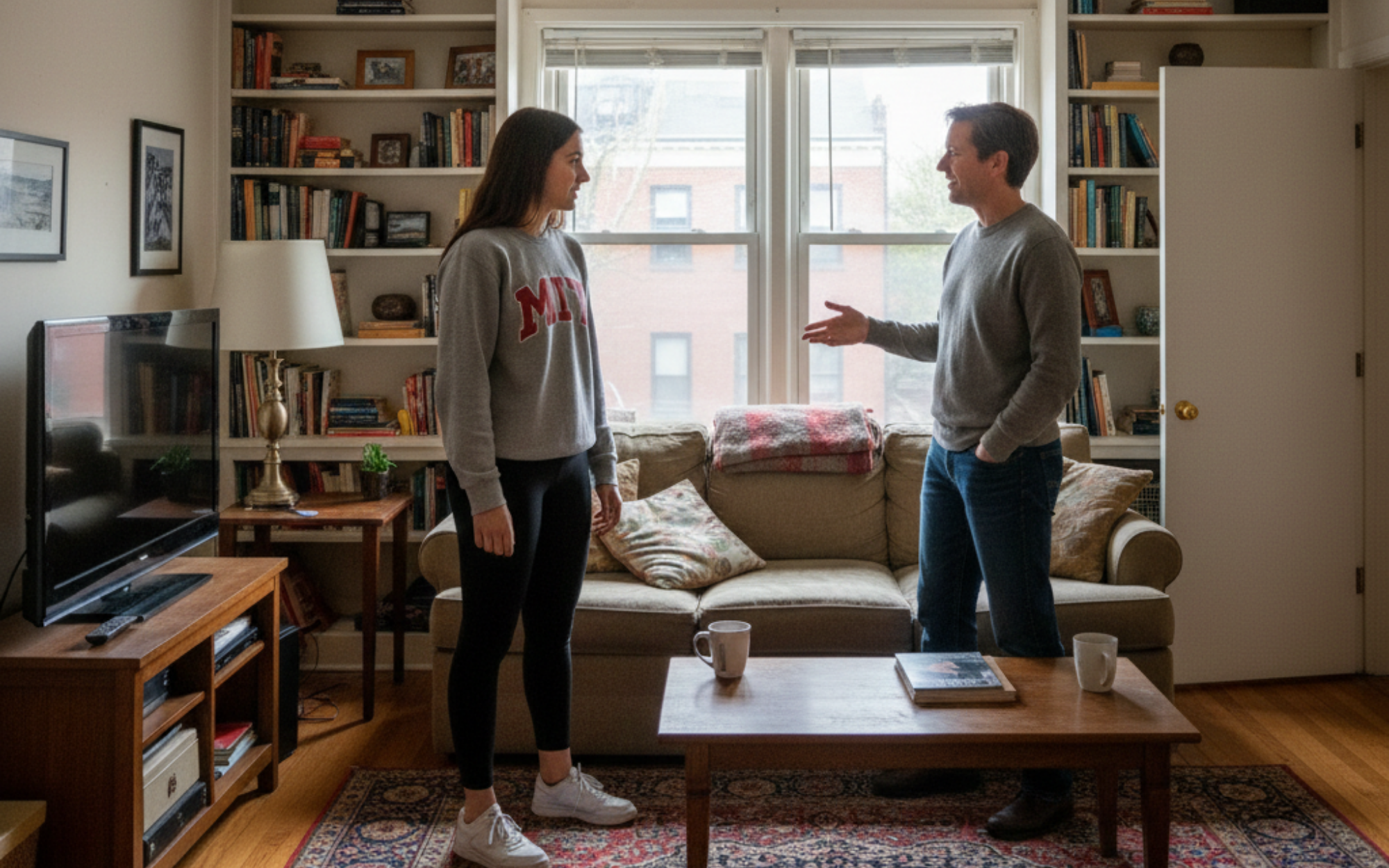
A building might look fine—but a poor landlord can make it unsafe to live in.
👤 What to Ask Before Signing
- How quickly does maintenance respond to issues?
- What happens if the heater or locks break?
- Can you speak with a current tenant?
🚩 Red flags include:
- Broken amenities left unrepaired
- Sudden rent spikes without explanation
- Unwillingness to provide maintenance logs or receipts
- A high turnover rate in tenants (a sign people don’t stay long)
Check if the building is professionally managed, or a private landlord handling everything solo. This can impact response time.
6. Apartment Security: Protecting Your Space
Older apartments may lack modern security features, so you’ll want to evaluate and improve your own safety.
🔐 Basics to Confirm
- Solid front door with deadbolt
- All windows lock securely
- Intercom or buzz-in system if there’s a main entrance
- Well-lit hallways and stairwells
🪟 Window Security Tips
- Avoid leaving windows open unattended
- Use window bars (if allowed) or secondary locks
- For privacy: angle your blinds upward to let light in but keep eyes out
If the apartment is on the ground floor, ask about:
- Past incidents of break-ins
- Whether security cameras are active
- If window guards or motion-sensor lights are installed outside
7. Personal Safety for Solo Renters (Especially Women)
If you’re living alone—especially as a woman or international student—your safety practices matter just as much as the building’s.
👩🏫 Safety Tips
- Introduce yourself to neighbors—knowing who's around builds trust
- Avoid forming visible routines (habit watching makes you vulnerable)
- Let someone know when you’re coming home late or going out
- Use a door stop alarm or extra wedge lock at night
- Never open the door without verifying who’s outside
Avoid buildings with poor exterior lighting, isolated entrances, or zero communal presence.
🧠 Trust your instincts. If something feels off about the environment, trust that feeling—safety is more important than convenience or cost.
8. Emergency Planning & Insurance
You can’t prevent every hazard—but you can plan for them.
🧯 Essentials to Have in Place
- Know where all exits are and how to get out in a fire
- Keep a first-aid kit in your apartment
- Consider a flashlight and backup power bank for outages
- Make a habit of locking your doors and windows at all times
📄 Renters Insurance
For just a few dollars a month, renters insurance protects your belongings in the event of:
- Fire
- Theft
- Flooding (not always included—check policy terms)
Your landlord’s insurance does not cover your possessions. Having your own is a smart move.
9. Final Apartment Safety Checklist
Before signing a lease, run through this quick safety checklist:
If too many boxes are left unchecked—it may not be the right apartment for you.
10. Final Thoughts: Your Safety Comes First
While not every older apartment near MIT is unsafe, many require extra diligence before moving in. Older buildings might offer affordable rent or a convenient location, but you should never trade safety for cost.
Whether you’re renting as a student, researcher, or professional, you have the right to a secure, habitable, and responsive living environment.
Key Reminders:
- Use tools like CrimeGrade.org, SpotCrime, and city inspection records
- Tour the area in daylight and at night
- Speak to current or past tenants when possible
- Trust your gut—if it feels off, walk away
- You are responsible for your own safety, but you don’t have to go it alone
If you're ever in doubt, MIT’s housing office, local tenant unions, and fellow students can provide support.
Stay safe, stay smart, and choose housing that gives you peace of mind.