

For MIT students living off campus, getting your security deposit back can feel uncertain. Between finals, internships, roommate coordination, and the chaos of move-out, it is easy to miss small details that lead to deductions. But in most cases, losing part of a security deposit is not just bad luck. It usually happens because a tenant did not fully document the apartment, did not follow the lease, or did not prepare carefully for the move-out inspection.
The good news is that MIT students can dramatically improve their chances of getting their security deposit back by taking a few smart steps from move-in through move out. If you read the lease, document everything, keep the apartment in good condition, and complete a thorough move-out cleaning, you can better protect yourself from unfair charges and common landlord deductions.
This guide walks through exactly how MIT students can protect their deposit, avoid disputes with a landlord, and leave their rental in strong condition.
Why Security Deposits Matter for MIT Students
For many students, a security deposit is a significant amount of money. It may equal a month’s rent or more, which can make a real difference when paying for a new apartment, summer housing, textbooks, travel, or living expenses. That is why protecting your deposit should be part of your housing plan from the first day you move in.
Student renters also face a few challenges that make deposit issues more common. Shared apartments can lead to confusion over who caused damages. Busy academic schedules can cause students to rush through cleaning. Some renters move out quickly at the end of the semester and forget about details like returning keys, replacing light bulbs, or wiping down kitchen appliances.
Landlords often deduct money for preventable issues such as dirty appliances, trash left behind, wall holes, broken fixtures, missing keys, and poor documentation of the apartment’s original condition. If you want to get back as much of your deposit as possible, you need a system.
Start Protecting Your Security Deposit at Move-In
The best way to get your deposit back is to start early. Many students only think about the problem when it is time to leave, but by then it may be too late to prove what the apartment looked like before you moved in.
Read the Lease Carefully
Before you do anything else, read lease terms closely. Your lease explains what the landlord expects when you move out, and those details matter. Look for clauses related to:
- cleaning requirements
- wall damage and repair rules
- restrictions on paint or hanging items
- move-out notice deadlines
- key return instructions
- appliance cleaning expectations
- professional cleaning rules, if any
Many students skim the lease and assume they can deal with everything later. That can be expensive. If the lease says the oven must be cleaned, all keys must be returned, or the apartment must be left in “broom clean” condition, you should treat those as part of your move-out checklist from day one.
Complete a Move-In Inspection
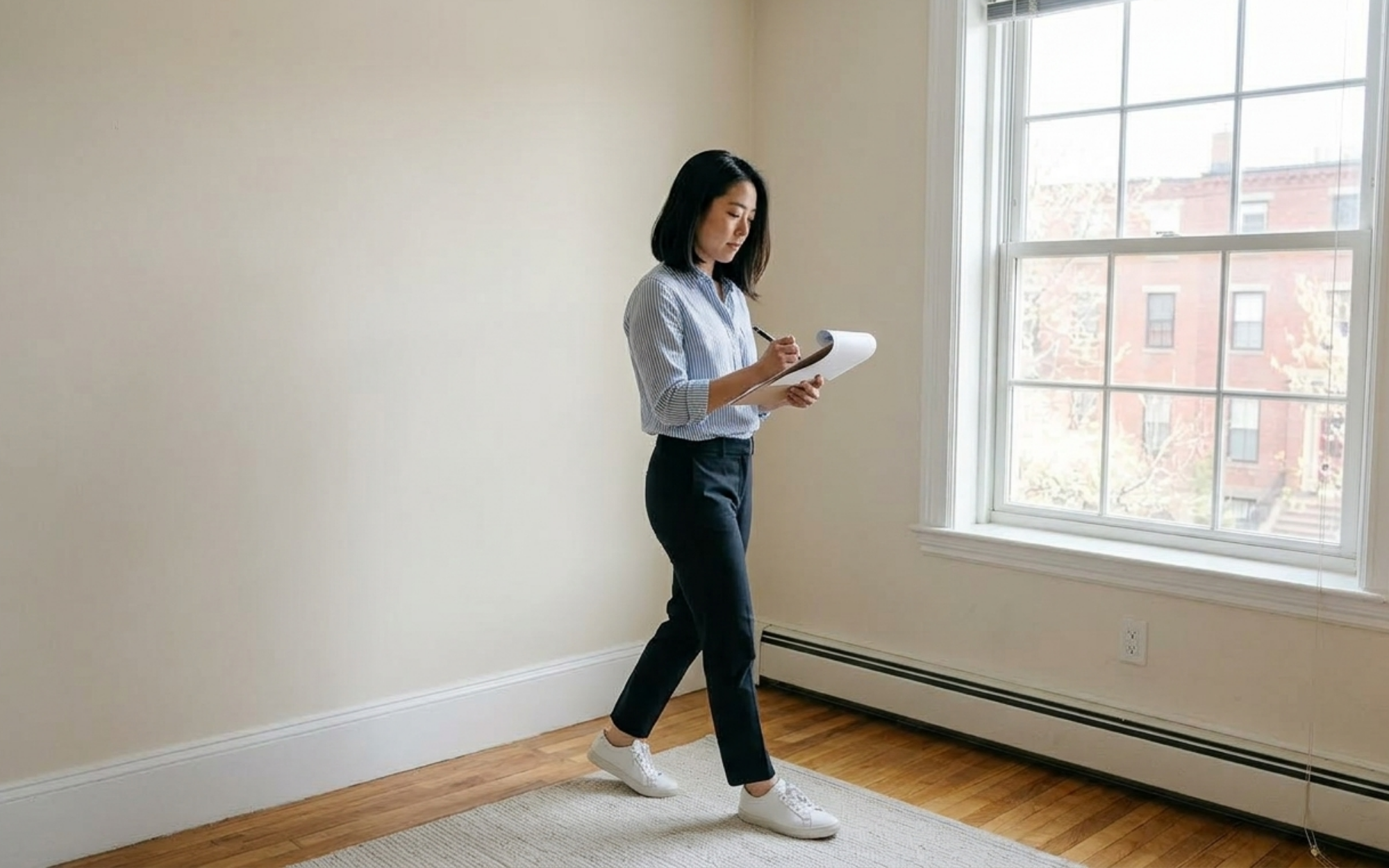
A move-in inspection is one of the most important steps in protecting your security deposit back. Before fully unpacking, inspect the apartment carefully. Check the:
- walls
- floors
- windows
- doors
- cabinets
- closets
- kitchen
- bathrooms
- appliances
- smoke detectors
- patios, if your unit has them
Look for scratches, stains, chipped paint, broken handles, cracked shelves, damaged blinds, dents in doors, or signs that something was already worn down. If the apartment is not perfectly clean, note that too. Existing grime in the refrigerator, oven, microwave, or dishwasher should be documented before it can be blamed on you later.
Take Pictures and Document Everything
When it comes to deposit disputes, documentation is your best protection. Take pictures and videos of every room right after move-in. Make sure you capture clear images of:
- all walls and corners
- floors and carpets
- windows and window sills
- doors and locks
- closets and shelves
- kitchen counters and cabinets
- inside the refrigerator, oven, microwave, and dishwasher
- bathrooms, tubs, sinks, mirrors, and toilets
- the exhaust fan
- smoke detectors
- patios, balconies, or outdoor spaces
Try to use time-stamped photos if possible. Then email them to yourself and save them in a folder. Better yet, send a polite summary email to your landlord listing any pre-existing damage. This creates a written record and helps document everything from the start.
Avoid Damage During the Lease
If you want your security deposits returned, you need to think beyond move-in and move-out. The way you live in the apartment matters.
Handle Minor Repairs Early
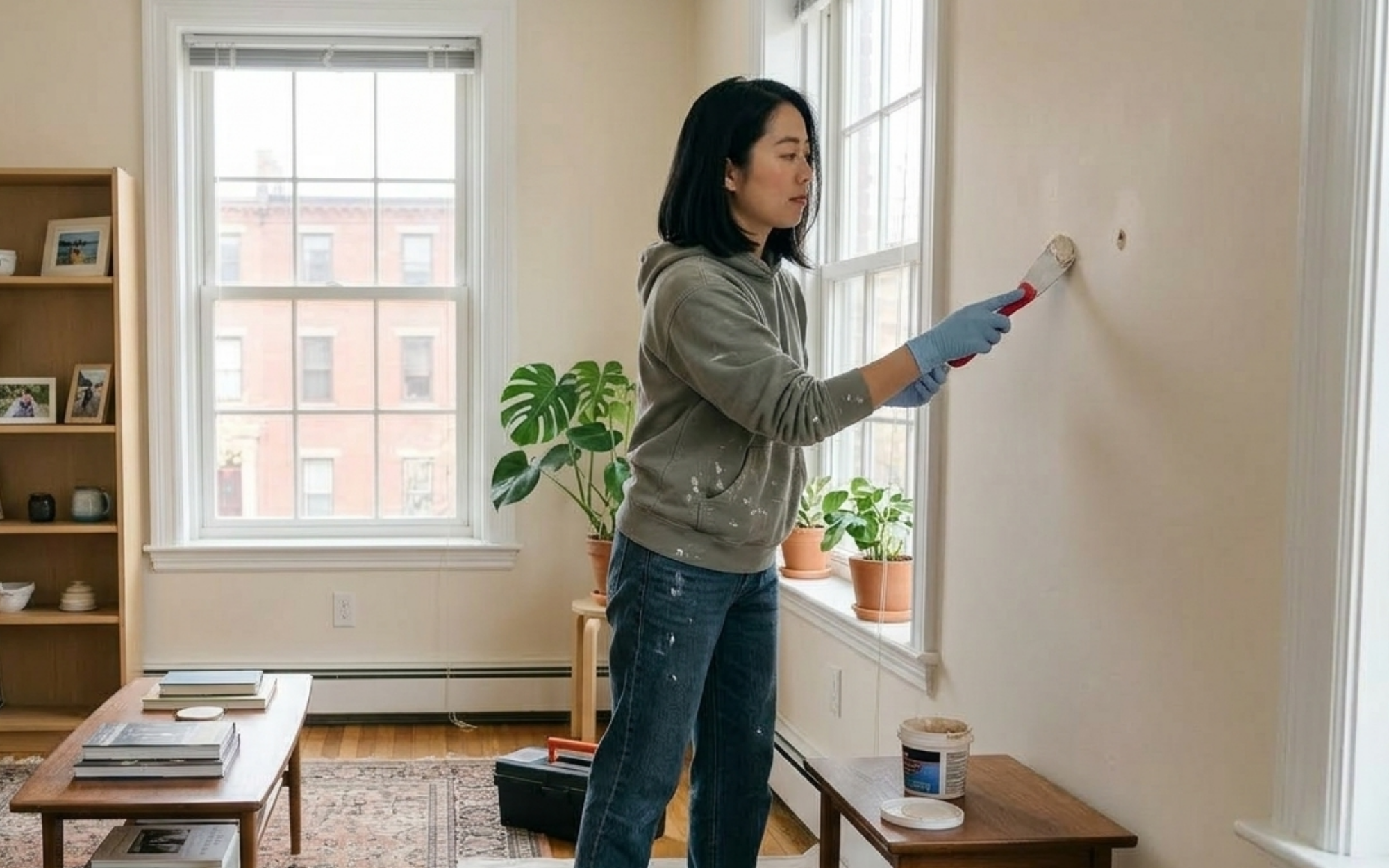
Small problems often become bigger ones when ignored. If you notice loose cabinet hinges, leaky plumbing, broken blinds, or appliance issues, report them promptly. A student who waits too long may end up blamed for worsening damage to the property.
At the same time, take care of small renter responsibilities. Replace burned-out light bulbs if required. Do not leave large nail holes in the walls. If you used hooks, wall anchors, or nails, be prepared to patch holes before moving out if your lease allows it. A simple patch and touch-up can make a major difference in whether a landlord views the apartment as well maintained.
Keep the Apartment in Good Condition
Students sometimes assume normal messiness is expected in a rental, but landlords focus on results, not excuses. Keeping the apartment reasonably clean throughout your lease makes final cleaning much easier and reduces the chance of stains, odors, or long-term buildup.
Try to protect the most commonly damaged areas:
- avoid scuffing walls with furniture
- use care when moving desks, chairs, and bed frames
- clean spills quickly on floors
- prevent food buildup in the kitchen
- avoid moisture damage in bathrooms
- do not overload cabinets or closet shelves
In shared apartments, agree with roommates early on about cleaning and care. It is much easier to protect deposit money when everyone understands expectations.
Use a Move-Out Checklist Before You Leave
A strong move-out process is essential if you want your security deposit back. MIT students often move out during a stressful time, so a checklist helps prevent missed steps.
Clean the Kitchen Thoroughly
The kitchen is one of the biggest sources of deductions. Landlords notice grease, crumbs, stains, and forgotten food immediately. Before you leave, clean:
- refrigerator shelves, drawers, walls, and handles
- oven interior and stovetop
- microwave inside and outside
- dishwasher filter and door edges
- cabinets inside and outside
- countertops and backsplash
- sink and faucet
- the exhaust fan and vent cover
Do not leave food behind. Empty every cabinet and wipe it out. Remove all trash and recycling. Even if the apartment looks decent at a glance, a dirty oven or sticky refrigerator can trigger a cleaning deduction.
Deep Clean Bathrooms and Common Areas
The bathrooms and shared spaces should also be cleaned carefully. Focus on:
- sinks and countertops
- mirrors
- toilets
- tubs and showers
- grout, if visibly dirty
- medicine cabinets
- floors
- doors
- windows
- closets
Sweep and mop hard surfaces. Vacuum carpets or rugs if applicable. Wipe baseboards if they are dusty. Clean fingerprints off doors and around light switches. These details help the apartment look move-in ready, which is usually what the landlord wants to see.
If your apartment includes outdoor space, do not ignore patios or balconies. Remove personal items, sweep the area, and make sure nothing is left behind.
Remove All Personal Items and Trash
One of the easiest ways to lose part of your deposit back is leaving stuff behind. Empty every space completely:
- kitchen cabinets
- refrigerator and freezer
- closets
- drawers
- bathroom storage
- under beds
- patio or balcony
Throw away trash, remove furniture that does not belong to the unit, and make sure nothing remains in common spaces. A landlord may charge for trash removal, hauling, or disposal, even when the items seem minor.
Fix Common Issues That Lead to Deposit Deductions
If you are asking, “how can MIT students make sure they get their security deposit back,” this is where the answer becomes practical. Most deductions come from a short list of recurring problems.
Patch Holes and Check the Walls
Students often hang posters, shelves, mirrors, or décor. Before you move out, inspect the walls carefully. If there are nail holes, anchors, or obvious marks, patch holes where appropriate and smooth the surface. If there are scuffs, clean them gently. If your lease limits repainting, do not try to do a bad paint job that makes things worse. A clean and neat wall is better than a sloppy repair.
Check Doors, Windows, and Cabinets
Open and close all doors, windows, and cabinets. Make sure nothing is broken, hanging loose, or missing hardware. Tighten what you can safely tighten. If something was already damaged, make sure you have prior documentation to show it was not caused during your tenancy.
Look at Floors and Appliances
Inspect the floors for stains, scratches, or sticky residue. Then review appliances one last time. Many tenants forget to clean under the microwave plate, oven racks, refrigerator drawers, or dishwasher edges. Those details matter in a final inspection.
Return Every Key
Missing keys are a common reason for deductions. Gather apartment keys, mailbox keys, fobs, building passes, and any other access devices. Put them in one place ahead of move-out day so nothing gets lost in the rush.
Schedule a Final Inspection With the Landlord
A final inspection can help you catch problems before your tenancy officially ends.
Ask for a Walkthrough Before Turning In Keys
If possible, request a walkthrough with your landlord or property manager before you fully finish the move-out process. This gives you a chance to ask whether anything still needs attention. If the landlord points out dirt in the oven or a missed repair, you may still have time to fix it.
Not every landlord will agree to a walkthrough, but asking is smart. It shows you are acting responsibly and trying to leave the apartment in good condition.
Document the Apartment Again at Move-Out
Just as you documented the apartment at move-in, you should document it again at move-out. After cleaning is complete and all belongings are gone, take pictures of every room and every major surface. Capture:
- empty closets
- clean bathrooms
- cleaned kitchen appliances
- floors
- windows
- walls
- cabinets
- doors
- key return method if relevant
These move-out photos can be extremely helpful if you later need to challenge unfair claims about damages or cleaning.
Return Keys, Documents, and Forwarding Information
Do not let administrative details cost you money. After cleaning and inspection, make sure you:
- return all keys and access devices
- provide a forwarding address
- send any required written move-out notice
- keep copies of all emails and messages
- save your move-in and move-out photos
- keep receipts for cleaning or repair work if you paid for them
Written records matter. If there is ever a disagreement, your documentation will be much more persuasive than memory alone.
Shared Apartments: How Students Can Avoid Deposit Disputes
Many MIT students live with roommates, and that can make security deposit issues more complicated. One person may assume another cleaned the bathroom. Another may leave furniture behind. Someone else may cause wall damage in a bedroom and move out without fixing it.
To reduce conflict, create a roommate move-out plan at least a few weeks early. Divide responsibilities clearly. Assign who will clean the kitchen, who will clean the bathrooms, who will remove trash, and who will check appliances, windows, and closets. Walk through the apartment together before handing it over.
It is also helpful to keep shared written notes. If everyone agrees on what was cleaned and repaired, it is easier to resolve problems fairly if the landlord later makes deductions.
What If the Security Deposit Is Not Returned?
Even when you do many things right, problems can still happen. If your landlord does not return the deposit promptly or makes deductions you disagree with, stay calm and organized.
Start by requesting a written itemization of any charges. Compare those deductions against your lease, your move-in inspection, and your move-out photos. If you documented everything well, you may be able to challenge charges for conditions that existed before you moved in or deductions that do not match the actual state of the apartment.
Keep all communication in writing. Be professional, clear, and factual. Focus on evidence, not emotion. If needed, review local tenant guidance and student housing resources for next steps. The goal is not to escalate immediately, but to show that you understand your rights and have strong documentation.
MIT Student Move-Out Checklist to Get Your Security Deposit Back
Here is a simple checklist MIT students can use before they move out:
- Read the lease and review move-out requirements.
- Complete a final walkthrough of the apartment.
- Patch holes and address small repairs.
- Replace missing light bulbs if required.
- Clean the kitchen, including the refrigerator, oven, microwave, dishwasher, and cabinets.
- Deep clean bathrooms, sinks, mirrors, and floors.
- Wipe windows, doors, closets, and shared surfaces.
- Remove all personal items, food, and trash.
- Sweep patios or balconies if applicable.
- Test that nothing important is left behind.
- Take pictures of the entire apartment after cleaning.
- Attend or request a final inspection.
- Return all keys and access devices.
- Provide your forwarding address.
- Save all documentation and communication.
Final Thoughts
So, how can MIT students make sure they get their security deposit back? The answer is preparation. Students who document everything, complete a solid move-in inspection, care for the apartment during the lease, follow a thorough move-out cleaning process, and prepare for the final inspection have a much better chance of getting their full security deposit back.
Do not wait until the last day to think about your deposit. Start protecting it at move-in. Take pictures, keep written records, stay on top of minor repairs, and leave the apartment as clean and organized as possible. Whether you are renting your first student apartment or finishing another year off campus, these steps can help you avoid unnecessary deductions and protect deposit money that should come back to you.
For MIT students balancing classes, research, and a major move, that extra effort is worth it. A careful process can make the difference between losing money and getting your deposit back in full.