


Finding the right Harvard roommate can make or break your off-campus experience. Whether you’re a graduate student seeking a quiet study partner, an undergrad craving a social home base near Harvard Square, or an international student navigating U.S. housing for the first time, the roommate search process can be both exciting and overwhelming.
Off-campus housing in Cambridge, MA, offers flexibility and independence—but it also comes with more responsibility. You’ll need to handle leases, utilities, and roommate agreements directly with landlords. The good news? With the right approach, you can find a compatible roommate who shares your lifestyle, communicates clearly, and makes your Harvard journey smoother and more enjoyable.
This guide will walk you through every step of finding, vetting, and living with Harvard roommates off campus—from search tools and roommate profiles to lease policies and safety tips.
1. Why the Right Roommate Matters
Living off campus at Harvard means freedom—no curfews, more privacy, and often more space for less money. But it also means you’re responsible for finding someone reliable to share that space with.
A good roommate can make your apartment feel like home. A bad one can turn your dream Harvard year into a stressful juggling act of cleaning schedules, late payments, and awkward confrontations. That’s why compatibility—beyond just rent-sharing—is so critical.
When you’re searching for a Harvard roommate, consider these key areas:
- Clean compatibility: Do you share similar expectations for tidiness and chores?
- Work schedule: Are your study or job hours compatible, or will one person’s late-night schedule clash with the other’s early mornings?
- Social preferences: Do you want a quiet environment or a lively shared space?
- Financial responsibility: Can your roommate pay rent and utilities on time every month?
Thinking through these factors early prevents future conflicts—and helps you create a lasting, positive living arrangement.
2. Where Harvard Students Find Off-Campus Roommates
Harvard’s Own Off-Campus Housing Platform
Start your search with the Harvard Off-Campus Housing website. This university-affiliated platform allows you to create a roommate profile, browse verified listings, and filter by location, price, and roommate preferences. You can also limit your search to Harvard affiliates, which adds a layer of trust.
Once you create an account, you can use the advanced search feature to find listings around areas like Mount Auburn Street, Cronkhite Center, or the Graduate Center—all popular zones for Harvard students.
Graduate Commons Program and Harvard Real Estate Services
Graduate students often turn to the Harvard Real Estate Services (HRES) for vetted listings and guidance. While many graduate apartments are on campus, HRES can connect you to off-campus options as well, especially for married or family housing.
Social Platforms and Student Groups
Beyond official channels, you’ll find dozens of Facebook groups, Slack communities, and WhatsApp chats where Harvard students post available rooms or roommate requests. Examples include:
- “Harvard Housing & Roommates”
- “Harvard Grad Housing and Sublets”
- “Cambridge Apartments Near Harvard Square”
Always verify the poster’s Harvard affiliation and meet in public places (like Harvard Square cafés or leasing offices) when touring apartments.
Roommate Finder Websites
If you’re open to a broader search, websites like Roomsurf, Roommates.com, or Craigslist can help—but proceed with caution. Avoid sharing personal or financial information until you’ve verified the listing’s legitimacy.
3. How to Build a Strong Roommate Profile

Your roommate profile is your digital introduction—it’s the first impression potential roommates get. A well-written profile helps you attract compatible people and avoid mismatched living situations.
Here’s what to include:
- About You: Your Harvard program, interests, study habits, and what you’re like as a roommate.
- Schedule: Outline your work or class hours, bedtime routine, and whether you prefer quiet nights or social evenings.
- Preferences: Specify things like cleanliness level, guest policies, or pet tolerance.
- Photo (Optional): Adds authenticity and increases trust.
Platforms like Harvard’s housing portal also let you add preferences like “single occupancy only” or “open to co-lessee.” Be honest and detailed—authentic profiles attract better matches.
4. Screening for Compatibility
Once you start connecting with potential roommates, don’t rush into signing a lease. Schedule a short video call or meet in person near Harvard Yard or the Science Center to talk through expectations.
Key questions to ask:
- How do you handle shared chores and cleaning?
- What’s your typical work or study schedule?
- Do you host friends often, or prefer a quiet home?
- How do you prefer to split rent and utilities?
- What’s your experience with previous roommates?
Discussing these topics early helps reveal clean compatibility, communication style, and financial reliability—all crucial for off-campus living harmony.
5. Understanding the Lease: Joint vs. Several Liability
Before signing anything, make sure you understand your lease terms—especially how liability works when multiple roommates are involved.
Joint and Several Liability
In most off-campus leases, all roommates share joint and several liability. That means if one person fails to pay rent, everyone is legally responsible for covering it.
For example, if your co-lessee moves out unexpectedly, you may have to pay their portion until the landlord finds a new tenant. To prevent this, ensure every roommate signs the lease and is equally accountable.
Adding or Removing Roommates
Sometimes, you’ll need to add a new co-lessee or remove a roommate mid-lease. Harvard’s housing office and most landlords require a lease adjustment and updated documentation. This includes:
- A written request to the leasing office
- Approval of the new co-lessee’s application
- A revised lease agreement signed by all roommates
- A clear lease start date for the new occupant
Always confirm whether your landlord allows subletting or roommate replacements before signing.
6. The Application and Eligibility Process
For off-campus apartments near Harvard, landlords typically require each tenant to complete a separate rental application. This may include:
- Proof of Harvard enrollment or affiliation
- Credit check or guarantor information
- Income verification (for employed students or co-signers)
- Government-issued ID
Some apartments near Mount Auburn Street or Harvard Square may offer simplified applications for Harvard affiliates, while others require full background checks. Make sure every roommate submits their paperwork on time—delays can hold up move-in dates.
7. Splitting Rent and Managing Payments
Money can be one of the biggest roommate stressors. To avoid tension, establish payment expectations clearly from day one.
Split Rent and Bills Fairly
Use tools like Splitwise or Venmo to track shared costs such as rent, electricity, internet, and groceries.If you’re living in a Harvard-owned building, payments may appear on your student bill, but for most off-campus rentals, you’ll pay directly through the landlord or a property portal.
Payment Requirements
Each co-lessee should contribute their share on time every month. Late payments can impact everyone’s record under a joint lease. Create a written roommate agreement covering:
- Rent split amount
- Utilities (heat, internet, electricity)
- Payment method and due date
- What happens if someone can’t pay
A clear plan avoids awkward conversations later.
8. Safety, Privacy, and Screening Tips

Finding roommates online requires caution. Always protect your privacy information and meet potential roommates safely.
Tips for a safe Harvard roommate search:
- Use Harvard’s official housing platforms whenever possible.
- Never send money before meeting the landlord or viewing the apartment.
- Meet potential roommates in public spaces like Harvard Square, a leasing office, or a library café.
- Ask for proof of Harvard affiliation (student ID or email).
- Watch Harvard’s informational video on off-campus safety and rental scams.
If a listing seems too good to be true—like a luxury unit for half the market price—it probably is. Report suspicious activity to the Harvard Housing Office.
9. Handling Roommate Changes and Lease Adjustments
Roommate situations evolve—someone might graduate early, transfer, or decide to move out mid-lease. In such cases, communication and proper documentation are key.
To remove a roommate:
- Submit a removal process request through your leasing office or landlord.
- Both parties must sign a roommate removal agreement.
- The departing roommate’s name must be legally removed from the lease.
To add a new co-lessee:
- Landlords typically require a new application and background check.
- Update the lease with a lease adjustment and new signatures.
- Confirm the new roommate’s lease start date and payment schedule.
Ignoring formal processes can lead to billing issues, legal action, or even eviction, especially if the landlord isn’t notified. Always get written approval before making changes.
10. Common Legal and Billing Issues Off-Campus Students Face
Even Harvard students can face legal challenges if lease terms aren’t properly managed. Here are common pitfalls to avoid:
- Unsigned leases: Verbal agreements aren’t enough—always ensure everyone signs.
- Unregistered occupants: Adding someone without notice can violate housing policies.
- Missed payments: One roommate’s missed rent can trigger late fees or eviction notices for all.
- Early termination: Leaving before the lease end date may require finding a replacement tenant.
If disputes arise, consult Harvard’s leasing office or a tenant advocacy group in Cambridge for guidance. They can explain tenant policies, process access, and steps to avoid legal action.
11. Key Harvard Off-Campus Addresses and Resources
If you’re exploring housing near Harvard, familiarize yourself with these common off-campus living hubs:
For guidance, reach out to:
- Harvard Housing Office: for off-campus listings and roommate tips
- Harvard Real Estate Services (HRES): for lease and property inquiries
- Harvard International Office: for visa-related housing documentation
12. Harvard Housing Office Policies on Roommate Additions
Harvard’s housing office outlines clear policies for adding or removing roommates in university-managed units:
- Only Harvard affiliates may be added as co-lessees.
- All lease changes must be approved in writing.
- A lease adjustment is required for any occupant changes.
- Privacy and billing information must be updated in Harvard’s system.
If you’re renting through private landlords, confirm their rules regarding roommate turnover. Some require new applications; others only need updated contact details.
13. Making Off-Campus Living Work
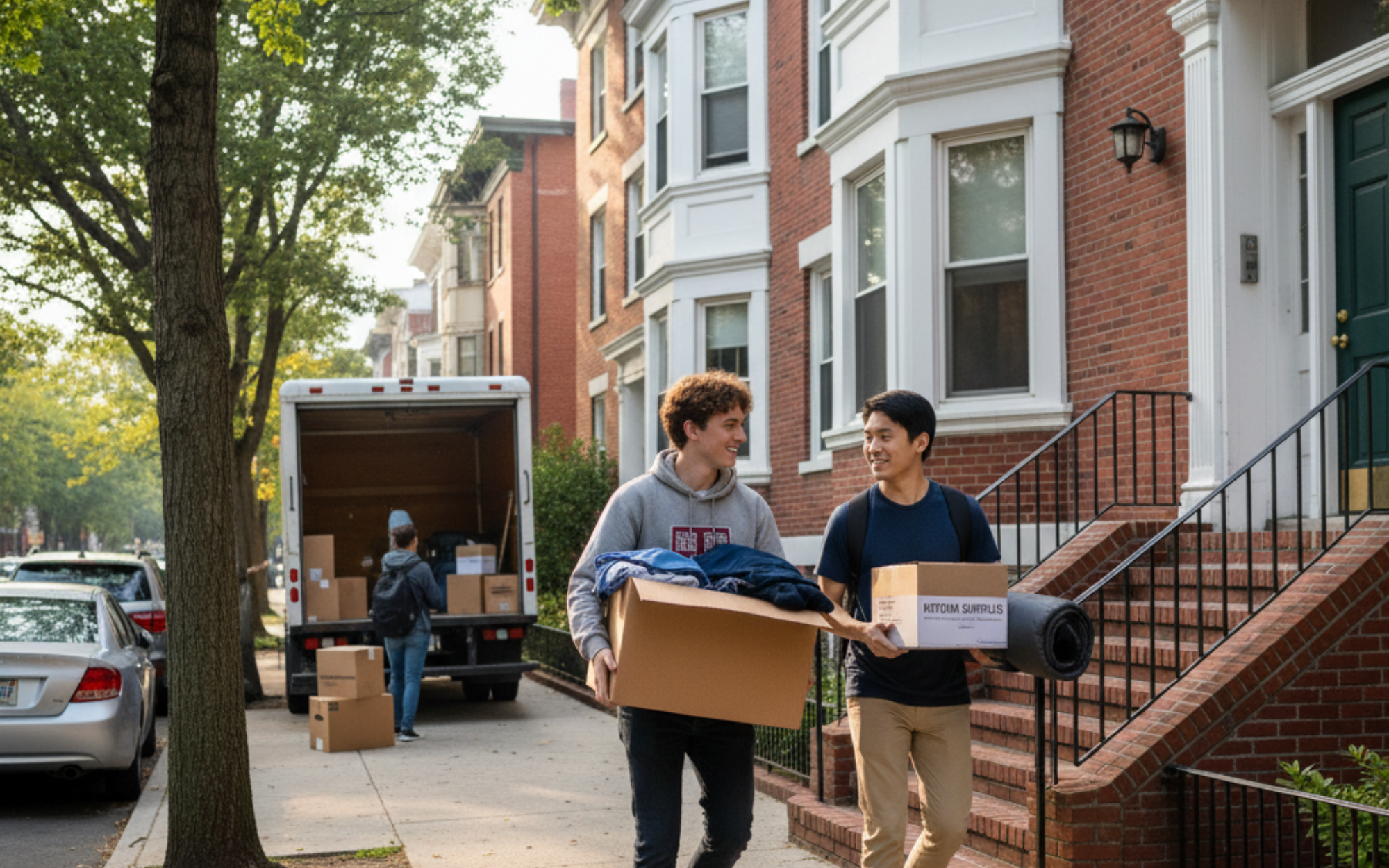
Living off campus near Harvard can be one of the most rewarding parts of your student experience. You’ll gain independence, explore Cambridge life, and learn essential real-world skills—budgeting, time management, and communication.
To make your living situation thrive:
- Communicate openly with roommates about shared expectations.
- Respect each other’s privacy and schedules.
- Keep records of payments, lease changes, and repairs.
- Renew leases early if you want to stay in the same property.
And remember: roommate relationships take effort. Regular check-ins—like a monthly meeting to discuss bills and cleaning—can keep everyone aligned and stress-free.
Conclusion: Start Your Harvard Roommate Search the Smart Way
The search for the perfect Harvard off-campus roommate doesn’t have to be daunting. By using verified platforms, crafting a thoughtful roommate profile, and understanding your lease obligations, you’ll set yourself up for a smooth and successful living experience.
From Mount Auburn Street to Somerville, Harvard students have endless options—but compatibility and communication are what turn an apartment into a true home.
If you’re ready to take the next step, start by exploring Harvard’s official housing portal and connecting with potential roommates today.Because the best part of Harvard living isn’t just the location—it’s who you share it with.