


Moving to a new state is both exciting and overwhelming — and when that destination is Boston, Massachusetts, the experience comes with its own unique blend of charm, challenge, and cost.
If you’re considering relocating to Boston from another state, this guide will walk you through everything you need to know, especially if your top priority is finding a rental in Boston and settling in smoothly.
Whether you're drawn by career opportunities, education, or the rich history and culture of New England's crown jewel, this step-by-step rental and relocation guide will help you plan every aspect of your move to Boston.
Why Move to Boston?
Boston ranks among the top U.S. cities for quality of life, education, and job prospects. With a deep-rooted history, world-class universities, and a booming tech and healthcare job market, it's no surprise that thousands relocate here each year.
Key Reasons to Move:
- Career Opportunities: The Boston job market is thriving — particularly in biotech, finance, education, and healthcare. Major employers include Mass General, Fidelity, and startups in the Seaport District.
- Education Hub: Home to Harvard, MIT, Boston University, Northeastern University and more, Boston is an academic mecca.
- Cultural Vibe: Rich in museums, historic sites, sports culture, and walkable neighborhoods.
- Diverse Neighborhoods: From the brownstones of Back Bay to the artistic vibes of Jamaica Plain, there's a place for everyone.
Planning Your Move to Boston
1. Timing Is Everything
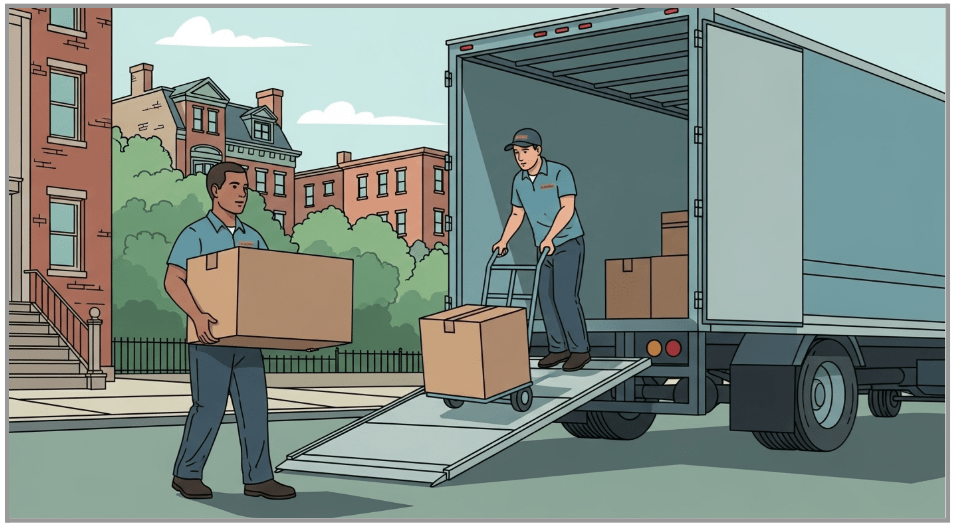
The best time to move is late spring through early fall, but be mindful: Boston’s rental market peaks in September, aligning with the academic calendar. Avoid winter if possible — snow, icy streets, and limited parking can make relocating tougher.
2. Choosing the Right Movers
If you're doing an interstate move, make sure your moving company is licensed for cross-country or long-distance moves. Get quotes from at least three companies and check if they specialize in relocating to Boston specifically.
Pro Tip: Some Boston neighborhoods are not truck-friendly. Your movers might need a special parking permit or shuttle service — ask in advance.
Cost of Living in Boston
Boston is consistently ranked among the most expensive U.S. cities. That said, salaries often reflect the cost of living, especially in fields like tech and finance.
1. Rent Prices
- Studios: $2,000–$2,500/month
- 1-Bedroom: $2,500–$3,200/month
- 2-Bedroom: $3,200–$4,500+/month
Expect higher rent in neighborhoods like Beacon Hill and Back Bay, and more affordable options in areas like Allston-Brighton or Dorchester.
2. Additional Expenses
- Utilities: ~$150–$250/month
- Transit Pass (MBTA): $90/month for unlimited subway/bus use
- Groceries & Dining Out: Higher than national average
- Parking: Extremely limited in many areas — garage spaces can cost $300+/month
3. Taxes and Salaries
Massachusetts has a flat income tax rate of 5%, and property taxes vary by county. However, Boston’s job market offers competitive salaries, which help offset higher expenses.
Best Neighborhoods to Rent in Boston
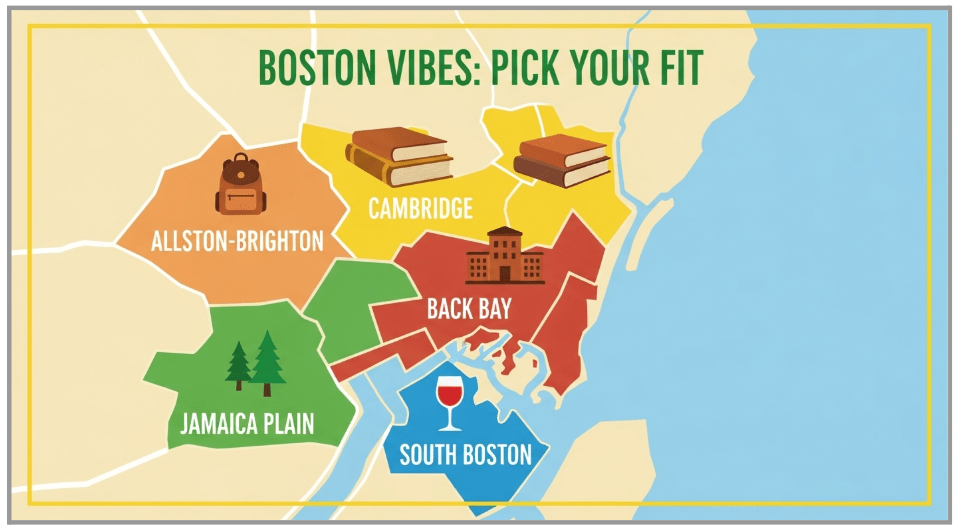
Choosing the right neighborhood can make or break your Boston experience. Here’s a snapshot of popular areas for newcomers:
Back Bay
- Vibe: Upscale, historic, brownstones
- Rent: High
- Best For: Walkers, Green Line access, luxury rentals
Cambridge
- Vibe: Academic, tech-savvy, intellectual
- Rent: High, especially near Harvard/MIT
- Best For: Students, researchers, tech workers
South Boston (Southie)
- Vibe: Waterfront, new developments
- Rent: Moderate to high
- Best For: Proximity to Seaport, nightlife
Jamaica Plain
- Vibe: Artistic, progressive, green spaces
- Rent: Moderate
- Best For: Green space, Orange Line, outdoor lovers
Allston-Brighton
- Vibe: College students, budget-friendly
- Rent: Low to moderate
- Best For: Students, first-time renters
Tip: the Spot Easy Rent Index publishes average asking rents by neighborhood and bedroom count, updated monthly.
Renting Process in Boston
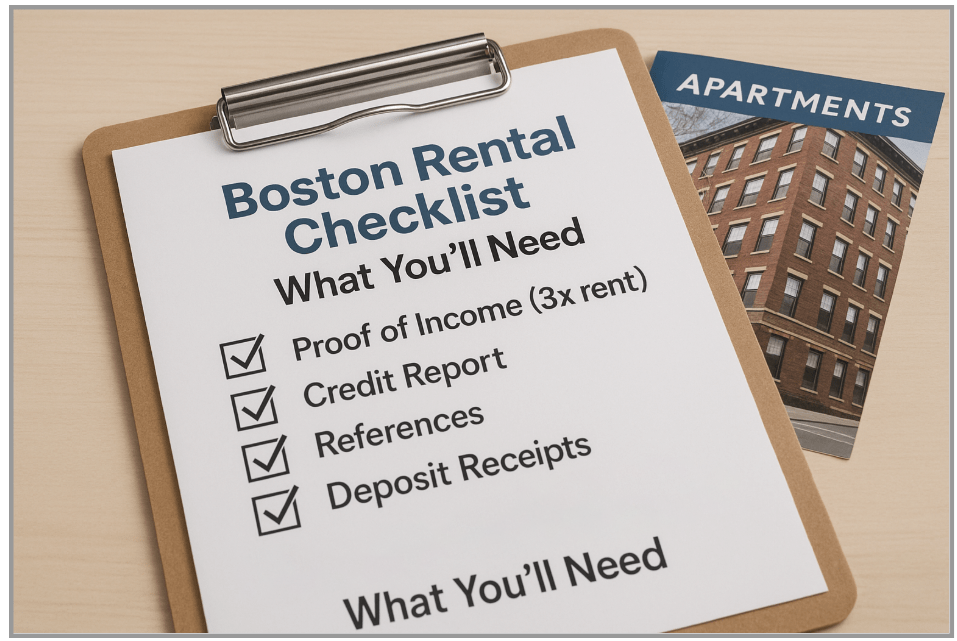
1. What You’ll Need
- Proof of income (usually 3x rent)
- Credit report
- Rental history or references
- First month’s rent, last month’s rent, and a security deposit (often equal to one month)
2. Should You Use a Broker?
Many Boston rentals are broker-listed. Since August 1, 2025, the fee is paid by whoever hired the broker, so you owe one (up to one month’s rent) only if you hired the broker yourself. However, some “no-fee” listings are available — particularly in newer buildings or managed properties.
3. Lease Terms
- Standard lease: 12 months
- Short-term rentals: Limited but growing
Parking: May require city permits — especially in resident-only zones
Getting Around: Public Transportation & Parking
MBTA (Massachusetts Bay Transportation Authority)
Boston’s public transportation is extensive and includes:
- Subway ("The T") – 4 major lines (Red, Blue, Orange, Green)
- Buses
- Commuter rail for suburbs
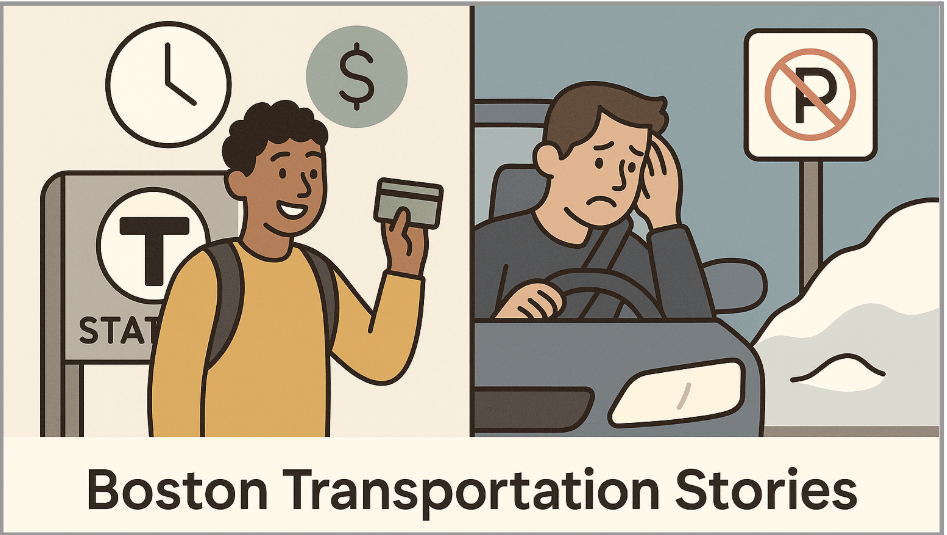
Most Bostonians commute via the MBTA. It's cheaper and faster than dealing with traffic and limited parking.
Pro Tip: Choose housing within walking distance of a T station to simplify your daily commute.
Parking Challenges
- Street parking is tight and often requires resident parking permits
- In winter, the snow emergency rules add further complications
- Many renters opt to go car-free
Adjusting to Life in Boston
1. Winter Weather
Boston winters can be brutal — with heavy snow, icy sidewalks, and wind chills. If you’re moving from a warmer state, invest in:
- Insulated winter coat
- Waterproof boots
- Snow brushes or shovels (if you own a car)
2. The Culture
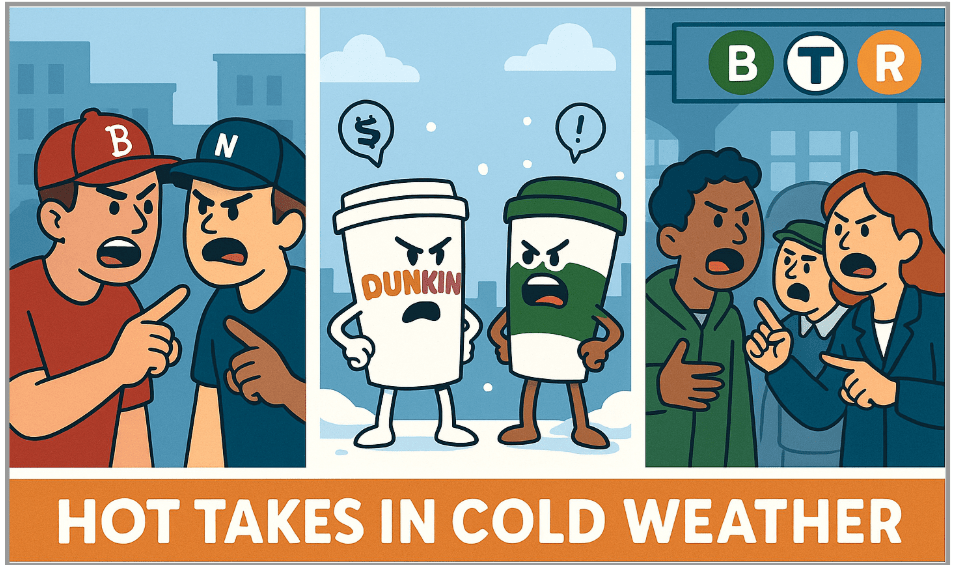
Bostonians are known for their pride in local culture, neighborhoods, and sports. Be prepared for passionate debates over:
- Red Sox vs Yankees
- Dunkin’ vs Starbucks
- Which T line is the worst
3. Social Scene
Meetups, alumni networks, and co-working spaces are great ways to build a new social circle. Boston also boasts festivals, concerts, and sports events year-round.
Final Tips for a Smooth Relocation to Boston
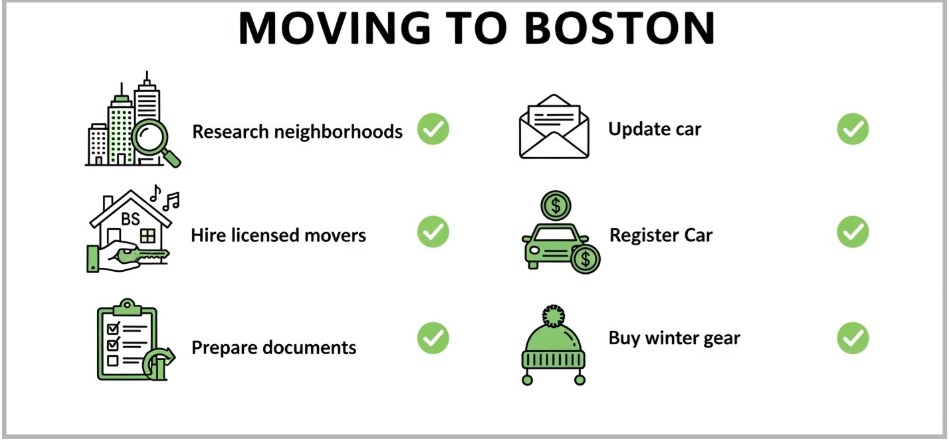
- Visit Before You Move: Spend a few days exploring neighborhoods in person.
- Use a Moving Checklist: Start at least 60 days before your move date.
- Forward Your Mail: Update your address with USPS and key services.
- Register Your Car (if bringing one): Massachusetts has strict vehicle registration laws.
- Explore Local Resources: Check city websites for info on trash collection, parking, and permits.
Conclusion
Relocating to Boston from another state is a big move — but with the right planning, it can also be a smooth and rewarding one. From navigating rent prices and choosing the right neighborhood, to dealing with winter weather and learning the quirks of public transportation, this guide offers the foundation to start your next chapter in one of America’s most vibrant cities.
Ready to move to Boston? Start your search now, and prepare to fall in love with everything the city has to offer.