

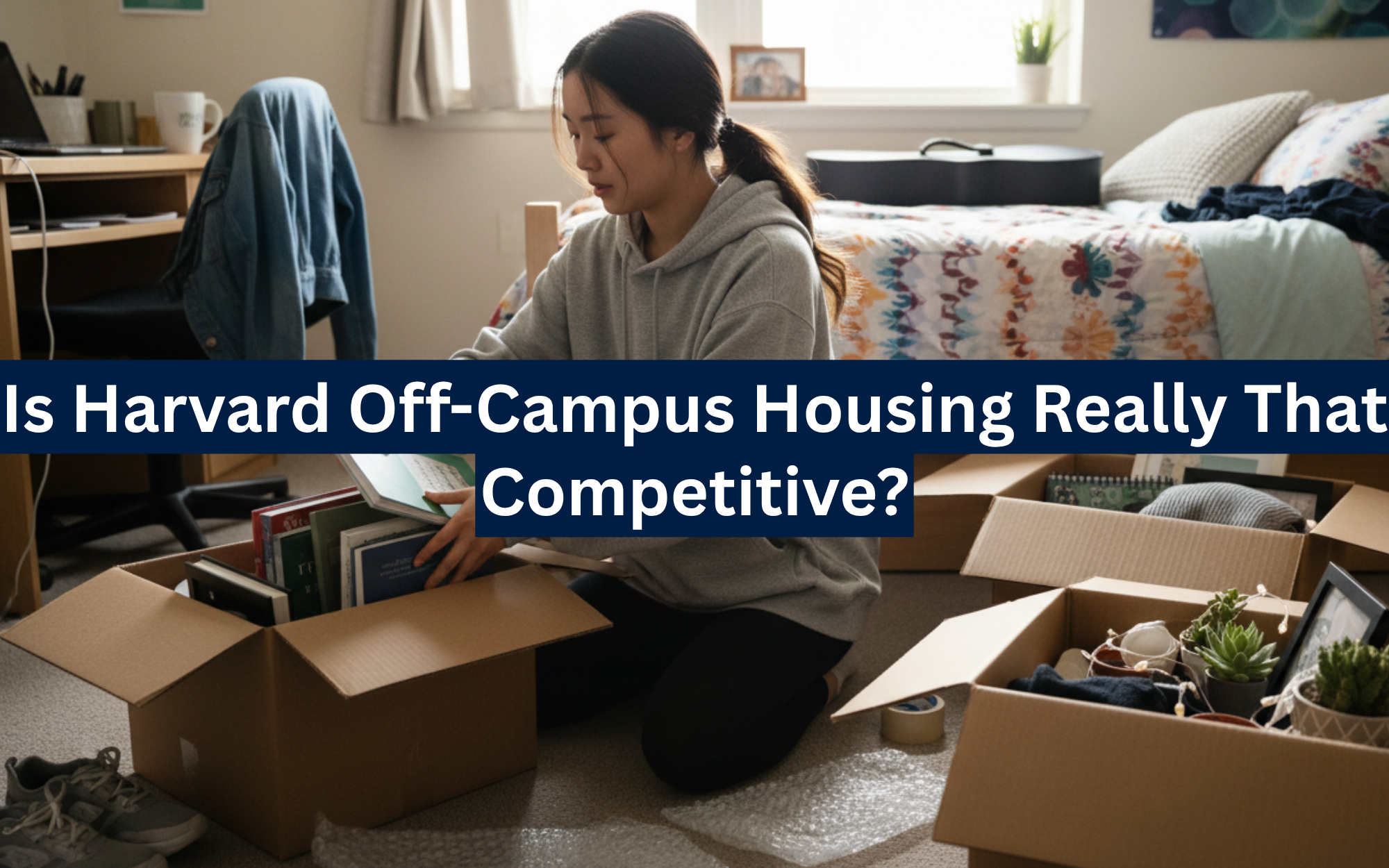
Finding housing as a Harvard student isn’t just a task—it’s a full-on competition. Especially for those seeking off-campus accommodations, the experience can feel more intense than a second admissions process. The demand is high, the supply is limited, and timing is everything. Whether you’re an incoming graduate student, a law student, or an undergraduate hoping to branch out from the house system, understanding the realities of Harvard off-campus housing is essential.
Why Do Students Choose to Live Off-Campus?
Many Harvard students opt to live off-campus for a variety of reasons. For graduate students, the appeal lies in increased autonomy, diverse housing options, and in some cases, affordability. For undergraduates, it’s often about escaping the confines of university housing, enjoying more freedom, or finding housing that better suits their lifestyle or academic needs.
The house system, while rich in tradition and social structure, doesn’t appeal to everyone. Some students want to cook their own meals, avoid shared bathrooms, or simply be closer to research labs or workplaces. Others find off-campus housing more conducive to family life or private study.
How the Application Process Works (And Why It's Competitive)
The housing competition begins months before classes do. Students often start the application process in early spring for a fall move-in. The challenge? Inventory is limited and goes fast.
Unlike university housing, which operates on a lottery or structured application system, off-campus housing follows a more traditional rental market model. That means students must apply, provide financial documentation, and often compete with working professionals for the same spaces. Many landlords require proof of income or a co-signer—something international students or those on financial aid may struggle with.
Lease availability doesn’t always align with the academic calendar either. Some apartments open up mid-year, while others require 12-month commitments. This misalignment adds another layer of complexity to an already intense process.
Key Factors Making Off-Campus Housing a Competitive Market
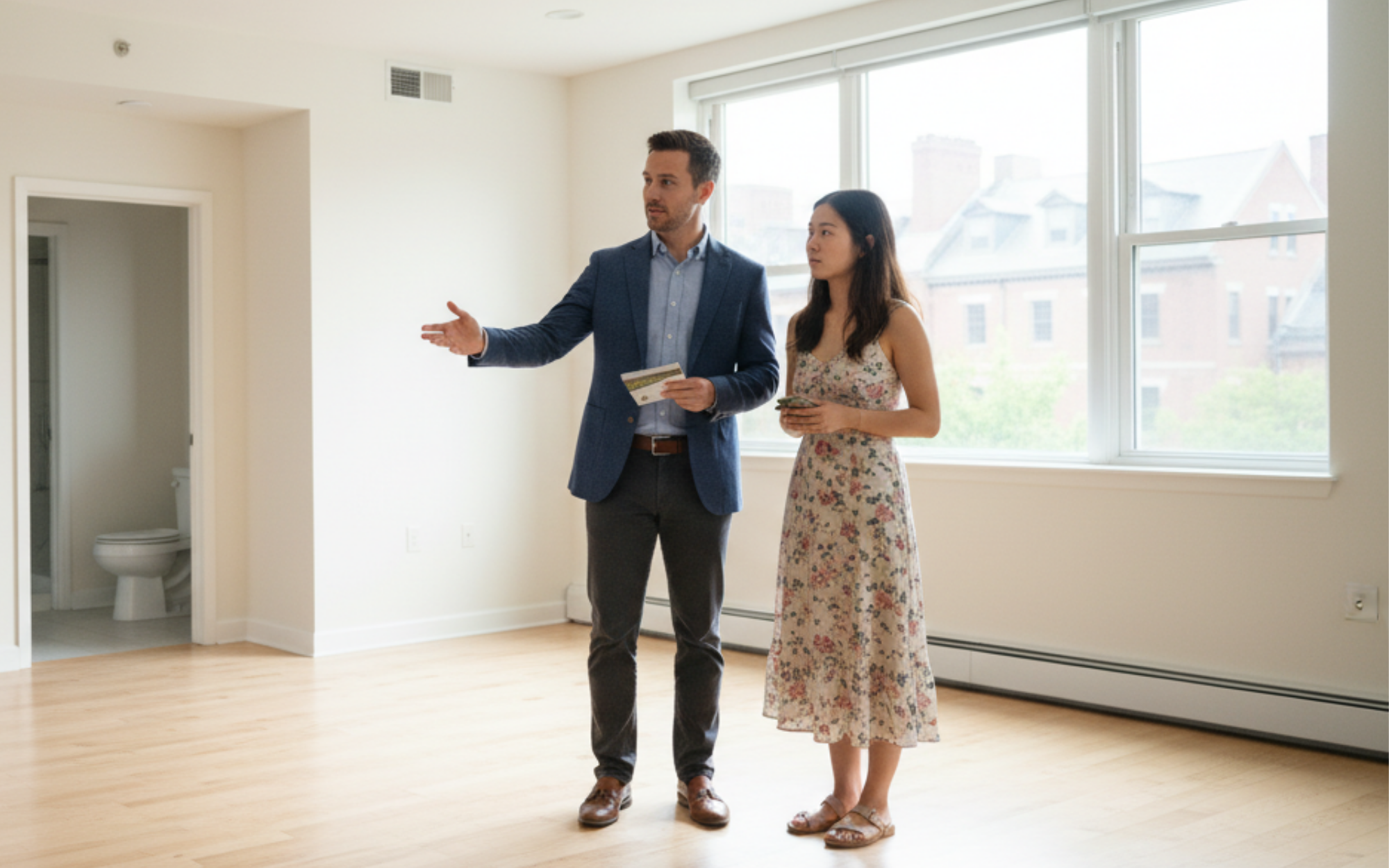
There are several reasons why the Harvard off-campus housing market is so competitive:
- Proximity to Campus: Everyone wants to be within walking distance of Harvard Yard or Harvard Square. Properties within a 10-15 minute walk are snapped up quickly.
- Limited Inventory: Cambridge and neighboring Somerville are already densely populated. New construction is limited, and existing housing fills up fast.
- High Rent Prices: Cambridge one-bedrooms average $2,975 a month in the Spot Easy Rent Index for August 2026. For students, that’s a substantial financial burden—especially when factoring in tuition, fees, and living costs.
- Roommate Dynamics: Shared apartments are common, but finding the right roommate adds complexity. Compatibility, budget, and lease timing must align.
- Parking and Transportation: Off-campus students often rely on public transportation or bikes. Those with cars must contend with expensive parking permits or limited street parking.
Popular Platforms and Methods Students Use
Given the high stakes, students turn to a variety of tools to secure housing:
- Craigslist: Still popular for room listings and sublets, but requires caution due to scams.
- Harvard University Housing List: Offers vetted listings, often at below-market rates, but supply is limited.
- Facebook Housing Groups: Active communities where students post available rooms, roommate searches, and sublets.
- Rental Listing Sites: Zillow, Trulia, and Apartments.com provide broader market insights but are also flooded with competition.
- Word of Mouth: Perhaps the most effective tool. Recommendations from friends, classmates, or faculty can open doors to housing opportunities that never get publicly listed.
Tips to Beat the Harvard Housing Crunch
To navigate this hyper-competitive market, students need to act strategically:
- Start Early: Begin your search 4-6 months in advance. The earlier you start, the more options you’ll have.
- Expand Your Radius: Consider areas slightly farther from campus like Allston, Watertown, or even Arlington. They may offer better deals and more availability.
- Sublets: These short-term options can help bridge the gap between leases or provide flexibility if you're unsure about a long-term commitment.
- Roommate Search: Use platforms like Roomsurf, Facebook, or Harvard-specific forums to find compatible roommates early in the process.
- Work With Property Managers: Some companies specialize in student rentals and may offer tailored lease terms or group rentals.
- Check Back Often: Listings come and go quickly. Setting alerts and checking daily is critical.
Challenges of Off-Campus Living
While off-campus living has perks, it’s not without its drawbacks:
- Financial Pressure: Without financial aid covering rent directly, students may need to budget carefully. Rental costs, security deposits, and utilities can add up quickly.
- Lease Terms: Some landlords require 12-month leases, which may not align with academic schedules. Breaking a lease can be costly.
- Meal Planning: Unlike on-campus housing, there's no meal plan. Students must cook, eat out, or rely on food delivery, which can become expensive or time-consuming.
- Commute: Depending on location, students may need to rely on the Red Line, buses, or bikes. In winter, this can be challenging.
- Parking Issues: Cambridge and Somerville both have strict parking regulations. Securing a parking permit isn’t always easy, and private parking is costly.
Harvard Graduate and Law Students: A Unique Set of Needs
Harvard’s graduate students—particularly those at the Law School—face unique housing challenges. Many seek private spaces conducive to intensive study, often requiring quiet, private, and long-term accommodations.
Yet, competition among graduate students is intense. Many prefer to avoid the unpredictability of roommates or sublets. Some prioritize proximity to libraries or legal clinics, making their housing options even narrower.
Housing Options Beyond Cambridge
If students are willing to expand their search area, they may find relief. Neighborhoods like Allston, Brighton, Somerville, and even Medford offer lower rents, more space, and increased availability. While the commute may increase, it can be worth the savings.
Using the MBTA (Red Line or buses), students can often reach campus within 30-45 minutes. For some, that’s a worthwhile tradeoff for more affordable, less competitive housing.
Is Harvard Off-Campus Housing Worth the Trouble?
In the end, the answer depends on your priorities. Off-campus housing offers flexibility, independence, and often a more "real world" experience. However, it comes with financial strain, competitive hunting, and logistical challenges.
For students who value privacy, want to cook their own meals, or plan to stay in Cambridge year-round, the benefits may outweigh the stress. For others, especially those with financial aid or tight budgets, staying in university housing might be the more practical choice.
Final Thoughts

Yes, Harvard off-campus housing is highly competitive. But with preparation, flexibility, and persistence, students can secure a place that fits their needs and budget.
Start early, do your research, and keep your expectations realistic. Whether you land a cozy spot near Harvard Square or end up commuting from nearby Somerville, remember: where you live is just one part of your Harvard experience. And with the right mindset, it can be a rewarding one.