

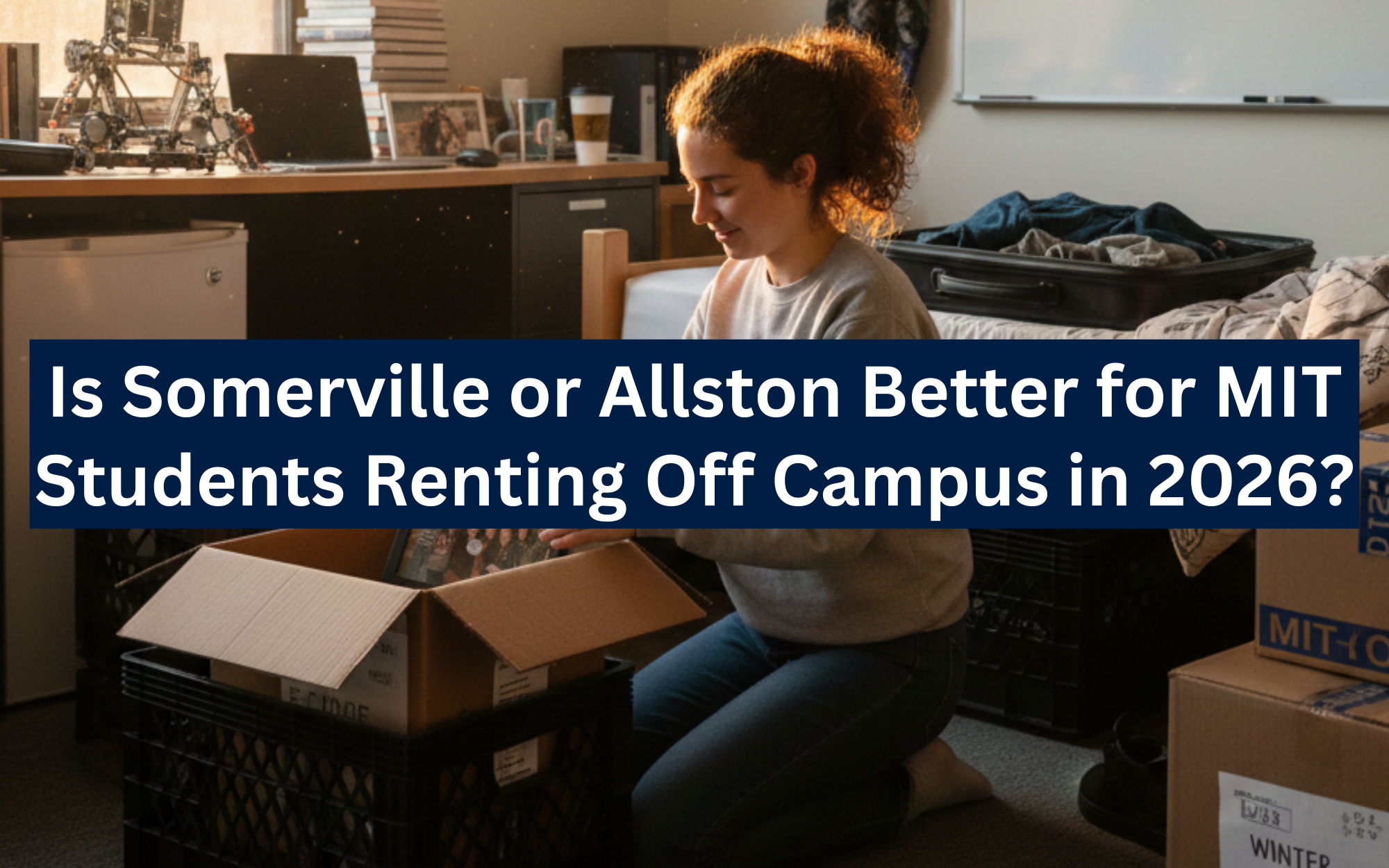
As the 2026 school year approaches, MIT students planning to live off campus face a familiar but increasingly complex decision: Is Somerville or Allston a better place to live? Each neighborhood offers its own blend of affordability, convenience, and lifestyle, but with Boston rent trends shifting and public transit evolving, the answer isn’t as clear-cut as it once was.
This article breaks down the decision with real-world context on rent prices, commute times, neighborhood vibes, and housing options so you can make the most informed choice.
Overview: MIT Students Choosing Between Somerville and Allston
MIT's campus in Cambridge sits at the heart of Greater Boston, offering a range of surrounding neighborhoods for off-campus housing. Somerville and Allston have long been go-to options for students and recent grads because of their proximity, rental inventory, and strong public transit links.
Both neighborhoods attract not only MIT students, but also those from Harvard, Tufts, and Boston University, which means rental competition is high. In 2026, this trend continues, with many students seeking locations that strike a balance between affordable rent, reasonable commute, and safe, student-friendly environments.
Rent Trends in 2026 – Somerville vs. Allston
Average Rent for Studio and One-Bedroom Apartments
According to recent 2026 data, the average rent for a:
- Studio apartment in Somerville: ~$2,200/month
- Studio apartment in Allston: ~$2,100/month
- One-bedroom apartment in Somerville: ~$2,450/month
- One-bedroom apartment in Allston: ~$2,350/month
While Allston tends to be slightly more affordable, both neighborhoods are competitive in price. The margins are narrow, but could matter for students on a tight budget.
Budget of $2,300 – What Can You Get in Each Neighborhood?
If your budget is $2,300/month, here’s what you might expect:
- In Allston, $2,300 could get you a modern studio or a dated one-bedroom, often in multi-family buildings near Harvard Ave or Packard's Corner.
- In Somerville, it might get you a cozy studio or a room in a shared apartment, particularly around Winter Hill or Magoun Square.
In both neighborhoods, splitting a multi-bedroom apartment with roommates is often the most cost-effective strategy.
Commute Times to MIT from Each Neighborhood
Red Line vs. Green Line: What’s the Fastest Route to MIT?
- Somerville benefits from the Red Line via Davis Station, Porter Square, and the Green Line Extension, providing a quick ride to Kendall/MIT Station.
- Allston relies on the Green Line B and bus routes that connect to Kenmore Square, followed by a transfer or walk to campus.
20–30 Minute Commutes: Realistic or Idealistic?
- From Davis Station (Somerville): ~25 minutes door-to-door
- From Allston (Harvard Ave area): ~30–35 minutes depending on transfers
While both offer reasonable commute times, the Red Line's direct access to Kendall/MIT gives Somerville a slight edge for students prioritizing speed and reliability.
Safety, Vibe, and Lifestyle for Students and Recent Grads
Living in Somerville
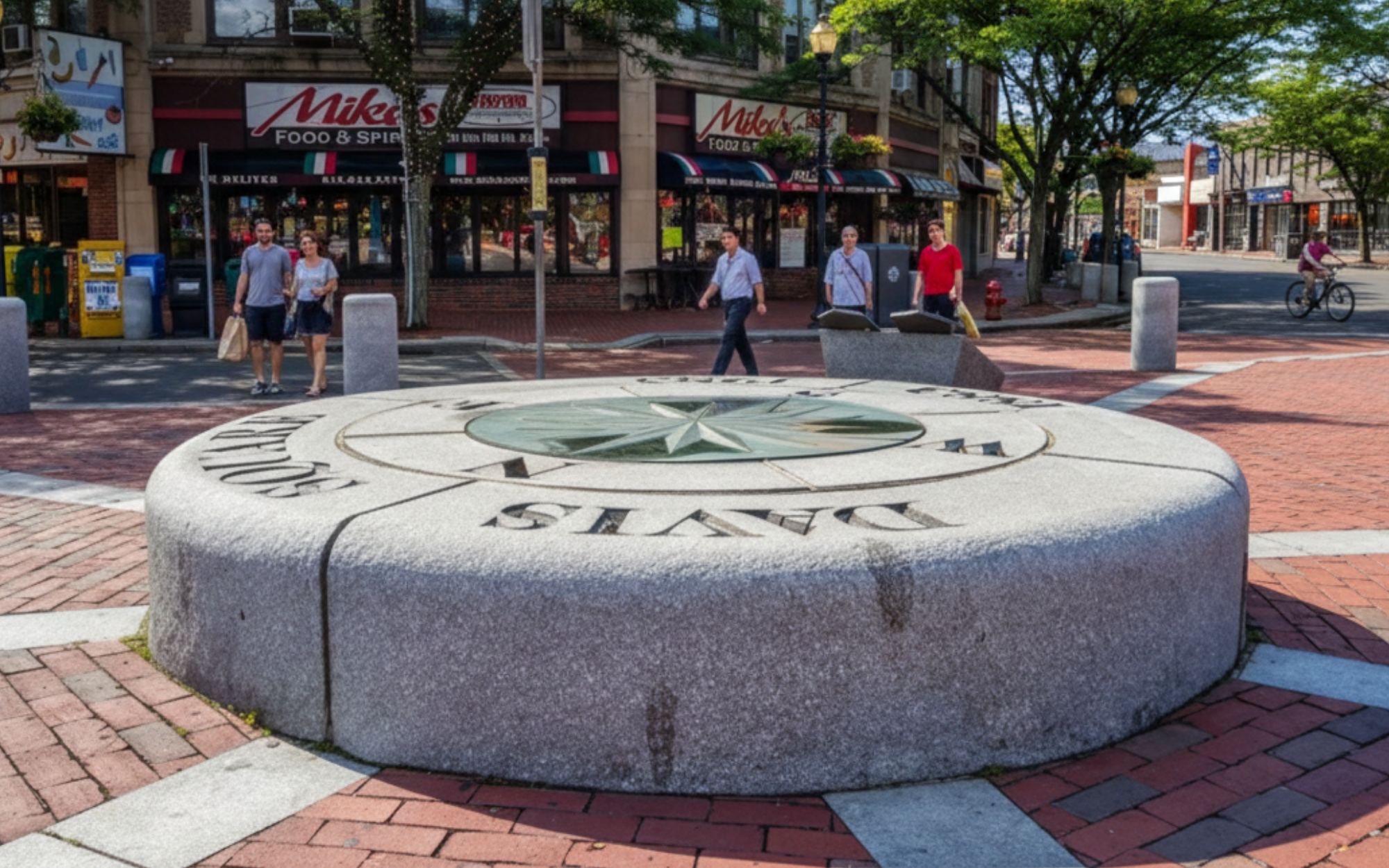
Somerville has undergone significant revitalization, especially in Union Square and Assembly Row. It’s a vibrant, slightly quieter alternative to Allston, with a strong community vibe, tree-lined streets, and cozy coffee shops.
Sub-neighborhoods to explore:
- Davis Square – Lively, artsy, and well-connected via the Red Line
- Magoun Square – Affordable, residential, growing food scene
- East Somerville – More budget-friendly, but slightly longer commutes
Somerville tends to attract graduate students, young professionals, and those looking for a quieter but social environment.
Living in Allston
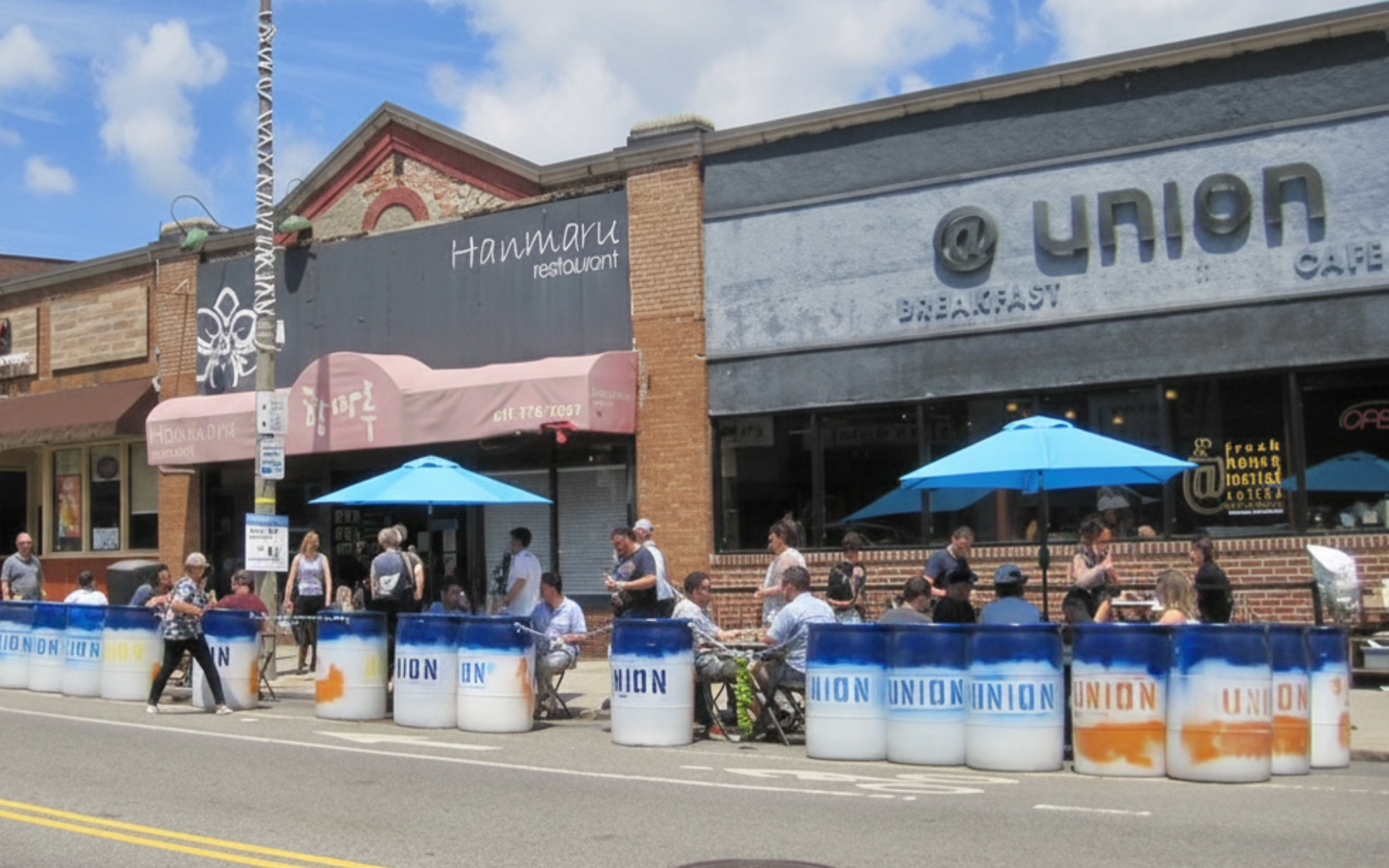
Allston is a high-energy hub that borders Boston University and Allston Brighton. Known for its music venues, food trucks, and student-heavy population, it has a distinct youthful vibe.
Key areas include:
- Harvard Ave/Packard's Corner – Central, bustling, well-served by Green Line B
- Lower Allston – Quieter, closer to the Charles River, walkable to Harvard Business School
Allston tends to be a good fit for undergraduates, recent grads, or students who prioritize nightlife and social life over tranquility.
Access to Other Boston Neighborhoods
Weekend Access to Cambridge, Downtown Boston, Brookline, JP, Quincy
Both neighborhoods offer easy access to popular Boston hotspots:
- Somerville (via Red Line or Green Line Extension):
- Harvard Square in 5–10 minutes
- Downtown Boston in ~20 minutes
- Brookline and Jamaica Plain with transfers
- Allston (via Green Line B + buses):
- Kenmore/Downtown Boston in ~20–25 minutes
- Harvard Square by walking or bus
- Brookline, Brighton, and JP are nearby
If you value centrality and flexibility to explore greater Boston, Allston has a slight edge. But for direct access to tech/startup hubs and MIT/Harvard life, Somerville wins.
Off-Campus Housing Options in 2026
Types of Rentals – Studios, Shared Units, Apartment Buildings
In Allston, most housing consists of multi-family homes, triple-deckers, and a growing number of luxury apartment buildings. New developments near Commonwealth Ave and Packard's Corner are drawing in recent grads and young professionals.
In Somerville, you’ll find triple-deckers, Victorian homes, and modern complexes like those near Assembly Row or Union Square Green Line Extension.
Availability in Each Area for College Grads and Students
- Somerville tends to have more graduate student-friendly units (quieter, better for study environments)
- Allston has larger turnover, meaning more frequent rental openings but also more competition
If you're a student looking for a quieter study-oriented space, Somerville may offer better alignment. If you're hoping to live near other college students and don’t mind a bit of noise, Allston is your spot.
Final Comparison: Which is Better for You?
Budget-Conscious Students
- Winner: Allston (slightly lower rent and more shareable units)
Commute-Focused Renters
- Winner: Somerville (direct Red Line access to MIT)
Lifestyle Preferences
- Quiet, Artsy, Mature Vibe: Somerville
- Lively, Social, Student-Centric: Allston
Summary Comparison Table
Conclusion: Your 2026 Off-Campus Decision
Choosing between Somerville and Allston ultimately comes down to your priorities. If you want peace, safety, and a quicker commute to MIT, Somerville is the better bet. If you’re looking for affordability, vibrancy, and a high-energy student scene, Allston delivers.
Remember to factor in your budget, your study habits, and the kind of social life you want. Either way, both neighborhoods are solid choices for MIT students living off campus in 2026.