

If you’re weighing the decision between renting vs buying in Boston, you’re not alone.
With one of the most competitive housing markets in the U.S., Boston’s real estate landscape presents both exciting opportunities and significant challenges for home seekers.
Whether you’re a first-time homebuyer, a long-term renter, or a newcomer exploring the city, understanding the pros, cons, and costs of each option can help you make an informed choice.
In this guide, we’ll break down Boston’s housing market, compare the financial and lifestyle implications of renting in Boston versus buying in Boston, and share practical tips for deciding which path best fits your goals.
Boston Housing Market: The Current Landscape
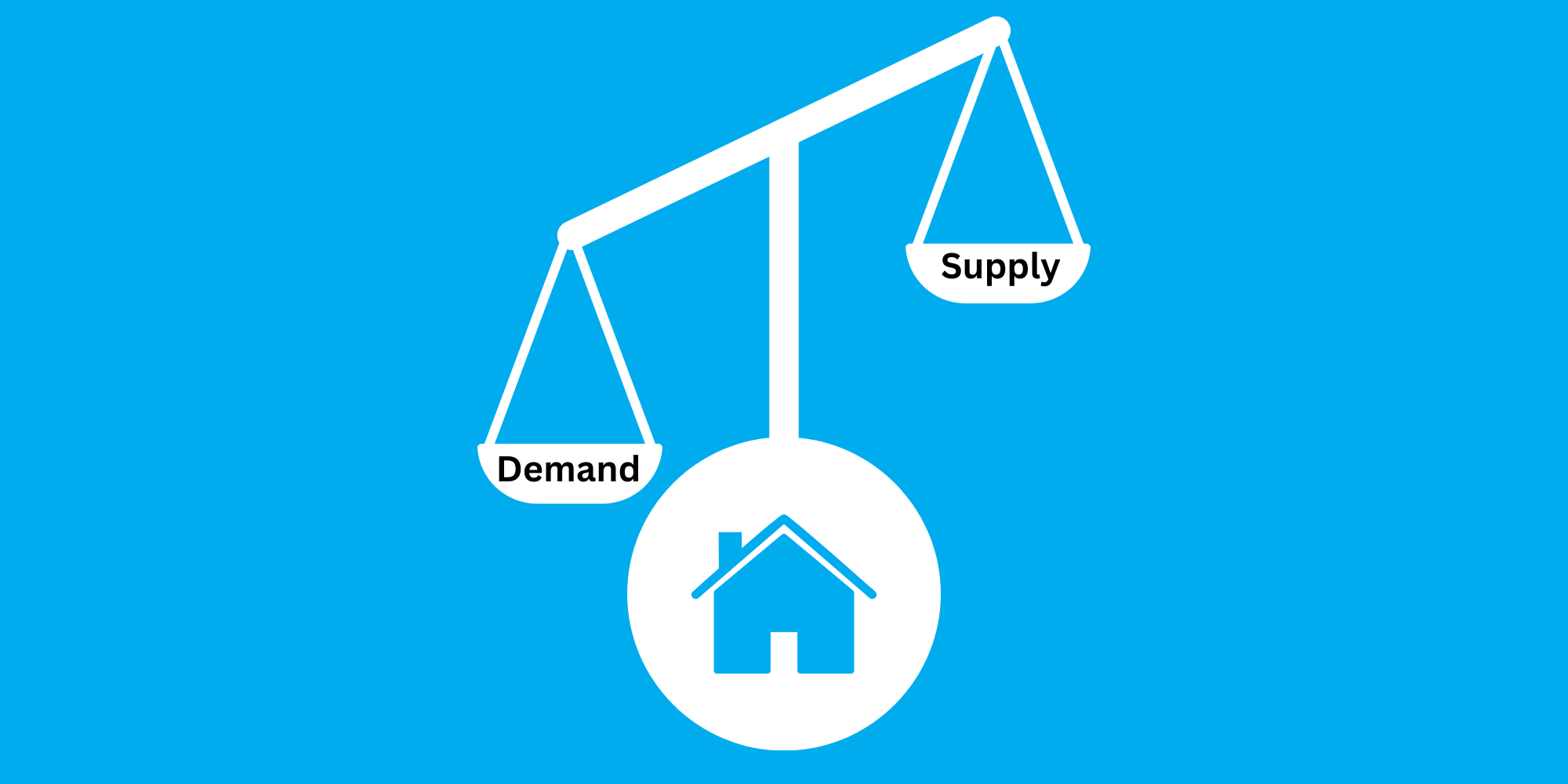
Boston’s housing market remains high-demand, with limited housing inventory in many neighborhoods. Median home prices are well above the national average, while Boston two-bedrooms average $3,632 a month in the Spot Easy Rent Index for August 2026, and the most sought-after neighborhoods run well above that.
Several key factors shape the market:
- Mortgage rates drive affordability for buyers, so check current rates before you compare.
- Limited supply keeps competition fierce, especially for renovated condos and single-family homes in walkable, historic neighborhoods.
- Rent prices have stabilized slightly compared to pandemic-era spikes but remain among the highest in the country.
These trends influence whether renting or buying makes financial sense, especially if you’re considering a suburbs vs city lifestyle trade-off.
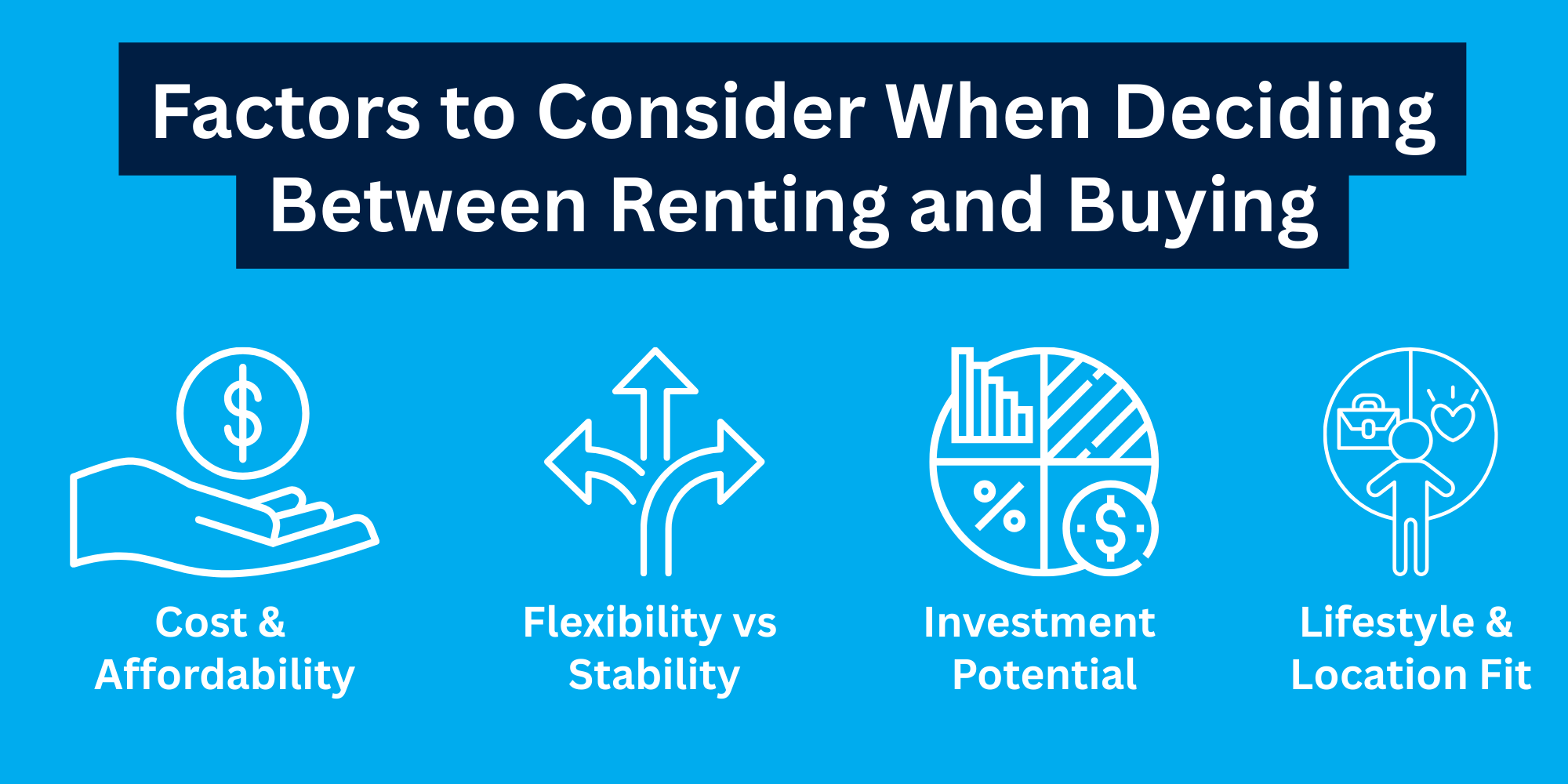
Factors to Consider When Deciding Between Renting and Buying
1. Cost & Affordability
One of the biggest differences between renting and buying comes down to upfront and ongoing costs.
- Renting in Boston:
- Lower upfront costs (security deposit + first month’s rent)
- No need for a large down payment
- Predictable monthly expenses, though subject to rent spikes upon lease renewal
- Buying in Boston:
- Requires a down payment (typically 5–20% of the purchase price)
- Additional costs like closing costs, property taxes, and maintenance costs
- Potentially lower long-term lifetime housing expense if property appreciates
2. Flexibility vs Stability
- Renting offers geographic flexibility, making it easier to relocate for work, school, or lifestyle changes. You avoid being tied to a property during market downturns.
- Buying offers long-term stability and a sense of ownership. You can renovate, decorate, and truly make a space your own.
If you plan to stay in Boston for less than 3–5 years, renting is often more cost-effective. If your plan is long-term, buying may provide better financial and emotional value.
3. Investment Potential
Buying a home or condo in Boston can be a form of forced savings, as your mortgage payment helps you build equity over time. If property values appreciate, you could benefit from tax benefits and capital gains.
However, rent vs invest in stocks is a valid debate—some renters choose to invest their savings elsewhere for potentially higher returns without the responsibilities of homeownership.
4. Lifestyle & Location Fit
- Renters often have access to amenities like gyms, pools, or concierge services without extra maintenance responsibility.
- Homeowners enjoy greater privacy and control but may face maintenance costs and HOA fees.
- Suburbs vs City: The suburbs may offer larger properties at lower prices, while city living puts you closer to Boston’s cultural and professional hubs.
Pros and Cons of Renting in Boston
Advantages of Renting
- Lower financial commitment
- No maintenance or repair responsibilities
- Easier relocation and no big commitment to a specific property
- Access to desirable neighborhoods without the need for a large investing down payment
Drawbacks of Renting
- No equity building—your monthly rent builds your landlord’s wealth, not yours
- Vulnerable to rent increases
- Possible pet restrictions and limited customization
Pros and Cons of Buying in Boston
Advantages of Buying
- Equity growth and potential property appreciation
- Tax deductions for mortgage interest and property taxes
- Stability and control over your home environment
- Potential to leave inheritance or pass equity to heirs
Drawbacks of Buying
- High upfront costs (down payment + closing costs)
- Ongoing maintenance responsibility
- Market risk—if values drop, selling could mean a loss
Neighborhood Insights – Where Renting or Buying Makes Sense
Best Areas for Renters
- Allston/Brighton – Affordable apartments, great for students and young professionals
- East Boston – Growing rental hotspot with waterfront views
- Jamaica Plain – Vibrant, diverse community with walkable amenities
Best Areas for Buyers
- South Boston – Strong appreciation potential, close to downtown
- Charlestown – Historic charm, tight-knit community
- Back Bay – Upscale living with high long-term value
Suburbs to Consider for Buyers
- Newton – Excellent schools, family-friendly
- Quincy – More affordable housing and good transit access
- Somerville – Urban vibe with suburban amenities
Cost Comparison Example – Rent vs Buy Calculation
Let’s compare a 2-bedroom apartment in South Boston with a similar condo.
Tools & Resources for Your Decision
- Rent vs Buy calculators – Estimate your break-even point
- Massachusetts first-time homebuyer programs – Down payment assistance and low-interest loans
- Boston real estate agents – Local expertise on neighborhood trends
- Apartment search – Spot Easy for Boston rentals, where every agent is verified before they can post
Final Decision Checklist
Before deciding on renting vs buying in Boston, ask yourself:
- What’s my budget and savings capacity?
- How long do I plan to stay in Boston?
- Can I handle maintenance responsibility or do I prefer landlord-managed living?
- How do current mortgage rates affect my affordability?
- Is my priority flexibility or stability?
FAQ – Renting vs Buying in Boston
Which Boston neighborhoods are most walkable and best connected?
Back Bay, South Boston (Southie), Fenway–Kenmore, Allston–Brighton, Jamaica Plain, Bay Village, the West End and East Boston all pair high walkability with strong public transit access and active nightlife. Back Bay and Southie rank highest of that group on walkability.
What is the 4% rule for rent vs buy?
The 4% rule for rent vs buy states that if your annual rent is less than 4% of a home’s value, renting may be financially smarter. It’s a conservative variant of the 5% rule, which estimates unrecoverable homeowner costs like taxes, maintenance, and cost of capital at 5% annually.
Is $100,000 enough to live in Boston?
A $100,000 salary is enough to live in Boston as a single adult, but it’s tight in central neighborhoods. After taxes, take-home pay is about $72,000 per year, while Boston one-bedrooms average $2,928 a month in the Spot Easy Rent Index for August 2026, leaving about $3,000 a month for everything else.
What is the most expensive part of Boston to live in?
The most expensive parts of Boston to live in are the Seaport District and Back Bay. Seaport leads in condo price per square foot, while Back Bay ranks among the highest for rent. Both neighborhoods consistently top rankings for cost of living in the city.
Are housing prices dropping in Boston?
No. Boston home prices are still rising. The Case-Shiller Boston home price index was up about 2.7% year over year in June 2026, the latest month available.
Key Takeaway
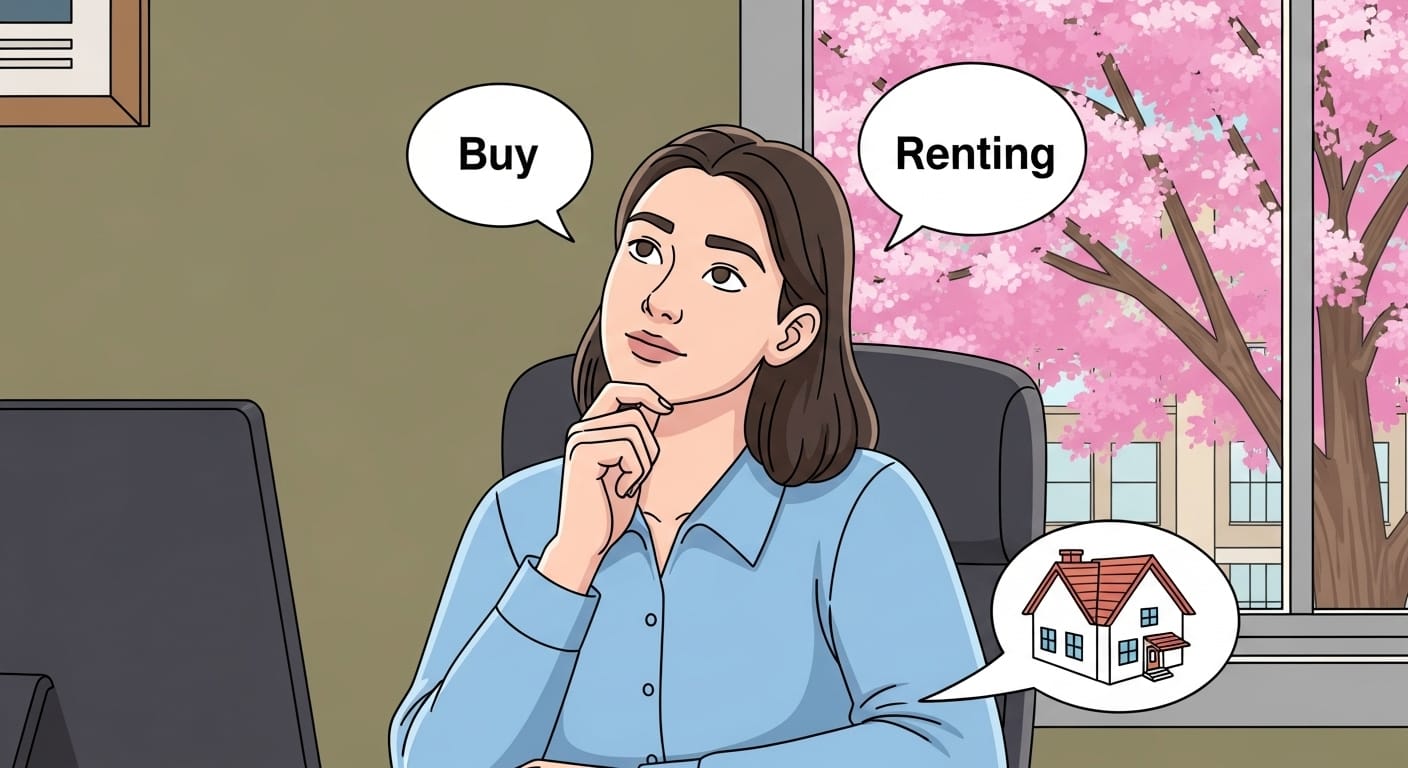
Choosing between renting vs buying in Boston depends on your financial commitment, lifestyle fit, and long-term plans. If flexibility and lower upfront costs matter most, renting may be your best move. If you’re ready for stability, investment potential, and equity building, buying could be worth the leap.
By evaluating your budget, desired neighborhood, and future goals, you can make a decision that aligns with both your financial health and your vision of Boston living.