

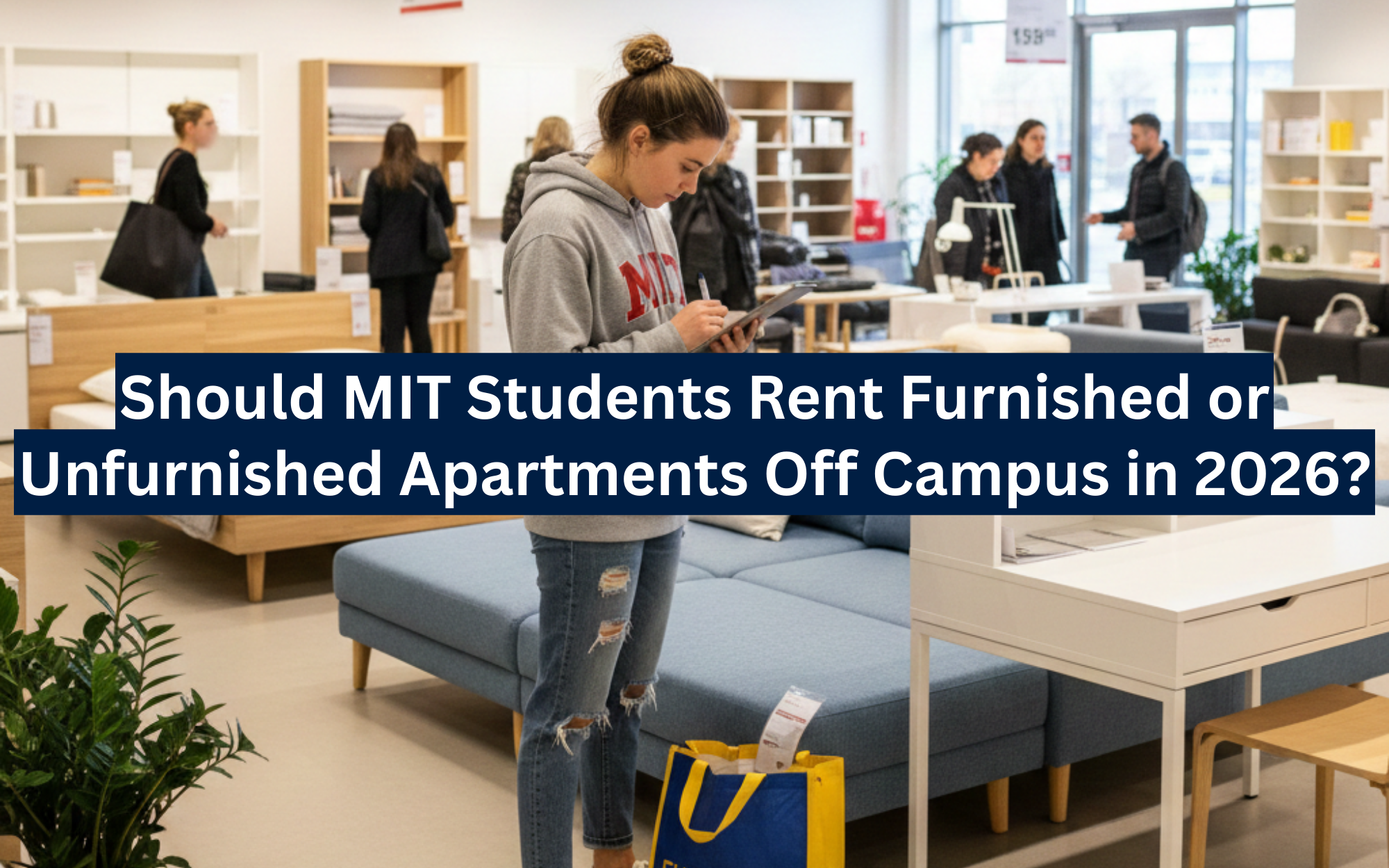
One of the biggest choices MIT students face, especially graduate students and international newcomers, is whether to live in a furnished room or rent an unfurnished apartment off campus. Both options come with their own set of tradeoffs involving cost, convenience, flexibility, and lifestyle. In this article, we'll break down these differences and help you decide which type of housing is best for your needs while living and studying at MIT.
Understanding Housing Options at MIT
Before diving into the pros and cons of each option, it’s helpful to understand the kinds of housing available to MIT students.
On-Campus Furnished Housing
MIT offers several furnished residences for graduate students, including:
- Sidney-Pacific: Large residence with private and shared rooms, shared kitchens, and community amenities.
- Ashdown House: Offers furnished rooms, community events, and in-building laundry.
- The Warehouse: Features furnished efficiency apartments for singles.
- Furnished Dorm Rooms: Traditional dorms with beds, desks, and limited furniture.
Edgerton House (Unfurnished)
Edgerton is a unique on-campus residence offering unfurnished apartments, which means students are responsible for furnishing the space themselves. This is a rare setup among MIT housing.
Off-Campus Housing
Many students opt for off-campus housing due to flexibility or availability. These include:
- Single rooms in shared apartments (may be furnished or unfurnished)
- Efficiency apartments (studio-style, often unfurnished)
- One-bedroom apartments (generally unfurnished)
- Suites shared by multiple roommates
The Cambridge housing market offers both furnished options and unfurnished apartments, but price, location, and availability vary widely.
What Furnished Means – Pros & Cons

What Does Furnished Include?
A furnished apartment or room typically comes with:
- Bed frame and mattress
- Desk and chair
- Closet or wardrobe
- Basic kitchen appliances (in apartments)
- In some cases: dresser, sofa, or dining table
Pros of Furnished Housing
- Convenience: No need to shop, move, or build furniture
- Time-saving: Move-in ready for immediate use
- Budget-friendly (short term): No upfront furniture cost
- No storage concerns: You don’t have to store or sell furniture when moving out
- Ideal for international students: Reduces complexity for those arriving from abroad
Cons of Furnished Housing
- Higher monthly rent: Furnished places often charge a premium
- Limited customization: You can't bring your own style or personal furniture
- Wear and tear: Furniture may be used or less comfortable
- Availability: Fewer furnished off-campus options compared to unfurnished
What Unfurnished Means – Pros & Cons

What Does Unfurnished Mean?
Unfurnished apartments usually come with:
- No bed, desk, or seating
- Kitchen appliances like a fridge and stove only
Pros of Unfurnished Apartments
- Lower monthly rent: Typically cheaper than furnished places
- Freedom to customize: Decorate and furnish your space your way
- Better quality options: You can choose furniture that suits your comfort
- Long-term savings: Buying your own items pays off over time
Cons of Unfurnished Apartments
- High upfront costs: Buying furniture can be expensive
- Time-consuming: Searching, buying, and assembling furniture
- Logistics: Coordinating delivery and moving heavy items
- Storage hassles: Need to store or sell furniture when moving out
Comparing Costs: Furnished vs Unfurnished
On-Campus Furnished Rooms
- Rent per month: Typically $900–$1,400 depending on the building
- Utilities included: Yes (electricity, heat, high-speed internet)
- Lease type: Academic year or full-year
Off-Campus Unfurnished Apartments
- Rent per month: Varies; expect $1,200–$2,000+ in Cambridge
- Utilities included: Often not included
- Security deposit: Usually one month’s rent
- Furniture costs: $1,000–2,000 upfront for basics
- One-year lease: Most landlords require a 12-month commitment
Free or Cheap Furniture Options
- MIT furniture swap groups
- Facebook marketplace or Craigslist
- Local "free stuff" community boards
While furnished dorms might seem more expensive monthly, they eliminate moving and setup costs. Unfurnished apartments may be more economical in the long run but require planning and spending upfront.
Convenience and Amenities
Furnished Options Offer Built-in Convenience
- Ready on arrival: Ideal for students who arrive just before classes
- Laundry facilities: On-site in MIT housing
- Community amenities: Common rooms, study lounges, events
- Location: Close to campus, no commute
- Safe building access: MIT ID or secured entry
Off-Campus Unfurnished Units: More Legwork, More Freedom
- Commuting considerations: Some are further from campus
- Amenity variation: Not all buildings offer laundry or elevators
- Responsibility for setup: You handle internet setup, utilities, and furnishings
- Freedom to choose neighborhood and vibe
Your choice may depend on how much convenience you're willing to trade for flexibility and independence.
Flexibility and Roommate Considerations
Furnished Housing = Less Flexibility
- MIT housing allocation process is done through a lottery system
- May not allow you to choose your exact room or roommate
- Lease dates align with academic calendar
Off-Campus Housing = More Control
- Choose your own roommates, lease terms, and apartment type
- Options include:
- Room in an apartment
- Suite with roommates
- Efficiency apartments for solo living
- Greater control over lease flexibility (subletting, early move-out)
Students seeking autonomy, or those with non-traditional schedules, often prefer off-campus setups.
Furnished Dorms vs Off-Campus Living
Pros of MIT Graduate Housing (Furnished)
- No need to shop or move furniture
- Utilities and internet included
- Community events and peer support
- Shorter-term leases possible (in some cases)
- Free food and activities in certain dorms
Pros of Off-Campus Living (Unfurnished)
- More private and potentially larger spaces
- Choose who you live with (or live alone)
- Explore the Cambridge housing market
- Lease renewal or flexibility after first year
Cons to Consider
- Off-campus rent often not billed through MIT Pay
- You’ll need to manage your own utilities, internet, and upkeep
- Higher effort to furnish and maintain the apartment
Final Thoughts: Which Is Right for You?

There's no one-size-fits-all answer to the question: Should MIT students rent furnished rooms or unfurnished apartments off campus? The best decision depends on your priorities, budget, timeline, and personal preferences.
Choose a Furnished Room If You...
- Are an international student arriving with limited luggage
- Have a tight schedule and can’t spend time setting up an apartment
- Want maximum convenience and built-in community
- Prefer a simple, predictable monthly cost
Choose an Unfurnished Apartment If You...
- Value independence and customization
- Plan to stay multiple years, making furniture a worthwhile investment
- Have specific needs for space, roommates, or lifestyle
- Are comfortable handling setup and logistics
Remember: Both paths offer their own unique benefits. The key is to think ahead, understand your needs, and weigh your priorities before committing to either furnished or unfurnished housing.
Housing Decision Checklist
Use this checklist to help decide what's right for you:
Budget:
- Can you afford the upfront cost of furnishing an apartment?
- Are you okay with a slightly higher monthly rent for convenience?
Lifestyle:
- Do you prefer to live alone or with roommates?
- Do you want to decorate and furnish your own space?
Logistics:
- Are you arriving close to the start of classes?
- Do you have time to buy, move, and assemble furniture?
Flexibility:
- Are you okay with MIT’s housing lottery assignment?
- Do you need a flexible lease due to internships or travel?
Location:
- Do you want to live within walking distance of MIT?
- Are you willing to commute from a different part of Cambridge or Boston?
By answering these questions, you’ll gain a clearer picture of which housing option aligns with your lifestyle at MIT.
Whether you choose the convenience of a furnished dorm or the freedom of an unfurnished off-campus apartment, the key is preparation. Knowing what to expect can help you start your MIT experience with confidence, comfort, and control over your living situation.