

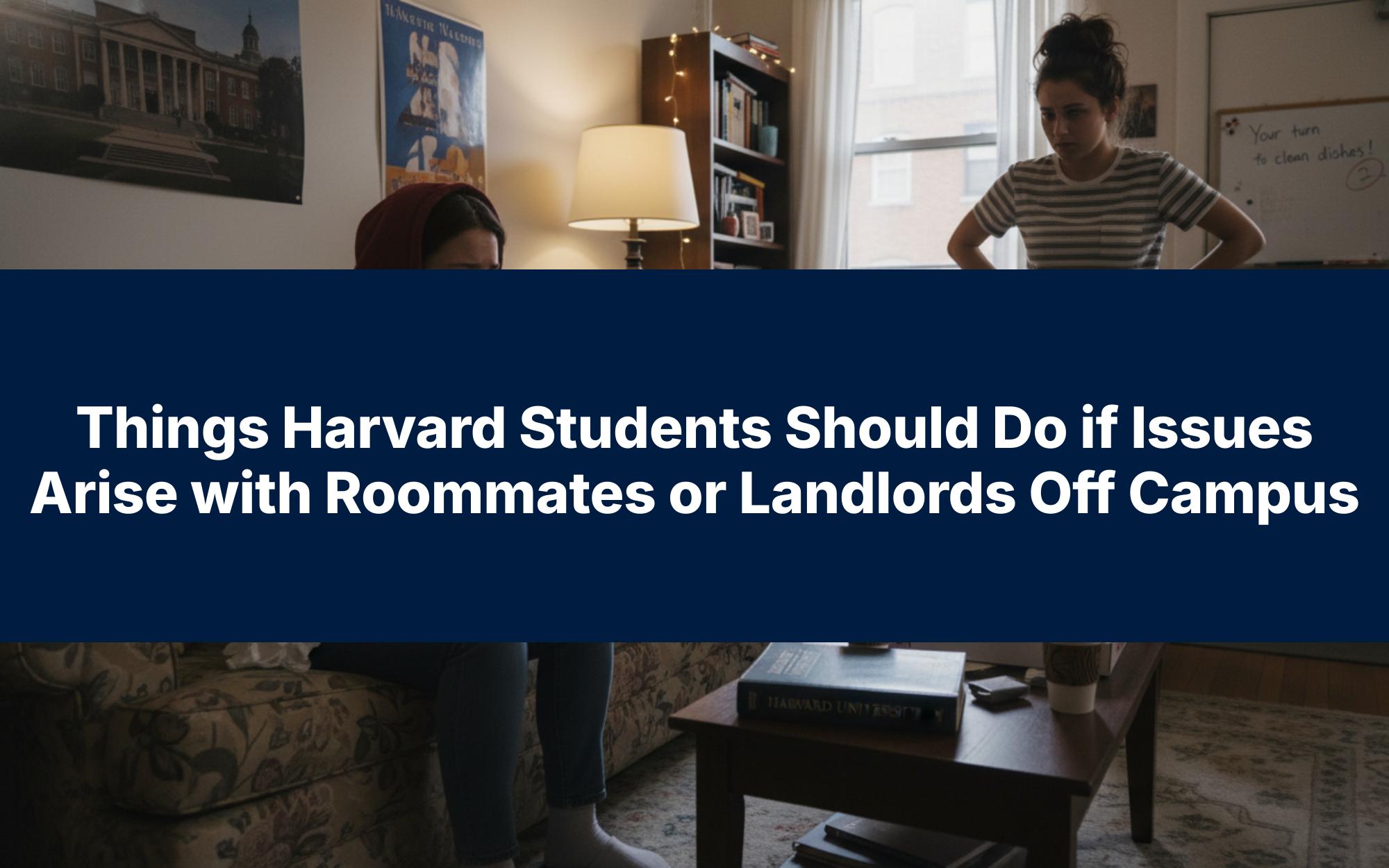
College life often brings independence, excitement, and personal growth. For many students at Harvard and other universities, this also means moving off campus and navigating new living situations. While this can be an exciting step, it also introduces potential challenges, especially when it comes to roommate disputes or issues with landlords. Knowing how to manage these conflicts early can make or break your college experience.
This guide explores what students should do when issues arise with roommates or landlords off-campus, including conflict resolution, setting clear expectations, and finding the best course of action without escalating the situation unnecessarily.
Understand the Root of Roommate Disputes
Living with roommates isn’t always easy. People come from different backgrounds, have diverse habits, and often hold contrasting expectations about cleanliness, noise, guests, or privacy.
Common Sources of Conflict:
- A messy roommate who avoids cleaning shared spaces.
- Clashing schedules or disrespecting quiet hours.
- Passive-aggressive behavior instead of direct communication.
- Misunderstandings due to unspoken or unclear expectations.
These small issues can escalate if not addressed early. That’s why it’s important to understand the root cause and not just react to the symptoms. What seems like a "bad roommate" situation might stem from a lack of boundaries or unclear responsibilities.
Start with Open & Direct Communication

The first step in resolving roommate disputes is bringing it up calmly and constructively. Avoid accusations or venting frustrations in the heat of the moment. Instead, collect your thoughts and think about the core issue.
Tips for Productive Conversations:
- Use "I" statements to avoid sounding confrontational (e.g., "I feel stressed when dishes pile up").
- Pick a neutral time to talk, not during peak stress or anger.
- Stay polite but firm about your needs.
- Focus on behavior, not character.
Consider holding regular roommate meetings to address problems early. These can be short check-ins where everyone shares concerns or updates expectations. Consistent communication builds trust and accountability.
Set Agreements: Contracts, Responsibilities & Boundaries
To avoid roommate disputes before they start, create a roommate contract at the beginning of the lease. This doesn't need to be a legal document but should include:
- Cleaning schedules and expectations.
- Shared expenses (e.g., groceries, toilet paper).
- Guest policies.
- Quiet hours.
- Alone time and shared space etiquette.
Having a written agreement ensures all roommates are on the same page. It helps avoid "I didn't know that" moments and serves as a reference point if issues arise. In addition, be clear about your long-term lease terms and what happens if someone wants to move out early.
If you're renting, a formal agreement with the landlord is also crucial. This outlines responsibilities for maintenance, rent, and rules around guests or subletting.
Escalation: What if Talking Doesn’t Work?
If open communication and agreements don't resolve the issue, it's time to consider escalating—but in a mature way.
Ask for Help:
- Seek external help from a neutral third party.
- At Harvard, reach out to the off-campus housing office or a resident assistant (RA) for a recommendation.
Avoid Escalation:
Don't involve the landlord or file complaints unless necessary. First, document any repeated issues, and then have a final talk with your roommate before escalating.
When Mediation is Needed:
If the problem continues, request landlord mediation. Some landlords are open to helping resolve issues to avoid broken leases or vacancy periods.
In extreme cases, consider contacting a student conflict resolution center or professional mediator. These services can offer structured help while keeping things civil.
Navigating Landlord Disputes
Roommate issues aren't the only concern. Students can also face landlord disputes, such as:
- Delayed repairs or maintenance.
- Withholding of security deposits.
- Lease violations.
- Unsafe or unsanitary conditions.
Addressing Landlord Issues:
- Refer to your formal agreement or lease to understand your rights.
- Request contract clarification if anything is unclear.
- Communicate via email to keep a record of requests and responses.
- Be polite, but persistent.
If the landlord ignores your concerns, document everything (photos, emails, logs) and reach out to local housing authorities or student legal services.
When It’s Time to Move On

Sometimes, despite your best efforts, the living situation becomes untenable. Whether it's a toxic roommate or an unresponsive landlord, it's important to know when to walk away.
Signs You Might Need to Move:
- Constant conflict and stress.
- Repeated lease violations by others.
- Unsafe or unhealthy environment.
Options to Consider:
- Take a break by staying with a friend temporarily (crash at a friend's place).
- Begin the process to move to a new apartment.
- Review your lease for early termination clauses.
Before moving, try to find common ground one last time or agree to end the lease early together. If not, prepare for legal or financial negotiations.
Roommate Harmony: Preventing Issues Before They Start
Prevention is always better than resolution. Choosing the right roommate, setting expectations early, and maintaining open communication can prevent most disputes.
Should You Live With Friends?
Living with a best friend might sound ideal, but can complicate your friendship. Discuss expectations clearly beforehand. Some friendships aren’t suited for cohabitation.
Build a Peaceful Environment:
- Respect each other's alone time.
- Be open about pet peeves and habits.
- Be patient and flexible during stressful times (midterms, finals).
- Celebrate wins together (e.g., shared dinners, clean space days).
Establishing a shared goal of roommate harmony encourages everyone to be more thoughtful and supportive.
Final Thoughts: Protecting Your College Experience
Living off-campus is an important step in growing as an adult. Conflicts will happen, but how you handle them can define your college experience. Prioritize clear communication, define responsibilities early, and seek help before things spiral.
Whether you need to address roommate issues, handle a difficult landlord, or simply want to build a better shared home, these strategies can help you make informed, respectful choices that benefit everyone involved.
Quick Checklist: What to Do When Issues Arise
- Stay calm and assess the situation.
- Communicate directly with your roommate.
- Propose a roommate meeting to address problems.
- Review your roommate contract and lease.
- If needed, involve a third party (RA, mediator, housing office).
- For landlord issues, document everything and request contract clarification.
- If unresolved, prepare to move to a new apartment.
Your housing situation should support your education, not distract from it. With a little preparation and maturity, you can solve most problems or prevent them altogether.