
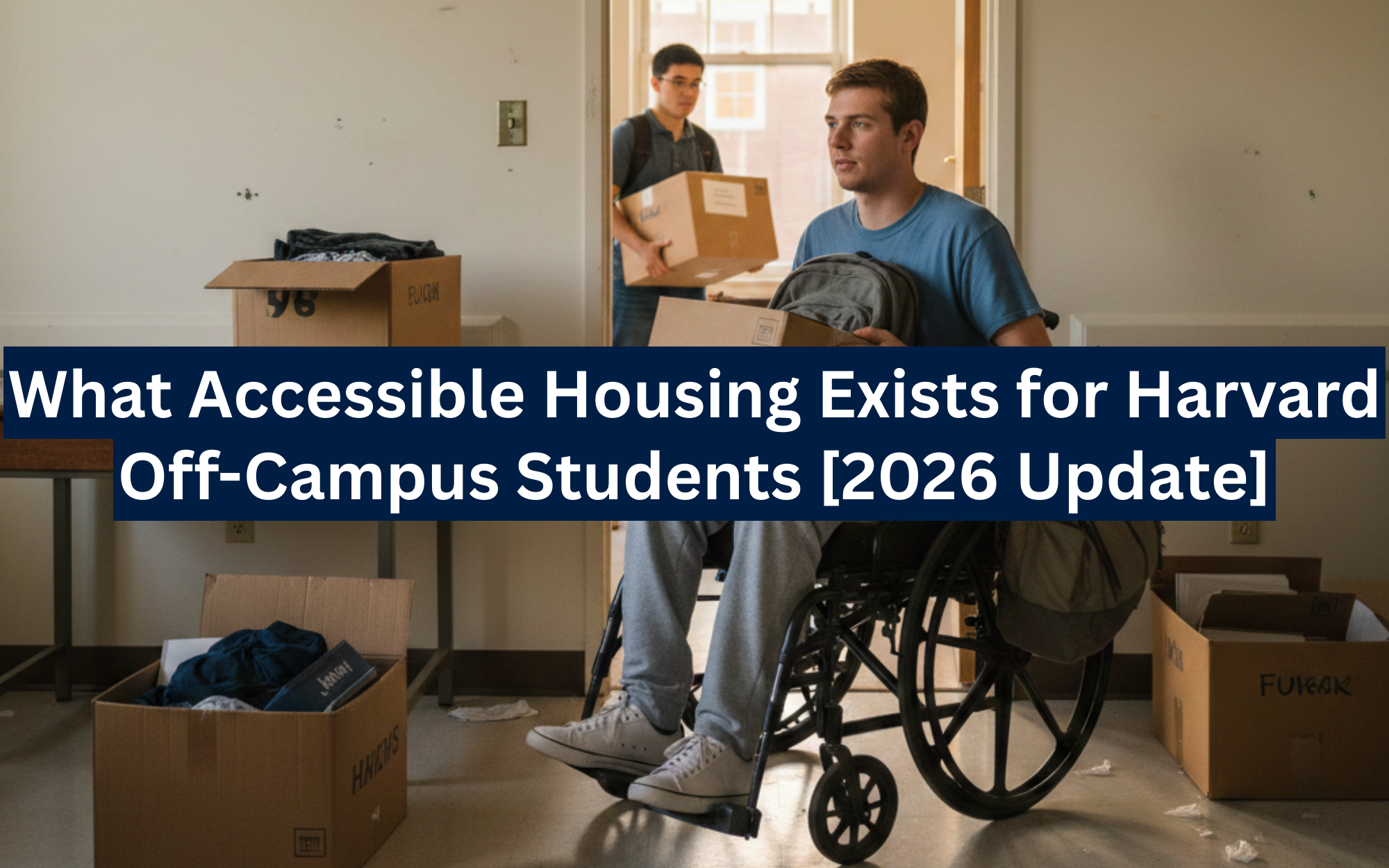
Finding accessible housing near Harvard University can feel like a challenge, especially for students who require accommodations that meet safety and accessibility standards. While Harvard University Housing offers some accessible on-campus options, many students — including those with disabilities, medical conditions, or unique housing needs — often prefer or need to live off-campus in Cambridge, Somerville, or nearby neighborhoods.
For these students, knowing what qualifies as accessible housing, understanding health and safety codes, and being aware of tenant rights are key to finding a comfortable, compliant place to live. This guide will help you explore the best Harvard off-campus accessible housing options, including compliance rules, neighborhood insights, and tips for international students.
Understanding Accessibility Requirements for Off-Campus Rentals
When searching for Harvard off-campus housing, accessibility means more than just ramp access. It involves compliance with the Americans with Disabilities Act (ADA), Massachusetts State Building Code, and life/safety codes that ensure habitability and emergency safety.
Under the State Building Code, an accessible apartment should have:
- Two means of unobstructed egress, allowing safe exit during emergencies.
- 110-volt smoke detectors and a carbon monoxide detector (CO detector) in every living space.
- Window security bars that can be easily opened from the inside.
- Proper ventilation and heating systems that meet health & safety codes.
Landlords must also ensure units are free from lead paint and asbestos, both of which can pose serious health risks. Renters have the right to request documentation proving compliance with these standards from the inspectional services division.
In Massachusetts, accessible housing may also mean structural modifications such as lowered countertops, widened doorways, or roll-in showers. Students should confirm these features during apartment tours, especially when renting from private landlords.
Harvard University Housing vs. Private Rentals
Students have two primary options for finding accessible housing near Harvard — University-managed housing and private market rentals.
Harvard University Housing
Harvard University Housing (HUH) manages several properties throughout Cambridge, Somerville, and Allston/Brighton, some of which include ADA-compliant units. These apartments are typically newer, well-maintained, and regularly inspected under university supervision. HUH provides:
- Units with wheelchair-accessible layouts
- Elevator access in multi-story buildings
- Proximity to public transportation access
- Maintenance teams trained in accessibility compliance
Eligibility is limited to students, faculty, and staff, and applicants must meet specific eligibility guidelines. International students renting through HUH may need to show I-20 or DS-2019 documentation and confirm U.S. funds availability for rent payments.
Private Rentals
Private rentals, while offering more variety, require more due diligence. Tenants should inquire whether properties comply with the State Building Code and whether accessibility accommodations can be added.Real estate agents experienced in Harvard off-campus housing can help find rental units that already meet ADA standards or can be modified to fit student needs.
Tenant Rights and Legal Protections
Students renting accessible housing have the same rights as all tenants — and a few additional protections.The Massachusetts Office of Consumer Affairs and Business Regulation oversees tenant rights and responsibilities, ensuring that landlords maintain safe, habitable living spaces.
If an apartment has safety or code violations, such as missing smoke detectors or inaccessible exits, students should report these issues to the Inspectional Services Division (ISD) in Cambridge or Somerville. The ISD can perform an inspection and, if necessary, require landlords to make improvements.
Local zoning laws, such as the Somerville zoning ordinance, also regulate how many unrelated individuals can share a rental unit. Understanding these regulations is crucial for students living with roommates or subletting part of a lease.
Best Neighborhoods for Accessible Off-Campus Living
Harvard’s surrounding neighborhoods vary widely in price, accessibility, and lifestyle. Below are the top areas offering accessible off-campus housing with solid transportation links and community amenities.
Cambridge
Cambridge remains the most popular choice for proximity to Harvard Square and the main campus. While rents are well above the national average, the area offers unmatched accessibility with reliable MBTA Red Line stations and pedestrian-friendly streets.Accessible apartments here often include elevators, ramps, and accessible bathrooms. Monthly rents start around $2,000 for studios and $2,400+ for one-bedrooms.
Somerville
Somerville is known for its vibrant neighborhoods and relatively more affordable options. Many new developments near Union Square and Porter Square include ADA-compliant units.Students should verify with landlords that buildings meet life/safety codes and inspectional services standards. Somerville also enforces strict zoning ordinances limiting overcrowding.
Watertown
Watertown offers a quieter alternative for graduate students and families seeking larger, more affordable apartments. Many units are much bigger/better apartments compared to those in Cambridge.Watertown’s newer apartment complexes often feature modern accessibility amenities and are located along major bus routes connecting to Harvard Square.
Allston/Brighton
These neighborhoods attract a mix of students and young professionals. Accessibility varies by building age, so check whether CO detectors, 110-volt smoke detectors, and two means of egress are present. Rent prices here are lower than Cambridge but still above the national average.
Understanding Costs and Up-Front Expenses
Accessible housing near Harvard can be expensive. Students should expect total up-front expenses equal to about four months’ rent, including:
- First and last month’s rent
- Security deposit (typically one month)
- Realtor fees (often another month’s rent)
For example, a $2,400/month one-bedroom might require nearly $9,600 upfront before moving in.Additional costs may include application fees, accessibility modification deposits, or parking fees.
Rent prices are typically:
- Studios: $2,000 & up
- 1-Bedroom: $2,400 & up
- 2-Bedroom: $3,000 & up
- 3-Bedroom: $3,500 & up
Despite being well above the national average, off-campus living offers flexibility, independence, and access to neighborhoods with better amenities.
Accessibility Resources for International Students
International students face unique challenges in securing accessible housing near Harvard. Many arrive without U.S. credit history, bank accounts, or familiarity with local rental laws.
Harvard’s International Office and Harvard University Housing offer guidance to help students find suitable apartments and understand eligibility guidelines. Students using I-20 or DS-2019 visas must ensure their U.S. funds are available for rent payments, as most landlords require local bank transfers.
When searching, prioritize listings that explicitly mention “accessibility accommodations” or “ADA compliant.”Using trusted local platforms — like spoteasy.com — can help international students filter apartments based on accessibility, price, and proximity to Harvard University.
How to Identify and Verify Accessibility Features

Before signing a lease, students should verify a property’s accessibility using the following checklist:
- Entryway Access: Step-free entrances or ramps with railings.
- Elevator Access: Functional and inspected elevators for multi-story buildings.
- Door Widths: Minimum 32-inch clear openings for wheelchairs.
- Bathroom Accessibility: Roll-in showers, grab bars, and space for mobility aids.
- Lighting and Alarm Systems: Proper smoke and CO detectors with audio/visual alerts.
- Emergency Egress: Two unobstructed exits per State Building Code.
- Lead Paint Disclosure: Required for all units built before 1978.
- Asbestos Inspection: Especially in older Cambridge or Somerville buildings.
Students renting from private landlords can request an accessibility audit or modification if needed. Real estate agents familiar with Harvard off-campus housing can help verify compliance documents or connect you to landlords open to accommodations.
Subletting and Roommate Considerations
Students who plan to sublet or share their accessible apartment must review sublet regulations under Harvard’s and the city’s guidelines.The Somerville zoning ordinance limits how many unrelated individuals can occupy one rental unit, and violating this rule could lead to fines or eviction.
Before signing a lease with roommates:
- Discuss accessibility needs clearly.
- Ensure all co-tenants respect accessibility accommodations (e.g., clear hallways, noise control).
- Verify subletting terms in writing — some leases prohibit re-rental without landlord approval.
How Harvard and City Inspections Ensure Safety
Both Harvard University Housing and city departments like the Inspectional Services Division (ISD) conduct regular checks to enforce safety and code compliance.The ISD ensures that properties meet minimum standards for health & safety codes, two means of egress, window safety, and fire alarm systems.
Students can contact the ISD to schedule a code compliance inspection before moving in — especially if renting privately. This proactive step helps avoid renting units with hidden issues like faulty smoke detectors or inaccessible entryways.
Accessibility Support and Financial Resources
Some students may qualify for accessibility-related financial aid. Harvard’s Accessible Education Office (AEO) and Office for Equity, Diversity, Inclusion & Belonging can help coordinate housing accommodations or connect students to financial resources.
In addition, organizations like MassAccess (a Massachusetts accessible housing registry) list apartments that meet State Building Code accessibility requirements. These databases can significantly streamline the apartment search process.
Conclusion: Finding Comfort and Compliance Near Campus
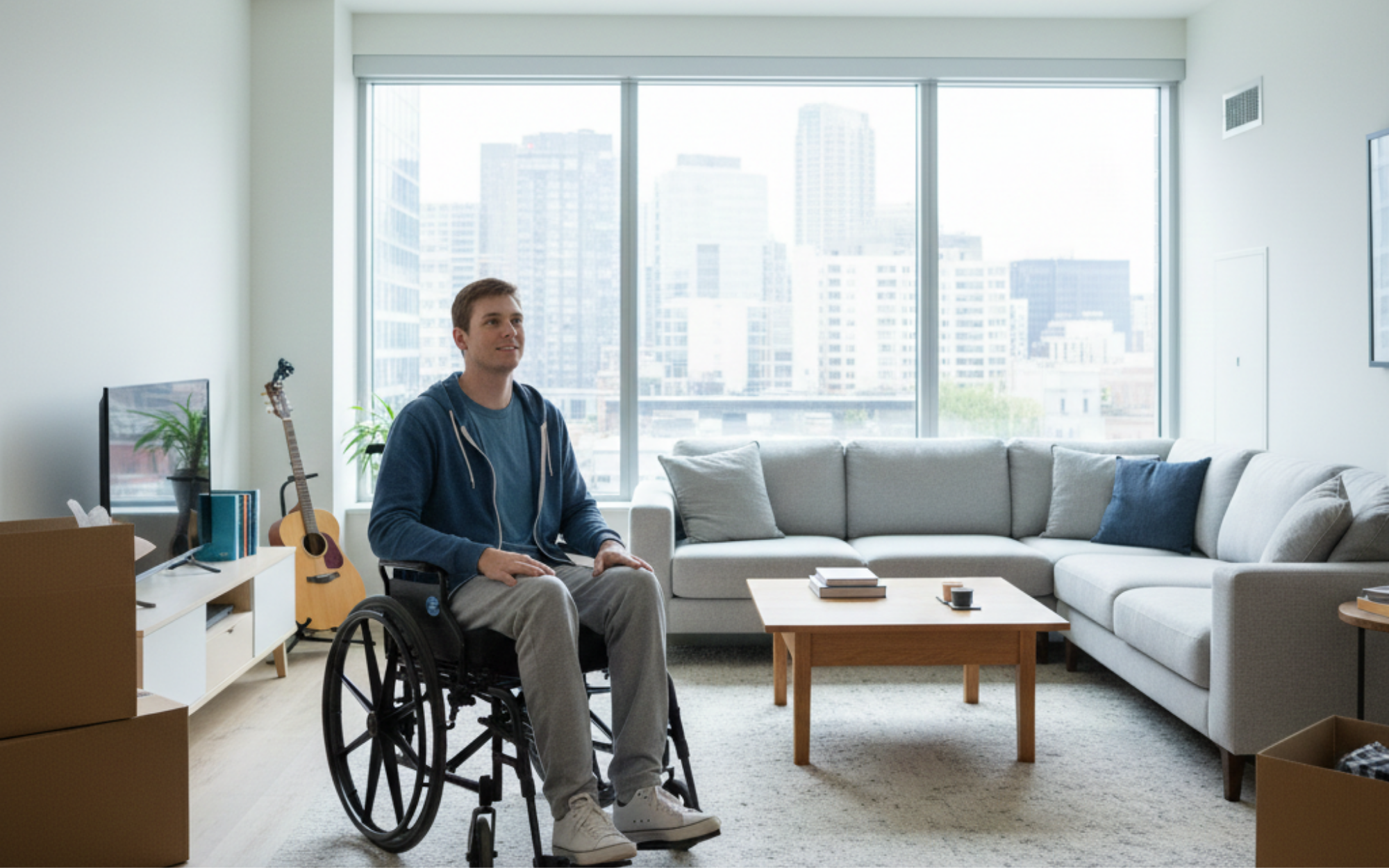
Securing accessible off-campus housing near Harvard may take extra effort, but the result is worth it — independence, comfort, and a home that meets every accessibility need.By understanding State Building Code standards, tenant rights, and Harvard’s housing resources, students can confidently find apartments that balance safety, affordability, and accessibility.
Whether you’re a graduate student, international scholar, or someone who simply values safety and convenience, start your search early, tour multiple neighborhoods like Cambridge and Somerville, and always verify accessibility accommodations before signing a lease.
Harvard’s surrounding communities are diverse and welcoming — and with the right preparation, accessible off-campus housing can be both practical and empowering.