
Renting an apartment off-campus near Harvard University is an exciting step toward independence for many students and young professionals. Cambridge is a beautiful, historic, and highly desirable area—but its popularity makes it a prime target for rental scammers.
Every year, countless students fall victim to rental fraud because they’re in a hurry, unaware of red flags, or unfamiliar with U.S. rental norms—especially international students. From fake listings and impersonated landlords to urgent deposit requests and phishing scams, the threats are real and growing.
This guide will help you understand the most common Harvard rental scams, how to spot them, and most importantly, how to protect yourself.
Why Rental Scams Are Common Near Harvard
The area around Harvard is a high-demand rental zone. This makes it attractive not only for renters, but also for fraudsters. Here’s why:
1. High Turnover
Harvard’s academic calendar means that thousands of students move in and out every year. Many are first-time renters and eager to sign leases quickly—an ideal scenario for scammers.
2. International Students
Many Harvard students come from abroad and may be unfamiliar with U.S. housing practices. They are also less likely to be able to visit properties in person before signing, making them easier targets.
3. Limited Housing Inventory
With limited affordable housing, it’s tempting to jump on a deal that looks “too good to be true.” Unfortunately, that’s often exactly what scammers want.
4. Online Listings
Many housing searches start online—especially through Craigslist, Facebook Marketplace, and lesser-known sites. This makes it easy for scammers to create fake or duplicate listings and hide their identity.
Common Rental Scams Near Harvard
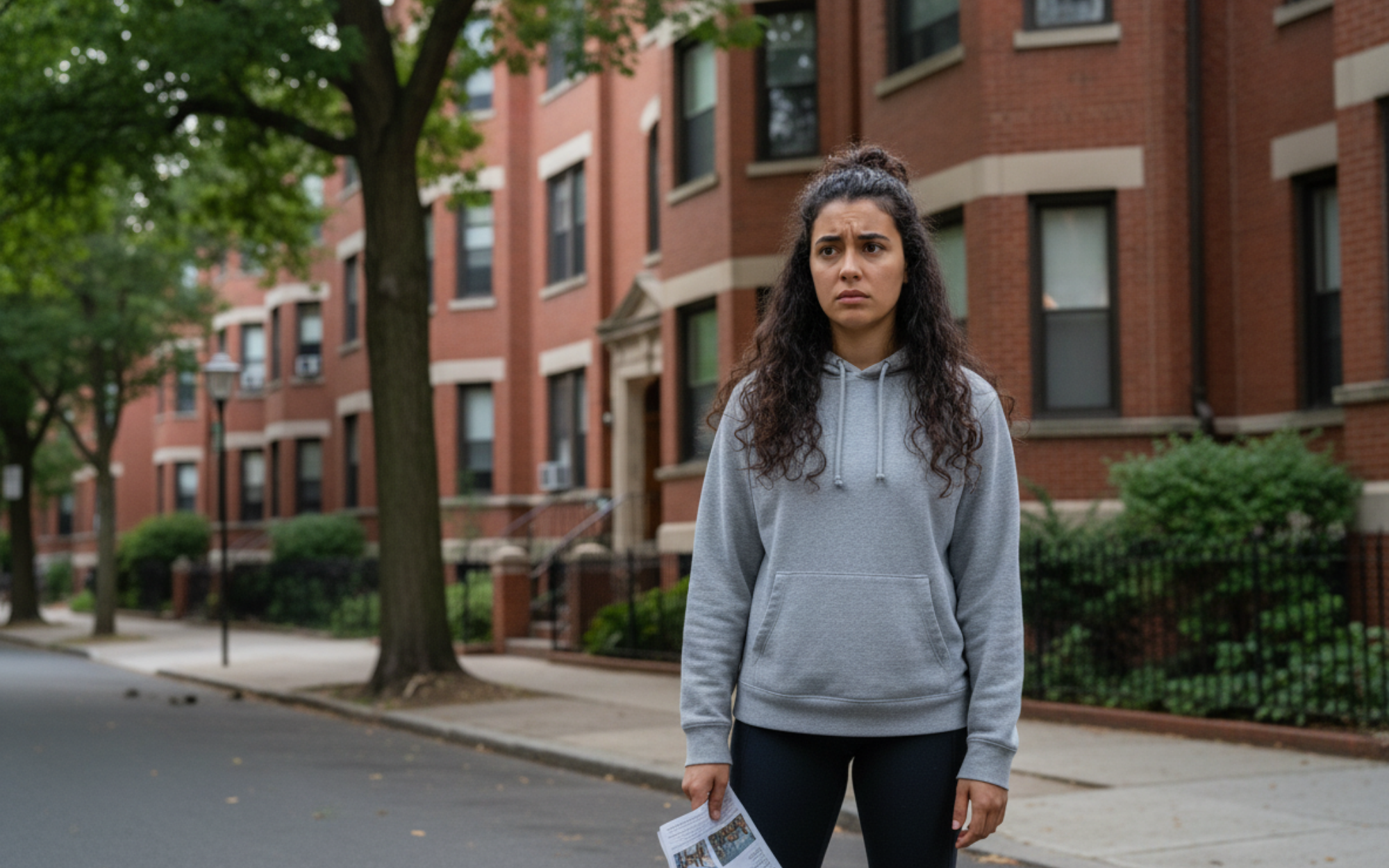
Let’s look at the most prevalent rental scams around Harvard and how they work.
1. Fake Listings
Scammers steal photos and descriptions from legitimate listings and post them as their own, often at a much lower price to lure in renters.
Red Flags:
- Rent is way below market rate
- Landlord says they’re out of town and can’t meet
- You’re asked to wire money or use unconventional payment methods
2. Duplicate or Copycat Ads
The scammer copies an actual listing but uses their own contact information. They may promise a better price or quicker move-in if you deal directly with them.
Red Flags:
- Listing appears on multiple sites with different contact info
- You're told not to contact the platform or official agent
- Email replies come from personal accounts, not company domains
3. The Fake Landlord
A person claims to be the owner or property manager, often saying they’re abroad or can’t meet in person. They may send fake documents to look legitimate and request a deposit upfront.
Red Flags:
- Long, elaborate backstories for why they can’t meet
- You’re pushed to pay through wire transfer or escrow accounts you can’t verify
- Pressure to act quickly or lose the apartment
4. Urgent Lease Scam
This scam preys on your fear of losing the apartment. The scammer pressures you to sign the lease and send money immediately.
Red Flags:
- “You’re the first qualified applicant, but you need to act now”
- No time to see the property or verify details
- Unusual payment methods requested
5. Phishing Emails
Scam emails may look like they’re from a real agency or even Harvard housing services, but they direct you to fake websites that steal your personal info.
Red Flags:
- Slightly altered email domains (e.g., @harvvard-housing.com)
- Requests for your Social Security number or bank info
- Poor grammar or formatting
6. Scam Phone Calls and Texts
These scammers take a more direct approach. They may say you’ve been selected for a unit and ask for money or personal info right away.
Red Flags:
- You never contacted them first
- They’re overly aggressive or evasive
- Requests for Zelle, Venmo, gift cards, or crypto payments
Warning Signs of a Rental Scam
Knowing what to look for can save you from losing money—or worse, your identity. Here are common red flags:
- Suspiciously cheap rent for the area
- Refusal to meet in person or show the property via video
- Urgent deadlines to pay or sign lease paperwork
- Unusual payment requests, like wiring money or sending gift cards
- Sketchy email addresses or phone numbers
- No background check or renter screeningInconsistent or vague answers to your questions
How to Protect Yourself
1. Use Trusted Platforms
Stick to the Harvard Off-Campus Housing Portal, official university resources, or Spot Easy, where every agent is verified before they can post a listing. Be especially cautious with Craigslist or social media listings.
2. Verify the Property Exists
Search for the address online. Use Google Maps and Street View to verify the building exists and looks like the photos. Cross-reference the listing across multiple websites.
3. Verify the Landlord’s Identity
Ask for full names, phone numbers, and documentation. Then use property records or public databases to confirm ownership. If the person isn’t listed as the property owner, walk away.
4. Ask for a Live Tour
Whether in person or via video call, a real landlord will be willing to show the unit. Avoid landlords who rely solely on pictures or pre-recorded videos.
5. Protect Your Personal Info
Don’t share your Social Security number, bank info, or ID before verifying the landlord and lease. Identity theft is a common side-effect of these scams.
6. Never Pay via Untraceable Methods
Legitimate landlords will accept checks, credit cards, or secure online platforms. Never send money through wire transfers, cash apps, or crypto wallets.
7. Research Reviews and Complaints
Search the address, landlord’s name, and phone number. Look for any scam alerts or negative reviews on Reddit, Google, or student housing forums.
What to Do If You’ve Been Scammed
If you believe you’ve fallen for a rental scam, take action immediately.
- Stop all communication with the scammer
- Save everything: emails, texts, payment receipts, and listings
- File a police report with the Cambridge Police Department
- Report the scam to Harvard housing services and the Federal Trade Commission (FTC) at https://reportfraud.ftc.gov
- Contact your bank or payment provider to dispute the transaction
- Warn others by posting in student groups or forums
Final Thoughts
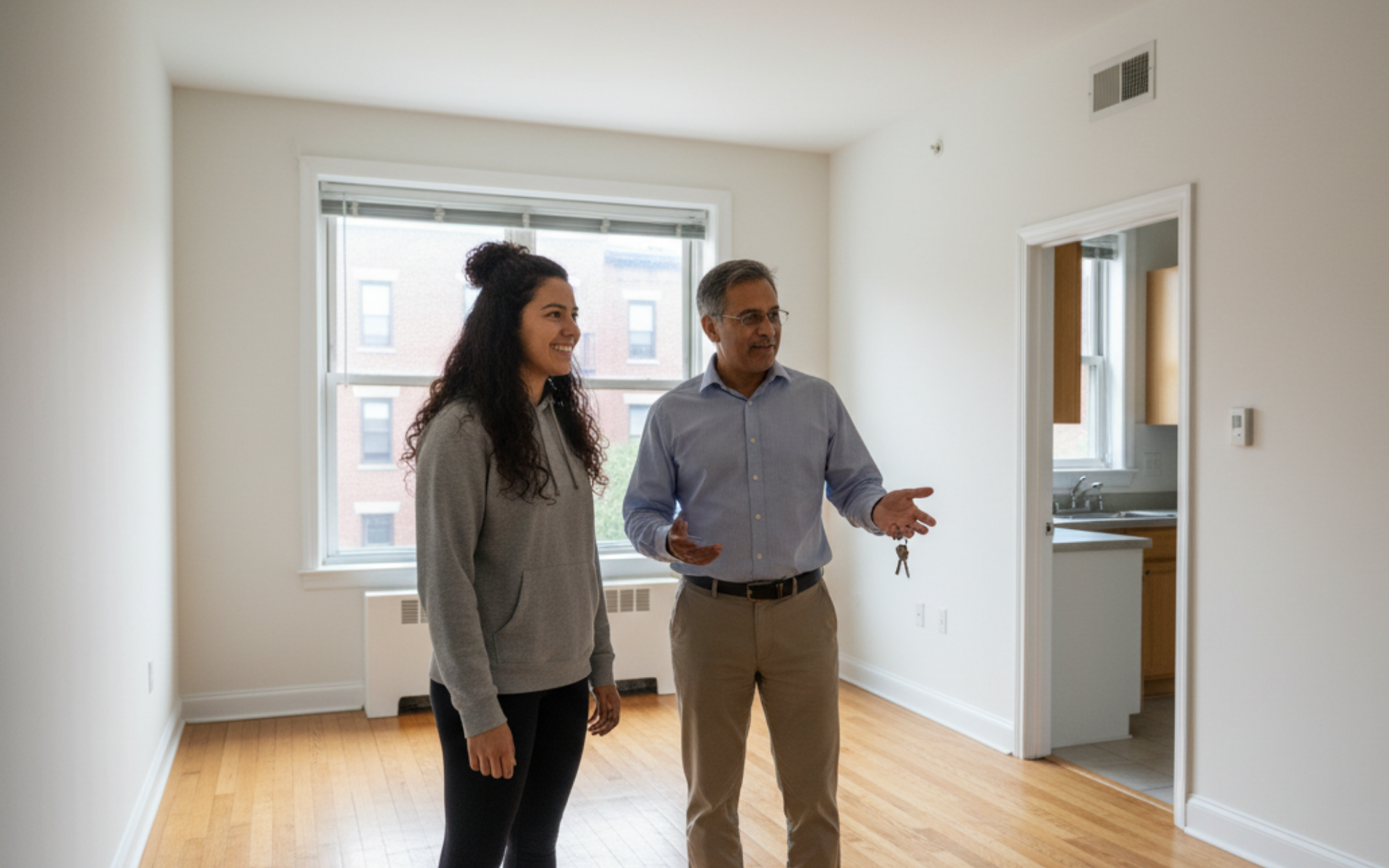
Renting off campus near Harvard can be a great experience—but it requires caution, research, and a bit of skepticism. Scammers are becoming more sophisticated and are counting on students to act quickly, trust easily, and skip the fine print.
But now that you know the common scams, red flags, and best practices, you’re better prepared to find a safe and legitimate home near campus.
Remember: If something seems off, it probably is. Trust your gut, do your homework, and never send money to someone you haven’t met or verified.
Stay informed. Stay cautious. And share this guide with anyone you know who’s looking for housing near Harvard.