


Harvard students are often faced with one of the most important off-campus decisions: Where should I live to get to campus quickly and easily? With neighborhoods like Allston, Somerville, and various pockets of Cambridge offering off-campus housing, the challenge becomes identifying which area offers the best balance between commute time, safety, cost, and overall livability.
This guide breaks down the most commuter-friendly neighborhoods, compares Allston vs. Somerville, and offers insights on Boston’s transit landscape—so you can choose the best spot to live near Harvard.
Understanding Harvard’s Location and Transit Hubs
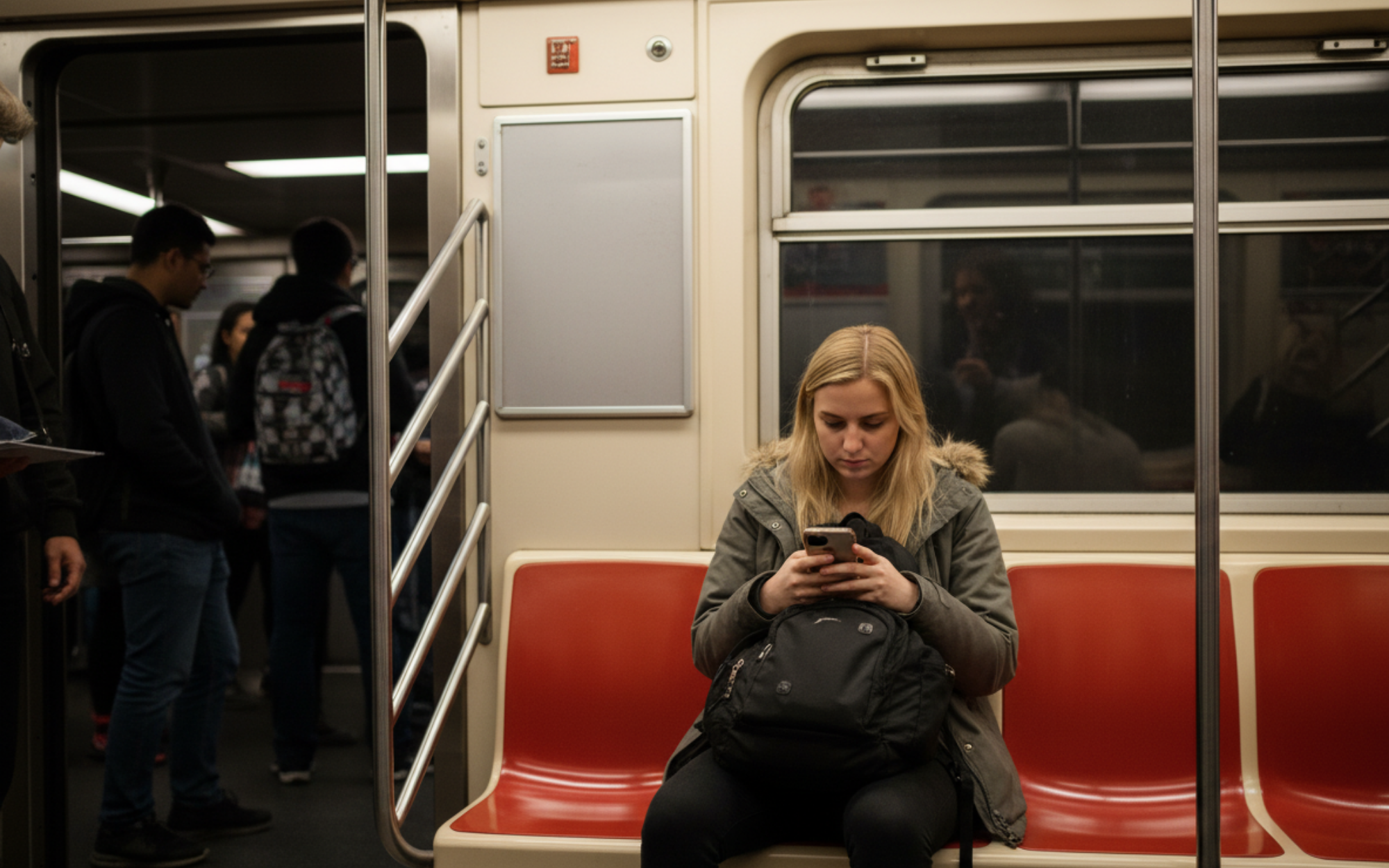
Harvard University is located in Cambridge, MA, with its main undergraduate campus centered around Harvard Yard. The main entry point for public transit is Harvard Square Station, served by the Red Line, one of the most reliable T lines in Boston.
Red Line = The Student Lifeline
The Red Line connects Harvard to major hubs like Porter, Davis, Central, and Kendall/MIT. Most neighborhoods that offer direct Red Line access make commuting seamless.
MBTA Bus System
The MBTA bus network feeds into Harvard from multiple directions. The 66 Bus, for instance, is a key line for students commuting from Allston.
Green Line Connections
Students in outlying neighborhoods often depend on the Green Line, which requires transfers and may involve longer travel times and reliability issues.
Top Cambridge Neighborhoods for Fast Harvard Commutes
If you're prioritizing speed and convenience, these neighborhoods offer the quickest access to Harvard Yard.
Harvard Square
Commute Time: 0–5 minutes (walk)
You can't get any closer. Students living in or around Harvard Square often walk or bike to class.
Pros:
- Instant campus access
- Surrounded by student-focused businesses
Cons:
- Higher housing costs
- Limited inventory for off-campus leases
Porter Square
Commute Time: 5–10 minutes (Red Line, 1 stop)
Located just north of Harvard, Porter Square is on the Red Line and offers a perfect blend of residential calm and urban access.
Pros:
- Direct T access to Harvard
- More affordable than Harvard Square
Cons:
- Slightly longer walk to the T station from some apartments
Central Square
Commute Time: 5–10 minutes (Red Line, 1 stop south)
Central Square is ideal for students who want quicker T access and a vibrant local scene.
Pros:
- Nightlife, restaurants, and artsy vibe
- Direct subway connection
Cons:
- Less residential; more noise and foot traffic
Inman Square
Commute Time: 15–20 minutes (Bus or bike)
Inman Square doesn't have direct T access, but it's bike and bus-friendly with easy routes to Harvard.
Pros:
- Affordable rent
- Creative, community-focused vibe
Cons:
- Longer commute during rush hour
Riverside & Mid-Cambridge
Commute Time: 5–15 minutes (walk/bike)
These neighborhoods are a favorite for grad students and those seeking quieter living while staying close.
Pros:
- Very walkable
- Good housing options for groups or families
Cons:
- May require biking or longer walks
Cambridgeport
Commute Time: 10–20 minutes (bike or bus)
Tucked between MIT and the Charles River, this area is popular with both MIT and Harvard students.
Pros:
- Bike paths
- Good food options and proximity to Whole Foods, Trader Joe's
Cons:
- No Red Line stop; rely on bikes or buses
Comparing Allston and Somerville: Are They Still Worth It?
Many Harvard students consider Allston and Somerville due to lower housing costs and vibrant student scenes. But how do they stack up commute-wise?
Commuting from Allston
Primary Routes:
- 66 Bus to Harvard Square
- Green Line B → Red Line transfer
Average Commute Time: 25–40 minutes
Pros:
- Cheap rent (compared to Cambridge)
- Young, student-heavy population
Cons:
- MBTA Bus 66 is overcrowded and slow
- Green Line is prone to delays
- Farther from Harvard Square
Transit Reliability: Low to Medium
Scam Warning: Some Allston rentals listed online are too good to be true. Verify listings to avoid fake units, especially near Packard's Corner.
Commuting from Somerville
Primary Routes:
- Red Line from Davis or Porter
- Bus routes depending on location
Average Commute Time: 20–30 minutes
Pros:
- More direct Red Line access
- Quieter neighborhoods (e.g., Teele, Davis, Magoun Squares)
Cons:
- Slightly more expensive than Allston
- Some areas farther from T stations
Transit Reliability: High
Neighborhood Safety: Generally safer than Allston, especially in Davis and West Somerville.
Other Commute Factors to Consider When Choosing a Neighborhood

When evaluating where to live, consider more than just commute time.
Parking Options
If you own a car, parking is a headache in most of Cambridge and Boston. Cambridge offers resident permits, but spots are limited.
Parking scams also occur, where fake landlords offer “reserved spots” that don’t exist.
Bike Commute
Cambridge and Somerville are bike-friendly cities, with dedicated lanes and well-lit routes. Harvard provides ample bike racks and encourages green transport.
Tip: Use the Bluebikes program for short rides and save on T costs.
Ride-Sharing Costs
Uber/Lyft can be helpful in emergencies, but daily rides add up quickly:
- Allston to Harvard: $15–25
- Somerville to Harvard: $10–20
Avoid: Unlicensed drivers offering “flat rates” outside bars or bus stations.
Housing vs. Commute Trade-Off
Sometimes, the cheaper rent in Somerville or Allston may not be worth the lost time or commute frustration. If you have early classes or campus commitments, staying closer may be more efficient even if rent is higher.
Route Reliability & Transit Delays
The Red Line is generally more reliable than the Green Line or most buses. Use the Transit App or MBTA Tracker to monitor delays.
Pro Tip: Factor in winter delays when commuting from farther neighborhoods.
Smart Tools & Tips to Help Students Choose the Right Spot
Before signing a lease, do some homework to ensure your commute fits your lifestyle.
1. Google Maps "Test Commute"
Use Google Maps to simulate your daily route at your typical class start time. Compare walking, biking, MBTA, and ride-share estimates.
2. MBTA Apps
Download apps like:
- Transit App
- ProximiT
- Citymapper
These give real-time arrival data, service alerts, and delay forecasts.
3. Visit the Neighborhood
Spend a few hours exploring your prospective neighborhood at different times of day. Is it loud? Is the walk to the station safe? Is it well-lit?
4. Use Harvard Housing Tools
Harvard’s Off-Campus Housing Office provides vetted listings, roommate match options, and landlord reviews.
5. Watch Out for Scam Listings
Whether you're using Craigslist, Facebook groups, or housing boards, follow these rules:
- Don’t pay before seeing the place
- Avoid listings without photos
- Google the address for duplicates
Final Thoughts: The Right Neighborhood for the Right Student
Ultimately, your ideal place to live depends on your commuting preferences, class schedule, and lifestyle. Here’s a quick summary to help you decide:
TLDR: Quickest Commute to Harvard
- Closest: Harvard Square
- Best balance: Porter or Central Square
- Most affordable: Allston, with trade-offs in commute time
- Reliable transit: Somerville (Davis/Porter)
- Walkable & quiet: Riverside, Mid-Cambridge, Cambridgeport
Before making your final decision, test your commute, research your lease, and weigh the hidden costs. A few extra dollars in rent could save you hours each week and reduce stress during the academic year.
Looking for even more tips? Reach out to Harvard's housing office, browse student housing forums, and don’t forget to test your commute before committing to a lease.
Looking for your dream Cambridge apartment? Spot Easy makes it simple. Browse through thousands of rental listings and find your perfect place today—no stress, no hassle, just Spot Easy.
For the wider picture on costs, neighborhoods and the September 1 calendar, see what renting in Cambridge is actually like.