

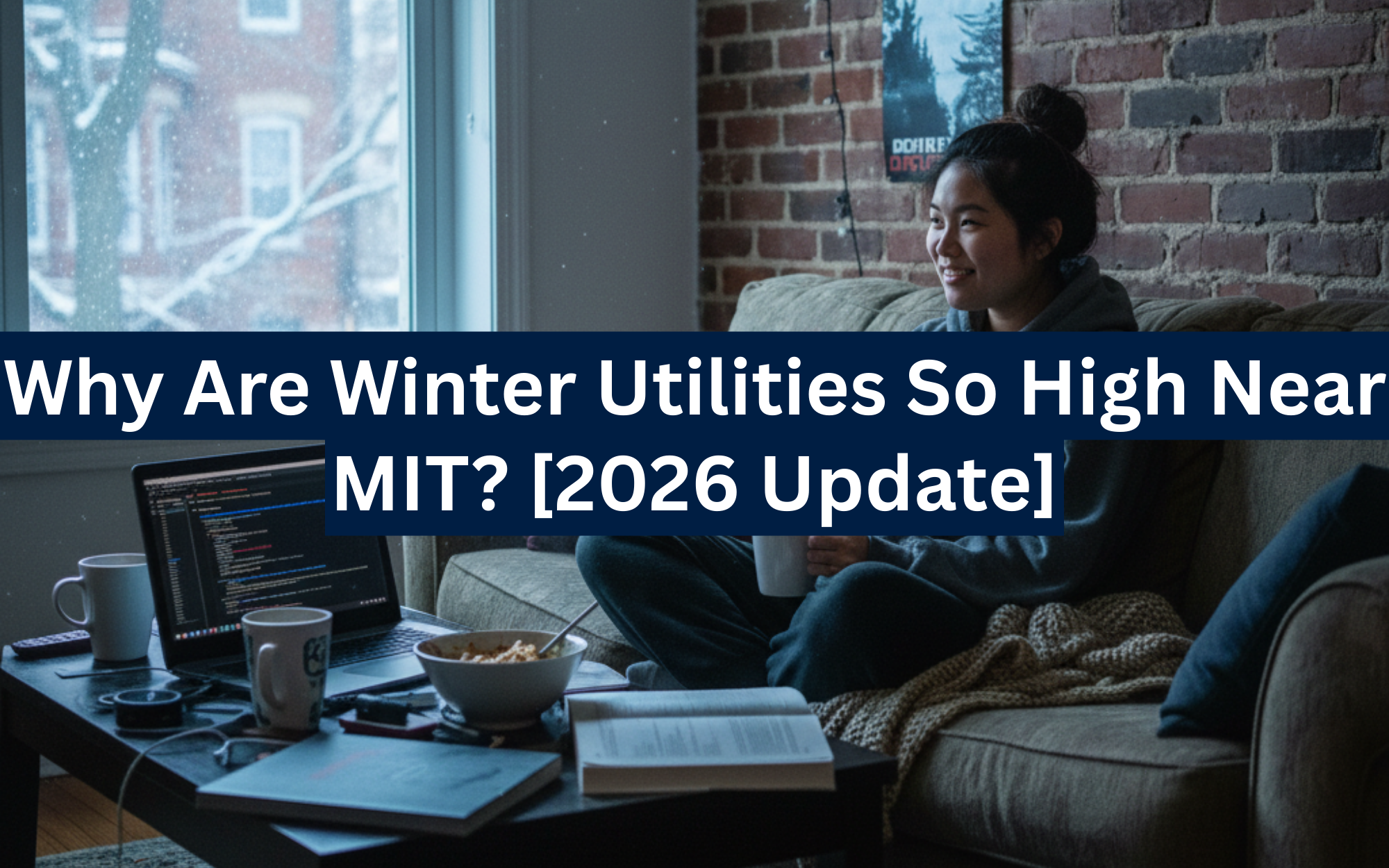
Boston is famous for its prestigious universities, historic neighborhoods, and brutally cold winters. For students living off-campus near MIT or Harvard, these winters come with a hefty side cost: high energy bills. While rent in the area is already expensive, utilities can quietly push monthly housing costs beyond many students' budgets. In this article, we'll explore why winter utilities are so high near MIT and what students can do to manage them.
Boston Winters: A Recipe for High Energy Bills
Winter in Boston isn't just cold; it's long and intense. From late November through March, temperatures often hover below freezing, with snow and wind chills that can make even a short walk feel like a polar expedition. This climate means one thing for renters: heating becomes non-negotiable.
Most off-campus housing in neighborhoods like Cambridge, Allston, and Somerville rely on gas, oil, or electric heating. Among these, electric heating is the least efficient and most expensive. Unfortunately, many older student apartments are poorly insulated, allowing heat to escape through drafty windows, thin walls, and unsealed doors. This inefficiency leads to constant thermostat adjustments and skyrocketing energy usage.
The result? Utility bills that can range from $100 to over $300 per month, depending on the apartment's condition and the type of heating used.
"Rent Plus Utilities": The Real Cost of Off-Campus Housing
When students search for off-campus rentals near MIT, many are lured by listings with seemingly affordable base rents. For example, a studio in Allston might be advertised for $2,000, or a shared 2-bedroom apartment in Somerville for $2,300. But here's the catch: most of these listings don't include utilities.
Utilities typically refer to:
- Heating (gas, oil, or electric)
- Electricity
- Water
- Internet
In Boston's winter months, heating becomes the largest chunk of the utility bill. Add in electricity for lighting and window air conditioning units, and you're looking at an extra $150 to $300 per month.
For students on a budget of $2,300/month, that additional $150 can be a financial stretch. If the apartment is poorly insulated or uses electric baseboard heating, the cost can be even higher. Always ask if utilities are included and get an estimate before signing any lease.
The Hidden Costs of Older Buildings
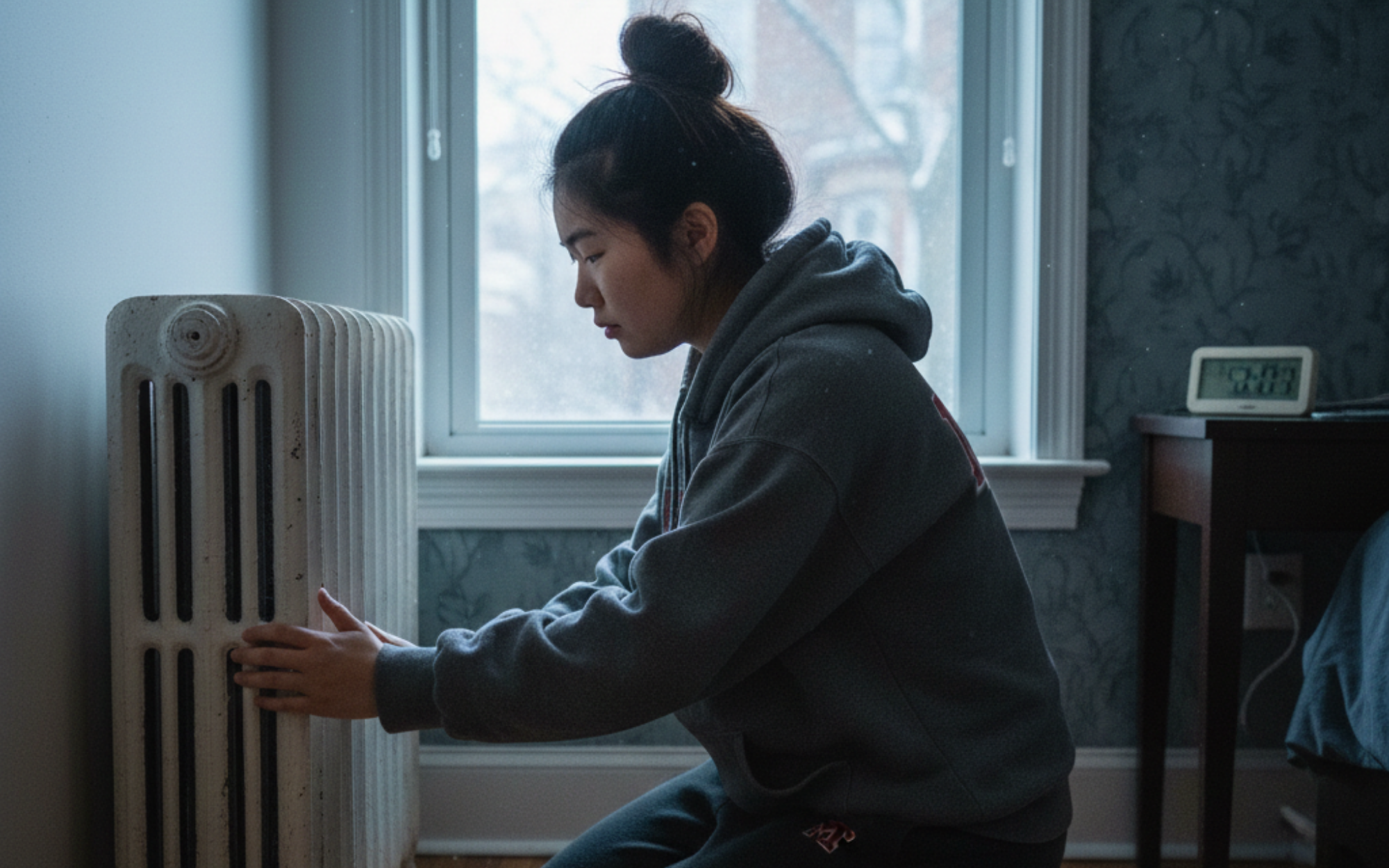
Much of the student housing stock in the Boston-Cambridge area consists of older buildings. While these homes have charm and character, they often lack modern energy-efficient upgrades.
Common issues include:
- Single-pane windows that leak cold air
- No insulation in walls or ceilings
- Radiator systems without thermostats
- No dishwasher (increased water use)
- Laundromat down the road instead of in-unit laundry
These features not only make winter living uncomfortable but also contribute to higher utility costs. Drafty apartments require more energy to heat, and older appliances use more electricity. Students often resort to space heaters to stay warm, which further spikes electric bills.
Comparing Neighborhoods: Rent, Utilities & Commutes
Let’s break down the average rent and utility costs in popular student neighborhoods near MIT and Harvard:
1. Cambridge (Home to MIT & Harvard)
- Rent: see the Spot Easy Rent Index for current Cambridge averages
- Utilities: $150-250/month in winter
- Commute: Walk or <10 minutes on Red Line
- Pros: Close to campus, less commuting stress
- Cons: High rent, older buildings, parking challenges
2. Somerville (Davis Square, Porter Square)
- Rent: see the Spot Easy Rent Index for current Somerville averages. Too few Somerville studios are on the market for an average to be published
- Utilities: $150-200/month
- Commute: 20-35 mins via Red Line
- Pros: Slightly lower rent, vibrant student community
- Cons: Older apartments, heating inefficiencies
3. Allston/Brighton
- Rent: see the Spot Easy Rent Index for current Allston and Brighton averages
- Utilities: $150/month
- Commute: 30-40 mins via Green Line or bus + walk
- Pros: Budget-friendly, student-friendly, nightlife
- Cons: Commute time, noise, energy inefficiencies
4. East Boston & Quincy
- Rent: see the Spot Easy Rent Index for current East Boston averages. Quincy is not a published scope
- Utilities: $100-150/month
- Commute: 35-50 mins (Blue/Red Line)
- Pros: Lower rent, some newer units
- Cons: Longer commute, fewer student amenities
5. Brookline / Jamaica Plain / South End
- Rent: see the Spot Easy Rent Index for current Brookline and South End averages. Jamaica Plain has too few studios and one-bedrooms on the market for an average to be published
- Utilities: $150-200/month
- Commute: 30-40 mins (Green/Orange Line)
- Pros: Safer, quieter, charming architecture
- Cons: High rent, older buildings
As you can see, lower rent doesn’t always mean better value once utilities are factored in.
Housing Types That Affect Your Energy Bills
The type of housing you choose also influences your utility expenses.
1. Studios
- Cheaper overall rent, but you cover all utilities alone
- Smaller space = less to heat, but still inefficient if old
2. One-Bedroom Apartments
- Higher rent; slightly more to heat than a studio
- Utilities still solely your responsibility
3. Shared Apartments
- Best value for budget-conscious students
- Heating costs are shared among roommates
- Downside: less control over thermostat use
If your budget is $2,300/month, a shared 2-bedroom with roommates may allow you to keep your housing + utilities within range, while also offering better heating efficiency by splitting costs.
Tips to Reduce Utility Bills in Winter

While you can't control the weather or building age, you can take steps to keep utility costs in check:
1. Seal the Leaks
- Use weatherstripping on windows and doors
- Draft stoppers at the base of exterior doors
- Consider temporary window insulation kits
2. Layer Up Before Turning Up the Heat
- Wear thermal clothing and use heavy blankets
- Use heated mattress pads or hot water bottles
3. Use Smart Heating Practices
- Lower thermostat at night or when not home
- Use a programmable thermostat (if allowed)
- Close off unused rooms
4. Optimize Electricity Use
- Use LED lights
- Unplug appliances when not in use
- Use energy-efficient space heaters sparingly
5. Ask Questions Before Renting
- Are utilities included?
- What is the average monthly utility cost in winter?
- How is the apartment heated?
- Are windows insulated?
Red Flags to Watch Out For When Renting
Certain listing details can hint at higher winter energy bills:
- "Tenant pays all utilities"
- "Electric baseboard heating"
- "Older home with character"
- "No central heating"
- "Window A/C units"
- "Laundromat nearby"
While not deal breakers, these features should prompt further inquiry. Ask the landlord for previous winter utility bills or speak to current tenants if possible.
The MIT & Harvard Factor: High Demand, Limited Supply
With tens of thousands of students attending schools like MIT, Harvard, and BU, the off-campus rental market is tight. High demand allows landlords to keep older units on the market without making energy-efficient upgrades. Students accept drafty apartments and sky-high heating bills as a tradeoff for location and convenience.
Landlords rarely include utilities in rent because they risk losing money during winter months. That means students must budget more than the sticker price of rent — ideally $150-200/month extra during the colder months.
Conclusion: Plan Ahead, Stay Warm, Save Money
Winter utilities near MIT can be a hidden burden for students, especially those renting older apartments off-campus. From poorly insulated walls to electric baseboard heating, the factors driving high winter bills are everywhere in Boston's housing stock. But with some smart planning, shared housing, and energy-saving habits, students can stay warm without blowing their budget.
Before signing a lease, always ask:
- Are utilities included?
- What heating system is in place?
- How efficient is the building?
Factor in winter utilities just like you would rent — because when the wind howls and the snow falls, you’ll be glad you did