

Off-campus housing near Harvard University has long been some of the most sought-after — and expensive — real estate in the Boston area. Whether you’re a returning student, a first-time renter, or an international scholar planning your move, chances are you’re asking the same question many are: Will rent prices near Harvard continue to climb in the coming year?
The short answer: All signs point to yes.
In this article, we’ll explore the current rent prices, neighborhood trends, hidden fees, and the key reasons why off-campus housing near Harvard is likely to get more expensive next year — plus how to navigate the market strategically.
The Current State of Harvard Off-Campus Housing
If you’re planning to live near Harvard Square or surrounding neighborhoods, expect to pay a premium. With Harvard off-campus housing in high demand and limited supply in Cambridge, prices remain well above the national average.
Current averages for Cambridge by bedroom count are published in the Spot Easy Rent Index for August 2026 and regenerated monthly, which is where to check them. The Index publishes Cambridge as a whole rather than Harvard Square on its own.
What you pay inside that range depends on location, amenities and whether utilities are included.
Popular student areas like Davis Square, Central Square, and Allston/Brighton offer slightly more affordable options than Back Bay or Harvard Square, but prices are still rising steadily across the board.
Why Are Prices Going Up?
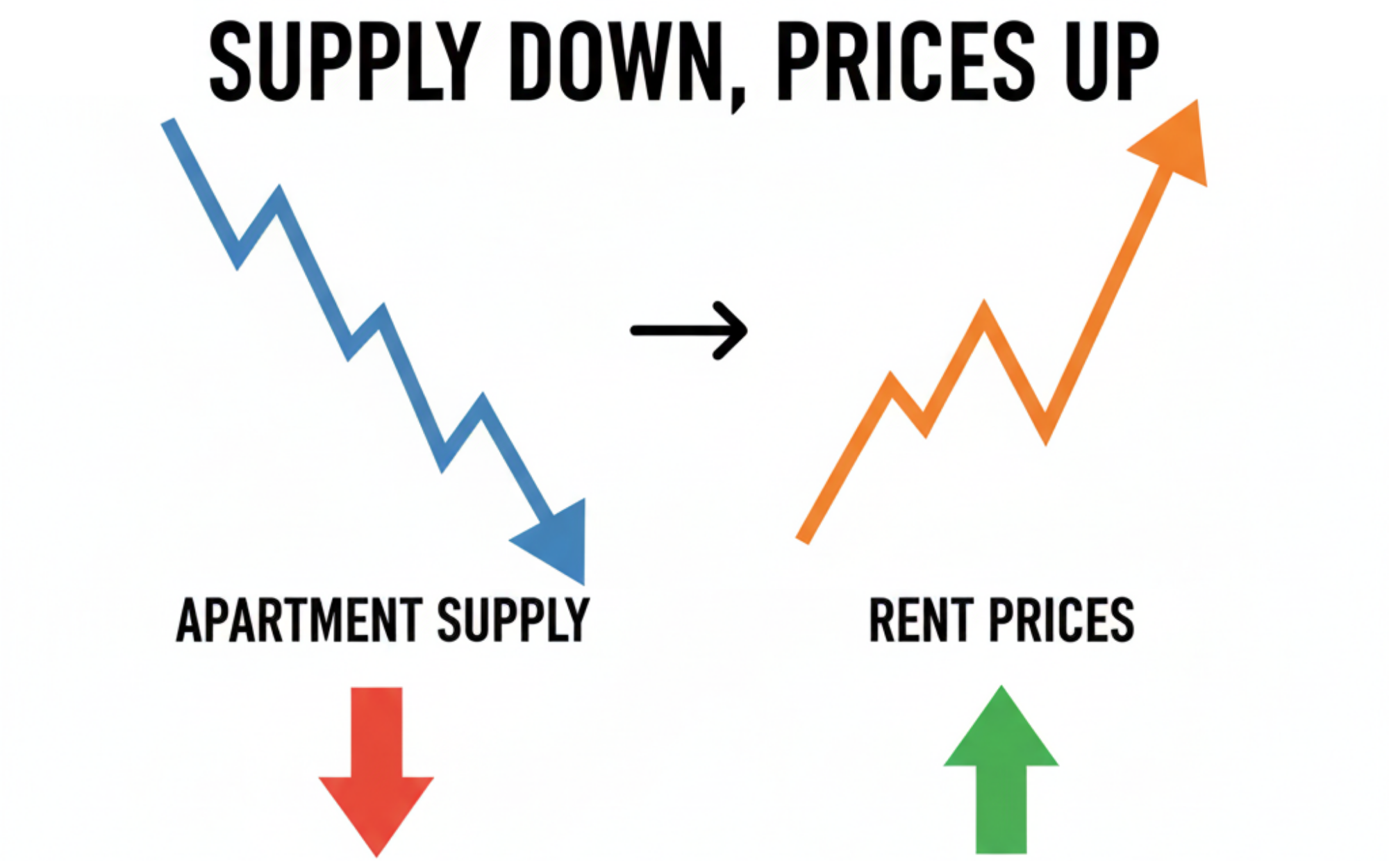
Several key factors are contributing to the upward pressure on rent prices in Cambridge and surrounding areas:
1. High Demand + Low Inventory
Harvard’s growing student population — including a large number of international students — fuels steady demand for rental units. At the same time, housing inventory remains tight, with few new developments and zoning ordinances (such as the Somerville zoning ordinance) limiting expansion.
2. Private Market Dominance
The private housing market near Harvard is largely controlled by private landlords and real estate agents, meaning pricing isn’t regulated. Students and families are often subject to:
- Finder’s fees / Realtor fees (usually 1 month’s rent)
- Lease terms like 12-month minimums
- Security deposits + first and last month’s rent
- Additional up-front expenses totaling four months' rent or more
These significant initial costs can be a financial burden — especially for those new to the U.S. housing system.
3. Neighborhood Gentrification
Areas like Allston, Davis Square, and Central Square are seeing new luxury apartments, driving up surrounding rent prices. Even neighborhoods like Watertown, previously known for affordability, are catching up due to increased commuter interest.
4. Limited Room for Occupancy
Housing laws in Cambridge and Somerville restrict the number of occupants per unit. This limits the ability to split high rent across multiple tenants, especially in Studio – 3 Bed units.
Neighborhood Breakdown: Where Prices Are Rising Fastest
🟢 Harvard Square
Arguably the most desirable — and most expensive — area. Proximity to campus, the Red Line, and Harvard Yard make this a hotspot. Studios here ask above the Cambridge studio average in the Spot Easy Rent Index for August 2026.
🟡 Central Square
More nightlife, great transit, and fewer tourists than Harvard Square. Still expensive, but with a bit more range than Harvard Square.
🔵 Davis Square
A favorite for grad students. While it offers a neighborhood vibe, the Red Line makes it convenient. Davis Square sits in Somerville, where two-bedrooms average $3,253 a month in the Spot Easy Rent Index for August 2026.
🟠 Allston/Brighton
Historically more affordable and popular with undergrads. Allston studios average $2,108 and Brighton studios $2,110 in the Spot Easy Rent Index for August 2026, the cheapest of the areas listed here.
🟣 Watertown
One of the last few “deals” in the area, though rents are rising fast. Two-bedrooms here still undercut Cambridge, though Watertown is not a scope the Rent Index publishes.
What You’ll Really Pay: The Hidden Costs of Renting Near Harvard
The monthly rent is only part of the equation. When budgeting for off-campus housing, students should also prepare for:
✔️ Up-Front Expenses
Most landlords require:
- First month’s rent
- Last month’s rent
- Security deposit (1 month)
- Broker/finder’s fee (1 month)
That means before you move in, you could owe four months’ rent or more.
For example: A $3,000/month apartment = $12,000 due up front.
✔️ Plus Fees
Some units advertise as “$1,200/bedroom plus fees” — meaning utilities, garbage, water, and internet are extra. Always clarify what’s included before signing.
Should You Sign a Lease Now or Wait?
Let’s say you’re not moving until next summer — should you wait until spring or lock in a place now?
Here’s the trade-off:
In most cases, a 12-month lease will save you money long-term. Just be prepared for the significant up-front expenses.
If you’re a Harvard international student, look for units labeled as “international student friendly” — these often accept alternative documentation instead of a U.S. credit history.
Are Prices Expected to Rise in 2026?
Based on current market data, housing policies, and local demand, rent prices in the Harvard area are likely to continue climbing in 2026.
Here’s why:
- Interest rates may drop, making buying homes easier for landlords (but reducing rental supply)
- No major new developments are set to open near Harvard
- Student demand remains high — especially from grad and international students
- The Boston area remains one of the most expensive metros in the U.S.
Without a major shift in housing policy or a significant drop in enrollment, prices will not drop — and may rise by 4–8% next year.
Smart Tips for Students Renting Near Harvard
Navigating the Harvard University housing market doesn’t have to be overwhelming. Use these tips to save money and avoid surprises:
✅ 1. Start Early
The best deals go fast — especially in Cambridge apartments with good locations. Begin your search at least 3–4 months ahead of your move date.
✅ 2. Expand Your Radius
Consider areas like Watertown or Brighton where prices are slightly lower but still transit-accessible.
✅ 3. Ask About Included Utilities
Some apartments offer “all-inclusive” rent, which can reduce month-to-month surprises.
✅ 4. Avoid Double Fees
Some landlords charge both a finder’s fee and a security deposit. Negotiate where you can.
✅ 5. Room With Friends
Splitting a 3-bedroom at $3,500/month comes out to ~$1,166 per person — far more affordable than a studio alone.
Frequently Asked Questions
❓ What is the average rent for a studio near Harvard?
The Spot Easy Rent Index publishes a Cambridge studio average, updated monthly, rather than a Harvard Square figure. Check it there, since a number quoted in an article goes out of date.
❓ Is off-campus housing near Harvard more expensive than on-campus?
Yes. While Harvard offers subsidized dorms and grad housing, off-campus housing in Cambridge and surrounding neighborhoods is usually more expensive, with additional up-front costs.
❓ What are the cheapest neighborhoods near Harvard?
Watertown, Allston, and parts of Somerville offer slightly more affordable rents. However, demand is increasing in those areas too.
❓ What should I budget for off-campus housing near Harvard?
Start from the Cambridge averages in the Spot Easy Rent Index for August 2026, add utilities on top, and plan for up-front move-in costs of about four months’ rent.
❓ Can international students rent off-campus easily?
Yes — but they should look for listings marked international student friendly, which often accept foreign guarantors or bank statements instead of a U.S. credit score.
Final Thoughts: Will It Get More Expensive?
In short, yes — off-campus housing near Harvard is likely to get more expensive next year.
Between limited housing supply, increasing demand, and strict rental policies, students can expect higher rent, larger deposits, and fewer concessions.
However, with smart planning, early searches, and the right location, you can still find housing that fits your budget — or at least doesn’t break it.