

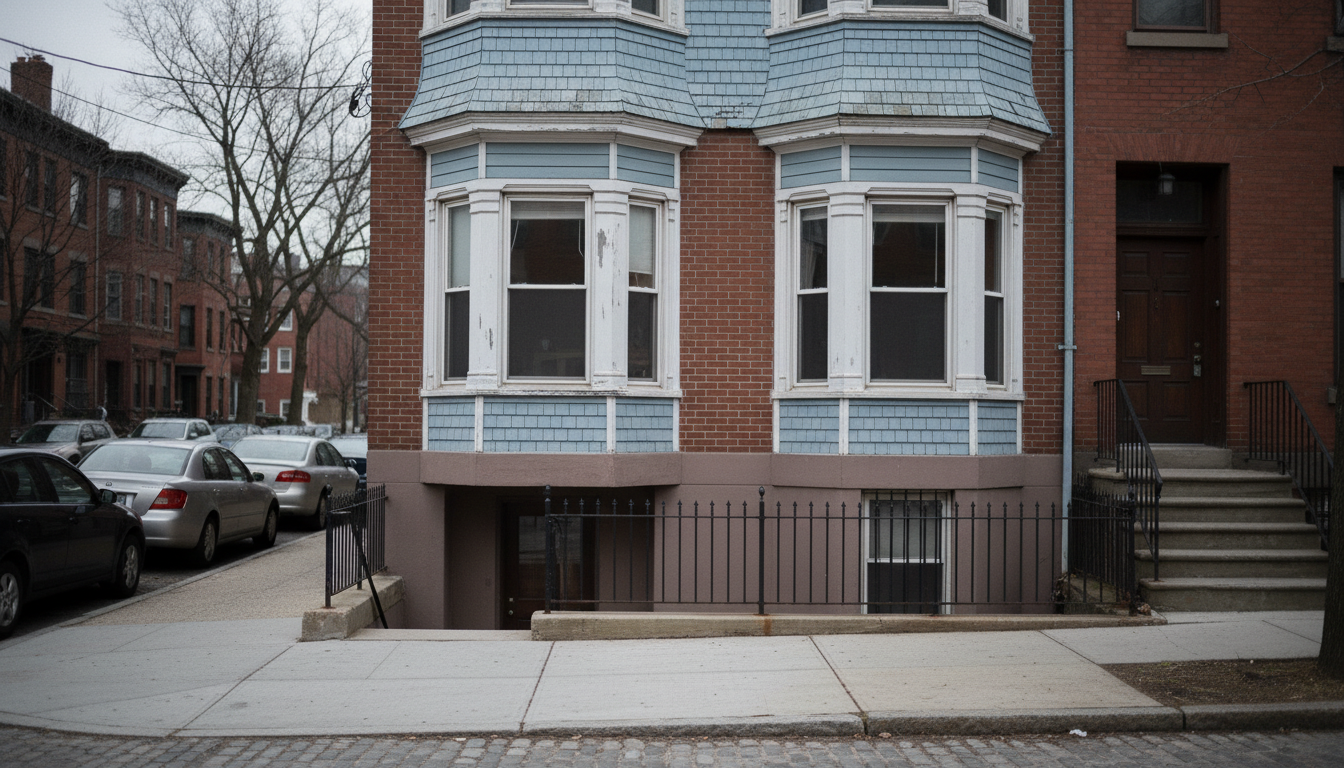
One r/bostonhousing renter opened a thread this month asking to be talked into — or out of — a question that comes up every September 1 scramble: is it crazy to go for a basement apartment? The rent is lower, the place might be newer, and in a market this brutal, a below-grade unit can feel like the only thing in budget. But it's a basement, and that one fact carries a pile of tradeoffs a glossy listing photo won't show you.
This is a practical guide for Boston renters weighing exactly that decision. We'll cover what counts as a basement apartment here, the real advantages and the genuine deal-breakers, the Boston-specific problem nobody outside New England writes about (winter), and how to tell whether a unit is even legal before you sign. The goal is simple: by the end, you'll know whether a given basement apartment is real value or a walk-away. So: are basement apartments worth it? It depends, and this is how you decide.
What counts as a "basement apartment" in Boston
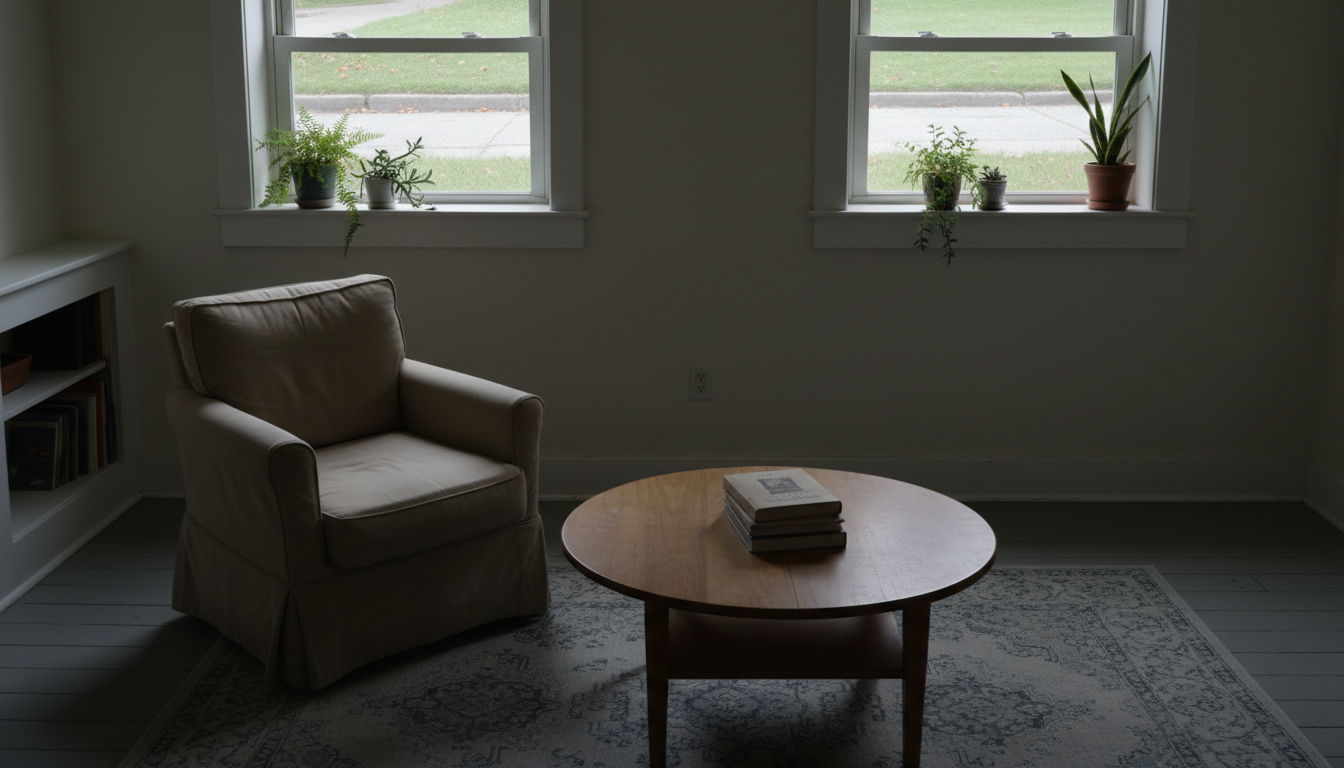
Before you judge a listing, know the vocabulary, because landlords and brokers don't always call a basement a basement. You'll see "garden-level," "garden apartment," "English basement," and "daylight basement" — all of which can mean a unit that's partly or fully below grade. As one renter on that Boston thread dryly noted, a basement becomes a garden view the moment a broker describes it. The polish is doing work.
The practical definition: if the floor sits below ground level and the windows start near the sidewalk, it's a basement apartment, whatever the listing calls it. That's not automatically bad: a well-built, properly waterproofed garden-level unit can be a great deal. But it does mean you should read the listing's language as marketing and verify the reality yourself.
The real tradeoffs — the good and the genuinely bad
Basement apartments aren't a scam and they aren't a trap. They're a genuine bundle of tradeoffs. Here's the honest accounting.
Cheaper rent and more space (the draw)
The number-one reason people consider a basement apartment is cost. Below-grade units are typically the cheapest in a building, and typically cost meaningfully less per square foot than comparable units. You can also get more usable space, since building mechanicals (the boiler, sometimes the laundry) are tucked into separate areas. There's often a separate entrance, which means more privacy and, in a single-family house, nobody else using your door. For some renters, fewer stairs to climb is a real plus.
Light, ventilation, and the "garden view" euphemism
The first thing you lose underground is light. Basement apartments have only ground-level windows, so they're darker, and that's the tradeoff people most often underestimate on a sunny tour. Tied to light is air: below-grade units get less natural ventilation, which is why dampness lingers. Light walls, mirrors, not blocking the windows you do have: all of it helps at the margins, but it doesn’t change the fundamentals. When a listing leans hard on words like "cozy" or "garden," read that as a cue to look closely at how much daylight actually reaches the floor.
Moisture, mold, and pests (the deal-breakers)
This is where basement apartments earn their reputation, and where a bad one becomes a genuine deal breaker. Underground means closer to groundwater, so moisture is the central risk: dampness, a musty smell, humidity that never quite clears. Where there's chronic moisture there's mold, which can grow behind walls and on ceilings, and that's a health issue, not just a comfort one. Look for a dehumidifier, a sump pump, and signs of waterproofing; look hard at foundation cracks.
Then there are pests. Being on or in the ground makes basements more prone to insects and rodents, the Boston thread is full of it, with one renter recalling a place so infested the waterbugs felt the size of small cars. It's gallows humor, but the point stands: ask directly about pest history. (Boston renters trade plenty of stories about management companies dragging their feet on infestations for weeks, a pattern worth taking seriously even when the rent is tempting.)
Security and noise at street level
Your windows are at sidewalk height, which raises two issues. One is security: a ground-level unit is a little more exposed, and the same commenter noted you're discouraged from leaving windows open and that passersby can see in through street-level windows depending on the layout. The other is noise: you're closest to the street, so foot traffic, conversation, and trash pickup are all louder than they'd be three floors up.
The Boston-specific problem: winter, snow, and flooding
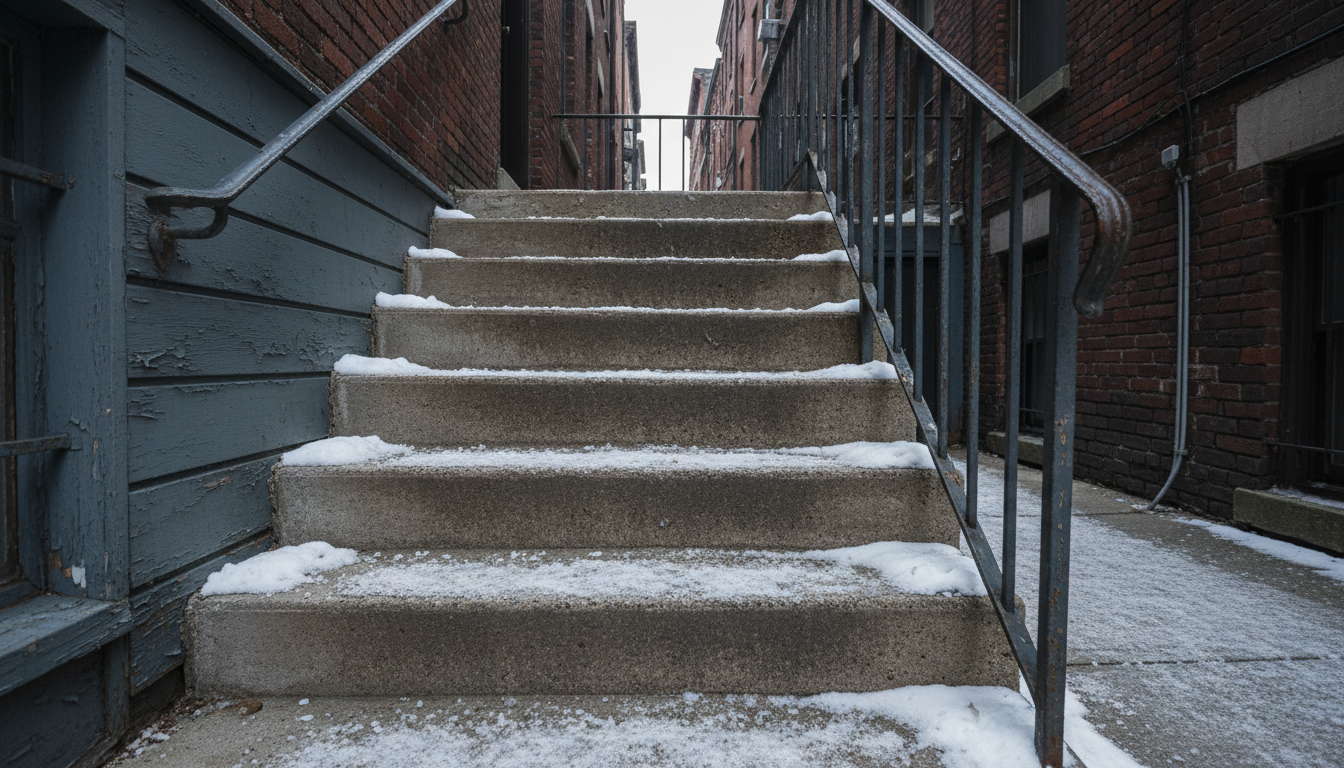
Here's what the national pros-and-cons guides miss entirely: Boston winters. A below-grade unit in New England is a different proposition than one in a mild climate, and it's the part the original poster worried about most: snow piling on the outdoor stairs, water leaking in through the window wells, and the bone-deep cold of a unit half-underground.
All three are real. Outdoor stairs down to a basement entrance ice over and need shoveling, and if the landlord doesn't keep them clear, that's your fall risk and your problem. Snowmelt and heavy rain pool at the bottom of an exterior stairwell, and if the drainage is bad, water finds its way under the door or through the window wells. And basements run cold: floors near the earth stay frigid, and heating a below-grade unit through a Boston February can cost more than the rent savings suggested. Ask to see a winter heating bill before you decide: it's the single most clarifying question for a Boston basement.
Is the unit legal and up to code? (Boston edition)
A surprising number of basement conversions were never permitted as living space, and that matters because an unpermitted unit can leave you displaced if the city gets involved. Before you sign, confirm the building’s permitted unit count through Boston’s Inspectional Services Department (ISD): if the listing says “unit 3” at an address permitted for two, that’s a flag. For the full walkthrough on egress and certificate-of-occupancy rules, how to run the records check yourself, and your rights if you’re already in a unit that doesn’t check out, see our guide to unpermitted Boston apartments.
What to check before you sign (and when to walk away)
Pull it together into a tour checklist. Before you commit to a basement apartment, confirm: how much daylight actually reaches the floor; any musty smell or visible mold; a dehumidifier and sump pump; foundation cracks; pest history; the egress window; a winter heating bill; whether the unit is permitted; and that the outdoor stairs have a plan for snow. If the landlord won't answer or rushes you toward a deposit, treat that like the warning it is.
Walk away when the moisture is already visible, the unit can't be confirmed as permitted, there's no real egress, or the landlord is cagey about any of it. The renter who started that Reddit thread did exactly this: after the horror stories rolled in, they "signed a lease for a third floor unit somewhere else." Sometimes that's the right call.
So, are basement apartments worth it?
For the right renter and the right unit, yes. If the apartment is dry, properly permitted, has real egress, and the winter heating math works, a basement apartment can be a genuinely good deal — more space and lower rent than anything else you'll find in the neighborhood. It's a particularly reasonable bet as a shorter-term spot while you get to know an area.
The cheaper rent is never worth a unit you can’t safely or legally live in. The whole game is telling the two apart, and now you can.
FAQ
Are basement apartments worth it in Boston? They can be, if the unit is dry, legally permitted, has a proper egress window, and the winter heating cost doesn't erase the rent savings. They're a poor deal when there's visible moisture, no permit, or a landlord who dodges questions.
What does "garden-level" mean in a Boston listing? It usually means a basement or partly below-grade unit. "Garden-level," "garden apartment," and "English basement" are softer names for the same thing; read them as a cue to check light, moisture, and code carefully.
Is it legal to rent a basement apartment in Boston? Only if it meets code and is permitted as living space: proper egress, minimum ceiling height, and a certificate of occupancy. You can check a property's permitted unit count through Boston property records and Inspectional Services.
How do I know if a basement apartment has a mold problem? Trust your nose: a musty smell is the tell. Also look for visible mold, water stains, and foundation cracks. Ask whether there's a dehumidifier and sump pump, and whether the unit has flooded.
Will a basement apartment be freezing in winter? Boston basements run cold, and heating one through winter can cost more than expected. Ask to see a winter heating bill, and check who's responsible for clearing snow and ice off the outdoor stairs.
This article is informational and isn't legal advice.