


Moving to Boston can be exciting, whether you're a student, working professional, or newly arrived expat.
But one major hurdle stands in the way of many renters: the U.S. credit score.
So, what happens if you don't have one? Can you still rent an apartment in Boston without a U.S. credit score?
The short answer is yes, it's possible—but you'll need to take a few extra steps and prepare alternative documentation to prove your financial reliability.
In this guide, we'll explore exactly how you can rent in Boston without a U.S. credit history, which neighborhoods offer more flexibility, and how to improve your chances of approval.
Why Credit Scores Matter to Boston Landlords

In the U.S., landlords and property managers commonly use credit scores to screen rental applicants.
A good credit score indicates financial responsibility, and landlords rely on it to predict whether you'll pay rent on time.
In Boston's competitive rental market, a high credit score (typically 700+) is often expected.
Landlords also look at your credit history for red flags like unpaid bills, evictions, or bankruptcies.
But what if you're new to the country and don't have any U.S. credit history at all?
Who Struggles with U.S. Credit Requirements?
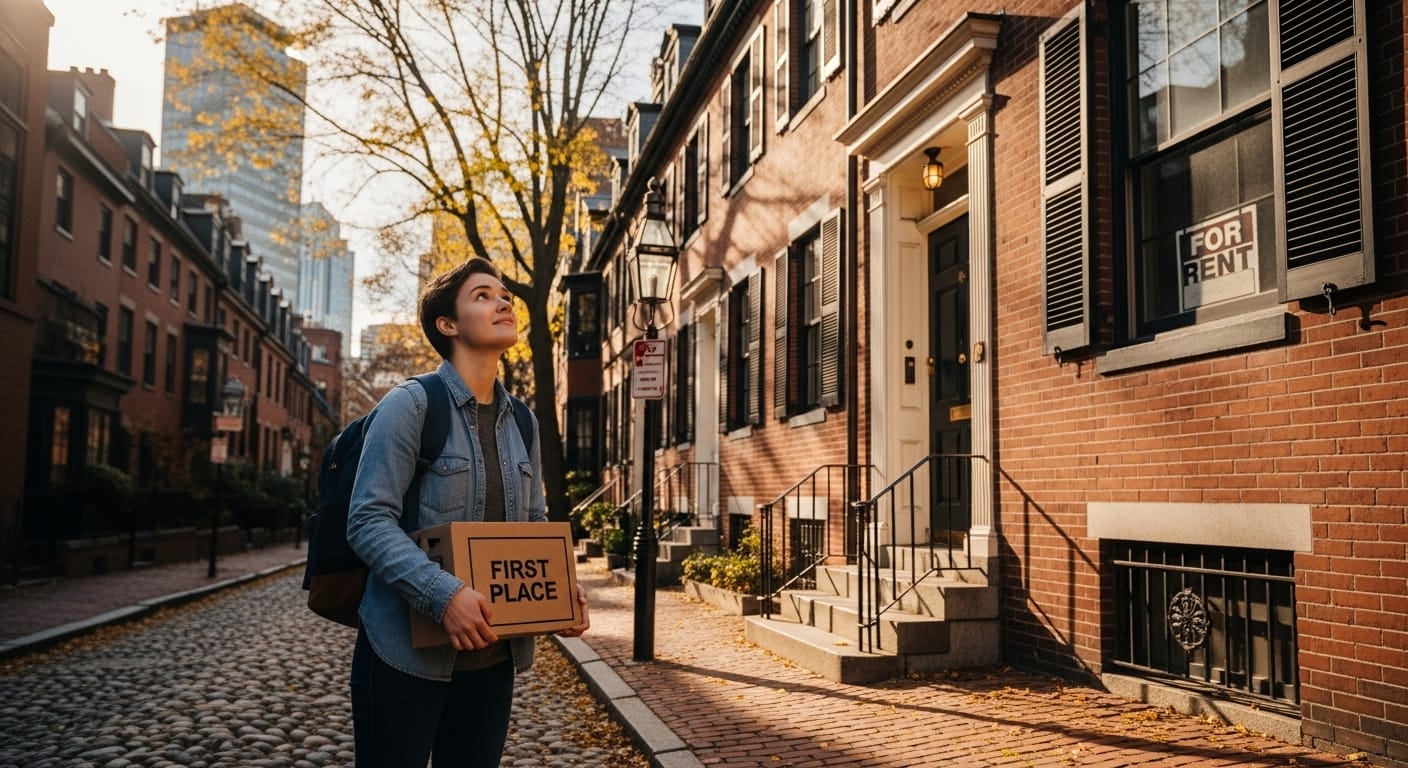
The following groups often face challenges renting without a U.S. credit history:
- International Students – Attending universities like Harvard, MIT, or BU with no U.S. financial history.
- New Immigrants – Moving to Boston for work or family reasons.
- Expats – Relocating for corporate jobs or internships.
- First-Time Renters – Young adults moving out on their own for the first time.
Many of these individuals are financially stable, but lack a credit footprint in the U.S.—a requirement that's deeply embedded in most rental applications.
7 Workarounds If You Don’t Have a U.S. Credit Score
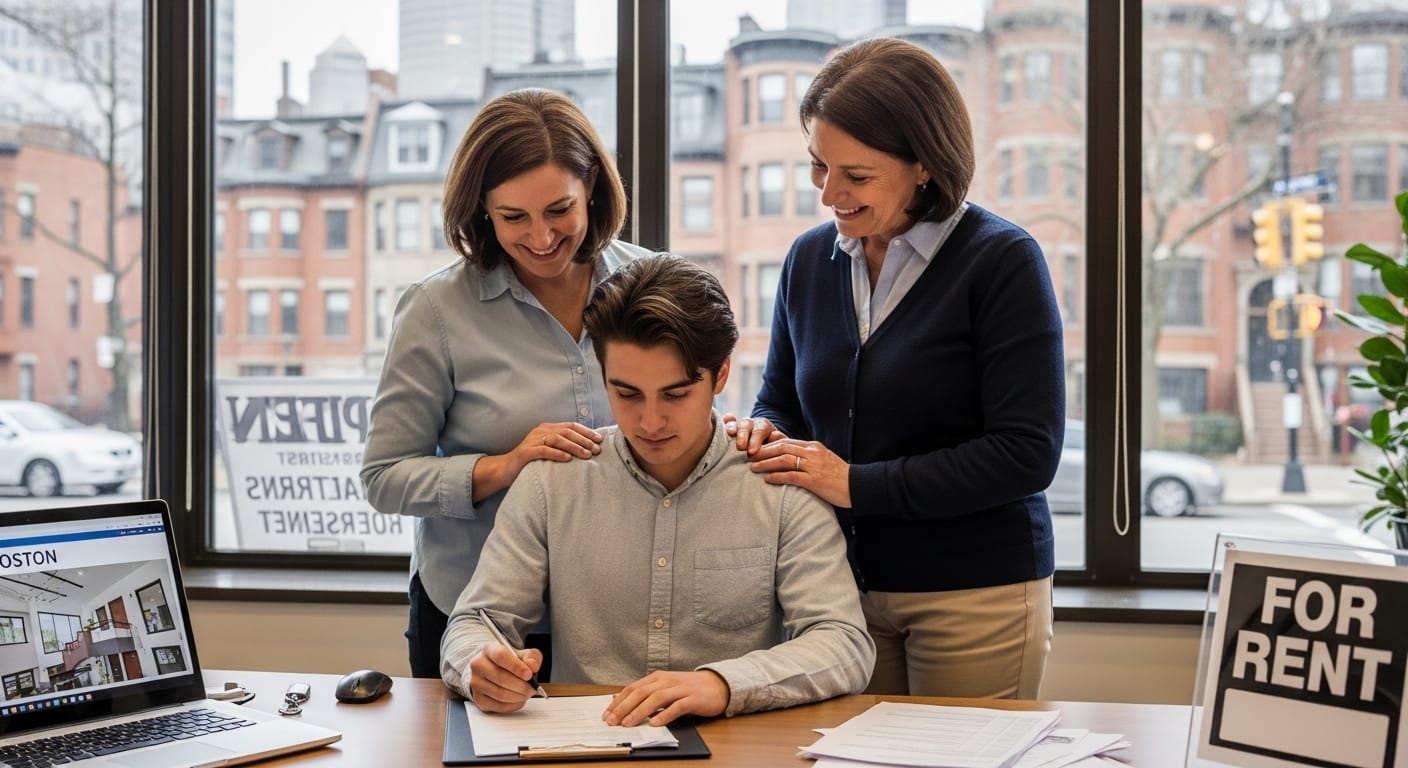
1. Submit Proof of Income or Employment
If you have a job in Boston, your offer letter, pay stubs, or employment contract can serve as proof of your ability to pay rent.
Many landlords are willing to accept this documentation, especially if your monthly income is at least 3x the rent.
2. Provide International Credit Reports (If Accepted)
Some landlords accept foreign credit reports or banking documentation from your home country.
While not universally accepted, it can demonstrate a history of financial responsibility.
3. Offer a Larger Security Deposit
If you're seen as a higher-risk tenant due to no credit, offering a larger upfront deposit (e.g. first month’s rent, last month’s rent and security deposit) can provide reassurance to the landlord.
4. Get a U.S.-Based Co-signer or Guarantor
A co-signer is someone (often a friend or relative) who agrees to pay the rent if you don't.
Some companies also offer guarantor services for a fee, which can help international renters secure leases.
5. Show Strong Bank Statements or Savings
Having substantial savings in a U.S. or international bank account can help prove that you're capable of covering rent, even without ongoing income.
6. Use Landlord References from Your Home Country
If you've rented before, bring reference letters from previous landlords, even if they were overseas.
These can help paint a picture of a responsible tenant.
7. Search for 'No Credit Check' Apartments or Private Landlords
Not all landlords require credit checks. Look for listings that mention "no credit check," or prioritize smaller landlords and private rentals, who may be more flexible.
What Documents Can Help You Get Approved Without Credit?
Being prepared with the right documents can significantly improve your chances of securing a lease. Here are some you should collect:
- Proof of income (pay stubs, job offer letter)
- Bank statements (showing savings or consistent funds)
- Passport and visa (proof of legal residency)
- Rental references (from past landlords)
- Letter of employment or enrollment (from your employer or school)
- Proof of tuition payment (for students)
- Guarantor or co-signer letter (if applicable)
These documents can help prove that you’re trustworthy, creditworthy, and financially stable.
Neighborhoods in Boston More Flexible with Credit
Certain areas in and around Boston may offer more flexibility when it comes to credit requirements:
1. Allston & Brighton
Popular with students and younger renters, these neighborhoods feature many private landlords and apartment shares, some of whom may waive credit checks.
2. Dorchester & Roxbury
These more affordable neighborhoods often have listings managed by smaller landlords who may consider alternative documentation.
3. Somerville & Medford
Just north of Boston, these areas offer access to public transit with slightly lower competition and more flexible screening.
4. Cambridge
Near major universities, landlords here are often used to renting to international students without U.S. credit.
5. Malden, Quincy, and Revere (Suburbs)
Living slightly outside the city may provide more flexibility, especially in newer apartment complexes or privately owned properties.
Role of Co-signers and Guarantor Services
If you can't meet the credit or income requirements alone, consider these options:
Co-Signer
A trusted individual (usually a family member or close friend) who lives in the U.S. and agrees to be legally responsible if you fail to pay rent.
Guarantor Services
Paid services like Insurent or TheGuarantors offer to co-sign leases for a fee. These services are common in major U.S. cities and can be a lifeline for international renters.
Note: Not all landlords accept guarantor services, so confirm eligibility before paying any fees.
Tips from Landlords & Housing Experts
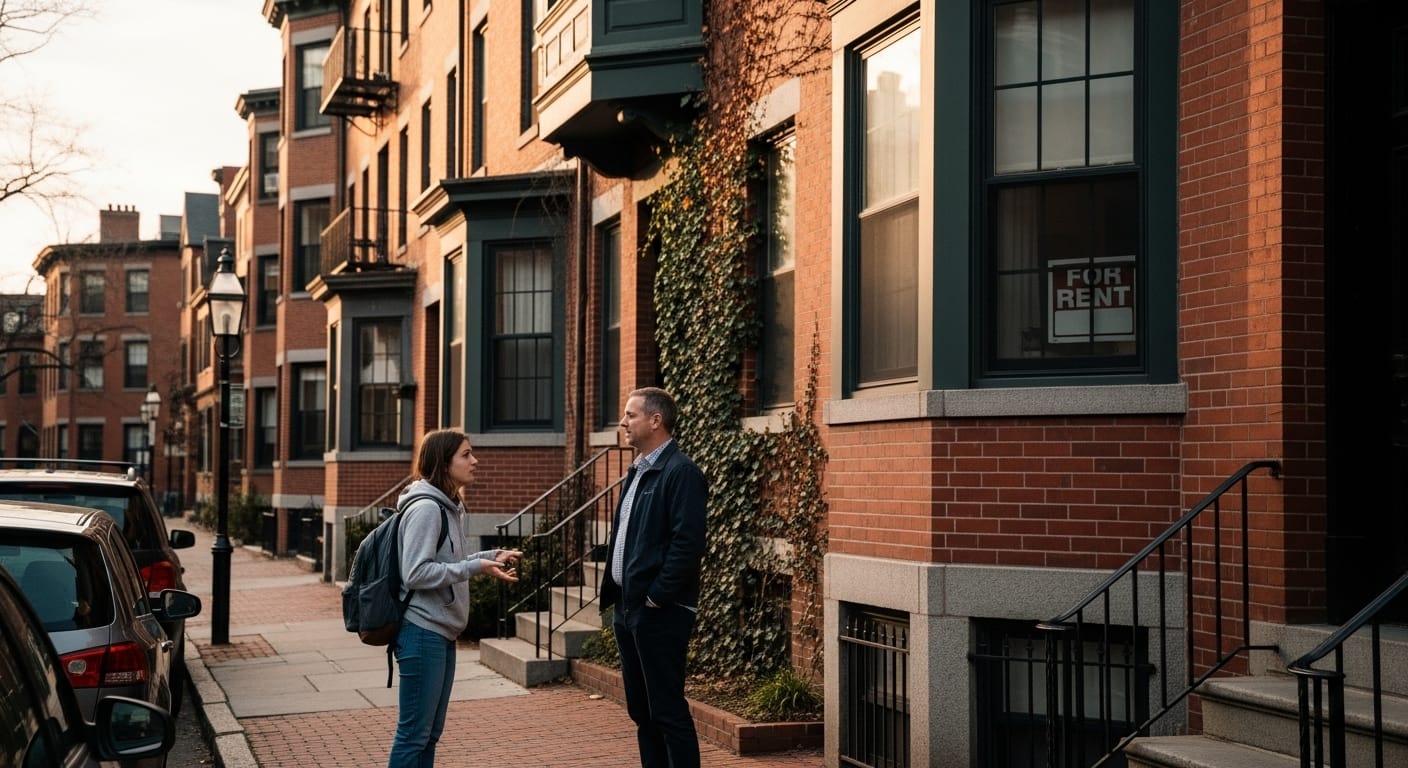
- Be upfront and honest about your credit situation
- Provide complete documentation with your application
- Demonstrate stability, either through job offers, savings, or references
- Follow up on applications to show interest
- Avoid rental scams by verifying listings and management companies
Many landlords value clear communication and financial transparency over just a credit number.
University Housing Offices Can Help (For Students)
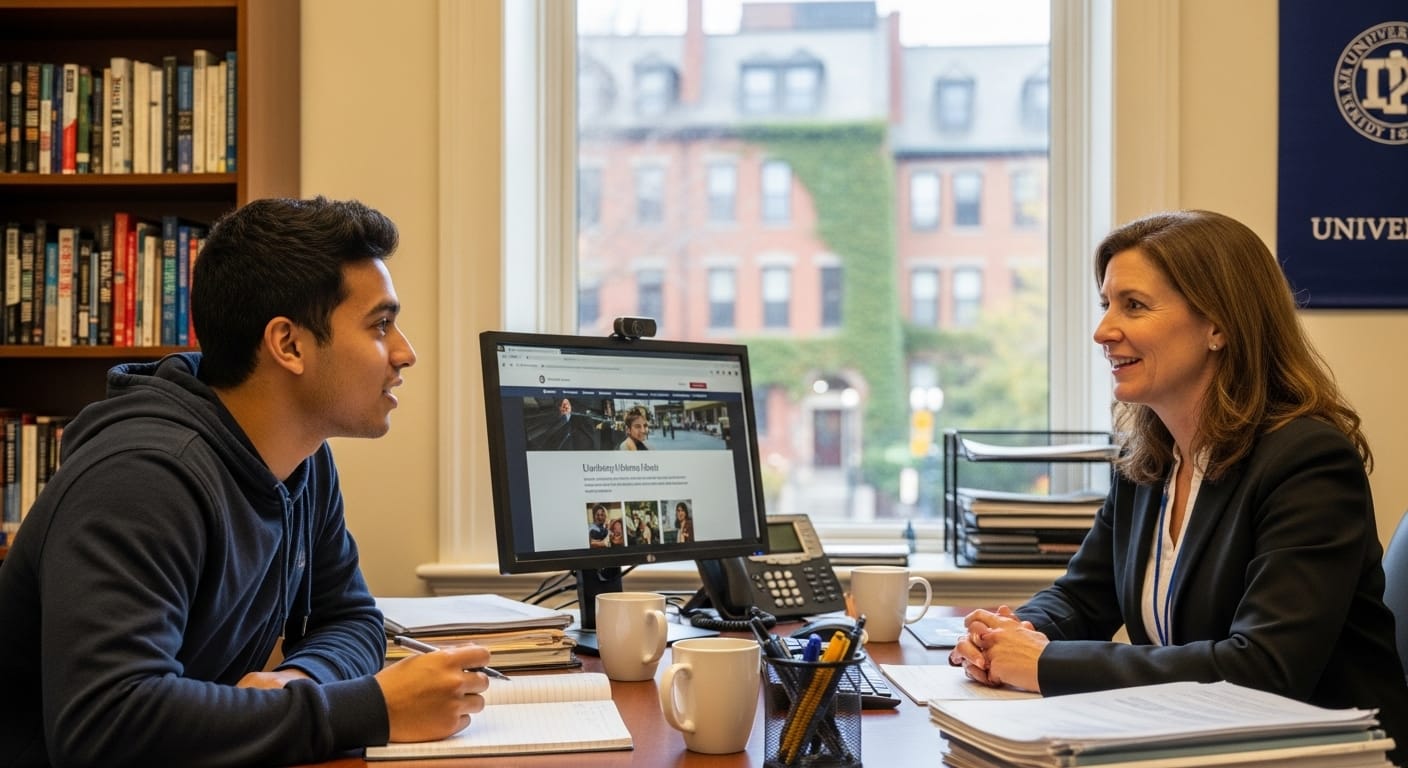
If you're a student attending school in Boston, your university housing office can be a vital resource. They may:
- Offer on-campus housing with no credit check required
- Help connect you with off-campus landlords who accept international students
- Provide rental documentation to verify student status
- Refer you to reliable real estate agents or roommate platforms
Schools like Harvard, MIT, Boston University, and Northeastern all have resources for foreign students seeking housing.
City Living vs. Suburb Rentals in Boston
If you're flexible with location, consider the pros and cons of renting in the city vs. the suburbs.
City Living (Boston Proper)
- Higher rent prices but better access to public transit and jobs
- More competition and stricter credit requirements
- Convenience of being near schools, work, and nightlife
Suburb Rentals
- Lower rent costs and more space
- More lenient landlords who may skip credit checks
- Longer commute times depending on the area
Suburbs like Malden, Quincy, and Everett offer affordability and flexibility for those without U.S. credit history.
Final Tips: How to Secure Your Apartment Without Credit
- Start your search early – Give yourself 30–60 days before your move-in date.
- Gather your documents – Organize your financial and identity paperwork in advance.
- Be transparent – Clearly explain your credit situation and offer alternatives.
- Consider roommates – Shared housing can reduce landlord concerns and rent burdens.
- Offer incentives – Larger deposits or paying a few months in advance can help.
- Use trusted platforms – Look on reputable rental platforms and avoid Craigslist scams.
- Ask your employer or school for help – They may have relocation services or housing lists.
Final Thoughts
Renting in Boston without a U.S. credit score is entirely possible.
While it may take more documentation and effort, many international renters, students, and newcomers successfully find housing every year.
Whether you're living in the heart of Boston or in a nearby suburb, being proactive, organized, and honest will go a long way in securing your new home.
Consider your options, gather your documents, and don’t be afraid to ask for help—your Boston apartment is out there!
Looking for your dream Boston apartment? Spot Easy makes it simple. Browse rental listings from verified agents and find your perfect place today—no stress, no hassle, just Spot Easy.
Related reading
For the full set of paperwork a Boston landlord expects, start with What Documents Do You Need to Rent a Boston Apartment? [A 2026 Guide].