

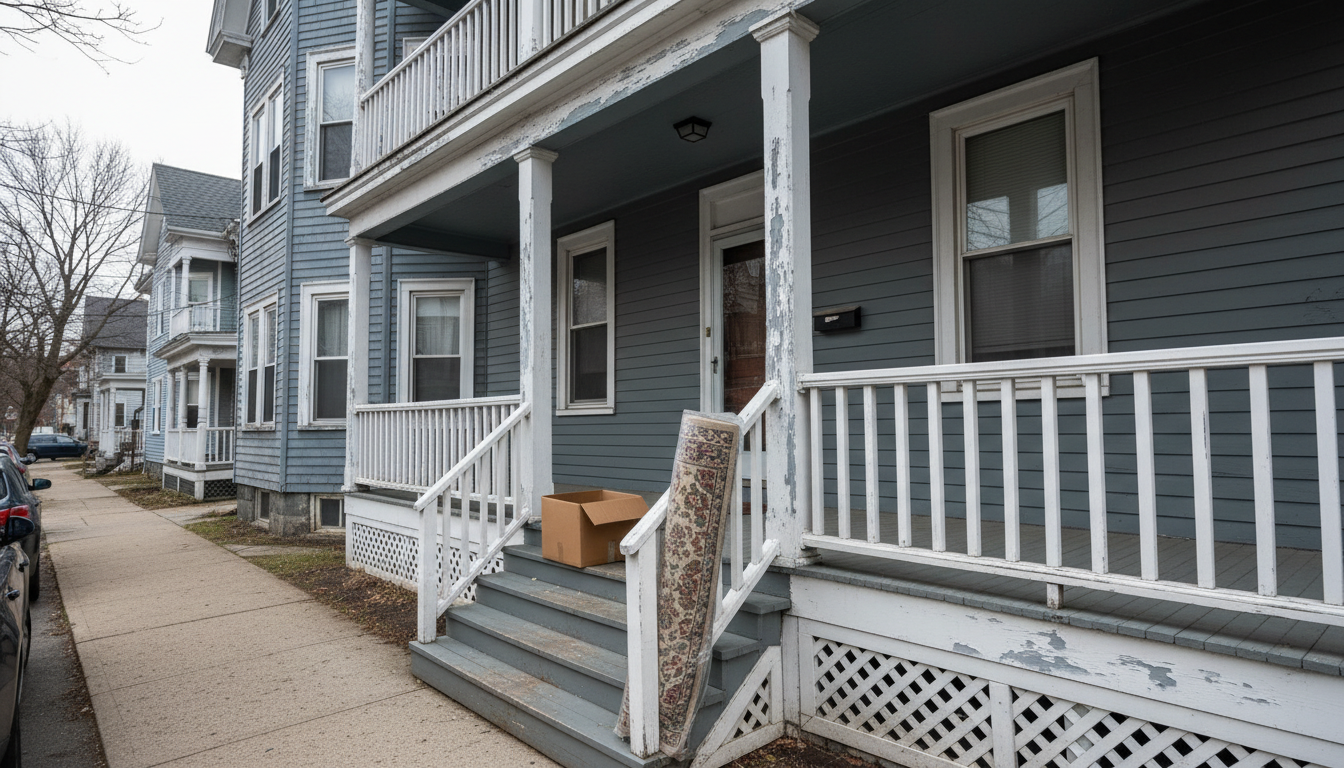
You've already decided to move. The unit has real problems, maybe a pest issue that's never gotten fixed, maybe something worse, and on top of it, your landlord just raised the rent. You're not planning to fight for this apartment. So is it even worth reporting the violations at this point, or is that energy better spent packing boxes?
It's a fair question, and most tenant-rights guides don't really address it. They're written for someone who wants repairs made so they can keep living somewhere. If you're already leaving, the calculation is different, but reporting still matters, both for your own protection and for whoever moves in next. This guide covers why, how the rent increase might factor in, and exactly what to document before you hand back your keys.
Why report violations even if you're already leaving
It protects you if the landlord disputes your move-out or lease-break
If there's any chance your landlord could later claim you owe rent, damaged the unit, or broke your lease improperly, having an official record of the conditions you were living in is your best protection. An inspection report from the city, dated before you leave, is hard to argue with. A text you sent your landlord six months ago is easier to dismiss or "lose."
It can matter for future tenants
You don't owe your landlord anything at this point, but you might feel some responsibility toward whoever signs the lease after you. A documented, fixed violation is one less problem for the next tenant. Reporting doesn't guarantee a fast fix, but it starts a record that exists whether or not you're still living there to follow up.
Retaliation protection still applies even this late
Massachusetts law makes it illegal for a landlord to retaliate against a tenant for reporting code violations, and that protection isn't limited to tenants who plan to stay. It's the same six-month retaliation presumption under G.L. c. 186 §18 that applies to any tenant, with damages of one to three months' rent plus attorney's fees if a landlord can't rebut it.
How the rent increase and the violations connect
Is a big rent increase on a unit with known violations retaliatory?
Not automatically, but the timing matters a lot. If you'd already complained to your landlord or to the city about the violations before the increase, and the increase came within six months of that complaint, it falls under the same retaliation presumption above. If you haven't said anything yet, there's no retaliation claim to make yet either. That's part of why documenting now, even though you're leaving, keeps that option open.
What "proper notice" for a rent increase actually requires
For a month-to-month tenancy, a landlord generally has to give written notice equal to one full rental period (at least 30 days) before a rent increase takes effect. There's no legally enforceable increase unless you actually agree to it or continue paying it going forward. If you're on a fixed-term lease instead, the rent generally can't be raised mid-term at all. A landlord can only propose a new rent at renewal, typically with at least 30 days' notice before the lease ends, and the notice should spell out the current rent, the new rent, the effective date, and your option to accept or move out instead. Either way, if you don't agree and you're moving out anyway, you generally just continue owing the old rent for your remaining time there.
The six-month retaliation presumption, in plain English
Think of it as a six-month lookback window: any time a landlord takes an adverse action (raising rent, changing terms, trying to end your tenancy) within six months of you reporting a problem, the burden shifts to them to prove it wasn't retaliation. That's a meaningful protection, and it's one more reason to get your complaint in writing now.
How to document and report before you go
Put it in writing (even informally, even now)
If you haven't already told your landlord about the violations in writing, do it now. An email or text works, though it's worth following up anything important with something you can prove was sent (certified mail, if you want to be thorough). This is the step that starts the clock on retaliation protection and creates the paper trail everything else depends on.
Request an ISD inspection, and why the report itself has value even post-move-out
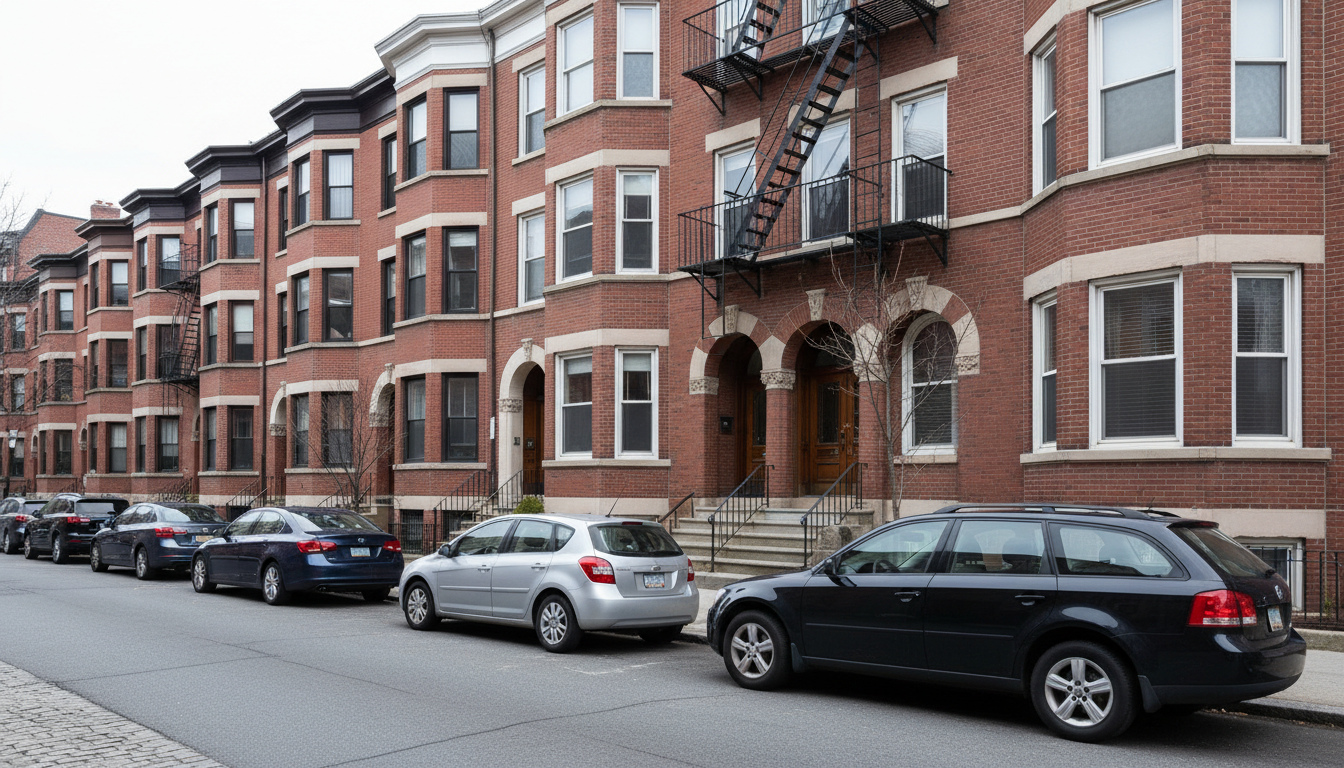
Boston's Inspectional Services Department will inspect a unit and document code violations on request, whether or not you're still planning to live there when the report comes back. To request one, call ISD at 617-635-5300 (or 311) and schedule an appointment. If you're following up on a complaint you've already filed, ISD's housing-complaints line is 617-635-1010 or [email protected]. Ask for a written report. That's the document that actually protects you later, not just the fact that you called.
What to keep: correspondence, photos, dates
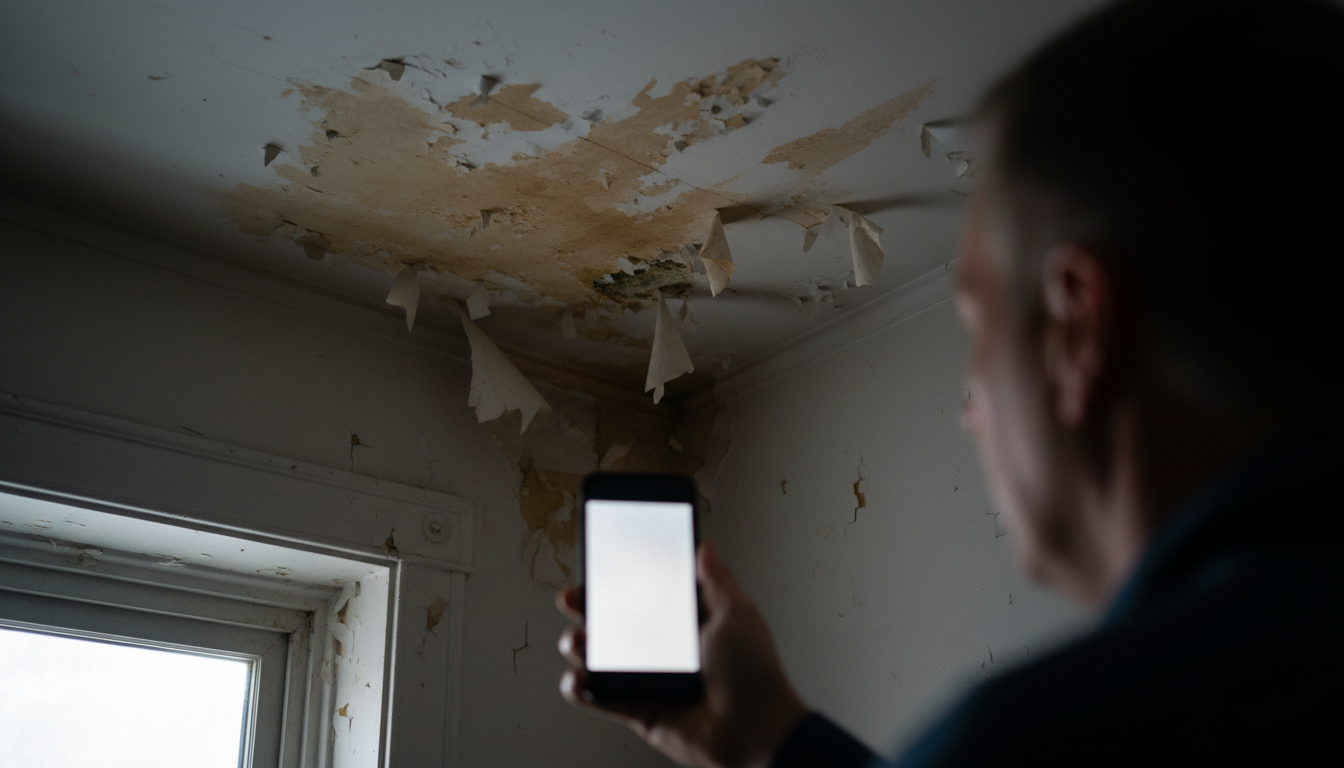
Keep copies of anything you sent your landlord, dated photos of the problem areas, and a simple timeline of when things happened. None of this needs to be fancy. It just needs to exist somewhere you can find it if you ever need it.
What you're not obligated to do
You don't have to negotiate with your landlord, follow up repeatedly, or stay engaged with this after you've reported it and moved out. You're not responsible for making sure repairs actually happen. Reporting is something you can do in an afternoon and then be done with. It doesn't commit you to anything further.
If you're worried about retaliation or a lease-break dispute
Everything above holds up well for straightforward situations. But there's a genuinely murkier question this article can't answer with confidence: if you've already given notice that you're leaving, does the same retaliation protection apply as strongly as it would for a tenant who's staying? The protections described above are written broadly and there's no clear reason they'd stop applying just because you're on your way out, but this specific scenario (reporting while you've already announced you're leaving) isn't something the available sources address directly. If your situation involves a real dispute (a landlord threatening to withhold your deposit, disputing your move-out date, or pushing back on a lease-break), that's worth a conversation with Mass Legal Help, the Massachusetts Attorney General's Consumer Advocacy and Response Division hotline at (617) 727-8400, or a tenant-rights attorney before you assume how it'll play out.
FAQ
Is it too late to report violations if I've already given notice I'm moving out?
No. You can report at any point while you're still the tenant. The main thing you lose by waiting is the chance to have the issue fixed while you're still living there, but the documentation and protection value of reporting doesn't disappear just because you're leaving.
Can my landlord raise my rent right before I move out to punish me for complaining?
If the increase comes within six months of you reporting a violation, Massachusetts law presumes it's retaliatory and puts the burden on the landlord to prove otherwise.
Do I have to let an inspector into my apartment if I'm already moving out?
You requested the inspection, so it happens on your terms. If you've already moved out, the process may look different since you're no longer the one letting the inspector in. Ask ISD directly about timing if your move-out date is close.
What's the difference between reporting to my landlord versus reporting to the city?
Reporting to your landlord (in writing) starts the retaliation-protection clock and gives them a chance to fix things. Reporting to the city (via ISD/311) creates an official, independent record and can result in a formal inspection report, the stronger form of documentation.
Will reporting violations affect my security deposit or reference from this landlord?
It's illegal for a landlord to retaliate against you for reporting, which includes punitive actions around your move-out. If you run into a specific dispute, document everything and consider reaching out to a tenant-rights resource.
Do I need a lawyer to report a code violation?
No. Reporting to your landlord or to ISD doesn't require legal help. A lawyer or tenant-rights organization becomes useful if the situation turns into an actual dispute (retaliation, a withheld deposit, a lease-break disagreement).
This article is informational and isn't legal advice.