

Every fall in Cambridge, Massachusetts, a unique urban ritual unfolds: thousands of students, renters, and families scramble to complete their apartment moves around September 1st. This single date marks the start and end of most rental leases, particularly in neighborhoods flooded with students from Harvard, MIT, and other nearby colleges. The result? Total moving chaos. Streets clog with rental trucks, parking becomes a nightmare, and curbside mountains of unwanted furniture signal “Allston Christmas” for scavengers and the overwhelmed public works department alike. For first-timers, Cambridge’s September 1st move-in rush can be both exciting and intimidating—but with smart planning, clear strategy, and some local know-how, moving day may actually run (almost) smoothly.
Why September 1st Is So Chaotic in Cambridge
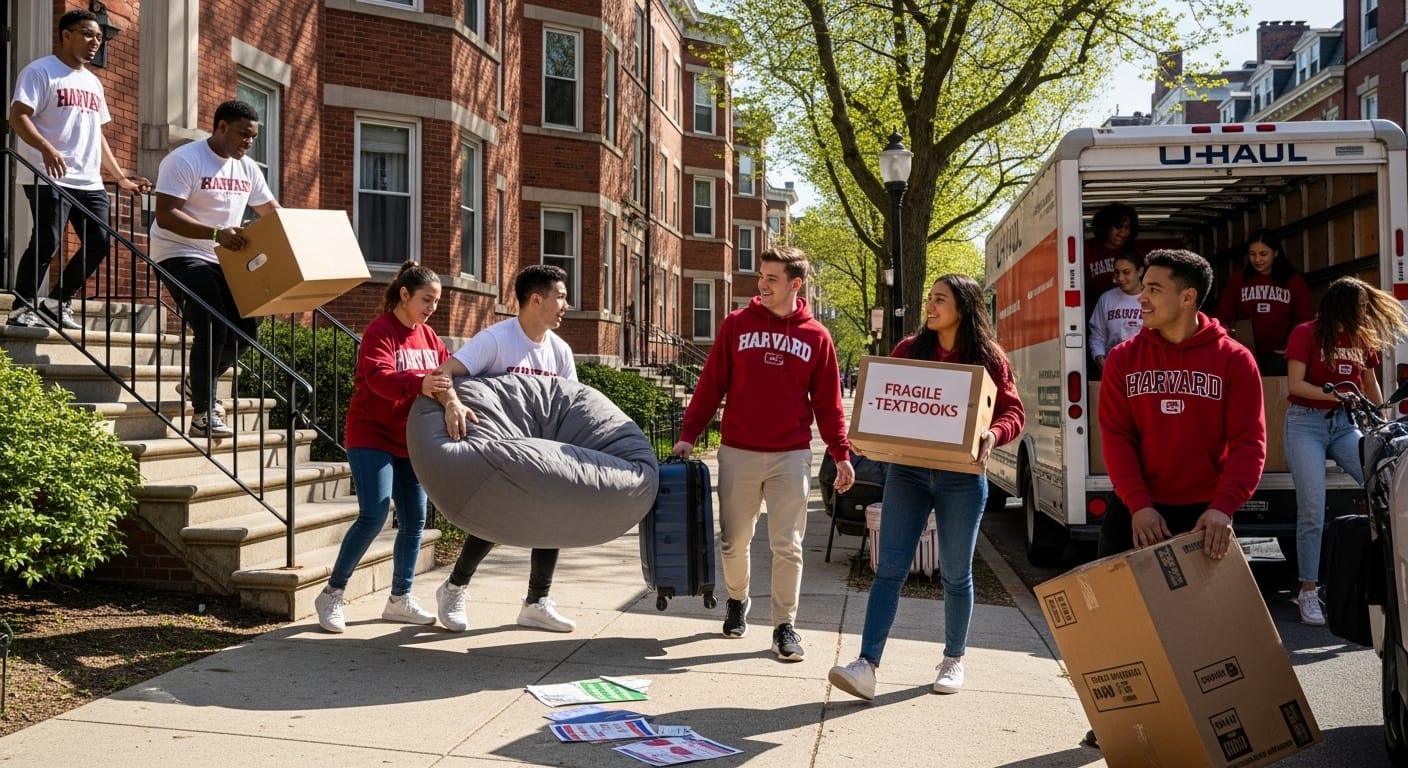
Density, Students, and Lease Overlap
Cambridge is a compact urban area with a uniquely student-heavy, transient population. Each August and September, thousands of leases expire and begin almost simultaneously, resulting in a citywide game of musical apartments. Students and young professionals contract new leases to coincide with the academic calendar, and landlords time turnovers to match, hoping to maximize occupancy in this in-demand rental market.
“Allston Christmas” and the Moving Tsunami
Locals refer to the citywide spectacle of discarded furniture and stacked boxes flooding the sidewalks as “Allston Christmas”—a tradition shared by neighboring Boston’s university neighborhoods. This phenomenon not only exacerbates traffic and congestion but also stretches city services like trash pickup, recycling, and parking enforcement to the breaking point.
Layered City Regulations
Cambridge enforces strict local ordinances regarding moving trucks, parking permits, and disposal of bulky items. Residential streets quickly fill to capacity with double-parked trucks, student parents with U-hauls, furniture donations, and professional movers all competing for curb space. Failure to organize early or comply with rules can easily result in fines, angered neighbors, or ruined moving day plans.
Plan Ahead: Essential Pre-Move Strategies

Advance Booking is Non-Negotiable
Every seasoned mover stresses advance booking as the #1 most important prep. Reserve moving trucks, relocation services, and storage units as soon as possible—ideally in June or July. Inventory for parking permits, rental trucks, and professional moving companies runs out weeks (even months) before September. Don’t forget to book elevator slots if your new building requires a reservation for moving day.
Also Read: Best Timing Strategies for Apartment Hunting in Boston
Secure Your Lease & Coordinate Early
Review your lease agreements closely for move-in and move-out dates. Many students and tenants face a dreaded “lease gap”—one or more days between leaving the old apartment and getting keys for the new one. Start conversations with your landlord or property manager early about possible flexibility or short-term solutions. Coordinate your lease dates properly to avoid confusion. Those arriving early (in late August) can often avoid the absolute worst of the crowds and congestion.
Packing Supplies, Roommate Teams, and Organization
Gather all packing supplies—moving boxes, tape, labels, bubble wrap—well ahead of time; big box stores and online outlets regularly sell out by late August. Build a moving checklist and start packing non-essentials at least two weeks beforehand. Create a team plan with roommates or friends: assign tasks, coordinate truck rentals, and set up group chats to manage the process.
Navigating Traffic, Parking, & City Regulations
Parking Permits: Don’t Move Without One
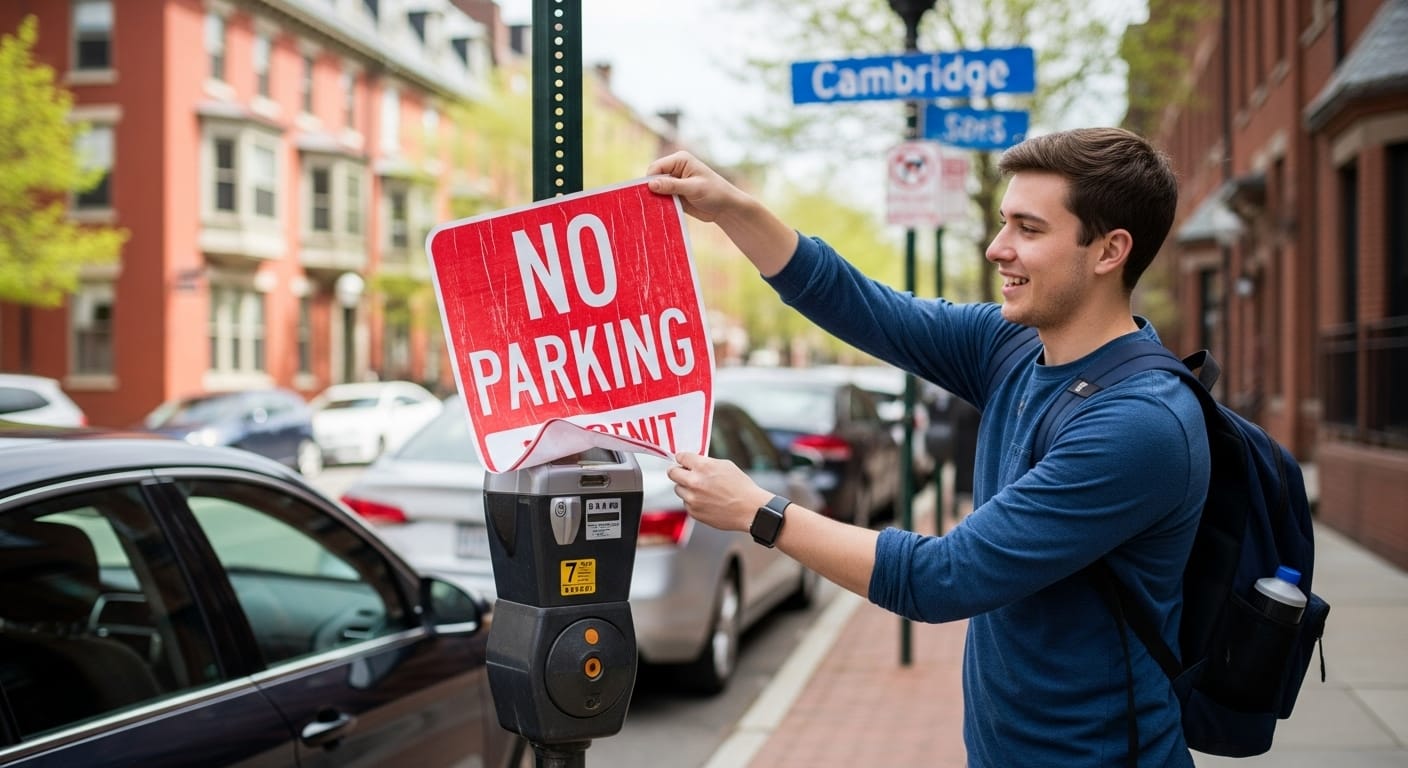
In Cambridge, you’ll need a moving truck parking permit to legally claim curb space for loading and unloading. Visit the Cambridge city website or public works department office to request a permit—many neighborhoods have zone-specific rules, and last-minute applications may not be honored. Be sure to display permits clearly, or risk fines and tows.
Avoiding No-Parking Zones, Street Closures, and Ladder Hazards
Review city maps and posted signage for temporary no-parking zones around schools, construction, street cleaning, or scheduled events. Check for planned street closures or one-way conversions that may impact moving routes. Many buildings require special arrangements or reservations for elevator use; don’t forget to coordinate with neighbors about curb space and building access.
Beat the Traffic with Strategic Timing
Set alarms early and plan for an early-morning move if possible—traffic is lighter, parking is more plentiful, and both neighbors and city staff are likely less stressed. Avoid peak hours (late morning through evening) if you want to skip chaotic intersections and bottlenecked streets.
Moving Day Logistics & Pro Tips

Build and Use a Master Checklist
List all essentials for moving day: snacks, water, tape, scissors, phone chargers, and important keys/documents. Pack a “last out, first in” box with bedding, toiletries, and cleaning supplies so you’re not hunting through a mountain of boxes before bedtime. Charge your phone overnight and backup all digital directions/maps before leaving.
Snacks, Hydration, and Stress Management
Cambridge’s move-in day is usually hot and crowded. Keep bottled water and healthy snacks easily accessible for everyone. Plan regular breaks and rotate heavy lifting responsibilities—overheated, exhausted movers lead to stress and injuries. If possible, hire professional movers for the heavy or complicated jobs.
Avoid Fines and Be a Good Neighbor
Dispose of all furniture, trash, and cardboard legally—check the city’s schedule for trash pickup, bulk furniture disposal, and recycling center hours. Illegal dumping or blocking sidewalks with debris can result in hefty fines and neighborhood complaints. Donate usable furniture to local charities or schedule a pickup from organizations like Goodwill. A little coordination not only saves stress but also helps maintain community goodwill.
What If You Need Storage or Help?

Temporary Storage Solutions
Can’t move in or out on the same day? Research short-term storage units, overnight truck holds, or moving pods; Cambridge and neighboring Boston have dozens of options, but prices soar and availability dwindles as September approaches. Always reserve storage or truck space as soon as lease details are confirmed.
Moving Companies and Student Services
Professional moving companies often offer fixed rates, student discounts, and specialized urban moving packages around September 1st. Compare companies based on experience with city regulations, curbside logistics, and their willingness to troubleshoot on the fly. Many Boston-area campuses—like Harvard and MIT—have move-in help or partnerships with vetted moving and storage vendors for enrolled students.
Emergency City Resources
Familiarize yourself with Boston’s 311 service (available in Cambridge too) for moving day emergencies, illegal parking problems, or disposal questions. Many neighborhoods offer city-sponsored trash drop-off events or post real-time updates about street closures and logistics on municipal websites and social media platforms.
How to Avoid Common Pitfalls & Reduce Stress

Prevent Forgotten Items & Missed Deadlines
Begin packing and organizing at least two weeks ahead—last-minute scrambling is a universal stressor. Double-check the inventory of your rented truck or storage unit to avoid overfilling or damage in transit. Always confirm moving dates and times with landlords, building managers, and moving companies.
Communicate Proactively With Stakeholders
Share your moving plans with roommates (old and new), landlords, and neighbors. Advance notice can help ensure everyone cooperates, from elevator reservation scheduling to curbside space-sharing. If disputes arise—over move-in times, curb space, or building rules—be respectful and flexible.
Protect Yourself: Safety, Insurance, and Rights
Lock your moving truck and new apartment during breaks to prevent theft; September 1st is prime time for opportunistic crimes. Consider moving insurance (usually offered by professional movers or your renter’s policy) for high-value items. Know your rights as a tenant—read up on Cambridge’s moving-related ordinances, security deposit laws, and what to do if the landlord fails to deliver the apartment as promised.
Frequently Asked Questions (FAQ)
How can I avoid the September 1st moving chaos in Cambridge?
September 1st is chaotic, hence start planning months ahead: book your truck, moving company, and parking permits early. Pack and organize over several days instead of a last-minute dash. Move outside of peak hours or, if possible, before/after September 1st.
When should I book a moving truck?
For September 1st, book by mid-summer. Delay, and you may find all trucks, moving companies, and storage units fully reserved.
Where do I get a parking permit?
Visit the Cambridge city website or public works department. Apply at least several weeks in advance—permits are required for both moving trucks and some non-resident vehicles.
What are the rules for furniture disposal?
Cambridge has strict rules for bulk trash and furniture: never leave items on the curb outside of your scheduled bulk pickup day. Schedule pickup or haul furniture to a city-approved drop-off site. Donate gently used items if possible.
How can I manage lease overlap?
If move-out and move-in dates don’t align, plan for short-term storage, a hotel, or temporary stay with friends. Some landlords may allow a day or two of grace (ask in advance).
How early should I start packing?
Start at least two weeks before move-out. Pack less-used items first, and label boxes clearly.
Are city services available for moving day emergencies?
Boston’s 311 hotline (also responsive in Cambridge) can help with blocked driveways, illegal parking, and other city-service snafus.
Where can I find help for moving as a student?
Contact your university housing or student affairs office; Harvard, MIT, and other Cambridge schools often publish move-in guides and can recommend approved moving/relocation vendors.
Conclusion & Next Steps
September 1st in Cambridge is legendary for both its challenges and its opportunities: rows of U-hauls, congested streets, and endless furniture piles tell the story of a city in constant motion. While “Allston Christmas” and its chaos may never go away, smart planning, proactive communication, and an organized mindset can turn a potential nightmare into a satisfying fresh start.
Next steps:
- Download your own moving checklist before your next lease turnover.
- Research Cambridge city regulations about parking, trash, and temporary permits.
- Start early and book everything before the summer heat sets in.
- Remember, a little preparation now means far less stress (and far fewer fines) in September.
With these pro tips, surviving Cambridge’s September 1st move-in rush is absolutely possible—and it might even become a story worth telling next year.