



About Revere
Revere is a coastal city immediately northeast of Boston, and the thing that sets it apart from most of the metro's outer ring is rapid transit: three Blue Line stations sit inside the city at Beachmont, Revere Beach and Wonderland, with Suffolk Downs just over the East Boston line. Very few places this far from downtown offer a subway commute rather than a commuter rail schedule.
The Blue Line runs from Wonderland to State and Government Center in the low twenties of minutes, connecting to the Orange, Green and Red lines downtown. Bus routes 110, 116, 411, 426 and 450 cover the parts of the city away from the beach and reach Malden, Chelsea, Wonderland and Salem. By road, Route 1A, Route 1 and Route 16 all cross Revere, which makes driving north or to Logan straightforward but leaves peak-hour times unpredictable.
Revere Beach runs the length of the eastern edge and opened in 1896 as the first public beach in the United States. It is managed today by the Massachusetts Department of Conservation and Recreation, and the reservation, its bathhouse pavilions and the walkway along Revere Beach Boulevard sit directly alongside the Blue Line. Inland, the city divides into distinct areas: Beachmont in the south, Point of Pines and Oak Island at the northern end by the Pines River, the Shirley Avenue commercial strip near Revere Beach station, Revere Center along Broadway, and West Revere toward the Malden line.
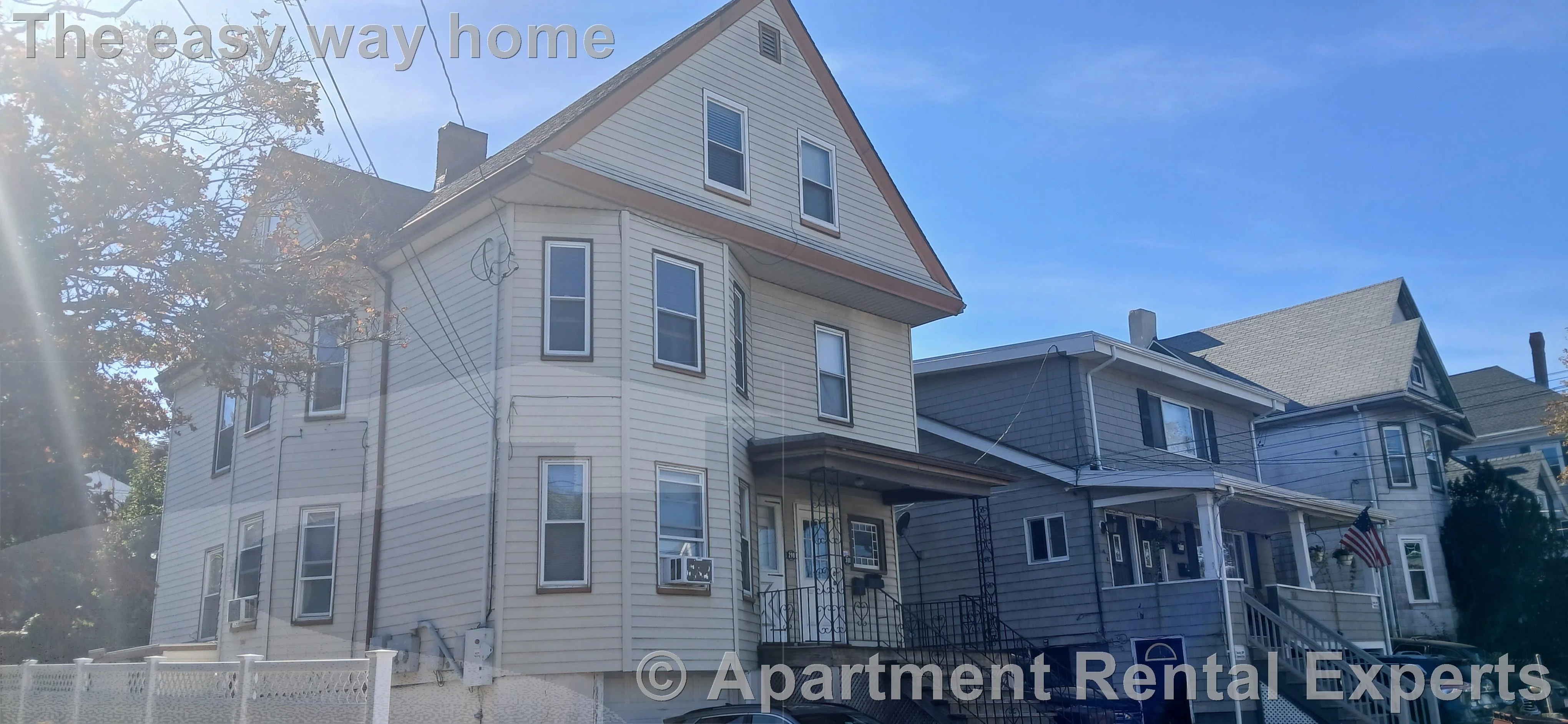
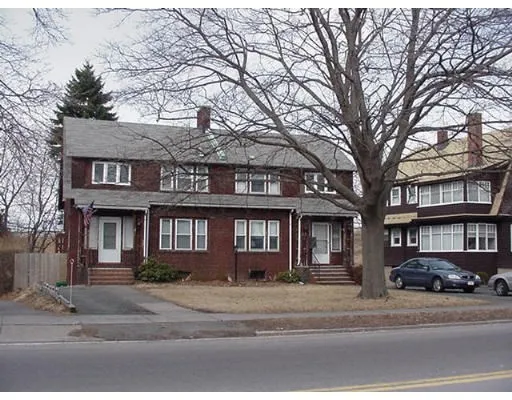
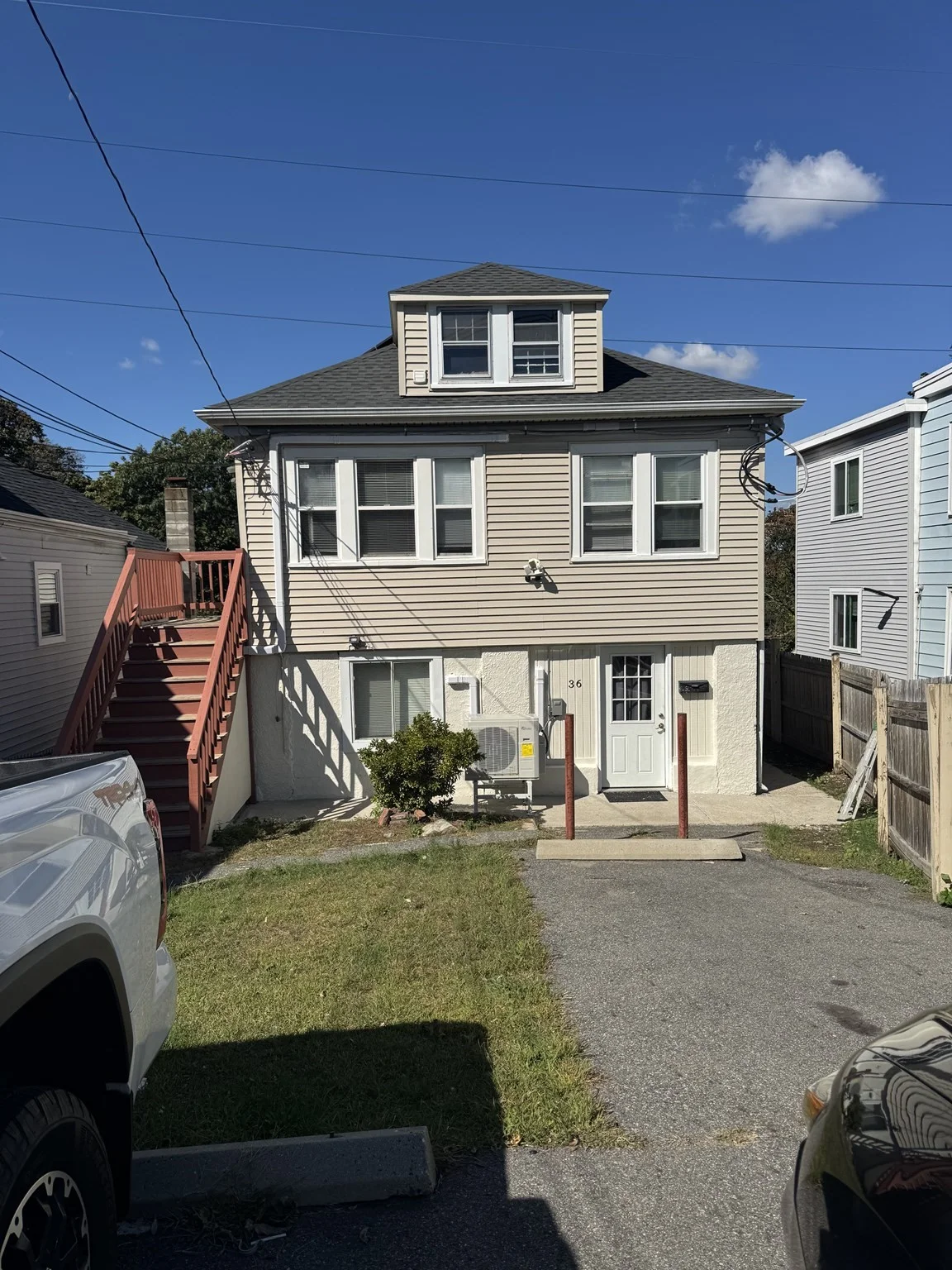
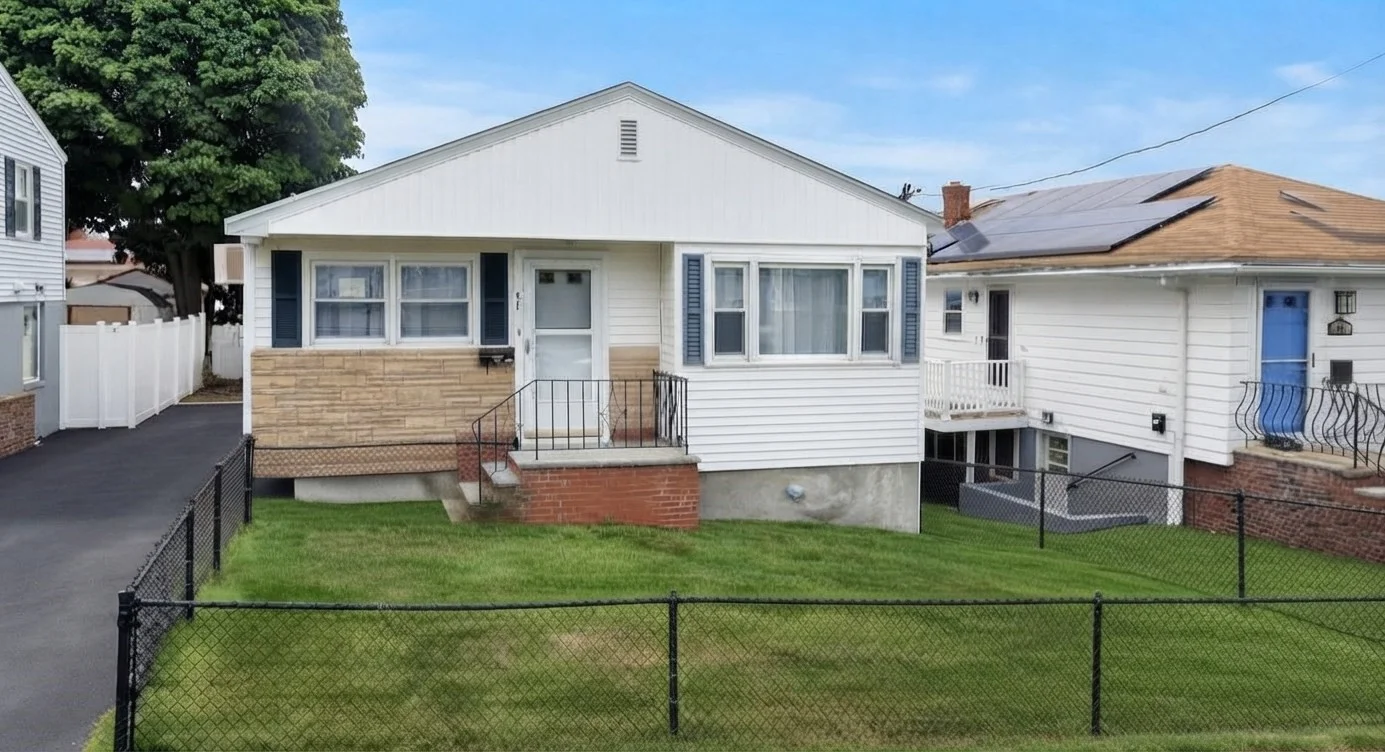
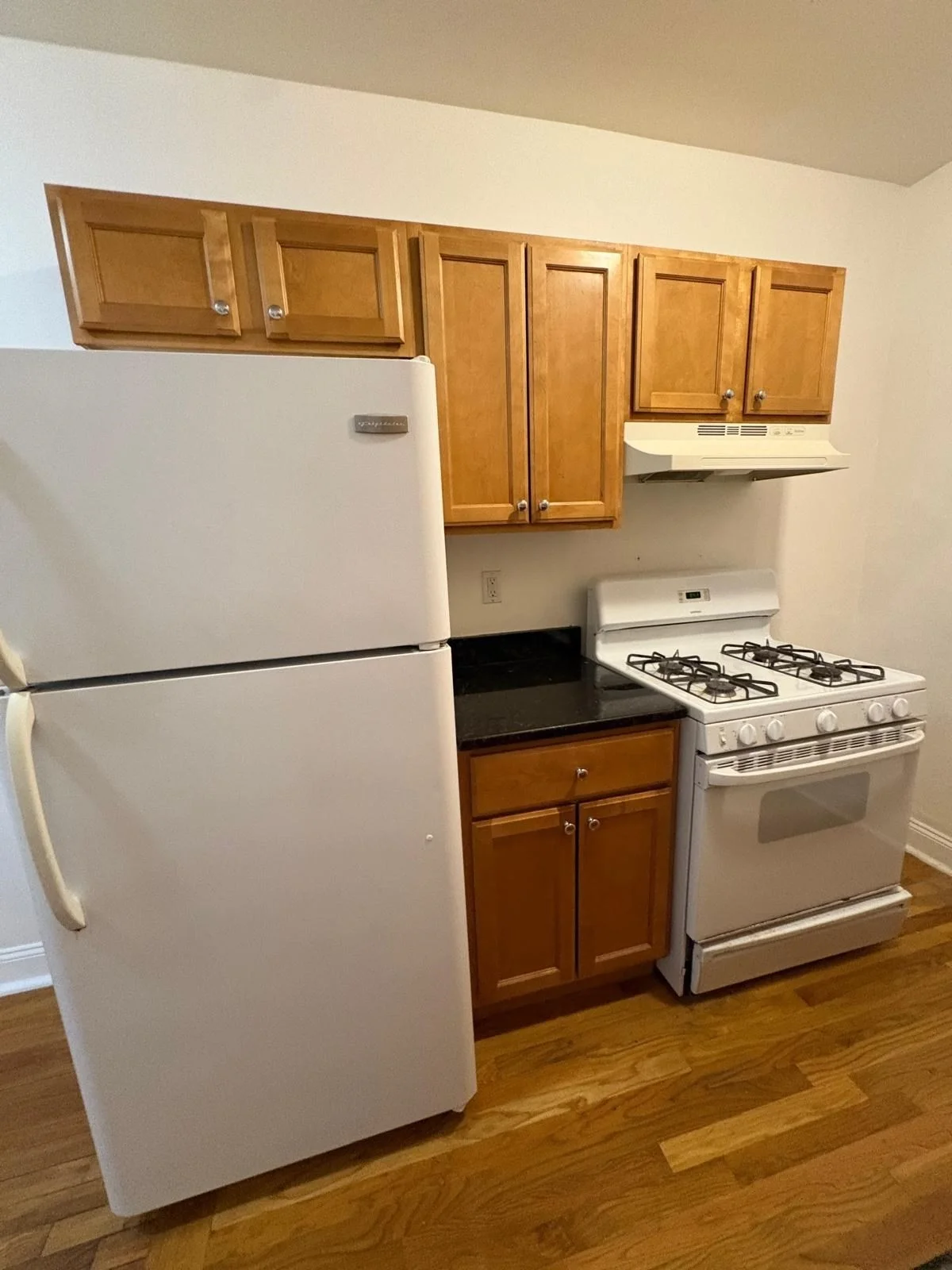
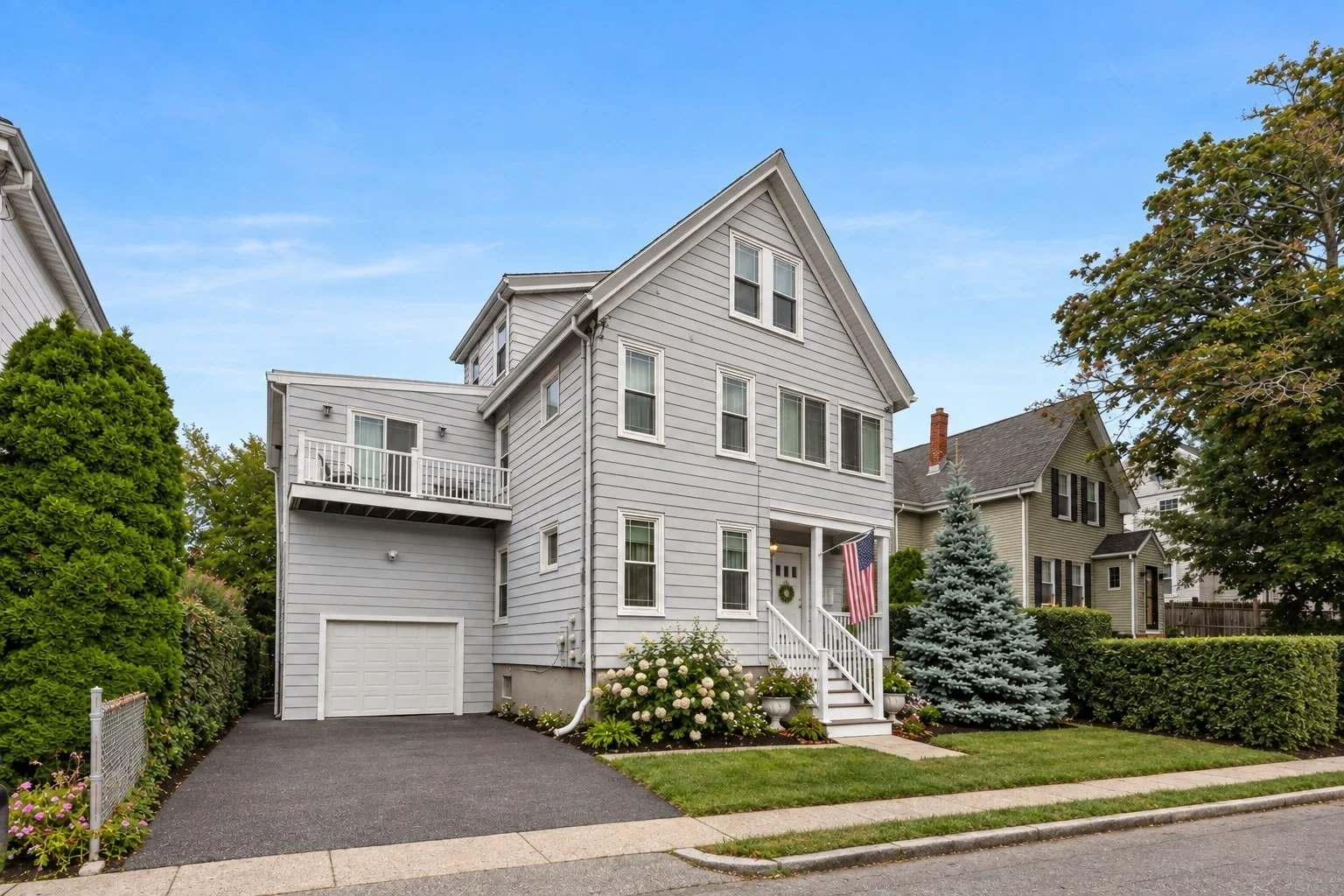
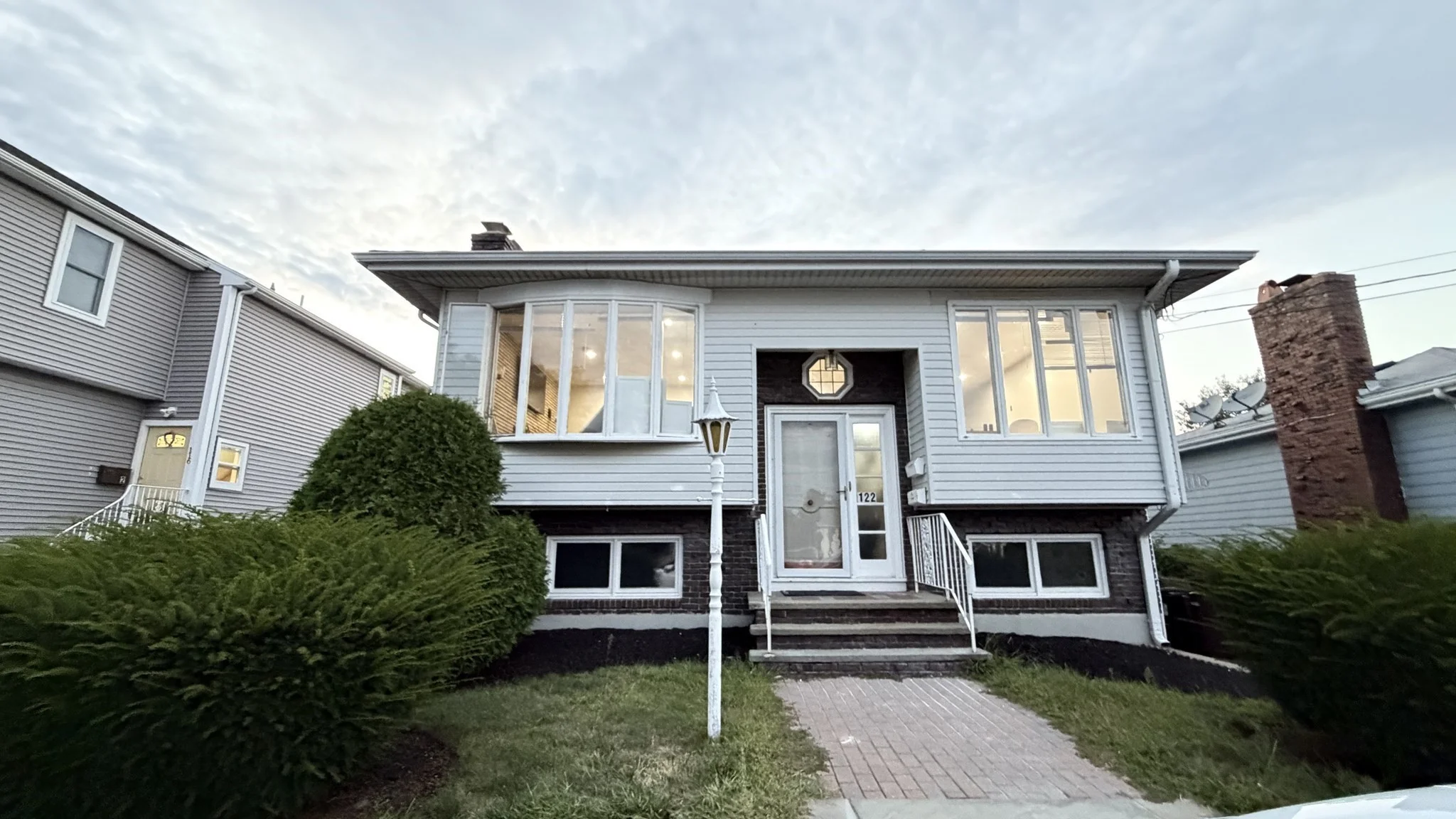
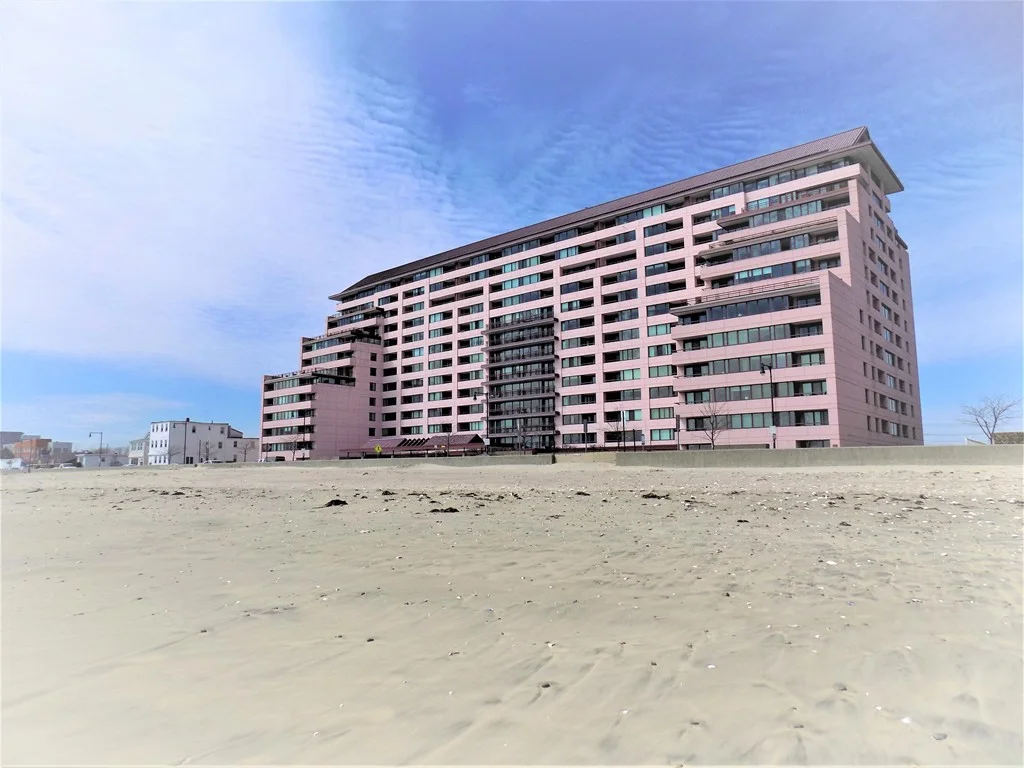
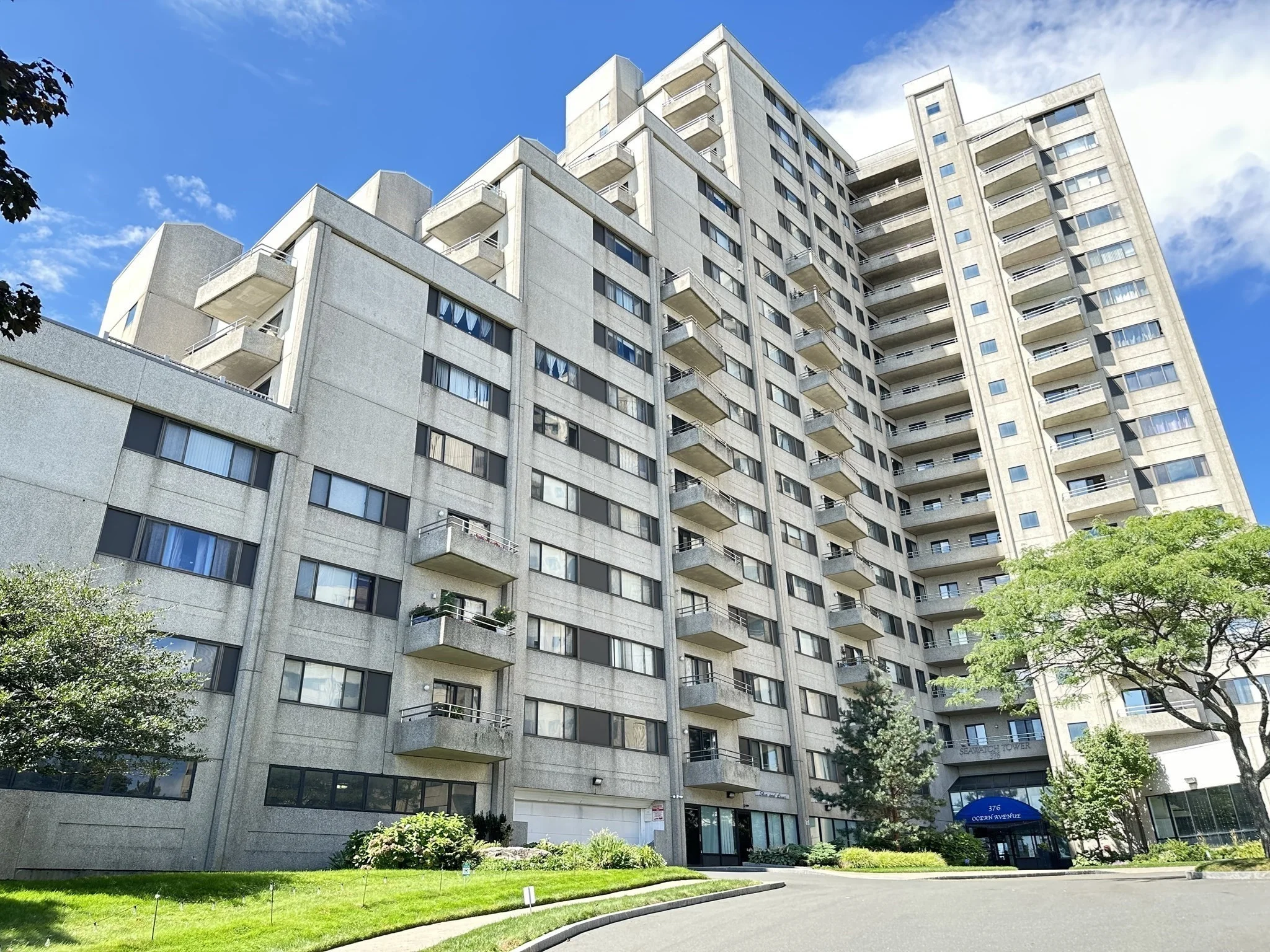
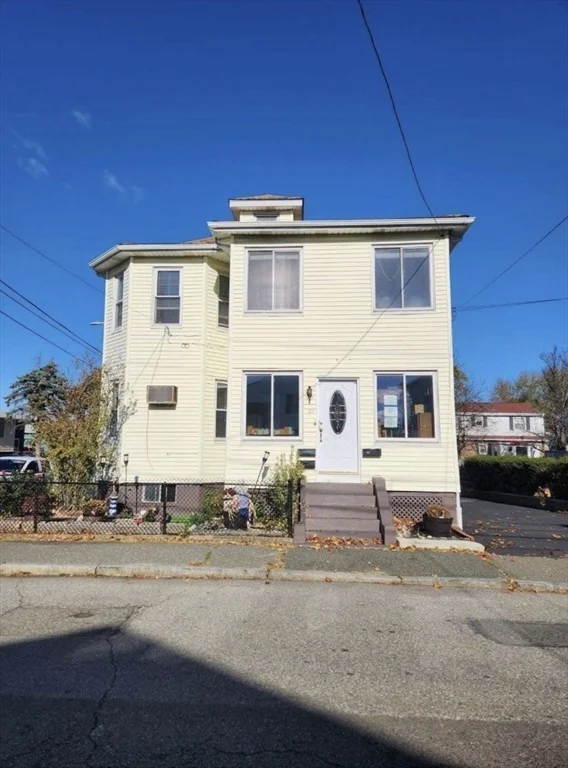
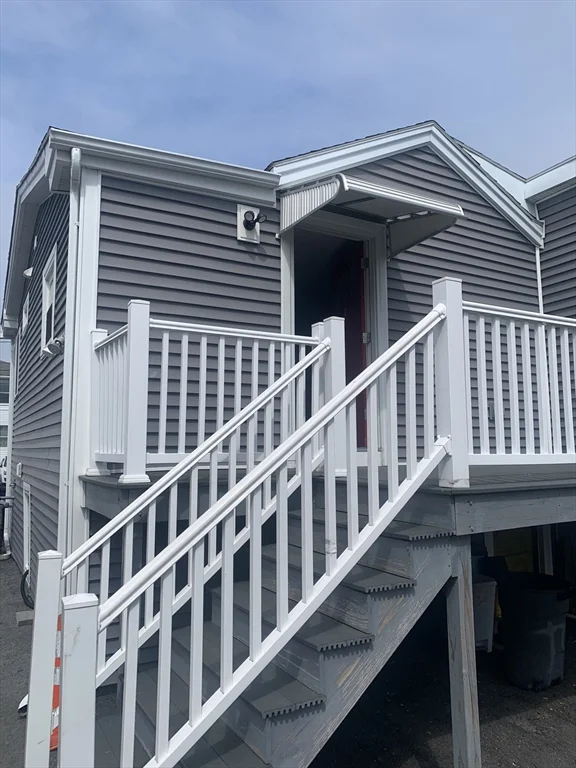
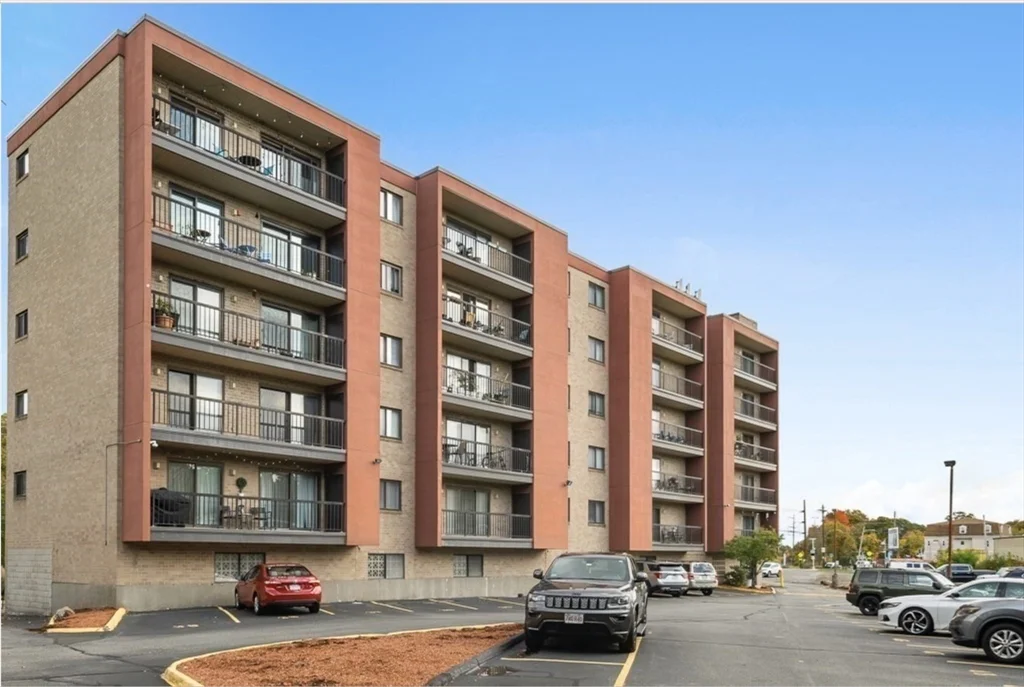
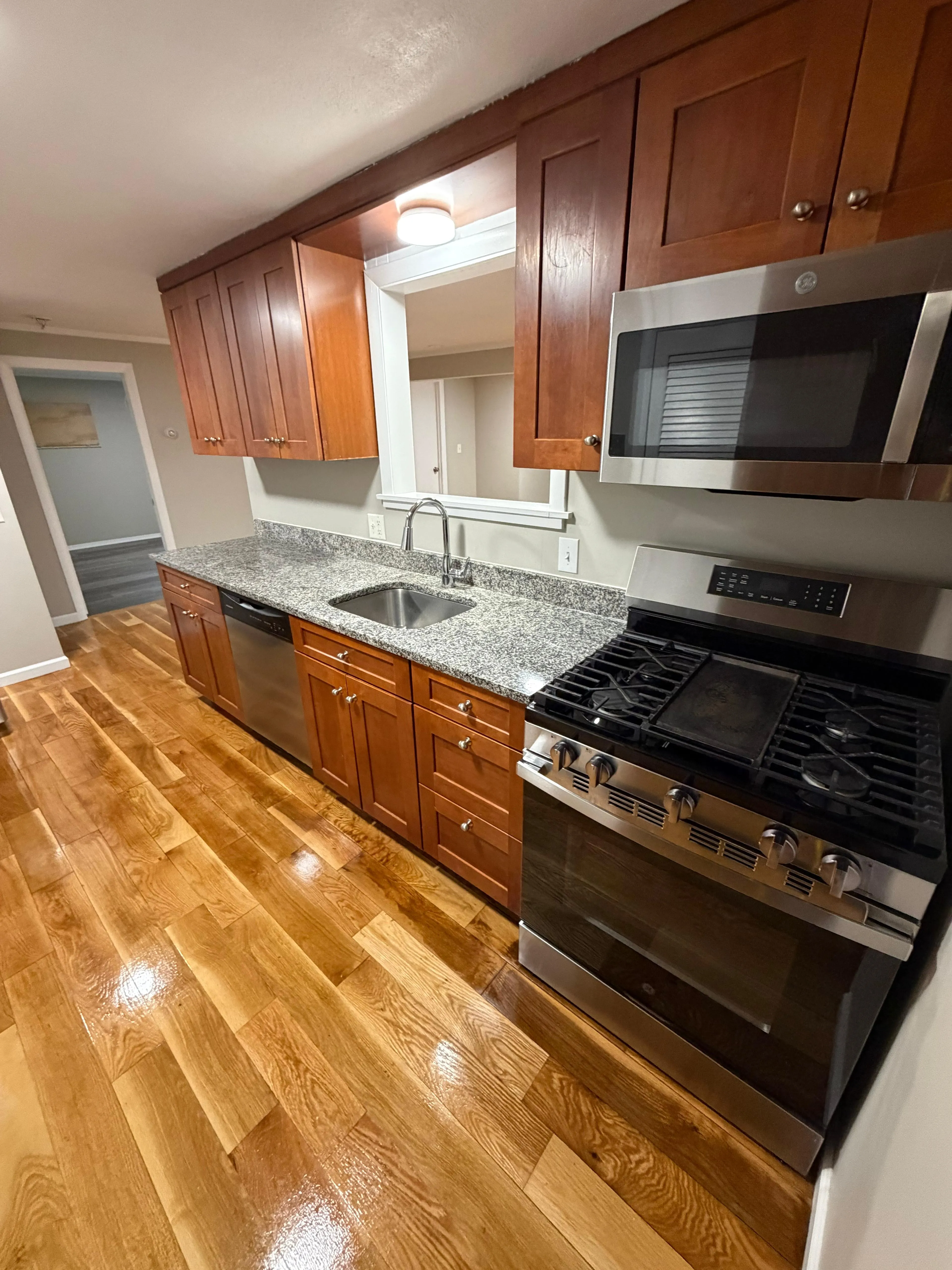
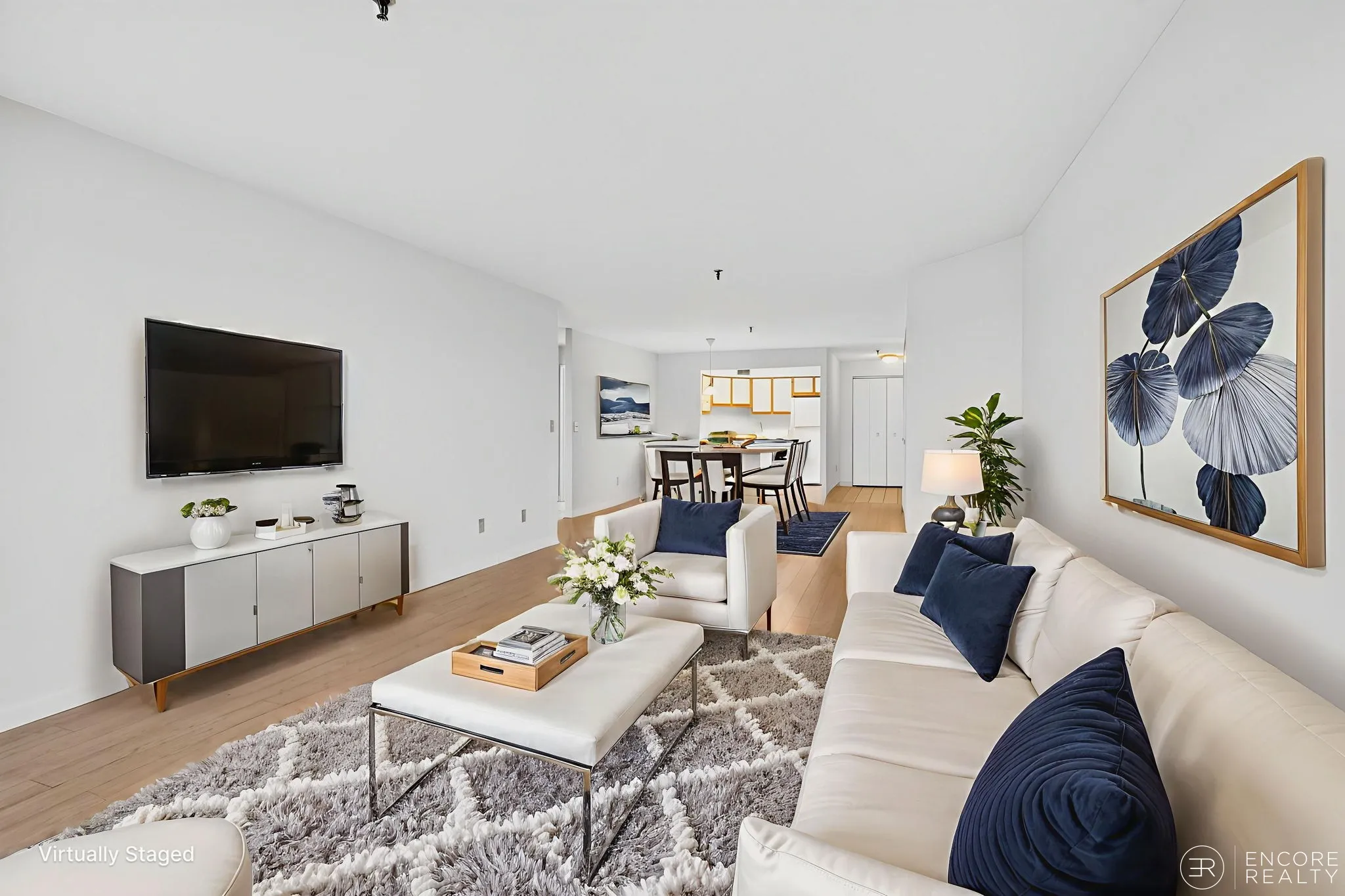
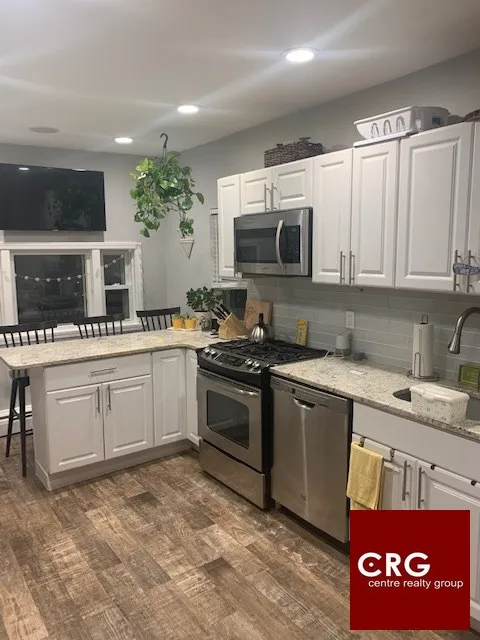
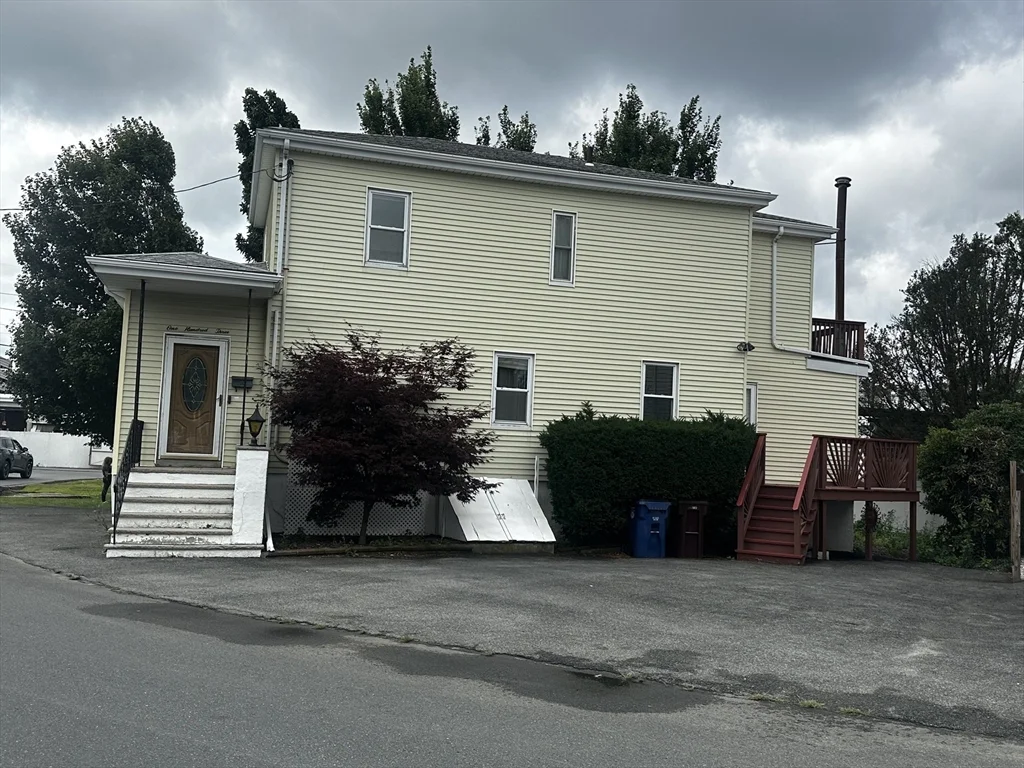
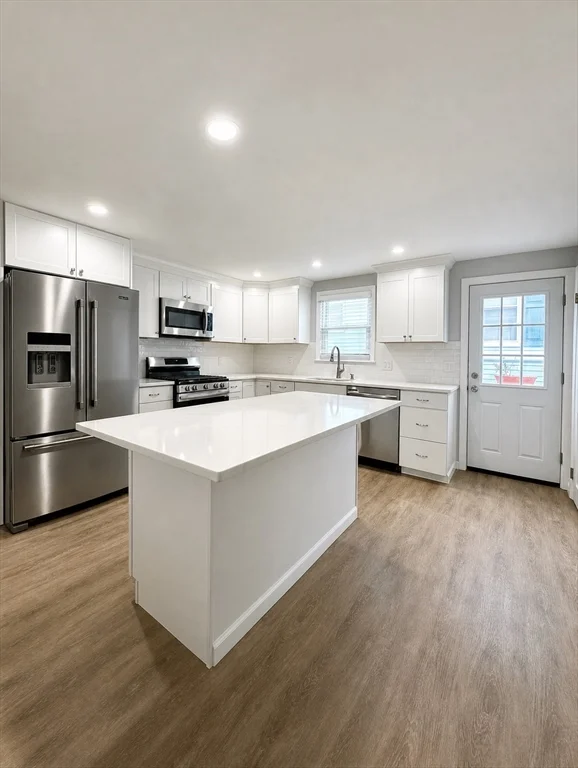
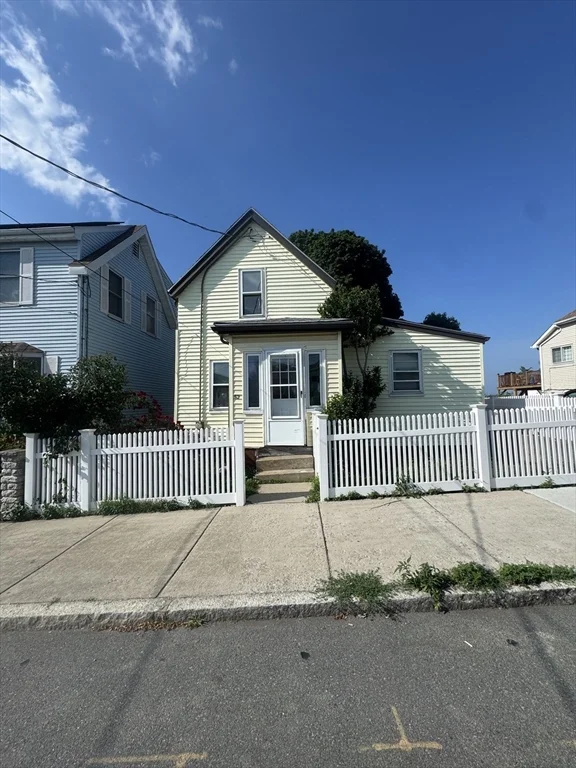
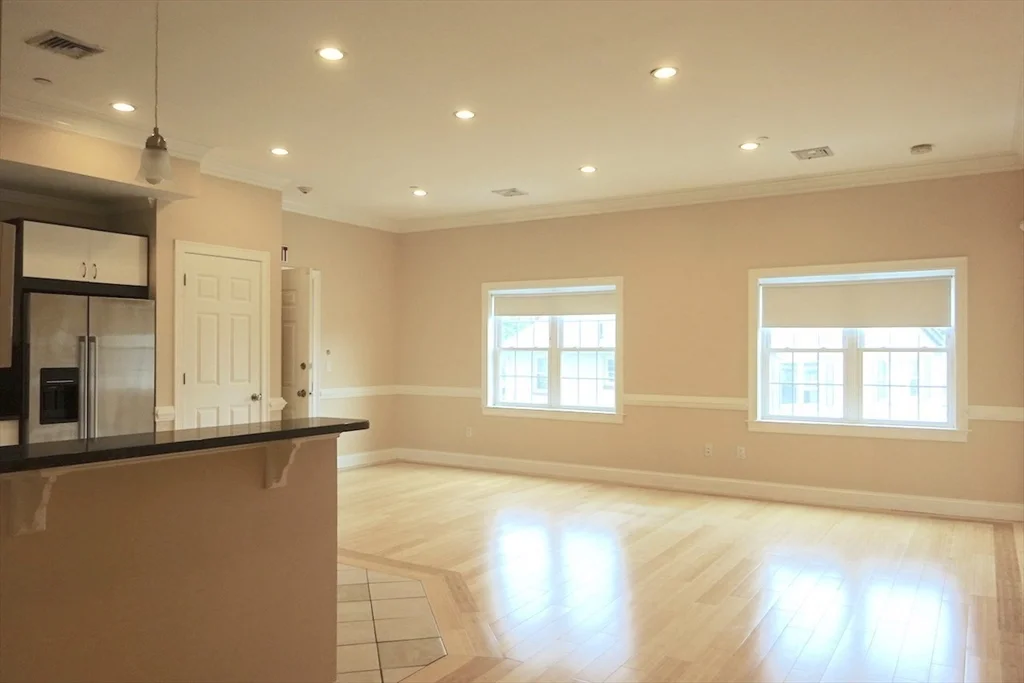
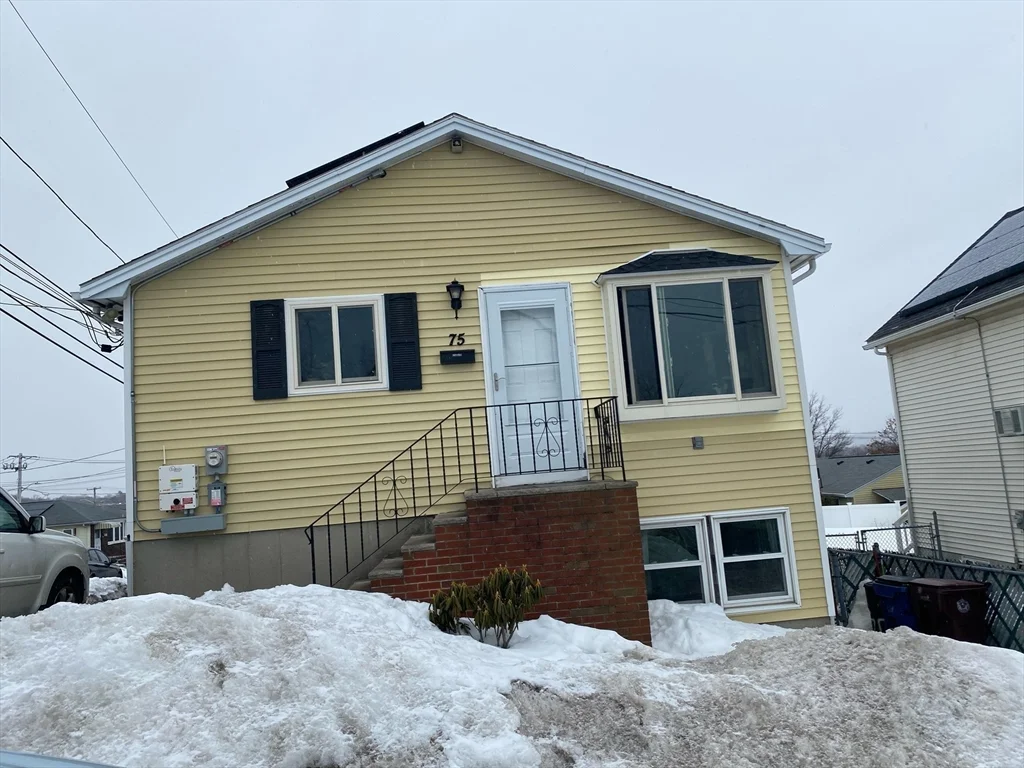
The rental stock is mostly two-family houses, with three-families and small four-to-nine-unit buildings filling in. What makes Revere unusual for a suburb is the number of larger buildings: a few dozen properties here have fifty units or more, and most of those sit along the beachfront, so elevator access and step-free entry are realistic here in a way they are not in most towns north of Boston.
Inventory follows the Greater Boston September 1 cycle, so listings are widest from April through July, though the beachfront buildings turn over more evenly through the year than the two-family stock does.
Spot Easy lists Revere apartments from verified agents, with each listing's available date, filters for bedroom count, bathrooms, pets, parking, laundry, elevator access and no-broker-fee listings, and photos on every unit, with a video walkthrough on some. Average asking rents across Greater Boston by bedroom count are published monthly in the Spot Easy Rent Index. East Boston, Chelsea, Malden, Lynn and Winthrop apartments all border Revere.
FAQ about Revere Apartments for Rent
Where is Revere, MA?
Revere is a coastal city in Suffolk County directly northeast of Boston, bordered by Winthrop and East Boston to the south, Chelsea and Everett to the southwest, Malden to the west, Saugus to the north and Lynn to the northeast. Its eastern edge is roughly three miles of Atlantic shoreline along Revere Beach, and the Pines River forms the northern boundary. The city is compact enough that most addresses sit within about a mile of a Blue Line station. It divides into recognizable areas that listings are usually named for rather than the city alone: Beachmont in the south, Point of Pines and Oak Island at the northern tip, the Shirley Avenue strip near Revere Beach station, Revere Center along Broadway, and West Revere toward the Malden line. Knowing which of those you are looking at tells you more than the rent does.
Is Revere a good place to rent an apartment?
Revere's main practical advantage is rapid transit, which very few places this far from downtown Boston have. Three Blue Line stations sit inside the city, so a car-free commute is genuinely workable rather than theoretical, and the ride to State or Government Center is in the low twenties of minutes. The beach is a second draw, and the beachfront buildings mean elevator apartments with on-site laundry are available here in a way they are not in most towns north of Boston, including Malden. The trade-offs are real: the inland neighborhoods lean on buses rather than the subway, peak-hour driving on Route 1A and Route 1 is unpredictable, and the two-family stock that makes up most of the city generally means stairs and tenant-paid heat. Compare a listing's walking distance to a station before you compare rents.
Which Revere neighborhoods should I search?
Start from which Blue Line station you want to walk to. Beachmont sits in the south around its own station, largely residential, with streets running up from the water; it is also where the Suffolk Downs redevelopment is adding new buildings directly beside the station. The blocks around Revere Beach station include the Shirley Avenue commercial strip, a walkable stretch of specialty markets, bakeries and restaurants. Wonderland at the northern end has the largest concentration of bigger buildings and the most direct beach access, and doubles as a bus hub. Point of Pines and Oak Island sit furthest north by the Pines River, quieter and mostly smaller houses, with a private beach club and yacht club at Point of Pines. Revere Center along Broadway and West Revere toward Malden are further from the subway and rely more on buses.
How is transit access in Revere?
Revere has three Blue Line stations inside the city — Beachmont, Revere Beach and Wonderland — with Suffolk Downs just across the East Boston line. That is unusual at this distance from downtown and it is the single biggest reason to search here. The Blue Line reaches State and Government Center in the low twenties of minutes and connects to the Orange, Green and Red lines downtown, plus the commuter rail at North Station via Haymarket. Bus routes 110, 116, 411, 426 and 450 cover the parts of the city away from the beach and run to Malden, Chelsea, Wonderland and Salem; route 411 has the widest coverage within Revere itself. Wonderland is also a bus hub, so the inland neighborhoods usually connect to the subway there rather than walking to a station. Because all three stations sit on the same line, the choice between them comes down to walking distance from your street rather than service level.
What is it like to commute from Revere to Boston?
For most renters the Blue Line is the answer. From Wonderland, Revere Beach or Beachmont the ride to State or Government Center is short and frequent, with downtown transfers to the Orange, Green and Red lines and a one-stop hop to East Boston, and it is the most predictable option at peak times. Buses run toward Haymarket and Maverick as an alternative, and Wonderland is where most inland bus routes meet the subway. Driving uses Route 1A or Route 1 and varies a great deal with traffic, so it is often slower than the train in the morning peak even though the distance is short. Logan Airport is close enough that many renters here treat it as a short trip rather than a drive, which also makes Revere practical for shift work at the airport. Check each listing's distance to a station, since it varies more than the neighborhood name suggests.
What kinds of buildings are Revere apartments in?
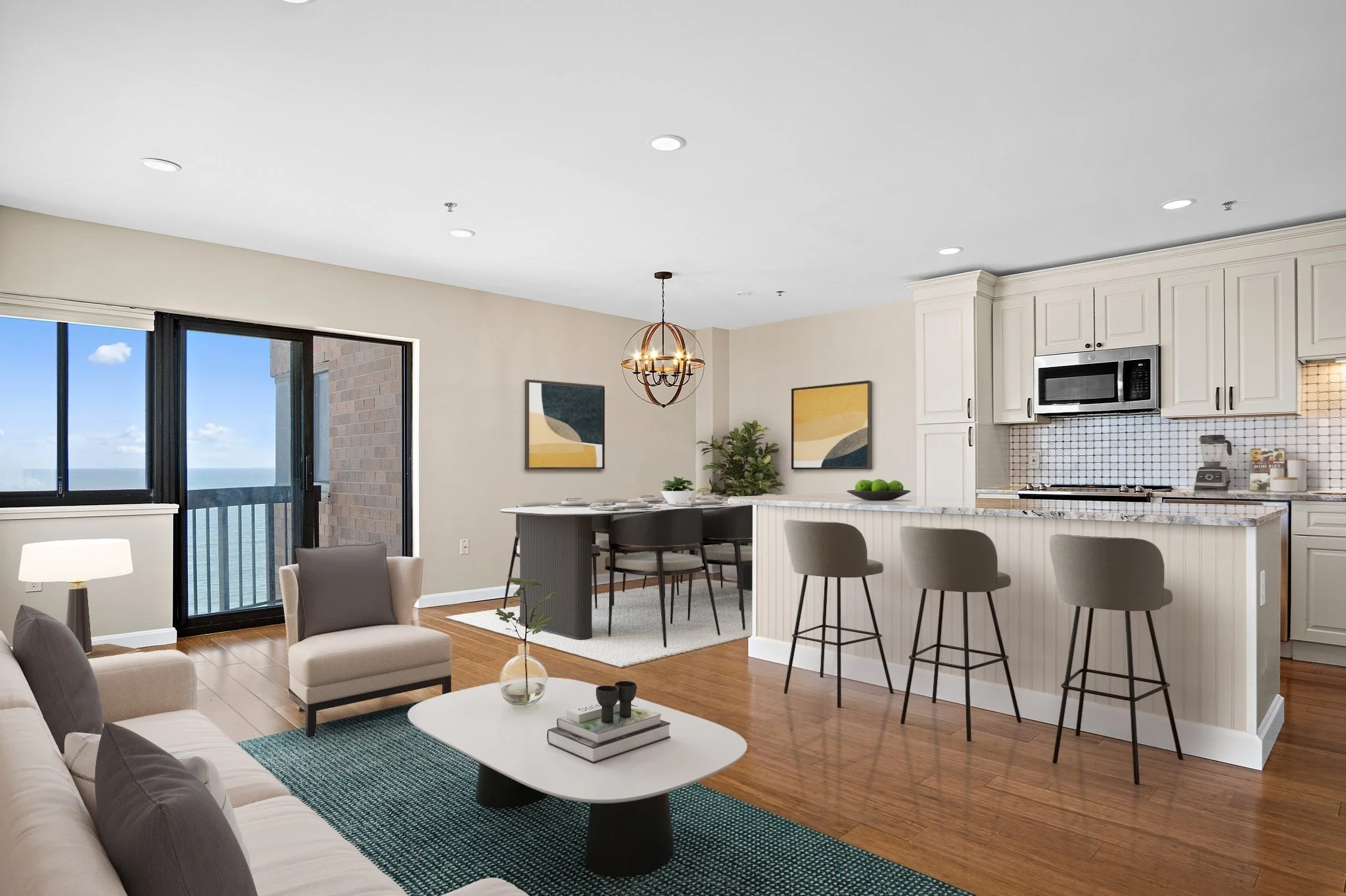
Two-family houses are the most common building type in Revere by a clear margin, followed by small four-to-nine-unit buildings and three-family houses. What makes the city unusual for a suburb is the number of larger buildings: a few dozen properties here have fifty units or more, and most of those sit along the beachfront near Revere Beach and Wonderland. The Suffolk Downs redevelopment beside Beachmont station is adding more, with further residential buildings and a hotel planned. That split matters practically. A floor of a two-family house inland — the same stock that dominates Chelsea — usually means stairs, tenant-paid heat and street or driveway parking, while a beachfront or newly built apartment is where elevator access, step-free entry, on-site laundry and structured parking are realistic. Filter for the amenities you need rather than inferring them from the neighborhood or the rent.
What sizes of apartment are most common in Revere?
Two-bedroom and three-bedroom apartments make up most of what lists in Revere, which follows directly from a housing stock dominated by two- and three-family houses rented by the floor. One-bedrooms are available in steady numbers, largely in the bigger beachfront buildings, and studios are the hardest size to find here. Where you search should therefore follow the size you need: for a studio or one-bedroom, concentrate on the beachfront corridor near Revere Beach and Wonderland stations, where the managed buildings are; for three or more bedrooms, the inland two- and three-family streets around Revere Center and West Revere will give you more to compare, as will Lynn further up the coast. Filter by bedroom count first and narrow by walking distance to a station second, since that ordering saves the most time in a city this compact. The split is geographic as well as structural, so the size you need largely decides which part of Revere you end up searching.
What is Revere, MA known for?
Revere Beach, which opened on 12 July 1896 as the first public beach in the United States. It was the first ocean beach in the country acquired specifically for public recreation and became one of the earliest properties in Boston's Metropolitan Park System, laid out by the landscape architect Charles Eliot. The reservation is managed today by the Massachusetts Department of Conservation and Recreation and still has its bathhouse pavilions along Revere Beach Boulevard. The city also hosts the Revere Beach International Sand Sculpting Festival each July, a free event now in its twenty-second year that draws master sculptors and closes with fireworks. Further inland, the former Wonderland and Suffolk Downs sites are under redevelopment, and the Rumney Marsh Reservation covers the marshland along the northern edge of the city. For renters the beach is not just an amenity but a planning factor, since the streets nearest it fill with visitor parking on summer weekends.
Is Revere Beach open year-round?
Revere Beach is open daily year-round from dawn to dusk. Lifeguards are on duty during the summer season only, so swimming outside those months is unsupervised. The beach is managed by the Massachusetts Department of Conservation and Recreation, and the reservation includes the bathhouse pavilions and the walkway running the length of Revere Beach Boulevard. It sits directly alongside the Blue Line, with Revere Beach and Wonderland stations both on the reservation's edge, which is why a large share of listings in that corridor are within a short walk of both the water and the train. Parking along the boulevard is seasonal and fills quickly on summer weekends, and it fills earliest during the sand sculpting festival in July, so a unit within walking distance is worth more than it looks on a map.
When should I start looking for an apartment in Revere?
Revere follows the Greater Boston September 1 cycle, so inventory is widest between April and July and thinnest in late winter. Searching in late May or June gives the widest choice for a September start, and by August what remains is thin. The beachfront buildings are a partial exception: because they are managed properties rather than owner-held houses, they turn over more evenly through the year, so an off-season search is considerably more productive there than on the inland two-family streets. New buildings coming out of the Suffolk Downs redevelopment near Beachmont also lease on their own schedule rather than the September cycle. Whatever the season, set an alert for your bedroom count and the station you want to walk to, since well-placed units near the Blue Line move quickly once posted. Widening the search to East Boston along the same Blue Line is usually productive, since it shares both the line and the September cycle.
How do I find no-broker-fee apartments in Revere?
Apply the no-broker-fee filter, which limits results to listings an agent has specifically marked as carrying no tenant-paid fee. Fee terms are set per listing rather than per neighborhood or per building, so the filter is more reliable than any assumption about where no-fee apartments cluster. The larger managed buildings along the beachfront have in-house leasing staff and lease without a tenant-paid fee more often than owner-held two-family houses do, so that corridor is usually the more productive place to start, as are the newly built units near Beachmont on the East Boston line. Where a fee does apply it is most often one month's rent, on top of first month, last month and a security deposit. If a listing does not state its fee terms, treat them as unconfirmed and ask the agent directly rather than assuming there is no fee.
What documents do I need to rent an apartment in Revere?
Expect photo ID, recent pay stubs or a signed offer letter, and references from a prior landlord. The managed beachfront buildings run formal credit and income screening and may take a day or two to decide, often asking for annual income at a multiple of the monthly rent. The owner-held two- and three-family houses that make up most of the city are frequently decided by the owner directly and can move within hours, so a complete file matters more than a fast response. First month, last month and a security deposit are typically due at signing, and Massachusetts caps a security deposit at one month's rent. The deposit must be held in a separate interest-bearing account at a Massachusetts bank, and you are owed a receipt within 30 days naming the bank and the account.