


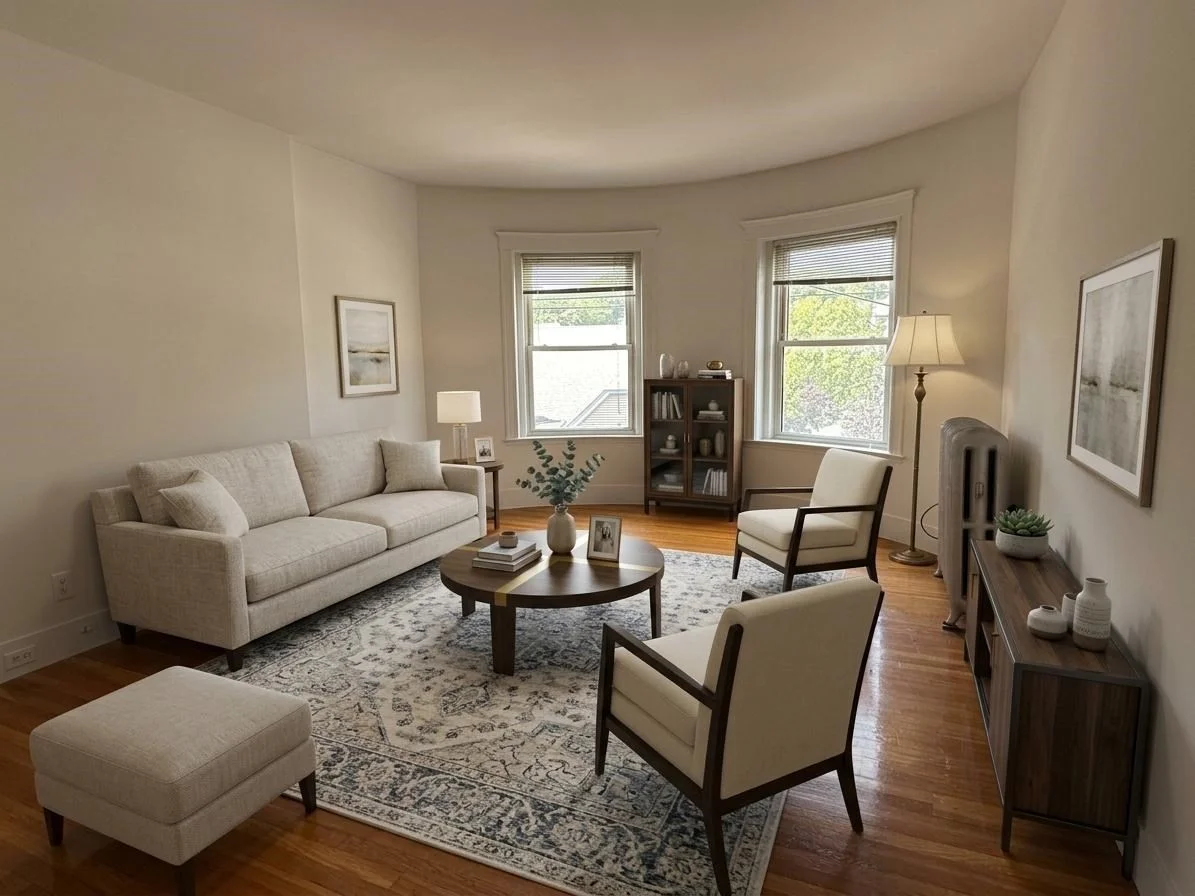
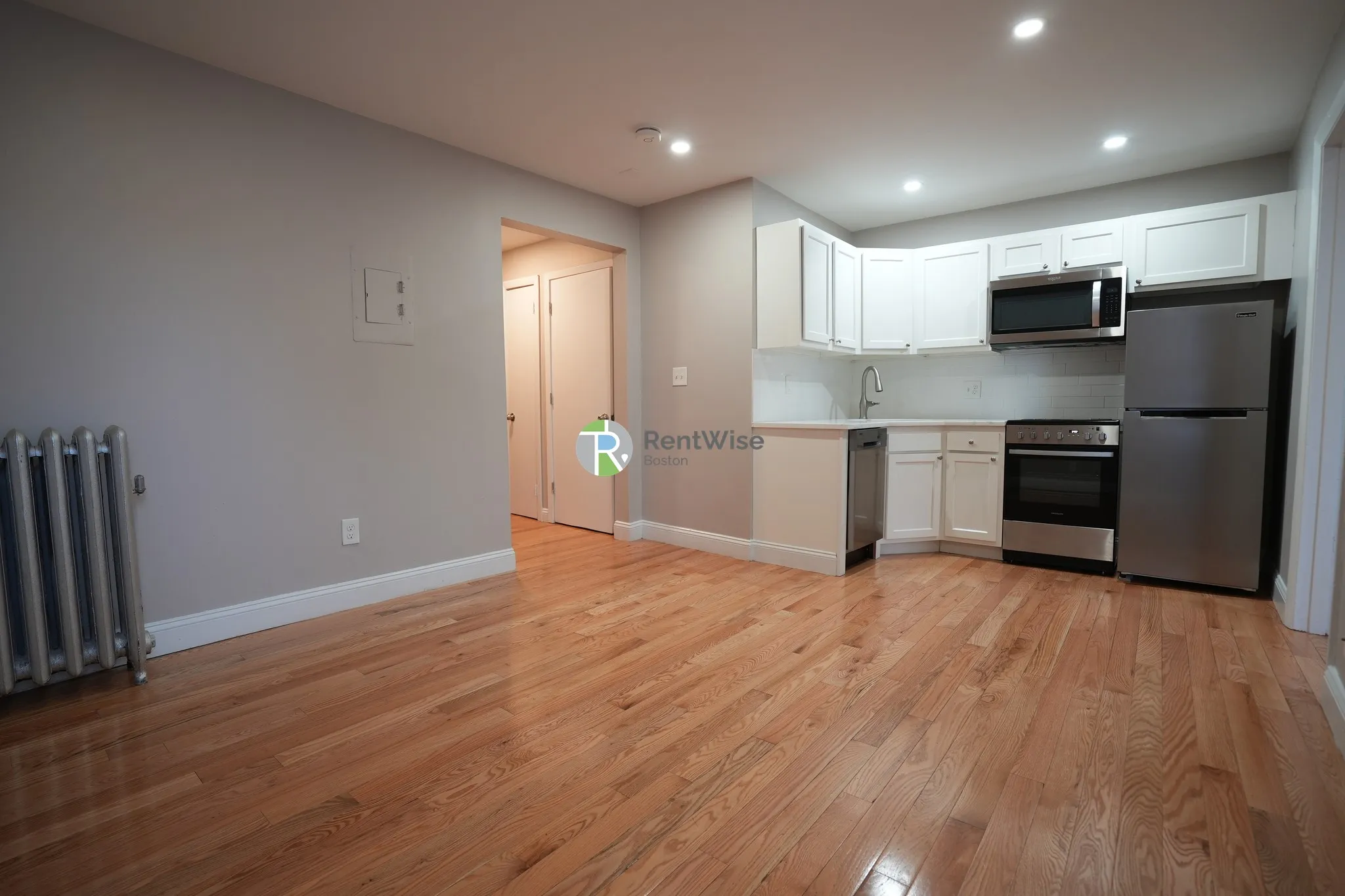

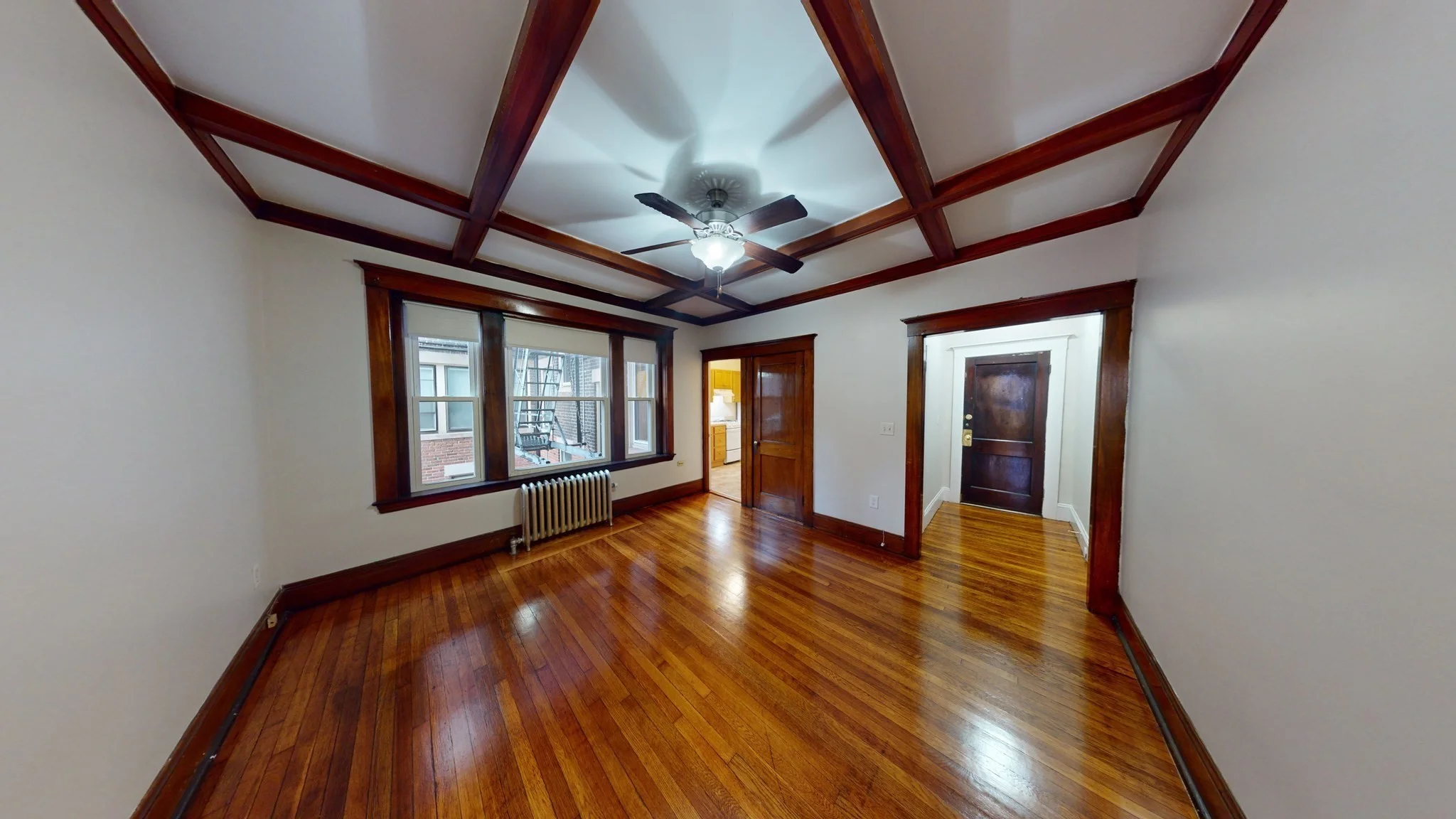
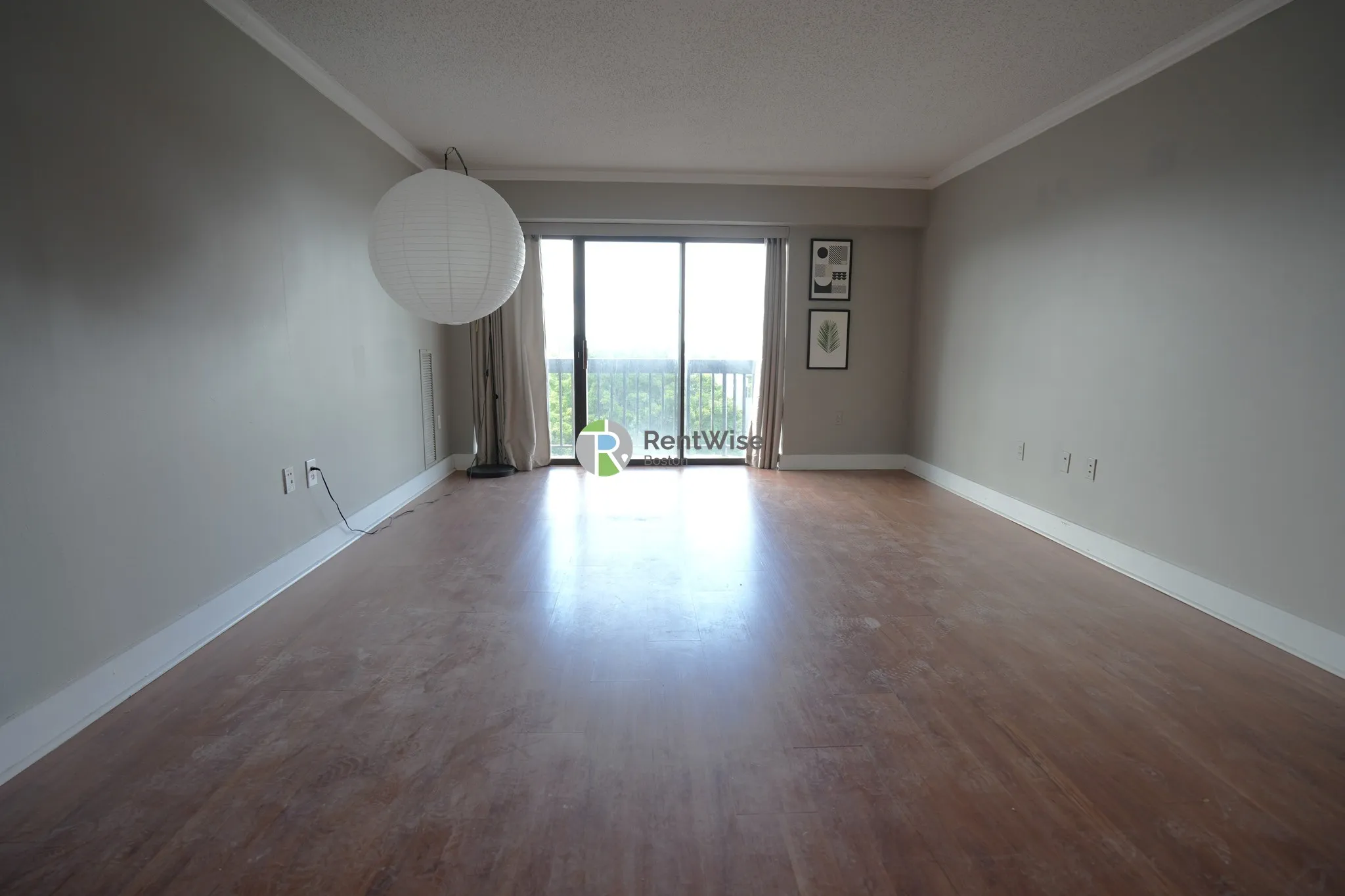





Average rent in Allston
As of August 2026, active listings on Spot Easy, each posted by verified agents.
| Size | Average |
|---|---|
| studio | $2,108 |
| 1-bedroom | $2,637 |
| 2-bedroom | $3,372 |
| 3-bedroom | $3,568 |
| 4+ bedroom | $4,871 |
About Allston
Allston sits on the Boston side of the Charles River, wedged between Brighton to the west and the Boston University campus to the east, and it rents below both the city and the region. The Spot Easy Rent Index put the average asking rent for an Allston one-bedroom at $2,637 in August 2026, against $2,928 across Boston and $2,863 across Greater Boston. The more typical listing asks $2,500, so a smaller number of higher-end units lifts the average above what most one-bedrooms are actually listed at. Studios averaged $2,108 and three-bedrooms $3,568, both under the equivalent Boston figures; only at four or more bedrooms does Allston edge above the city.
Transit here is the Green Line B branch and nothing else. Six stations sit inside the neighborhood — Packard's Corner, Babcock Street, Amory Street, Harvard Avenue, Griggs Street and Allston Street — running in the median of Commonwealth Avenue with street-level stops. There is no Red, Orange or Blue Line service and no commuter rail station in Allston at all; the nearest is Boston Landing, over the line in Brighton, on the Worcester route.
Allston is compact enough to search as one market, but it reads differently along its length. The blocks nearest Packard's Corner sit closest to Boston University and the Fenway side of the river, while the western end runs into Brighton around Harvard Avenue. Brookline borders it to the south and Cambridge is directly across the river.
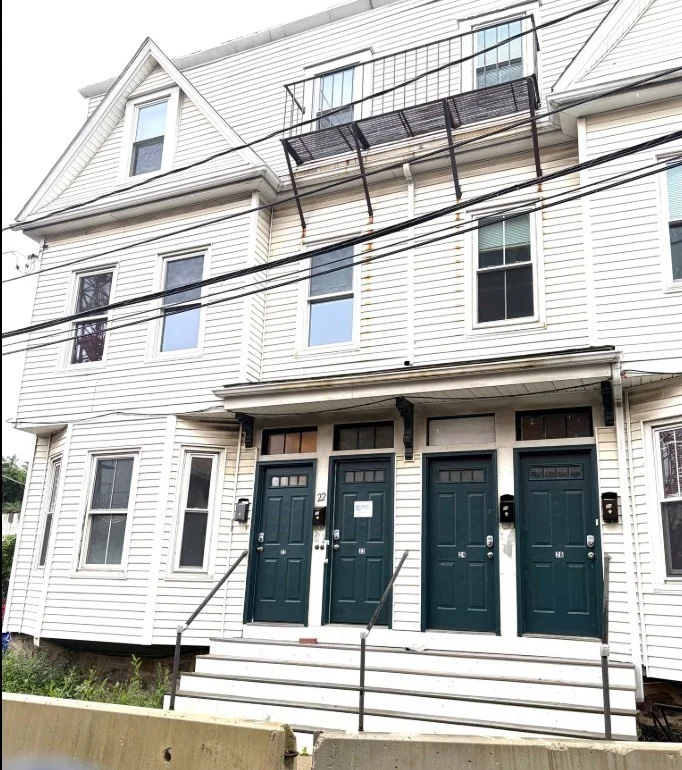
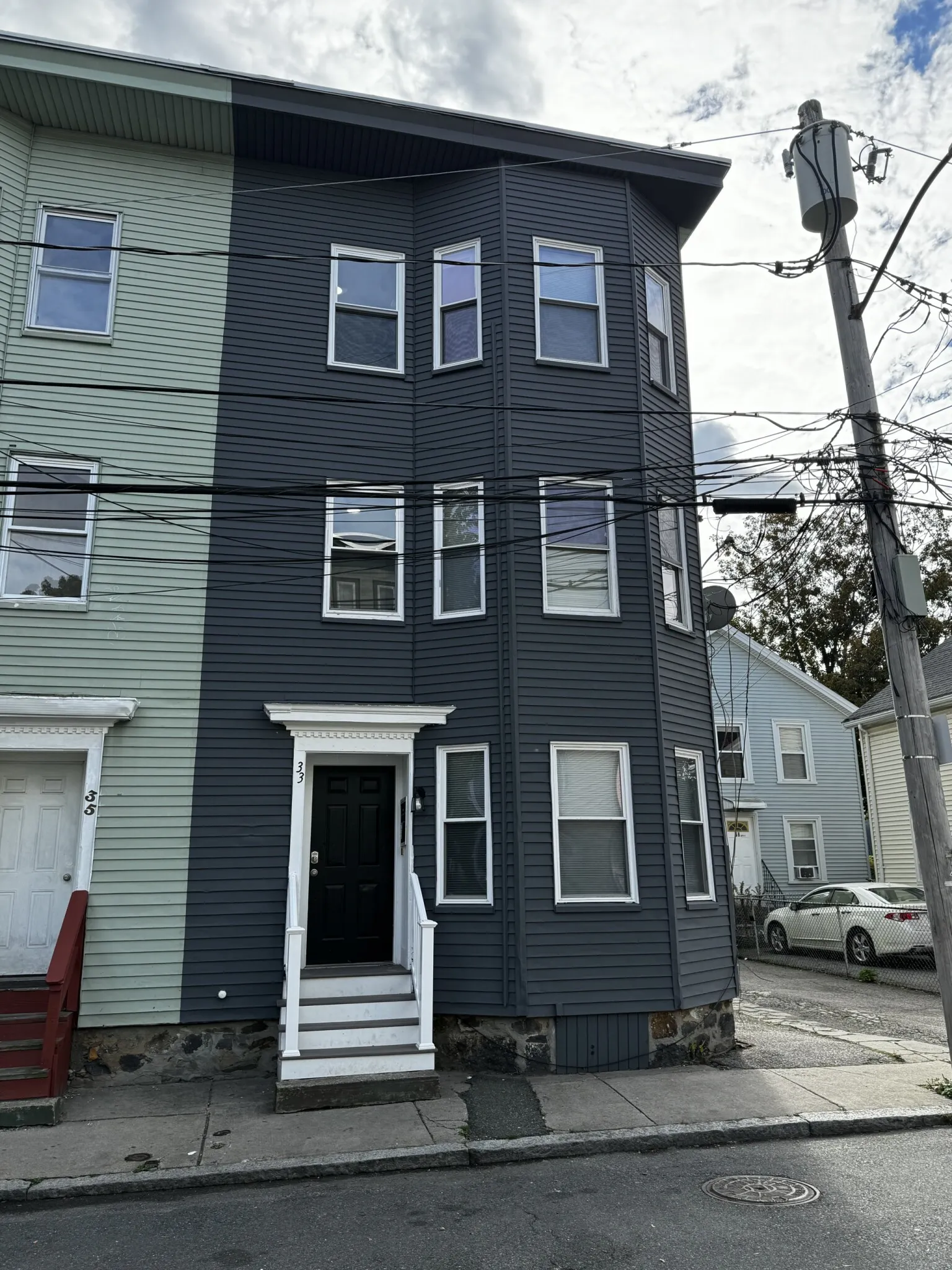
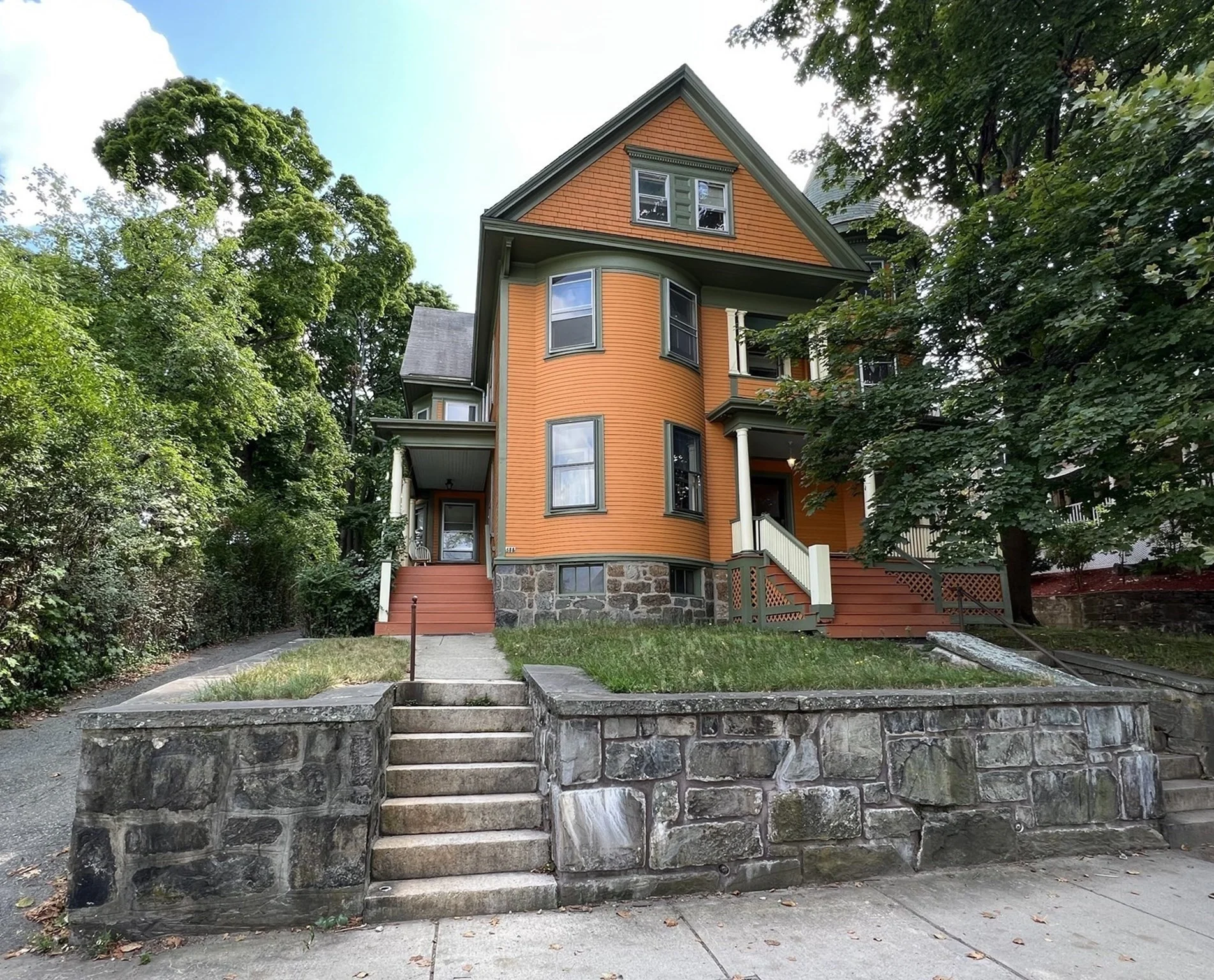
Just over a third of Allston properties listed on Spot Easy with a known unit count are two- or three-family houses, but nearly three in ten sit in buildings of ten units or more — a higher share of larger buildings than Brighton or Coolidge Corner. That mix means elevator access, in-building laundry and on-site management are realistic here without leaving the neighborhood, which is not true everywhere nearby. A quarter of properties sit in buildings of four to nine units, which is where most of the middle of the market is.
Lease starts concentrate on September 1 more sharply in Allston than in most of the region, and inventory for that date builds from early spring.
Spot Easy lists Allston apartments from verified agents, with filters for no-fee listings, parking, laundry and pet policy. Published averages by bedroom count are on the Spot Easy Rent Index.
FAQ about Allston Apartments for Rent
What is the average rent in Allston?
In August 2026 the average asking rent in Allston is $2,108 for a studio, $2,637 for a 1-bedroom (+$137 higher than the median), $3,372 for a 2-bedroom, $3,568 for a 3-bedroom and $4,871 for a 4+ bedroom. Those figures come from active listings on Spot Easy, and we recalculate them each month.
How much should I budget for an apartment in Allston?
Most 1-bedrooms in Allston rent for about $2,637 a month — the more typical (median) price is $2,500. Studios average $2,108, 1-bedrooms average $2,637 and 2-bedrooms average $3,372. Budget toward the average — a handful of pricier units pull it above what most listings actually ask.
Are rents going up in Allston?
The median 1-bedroom in Allston is $2,500 in August 2026, up 4.4% from $2,395 in August 2025. We hold 15 months of Allston rent history, built from our own listings.
Is it cheaper to split a 2-bedroom in Allston than rent a studio?
Usually, yes. A 2-bedroom in Allston splits to about $1,686 each, against $2,108 for a studio. That saves roughly $422 a month, or 20%.
How does Allston rent compare with nearby neighborhoods?
For a 1-bedroom, the average in Allston is $2,637, next to Brighton at $2,463, Back Bay at $3,574 and Cambridge at $2,975. These cover the same bed size in the same month, and we only include areas with comparable data available.
Brighton apartments · Back Bay apartments · Cambridge apartments
Is Allston one rental market or several?
Effectively one, which makes it simpler to search than most Boston neighborhoods. Allston is compact and served along its whole length by a single Green Line branch, so the usual trade-off between price and distance from a station is much flatter here than in a place like Brighton. What variation exists runs east to west: the blocks around Packard's Corner sit closest to Boston University and the river crossings toward Cambridge, while the western end around Harvard Avenue and Allston Street runs into Brighton and feels more residential. The Rent Index prices Allston as a single scope rather than splitting it, which reflects that. Practically, you can search the whole neighborhood at once and judge building type from the photos instead of working sub-area by sub-area, which is the reverse of how you would approach Brighton or Cambridge. The one variable genuinely worth mapping first is which end of Commonwealth Avenue you want, because that decides your walk and your journey time more than the address itself does.
Which Green Line stops are in Allston?
Six, all on the B branch, confirmed against the MBTA's own route data: Packard's Corner, Babcock Street, Amory Street, Harvard Avenue, Griggs Street and Allston Street. They run in the median of Commonwealth Avenue with street-level platforms, which means short walks from most of the neighborhood but slower journeys than a grade-separated line, because the B shares road space and stops frequently. There is no Red, Orange or Blue Line service anywhere in Allston. If your destination is on one of those, plan for a change downtown and count the B branch portion realistically rather than by map distance — the ride into the center takes longer than the mileage suggests. For many renters that trade is the point: the B branch is why Allston prices below the Boston average. A one-bedroom here averaged $2,637 in August 2026 against $2,928 across Boston, and the slower ride is a large part of that gap.
Can I reach a commuter rail station from Allston?
Not without leaving the neighborhood. Allston has no commuter rail station of its own. The nearest is Boston Landing, just over the boundary in Brighton on the Worcester line, which runs inbound to South Station and west toward Framingham and Worcester. From most of Allston that is a bus ride or a walk of some length rather than a step outside your door. If your commute depends on the commuter rail rather than the subway, this is worth settling before you narrow a search by street, because the neighborhood is genuinely well connected to the Green Line and much less so to the rail network beyond it. Renters who need the Worcester line regularly often do better looking at Brighton addresses closer to Boston Landing itself. It is one of the few practical reasons to prefer a Brighton address over an Allston one at a similar price, since the two neighborhoods are otherwise close on both rent and building type.
What kind of building will an Allston apartment be in?
More varied than in most of the surrounding neighborhoods. Just over a third of Allston properties listed on Spot Easy with a known unit count are two- or three-family houses, a quarter sit in buildings of four to nine units, and nearly three in ten are in buildings of ten units or more. That last figure is the highest share of larger buildings among Allston, Brighton and Coolidge Corner. The practical consequence is that you do not have to leave the neighborhood to find elevator access, in-building laundry, on-site management or a lease handled by a company rather than an owner. Building size is not a filter, so use the photos and the amenity list to tell a floor of a three-family from a managed building. That difference is larger than the difference between one Allston street and another. It also affects what you can realistically ask for: deeded parking and step-free entry exist in the larger buildings and are rare in the house stock.
Why do Allston two-bedrooms vary so much in price?
Because the middle of that market is unusually wide. In August 2026 the average Allston two-bedroom asked $3,372 while the more typical listing asked $3,078 — a gap of nearly $300, which tells you the upper end of the market is pulling hard. For comparison, Brighton two-bedrooms averaged $2,986 against a more typical $2,880, a gap about a third the size. The reason is the building mix: Allston carries both a large two- and three-family stock and a substantial share of ten-plus-unit buildings, and those two products price very differently for the same bedroom count. The lesson for a search is that the Allston two-bedroom average tells you less than usual about what you will actually pay. Neither building size nor condition is a filter, so judge both from the photos and the description rather than relying on the headline figure. The same effect shows at the top of the market, where Allston's four-plus-bedroom average of $4,871 runs $126 above Brighton's.
How does Allston differ from Brighton next door?
They price almost identically for a one-bedroom and diverge sharply above it. In August 2026 the averages were $2,637 in Allston and $2,463 in Brighton — a difference of $174. At two bedrooms the gap opens to $386 in Brighton's favor, $3,372 against $2,986, but it narrows again at four or more bedrooms to $126, $4,871 against $4,745. So if you are renting alone the two neighborhoods are interchangeable on price and the decision comes down to transit and building type; if you are renting a large apartment, Brighton is materially cheaper. Brighton also has commuter rail at Boston Landing and a Green Line C terminus at Cleveland Circle, where Allston has the B branch only. Studios, by contrast, are almost identical: $2,108 in Allston against $2,110 in Brighton, close enough to be a coin toss.
When should I start looking for an apartment in Allston?
Four to five months ahead, and treat that as a firm floor rather than a guideline. Allston concentrates lease starts on September 1 more sharply than most of the region, so listings for that date begin appearing in early spring and the strongest of them are gone well before the summer. A search that opens in July is arriving after most of the year's supply has already been viewed. Off-cycle start dates are possible and face much less competition, but inventory outside the September pattern is genuinely thin, and it tends to come from single vacancies rather than a wave of turnover. If your dates are flexible, the larger buildings are the more reliable source of a mid-year start, because their turnover is less tied to the academic calendar. Set saved searches in March or April rather than browsing casually in June, and be ready to view within a day or two of something suitable appearing.
How do I find no-broker-fee apartments in Allston?
Use the no-fee filter on Spot Easy and then confirm the terms in writing before you apply. Fee arrangements are set per listing rather than per neighborhood, so two apartments on the same street can differ. Treat a listing that says nothing about a fee as unconfirmed rather than fee-free — silence is missing information, not an absence. Where a fee applies it is commonly quoted as a month's rent, which against the August 2026 Allston one-bedroom average of $2,637 is a significant addition to move-in costs that already include first month, last month and a security deposit. Allston's higher share of larger managed buildings means the no-fee filter tends to return a different mix here than in the two- and three-family markets nearby. Every agent listing on Spot Easy is verified before their listings go live. Ask the agent directly what is owed at signing, and get the full figure before you commit to a viewing schedule.
What documents do I need to rent an apartment in Allston?
Photo identification, recent pay stubs or an offer letter, bank statements, and contact details for previous landlords. Because Allston mixes small-landlord stock with a real share of professionally managed buildings, requirements vary more here than in a neighborhood dominated by one or the other — a managed building will usually run formal credit and income screening and may want a guarantor, while the owner of a three-family often decides on references and a conversation. Massachusetts law caps what can be collected at signing: first month's rent, last month's rent, a security deposit of no more than one month's rent, and the cost of a new lock. The deposit must be held in a separate interest-bearing account at a Massachusetts bank, and you are owed a receipt for it. Ask which kind of landlord you are dealing with before you view, because it changes both the paperwork and how fast a decision comes.