

Boston’s rental market is one of the most dynamic in the United States, fueled by a mix of students, professionals, medical staff, and seasonal visitors.
Whether you’re a landlord, investor, or tenant, choosing between short-term and long-term rentals in Boston is a decision that impacts finances, lifestyle, and legal obligations.
Short-term rentals—often less than 12 months—offer flexibility and potentially higher returns but come with greater management demands.
Long-term rentals, typically 12 months or more, deliver stability and predictable income but reduce flexibility for both landlords and tenants.
In this guide, we’ll break down the pros and cons of short-term vs. long-term rentals in Boston, including costs, income potential, legal regulations, and the best situations for each.
What is a Short-term Rental in Boston?

A short-term rental is typically leased for less than 12 months.
This includes fully furnished apartments for visiting professionals, Airbnb-style stays, corporate housing, and student sublets.
In Boston, common short-term lease periods range from a few nights to several months.
Common Features
- Furnished with utilities included in rent
- Higher nightly or weekly rates
- Flexible move-in and move-out dates
- Often located in high-demand neighborhoods near attractions or universities
Also Review: Things Included in Apartment Rent in Boston
Legal Regulations
Boston has specific short-term rental regulations:
- Hosts must register with the city
- Units must meet safety and zoning requirements
- Certain neighborhoods restrict short-term rentals
- Non-owner-occupied listings face tighter limits
Failing to comply can lead to fines and removal from rental platforms.
What is a Long-term Rental in Boston?
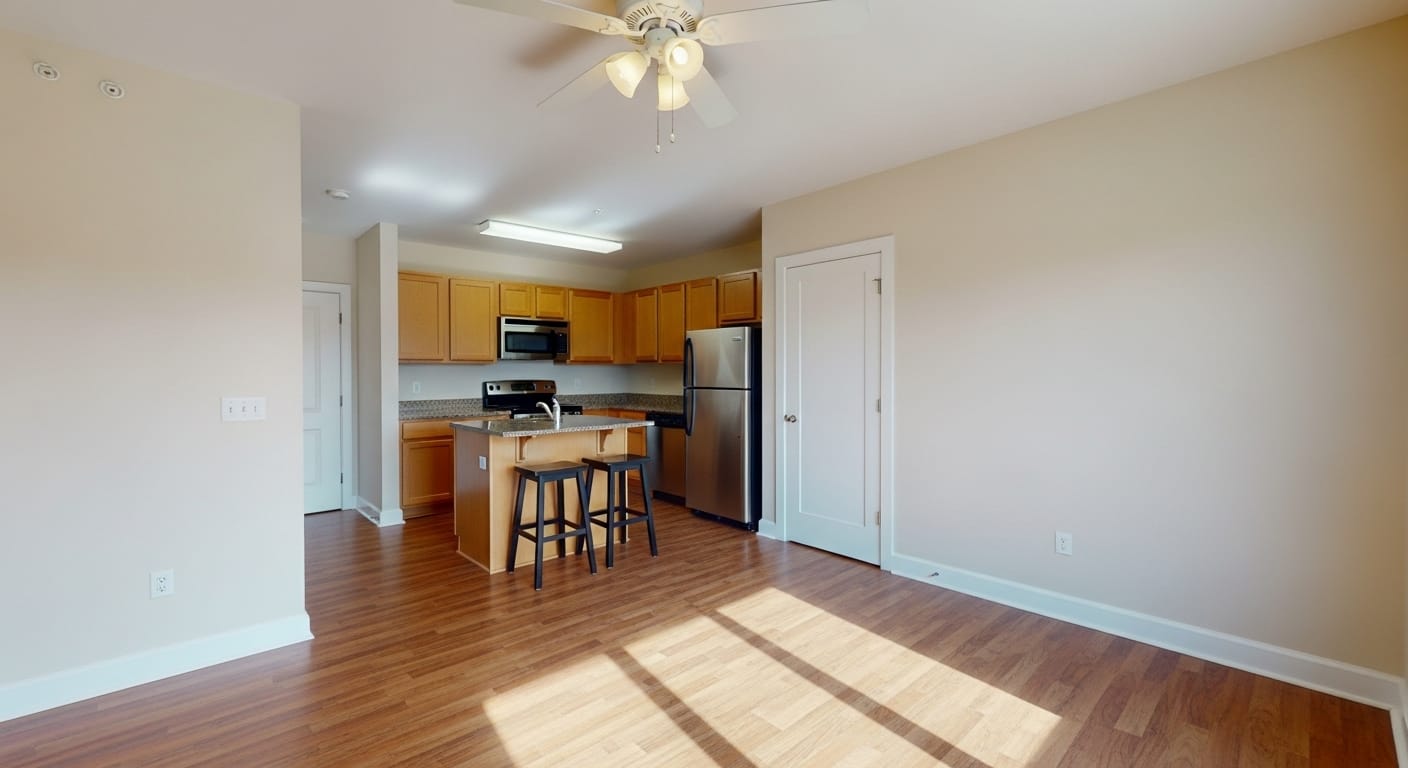
A long-term rental generally involves a lease of 12 months or more.
These rentals are common for families, students with year-round commitments, and professionals seeking stability.
Common Features
- Typically unfurnished (tenant brings own furniture)
- Lower monthly cost compared to short-term on a per-day basis
- Tenant pays utilities in many cases
- Predictable rent payments
Commitment
Long-term leases lock in both parties. Tenants can’t easily leave without penalties, and landlords cannot raise rent mid-lease unless specified by law.
Also Read: Documents Needed to Rent in Boston
Pros & Cons of Short-term Rentals
Pros
- Higher Nightly Rate: You can charge significantly more per day compared to long-term rates. For example, a $3,000/month apartment might bring in $5,000+ monthly if booked consistently at short-term rates.
- Flexibility for Personal Use: Owners can block off dates for personal stays or maintenance.
- Quick Adjustment to Market Demand: Prices can be changed seasonally, taking advantage of peak tourism months.
- Ideal for Certain Tenant Types: Appeals to traveling nurses, visiting professors, business travelers, and tourists.
Cons
- Income Volatility: Vacancies between stays can cut into annual returns.
- High Turnover Frequency: More tenant changes mean more cleaning, key exchanges, and administrative work.
- Greater Management Burden: You or your property manager will spend more time on bookings, guest communication, and maintenance.
- Legal Restrictions in Boston: Short-term rentals are heavily regulated and some neighborhoods prohibit them entirely.
Pros & Cons of Long-term Rentals
Pros
- Stable, Predictable Income: Rent is paid monthly, reducing financial uncertainty.
- Less Turnover: Tenants typically stay for the full lease term, lowering marketing and cleaning costs.
- Easier Financing & Tax Breaks: Lenders prefer stable, long-term income streams, and landlords may qualify for tax deductions on expenses.
- Lower Management Effort: No weekly guest communications or constant check-ins.
Cons
- Less Flexibility: Once the lease is signed, you can’t use the property for personal stays.
- Lower Monthly Income Potential: Compared to short-term peak season rates, long-term rentals often earn less per month.
- Tenant Issues Can Linger: Problem tenants may be harder to remove due to legal protections.
- Rent Increases Are Limited: You may be locked into a set rate for the duration of the lease.
Cost Comparison — Short-term vs. Long-term Rentals in Boston
Short-term rentals can yield higher gross income but come with extra costs:
- Frequent cleaning and turnovers
- Platform fees (Airbnb, Vrbo)
- Higher utility bills (often included in rent)
Long-term rentals have lower per-day earnings but reduced expenses:
- Tenant pays most utilities
- Less frequent maintenance
- No booking platform fees
Example:
- Short-term: $200/night × 20 nights = $4,000/month gross (before expenses)
- Long-term: $3,000/month net (lower expenses and stable occupancy)
Legal & Regulatory Factors in Boston
Boston enforces strict short-term rental rules:
- Must be owner-occupied or an owner-adjacent unit for Airbnb legality
- Registration required with the City of Boston
- Non-compliance can lead to $300/day fines
Long-term rentals are governed by Massachusetts landlord-tenant law, which covers:
- Security deposit limits (max 1 month’s rent)
- Notice periods for lease termination
- Maintenance obligations
Which Rental Type is Best for You?
If You’re a Landlord or Investor
- Choose Short-term if you want higher returns, can handle frequent management, and your property is in a tourist or student-heavy area.
- Choose Long-term if you value steady cash flow, want minimal management work, and aim for financing ease.
If You’re a Tenant
- Choose Short-term if you’re in Boston temporarily, need furnished housing, or want flexibility.
- Choose Long-term if you’re seeking stability, lower monthly costs, and a neighborhood to call home.
If You Need a Shorter Lease as a Renter
Everything above uses “short-term rental” in the hosting sense: Airbnb-style stays measured in nights, and the licensing that comes with them. If you are simply a renter who needs somewhere to live for six months rather than twelve, that is a different problem, and Boston is unusually bad at solving it.
Why landlords default to twelve months
Greater Boston turns over on September 1, and the overwhelming majority of leases run to August 31. A landlord who agrees to a six-month term starting in September is facing a vacancy the following March, which is the hardest time of year to fill an apartment here. The refusal is usually about that date rather than about you, and that is worth knowing, because it tells you what to offer instead.
Where shorter terms actually exist
- The student sublet cycle. Renters report that rooms open up as students leave for co-op placements or study abroad, and that university off-campus housing boards are where those sublets surface first.
- Large professionally managed buildings. Renters report these are the most likely to offer month-to-month or shorter terms, and that searching for “month to month” rather than “short term” is what actually finds them.
- Taking over the rest of someone else’s lease. If you go this route, check what the original lease permits before you agree to anything, since subletting rules in Boston are stricter than most renters expect.
What a shorter term costs you
Shorter terms exist at a price. Month-to-month and sub-annual arrangements typically carry a premium over the twelve-month rate, because the landlord is absorbing the vacancy risk you are avoiding. Budget for that rather than assuming six months costs the same per month as twelve. If flexibility matters more to you than price, flexible lease neighborhoods in Boston covers where that inventory concentrates.
Short-term vs. Long-term Rentals in Boston — Quick Comparison Table
Frequently Asked Questions (FAQ)
1: Is Airbnb legal in Boston?
Yes, but only for registered, owner-occupied properties or certain qualified units.
2: Which neighborhoods in Boston are better for long-term leases?
Jamaica Plain, Dorchester, Brighton, and Roslindale are popular for long-term stability and affordability.
3: Can I make more money with short-term rentals?
Potentially yes, but factor in vacancy risk, management time, and legal compliance.
4: Who should choose short-term rentals?
Seasonal workers, business travelers, and short-term project contractors.
5: Who should choose long-term rentals?
Families, students, and professionals seeking year-round housing.
Final Thoughts

The choice between short-term and long-term rentals in Boston depends on your priorities.
Landlords must weigh income potential against management effort and regulatory complexity.
Tenants must decide between flexibility and stability.
Boston’s unique mix of universities, hospitals, and tourism means both rental types can succeed—but the right choice is a strategic decision based on location, goals, and resources.
By considering the pros and cons outlined here, you can make an informed rental decision that fits your needs.