


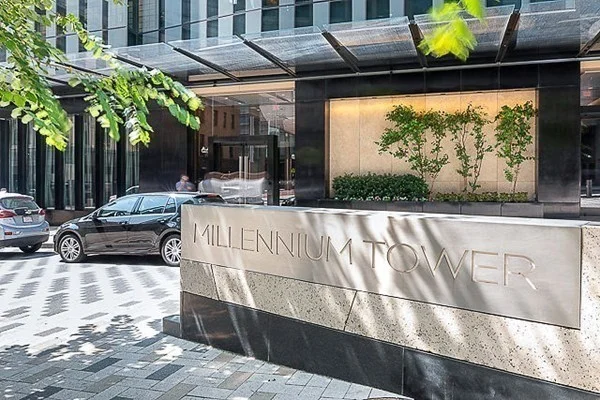
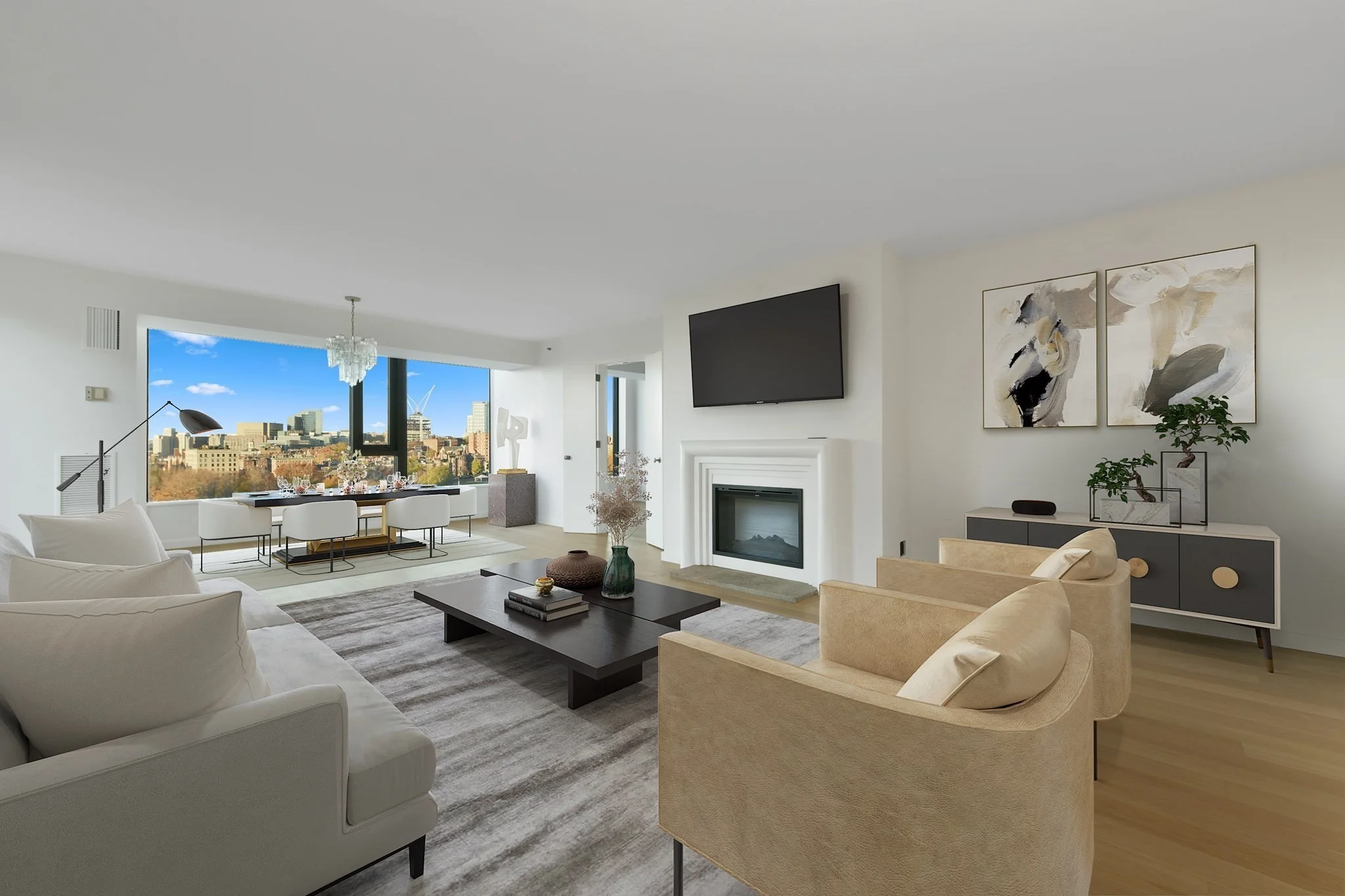
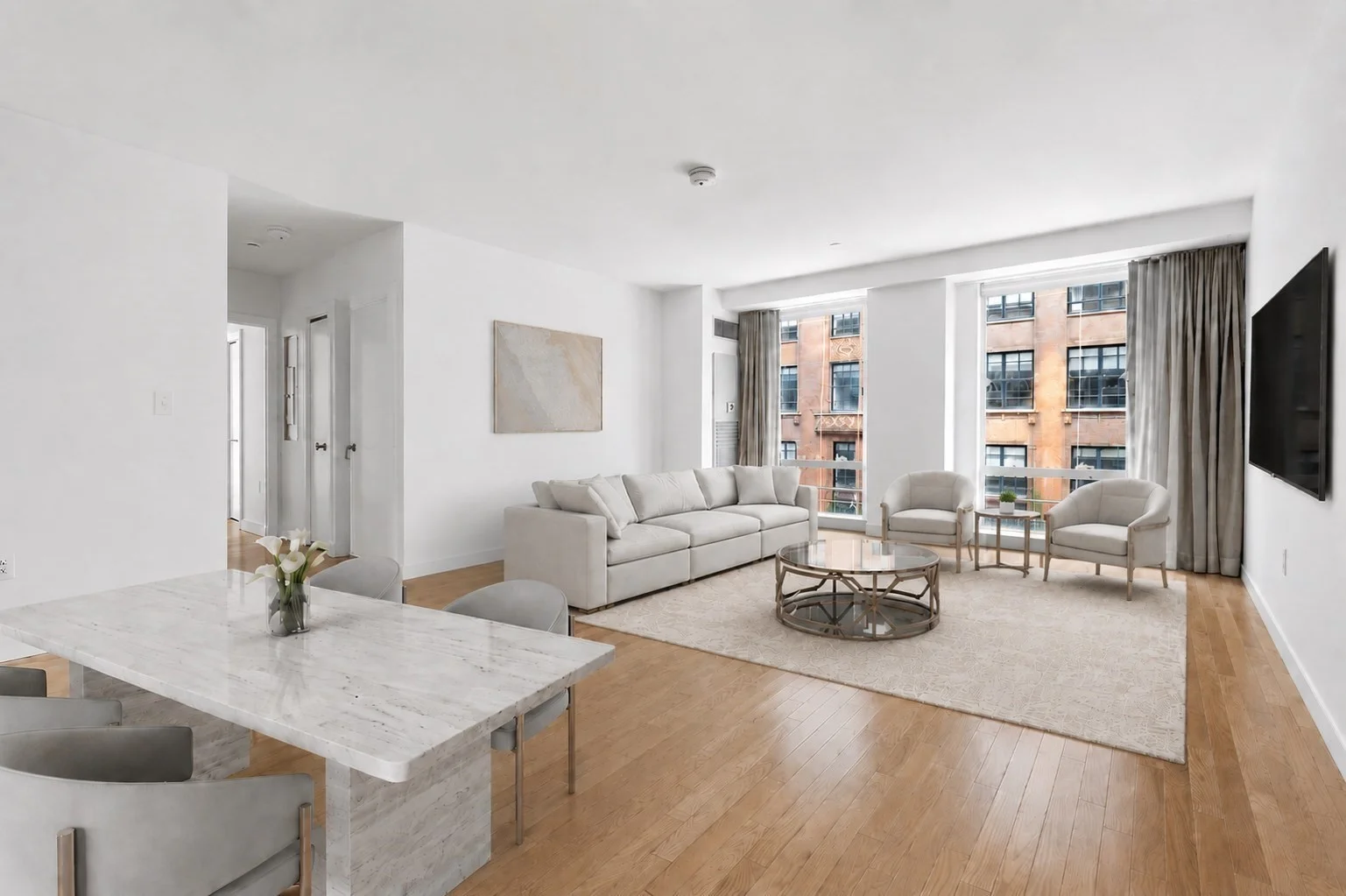
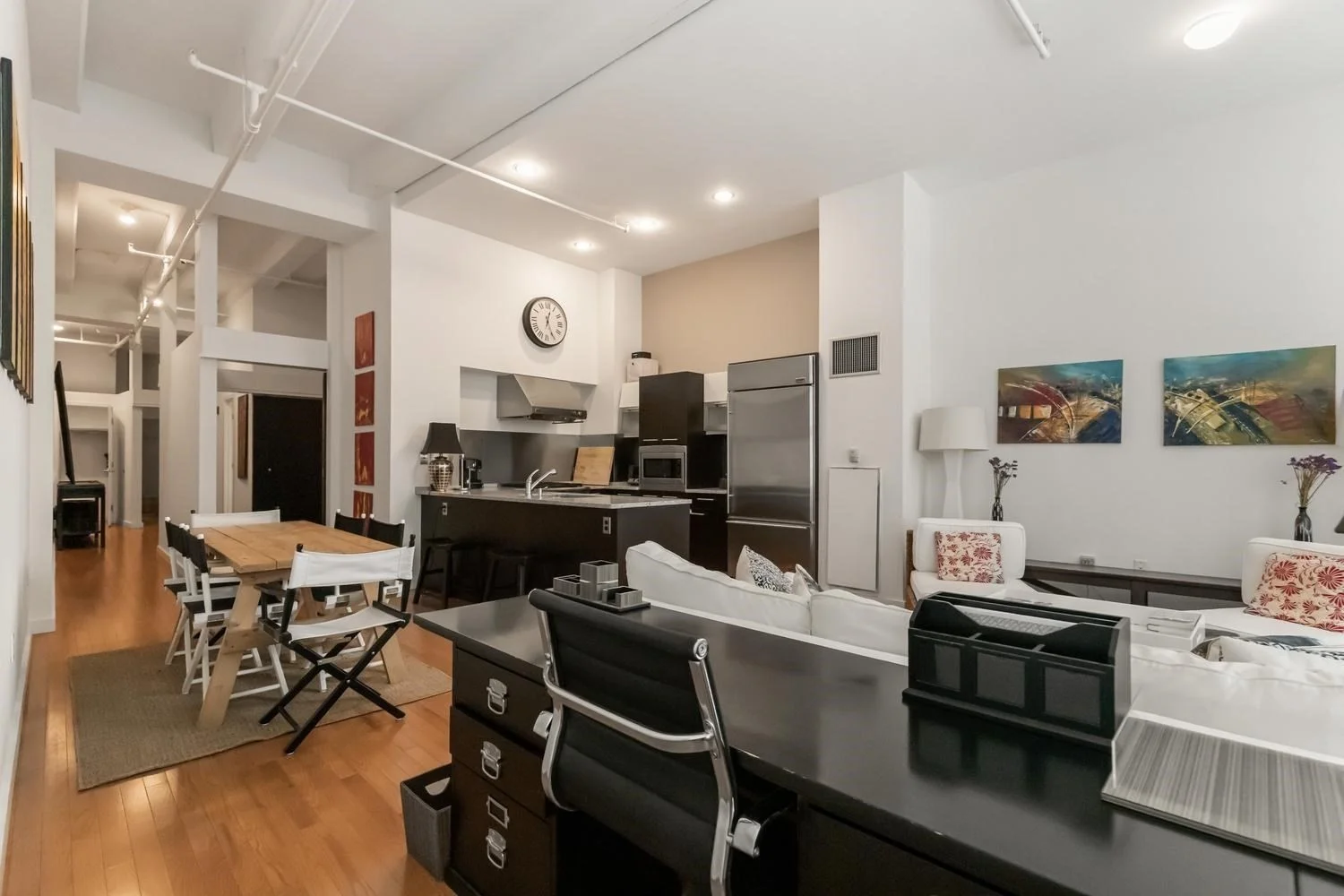
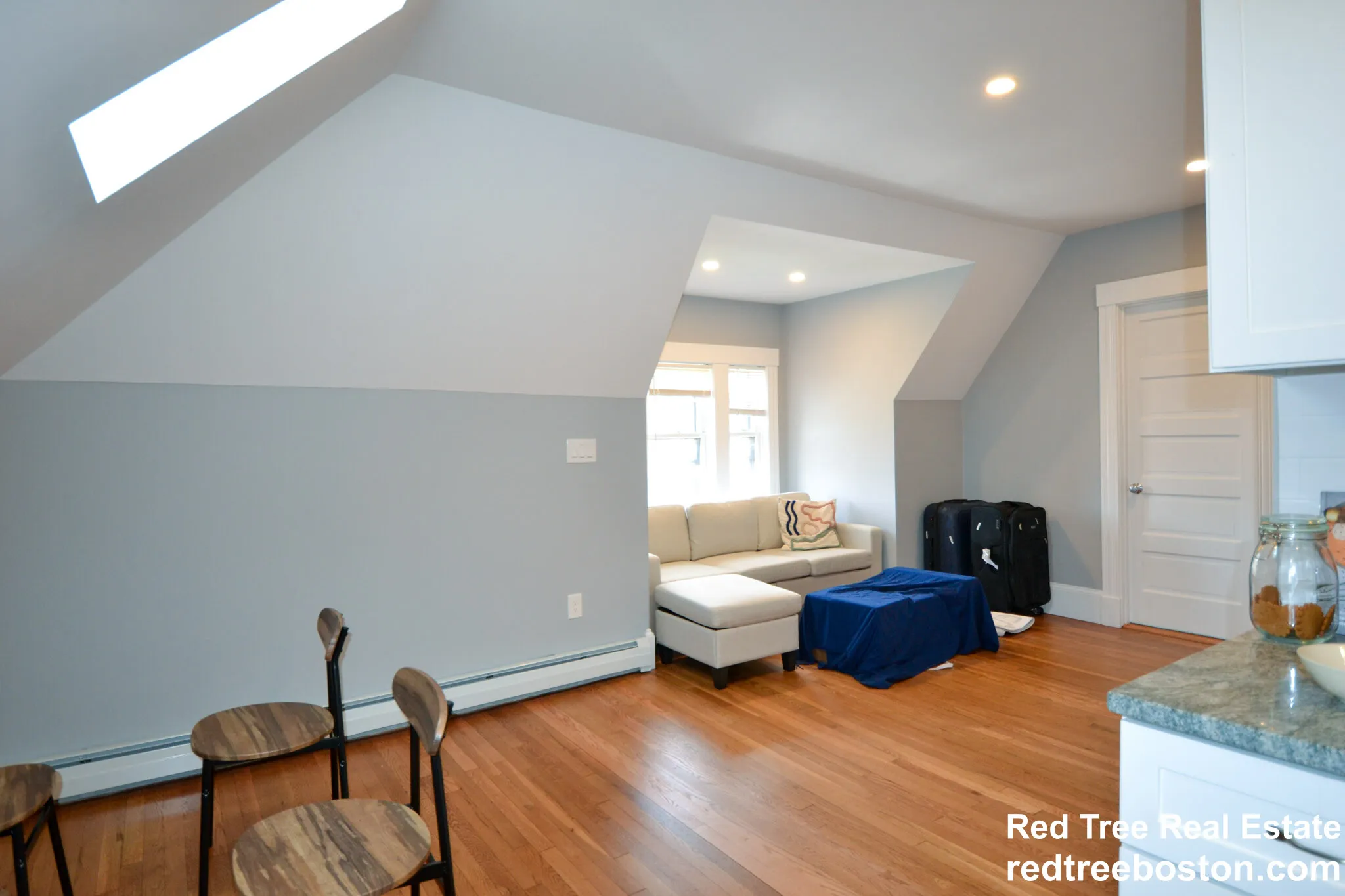
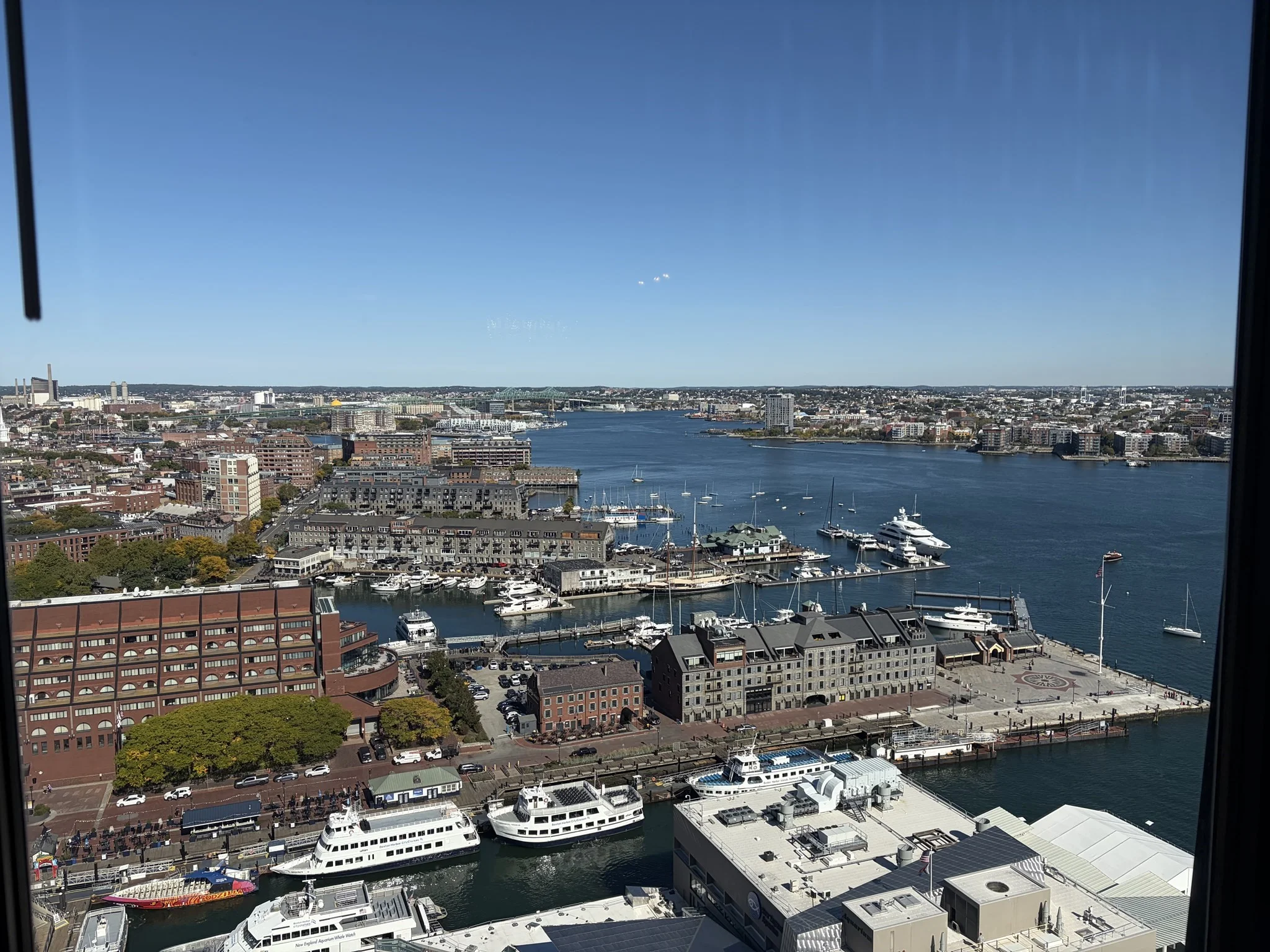
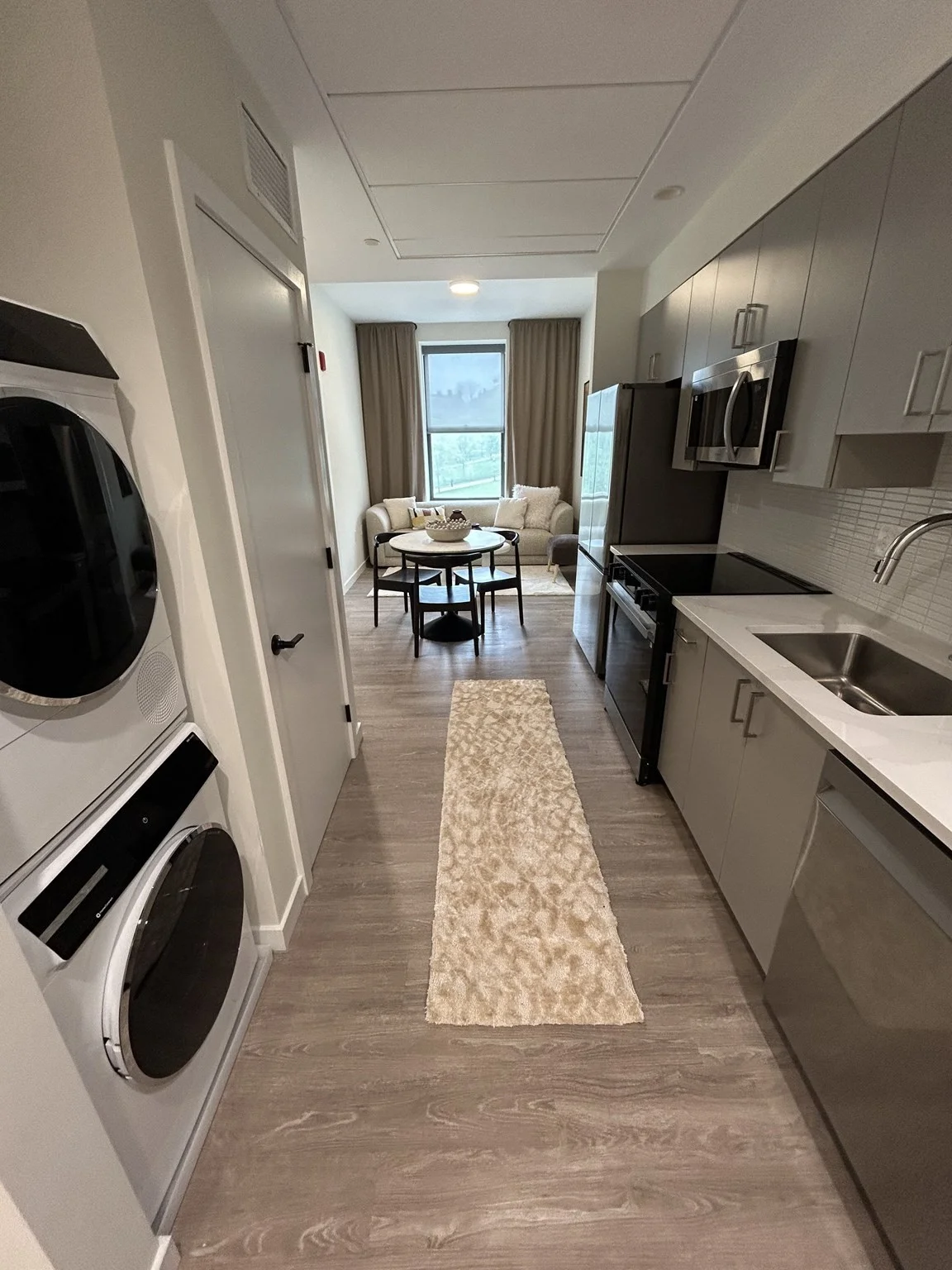
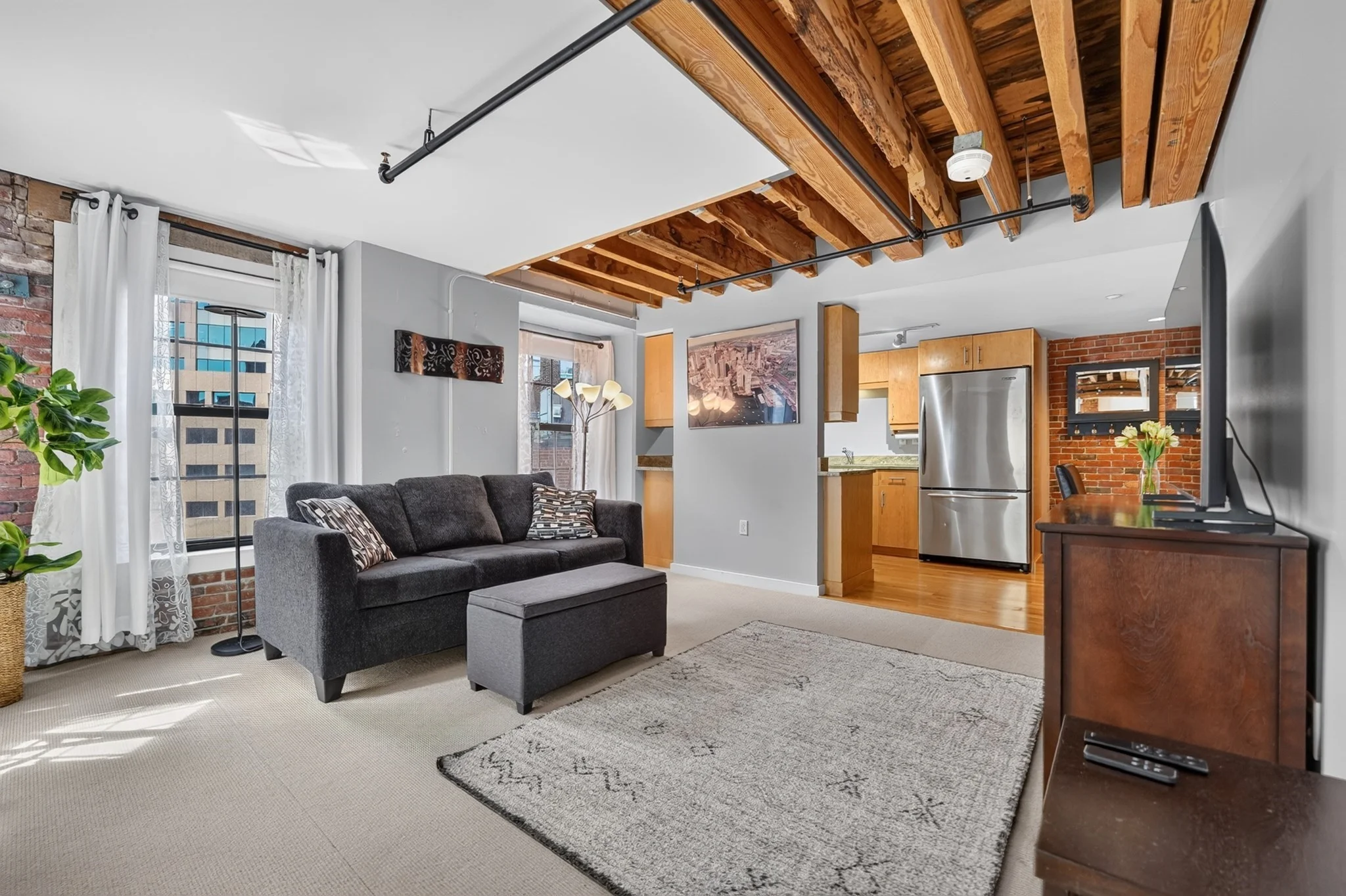
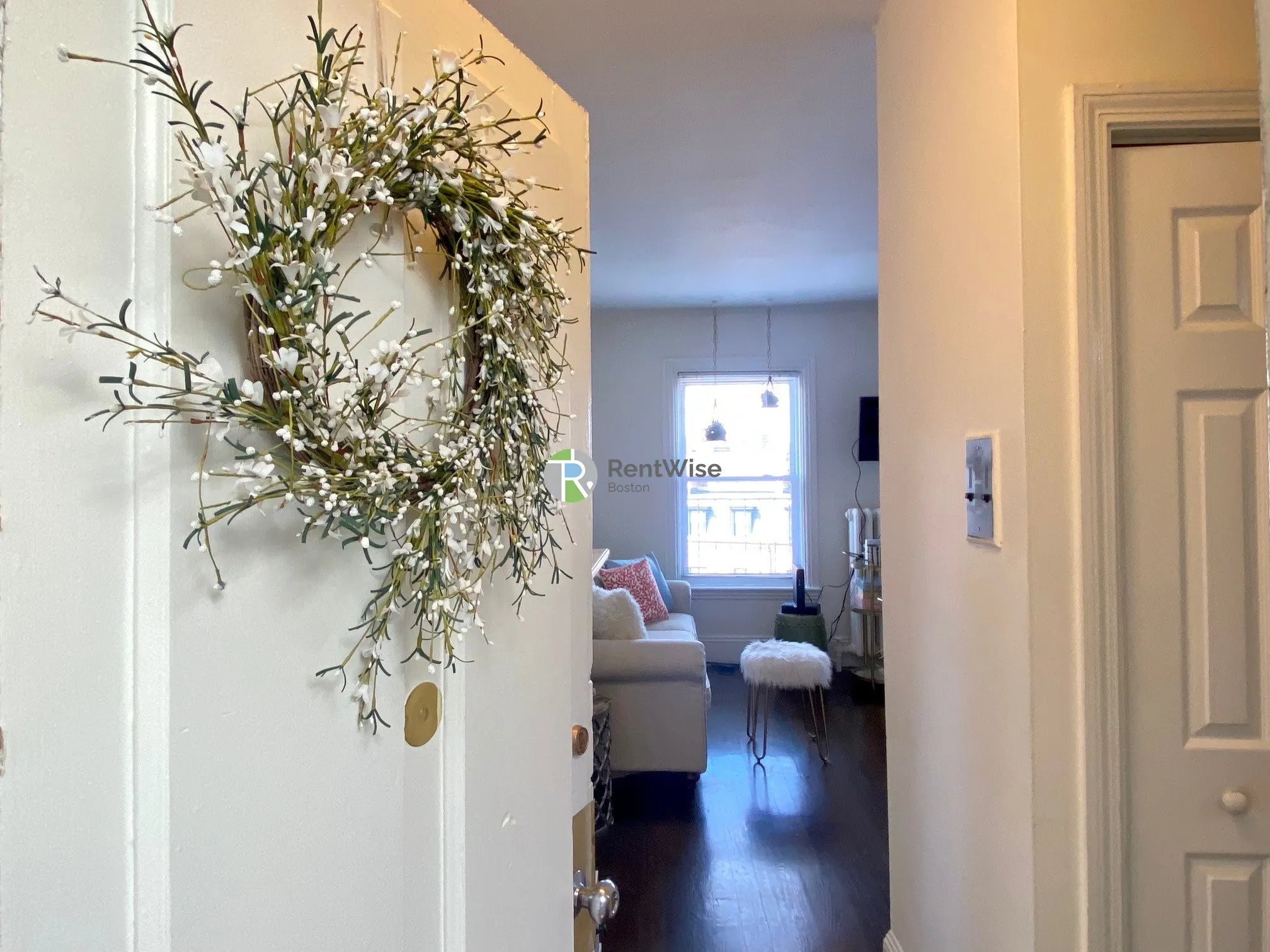

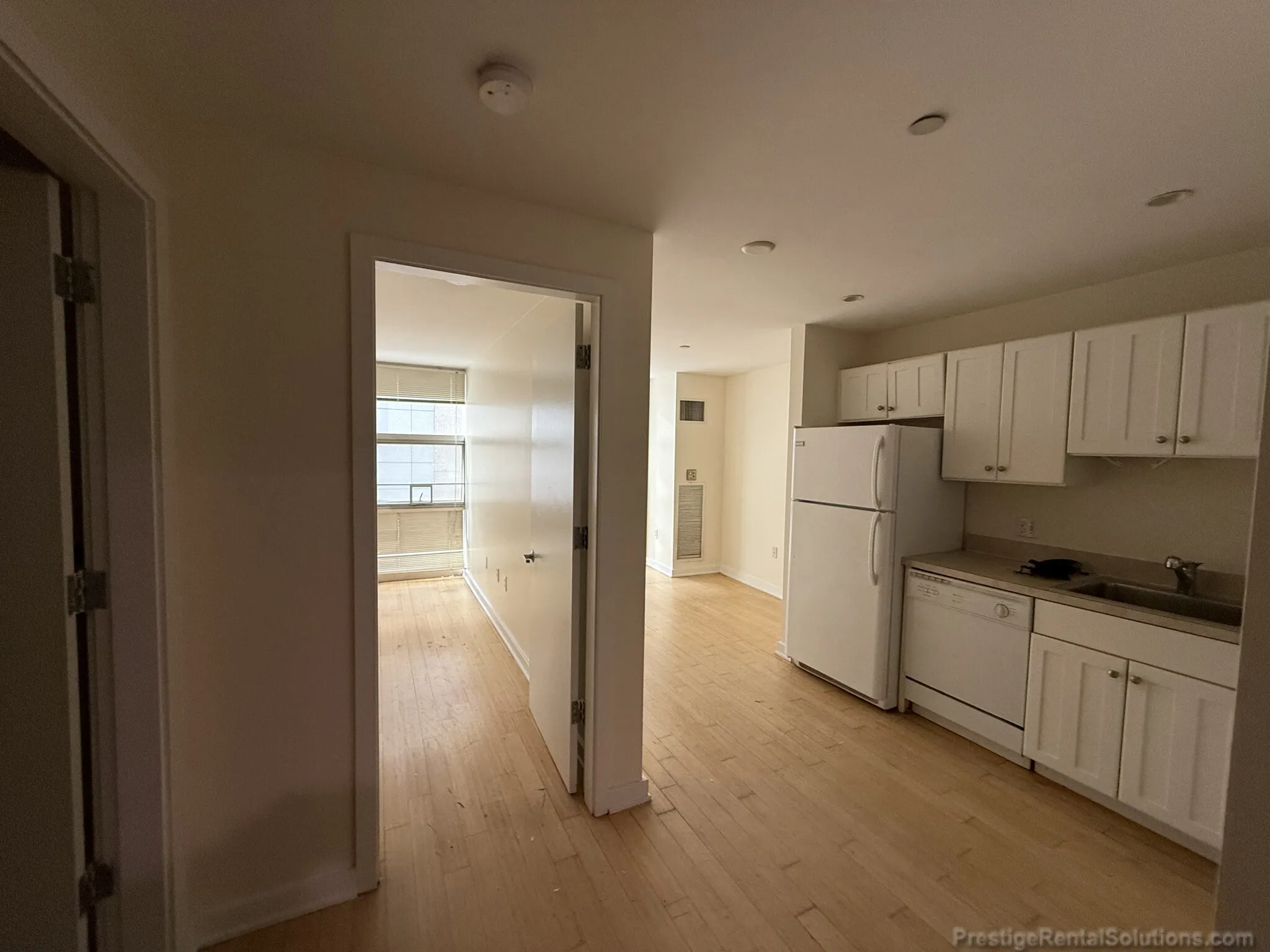
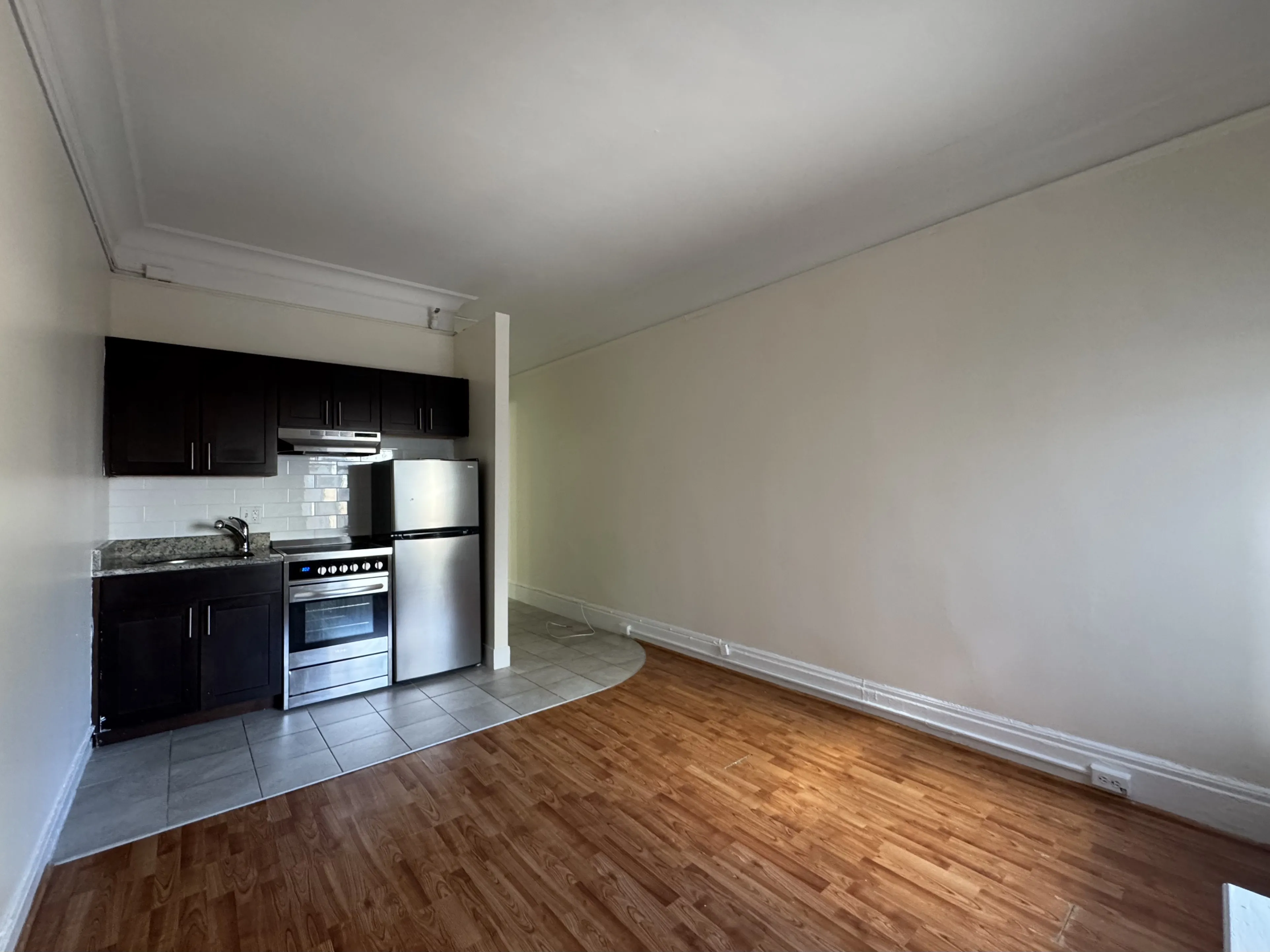
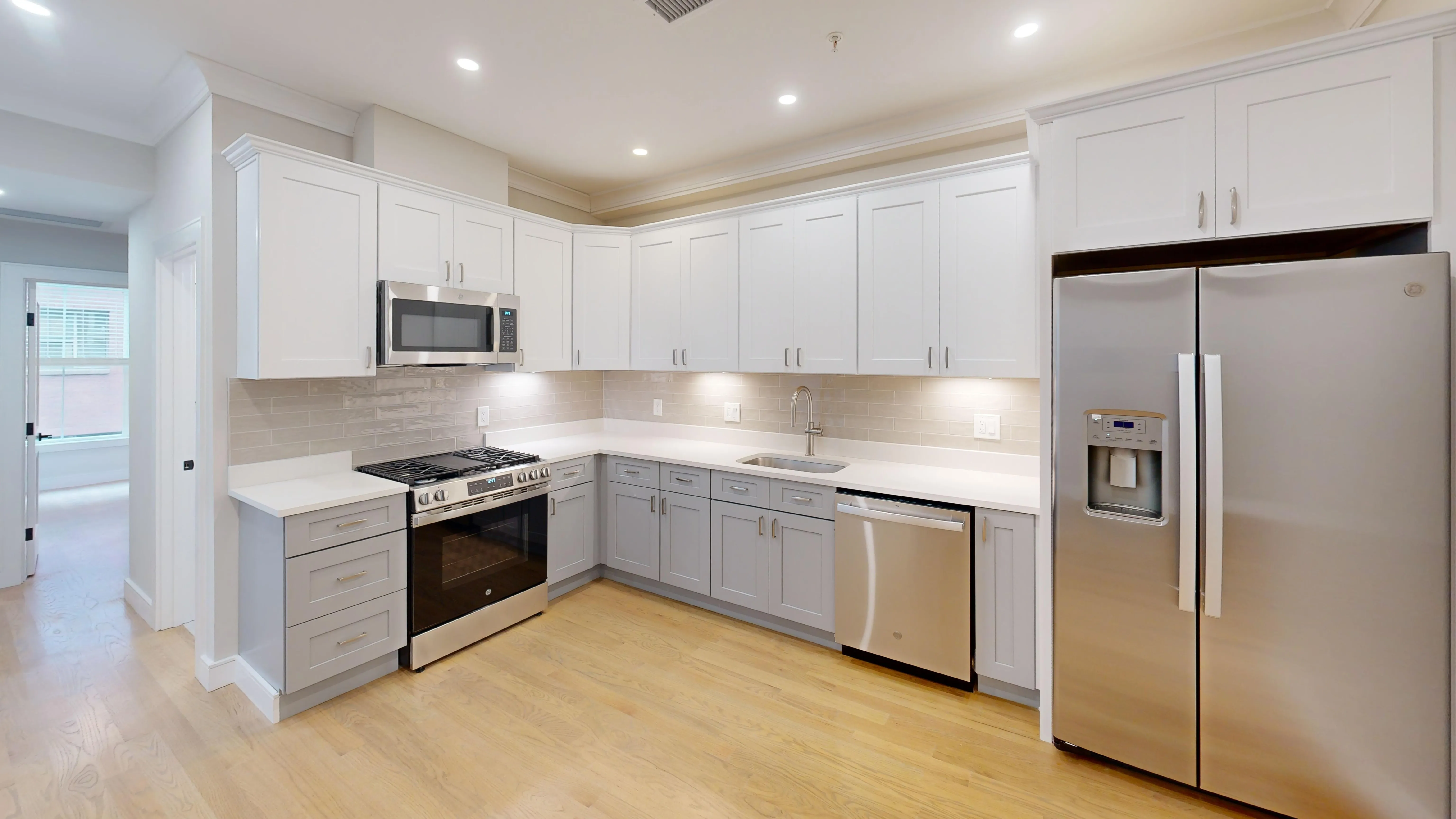
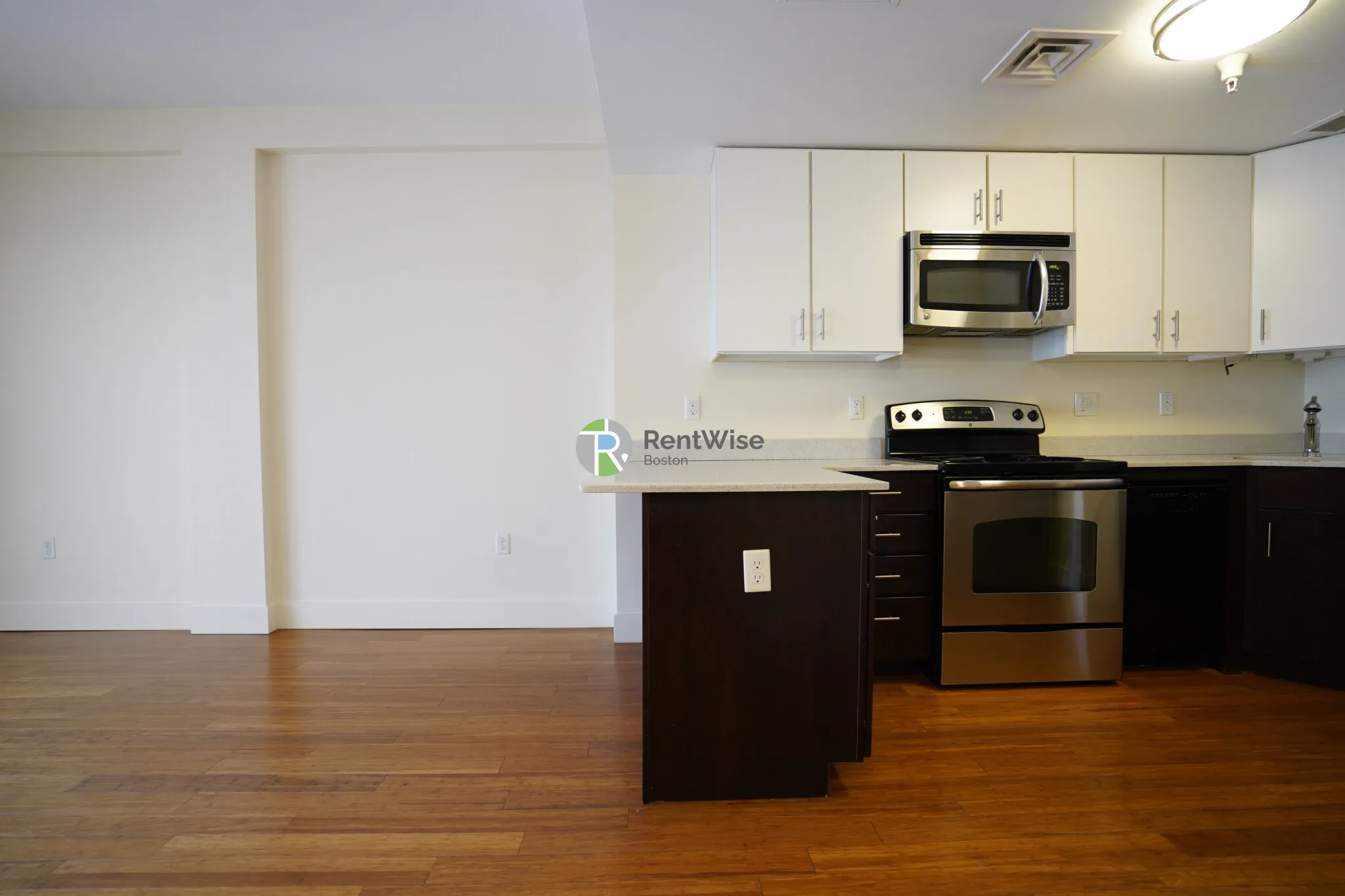
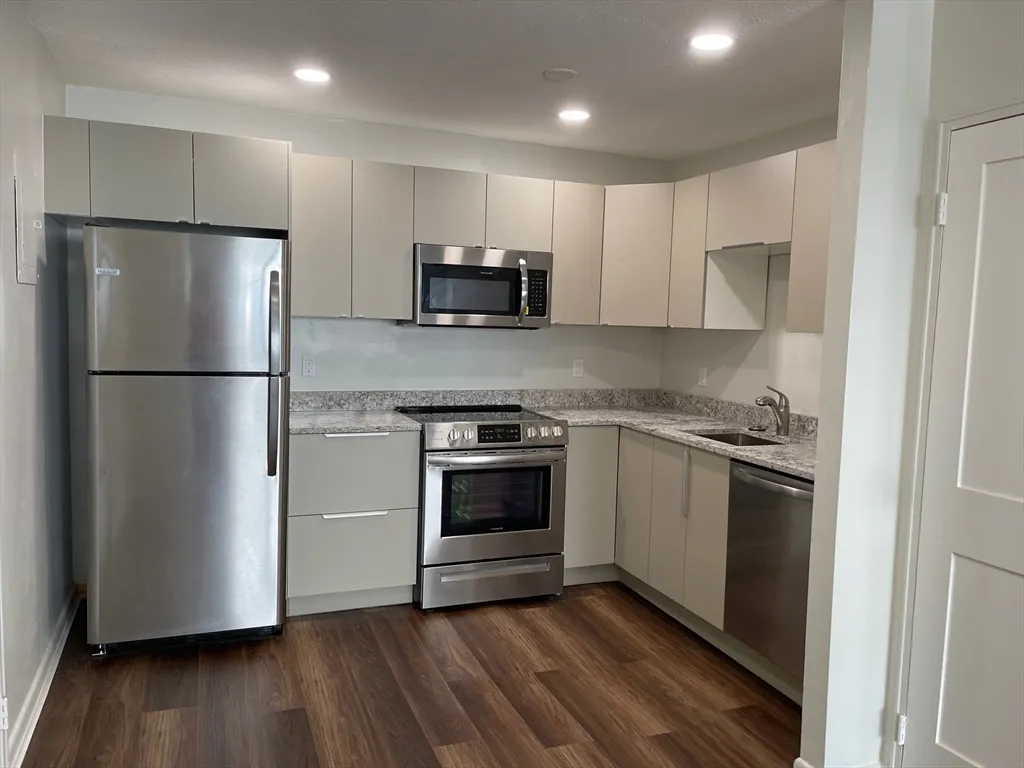
Average rent in Boston Downtown
As of September 2026, active listings on Spot Easy, each posted by verified agents.
| Size | Average |
|---|---|
| 1-bedroom | $3,453 |
About Boston Downtown
Downtown Boston is the most expensive place in the city to rent a one-bedroom. The Spot Easy Rent Index put the average asking rent for a downtown one-bedroom at $3,610 in August 2026, ahead of the Back Bay at $3,574 and well above the $2,928 Boston average and the $2,863 figure across Greater Boston. The more typical listing asked $3,375, so there is some room below the average, but not a great deal. The figure has also moved: the typical one-bedroom asked $3,075 in January 2026 and $3,375 by August, a rise of about ten percent across eight months.
The transit case is the strongest in New England and it is most of what the premium buys. Downtown Crossing carries the Red and Orange lines, Government Center the Green and Blue, State the Orange and Blue, and South Station adds the Red Line, the Silver Line and every commuter rail line south and west. Living here means all four subway lines are within a walk, which is true of almost nowhere else in the region. It also means you are unlikely to need a car, and parking is expensive enough that most renters here do without one.
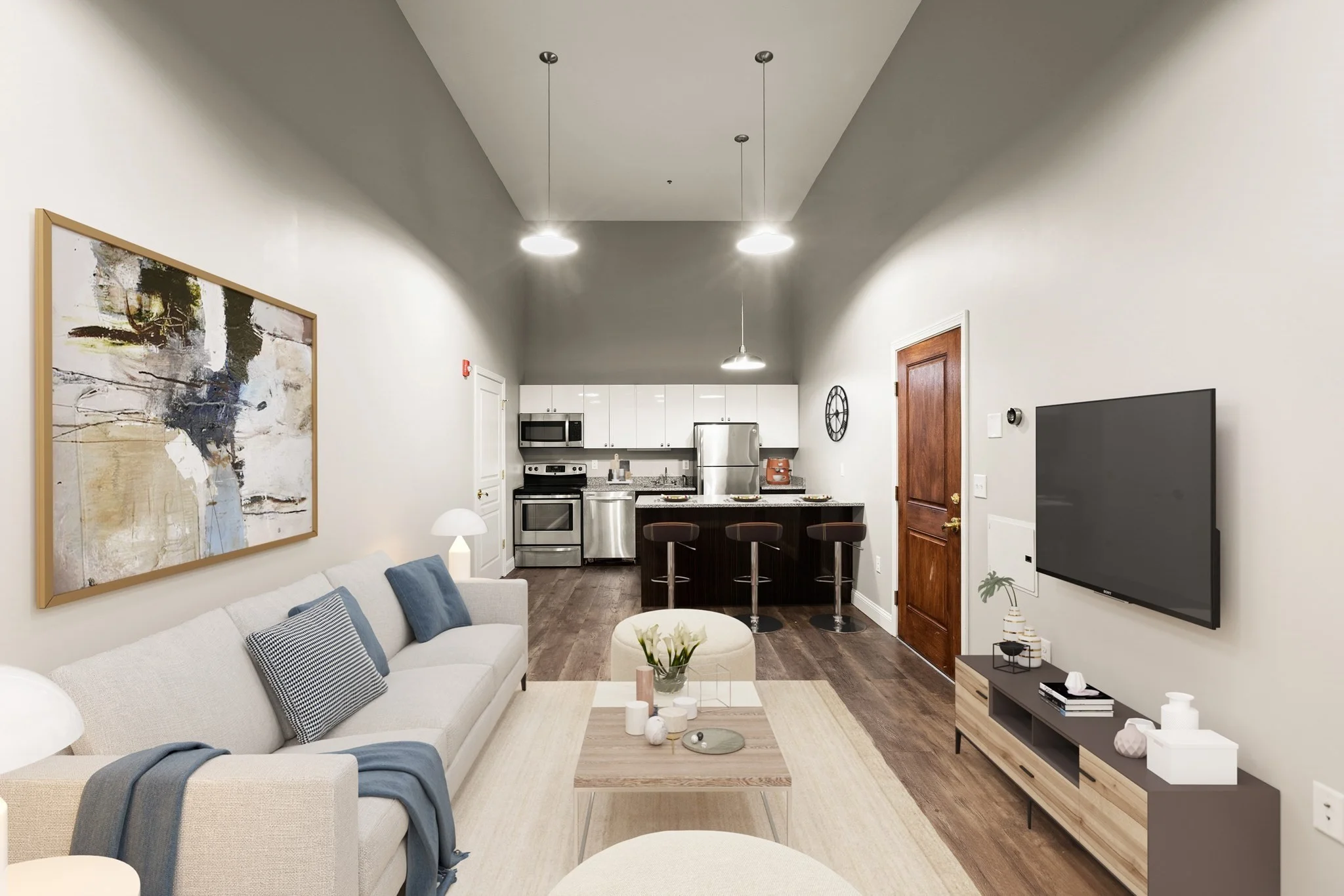
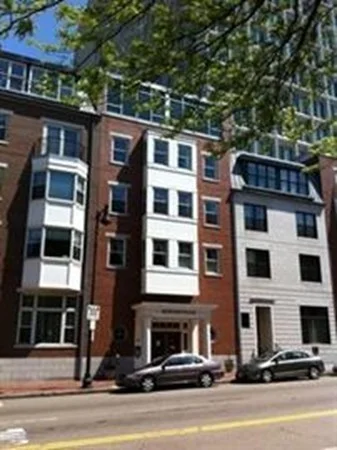
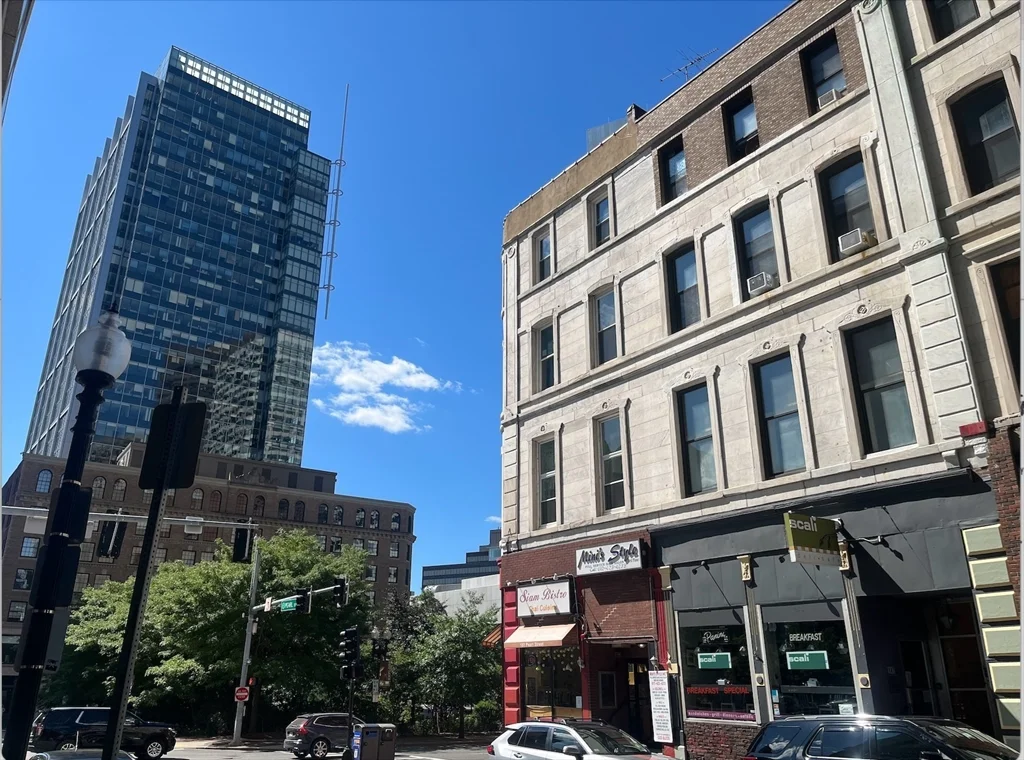
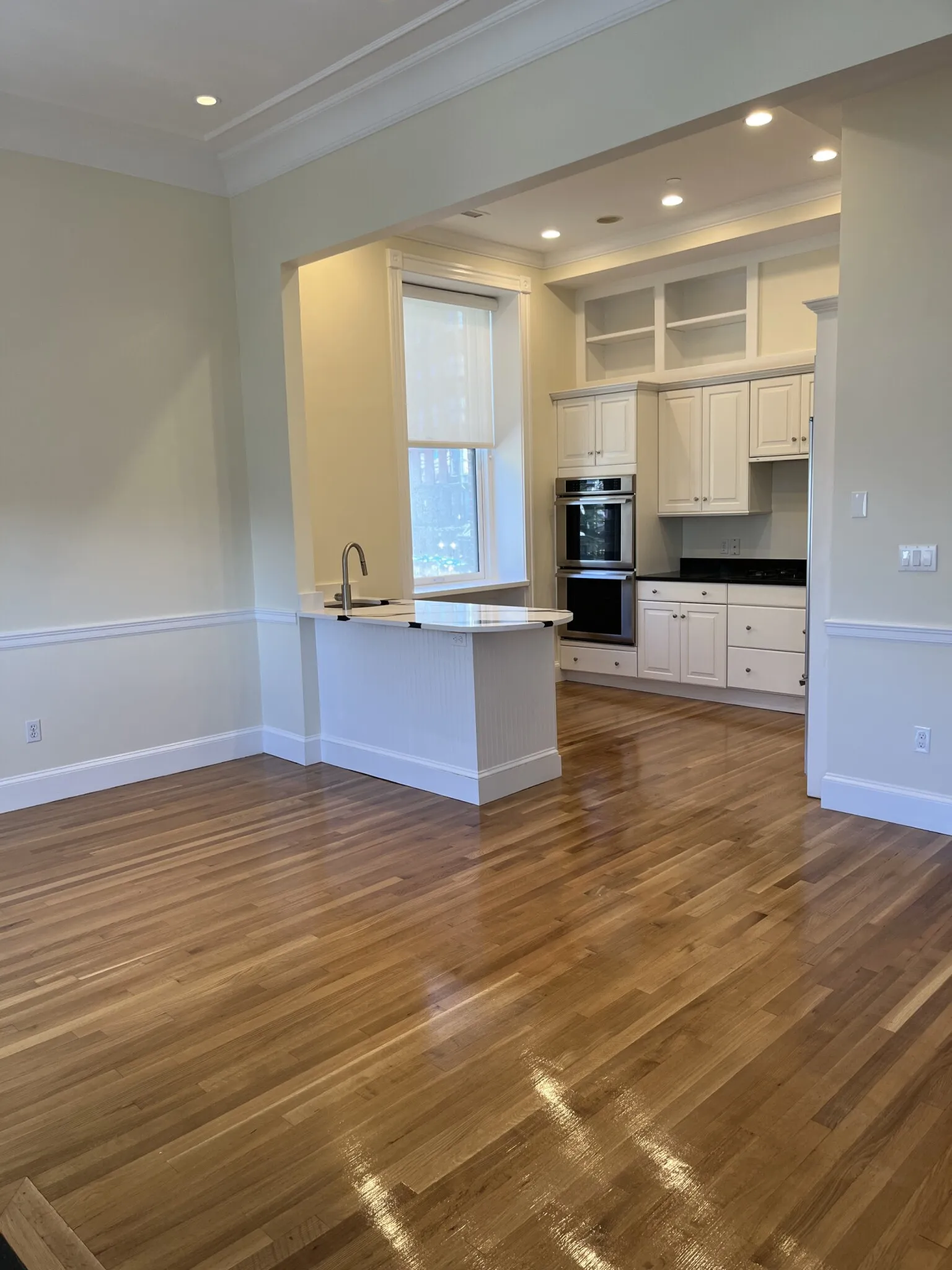
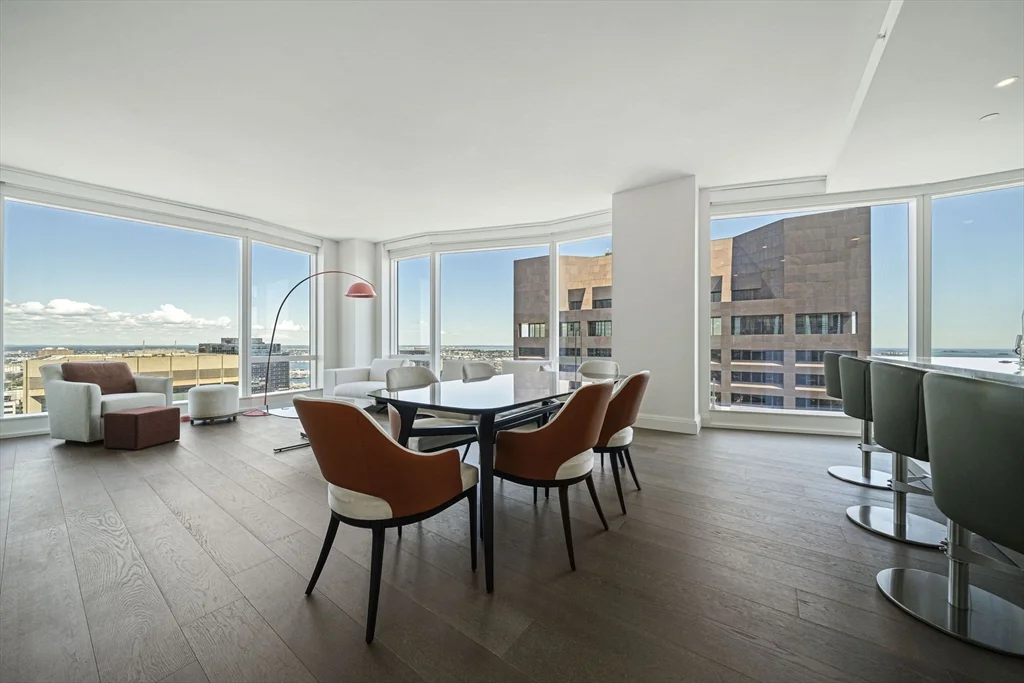
The area runs from Government Center and Faneuil Hall down through Downtown Crossing and the Financial District to the edge of South Station, with Beacon Hill to the west, the North End to the north and Chinatown immediately south. Housing is dominated by larger buildings, including office conversions and purpose-built towers, so elevators, in-unit laundry and central air are common in a way they are not in Boston's brick and wood-frame neighborhoods. What you give up is space and quiet: layouts are efficient, and the streets are busiest on weekdays.
Downtown leases year-round rather than concentrating on September 1, which makes it one of the few parts of Greater Boston where an off-cycle start date is straightforward. You can filter by bedroom count, laundry and parking on Spot Easy, and every listing is posted by a verified agent. Monthly figures for this neighborhood are published on the Spot Easy Rent Index downtown page.
FAQ about Boston Downtown Apartments for Rent
What is the average rent in Boston Downtown?
In September 2026 the average asking rent in Boston Downtown is $3,453 for a 1-bedroom (+$228 higher than the median). Those figures come from active listings on Spot Easy, and we recalculate them each month.
How much should I budget for an apartment in Boston Downtown?
Most 1-bedrooms in Boston Downtown rent for about $3,453 a month — the more typical (median) price is $3,225. 1-bedrooms average $3,453. Budget toward the average — a handful of pricier units pull it above what most listings actually ask.
How does Boston Downtown rent compare with nearby neighborhoods?
For a 1-bedroom, the average in Boston Downtown is $3,453, next to Beacon Hill at $3,117, North End at $3,436 and South End at $3,295. These cover the same bed size in the same month, and we only include areas with comparable data available.
Beacon Hill apartments · North End apartments · South End apartments
Is downtown really more expensive than the Back Bay?
For a one-bedroom, yes, though the margin is narrow. The Spot Easy Rent Index recorded August 2026 one-bedroom averages of $3,610 downtown and $3,574 in the Back Bay, a difference of about thirty-six dollars. Downtown is the highest of any scope the Index tracks at that size. The two neighborhoods are close enough in price that the choice should turn on housing rather than on cost. Downtown is dominated by larger buildings with elevators, in-unit laundry and central air. The Back Bay is largely brownstone, which means more character, more walk-ups and older systems. At the same rent you are choosing between two quite different apartments, and at other bedroom counts the comparison changes entirely, because the Back Bay publishes figures at sizes downtown does not. If you are weighing the two, view one of each before deciding, since the difference in daily experience is far larger than thirty-six dollars a month suggests.
Why is only one bedroom count published for this area?
Because it is the only size with enough monthly volume to support a reliable figure. The Rent Index published no studio, two-bedroom, three-bedroom or four-plus average for downtown in August 2026. Downtown is a small residential area inside a largely commercial district, and outside one-bedrooms too few apartments reach the market in a given month for a neighborhood average to mean anything. Studios and two-bedrooms do exist, mostly inside the same tower buildings, and they should be judged listing by listing rather than against a benchmark. Anything larger is genuinely rare. If you need two bedrooms or more, Beacon Hill, the North End and the Back Bay all publish figures at additional sizes and are more practical places to begin a search. All three adjoin downtown, so you can keep the same commute while searching a market deep enough to give you a benchmark to negotiate against.
How much has the price moved over the past year?
Upward and fairly steadily. The Rent Index history for downtown shows the typical one-bedroom asking $3,075 in January 2026 and $3,375 in August 2026, an increase of about ten percent across eight months, with the sharpest movement after midsummer. That is a faster climb than most Boston neighborhoods recorded over the same period. Two things follow for a renter. First, a figure you saw quoted earlier in the year is likely to understate what you will actually be asked now, so check the current month rather than relying on an older number. Second, if you are weighing a renewal against a move, the market has moved enough that the comparison is worth running properly rather than assuming a new lease will beat your existing rent. A renewal offer that looked high in isolation may still be below what the same apartment would list for today.
What kind of apartment does the rent actually buy?
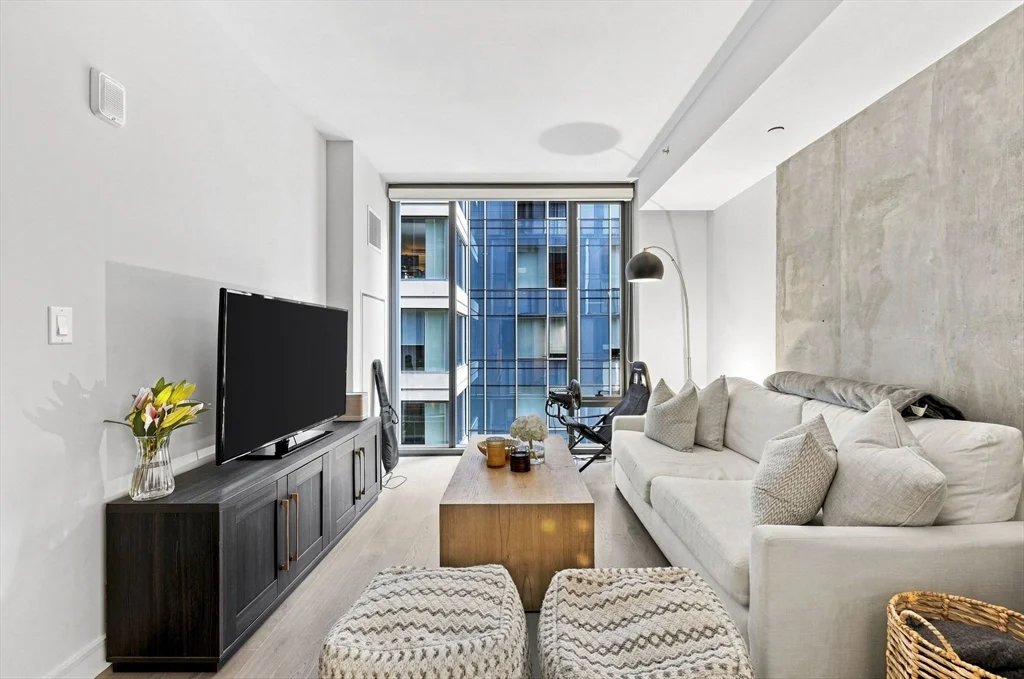
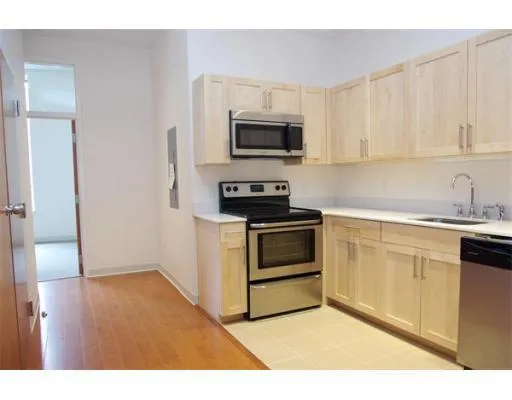
Usually a unit in a larger building with modern systems and an efficient layout. Downtown housing is dominated by purpose-built residential towers and converted commercial buildings, so elevators, in-unit laundry, central air and a front desk are common features rather than exceptions, and many buildings add a gym or shared roof space. What you trade is square footage and quiet. Layouts are compact for the price by Boston standards, storage is limited, and the surrounding streets are at their busiest on weekday daytimes rather than in the evening. If you want period detail, a bay window or a wood floor with a hundred years on it, this is the wrong neighborhood at any budget, and Beacon Hill or the North End will serve you far better. Both are within a short walk, so you can keep the transit advantage while renting an entirely different kind of apartment.
Do I need a car, and can I park one?
You almost certainly do not need one, and parking it is expensive. All four subway lines are within walking distance, South Station adds the Silver Line and commuter rail, and most daily destinations in central Boston are reachable on foot. Where a car is genuinely necessary, the realistic option is a garage space rented monthly or a deeded space in a building, both of which carry a significant cost on top of rent and should be budgeted as a separate line. Street parking is not a practical answer here. Before committing to the cost, price the trips the car actually makes, because downtown is the one neighborhood in Boston where giving up a car reliably saves more than it costs in inconvenience. Between a monthly garage space and the cost of insuring and running the vehicle, the annual figure is usually larger than renters expect.
Can I move in outside the September cycle?
Yes, and this is one of the easiest neighborhoods in Greater Boston in which to do it. Most of the region concentrates its turnover on September 1 because so much of its housing follows an academic calendar. Downtown does not. The large managed buildings that make up most of the stock lease on their own rolling schedules, so units become available throughout the year and a January, April or midsummer start is a normal request rather than an awkward one. That flexibility is worth real money if your dates are fixed by a job rather than a school year. The trade is that the neighborhood does not have a spring flood of inventory either, so search steadily rather than expecting one peak week. Set up a saved search and check it regularly instead of concentrating your effort into a single weekend of viewings.
How competitive is an application here?
Competitive in process rather than in speed. Because most downtown stock sits in professionally managed buildings, applications tend to be formal: a written application, a credit check, and an income threshold often set at a multiple of the monthly rent. Against a one-bedroom average of $3,610 that threshold is high, and it is the most common reason an application fails here. Check the requirement before you apply rather than after. The upside is predictability. Unlike a small owner-managed building, a managed building applies the same standard to everyone and will tell you what it is, so you can assess your position honestly in advance. Have your documents and any co-signer arranged before you view. Where your own income falls short of a building's threshold, a co-signer who clears it is usually accepted, but the building will want their paperwork to the same standard as yours.
What are the fee terms on a downtown listing?
They are set per listing rather than by neighborhood, so read the listing and ask before you view. Where a fee applies in Greater Boston it is commonly quoted as a month's rent, which against the August 2026 downtown one-bedroom average of $3,610 is one of the largest single move-in costs anywhere in the city. Use the no-broker-fee filter on Spot Easy to see only listings that state no fee applies, and treat a listing that says nothing as unconfirmed rather than assuming none is charged. Separately, some managed buildings charge non-refundable amenity or move-in administration fees that are distinct from a broker fee. Massachusetts caps the security deposit itself at one month's rent under M.G.L. c.186 section 15B. Ask for the full move-in cost written out as a single figure before you apply, because in a managed building it can involve several separate charges that are easy to underestimate individually.
Are utilities normally included in the rent?
More often here than in most of Boston, because the buildings are larger. Many downtown towers run central heating and cooling that cannot be metered per apartment, so heat and hot water are frequently included in the rent and electricity is billed separately. Converted office buildings vary more, and some pass through a share of building costs rather than including them outright. The practical step is to ask which utilities are covered, how the unit is heated and cooled, and whether any building charge is billed monthly on top of rent. Compare listings on the full monthly cost rather than the headline rent, since a building that includes heat and one that does not can differ by a meaningful amount over a Boston winter. Central air matters in the other direction too, because a top-floor unit with a large window area can run a significant cooling cost through the summer.
Is a furnished or short-term lease available?
This is the most realistic neighborhood in Boston for both. The concentration of offices, hospitals and universities within a short commute sustains steady demand for shorter stays, and the large managed buildings that dominate downtown are equipped to offer furnished units, corporate arrangements and terms shorter than twelve months. Expect a premium over a standard annual lease, sometimes a substantial one, and expect the shortest terms to carry the highest monthly rate. Confirm the length, the furnishing inventory and the renewal terms in the lease document itself rather than relying on what was described at the viewing. If a building advertises flexible terms, ask what the rate becomes at each length before you choose one. It is common for a nine-month term to cost more per month than twelve, and for a three-month term to cost considerably more again.
What is the pet policy likely to be?
Written, specific and building-wide, which is different from most of Boston. Because downtown stock is concentrated in managed buildings, pet policies are usually formal documents rather than individual decisions, and they commonly set conditions on weight, number and occasionally breed, along with rules for elevators and shared spaces. That means you can establish where you stand before applying instead of negotiating at a viewing. Some buildings charge monthly pet rent, which is permitted; a separate refundable pet deposit stacked on the capped security deposit is not, so question anything described that way. Filter for pet-friendly listings, read the building's policy in full rather than the listing summary, and confirm the terms appear in the lease you sign. Ask as well whether the policy applies to visiting animals and whether it can change at renewal, since a building-wide policy can be revised in a way an individual owner's agreement usually is not.