


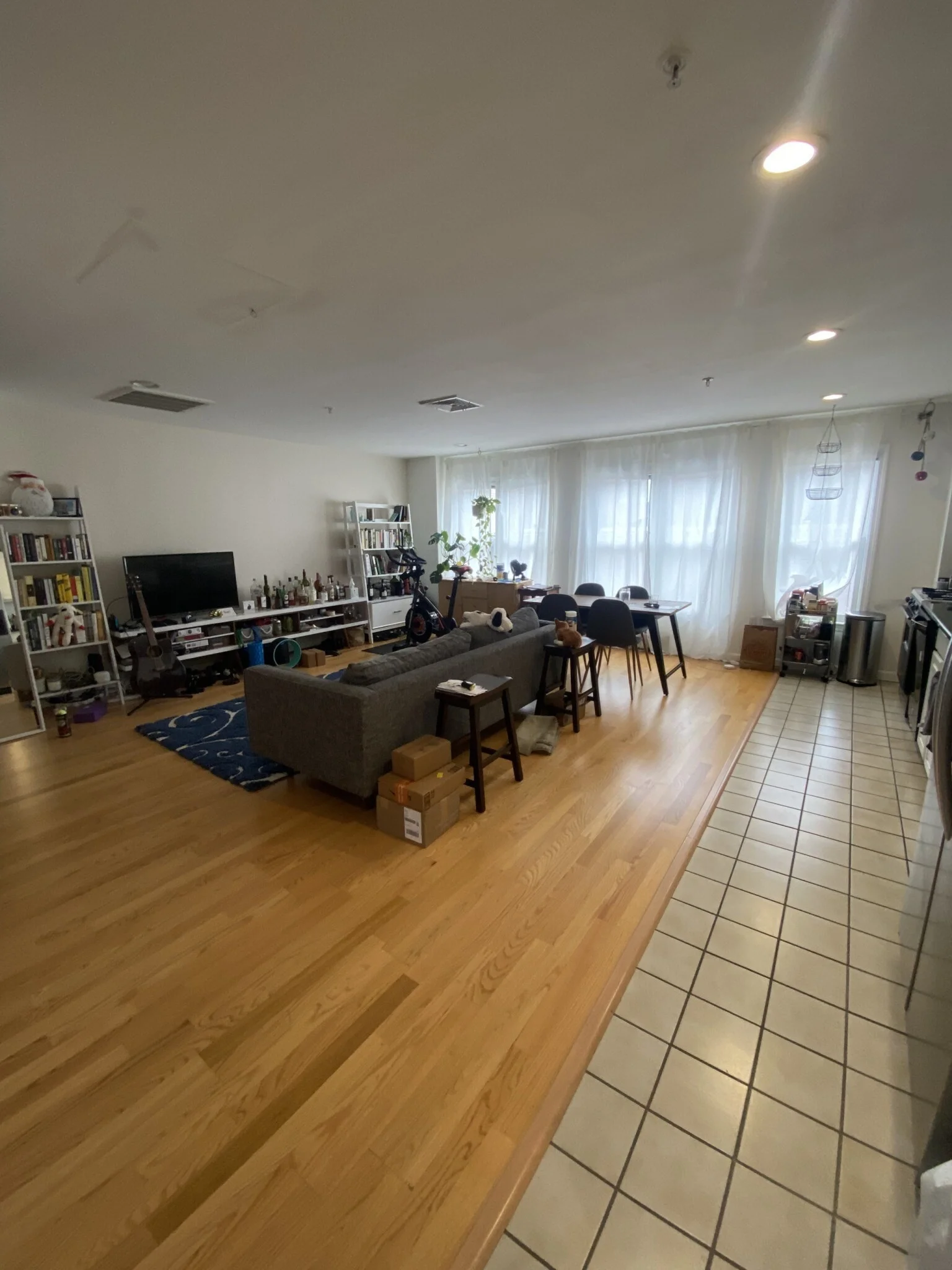
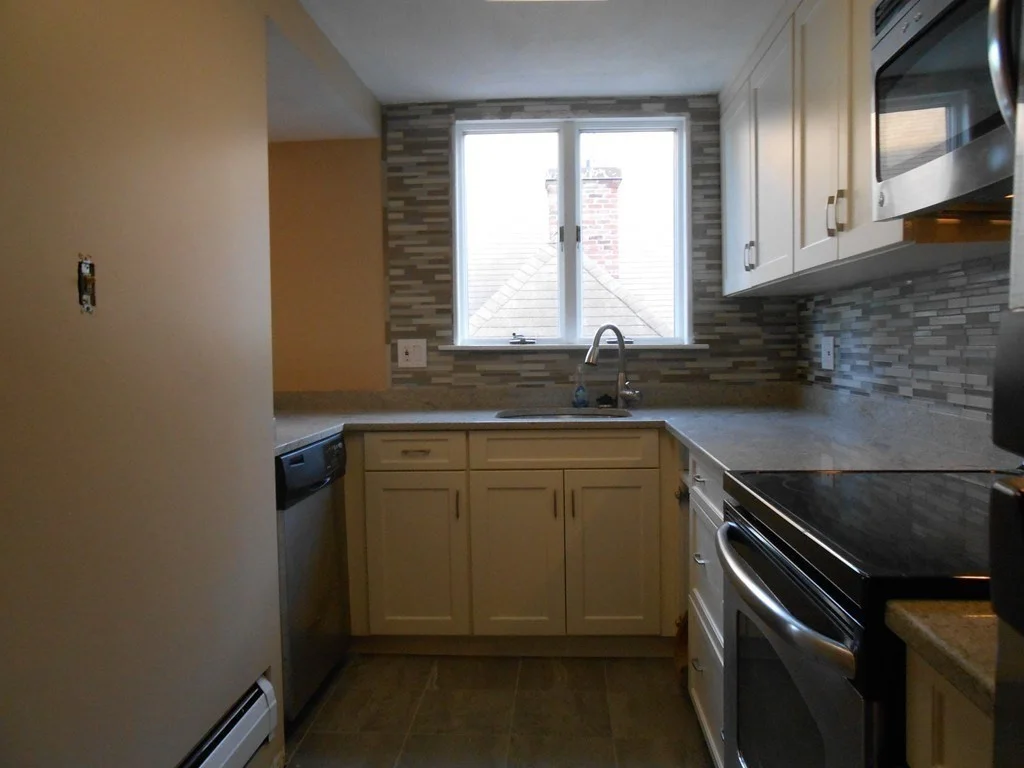
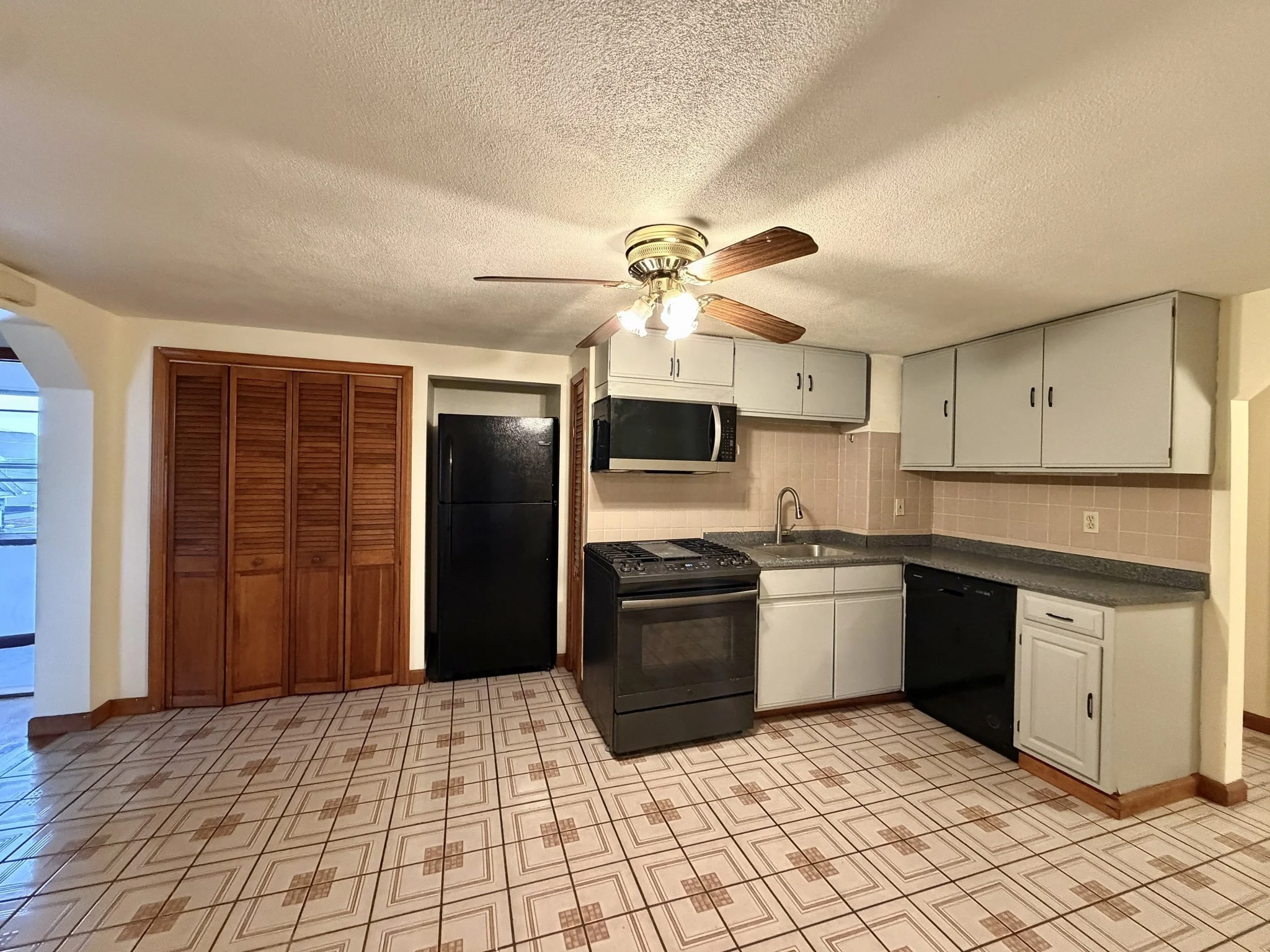

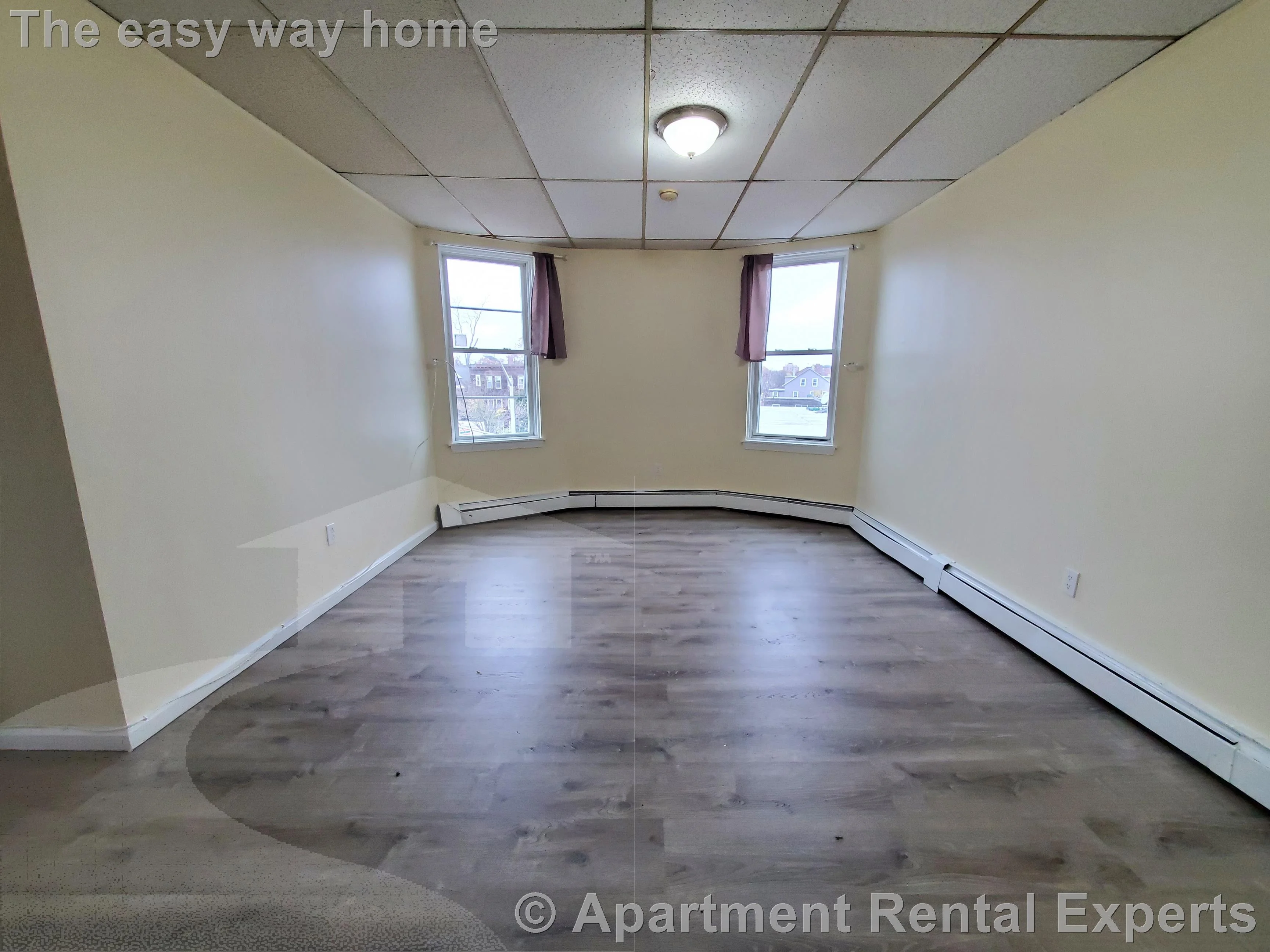

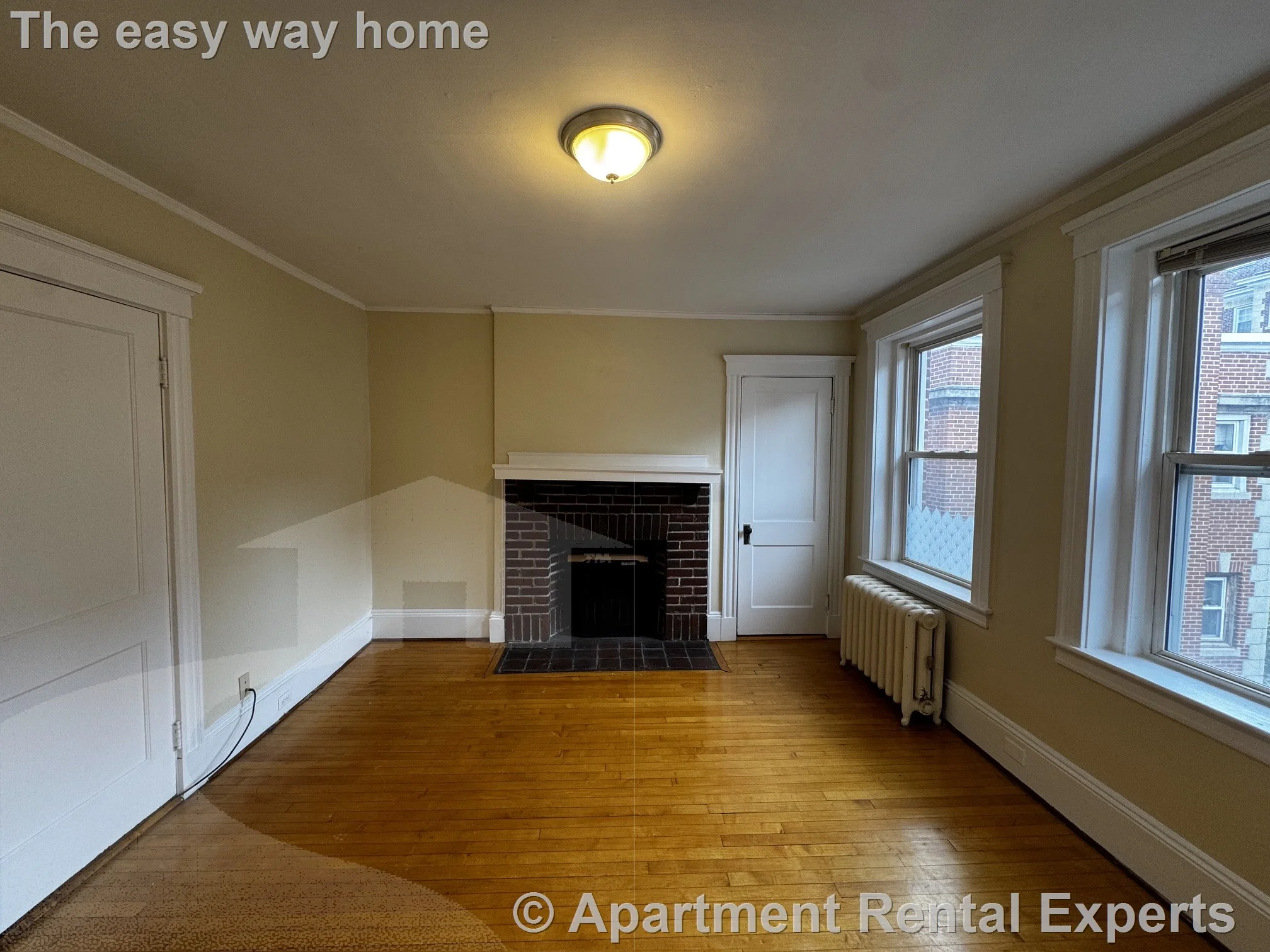
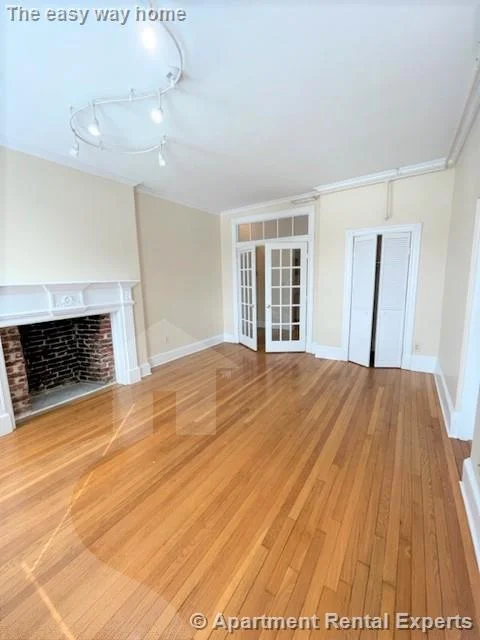
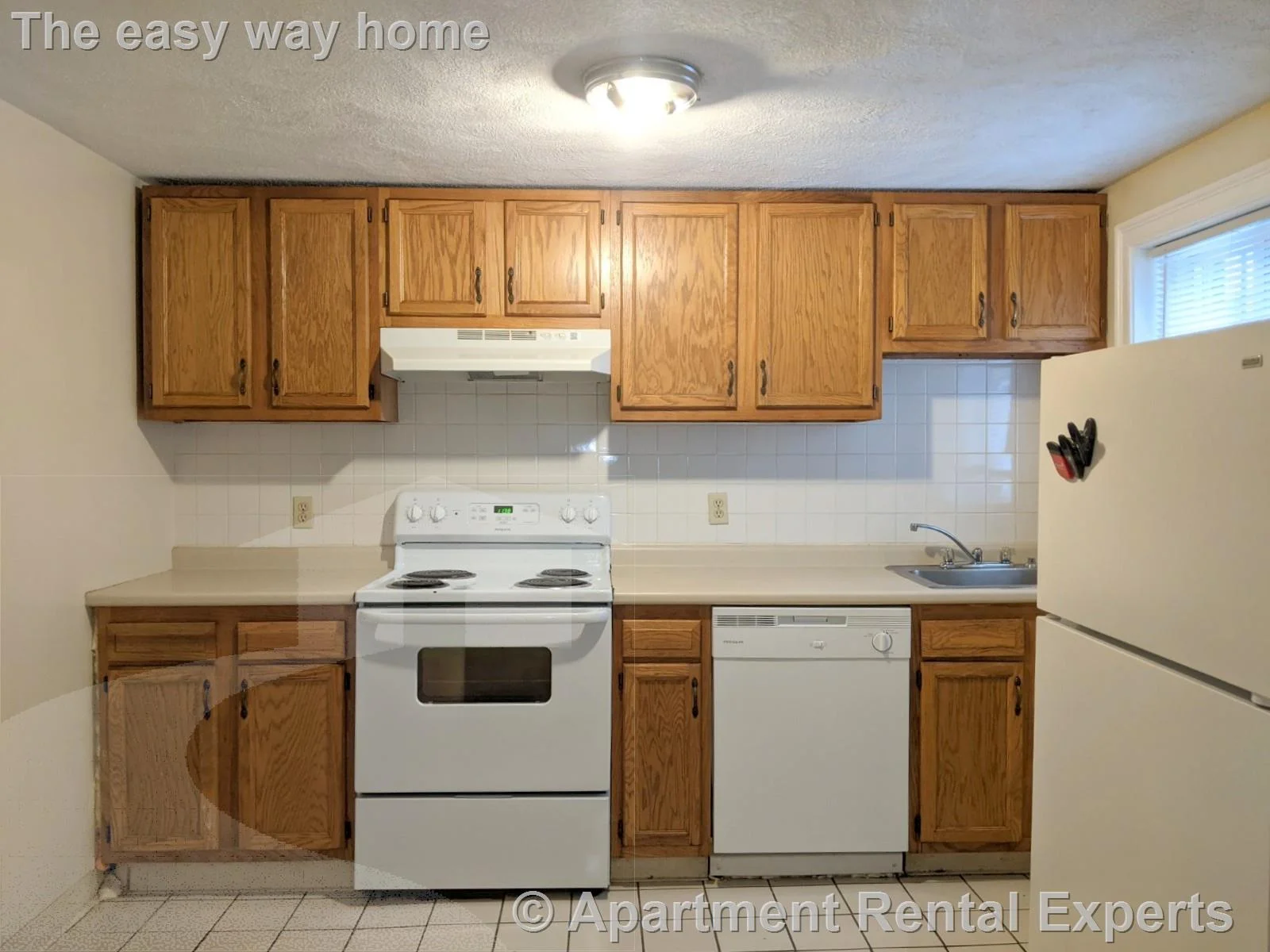
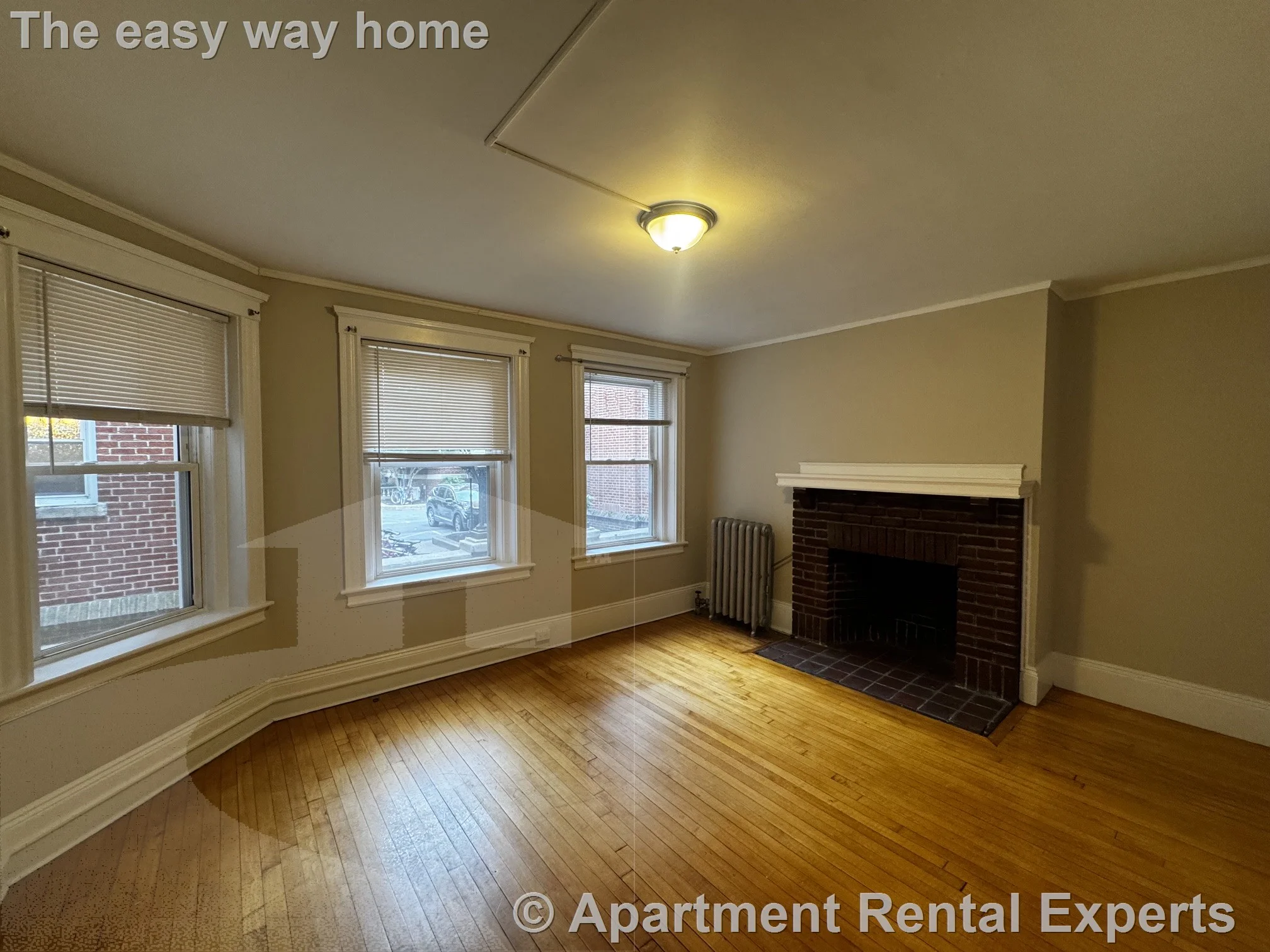
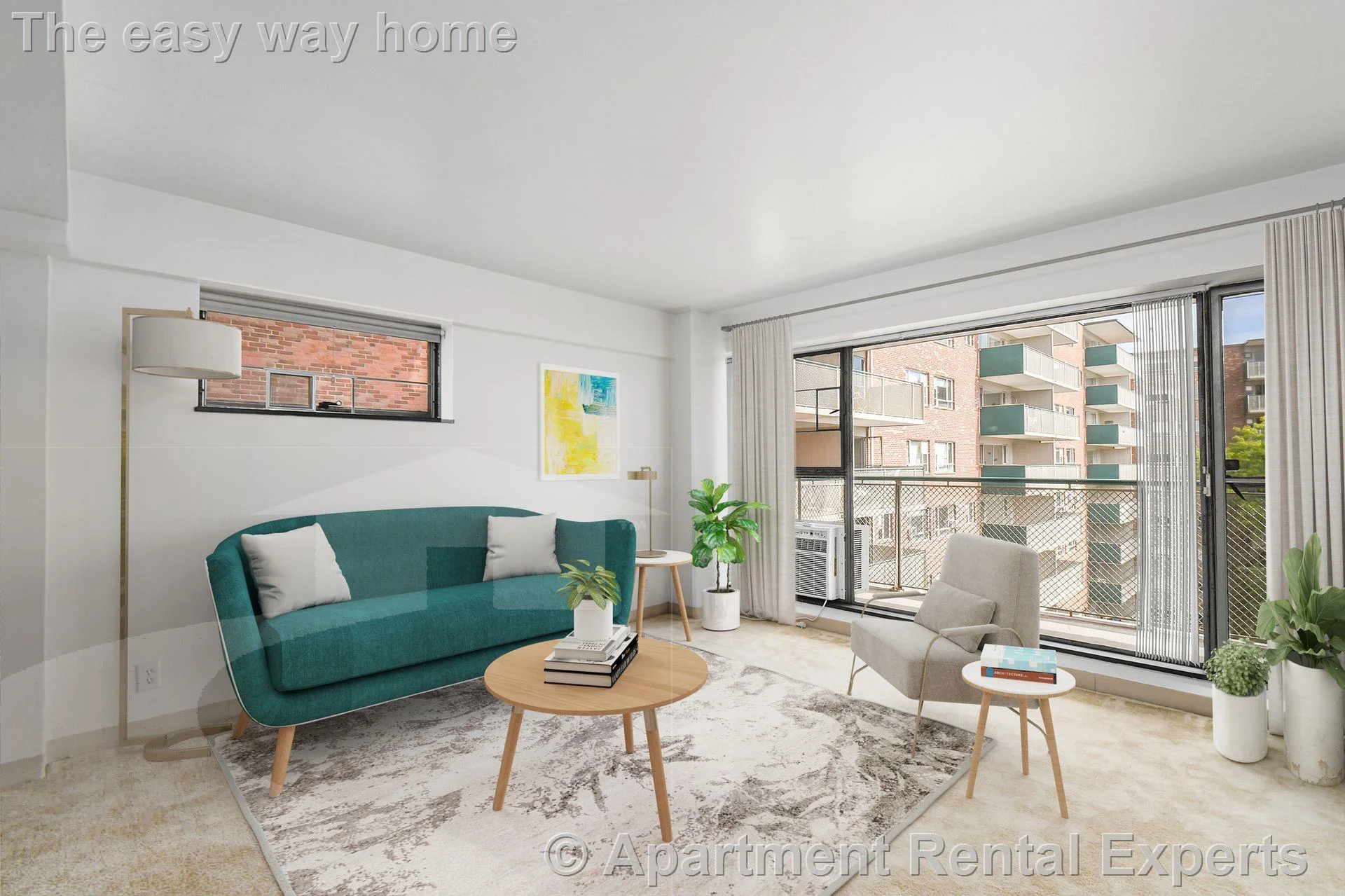
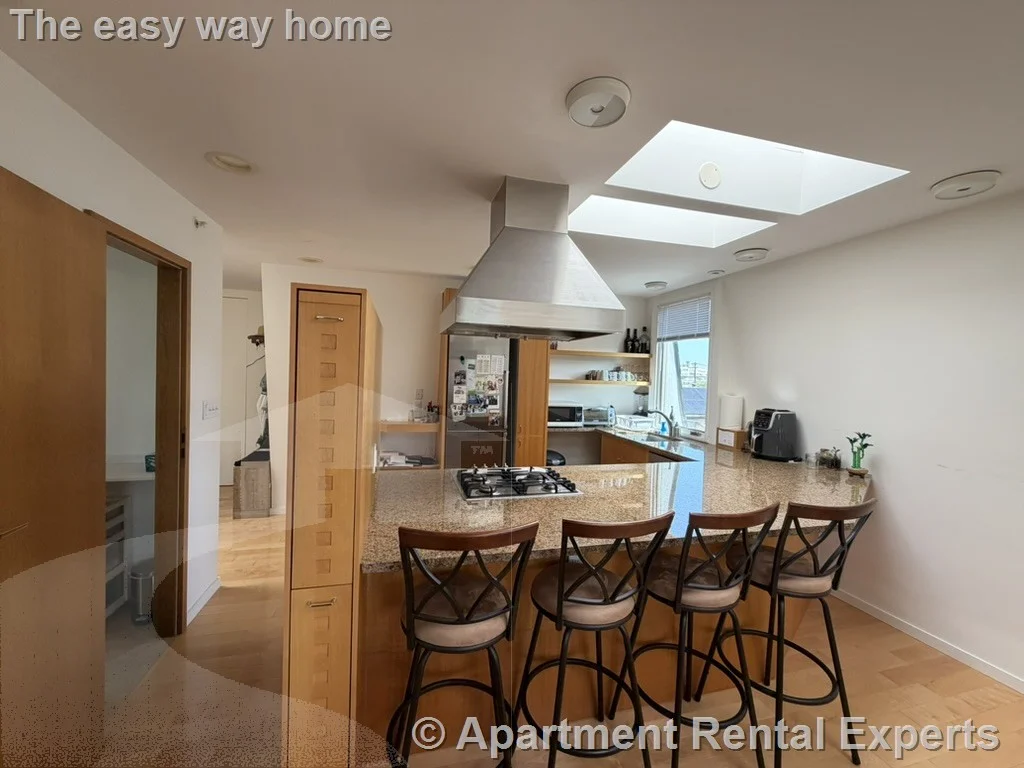

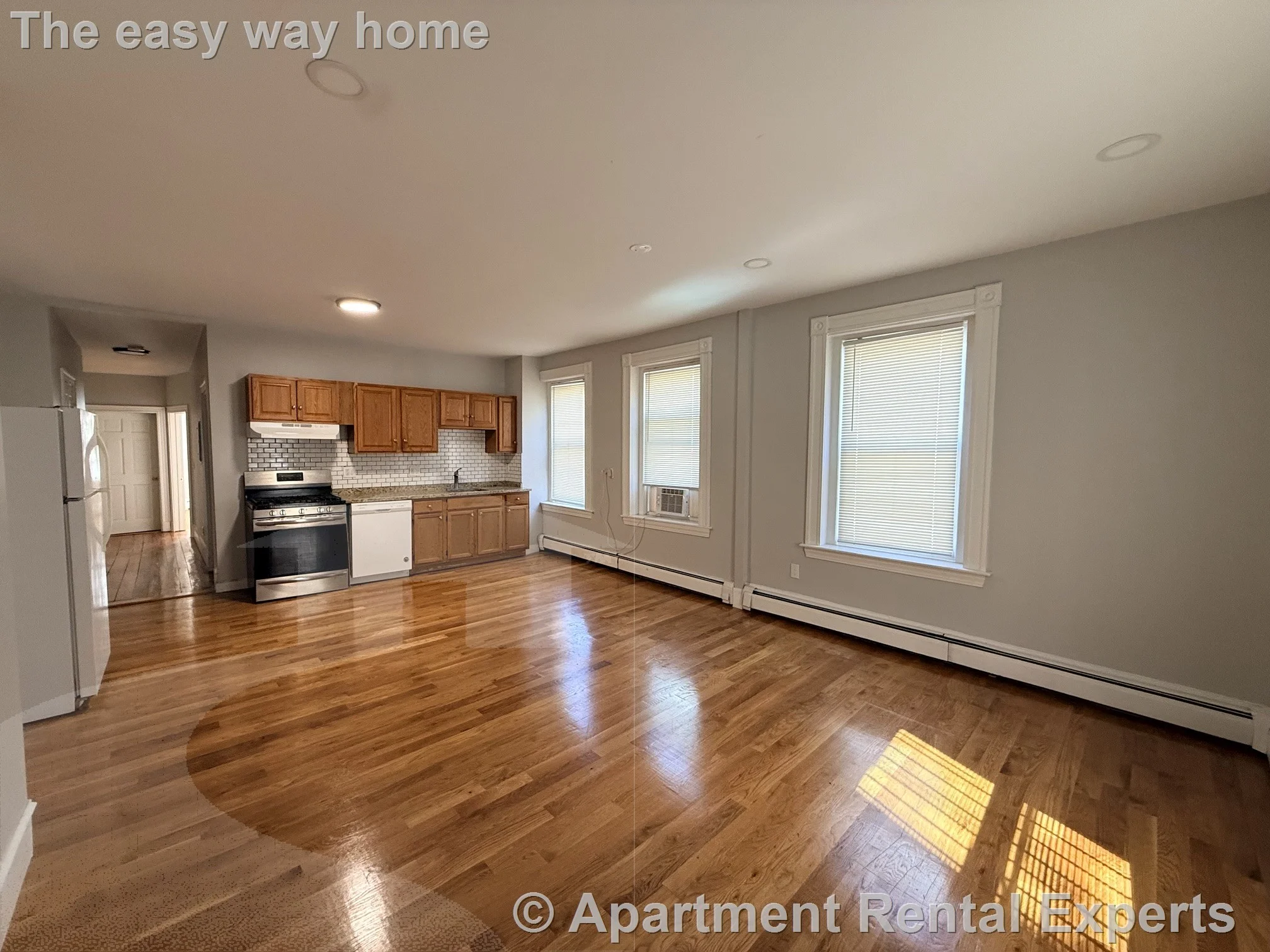


Average rent in Cambridge
As of August 2026, active listings on Spot Easy, each posted by verified agents.
| Size | Average |
|---|---|
| studio | $2,366 |
| 1-bedroom | $2,975 |
| 2-bedroom | $3,825 |
| 3-bedroom | $4,615 |
| 4+ bedroom | $6,579 |
About Cambridge
Cambridge sits directly across the Charles River from Boston and prices above the regional average. The Spot Easy Rent Index put the average asking rent for a Cambridge one-bedroom at $2,975 in August 2026, against $2,863 across Greater Boston. Two-bedrooms averaged $3,825 and three-bedrooms $4,615, both comfortably above the regional figures of $3,533 and $4,085.
Five Red Line stations sit inside the city: Alewife, Porter, Harvard, Central and Kendall/MIT. Lechmere, at the eastern edge, is served by the Green Line D and E branches. Porter is the only Cambridge stop where the Red Line meets the commuter rail, on the Fitchburg line. There is no Orange or Blue Line service anywhere in Cambridge, so reaching those lines means a change downtown or at North Station.
The squares behave as separate rental markets rather than one city-wide one. Harvard Square and Central Square sit two Red Line stops apart but list differently, and East Cambridge, Cambridgeport and Neighborhood Nine each have their own supply. It is worth searching two or three by name instead of the whole city at once.
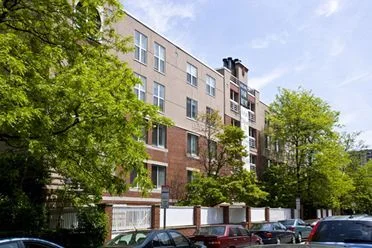
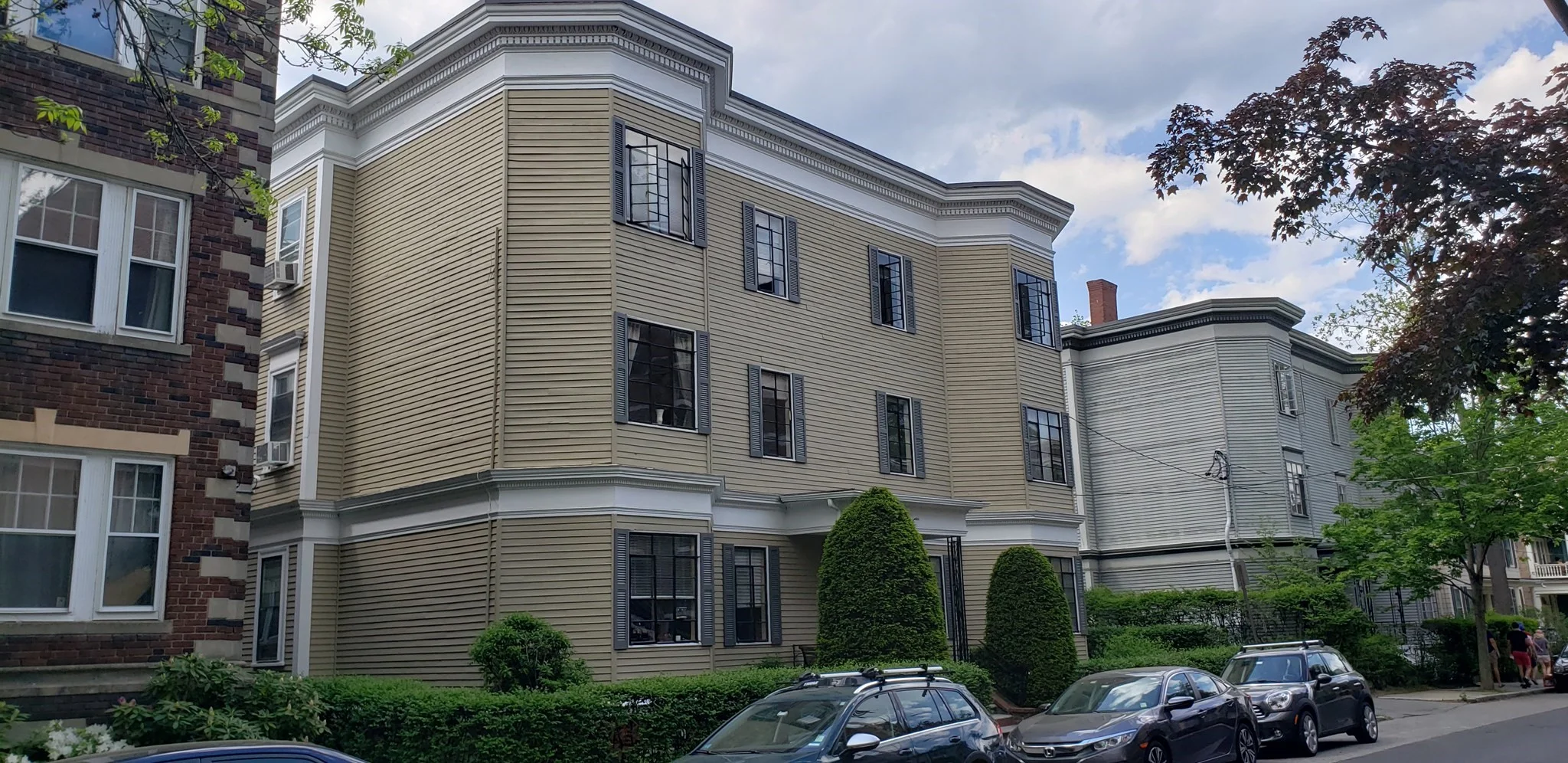
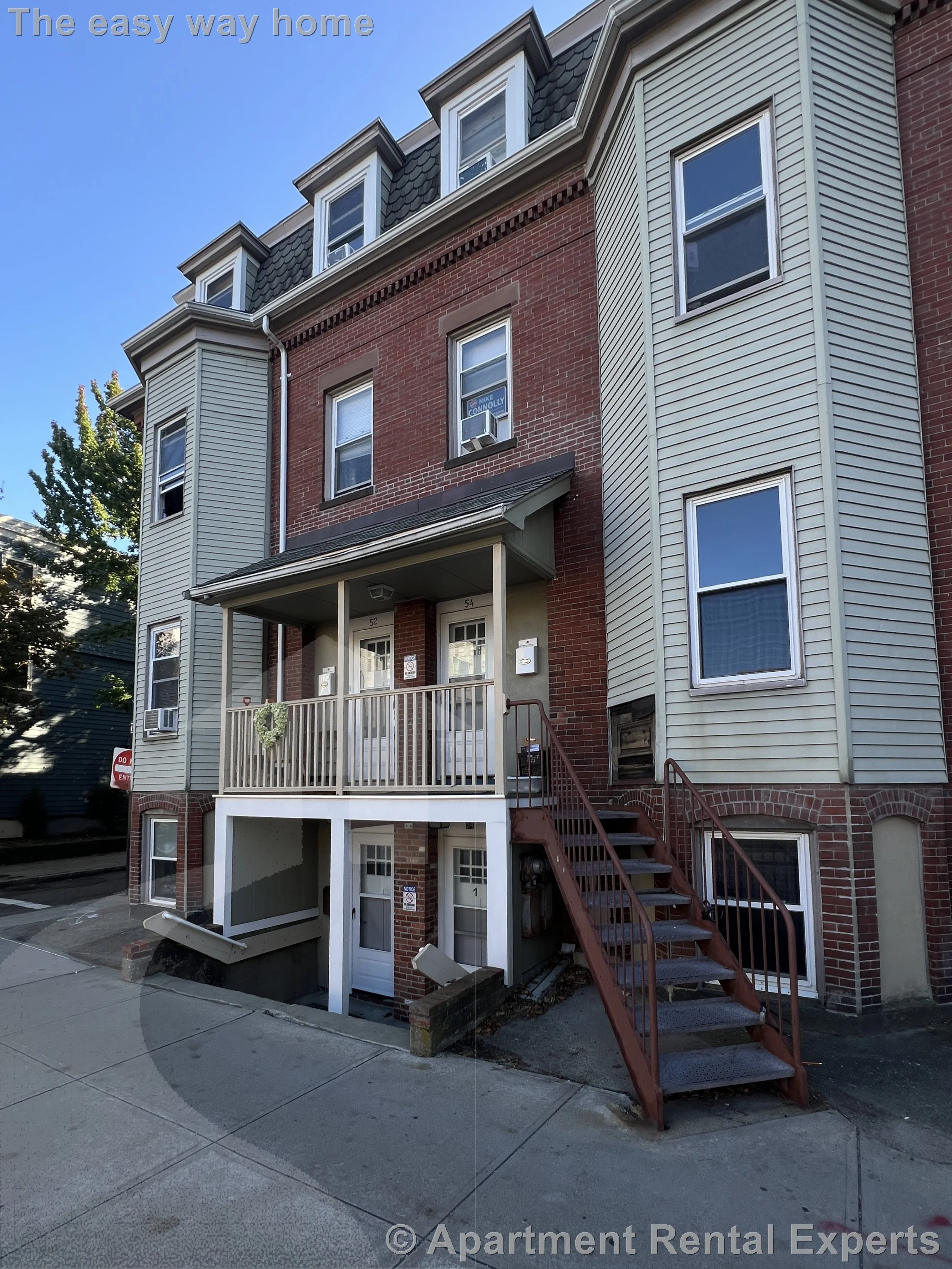
About half of the Cambridge properties listed on Spot Easy with a known unit count are two- or three-family houses, so a typical apartment here is one floor of a house rather than a unit in a managed building. Roughly 15% sit in buildings of ten units or more. Elevator access, in-building laundry and deeded parking are realistic in that segment and uncommon outside it. Cambridge also holds more single-family housing than its neighbors, which removes those properties from the rental pool entirely and tightens supply in the squares where they cluster.
Greater Boston turns over on September 1, and Cambridge follows that cycle closely. Listings for a September start appear from spring onward and the best of them move quickly, so searching in July for September means competing against renters who began in April. The university calendar reinforces the pattern rather than creating it, and it applies to the whole city rather than to particular squares.
Spot Easy lists Cambridge apartments from verified agents, with filters for no-fee listings, parking, laundry and pet policy. Published averages by bedroom count are on the Spot Easy Rent Index, and Somerville is worth comparing alongside it.
FAQ about Cambridge Apartments for Rent
What is the average rent in Cambridge?
In August 2026 the average asking rent in Cambridge is $2,366 for a studio, $2,975 for a 1-bedroom (+$75 higher than the median), $3,825 for a 2-bedroom, $4,615 for a 3-bedroom and $6,579 for a 4+ bedroom. Those figures come from active listings on Spot Easy, and we recalculate them each month.
How much should I budget for an apartment in Cambridge?
Most 1-bedrooms in Cambridge rent for about $2,975 a month — the more typical (median) price is $2,900. Studios average $2,366, 1-bedrooms average $2,975 and 2-bedrooms average $3,825. Budget toward the average — a handful of pricier units pull it above what most listings actually ask.
Are rents going up in Cambridge?
The median 1-bedroom in Cambridge is $2,900 in August 2026, up 3.6% from $2,800 in August 2025. We hold 15 months of Cambridge rent history, built from our own listings.
Is it cheaper to split a 2-bedroom in Cambridge than rent a studio?
Usually, yes. A 2-bedroom in Cambridge splits to about $1,913 each, against $2,366 for a studio. That saves roughly $453 a month, or 19%.
How does Cambridge rent compare with nearby neighborhoods?
For a 1-bedroom, the average in Cambridge is $2,975, next to Somerville at $2,570, Allston at $2,637 and Back Bay at $3,574. These cover the same bed size in the same month, and we only include areas with comparable data available.
Somerville apartments · Allston apartments · Back Bay apartments
Which Cambridge square should I base my search around?
Cambridge rents as a set of squares rather than one market, and the Rent Index prices them separately, so pick two or three by name. Harvard Square and Central Square are two Red Line stops apart and both put you a single ride from downtown Boston. East Cambridge sits closest to the Green Line at Lechmere and to the Kendall employment cluster. Cambridgeport runs between Central Square and the river and is quieter than its neighbors. Neighborhood Nine, between Harvard and Porter, is largely residential. Searching one square at a time gives you a far more useful sense of what your budget buys than filtering the whole city, because the spread between squares is wider than the spread within any one of them. For reference, the citywide two-bedroom average was $3,825 in August 2026, but that single number hides most of what separates one square from the next.
How many Red Line stops does Cambridge have?
Five: Alewife, Porter, Harvard, Central and Kendall/MIT, all inside the city limits, confirmed against the MBTA's own route data. That is unusual density for a municipality outside Boston and it is the main reason Cambridge holds a rent premium over the regional average. Alewife is the northwestern terminus and has the large parking garage; Kendall/MIT sits in the middle of the biotech and technology cluster; Harvard and Central carry the heaviest foot traffic. Lechmere, at the eastern edge, adds Green Line D and E service. What Cambridge does not have is Orange or Blue Line service at any point, so if your work sits on either of those lines, budget for a change at Downtown Crossing, State or North Station rather than assuming a single-seat ride. Between them the five stops run the length of the city, from Alewife in the northwest to Kendall/MIT on the Charles, which is why so much of the Cambridge market is described by its nearest station rather than by its street.
Can I reach the commuter rail without leaving Cambridge?
Yes, at Porter, which is the only station in the city where the Red Line and the commuter rail meet. Porter sits on the Fitchburg line, running northwest through Belmont, Waltham and Concord and inbound to North Station. For any other commuter rail line you will need to travel to North Station or South Station first, which means a Red Line ride and usually one change. This matters if your search is driven by a job outside the urban core: a Porter-area apartment gives you one-seat access to the Fitchburg corridor, while an apartment near Central or Kendall does not, even though those stops are closer to downtown. Check which line actually serves your destination before you narrow the search geographically. The Fitchburg line also stops at Belmont and Waverley, so a Porter-based commute reaches towns that have no rapid transit of their own.
Will a Cambridge apartment be in a house or an apartment building?
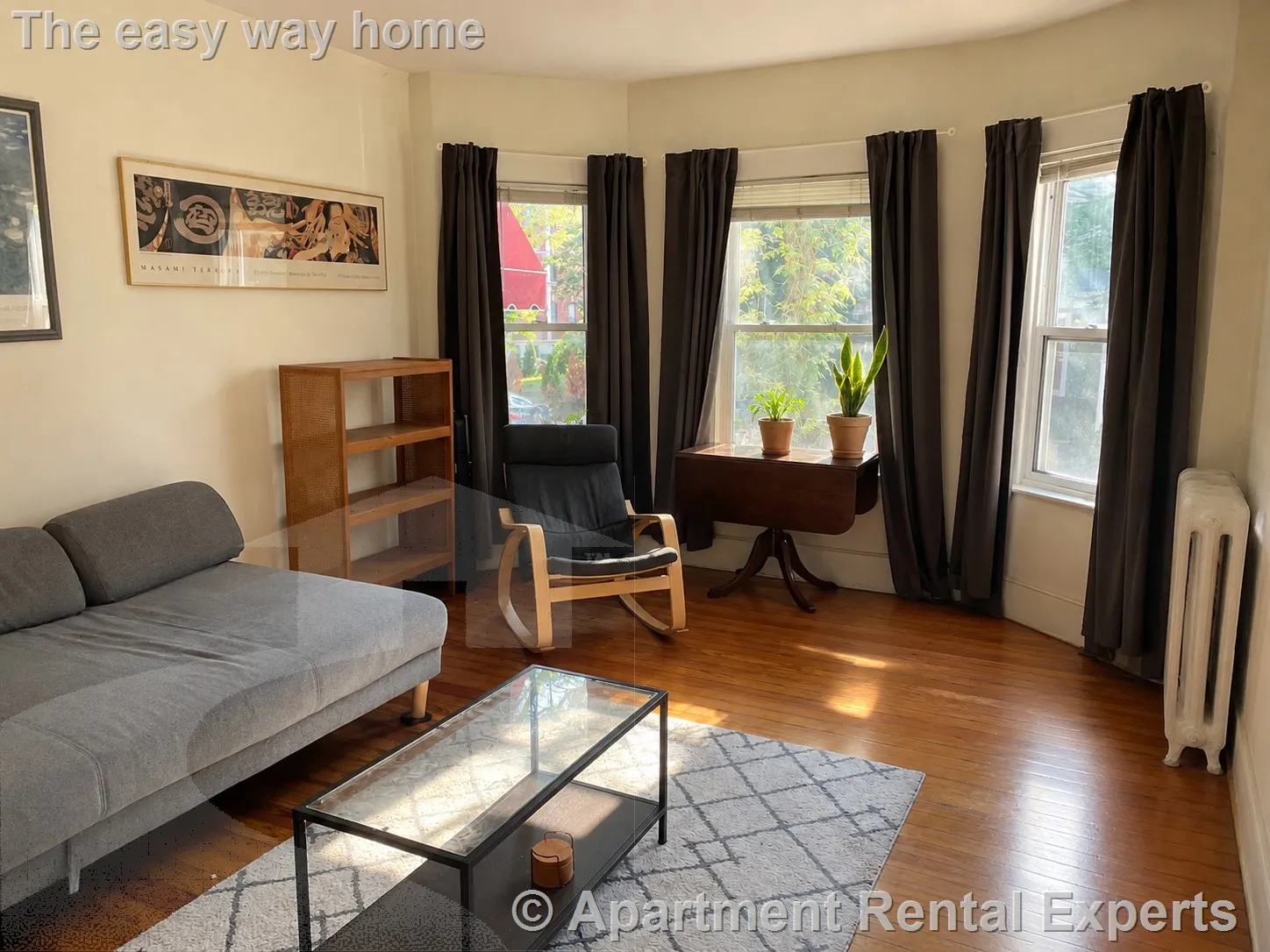
Most often a house. About half of the Cambridge properties listed on Spot Easy with a known unit count are two- or three-family buildings, so the typical listing is one floor of a house — often with the original layout, a back porch and a shared basement. Roughly 15% of properties sit in buildings of ten units or more. That second group is where elevator access, in-building laundry, on-site management and deeded parking are realistic; in the two- and three-family stock, laundry is usually a shared machine in the basement and parking is a driveway space or a street permit. Neither is better, but they are genuinely different products, and filtering by building size early will save you a lot of viewings that were never going to suit. The Rent Index shows the same split from another angle: the citywide studio average was $2,366 in August 2026, and studios are the hardest size to find here, because purpose-built studios sit mostly in the larger buildings.
How does renting in Cambridge compare with Somerville?
They are adjacent and share the Red Line, but the housing stock differs sharply. The Rent Index put the Cambridge one-bedroom average at $2,975 in August 2026 and the Somerville average at $2,570. Cambridge has meaningfully more large-building inventory — roughly 15% of its properties are in buildings of ten units or more, against about 5% in Somerville — so if you want an elevator, a doorman-style building or in-unit laundry, Cambridge has far more of it. Somerville skews to two- and three-family houses, close to three-quarters of its stock. Renters who want a managed building generally do better in Cambridge; renters who want more space per dollar and do not need building amenities often do better one municipality north. Both cities run on the same September 1 cycle and both sit on the Red Line, so the decision is usually about building type and budget rather than about the commute itself.
Are four-bedroom apartments realistic in Cambridge?
Yes, and there is a real market for them. The Rent Index recorded an average of $6,579 for Cambridge apartments with four or more bedrooms in August 2026. That stock comes mostly from the two- and three-family houses, where a full floor can carry four bedrooms, rather than from purpose-built apartment buildings. Practically, this means four-bedroom listings behave like whole-floor rentals: you take the entire level, the layout is the house's original one, and bedrooms vary in size rather than matching. If you are searching as a group, start earlier than you would for a one-bedroom, because this segment is thin at any given moment and turns over on the September cycle. For comparison the regional average at that size was $5,109, so Cambridge carries a substantial premium for a large apartment — considerably more than the premium it carries on a one-bedroom.
When should I start looking for an apartment in Cambridge?
Aim to start four to five months before your move date. Greater Boston concentrates lease starts on September 1, and Cambridge follows that cycle closely, so apartments for a September start begin appearing in the spring. Searching in July for a September move means competing against renters who started in April, and the listings still available late in the cycle are generally the ones that were passed over earlier. If you need a start date outside the September pattern — January, or a mid-year month — expect noticeably less inventory but also less competition, and be ready to move quickly when something suitable appears, because off-cycle listings often come from a single vacancy rather than a wave of turnover. Set up saved searches early rather than checking sporadically, and arrange viewings quickly once something suitable appears, because during the peak of the cycle the good listings do not stay available long.
How do I find no-broker-fee apartments in Cambridge?
Filter for no-fee listings on Spot Easy, then confirm the fee in writing before you apply. Fee terms are set per listing rather than by neighborhood, so they vary building to building even on the same street. Treat a listing that does not state a fee as unconfirmed rather than assuming it carries none — an unstated fee is missing information, not an absence. When a fee does apply it is commonly quoted as a month's rent, which on a Cambridge one-bedroom at the August 2026 average of $2,975 is a significant addition to your move-in costs alongside first month, last month and a security deposit. Ask the agent directly what is owed at signing, and get the full figure before you commit to a viewing schedule. Every agent listing on Spot Easy is verified before their listings go live, so the person quoting you a figure is accountable for it.
What documents do I need to rent an apartment in Cambridge?
Expect photo identification, recent pay stubs or an offer letter, bank statements, and contact details for previous landlords. Larger managed buildings usually run formal credit and income screening and may ask for a guarantor if your income does not meet their multiple of the rent; owners of two- and three-family houses often handle this less formally but still ask for references. Under Massachusetts law a landlord may collect at most first month's rent, last month's rent, a security deposit of no more than one month's rent, and the cost of a new lock — and the security deposit must be held in a separate interest-bearing account at a Massachusetts bank, with a receipt provided. Having your paperwork ready in advance is a genuine advantage in a fast-moving cycle. Ask what a particular landlord requires before you view rather than after you apply, since the owner of a three-family house and a professionally managed building often want quite different things.