
About Belmont
Belmont is a town immediately west of Cambridge and north of Watertown, and the thing to understand before searching here is the transit shape: there is no rapid-transit station, but there are two commuter rail stops. Belmont and Waverley both sit on the Fitchburg line with roughly three dozen trains on a weekday, and Porter is the next stop toward Boston, where the line meets the Red Line.
That makes Belmont a genuinely different proposition from a bus-only suburb. A car-free commute works if you live near one of the two stations or on the route 78 corridor, which is the busiest bus in town. Routes 73, 74 and 75 also run toward Harvard, and route 350 heads north toward Burlington.
The town divides into recognizable parts, and listings are usually named for one of them rather than for Belmont as a whole: Belmont Center around the station and the main shopping street, Waverley Square at the Watertown end near the second station, Cushing Square between them, Payson Park to the east toward Cambridge, and Belmont Hill rising to the north.
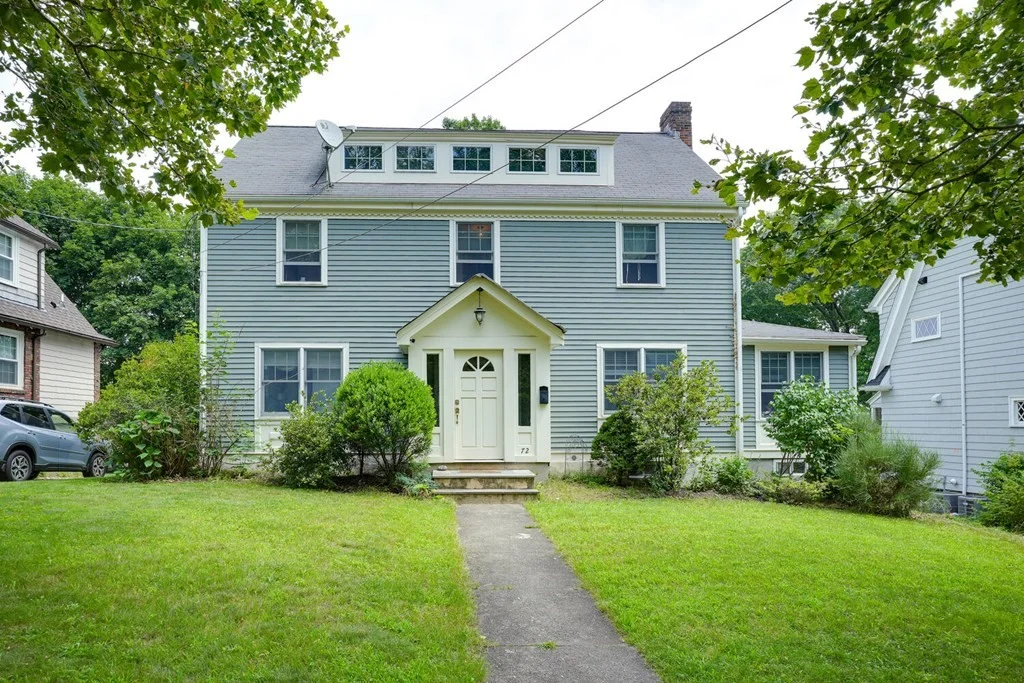
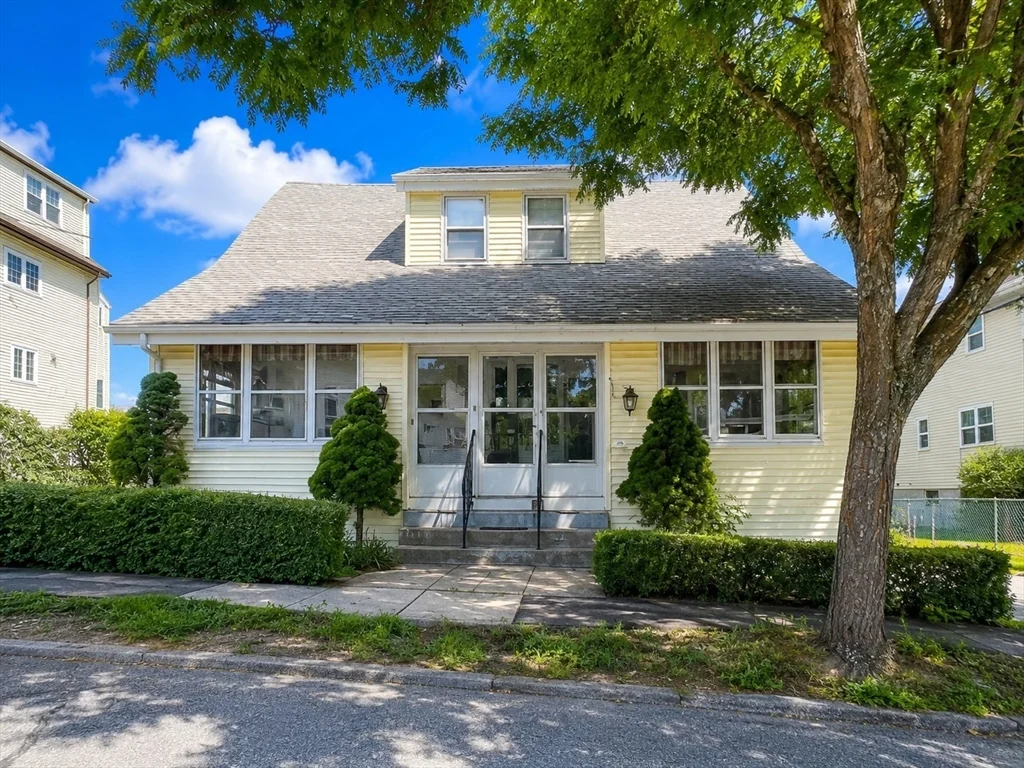
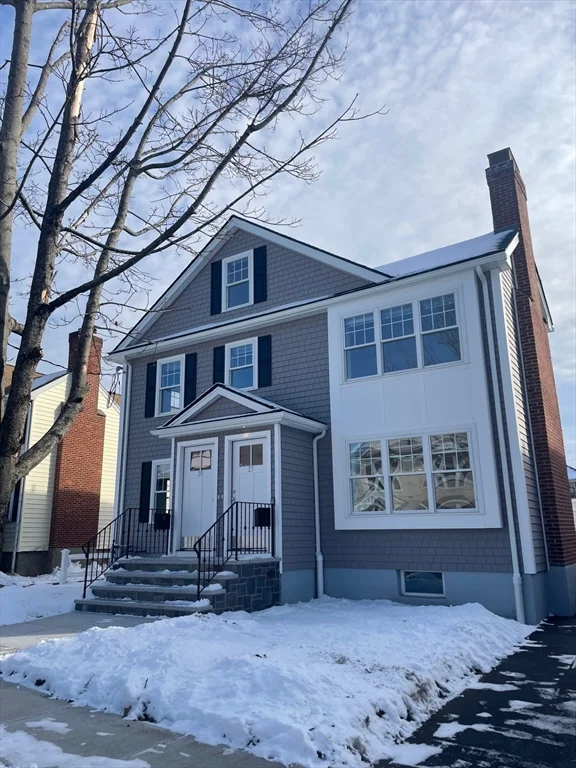
The rental stock is where Belmont differs most sharply from its neighbors. It is overwhelmingly two-family houses, with single-family homes making up much of the rest and very few purpose-built apartment buildings of any size. Almost nothing here has fifty units or more. In practice that means a Belmont listing is usually a full floor of a house: stairs rather than an elevator, tenant-paid heat, and a driveway rather than structured parking. If elevator access or on-site laundry is a requirement, Watertown next door has far more of it.
One consequence of that stock is size. Larger apartments are unusually well represented in Belmont, and four- and five-bedroom listings appear here more often than in most towns this size, because full floors of large two-families and whole houses both come to market.
Spot Easy lists Belmont apartments from verified agents, with real-time availability, filters for bedroom count, bathrooms, pets, parking, laundry and no-broker-fee listings, and photos or 3D tours on most units. Average asking rents across Greater Boston by bedroom count are published monthly in the Spot Easy Rent Index. Cambridge, Arlington, Waltham and Lexington apartments all border Belmont.
FAQ about Belmont Apartments for Rent
Where is Belmont, MA?
Belmont is a town in Middlesex County directly west of Cambridge, bordered by Arlington to the north, Watertown to the south, Waltham to the west and Lexington to the northwest. It covers a little under five square miles and rises from the Watertown line up to Belmont Hill in the north, which is why walking distances here feel longer than the map suggests. Listings are usually described by area rather than by the town alone: Belmont Center around the commuter rail station and the main shopping street, Waverley Square at the Watertown end, Cushing Square between them, Payson Park toward Cambridge, and Belmont Hill above. Knowing which of those a listing sits in tells you more about the commute than the rent does. The elevation change is worth taking seriously when you compare listings: the difference between a Waverley Square address and one on Belmont Hill is a few minutes on a map and a sustained climb on foot.
How is transit access in Belmont?
Belmont has no rapid-transit station, but it does have two commuter rail stops, which sets it apart from a bus-only suburb. Belmont and Waverley both sit on the Fitchburg line and each has roughly three dozen scheduled trains on a weekday. Porter is the next stop toward Boston and is where the Fitchburg line meets the Red Line, so a rail commute usually means one train plus one subway. Route 78 is the busiest bus in town and has the widest coverage, with routes 73, 74 and 75 running toward Harvard and route 350 heading north toward Burlington. Because there is no subway walk on offer, check a listing's distance to a station or the 78 corridor before comparing it with anything in a Red Line town. The two stations are only a few minutes apart by train, so in practice you are choosing between them on walking distance from your street rather than on service, since both carry the same line.
What is the commute from Belmont to Boston like?
There are two workable car-free routes and they suit different parts of town. From Belmont Center or Waverley you can take the Fitchburg line, changing at Porter for the Red Line or continuing to North Station. From the eastern and southern parts of town, a bus toward Harvard and then the Red Line is often faster in practice because the buses run far more frequently than the trains do. Driving uses Concord Avenue, Pleasant Street, Trapelo Road or Belmont Street, all of which feed toward Route 2 or Fresh Pond, and the Route 2 approach is the main peak-hour constraint. The right choice depends on which end of Belmont you are in, so check the address rather than the town. Worth knowing before you rely on the train: the Fitchburg line runs on a commuter schedule rather than a subway one, so a missed train costs considerably more time than a missed bus, and the bus option is the more forgiving of the two day to day.
Which parts of Belmont should I search?
Belmont Center is the most walkable choice: the commuter rail station, the main shopping street, the library and restaurants are all within a few blocks of each other. Waverley Square at the Watertown end has the second station and sits closest to Watertown Square and its bus network. Cushing Square between them has its own small commercial cluster and has seen recent mixed-use building. Payson Park to the east is the shortest hop toward Cambridge and Fresh Pond. Belmont Hill to the north is the quietest and the most car-dependent, with larger houses and longer walks to everything. Pick on station or bus access first, since that varies more across this town than the housing does. Because the town is small and the two stations sit at opposite ends, the practical question is usually which station you can reach on foot in under fifteen minutes, and that narrows the search faster than any other filter.
What kinds of buildings are Belmont apartments in?
Belmont is two-family territory, more so than almost any town nearby. Two-family houses account for the large majority of its residential properties, with single-family homes making up much of the remainder and only a small number of purpose-built apartment buildings. Almost nothing in town has fifty units or more. The practical consequence is that a Belmont listing is usually a full floor of a house: stairs rather than an elevator, heat and electricity on the tenant, and a driveway or street space rather than structured parking. If elevator access, step-free entry or on-site laundry is a requirement, Watertown immediately south has considerably more of that stock, and it is a short bus ride away. It also means the landlord is usually an individual owner rather than a management company, which changes how applications are handled and how quickly a unit moves.
What sizes of apartment are most common in Belmont?
Two-bedrooms lead, but the more distinctive feature of Belmont's market is how well represented large apartments are. Four- and five-bedroom listings appear here more often than in most towns of this size, because full floors of large two-family houses and whole single-family houses both come to market. One-bedrooms are the scarcest size and studios are close to absent, which follows directly from a housing stock with almost no purpose-built apartment buildings. If you want something small, Watertown or Cambridge will give you far more to compare; if you want three or more bedrooms, Belmont is one of the better places nearby to look. Whole-house rentals turn up here more often than the listing counts alone suggest, so it is worth setting an alert for four bedrooms and above rather than assuming nothing in that size will appear.
Is Belmont walkable?
Belmont Center and Waverley Square are both genuinely walkable, with shops, restaurants and a station within a few blocks. Cushing Square is a smaller third cluster. Away from those three centers the town becomes residential and errands generally mean a bus or a car. The topography matters more here than in flatter towns: Belmont rises from the Watertown line up to Belmont Hill, so a walk that looks short on a map can be a steady climb, and that is worth checking against a specific address. Trapelo Road and Pleasant Street carry the heaviest traffic. For walking and cycling away from roads, Beaver Brook Reservation and the trails at Rock Meadow and Habitat are the main options. Belmont Center to Waverley Square along Trapelo Road is walkable end to end but not especially pleasant, so most people treat the two centers as separate destinations rather than one continuous strip.
What is there to do in Belmont?
Belmont is unusually well supplied with conservation land for a town inside Route 128. Mass Audubon's Habitat Education Center and Wildlife Sanctuary covers about ninety acres of meadow, forest and wetland with two ponds and a network of trails. Beaver Brook Reservation runs to just over three hundred acres on the Belmont and Waltham line and has a bike path, playing fields, a cascading waterfall and a wading pool. Rock Meadow is open conservation land with trails off Mill Street. Belmont Center holds the main commercial strip, the public library and the town's restaurants, and Cushing Square and Waverley Square each have their own smaller clusters of shops and cafes. Between Habitat, Beaver Brook and Rock Meadow, Belmont has several hundred acres of trails within town limits, which is unusual this close to Cambridge and is one of the more concrete reasons renters choose it.
Does Belmont have a commuter rail station?
Yes, two of them. Belmont station sits in Belmont Center and Waverley station is at the Watertown end of town, and both are on the Fitchburg line with roughly three dozen scheduled trains on a weekday. The next stop toward Boston is Porter, where the Fitchburg line meets the Red Line, so most rail commutes from Belmont involve one train and one subway rather than a single ride. The line continues out to Waltham, Concord and Fitchburg in the other direction. Because Belmont has no rapid-transit station of its own, these two stops and the route 78 bus are the backbone of any car-free commute here, and proximity to one of them is worth checking before anything else. One practical caution: both are relatively small stops rather than major stations, so check the current timetable for your travel times rather than assuming frequent all-day service.
When should I start looking for an apartment in Belmont?
Belmont follows the Greater Boston September 1 cycle, so inventory is widest between April and July and thinnest in late winter. Searching in late May or June gives the widest choice for a September start. Belmont has an additional constraint that larger towns do not: because nearly all of its stock is owner-held two-family houses rather than managed buildings, listings appear individually and irregularly rather than in batches, and there is no set of leasing offices releasing inventory on a schedule. That makes an alert for your bedroom count considerably more effective here than checking manually, and it makes flexibility on timing more valuable than in a town with apartment buildings. Because there are so few units in town at any moment, widening the search to Watertown or Arlington alongside Belmont is usually more productive than waiting for Belmont inventory to appear.
How do I find no-broker-fee apartments in Belmont?
Apply the no-broker-fee filter, which limits results to listings an agent has specifically marked as carrying no tenant-paid fee. Fee terms are set per listing rather than per neighborhood, so the filter is more reliable than any assumption about where no-fee apartments cluster. Belmont is a harder place to use it productively than most, because almost all of its stock is owner-held two-family houses rather than managed buildings with in-house leasing staff, so no-fee listings appear irregularly and do not last. Check back often rather than waiting for a batch. Where a fee does apply it is most often one month's rent, on top of first month, last month and a security deposit. If a listing does not state its fee terms, treat them as unconfirmed and ask. Given how thin Belmont inventory is overall, applying the no-fee filter here can reduce your results to very few listings, so it may be worth searching with and without it and weighing the fee against the alternatives.
What documents do I need to rent an apartment in Belmont?
Expect photo ID, recent pay stubs or a signed offer letter, and references from a prior landlord. Because most Belmont rentals are owner-held two-family houses rather than managed buildings, applications are frequently read by the owner personally rather than run through a screening service, so a complete and tidy file and a prompt reply matter more than hitting a credit-score threshold. Decisions can come within hours. First month, last month and a security deposit are typically due at signing, and Massachusetts caps a security deposit at one month's rent. The deposit must be held in a separate interest-bearing account at a Massachusetts bank, and you are owed a receipt within 30 days naming the bank and the account. Because you are often dealing with an owner rather than a leasing office, being able to supply everything in one message rather than across several exchanges tends to matter more here than anywhere else in this group of towns.