


Boston is one of the most competitive rental markets in the United States. With a mix of college students, medical staff, young professionals, and families all vying for housing, apartments often go quickly—and at a premium price. But the monthly rent listed on a Boston apartment ad doesn’t always tell the whole story.
Behind the base rent are layers of hidden costs of renting apartments in Boston that can catch tenants off guard. From upfront deposits to recurring convenience fees, these expenses add up fast and can dramatically increase the true cost of living in the city.
In this guide, we’ll break down the most common hidden rental costs in Boston, explain what’s legal and typical, and show you how to budget so you don’t end up blindsided.
Understanding Hidden Rental Costs in Boston
When renters hear “hidden fees,” they often assume illegal or deceptive charges. But in Boston, many hidden costs of renting apartments are legal, common, and even expected, hence apartment rents are high in Boston.
For example, Massachusetts law allows landlords and brokers to charge certain fees, including security deposits and, when the tenant hires the broker, broker’s fees, while other charges, like application fees or junk fees, are more controversial and sometimes regulated.
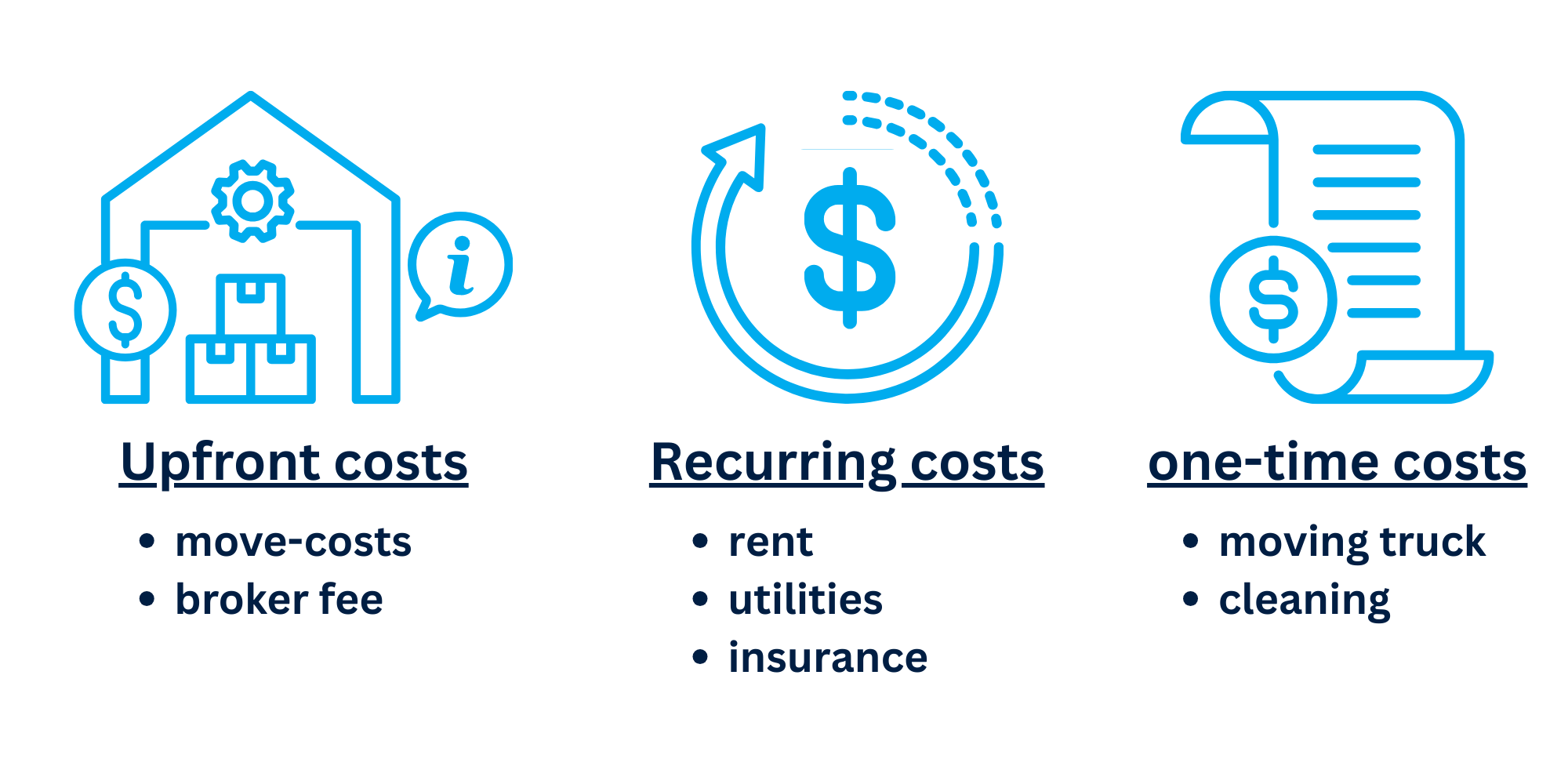
These expenses fall into three categories:
- Upfront costs: Paid before moving in (e.g., a broker fee if you hire your own agent, first and last month’s rent, security deposit).
- Recurring costs: Ongoing monthly charges (e.g., utilities, pet rent, renter’s insurance).
- One-time or incidental costs: Additional charges tied to moving, amenities, or lease renewals.
Let’s look at each category in detail.
Upfront Costs Beyond Rent

Broker’s Fee
Before August 1, 2025, Boston tenants were often surprised to learn they had to pay the broker’s fee even when they did not hire the broker. Massachusetts law now says whichever party hires the broker pays the fee, so a tenant owes it only if the tenant hired the broker, and that fee can run up to one full month’s rent.
- Legal context: Since August 1, 2025, Massachusetts law lets a broker charge a tenant only if that tenant hired the broker; a landlord-hired broker’s fee is the landlord’s cost.
- Example: If you hire your own broker for a $3,000/month apartment, you may need an additional $3,000 for the broker’s fee.
Also Read: Why Do Boston Apartments Charge Broker Fees?
Security Deposit & Last Month’s Rent
Landlords can legally require a security deposit equal to one month’s rent, plus first and last month’s rent upfront. This means a renter should budget for three months of rent to sign a lease, plus a broker’s fee only if the renter hired the broker.
- Security deposit: Refundable if no damages.
- Last month’s rent: Often required upfront to secure the lease.
- Key/Lock Change Fee/Deposit: Some landlords change the locks between tenants or charge a refundable deposit that is returned when you return the keys.
Application & Credit Check Fees
Brokerages can charge an application fee or a credit check fee. While Massachusetts limits excessive charges, small fees ($25–$50) are common.
- Application fee: Covers processing paperwork.
- Credit check fee: Pays for third-party credit verification.
- Administrative fees: Some property management companies add these on top.
Also Read: What Is Typically Included in Apartment Rent in Boston
Recurring Monthly & Mandatory Charges

Utilities
Many renters are caught off guard when they learn rent excludes utilities. In Boston, it’s common for heat, electricity and gas.
- Average costs: $150–$250/month depending on apartment size and season.
- Water and sewage: Although rare, water and sewage can be billed separately.
Budgeting tip: Always ask which utilities are included in the lease.
Renter’s Insurance
Most landlords in Boston require renter’s insurance as a condition of the lease.
- Cost: $15–$30 per month on average.
- Coverage: Protects personal belongings, liability, and sometimes additional living expenses.
- Mandatory: Even though it feels like a “hidden cost,” it’s a legal requirement in most leases.
Budgeting tip: You might be able to bundle renter’s insurance with your car insurance or your parents’ homeowners insurance to save some money.
Amenity & Convenience Fees
If you live in a modern apartment complex, chances are you’ll be billed for extras:
- Amenity fees: Gyms, pools, or shared lounges.
- HOA fees: Common in condo-style rentals.
- Convenience fees: Paying rent online with a card can trigger small surcharges.
Pet Fees & Pet Rent
Bringing a pet often comes with two layers of costs:
- Pet deposit or fee: Some listings mention this, but Massachusetts law caps what a landlord can require at move-in to first month’s rent, last month’s rent, a security deposit, and the cost of a new lock, so a landlord cannot legally require a separate one-time pet fee.
- Pet rent: Monthly recurring cost ($25–$100 per pet).
Parking Fees & Transportation Costs
Boston is notoriously tight on parking. Many buildings charge separately:
- Parking fees: $150–$300 per month for a space.
- Garage access: Higher-end complexes may add premiums.
- Transit pass: If no parking, renters budget for MBTA costs.
Moving & One-Time Costs

Move-in / Move-out Fees
Large apartment buildings may mention move-in fees or elevator reservation fees to manage logistics, but Massachusetts law limits what a landlord can require before move-in to first and last month’s rent, a security deposit, and the cost of a new lock, so ask whether a move-in or elevator fee is charged by the landlord or by a separate building management company.
- Elevator reservations: $100–$300, refundable or non-refundable.
- Cleaning charges: Deducted when moving out.
Lock & Key / Key Fob Activation
It might sound trivial, but many tenants pay lock and key fees or key fob activation charges when moving in. Massachusetts law lets a landlord charge for a new lock and key at move-in, but a separate key fob fee may fall outside what a landlord can require, so ask before you pay it.
- Key fob activation: $25–$75.
- Lock replacement: $50–$100.
Storage Rentals & Long Carry Fees
If your building lacks storage, you may need to rent an external storage unit.
- Storage unit rentals: $50–$200/month depending on size.
- Long carry fee: Movers may charge extra if elevators are unavailable or walking distance is long.
Lease Renewal & Incremental Fees
Rent Increases & Renewal Fees
Boston’s urban housing market is competitive, and landlords frequently raise rents at renewal.
- Rent increases: Often 3–7% annually.
- Lease renewal fee: Some landlords tack on an extra charge.
Service Charges & Automatic Payment Fees
Hidden in contracts are smaller but persistent charges:
- Service charge: For maintenance or trash collection.
- Automatic payment fee: Charged for using certain payment methods.
How to Avoid or Reduce Hidden Costs
The good news? With the right knowledge, you can minimize the impact of Boston’s rental fees.
Inspect Leases Carefully
Ask landlords to disclose:
- Which utilities are included/excluded.
- What amenities fees apply.
Negotiate with Landlords
In some cases, you can negotiate:
- Splitting or waiving the broker’s fee.
- Reducing renewal fees.
Budget Realistically
Create a rental budget that accounts for:
- Base rent + security deposit + a broker’s fee if you hire your own agent.
- Utilities, renter’s insurance, and pet fees.
- Annual increases and incidental moving costs.
Know Your Rights
Massachusetts housing laws are tenant-friendly.
- Brokers must disclose fees in writing.
- Landlords can only charge approved fees.
- Watch for “junk-fee regulation” updates to protect against predatory practices.
Conclusion
Boston is a fantastic city to live in, but its rental market is full of surprises.
Beyond the advertised monthly rent, tenants face hidden costs of renting apartments in Boston, including security deposits, utility bills, pet rent, and move-in fees, plus a broker fee if you hire your own agent.
The key to avoiding financial shock is understanding, budgeting, and asking the right questions before you sign a lease.
With transparency and preparation, you can confidently navigate Boston’s competitive housing market without being blindsided by hidden costs.