

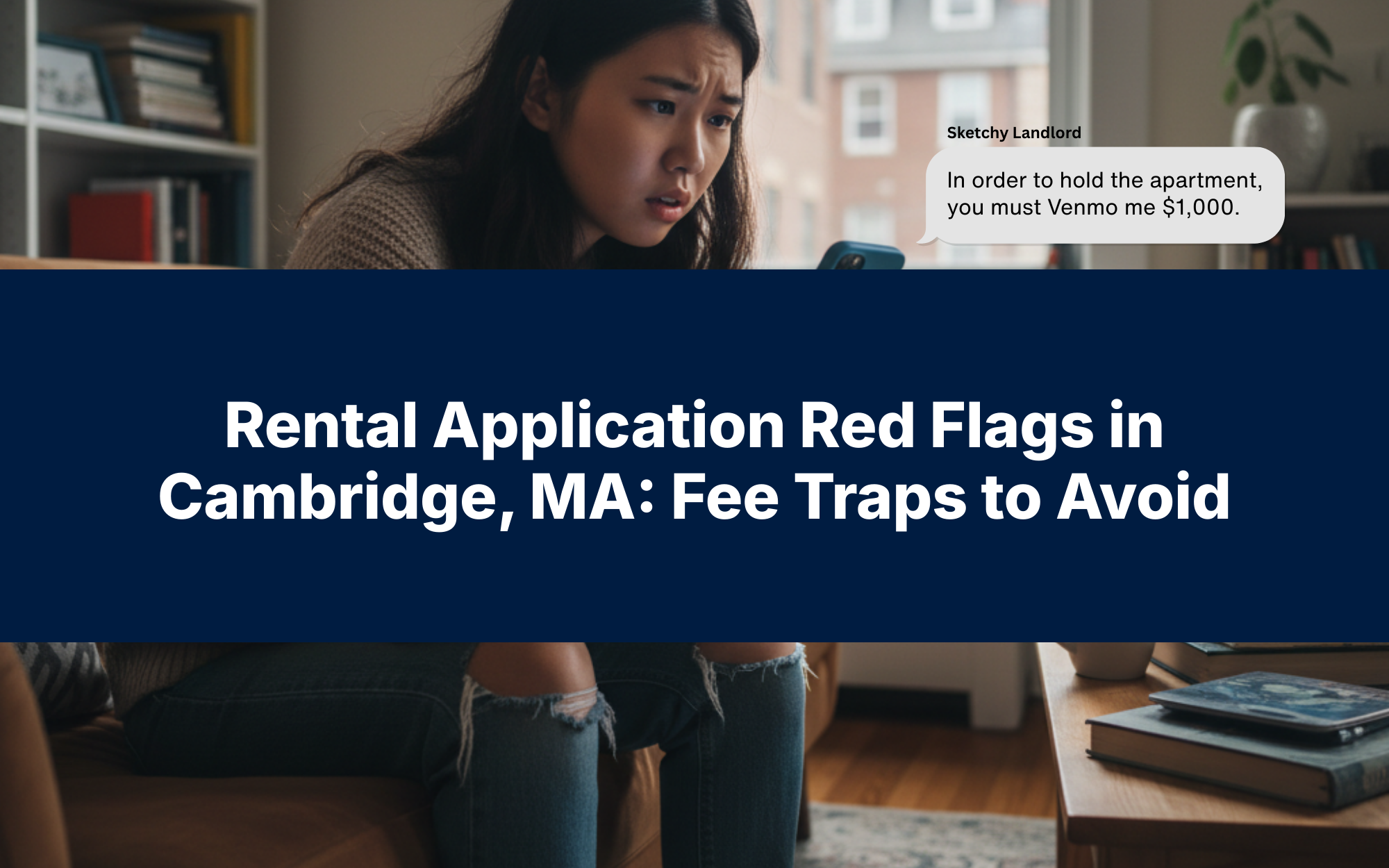
In a competitive Cambridge rental market, renters—especially first-time applicants—must be vigilant about application-related fees. One major question circulating among renters is: Should you ever pay a second or surprise fee after submitting a rental application?
The short answer: It depends—but most of the time, no. In this comprehensive guide, we’ll break down what’s legal, what’s sketchy, and what’s outright predatory in the Cambridge rental scene.
Understanding the Rental Application Process in Cambridge
Before diving into fees, it’s essential to understand how the rental application process typically works in Cambridge:
- Rental Application Submission – You fill out a rental application form and pay a standard application fee.
- Screening Process – This may include a credit check, background check, and income verification.
- Approval or Denial – The landlord or property manager reviews your information and makes a decision.
- Lease Signing – If approved, you’re invited to sign the lease agreement and pay upfront costs such as the first month’s rent, security deposit, and possibly a broker fee.
Real estate agents and property management companies are often involved in this process. Unfortunately, not all operate transparently, which is where red flags come into play.
What’s a Standard Application Fee — and What’s Not?
In Massachusetts, an application fee is generally not something a landlord or a landlord-side broker can charge you. The charges a landlord may collect at the start of a tenancy are first month’s rent, last month’s rent, a security deposit capped at one month, and a reasonable lock and key fee. A fee is more likely to be legitimate when you hired the broker yourself, and it still has to be disclosed upfront. Where a fee is charged legitimately, it generally covers:
- Credit check
- Background screening
- Administrative processing
Legal Fees Typically Include:
- One-time application fee (per applicant and can only be charged by a real estate agent or broker)
- Security deposit (capped at one month’s rent)
- First and last month’s rent
- Broker fee (only if a licensed agent helped you secure the rental)
Unusual or Questionable Fees May Include:
- Second application fee (especially without justification)
- Surprise processing or move-in fees
- Convenience fee for paying digitally
If a landlord or agent tries to tack on more charges after you’ve applied, consider it a red flag.
Should You Ever Pay a Second or Surprise Fee After Applying?
Here’s the heart of the matter: Is a second fee ever acceptable after submitting your application?
When a Second Fee Might Be Legitimate
- Security deposit after approval
- Background check from third-party if not already charged
When It’s a Red Flag
- New fees added without explanation after you've submitted your application
- Non-refundable "processing" or "review" fees not previously mentioned
- Administrative fees charged per person without clarity
- Unexplained fees after being denied the rental
In short: Any charge that comes as a surprise is likely unjustified or even illegal.
Red Flags: Fee Traps, Scams and Fraudulent Listings

The Cambridge rental market is competitive—and that creates opportunities for scams and unethical practices. Here are some of the most common fee traps to watch for:
1. Fake Listings with Upfront Fee Requests
Scammers post appealing rental properties and request a fee before showing the unit. Once paid, they disappear.
2. Multiple Unnecessary Fees
A property manager may ask for an application fee, a screening fee, a processing fee, and a document fee—none of which are refundable.
3. Fees Without Receipts or Documentation
Always request written proof of fees paid. Lack of documentation is a red flag.
4. Surprise Move-In Fees
These might include cleaning fees, key fees, or access fees—charged only after approval.
5. Charging Fees for Denied Applications
You may be asked to pay again to "reapply" or for "reconsideration." This is often predatory.
Your Legal Rights as a Renter in Massachusetts
Massachusetts tenant laws are designed to protect renters from exactly these kinds of traps.
Key Legal Protections:
- Application fees must be reasonable and clearly disclosed and can only be collected by real estate agents
- Landlords cannot charge application fees, undocumented or non-consensual fees.
- Security deposits must be held in a separate, interest-bearing account.
- Refund policies must be clear and consistent with state law.
Fair Housing Act and Housing Discrimination
Fee traps can often disproportionately affect vulnerable renters. If you suspect housing discrimination tied to excessive or selective fees, contact the Massachusetts Commission Against Discrimination (MCAD).
Who Enforces Fee Transparency?
- Massachusetts Attorney General’s Office
- City of Cambridge Housing Authority
- Consumer Protection Agencies
How to Spot and Report Questionable Rental Fees
Here are some practical tips to help you identify and report sketchy fee practices:
Ask Before You Apply
- What is the total cost to apply?
- Are any of these fees refundable?
- Is there a second charge later in the process?
Red Flags:
- Fees not listed in the property listing
- Payments requested via Venmo, CashApp, or wire transfer
- Vague language about "administrative" or "convenience" charges
How to Report:
- File a complaint with the Massachusetts Attorney General
- Use Cambridge’s Consumer Affairs Division
- Report scams on property listing platforms like Zillow or Craigslist
Smart Tips for First-Time Renters in Cambridge

If you’re renting for the first time, here’s how to stay safe:
1. Get Everything in Writing
Even verbal agreements must be followed up with email confirmations.
2. Research the Property Manager or Landlord
Check online reviews or consult with local housing rights groups.
3. Compare Listings
Outliers in price or process might signal a scam or unusual fee structure.
4. Demand Fee Transparency
Ask for a written breakdown of all costs before you submit your rental application.
Rental Trends and Fee Transparency Expectations
The good news? Fee transparency is becoming a renter priority and a policy focus. Here’s what to expect in Cambridge:
Evolving Standards:
- More platforms enforcing fee disclosure before application submission
- Growing demand for renter education tools
- Increased regulation on non-refundable fees and screening services
Community Pushback:
- Housing rights advocates are pushing for stricter caps on application fees
- Local ordinances may soon require full upfront cost disclosure in listings
Cambridge, with its high-density housing market and diverse population, is at the forefront of these changes.
Summary: When to Walk Away from a Rental Application
To protect yourself, always be prepared to walk away if:
- The application process is unclear or disorganized
- Surprise or second fees are introduced after you've applied
- You're being asked to pay more without written documentation
- The listing seems too good to be true or lacks verification
Rental Application Red Flag Checklist:
When in doubt, consult with a housing rights advocate or legal expert. Protecting your wallet—and your future housing stability—is worth the extra due diligence.
Final Thoughts

Renters must be sharper than ever. The line between legal, questionable, and predatory rental application fees in Cambridge is thin. With rising rents and tight availability, scams and hidden charges will continue targeting desperate applicants.
But with awareness, education, and proper action, you can confidently navigate the application process—avoiding surprise fees and asserting your rights as a tenant.
Looking for your dream Cambridge apartment? Spot Easy makes it simple. Browse through thousands of rental listings and find your perfect place today—no stress, no hassle, just Spot Easy.
Related reading
- Can a Broker Lose Their License for Charging Illegal Fees in Massachusetts? [2026 Update]
- Hidden Fees Harvard Students Should Avoid When Renting Off Campus?
- My Landlord Is Still Charging a Broker Fee in Boston — Is That Legal? [2026 Update]
- Boston Broker Fee Law: The Complete Renter’s Guide (2026)
Related: how to put a strong Cambridge application together.