




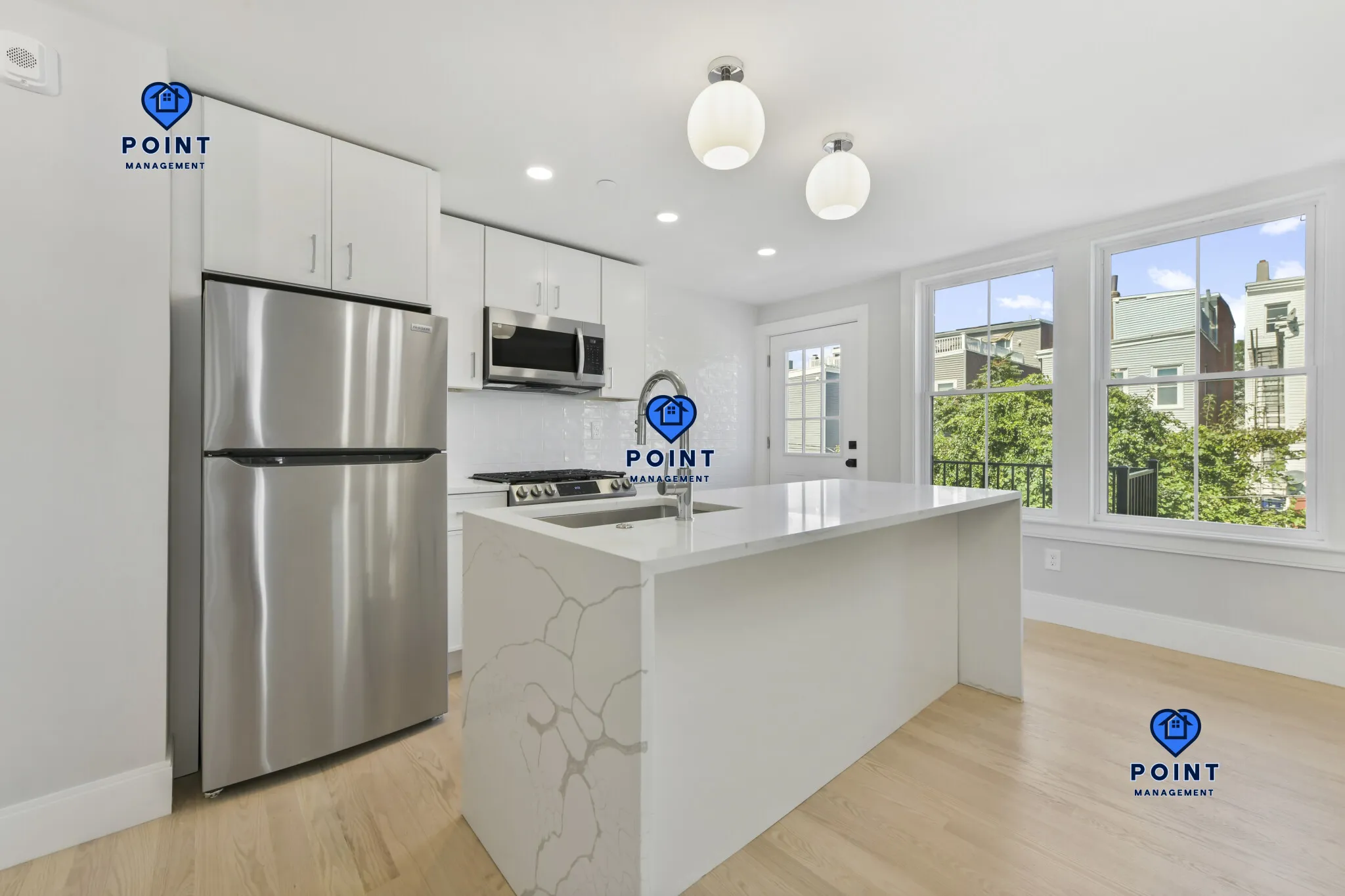
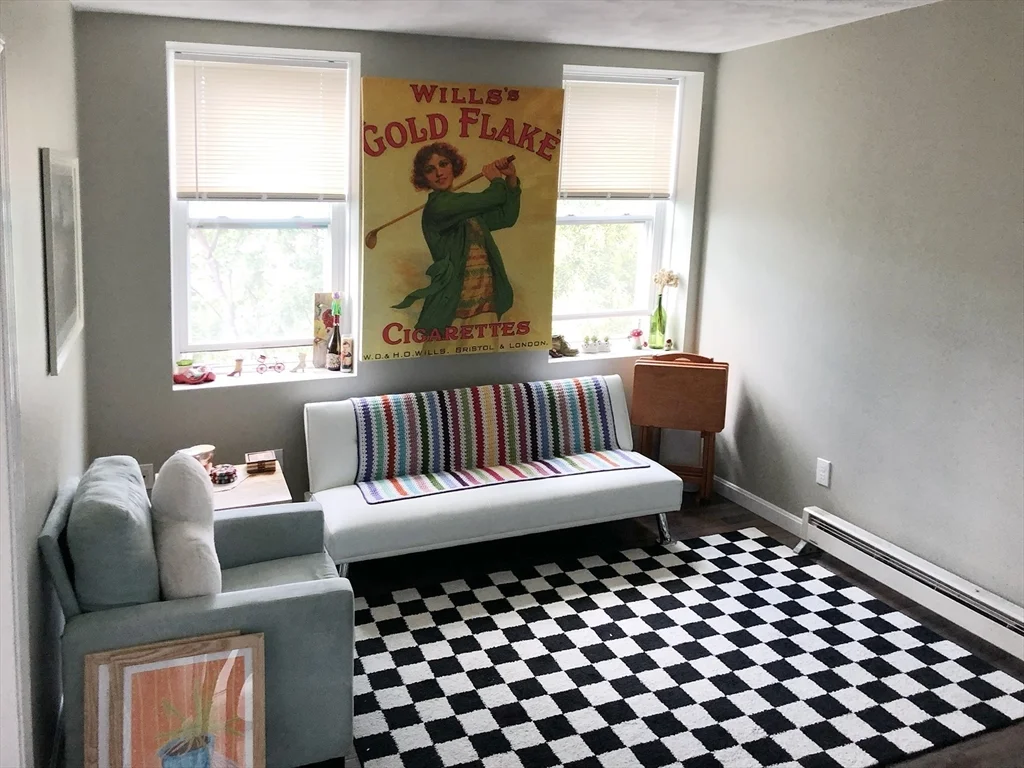
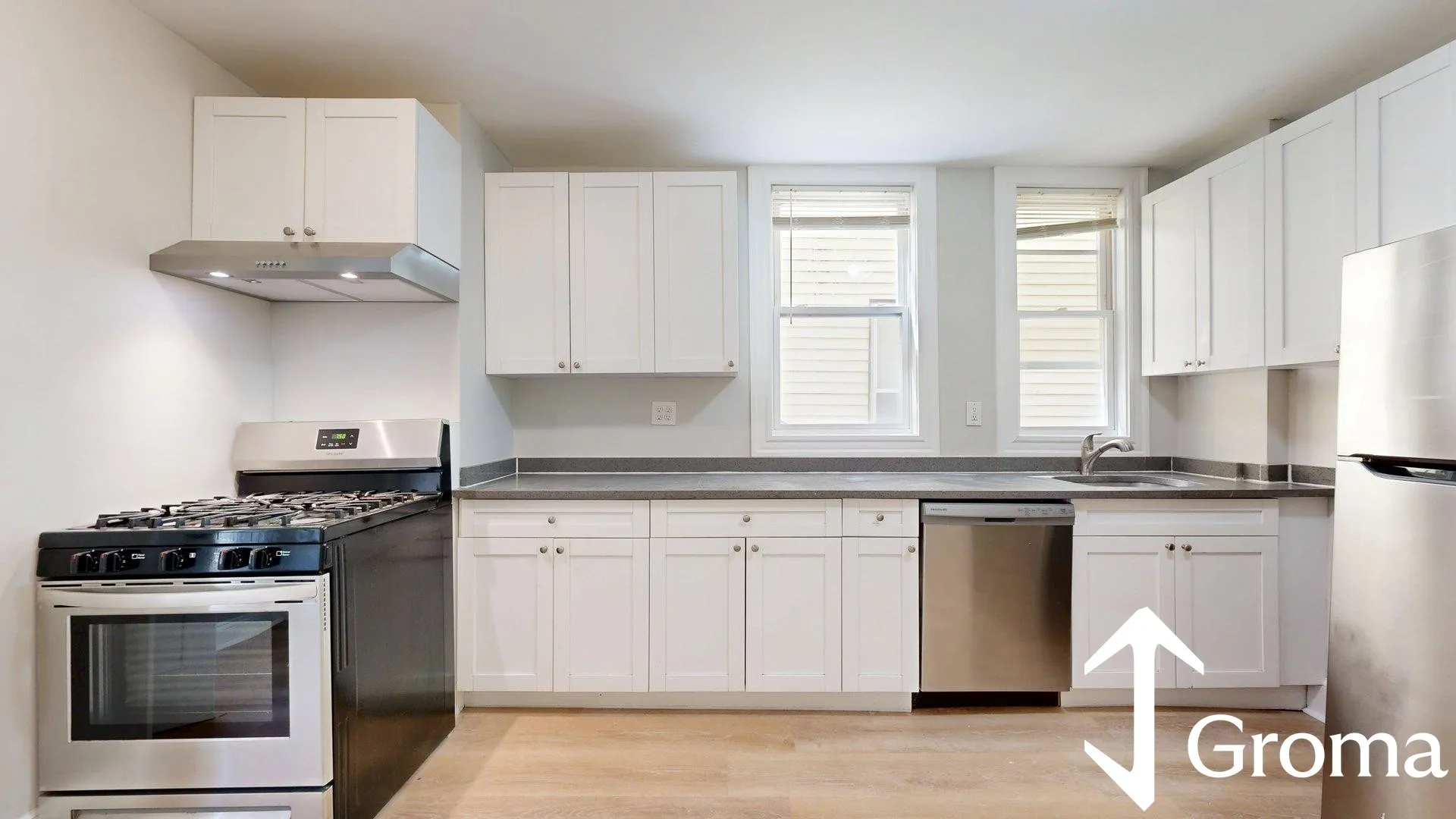
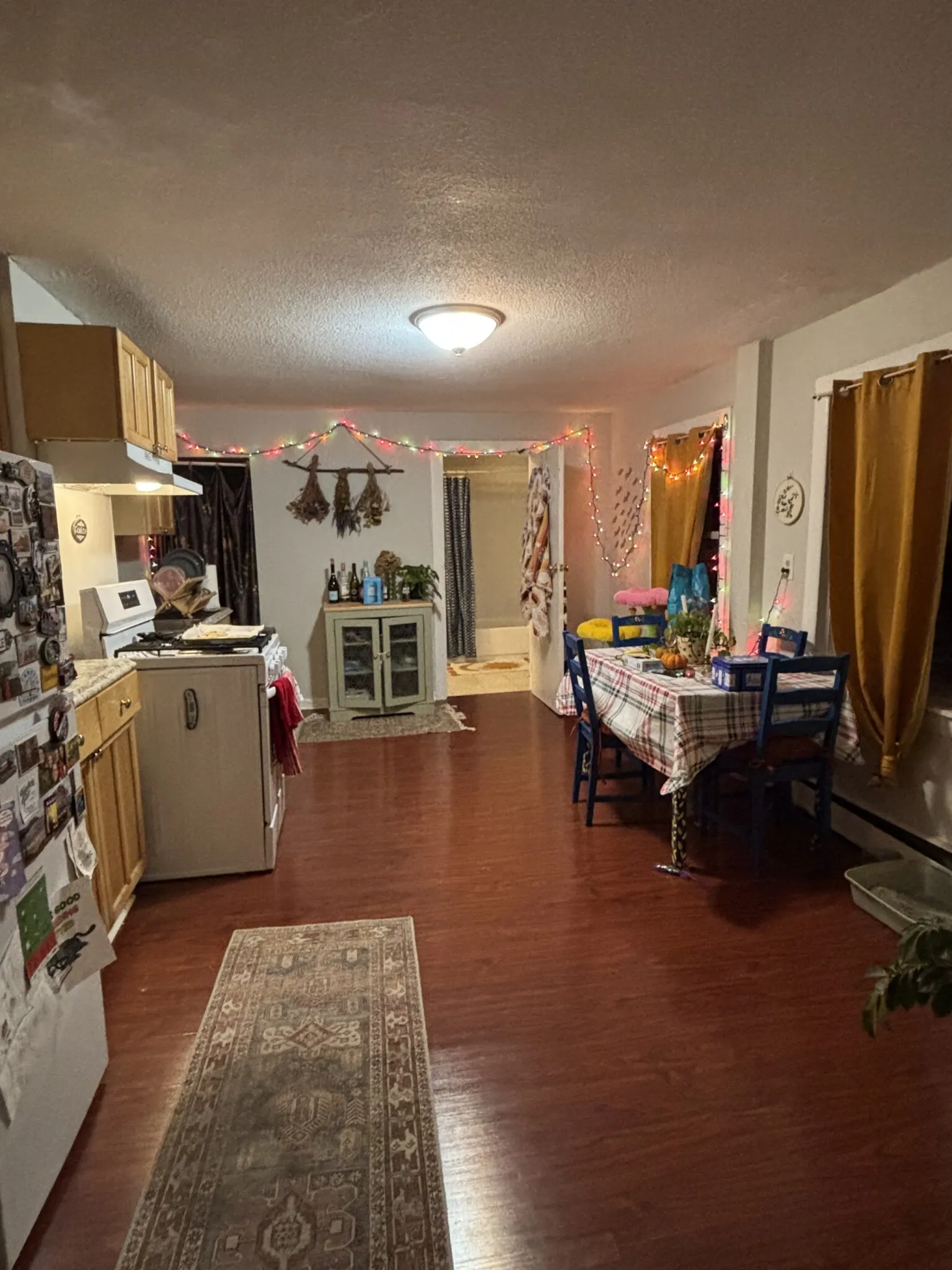
Average rent in East Boston
As of August 2026, active listings on Spot Easy, each posted by verified agents.
| Size | Average |
|---|---|
| 1-bedroom | $2,670 |
| 2-bedroom | $3,192 |
| 3-bedroom | $3,274 |
| 4+ bedroom | $3,638 |
About East Boston
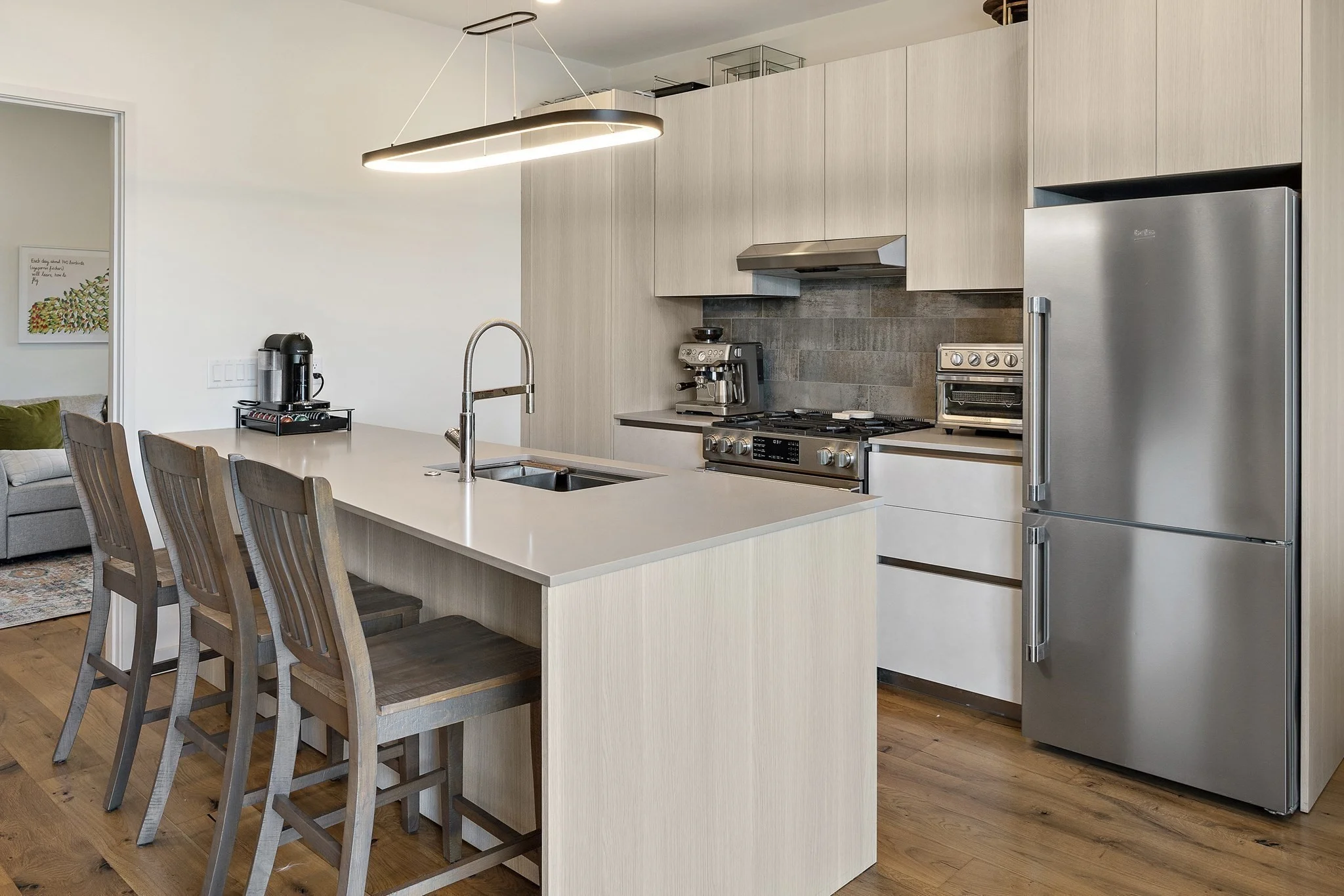
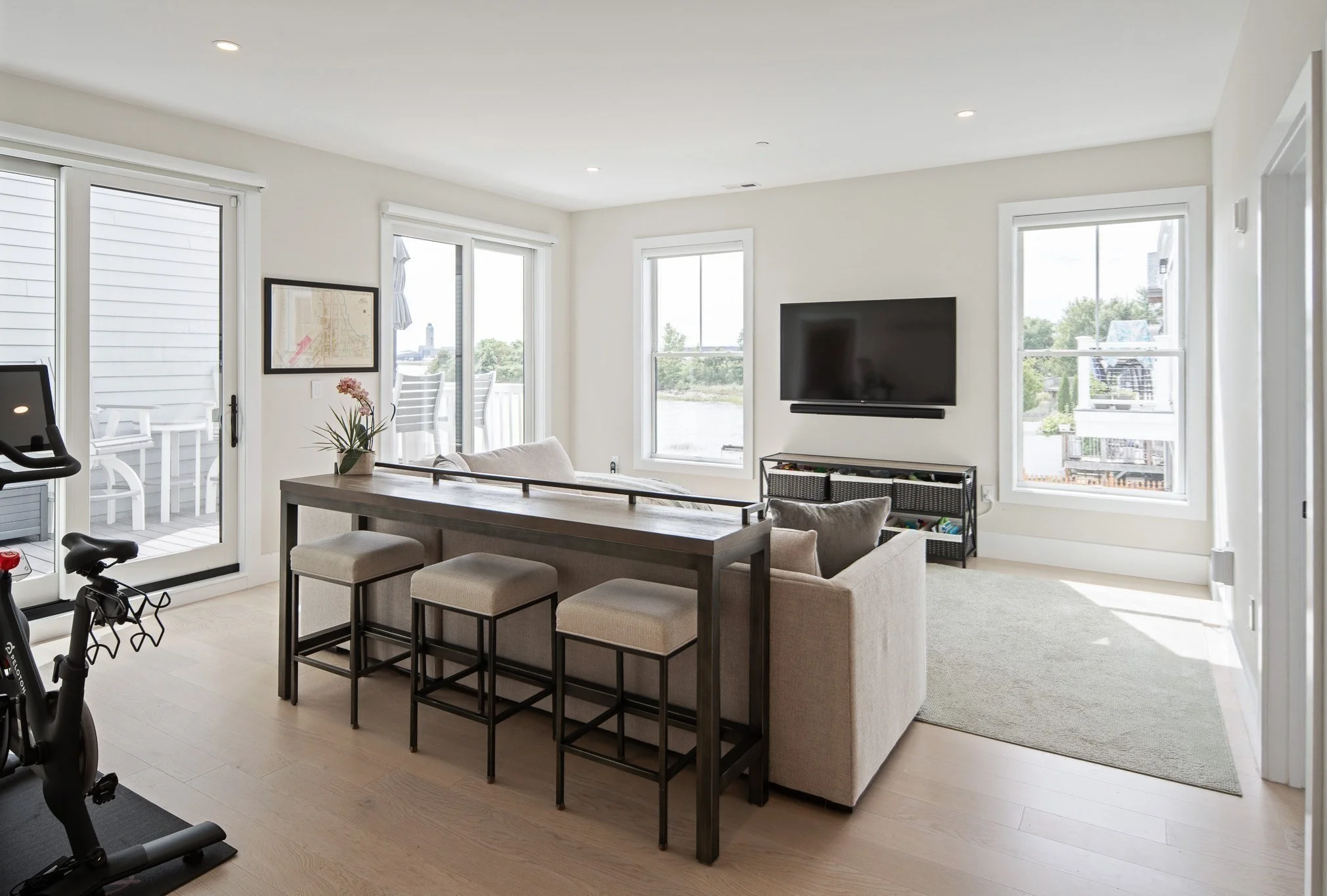
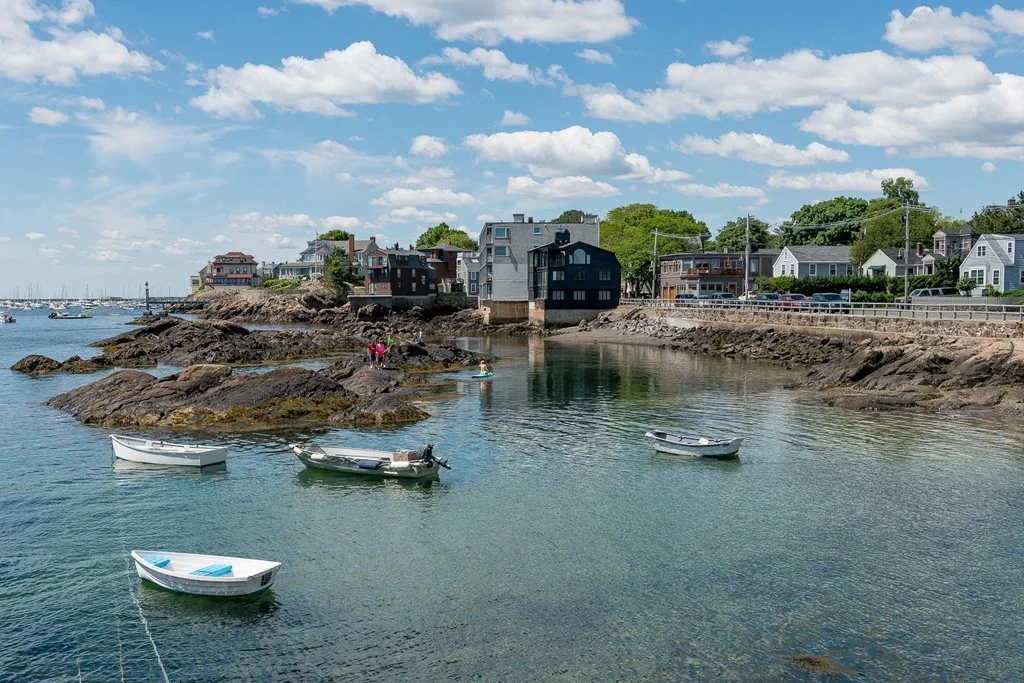
East Boston sits across the harbor from downtown, sharing its peninsula with Logan Airport, and it is reached by a single subway line. The Spot Easy Rent Index put the average asking rent for an East Boston one-bedroom at $2,670 in August 2026, against $2,928 across Boston. Two-bedrooms averaged $3,192, three-bedrooms $3,274 and apartments of four or more bedrooms $3,638. Three-bedrooms sit only $100 above two-bedrooms, an unusually flat step that makes the larger sizes good value.
Transit is the Blue Line and nothing else. Five stations sit inside the neighborhood — Maverick, Airport, Wood Island, Orient Heights and Suffolk Downs — and there is no Red, Orange or Green Line service and no commuter rail station anywhere in East Boston. That single dependency is the most important thing to understand before renting here: the Blue Line is fast and reliable into the center, but every journey begins on it, and a disruption has no local alternative.
Chelsea lies north across Chelsea Creek and Revere beyond it, both worth searching alongside East Boston.
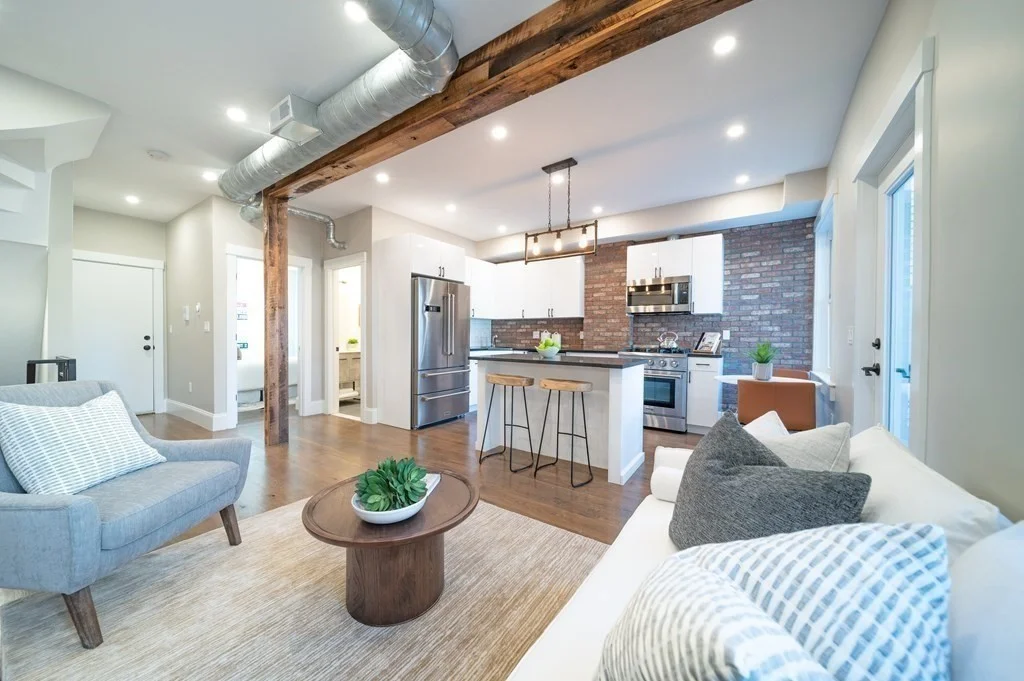
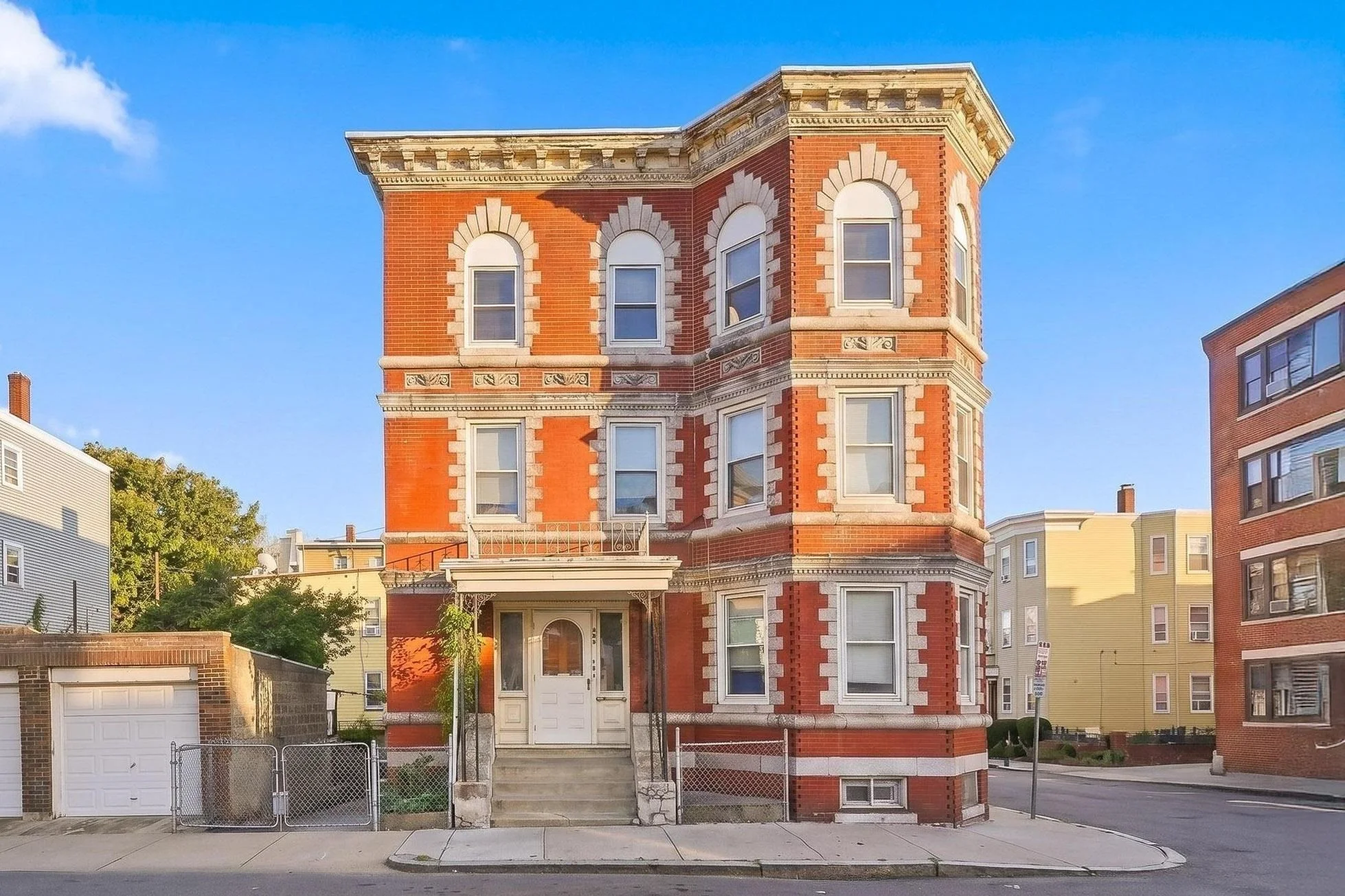
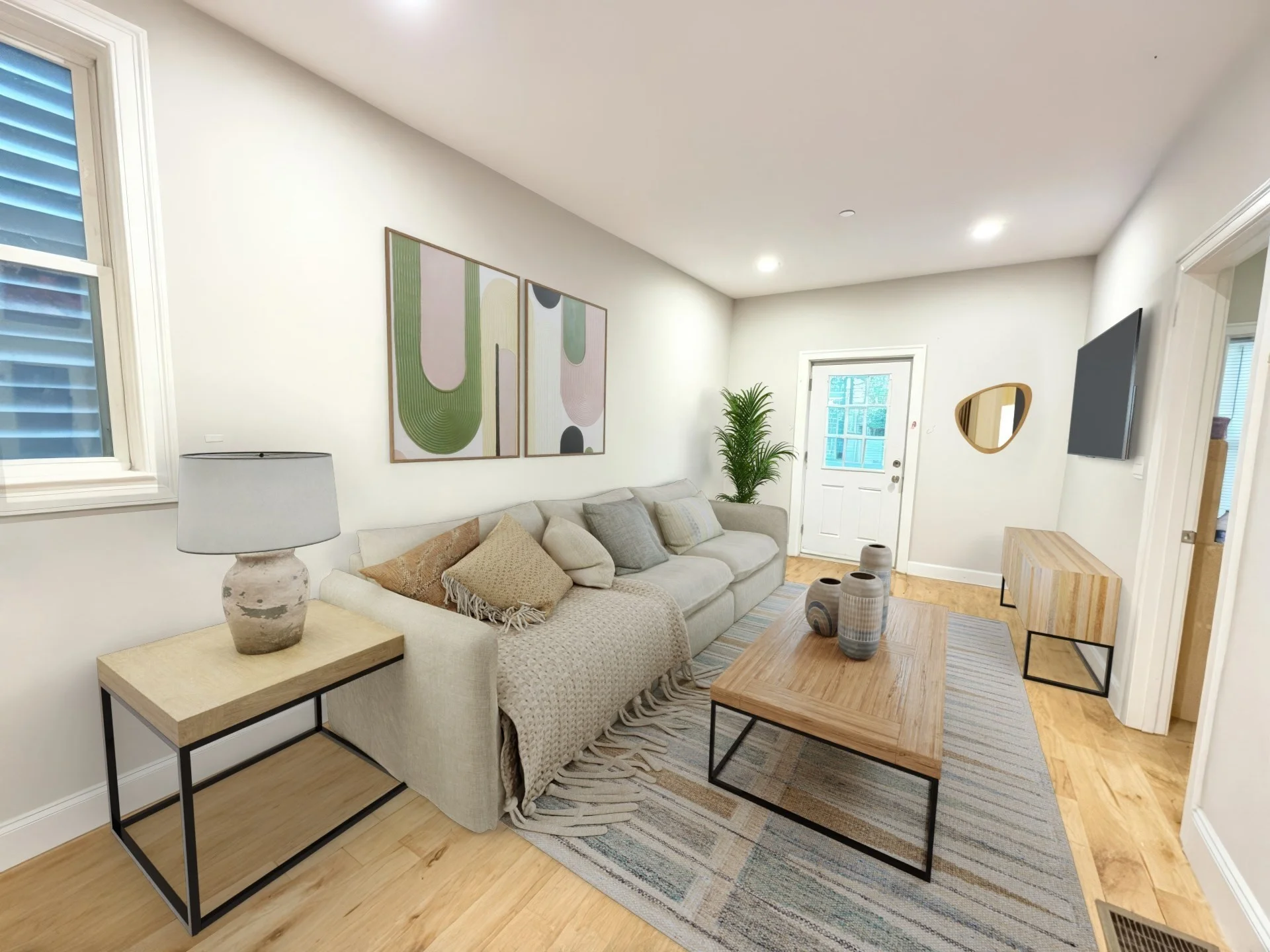
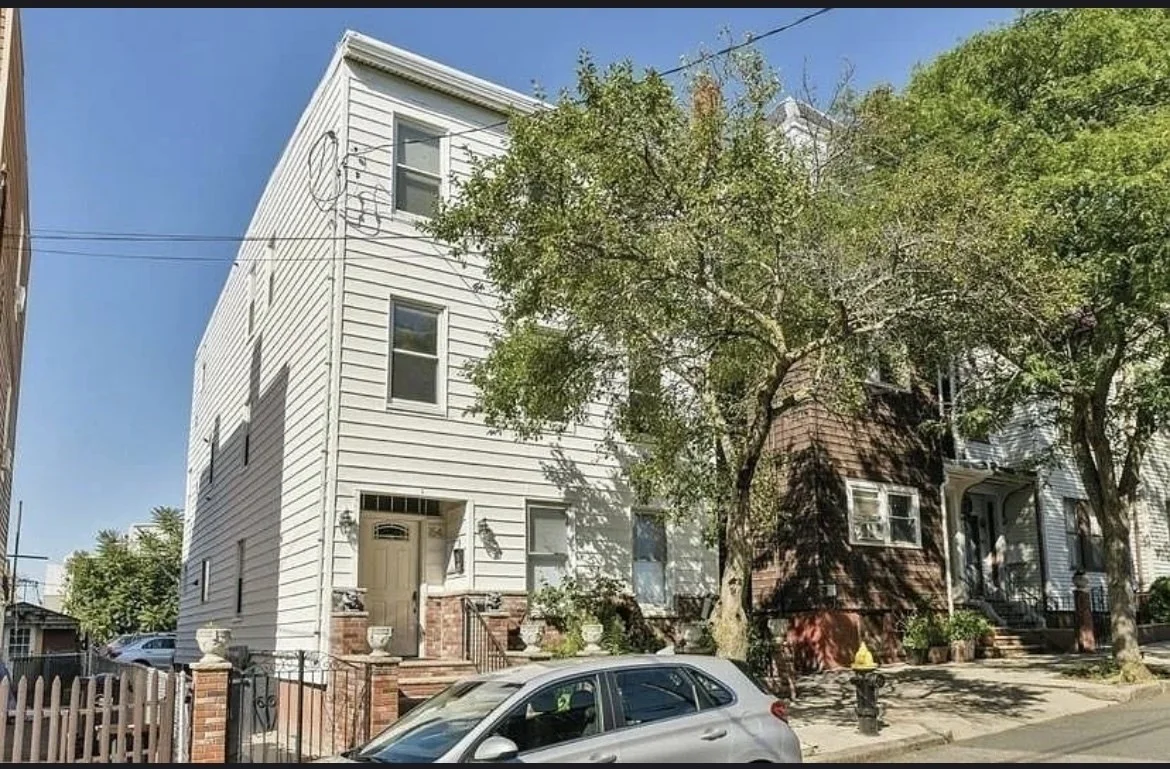
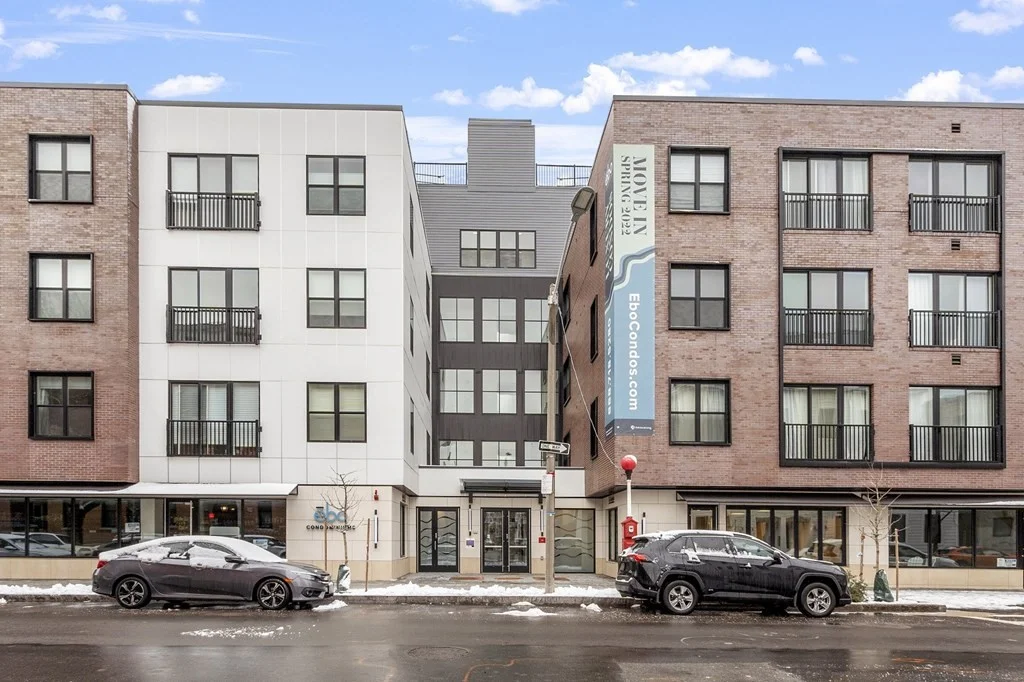
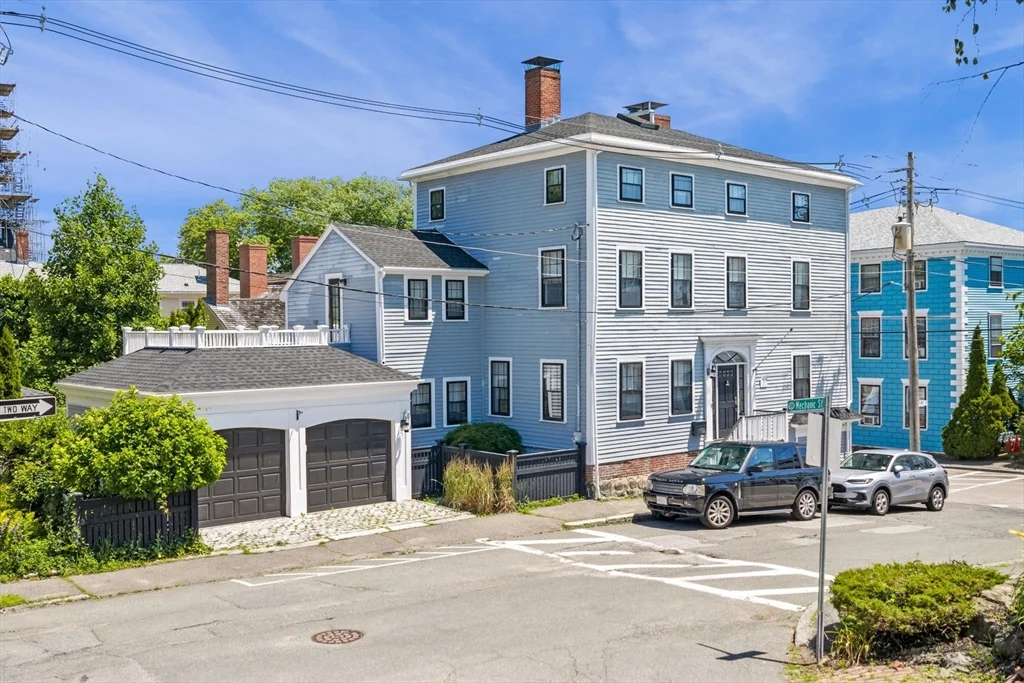
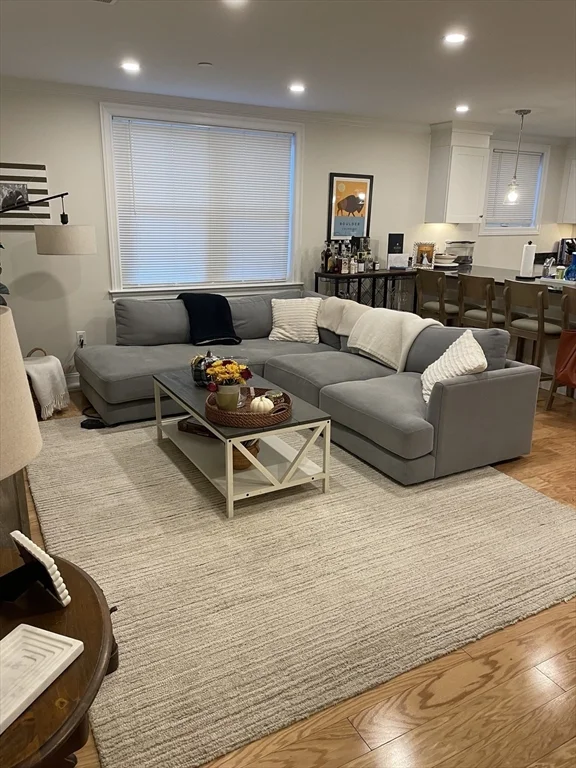
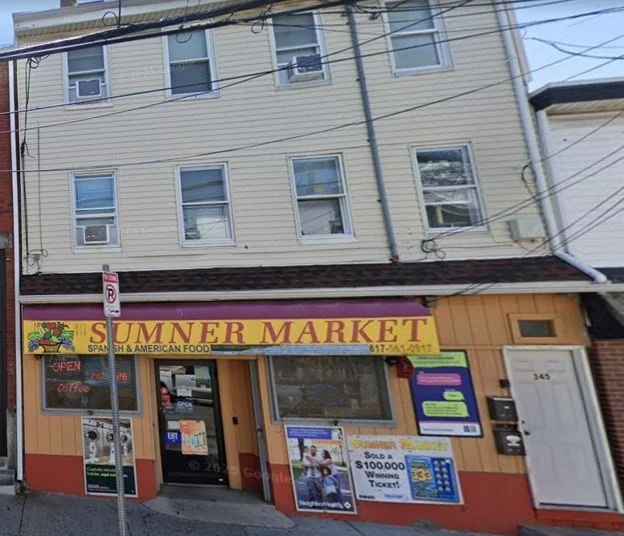
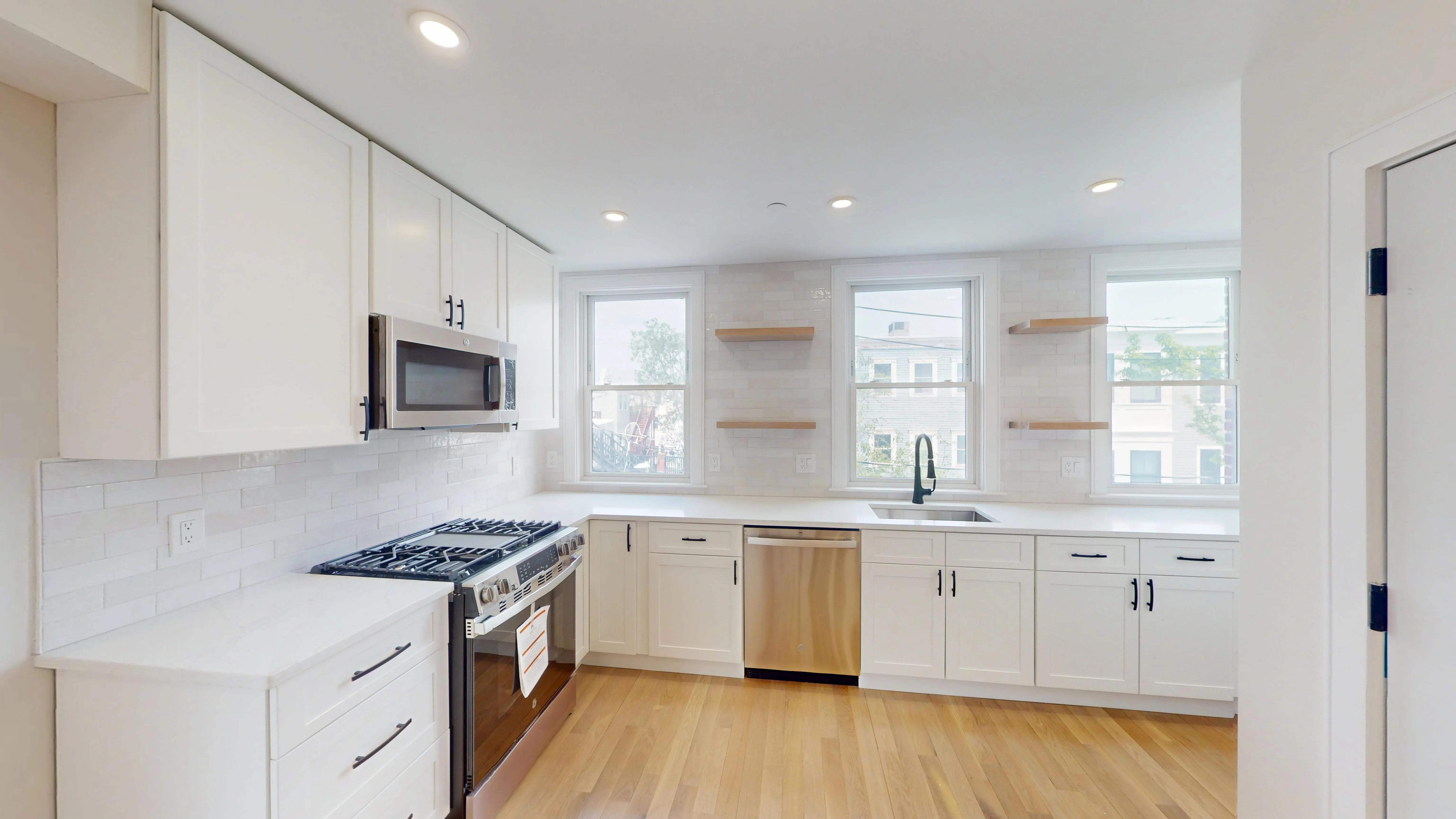
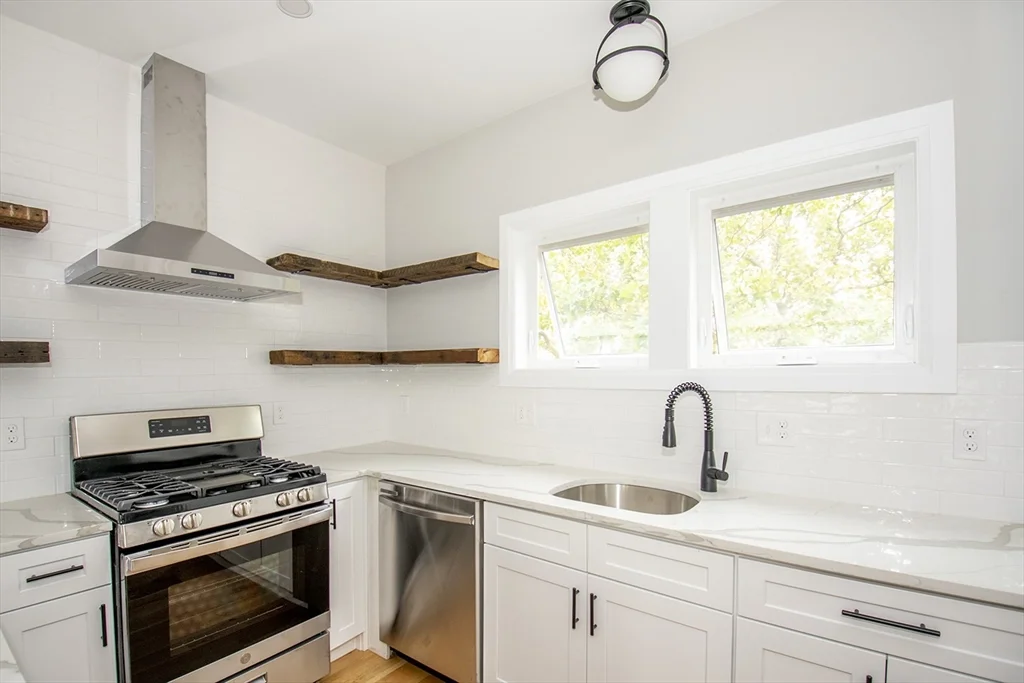
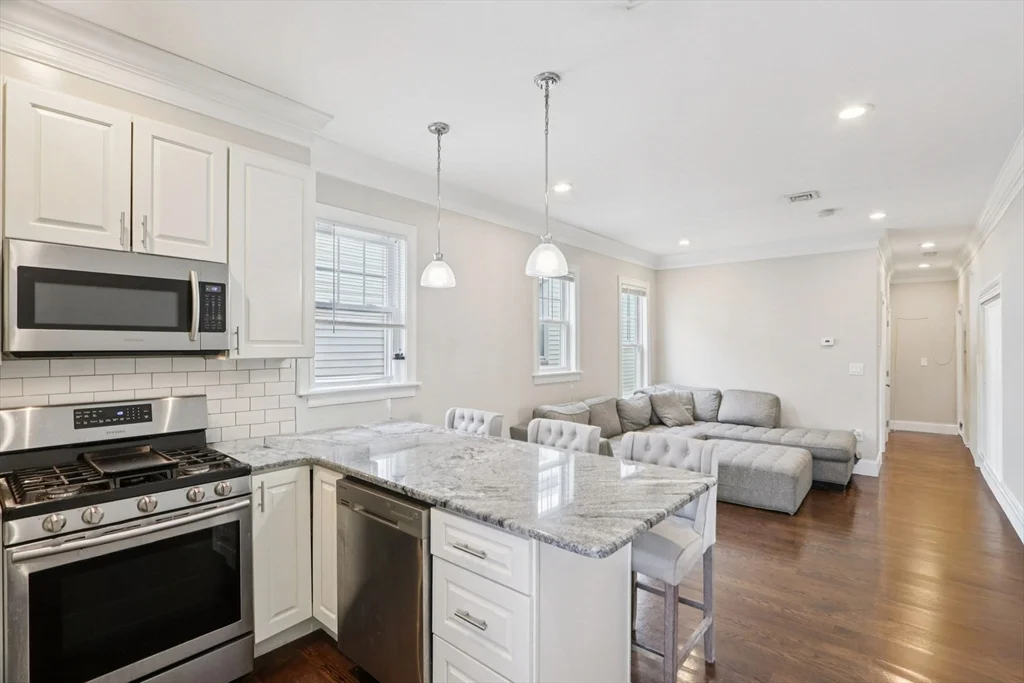
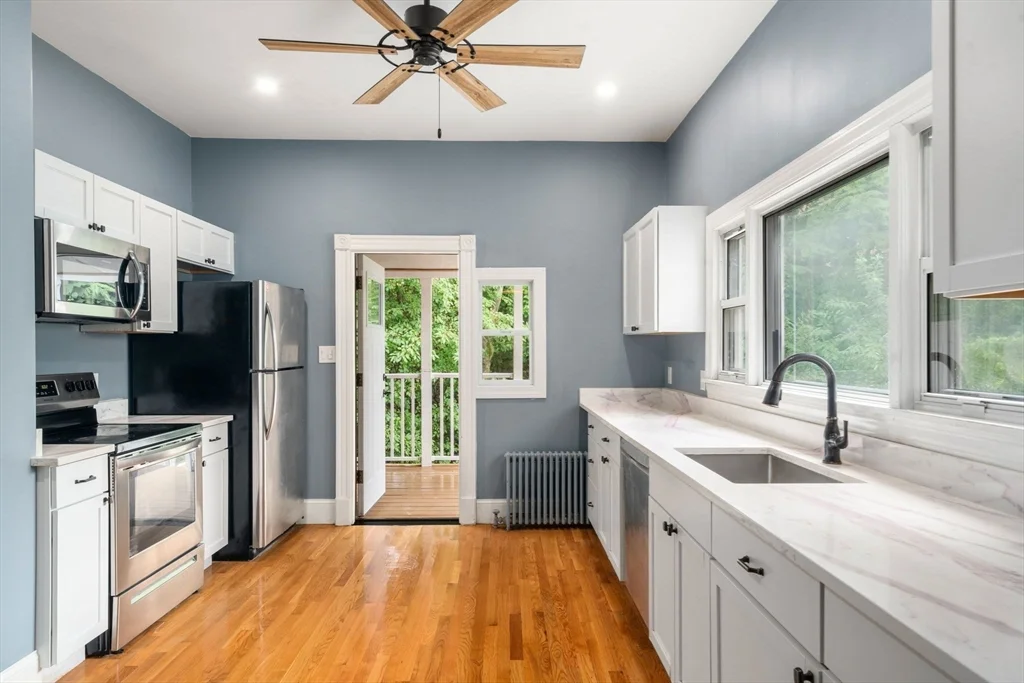
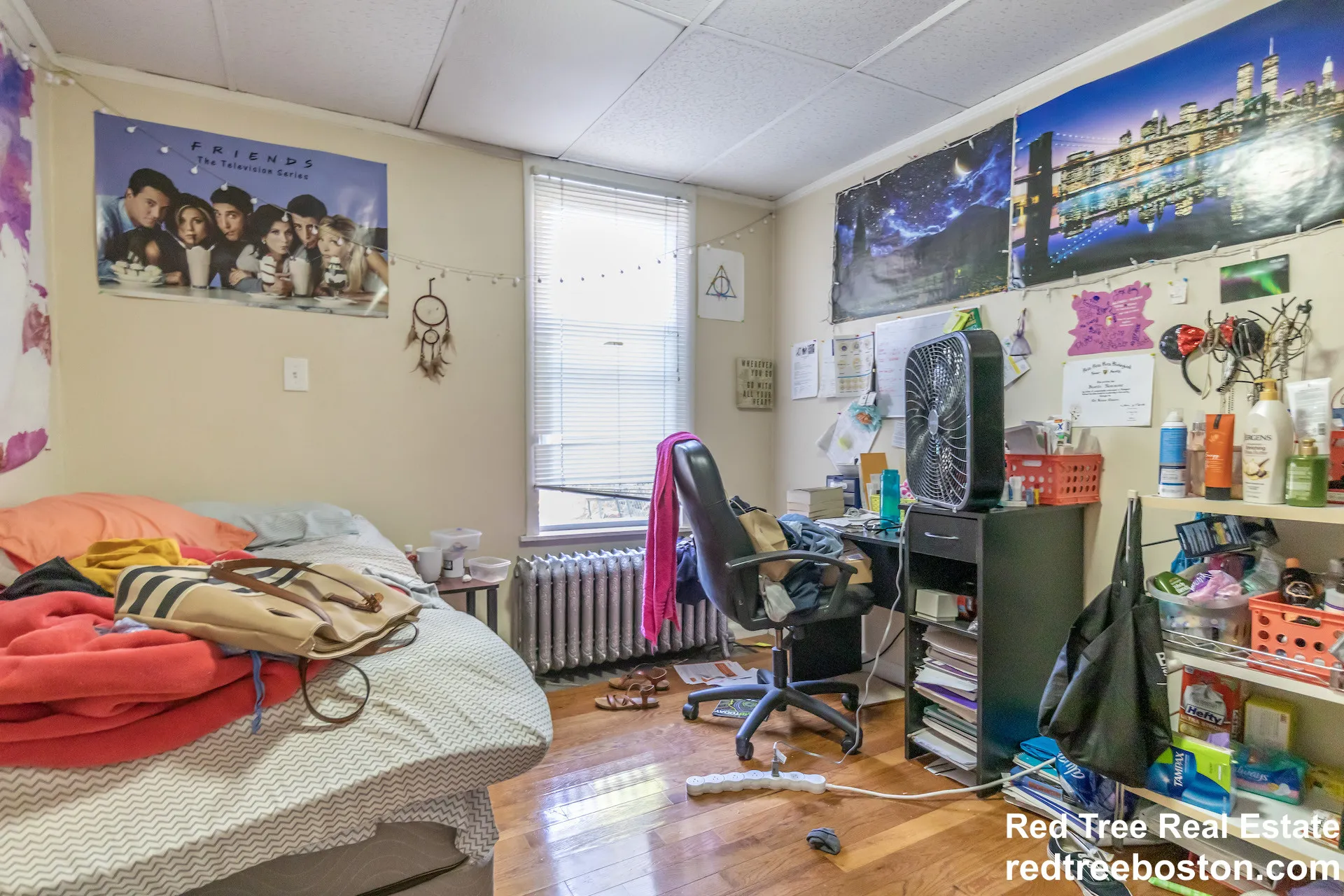
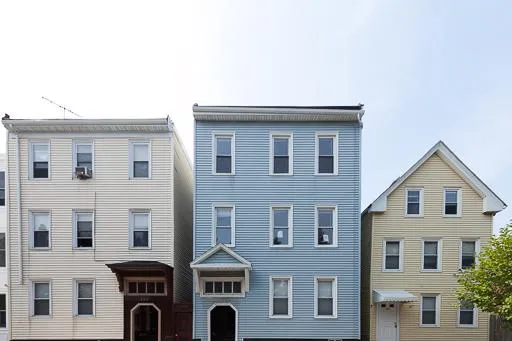
Housing stock is wood-frame and low-rise. Nearly six in ten East Boston properties listed on Spot Easy with a known unit count are two- or three-family houses, a quarter sit in buildings of four to nine units, and only about one in sixteen is in a building of ten units or more. Buildings of fifty units or more are almost absent. A typical listing is a floor of a house, and step-free access is rare. About one property in nine is a single-family house, a higher share than most inner neighborhoods. Aircraft noise varies considerably by street, so it is worth visiting an address at more than one time of day.
Lease starts follow the September 1 cycle, with inventory building from spring.
Spot Easy lists East Boston apartments from verified agents, with filters for no-fee listings, parking, laundry and pet policy. Published averages by bedroom count are on the Spot Easy Rent Index.
FAQ about East Boston Apartments for Rent
What is the average rent in East Boston?
In August 2026 the average asking rent in East Boston is $2,670 for a 1-bedroom (+$70 higher than the median), $3,192 for a 2-bedroom, $3,274 for a 3-bedroom and $3,638 for a 4+ bedroom. Those figures come from active listings on Spot Easy, and we recalculate them each month.
How much should I budget for an apartment in East Boston?
Most 1-bedrooms in East Boston rent for about $2,670 a month — the more typical (median) price is $2,600. 1-bedrooms average $2,670, 2-bedrooms average $3,192 and 3-bedrooms average $3,274. Budget toward the average — a handful of pricier units pull it above what most listings actually ask.
Are rents going up in East Boston?
The median 1-bedroom in East Boston is $2,600 in August 2026, up 8.3% from $2,400 in August 2025. We hold 15 months of East Boston rent history, built from our own listings.
How does East Boston rent compare with nearby neighborhoods?
For a 1-bedroom, the average in East Boston is $2,670, next to North End at $3,411 and Boston Downtown at $3,610. These cover the same bed size in the same month, and we only include areas with comparable data available.
Which Blue Line stops are in East Boston?
Five — Maverick, Airport, Wood Island, Orient Heights and Suffolk Downs — confirmed against the MBTA's own route data, running the length of the peninsula from the harbor tunnel out toward Revere. Maverick is the innermost and the busiest, one stop from the downtown side of the tunnel; Suffolk Downs is the outermost and sits near the Revere boundary. Because the neighborhood is long and narrow with the stations strung along it, which stop you live nearest determines your commute far more than the neighborhood name does. Fix that before narrowing a search, and check the actual walk rather than the map distance, since the street layout does not always run parallel to the line. Maverick and Airport are close enough together that the inner end of the neighborhood has a realistic choice between them.
Is the Blue Line the only train in East Boston?
Yes, and it is the single most important thing to understand before renting here. There is no Red, Orange or Green Line service anywhere in East Boston and no commuter rail station either — the Blue Line is the whole rail network. In its favor, it is fast and grade-separated, and Maverick is one stop from the downtown side of the tunnel, so journeys into the center are quick and predictable. Against it, every rail trip you take begins on the same line, and a disruption leaves no local alternative beyond buses or the harbor ferry. If your daily destination sits on the Red or Orange Line, count the change honestly, because the Blue Line meets them only at State and Government Center. The harbor ferry is worth knowing about as a backup, though it runs on a limited schedule rather than as a commuter alternative.
How close is East Boston to Logan Airport?
It shares the peninsula with it — Airport station on the Blue Line sits inside the neighborhood, one stop out from Maverick, with the terminals reached by the free shuttle from there. For anyone who flies regularly or works at the airport, that proximity is the practical case for East Boston, and it is genuinely unmatched anywhere else in the city. The trade-off is aircraft noise, which varies considerably by street and by runway configuration and is worth experiencing at first hand before signing rather than judging from a listing. Visit at different times of day if you can. The neighborhood is large enough that some parts sit well away from approach paths while others do not. Some renters treat the noise as a fair trade for the price and the commute; others find it decisive, and it is not something to guess at.
Is an East Boston apartment likely to be in a house?
Usually, yes. Nearly six in ten East Boston properties listed on Spot Easy with a known unit count are two- or three-family houses, a quarter sit in buildings of four to nine units, and only about one in sixteen is in a building of ten units or more. Buildings of fifty units or more are almost entirely absent. So the typical listing is a full floor of a wood-frame house with its own entrance, a porch, a shared basement and street parking. About one property in nine is a single-family house, a higher share than most inner neighborhoods, which further reduces the rental pool. If you need an elevator, the amenity filter will find the few that have one. Step-free entry is not a listing field, so ask about the entrance directly. Both are rare here, and rent level is no guide to either. Ask which floor a listing is on, because it affects light, heat, stairs and noise more than the street address does.
Where does East Boston sit relative to Chelsea and Revere?
East Boston occupies the peninsula between them and the harbor. Chelsea lies immediately north across Chelsea Creek and Revere beyond it, with the Blue Line continuing out toward Revere past Suffolk Downs. All three are worth searching together: they price in a similar band, they share the same low-rise wood-frame housing stock, and a commute that works from one usually works from the others. What differs is rail — East Boston has five Blue Line stations, while Chelsea's connection is different and Revere picks the Blue Line up further out. If you are flexible about which side of Chelsea Creek you live on, searching all three widens the market considerably at a similar price. They also share the same September cycle, so one timetable covers a search across all three. Chelsea in particular is close enough that a Blue Line commute from East Boston and a bus-plus-rail commute from Chelsea can land within minutes of each other, so it is worth checking rather than assuming.
Are large apartments affordable in East Boston?
More so than almost anywhere closer to downtown. The August 2026 average for apartments with four or more bedrooms was $3,638 in East Boston, against $4,705 across Boston — and three-bedrooms ran $3,274 against $4,069. The reason is the housing stock: nearly six in ten properties are two- or three-family houses, where a full floor naturally carries three or four bedrooms, so large apartments are ordinary supply here rather than a scarce premium product. That is the opposite of Back Bay, where the Rent Index publishes no four-plus figure at all. If you are searching as a group, East Boston is one of the strongest value options in the city — but start early, because that stock turns over on the September cycle. The flat step between three and four bedrooms is the unusual part, and it is what makes the top of this market worth a look.
When should I start looking for an apartment in East Boston?
Four to five months ahead. East Boston follows the September 1 cycle, and because nearly six in ten properties are two- or three-family houses, a vacancy usually appears as a whole floor coming free on that standard turnover rather than at an arbitrary point in the year. There are very few large managed buildings whose turnover would spread across the calendar, so off-cycle listings are genuinely scarce. Inventory for September builds from early spring, and a search opening in July arrives after most of the year's supply has been viewed. The three- and four-bedroom floors that make the neighborhood good value move earliest, so if that is what you need, treat spring as the start of the search rather than the middle. Set alerts in March or April rather than browsing in June, and be ready to view quickly when a floor appears.
How do I find no-broker-fee apartments in East Boston?
Filter for no-fee listings on Spot Easy and confirm the terms in writing before applying. Fee arrangements are set per listing rather than per neighborhood, so two houses on the same street can differ. Treat a listing that says nothing about a fee as unconfirmed rather than fee-free — silence is missing information, not an absence. Where a fee applies it is commonly a month's rent, which against the August 2026 East Boston one-bedroom average of $2,670 is a significant addition to move-in costs that already include first month, last month and a security deposit. Because most of the stock here is owned by small landlords rather than management companies, terms vary considerably, so ask for the total due at signing. Every agent listing on Spot Easy is verified before their listings go live.
What documents do I need to rent an apartment in East Boston?
Photo identification, recent pay stubs or an offer letter, bank statements and previous landlord references. Because a large share of East Boston apartments are owned by small landlords rather than management companies, screening is often less formal than in a managed building — references carry more weight, and decisions are frequently made quickly and in person, so having your paperwork assembled beforehand is a real advantage when a floor comes up. Massachusetts law caps what may be collected at signing: first month's rent, last month's rent, a security deposit of no more than one month's rent, and the cost of a new lock. The deposit must be held in a separate interest-bearing account at a Massachusetts bank, and you are owed a receipt for it. Ask who handles repairs as well, because in the two- and three-family stock it is usually the owner rather than a management office, which some renters prefer and others do not.