





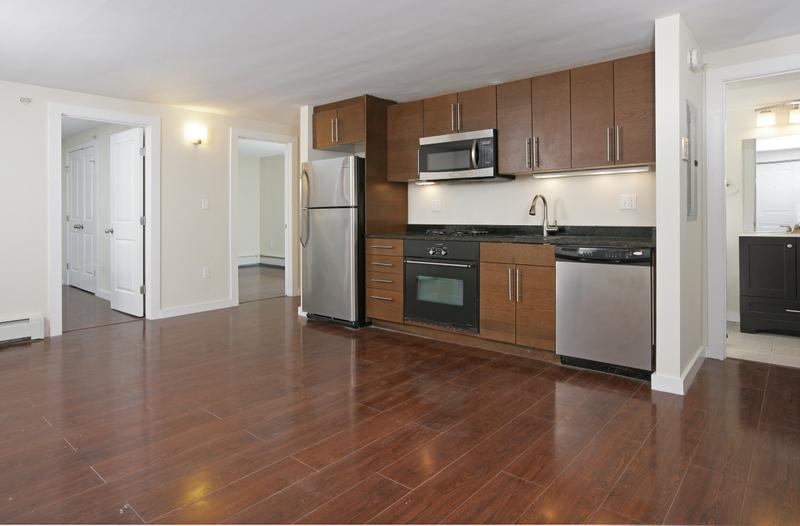
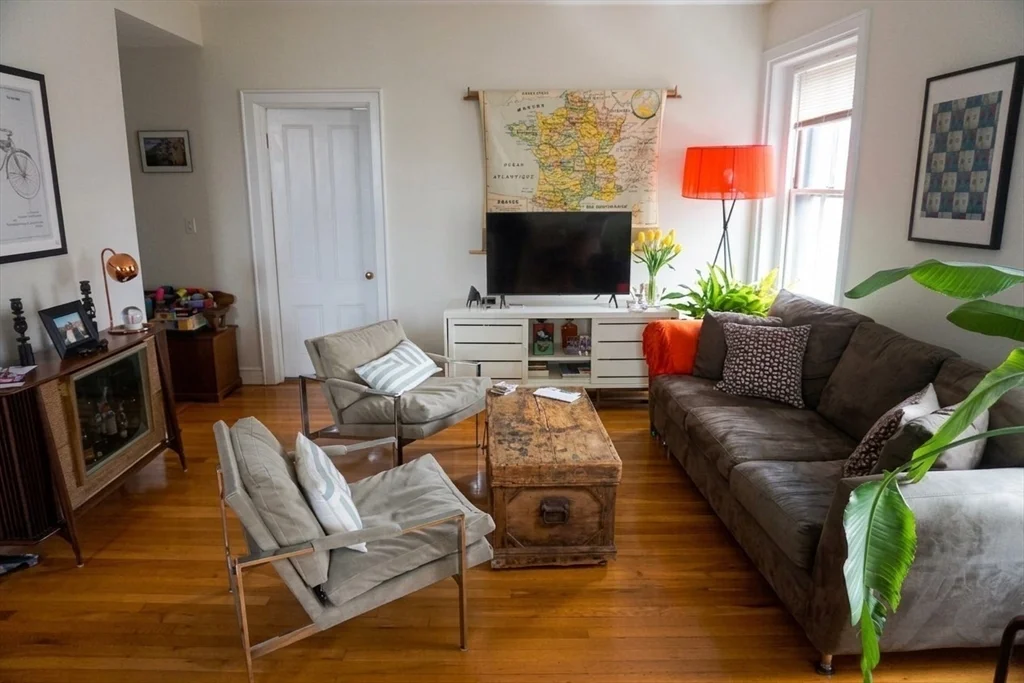
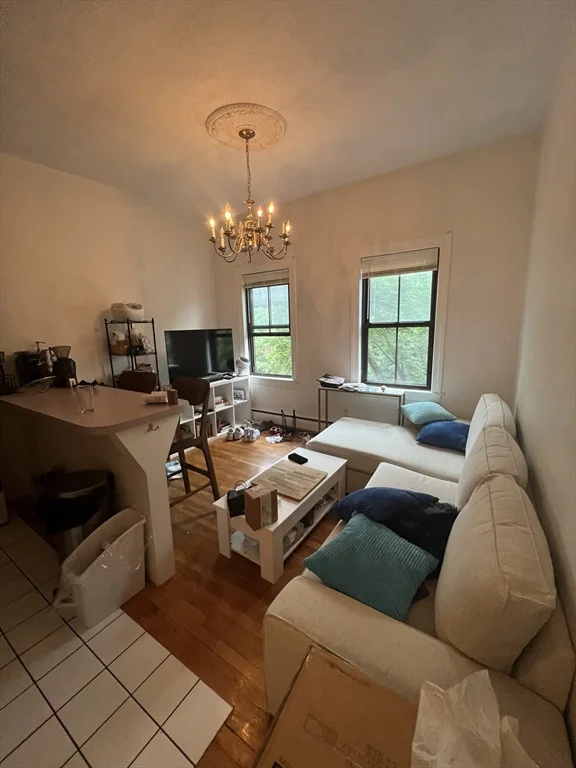
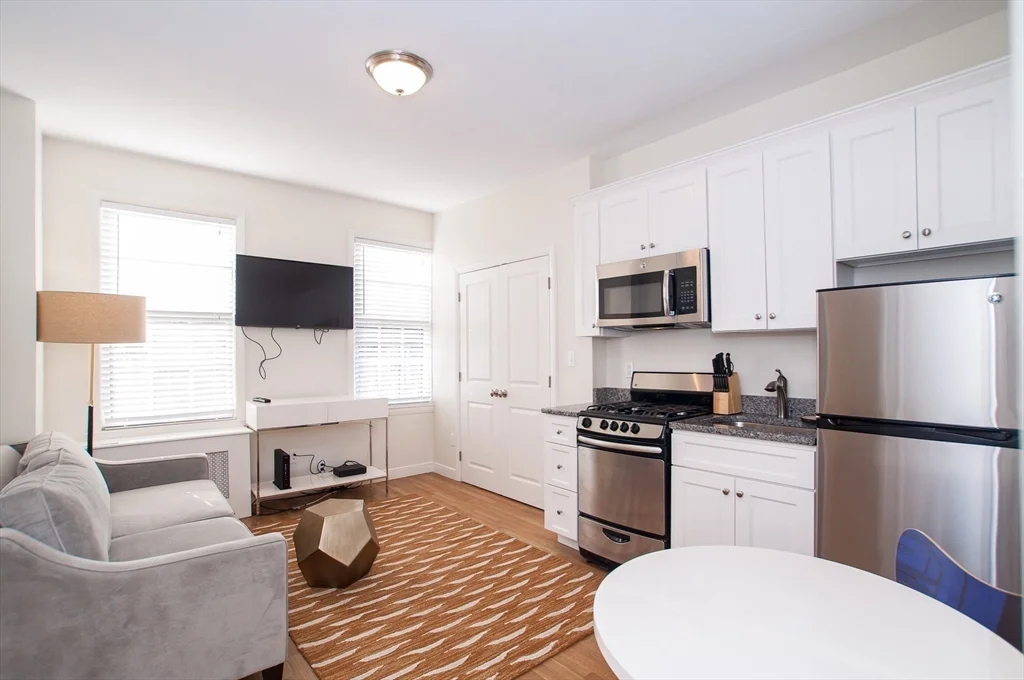
Average rent in South End
As of August 2026, active listings on Spot Easy, each posted by verified agents.
| Size | Average |
|---|---|
| studio | $2,374 |
| 1-bedroom | $3,318 |
| 2-bedroom | $4,559 |
| 3-bedroom | $5,808 |
About South End
The South End is a Victorian rowhouse district south of Back Bay, laid out around a series of small residential parks, and it has no subway station inside it at all. The Spot Easy Rent Index put the average asking rent for a South End one-bedroom at $3,318 in August 2026, against $2,928 across Boston and $2,863 across Greater Boston. Studios ran to $2,300, two-bedrooms to $4,000 and three-bedrooms to $5,000. The index publishes no four-plus figure for the neighborhood. The absent four-plus figure reflects the rowhouse stock rather than a reporting gap.
Every rail station serving the South End sits on its edges. Back Bay is about four tenths of a mile from the middle of the neighborhood and carries the Orange Line together with four commuter rail lines. Massachusetts Avenue and Tufts Medical Center add further Orange Line stops at the western and eastern ends, and Prudential and Copley bring the Green Line just to the north. What runs through the neighborhood itself is the Silver Line — bus rapid transit rather than a subway — along the length of Washington Street, connecting Roxbury to downtown.
South Boston lies east across the channel and Fenway northwest.
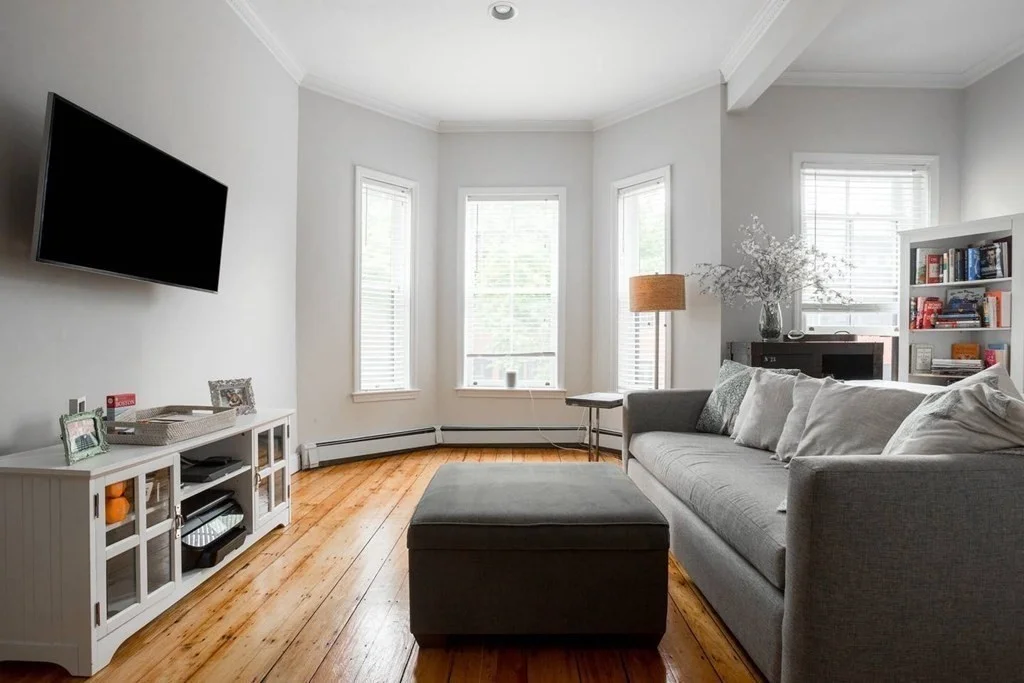
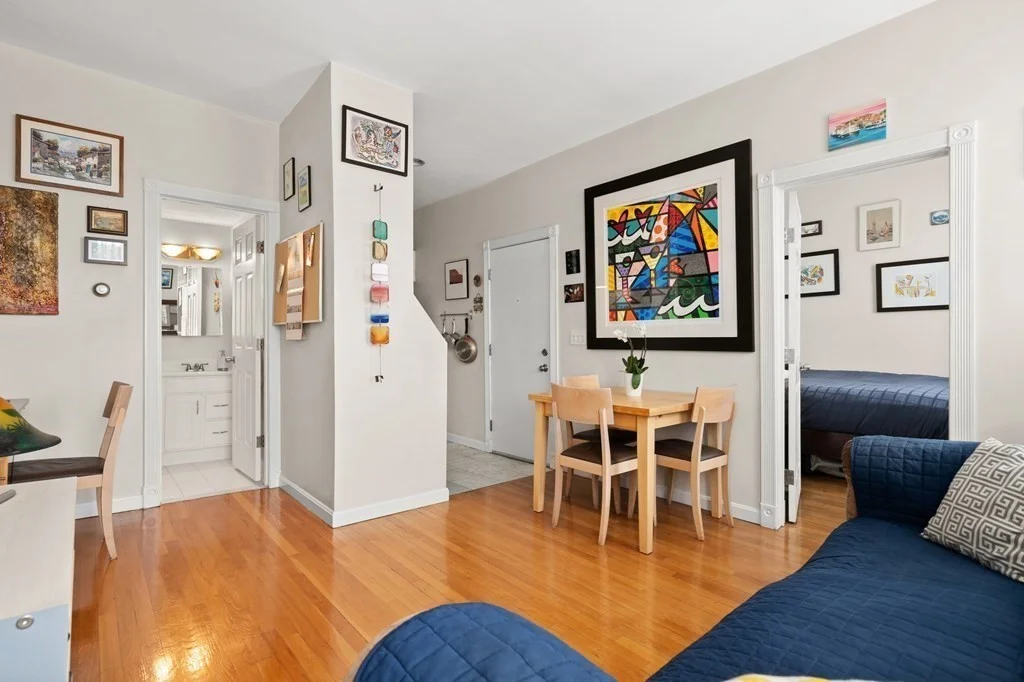
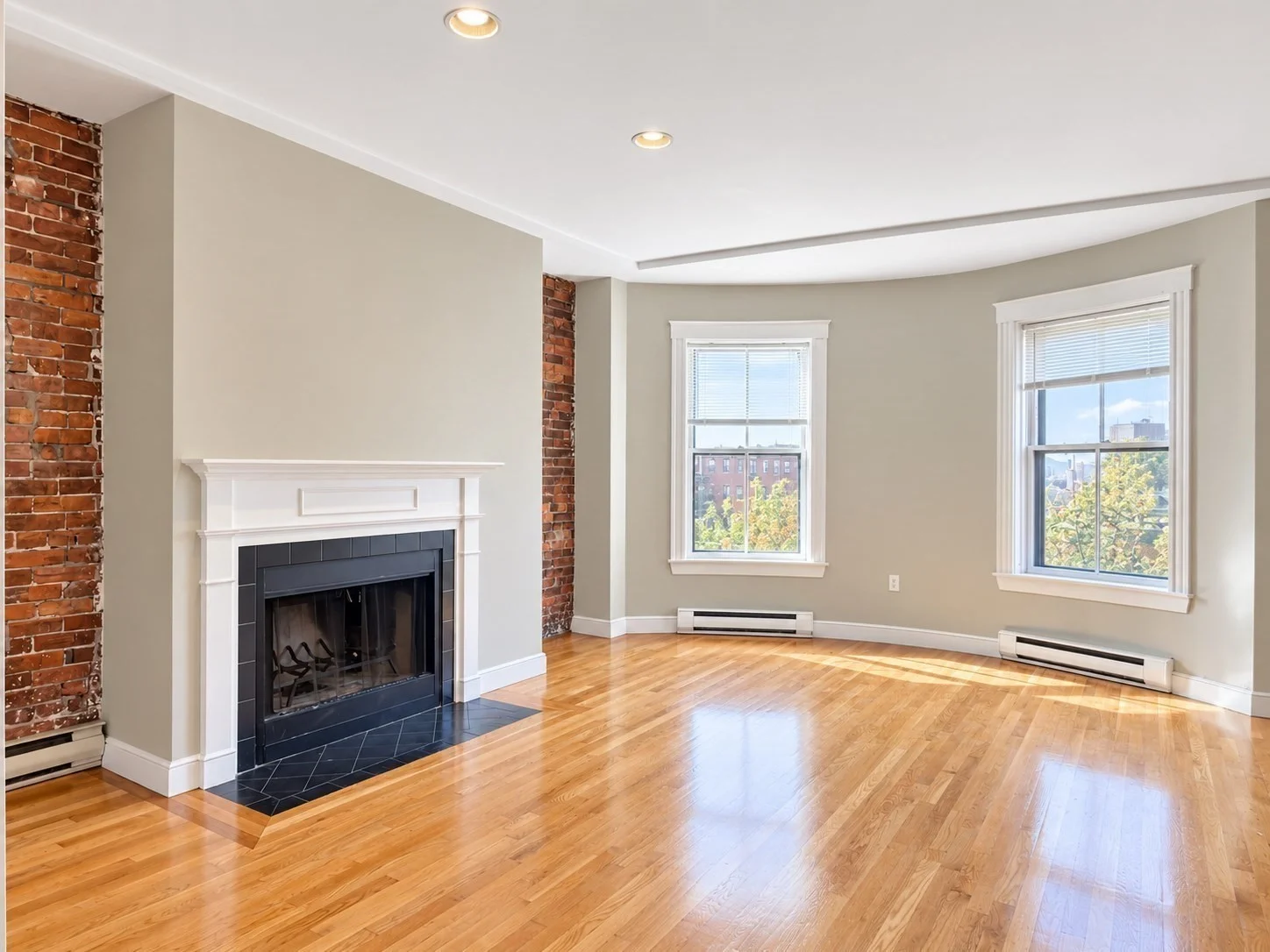
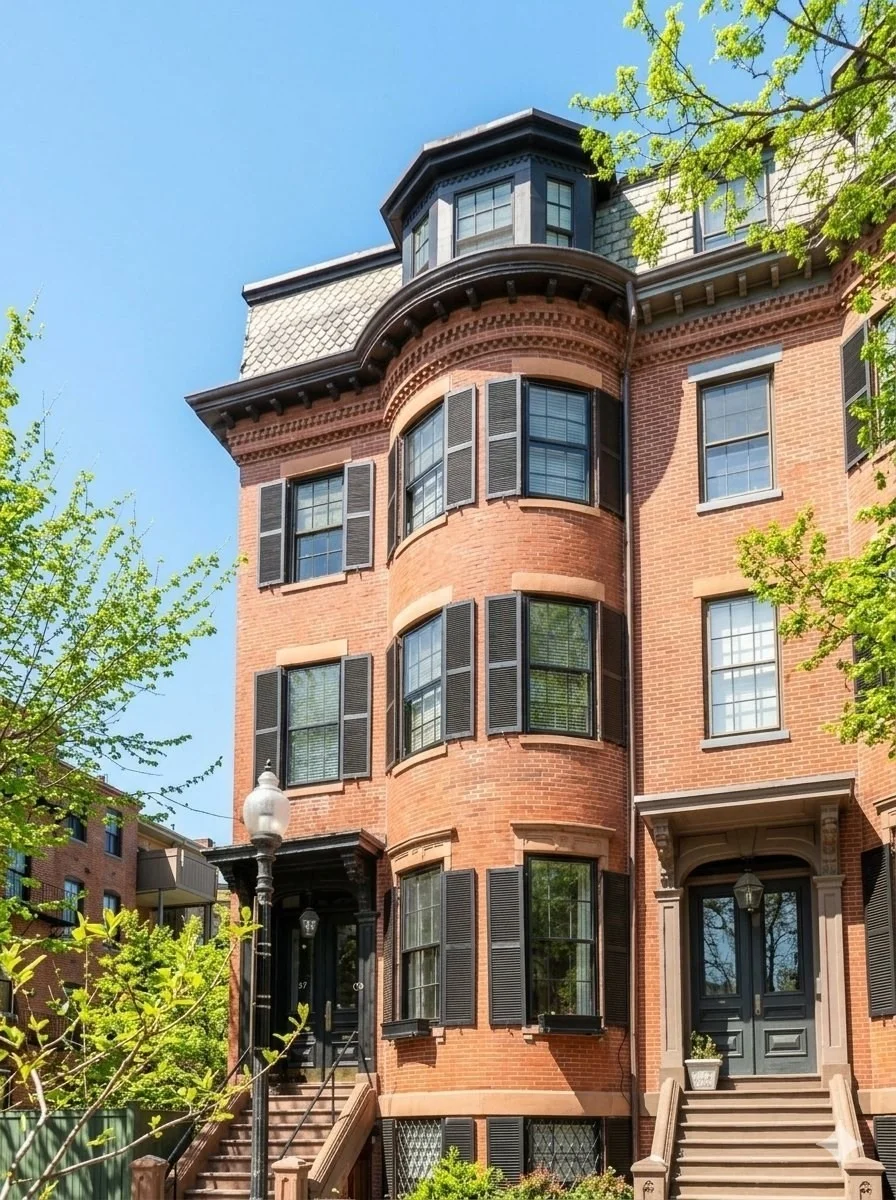
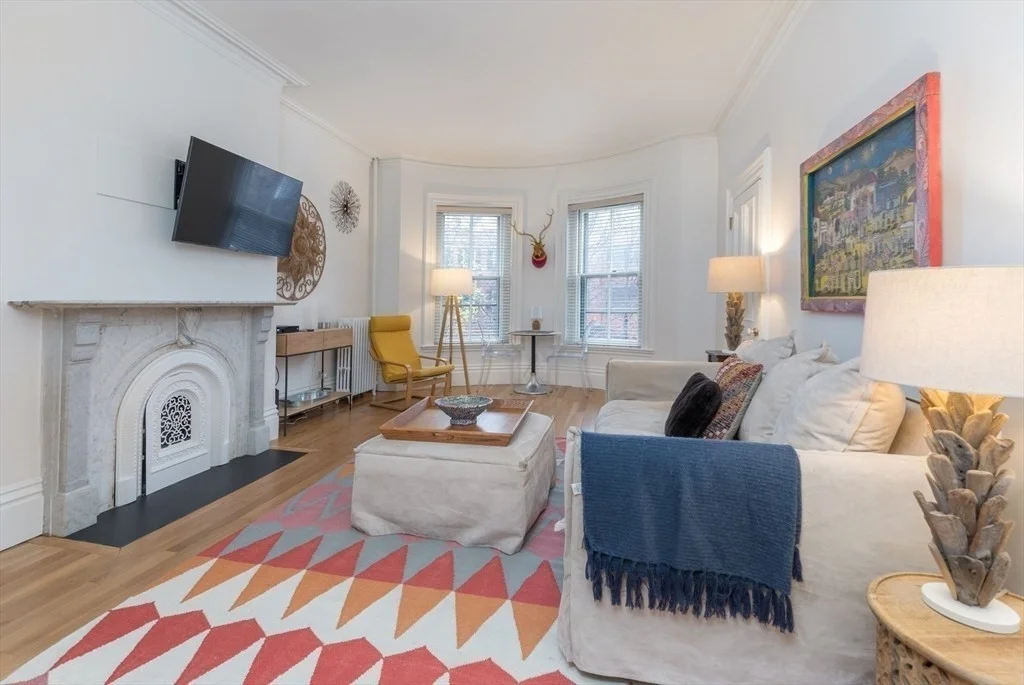
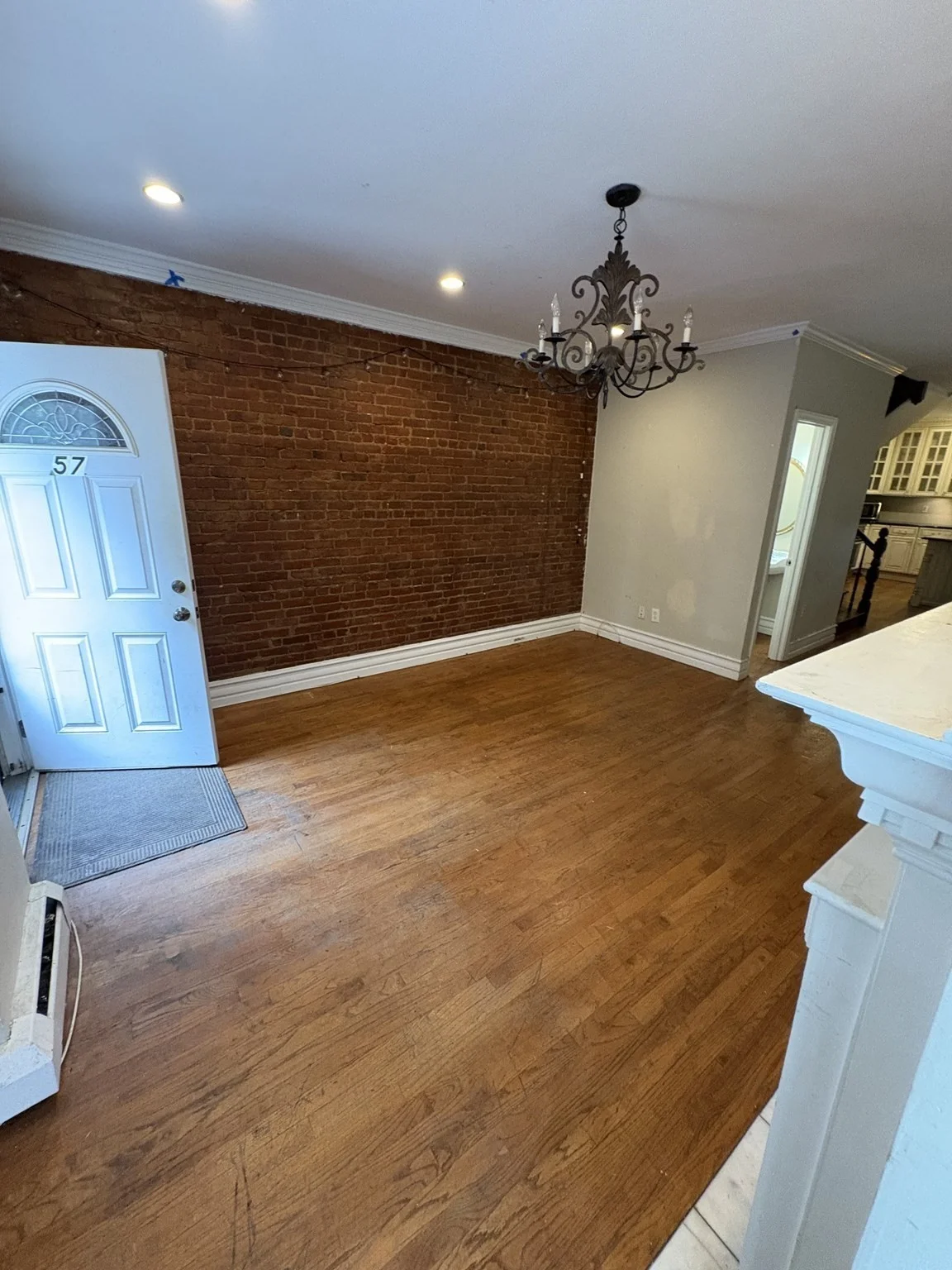
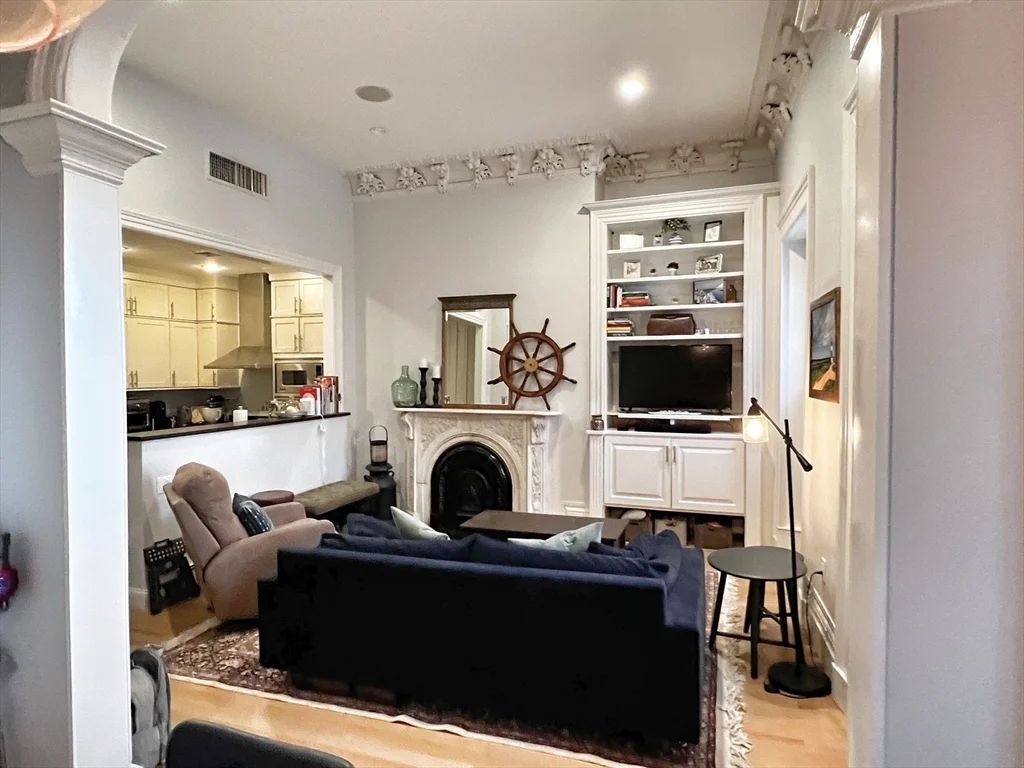
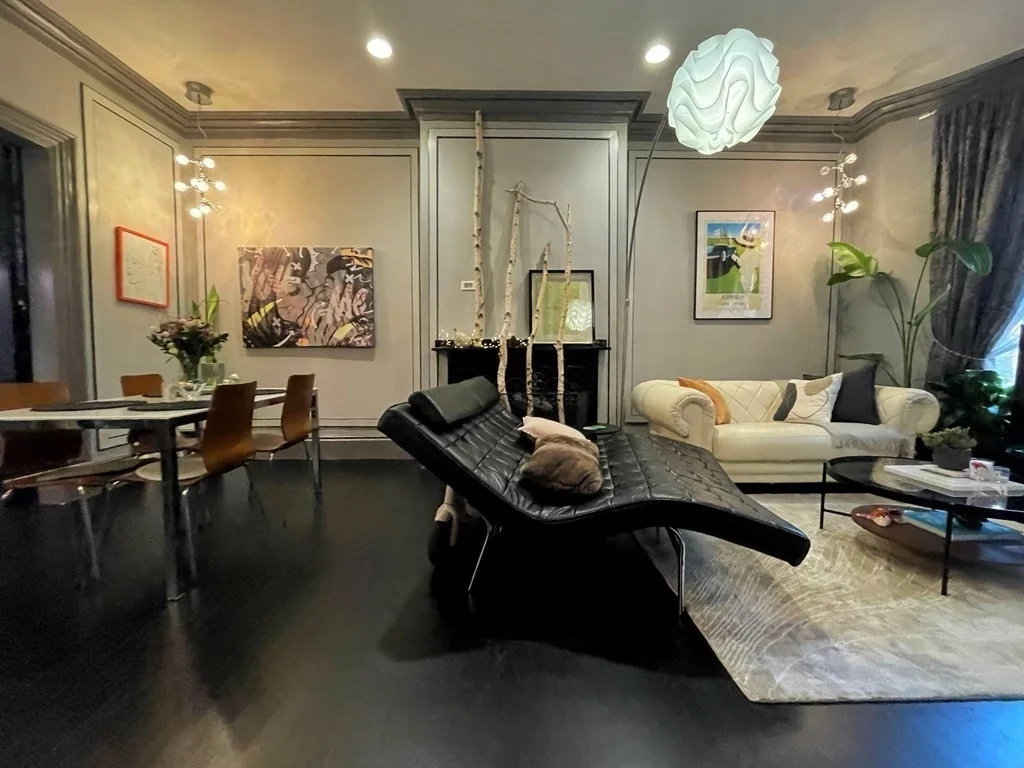
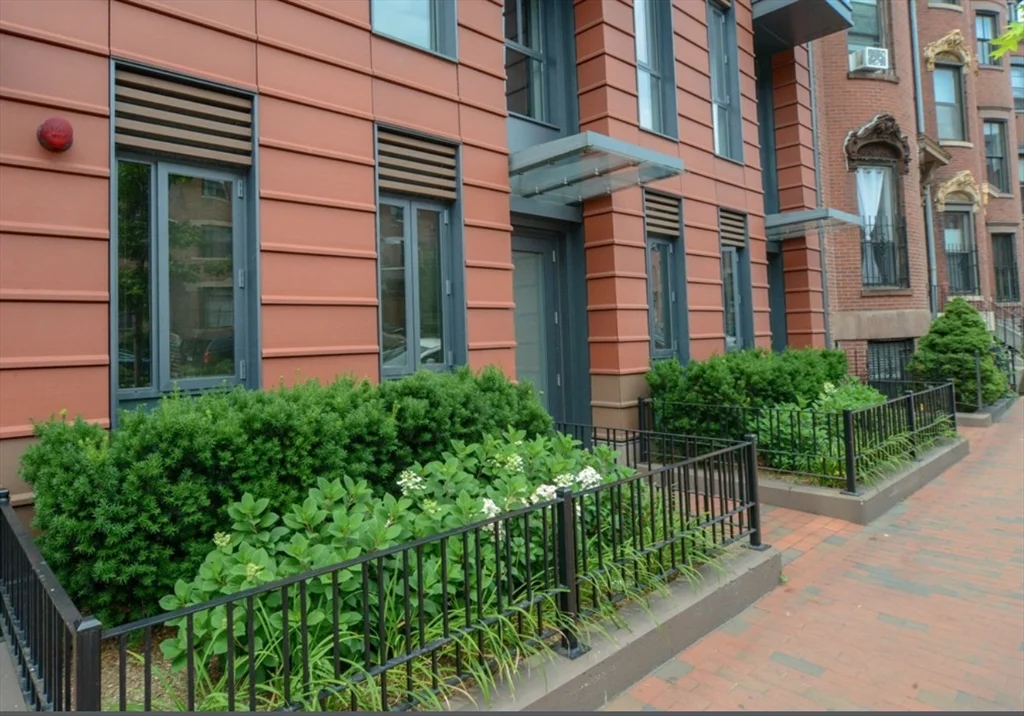
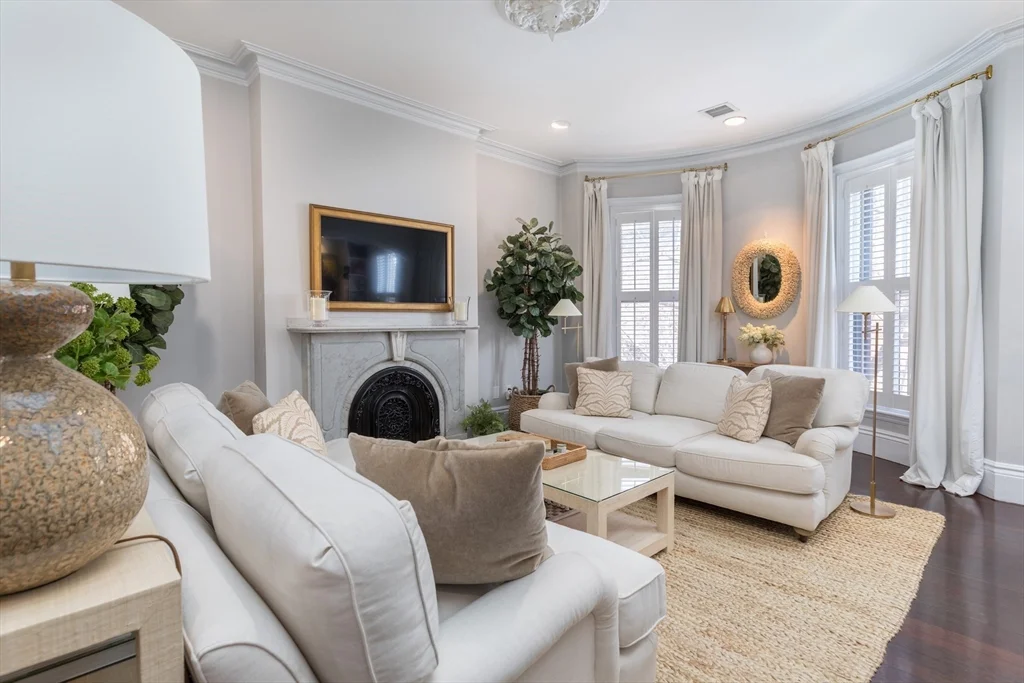
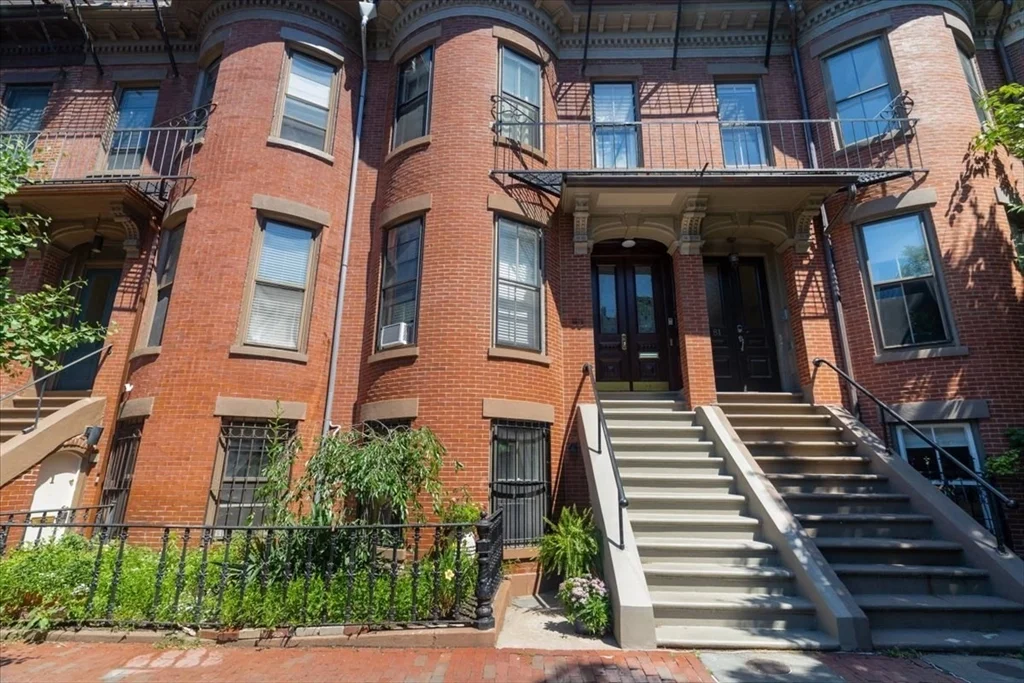
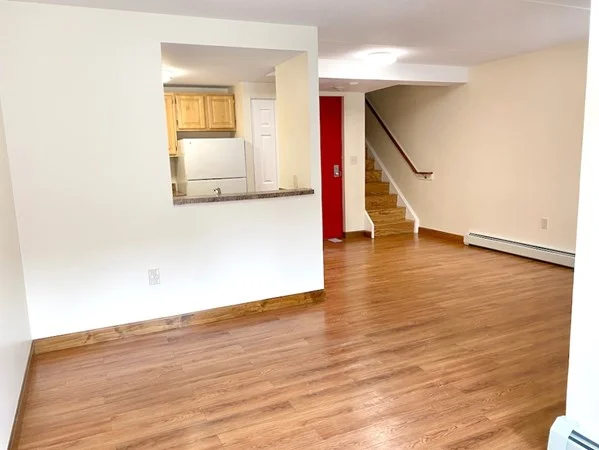
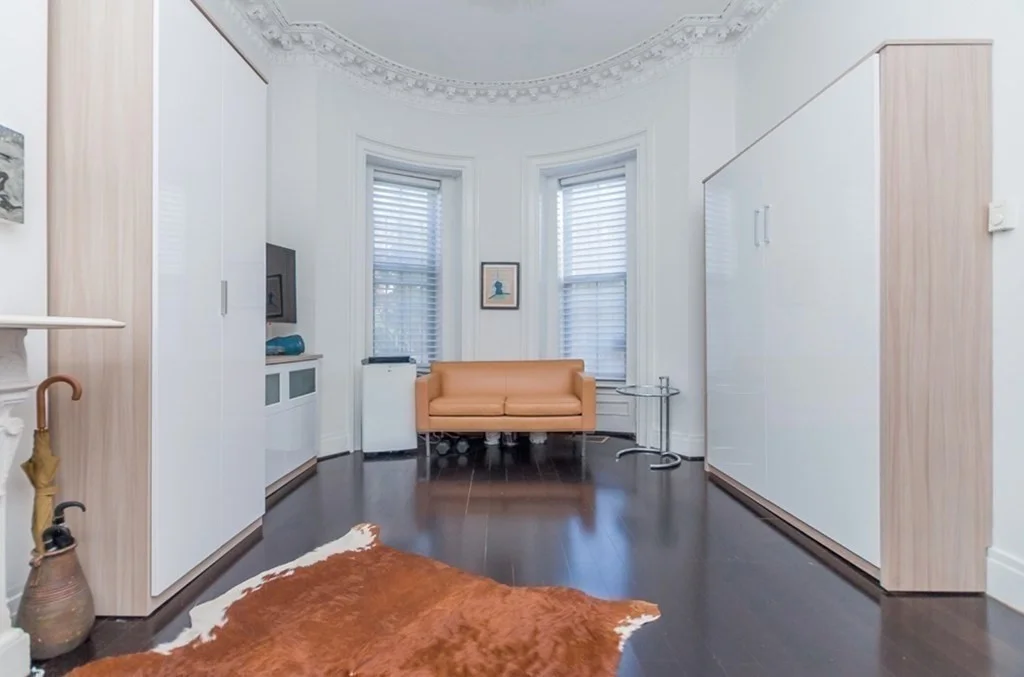
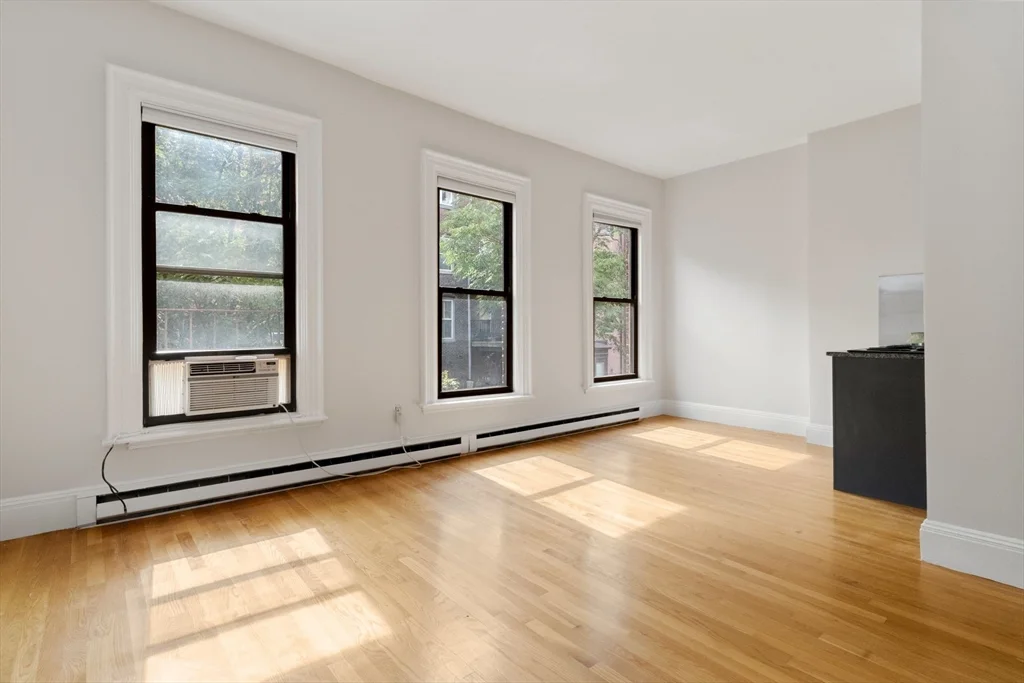
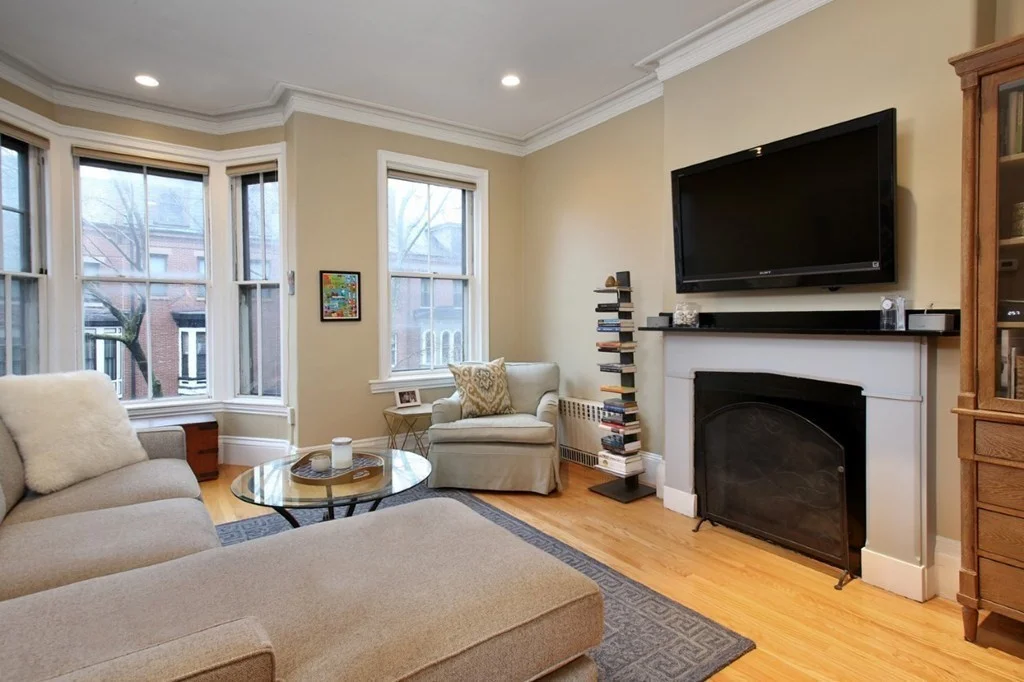
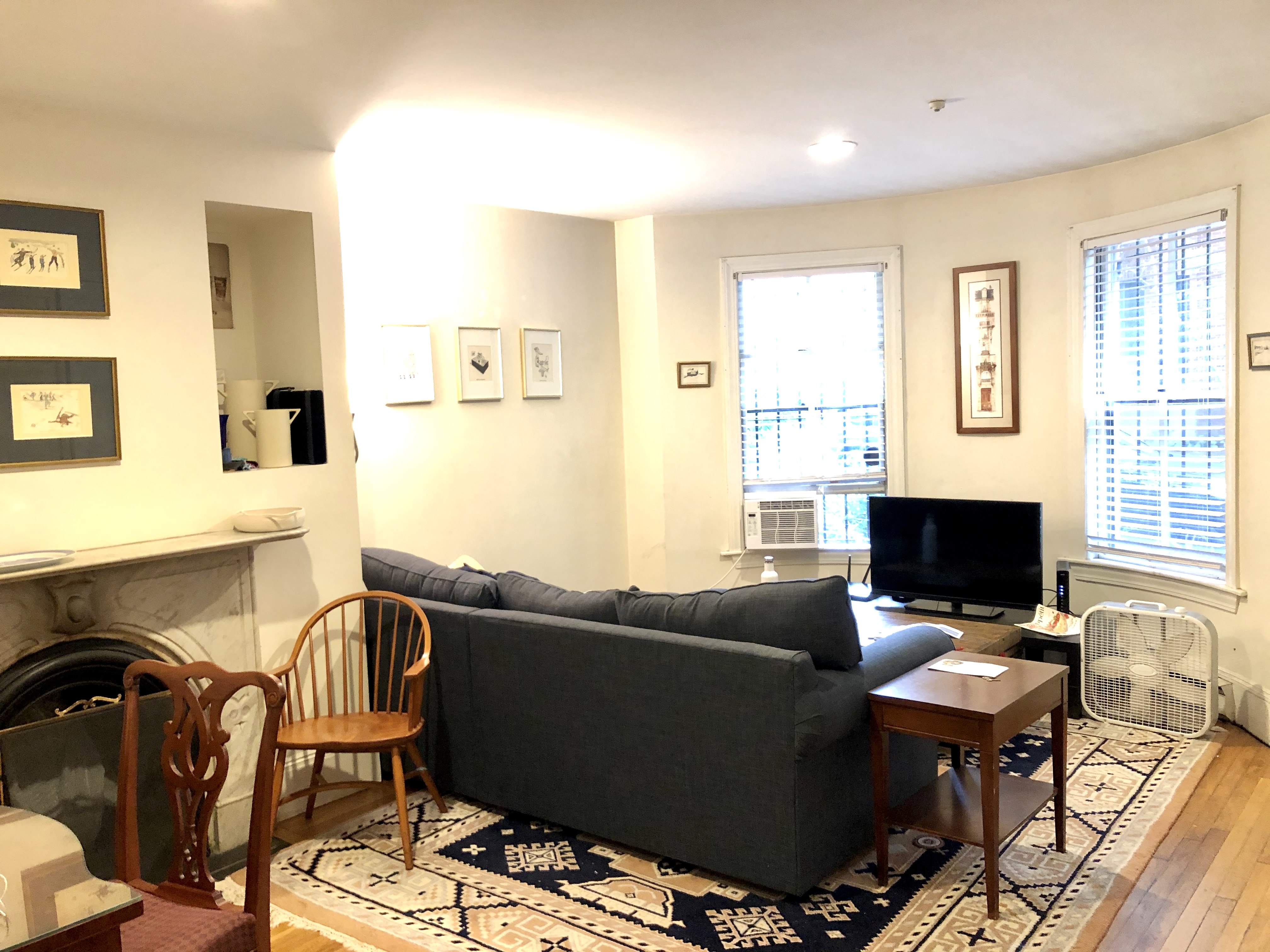
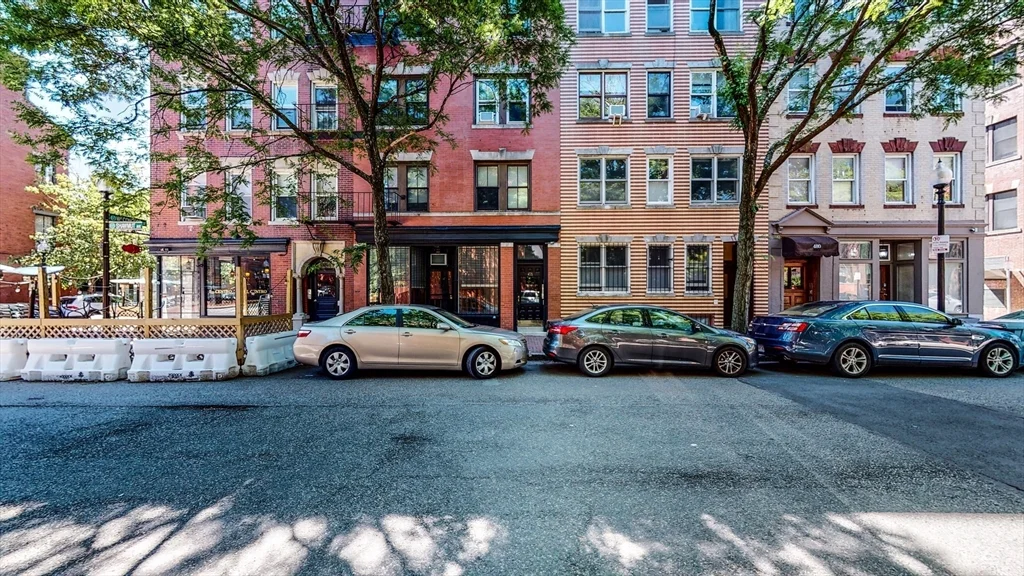
The building stock is rowhouse almost throughout. More than half of South End properties listed on Spot Easy with a known unit count sit in buildings of four to nine units — bowfront Victorian houses divided into flats — while only about one in five is in a building of ten units or more and two- and three-family houses account for around a fifth. Expect period proportions, tall windows and frequently no elevator. Proximity to one of the small parks — Union Park, Blackstone and Franklin Squares among them — is usually visible in the rent.
Lease starts follow the September 1 cycle, with inventory building from spring. Rowhouse flats vary considerably in layout, so viewing several is worth more than narrowing early.
Spot Easy lists South End apartments from verified agents, with filters for no-fee listings, parking, laundry and pet policy. Published averages by bedroom count are on the Spot Easy Rent Index.
FAQ about South End Apartments for Rent
What is the average rent in South End?
In August 2026 the average asking rent in South End is $2,374 for a studio, $3,318 for a 1-bedroom (+$118 higher than the median), $4,559 for a 2-bedroom and $5,808 for a 3-bedroom. Those figures come from active listings on Spot Easy, and we recalculate them each month.
How much should I budget for an apartment in South End?
Most 1-bedrooms in South End rent for about $3,318 a month — the more typical (median) price is $3,200. Studios average $2,374, 1-bedrooms average $3,318 and 2-bedrooms average $4,559. Budget toward the average — a handful of pricier units pull it above what most listings actually ask.
Are rents going up in South End?
The median 1-bedroom in South End is $3,200 in August 2026, up 3.2% from $3,100 in August 2025. We hold 15 months of South End rent history, built from our own listings.
Is it cheaper to split a 2-bedroom in South End than rent a studio?
Usually, yes. A 2-bedroom in South End splits to about $2,280 each, against $2,374 for a studio. That saves roughly $94 a month, or 4%.
How does South End rent compare with nearby neighborhoods?
For a 1-bedroom, the average in South End is $3,318, next to Back Bay at $3,574 and South Boston at $3,106. These cover the same bed size in the same month, and we only include areas with comparable data available.
Does the South End have its own subway station?
No — every rail station serving it sits on the edges, which is the most important practical fact about the neighborhood. Measured against the MBTA's own coordinates, Back Bay is about four tenths of a mile from the middle of the South End and carries the Orange Line plus four commuter rail lines. Massachusetts Avenue and Tufts Medical Center add Orange Line stops at the western and eastern ends, and Prudential and Copley bring the Green Line just to the north. None of those is far, but all involve a walk of several minutes, and which one is nearest depends heavily on where in the neighborhood you live. Fix that before narrowing a search, because the South End is long and the stations are not evenly spread. Living in the middle of the neighborhood means a walk in every direction, which is the trade for the rowhouse streets and the parks.
What is the Silver Line on Washington Street?
The Silver Line is bus rapid transit — not a subway line, despite the name and the map color — and its Washington Street branch runs the length of the South End, connecting Roxbury at Nubian Square to downtown. It is the only transit that runs through the neighborhood rather than around its edges, which makes it genuinely useful for anyone living in the middle of the South End away from the Orange Line stations. It has dedicated lanes for much of the route and runs frequently. The caveat is that it is still a bus, so it is more exposed to traffic than the Orange Line, and for longer journeys most people walk to Back Bay or Tufts Medical Center instead. It is nonetheless the reason the middle of the South End is better connected than a subway map alone would suggest.
Are South End apartments in rowhouses?
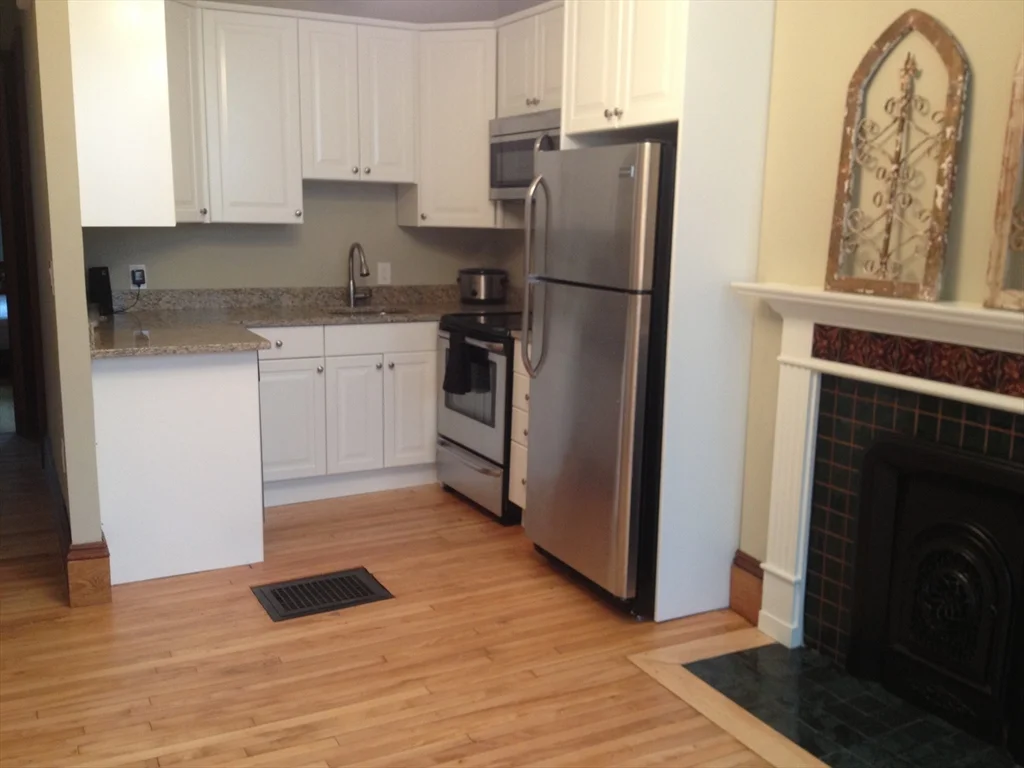
Almost entirely, and it is what defines renting here. More than half of South End properties listed on Spot Easy with a known unit count sit in buildings of four to nine units — bowfront Victorian houses divided into flats — while only about one in five is in a building of ten units or more, and two- and three-family houses account for around a fifth. So the typical listing is a floor or part of a floor in a nineteenth-century rowhouse: period proportions, tall windows, high ceilings, and frequently no elevator, because the buildings predate them. The neighborhood's small residential parks are the other defining feature, and proximity to one is usually reflected in the rent. Ask whether the kitchen and bathroom have been rebuilt, because condition varies far more than the exteriors suggest.
Can I find step-free entry in the South End?
It is difficult and worth settling before you tour. Only about one in five South End properties listed on Spot Easy with a known unit count sits in a building of ten units or more, and that is where elevators realistically exist. More than half are in four-to-nine-unit rowhouses, which almost never have them — and the classic bowfront entrance sits up a flight of steps from the street, so even a ground-floor unit may not be step-free. A high rent is no guide here. If step-free access is a requirement rather than a preference, South Boston's Seaport end and the newer development around it are more realistic places to search at a comparable price. Ask specifically about the entrance as well as the unit, since the two are frequently different answers in a bowfront building. It is the single most common mismatch between what a South End listing implies and what it actually offers.
Why does the South End have so few large apartments?
Not many, and the index reflects it: the Spot Easy Rent Index publishes no four-plus-bedroom figure for the South End at all. Three-bedrooms are published, at a $5,808 average in August 2026, and two-bedrooms at $4,559. The reason is the housing: bowfront rowhouses divided into flats produce a great many one- and two-bedroom units and very few whole floors carrying four or more bedrooms. If you are searching as a group, expect a thin market here and compare against Dorchester or Roxbury, where two- and three-family houses supply large apartments as ordinary inventory — Roxbury's four-plus average was $4,229, below the city figure and well below what the South End charges at three bedrooms. Three-bedrooms at $5,000 are the practical ceiling, and they move quickly when they appear. For a group, the practical move is to search outward rather than hold out for something the stock does not really produce.
How far is Back Bay station from the South End?
About four tenths of a mile from the middle of the neighborhood, measured against the MBTA's own station coordinates, and it is the most useful station the South End has. Back Bay carries the Orange Line together with four separate commuter rail lines — Franklin, Needham, Providence and Worcester — so it reaches a large part of the southern and western suburbs without a change. For a neighborhood with no station of its own, having that one within a short walk is what keeps it well connected. From the eastern end of the South End, Tufts Medical Center on the Orange Line is usually closer, and from the western end Massachusetts Avenue is. Check which applies to the specific address. Walking to the nearest Orange Line stop rather than the best-known one usually saves several minutes.
When should I start looking for an apartment in the South End?
Four to five months ahead. The South End follows the September 1 cycle, and because the stock is overwhelmingly rowhouse rather than managed building, vacancies appear one at a time rather than in waves, which makes off-cycle listings genuinely scarce. Inventory for September builds from early spring, so a search opening in July arrives after most of the year's supply has been viewed. Flexibility on layout is worth more here than flexibility on start date, because rowhouse flats vary considerably — floor, ceiling height, whether the kitchen is original or rebuilt — and holding out for a specific configuration narrows an already small market considerably. The best rowhouse floors go earliest of all, and a period flat with a rebuilt kitchen is the configuration most likely to be gone before you see it. Set saved searches in March or April rather than browsing casually in June.
How do I find no-broker-fee apartments in the South End?
Filter for no-fee listings on Spot Easy and confirm the terms in writing before applying. Fee arrangements are set per listing rather than per neighborhood, so two rowhouses on the same block can differ. Treat a listing that says nothing about a fee as unconfirmed rather than fee-free — silence is missing information, not an absence. Where a fee applies it is commonly a month's rent, which against the August 2026 South End one-bedroom average of $3,318 is a substantial addition to move-in costs that already include first month, last month and a security deposit. Because the stock here is small rowhouse buildings owned largely by individuals, terms vary more than in a market of large managed buildings. Every agent listing on Spot Easy is verified before their listings go live. Ask the agent directly what is owed at signing and get the full figure before you commit to a schedule of viewings.
What documents do I need to rent an apartment in the South End?
Photo identification, recent pay stubs or an offer letter, bank statements and previous landlord references. Because the South End's stock is mostly small rowhouse buildings owned by individuals rather than management companies, screening is often less formal than in a large managed building — but references carry more weight, and decisions are frequently made quickly and in person, so having everything assembled beforehand is a real advantage. Massachusetts law caps what may be collected at signing: first month's rent, last month's rent, a security deposit of no more than one month's rent, and the cost of a new lock. The deposit must be held in a separate interest-bearing account at a Massachusetts bank, and you are owed a receipt for it. Ask who handles repairs as well, because in a small rowhouse building that is usually the owner rather than a management office, which some renters prefer and others do not.