
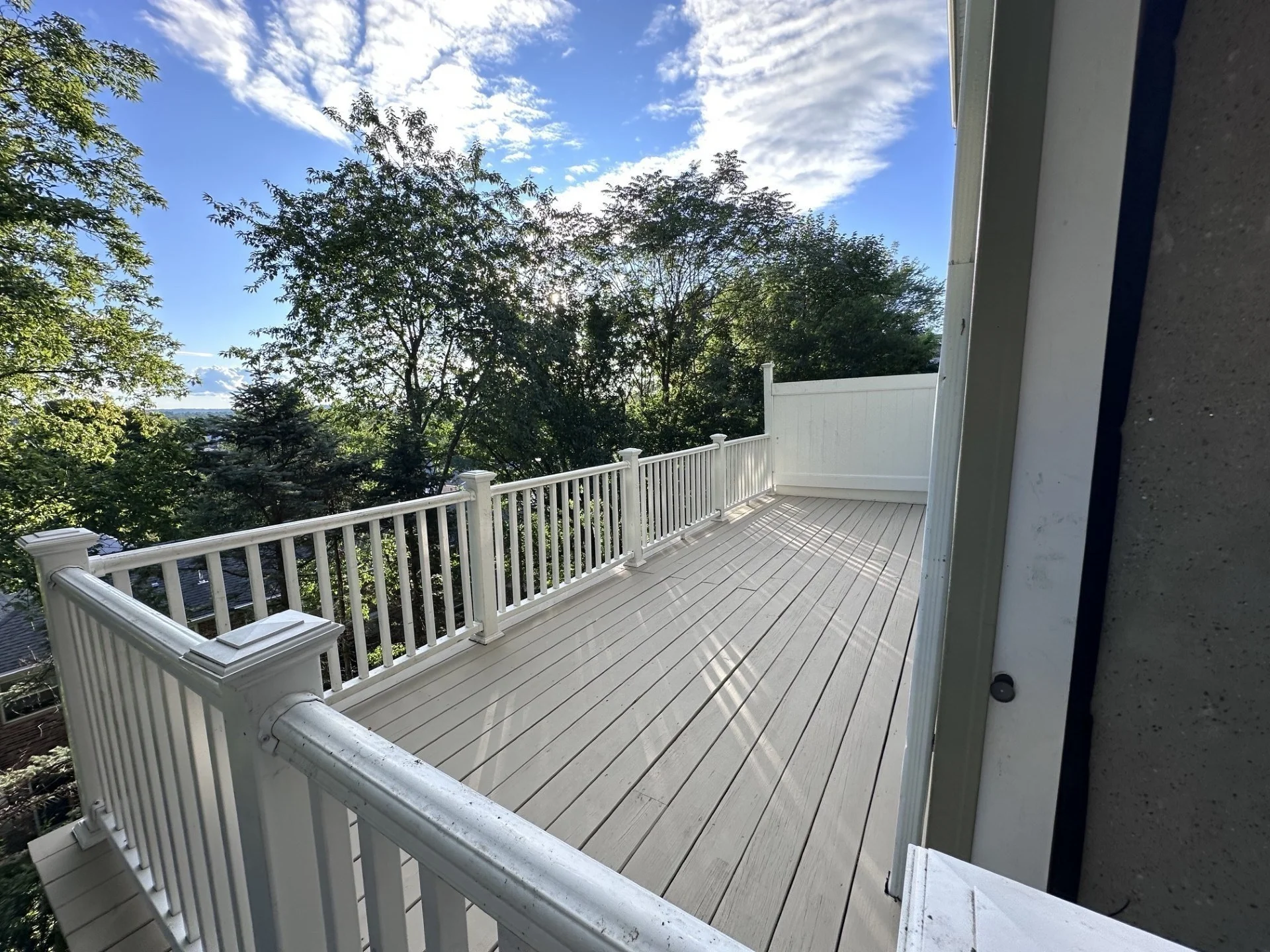
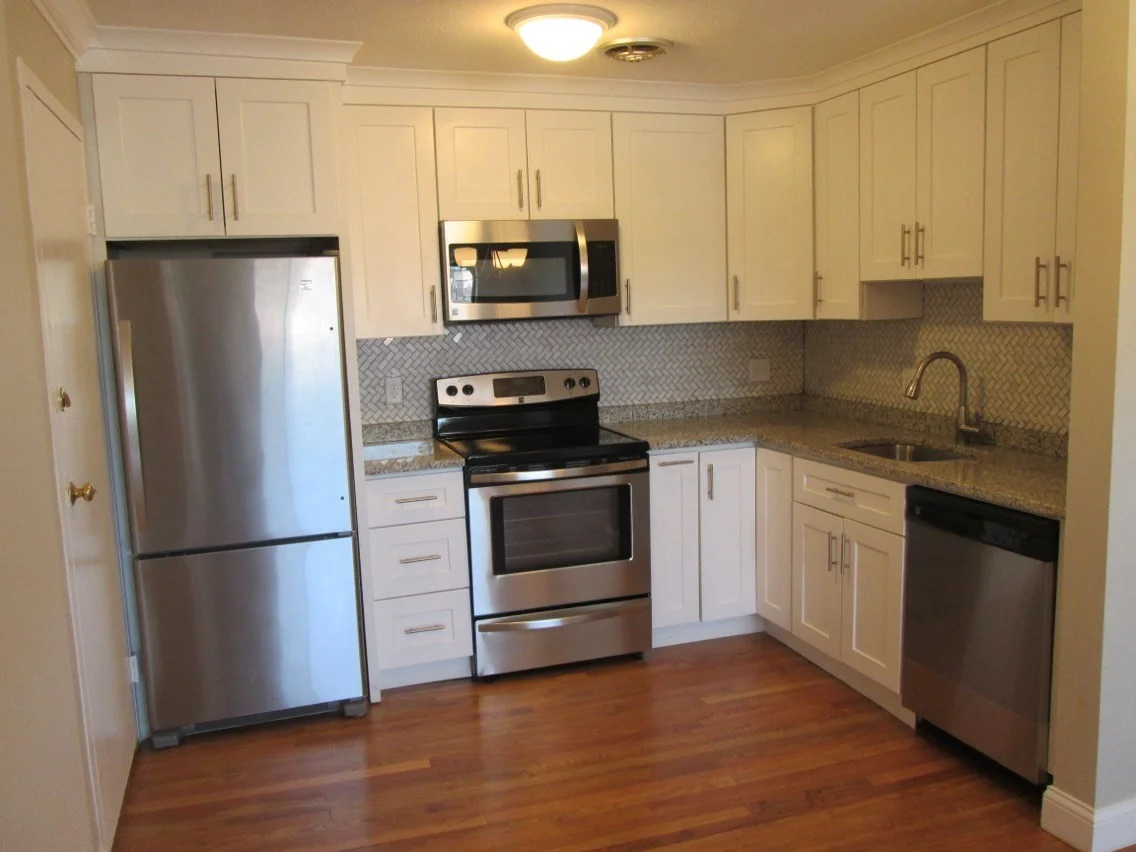
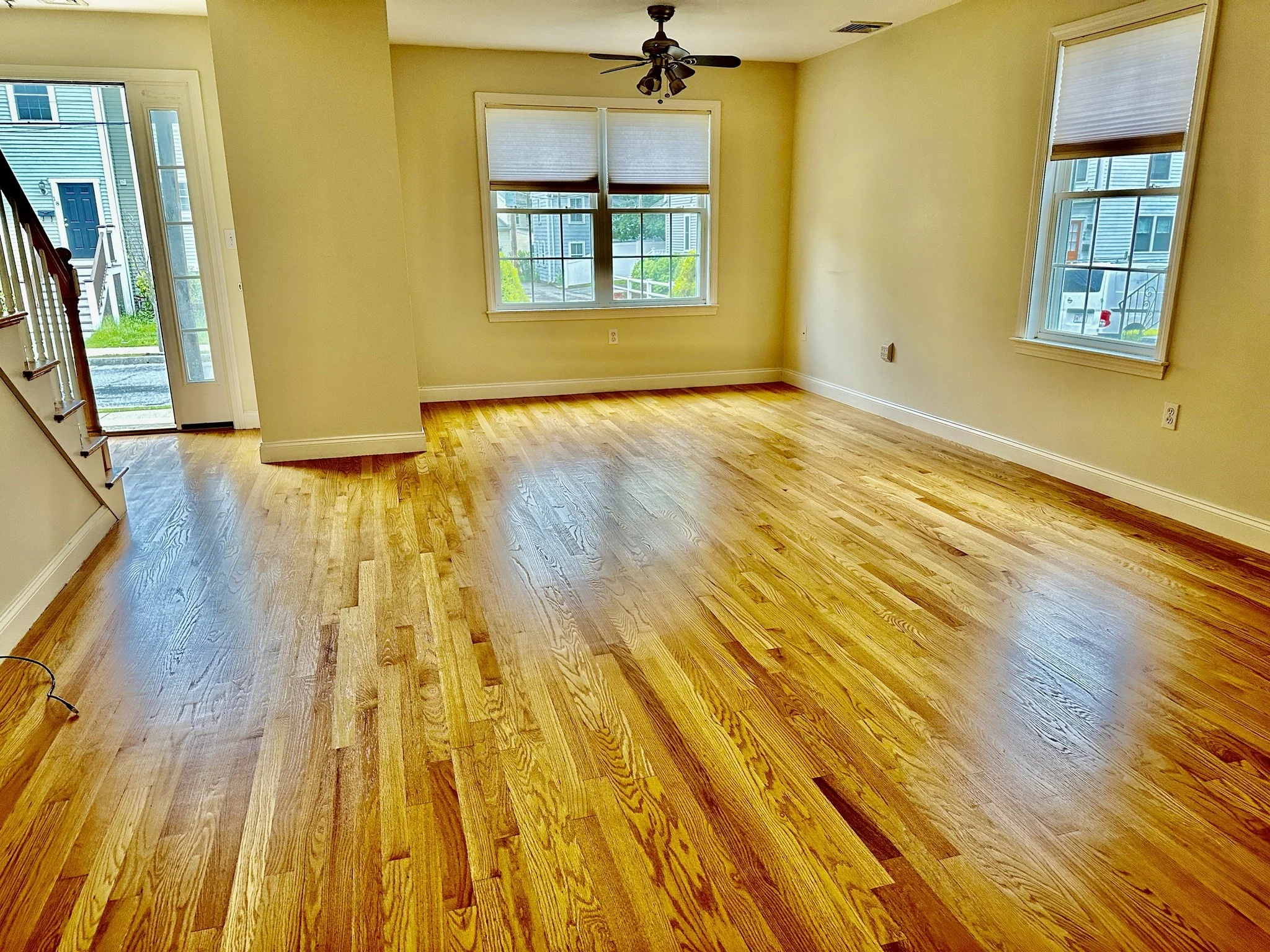
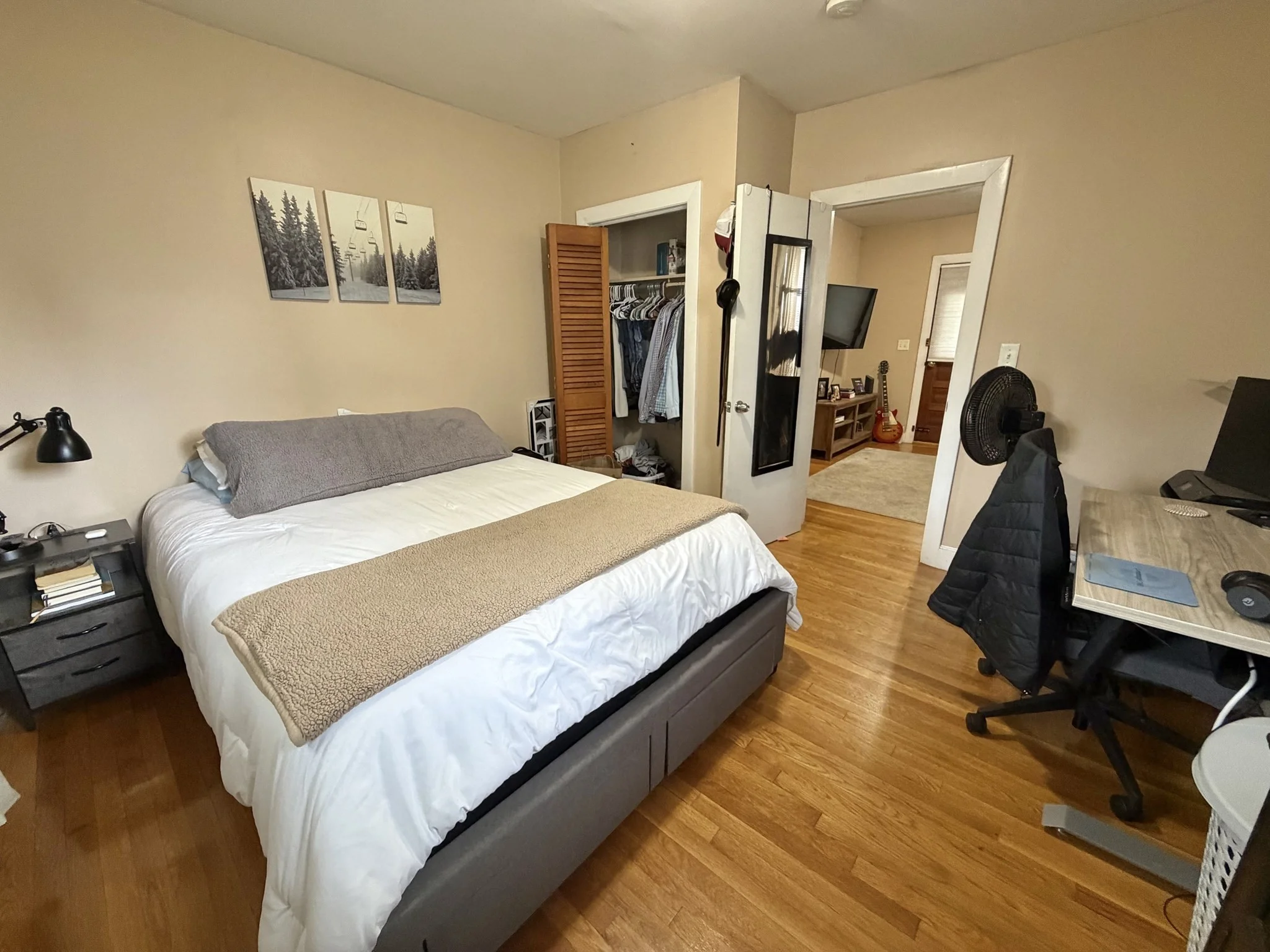

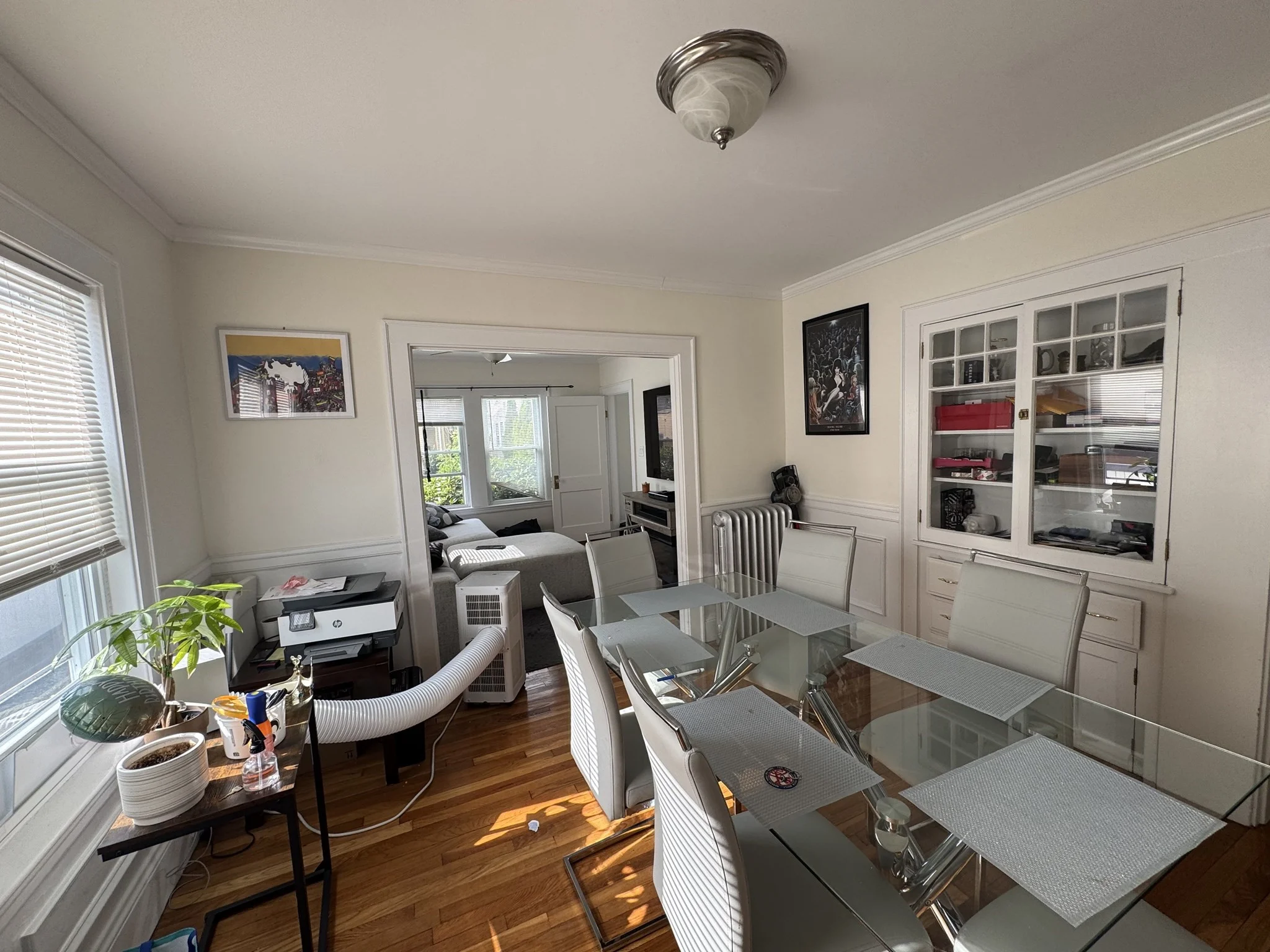


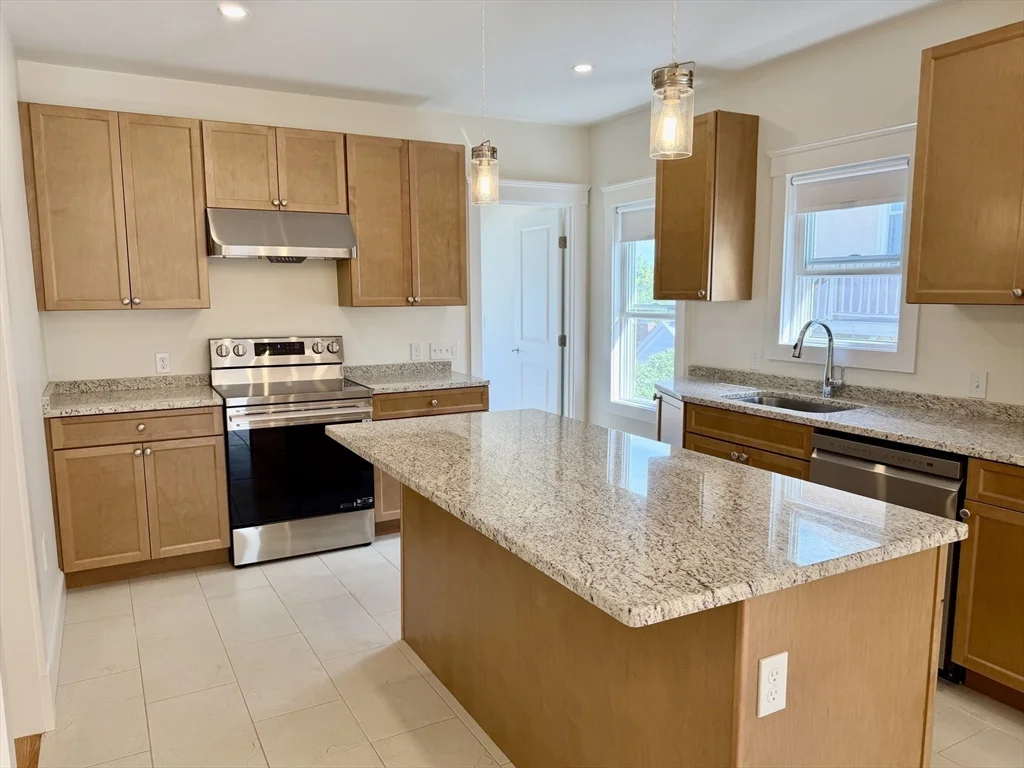
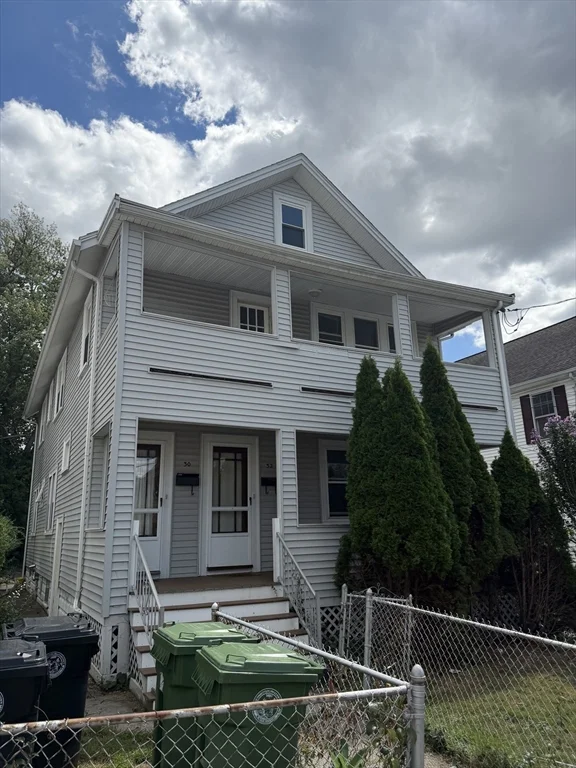
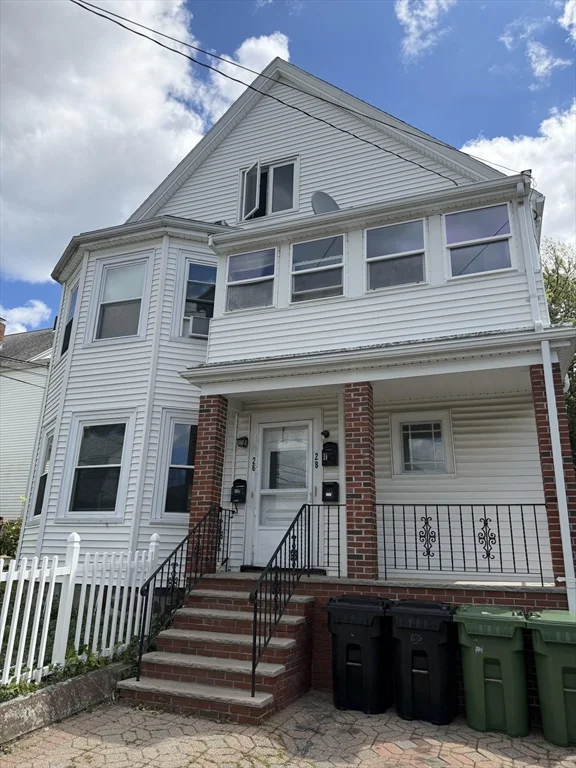
About Watertown
Watertown is a city on the north bank of the Charles River immediately west of Cambridge and Boston, and the first thing to understand before searching here is that it has no rapid-transit station and no commuter rail stop of its own. What it has instead is unusually heavy bus service: route 71 runs from Watertown Square to Harvard, route 70 runs east to Central Square and Kendall, and routes 57, 59, 73, 504, 553, 554 and 558 cover the rest of the city and reach Newton, Waltham and downtown Boston.
That single fact shapes the rental market. Because a Red Line walk is not on offer, the variable that matters most is which bus corridor a listing sits on — Mount Auburn Street, Main Street, Belmont Street or Arsenal Street — and how far it is from Watertown Square, where most routes converge.
The city divides into recognizable parts: Watertown Square at the center, Coolidge Square and East Watertown toward the Cambridge line, the Arsenal Street corridor along the river, and the quieter residential streets north toward the Belmont line.
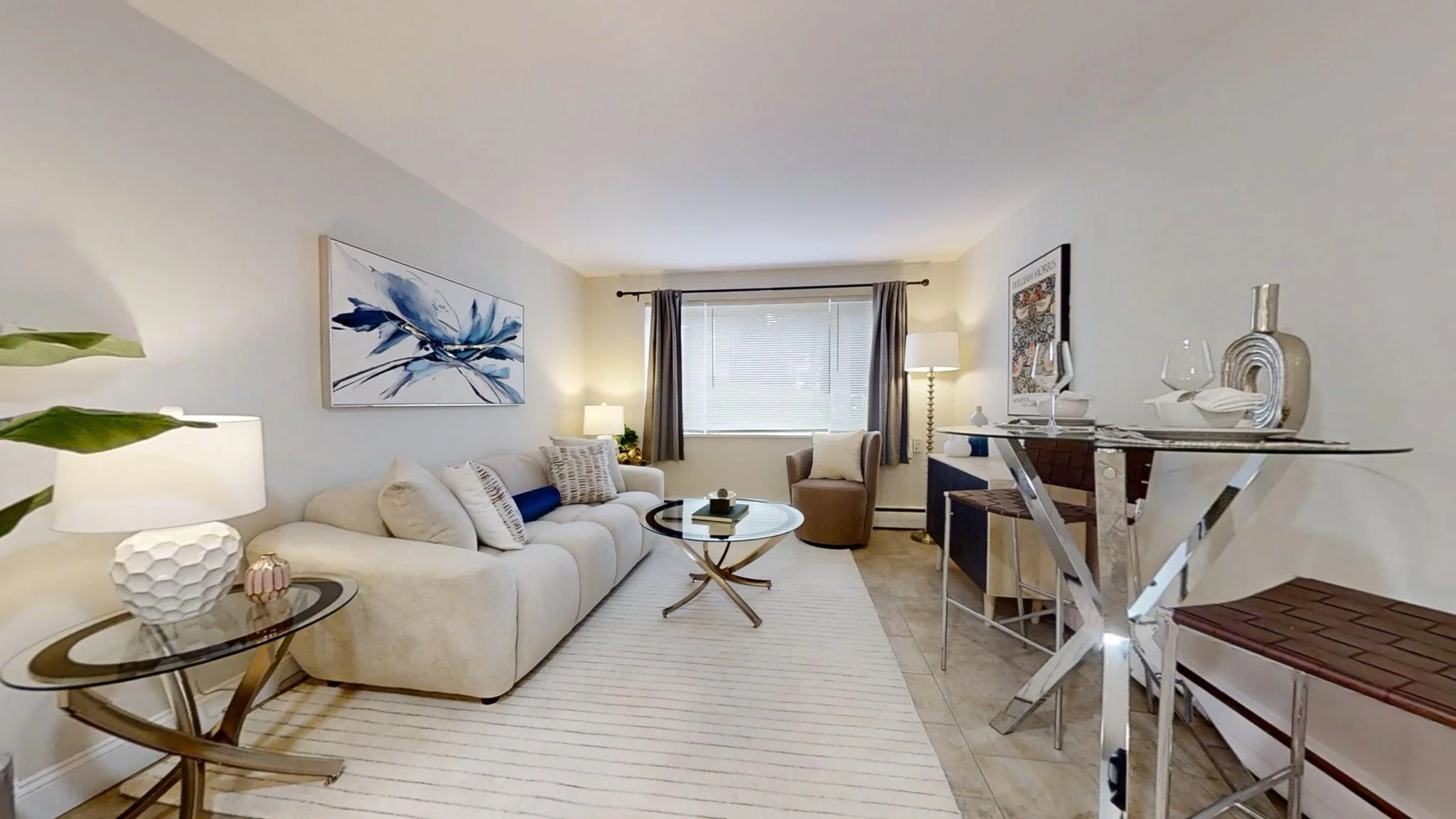
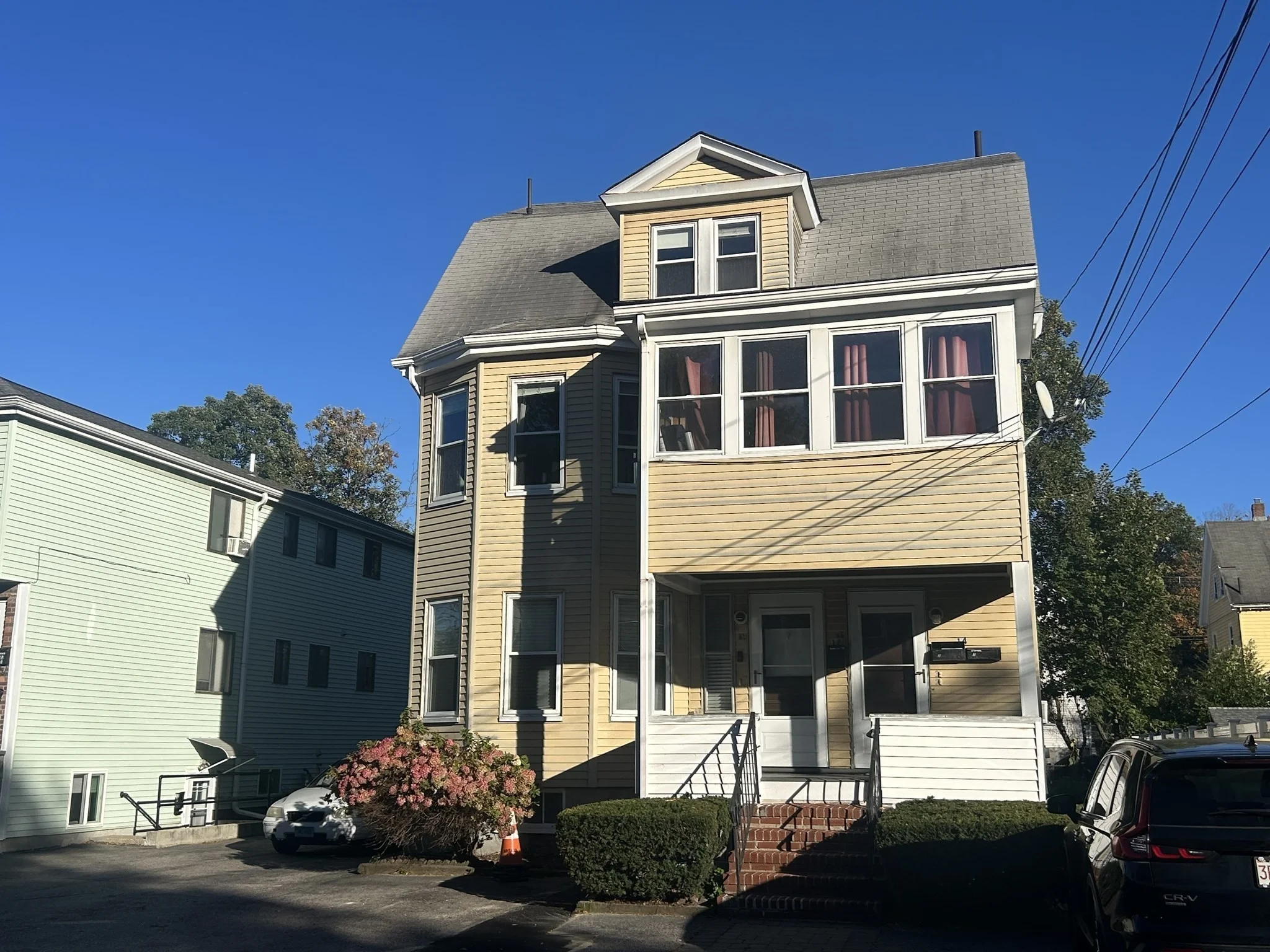
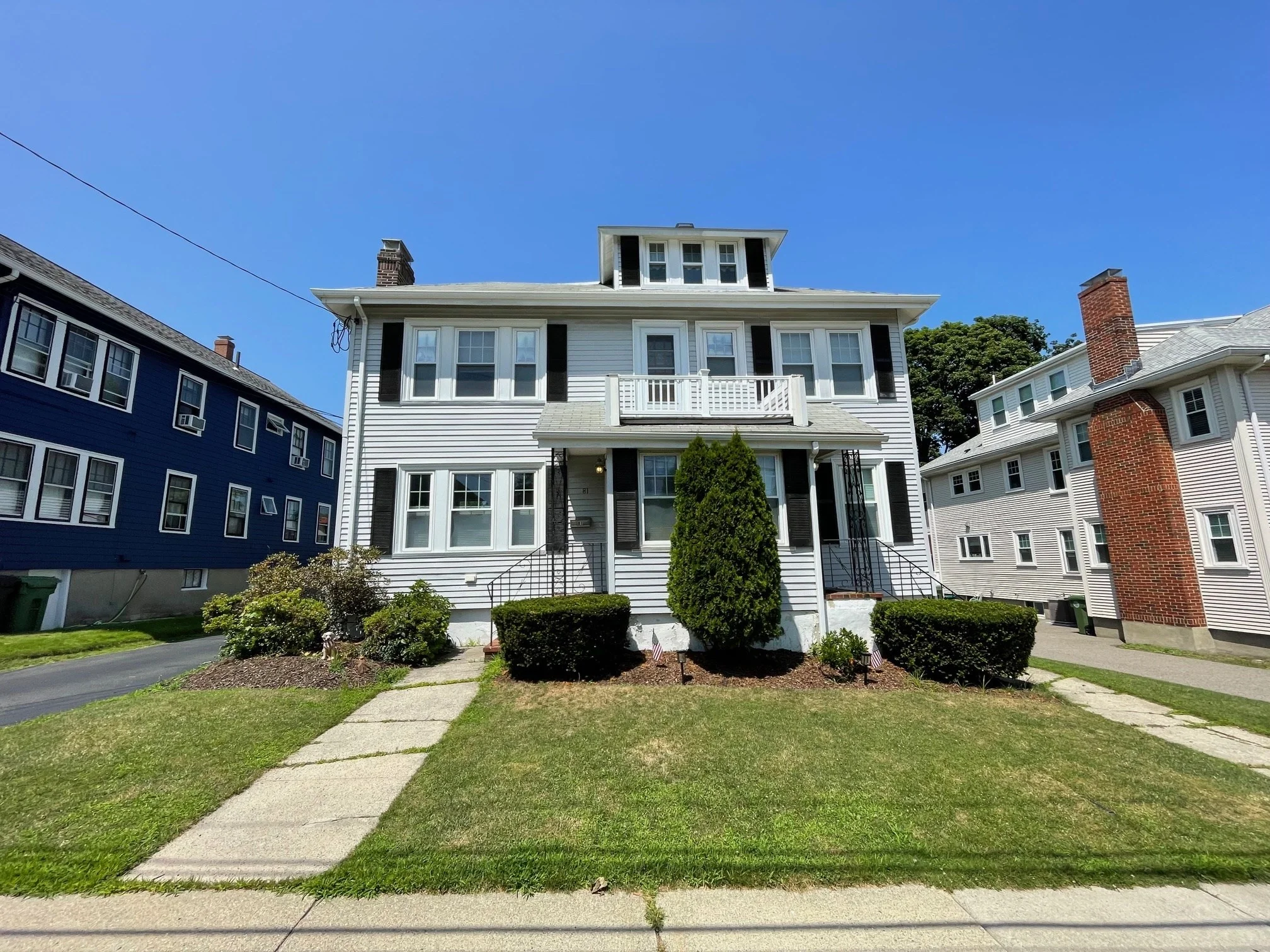
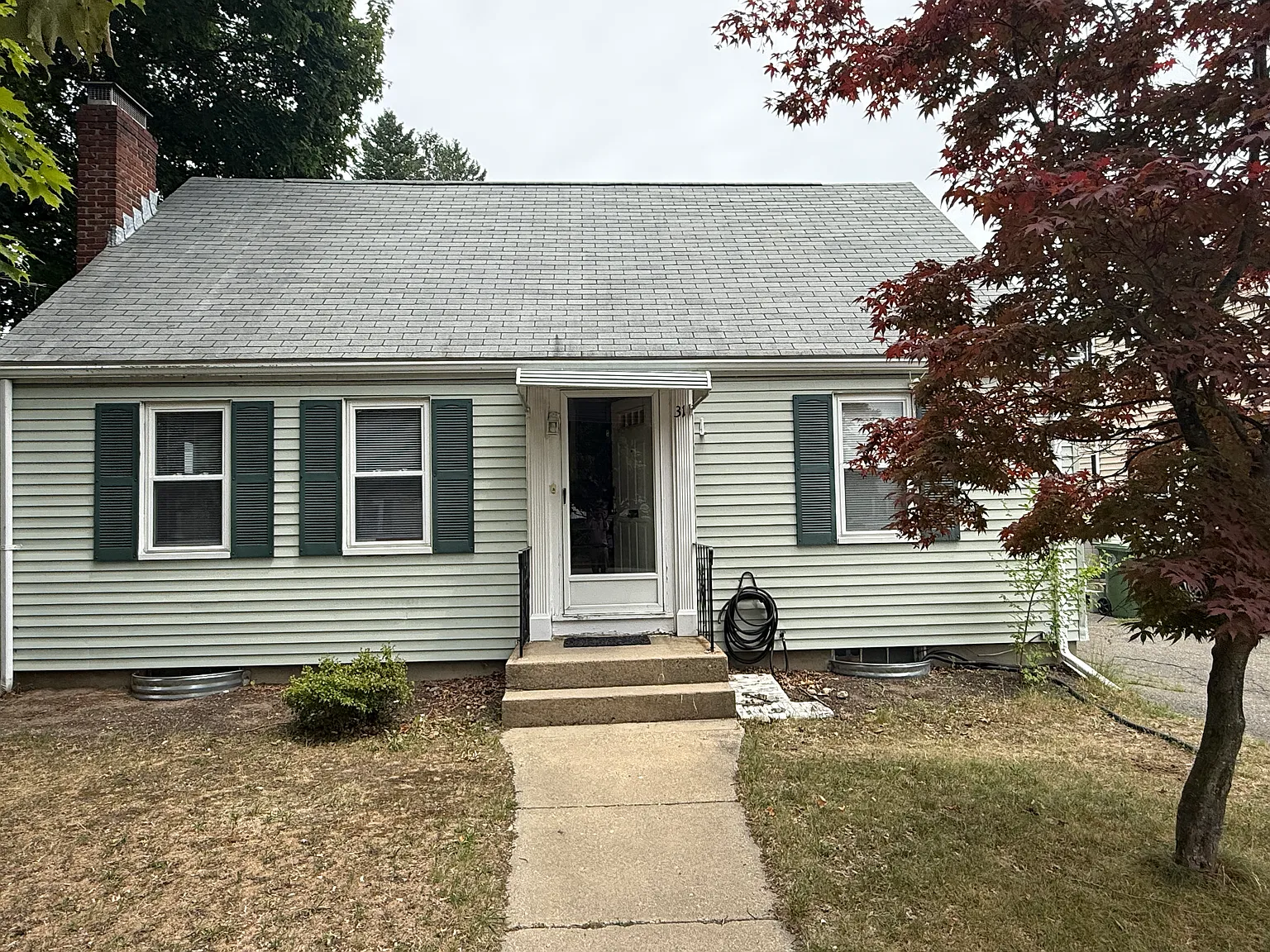
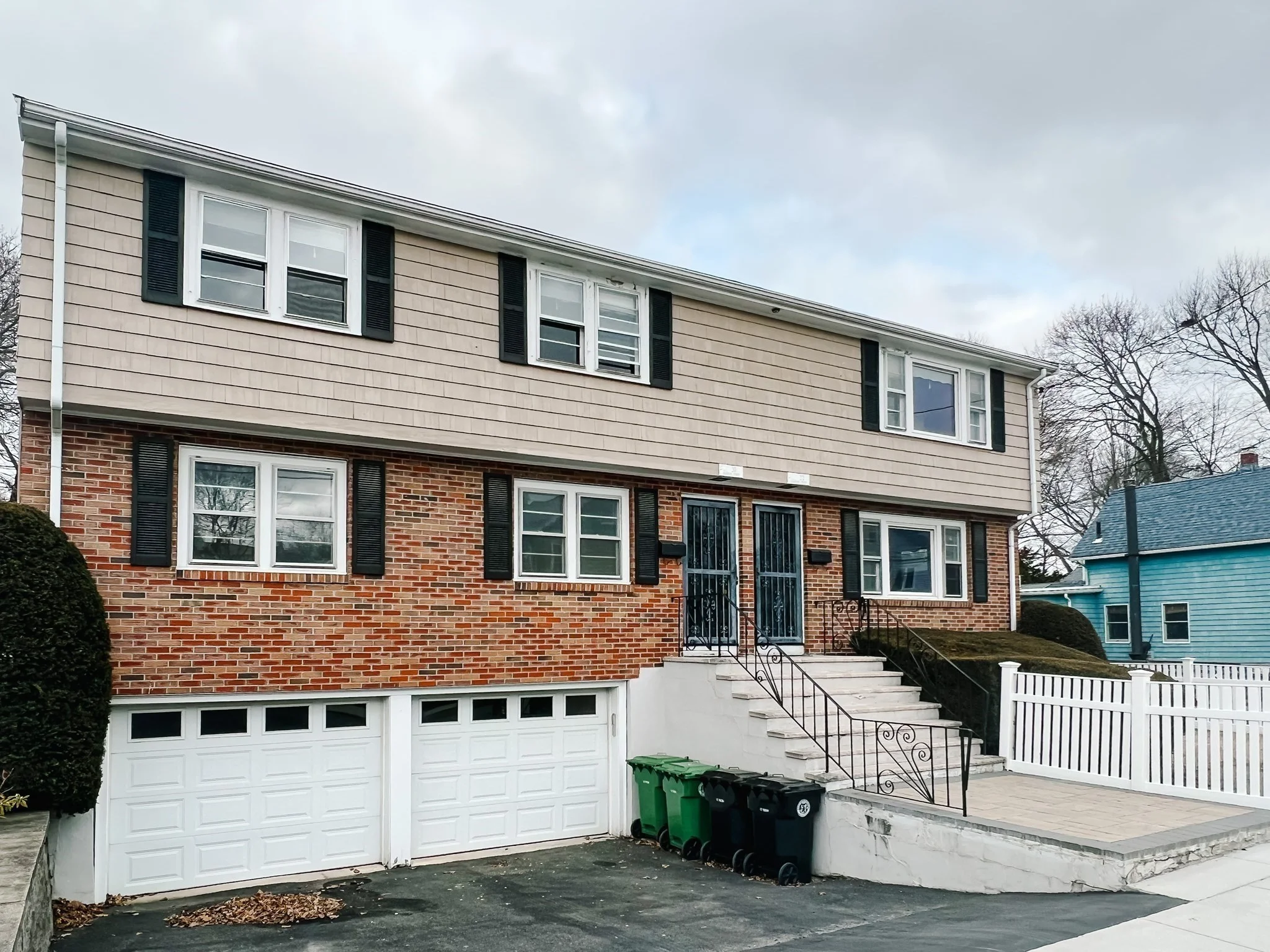
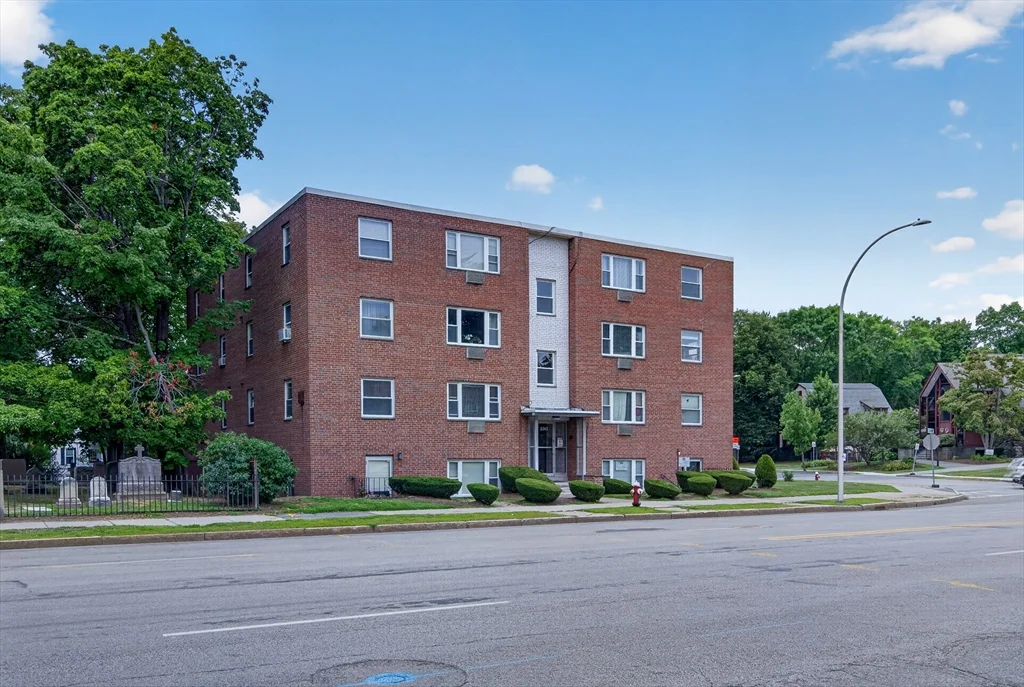
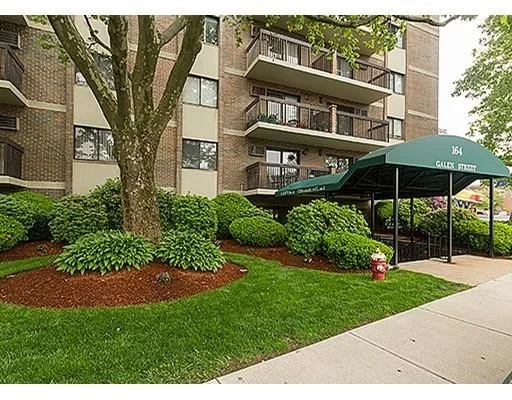
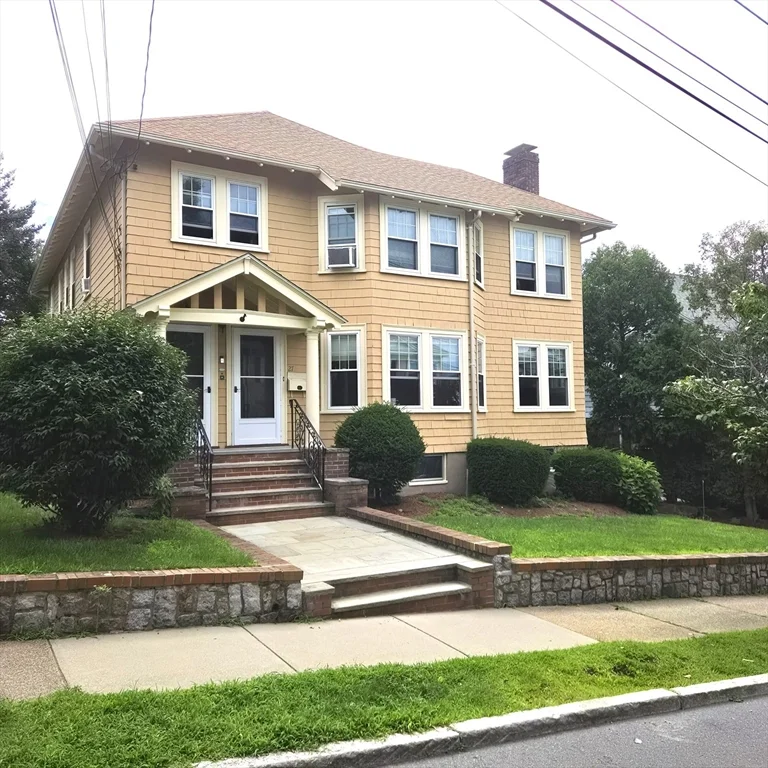
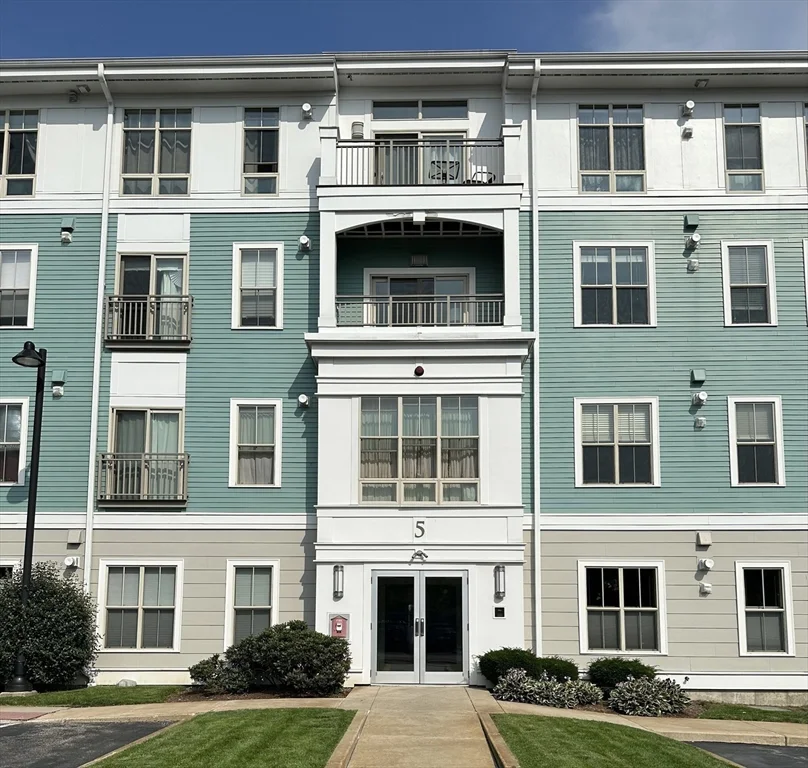
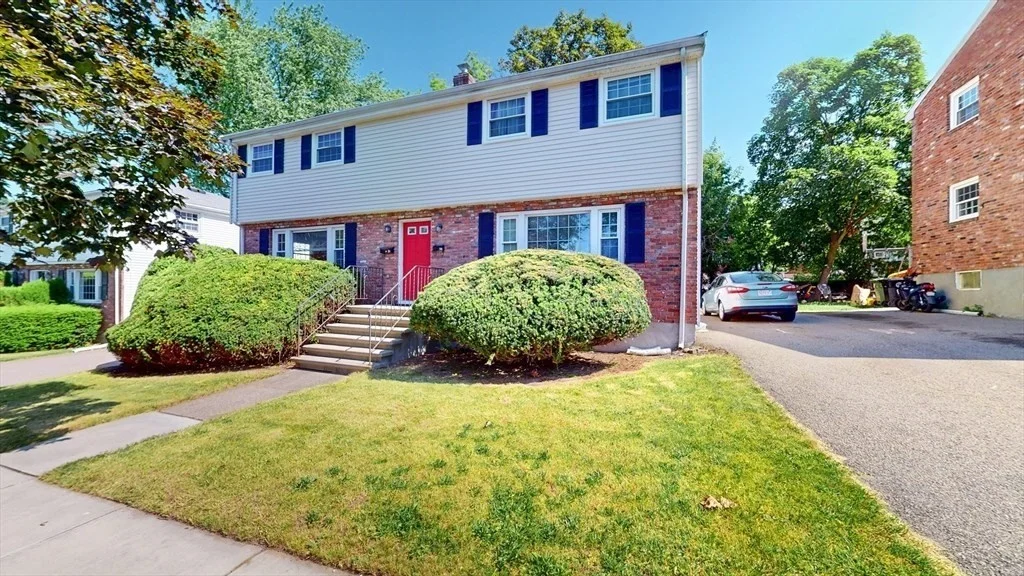
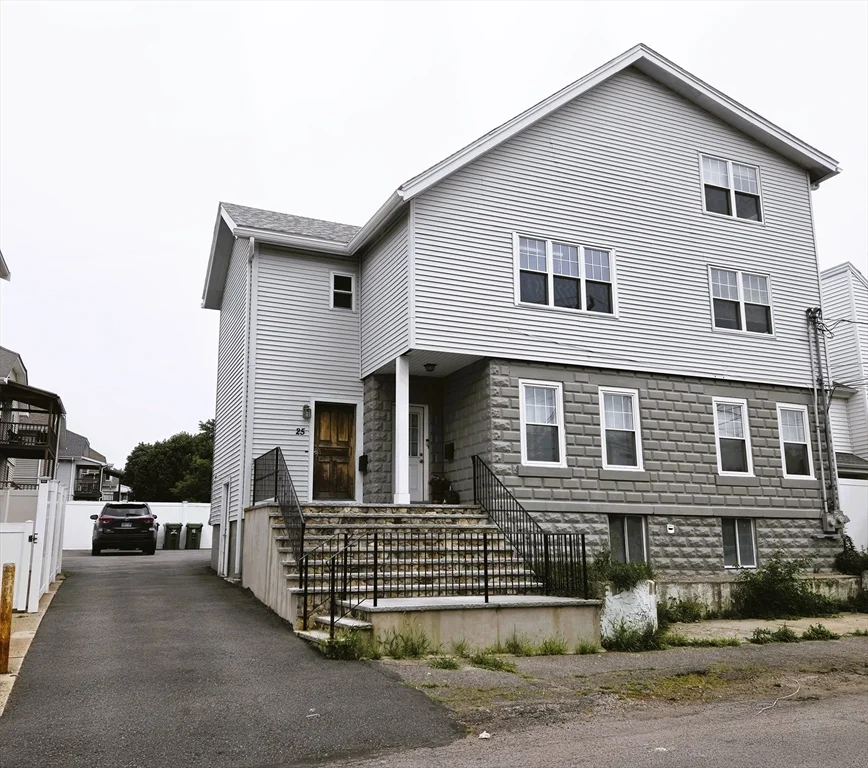
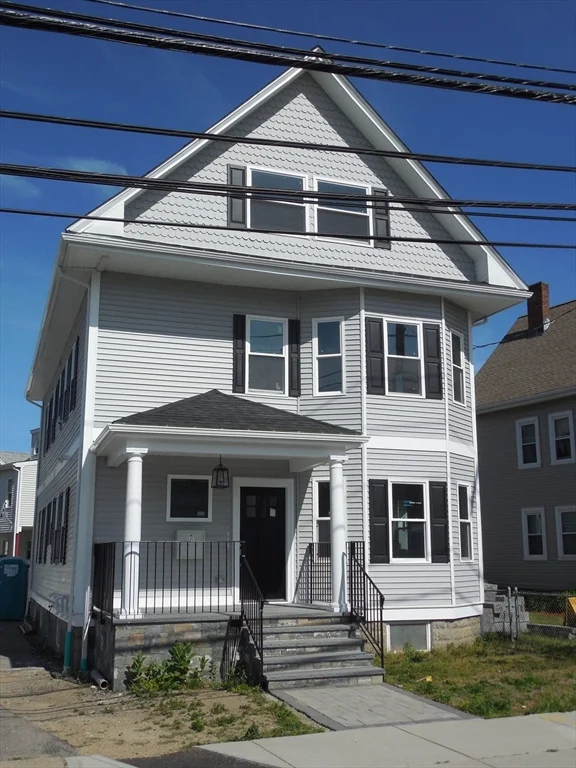
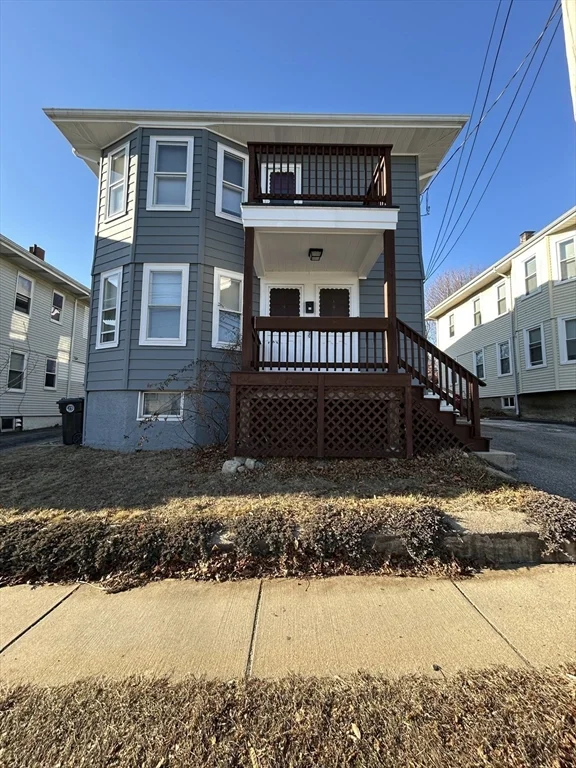
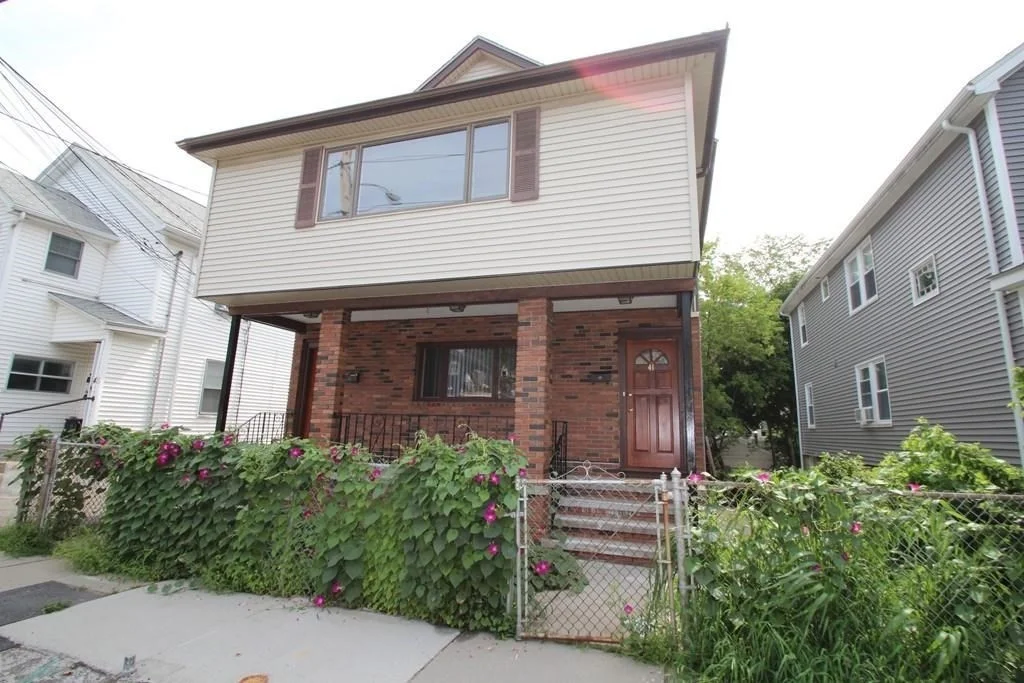
Watertown's rental stock is unusual for a town this size. Two- and three-family houses still make up the largest share, but Watertown has considerably more purpose-built apartment buildings than its neighbors, including a meaningful number with fifty units or more, concentrated along Arsenal Street and the river where the former Watertown Arsenal has been redeveloped. Elevator access, step-free entry, on-site laundry and structured parking are therefore realistic here in a way they are not in Belmont or Arlington.
Inventory follows the Greater Boston September 1 cycle, so listings are widest from April through July, though the managed buildings along the river turn over more evenly through the year than the two-family stock does.
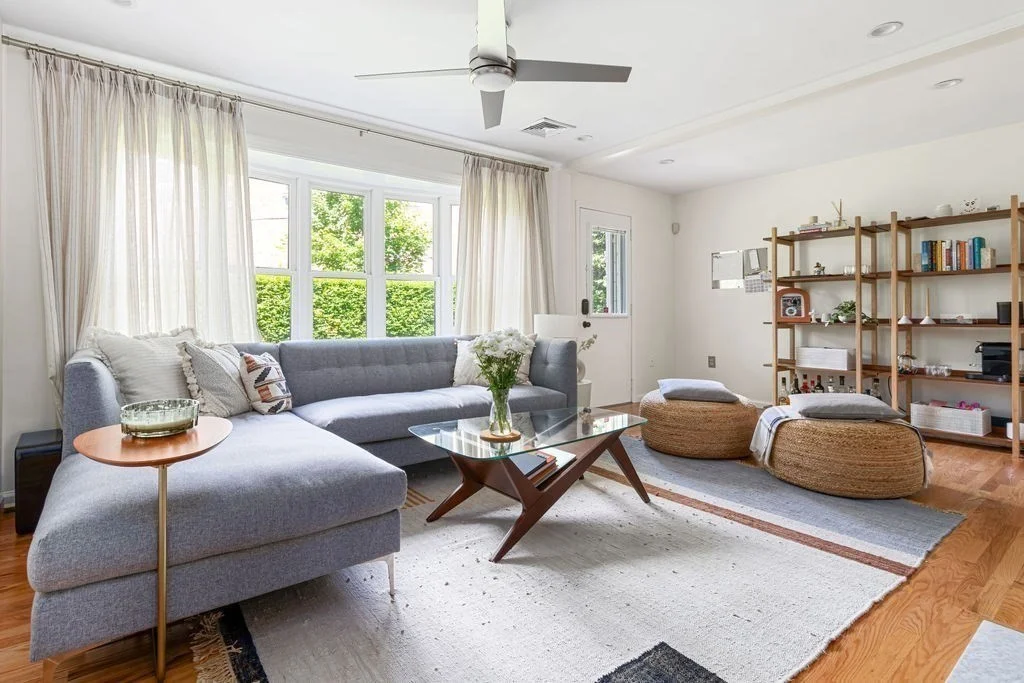
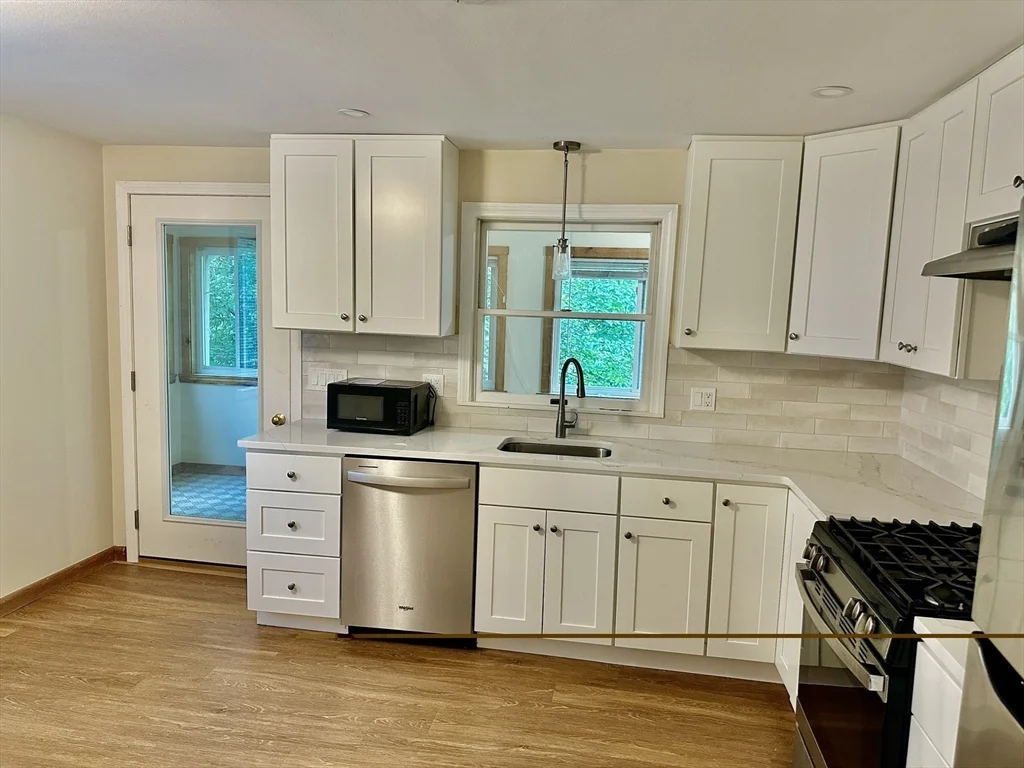
Spot Easy lists Watertown apartments from verified agents, with each listing's available date, filters for bedroom count, bathrooms, pets, parking, laundry, elevator access and no-broker-fee listings, and photos on every unit, with a video walkthrough on some. Average asking rents across Greater Boston by bedroom count are published monthly in the Spot Easy Rent Index. Cambridge, Newton, Waltham and Brighton apartments all border Watertown.
FAQ about Watertown Apartments for Rent
Where is Watertown, MA?
Watertown is a city in Middlesex County on the north bank of the Charles River, bordered by Cambridge to the east, Belmont to the north, Waltham to the west, Newton across the river to the south, and the Brighton and Allston sections of Boston to the southeast. It is one of the smaller municipalities in the metro area by land area, which is why almost everything in it is within a short bus ride of Watertown Square. Listings are usually described by area rather than by the city alone: Watertown Square at the center, Coolidge Square and East Watertown toward Cambridge, the Arsenal Street corridor along the river, and the residential streets north toward Belmont. Watertown is also the only municipality of its size inside Route 128 with neither a subway stop nor a commuter rail station, which is why its bus network carries more of the load than in any neighboring town.
How is transit access in Watertown?
Watertown has no rapid-transit station and no commuter rail stop, which is the single most important thing to plan around before searching here. It is served instead by unusually heavy bus service. Route 71 runs from Watertown Square to Harvard, connecting to the Red Line, and route 70 runs east along Arsenal Street and Western Avenue to Central Square and Kendall. Routes 57, 59, 73, 504, 553, 554 and 558 cover the rest of the city and reach Newton, Waltham, Kenmore and downtown Boston. Watertown Square is where most routes converge, so a listing's distance from the Square usually matters more than its distance from any single street. Frequency is the thing to check rather than distance: two listings a block apart can sit on corridors with very different service levels, and the express routes only run at peak hours. Watertown Yard, at the western end of the Square, is the garage most of these routes work out of.
What is the commute from Watertown to Boston like?
Most car-free commutes from Watertown run by bus to a subway connection rather than door to door. Route 71 to Harvard puts you on the Red Line, route 70 reaches Central Square and Kendall directly, and the 504, 553 and 558 express routes run into downtown Boston during peak hours. Driving uses Arsenal Street, Mount Auburn Street or Route 20, and the Charles River crossings into Allston and Brighton are the usual routes toward the Massachusetts Turnpike. Traffic through Watertown Square is the main constraint at peak times. Because the bus is the backbone here rather than a supplement, check which routes serve a listing's street and how frequently they run before comparing it with anything in a subway town. If your destination is Kendall or Central rather than downtown, route 70 is usually the better option than any subway combination, because it runs there directly without a transfer.
Which parts of Watertown should I search?
Watertown Square is the center and the transit hub, with the highest concentration of services within walking distance. Coolidge Square and East Watertown sit closest to the Cambridge line and are the shortest hop toward Harvard and Central Square. The Arsenal Street corridor along the river holds most of the city's larger apartment buildings, redeveloped from the former Watertown Arsenal, and is where elevator access and structured parking are most likely. The residential streets running north toward the Belmont line are quieter and dominated by two- and three-family houses. Choose between them on bus corridor first, since that determines your commute more than the neighborhood name does. Coolidge Square and the Arsenal Street corridor are the two areas where you can reasonably expect to walk to groceries, restaurants and a bus without crossing Route 20, which is worth weighing if you would rather not drive for errands.
What kinds of buildings are Watertown apartments in?
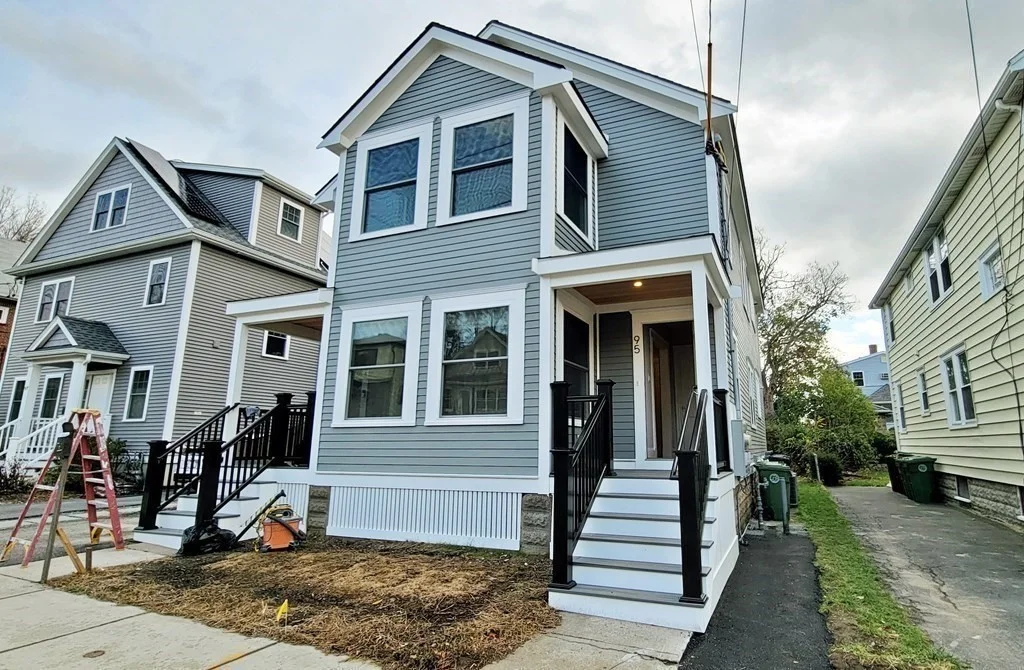
Watertown has a more mixed rental stock than most towns its size. Two- and three-family houses still account for the largest share, but the city has considerably more purpose-built apartment buildings than its immediate neighbors, including a meaningful number with fifty units or more. Those larger buildings cluster along Arsenal Street and the Charles River, on and around the redeveloped Watertown Arsenal site. The practical consequence is that elevator access, step-free entry, in-unit or on-site laundry and structured parking are all realistic in Watertown, which is not true in Belmont or Arlington. Filter for those amenities directly rather than inferring them from the rent or the street. A useful shortcut when scanning listings: an Arsenal Street or riverside address usually signals a managed building with amenities, while a numbered side street north of the Square almost always means a floor of a wood-frame house.
What sizes of apartment are most common in Watertown?
Two-bedroom and three-bedroom apartments make up most of what lists in Watertown, which follows from a stock that is still largely two- and three-family houses rented by the floor. One-bedrooms are available but fewer, and they concentrate in the larger buildings along Arsenal Street and the river rather than on the residential side streets. Studios are the hardest size to find here. If you want a smaller unit, focus the search on the river corridor where the managed buildings are; if you want three or more bedrooms, the wood-frame streets north of Watertown Square and toward Coolidge Square will give you more to compare. Filter by bedroom count first, then by bus corridor. Because the larger buildings and the two-family stock sit in geographically separate parts of the city, the size you need effectively decides which half of Watertown you are searching, more so than in towns where both types are mixed together.
Is Watertown walkable?
Watertown Square and the blocks immediately around it are genuinely walkable, with shops, restaurants, the public library and the main bus interchange all within a few minutes of each other. Coolidge Square is a second walkable cluster toward the Cambridge line. Beyond those two centers the city becomes more residential and errands usually mean a bus or a car, and Route 20 and Arsenal Street carry heavy traffic that makes some crossings less pleasant on foot. The Charles River paths along the southern edge are the best continuous walking and cycling route, and they connect east toward Cambridge and Boston without leaving the riverbank. The river paths also connect westward toward Waltham, so the continuous car-free route runs in both directions from Watertown rather than only toward Boston. Within the two centers, most daily errands are genuinely walkable; outside them, the deciding factor is usually whether your street has a sidewalk on both sides and a signalized crossing to the nearest bus stop.
What is there to do in Watertown?
The Charles River forms the southern boundary and its paths and parks are the main outdoor draw, connecting east toward Cambridge and Boston. Arsenal Yards, built on the former Watertown Arsenal site, holds most of the newer shops, restaurants and a cinema. Watertown Square and Coolidge Square carry the older commercial strips, including a long-established cluster of independent bakeries, groceries and restaurants around Coolidge Square. Mount Auburn Cemetery, founded in 1831 as the first landscaped cemetery in the United States, straddles the Watertown-Cambridge line and is used as an arboretum and birdwatching site. The Perkins School for the Blind, founded in 1829 as the first school for the blind in the United States, has occupied its Watertown campus by the river since 1912. Watertown Free Public Library sits in the Square, and the Charles River paths on the southern edge link directly into the wider Charles River Reservation network.
Does Watertown have a commuter rail station?
No. Watertown has no commuter rail station and no rapid-transit stop, and it is one of the larger municipalities inside Route 128 without either. The nearest commuter rail options are Waverley and Belmont on the Fitchburg line, both in Belmont, and Newtonville and West Newton on the Framingham/Worcester line across the river in Newton. In practice most Watertown renters use the bus network instead, since route 71 to Harvard and route 70 to Central Square and Kendall connect to the Red Line directly and run frequently. If a rail commute matters to you, check the walking distance to those out-of-town stations before committing to a street. Practically, this means Watertown is a town where you should confirm your commute before you commit to an address, rather than assuming that being inside Route 128 implies rail access.
When should I start looking for an apartment in Watertown?
Watertown follows the Greater Boston September 1 cycle, so inventory is widest between April and July and thinnest in late winter. Searching in late May or June gives the widest choice for a September start. The larger managed buildings along Arsenal Street and the river are a partial exception, because they turn over more evenly through the year than owner-held two-family houses do, which makes an off-season search noticeably more productive on the river corridor than on the side streets. Whatever the season, set an alert for your bedroom count and the bus corridor you need, since well-placed units near Watertown Square move quickly once posted. It is also worth searching slightly earlier here than in a subway town, because the bus corridors that make a Watertown address workable are the first thing other renters filter on too.
How do I find no-broker-fee apartments in Watertown?
Apply the no-broker-fee filter, which limits results to listings an agent has specifically marked as carrying no tenant-paid fee. Fee terms are set per listing rather than per neighborhood or per building, so the filter is more reliable than any assumption about where no-fee apartments cluster. Watertown is a better-than-average place to use it, because the larger managed buildings along Arsenal Street and the river have in-house leasing staff and lease without a tenant-paid fee more often than owner-held two-family houses do. Where a fee does apply it is most often one month's rent, on top of first month, last month and a security deposit. If a listing does not state its fee terms, treat them as unconfirmed and ask the agent. Because those managed buildings are concentrated along one corridor, the filter tends to cluster your results geographically rather than spreading them across the city, which is useful to know before you rule the corridor out.
What documents do I need to rent an apartment in Watertown?
Expect photo ID, recent pay stubs or a signed offer letter, and references from a prior landlord. The managed buildings along the river run formal credit and income screening and often ask for annual income at a multiple of the monthly rent, so allow a day or two for a decision. The owner-held two- and three-family houses that make up most of the city are frequently decided by the owner directly and can move within hours, so having the file assembled matters more than responding fast. First month, last month and a security deposit are typically due at signing, and Massachusetts caps a security deposit at one month's rent. The deposit must be held in a separate interest-bearing account at a Massachusetts bank, with a receipt owed within 30 days. If you are applying to both kinds of landlord at once, prepare for the slower process and the faster one simultaneously rather than sequentially.