





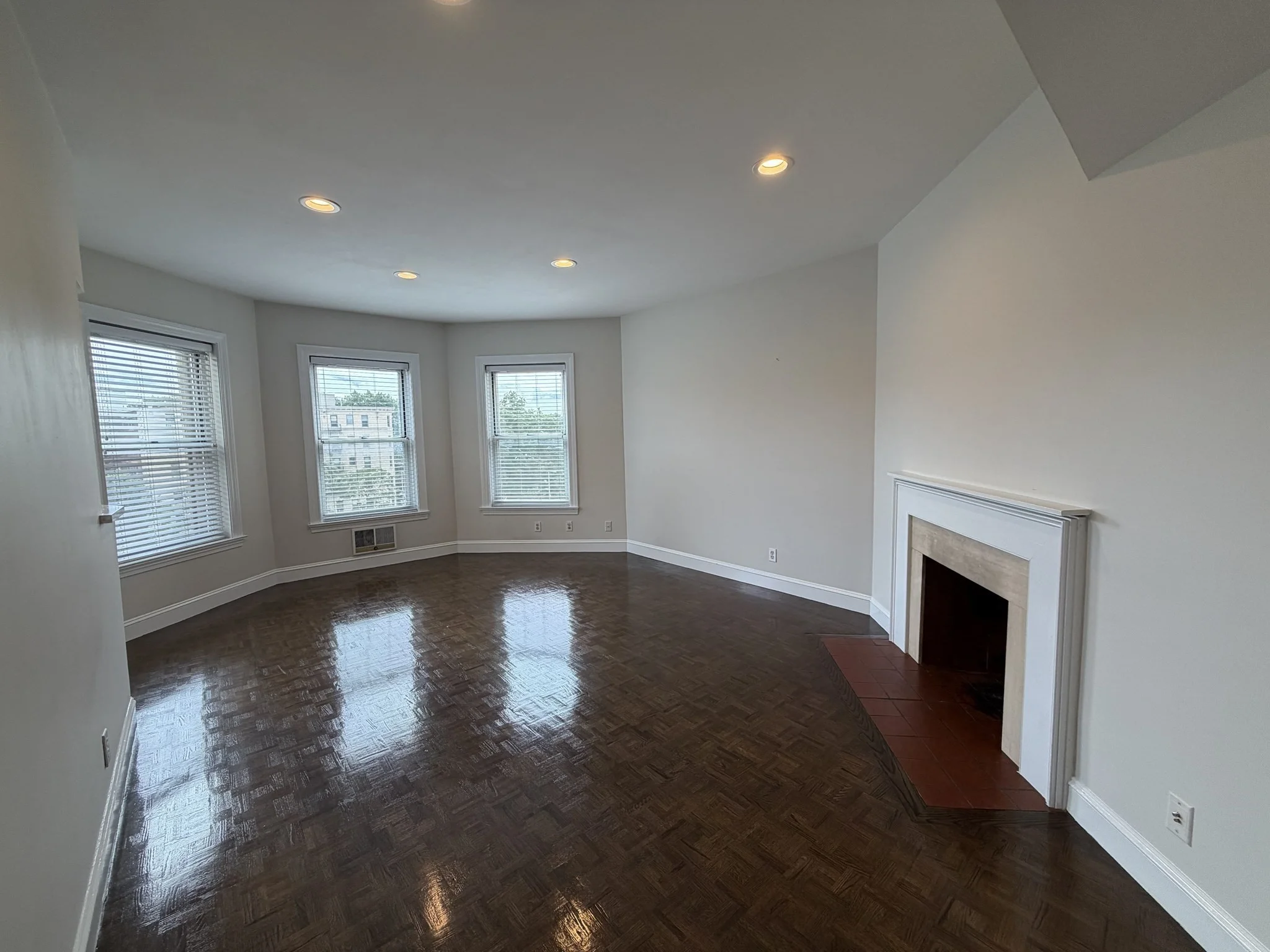
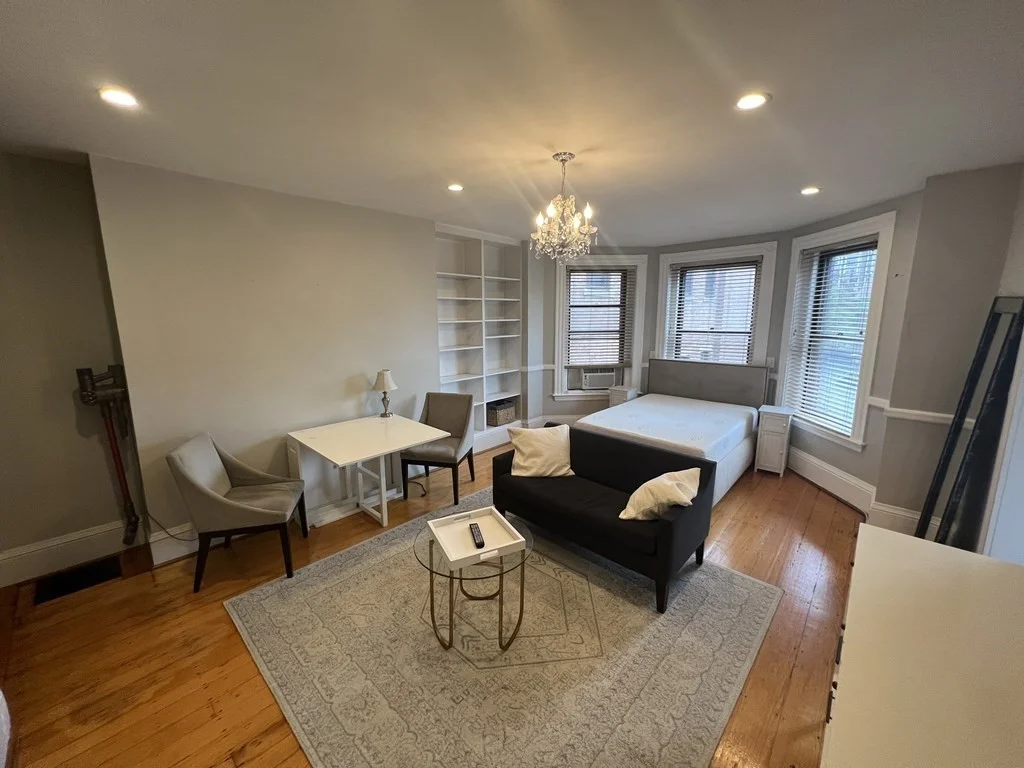
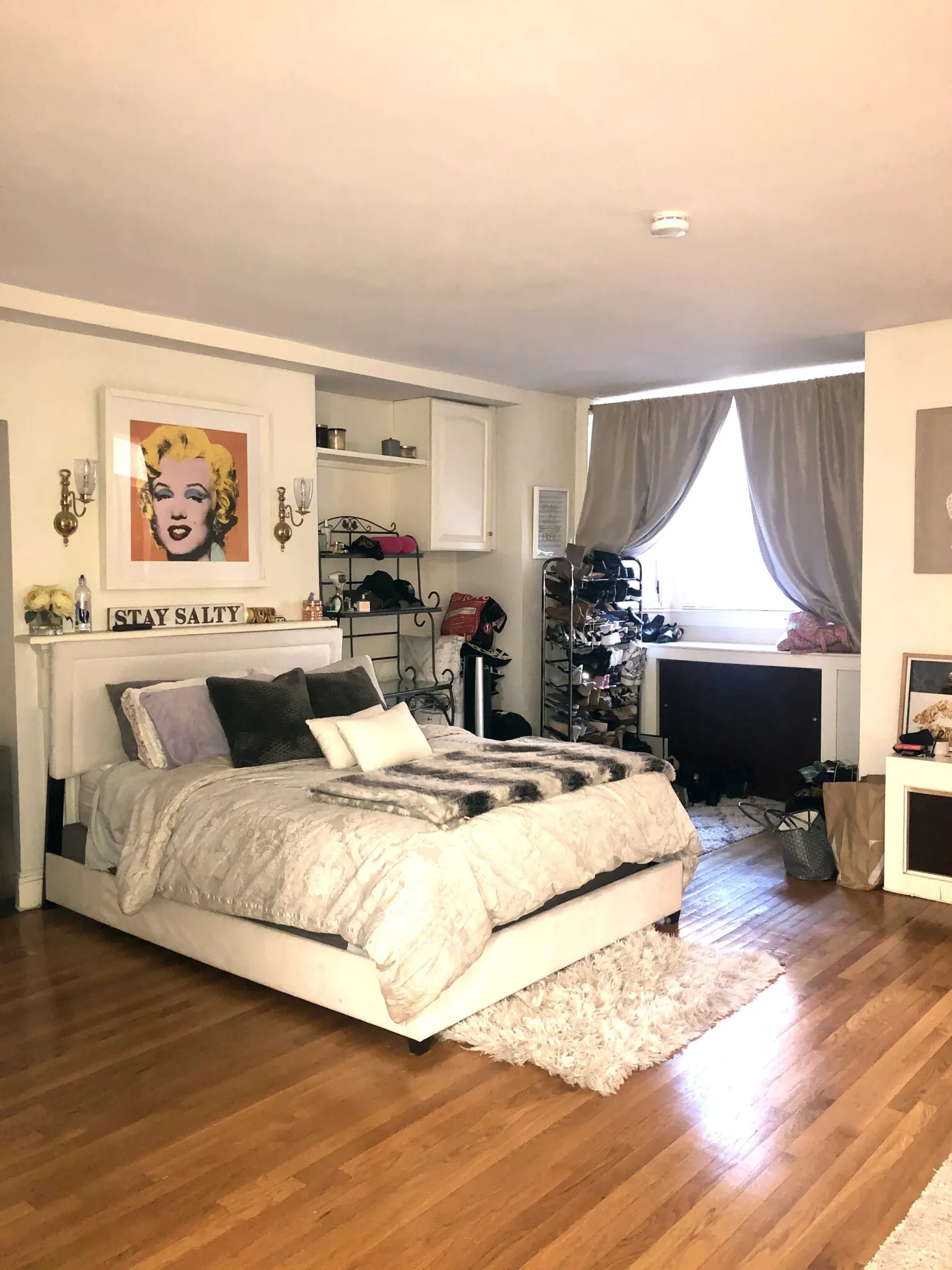
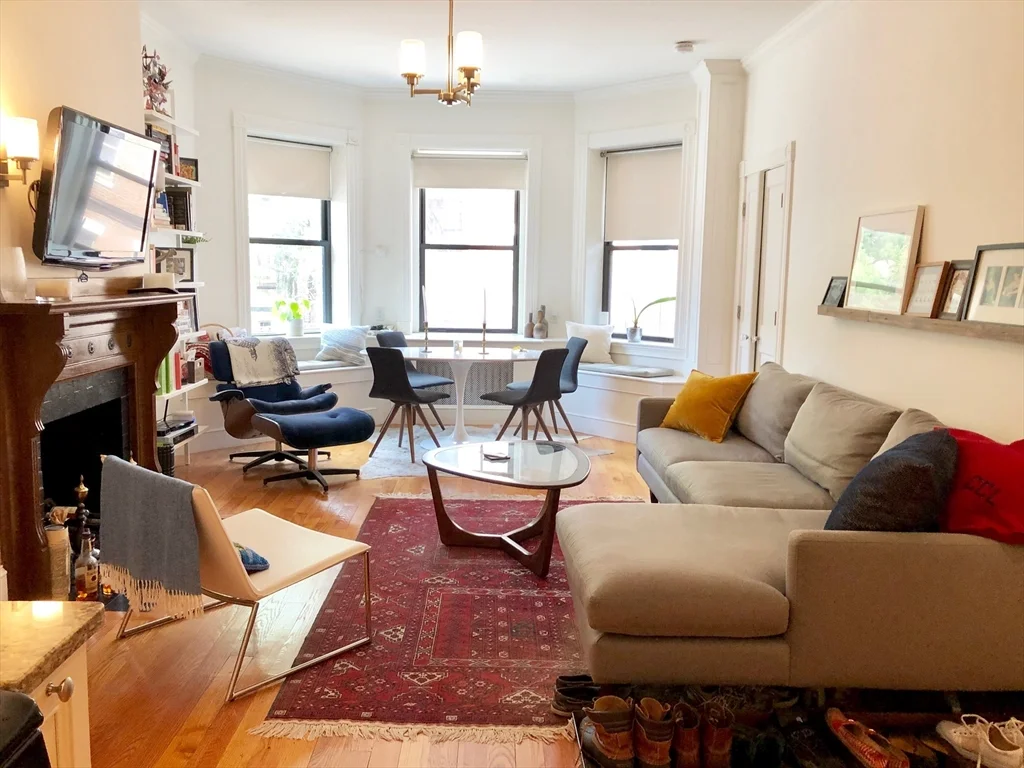

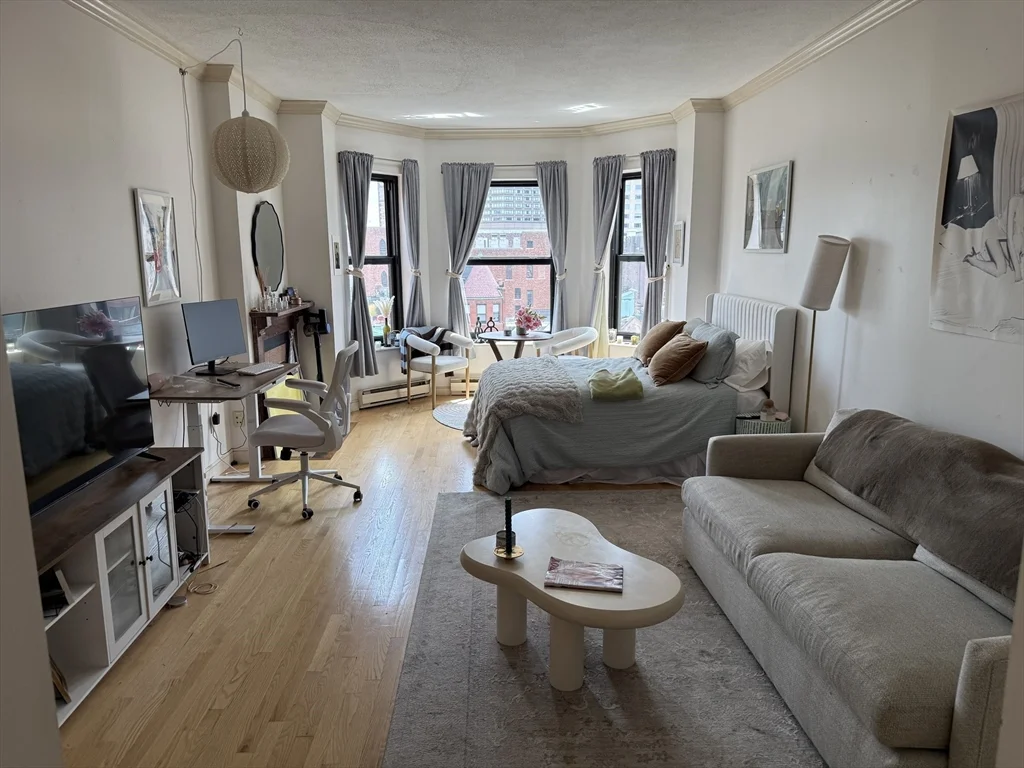
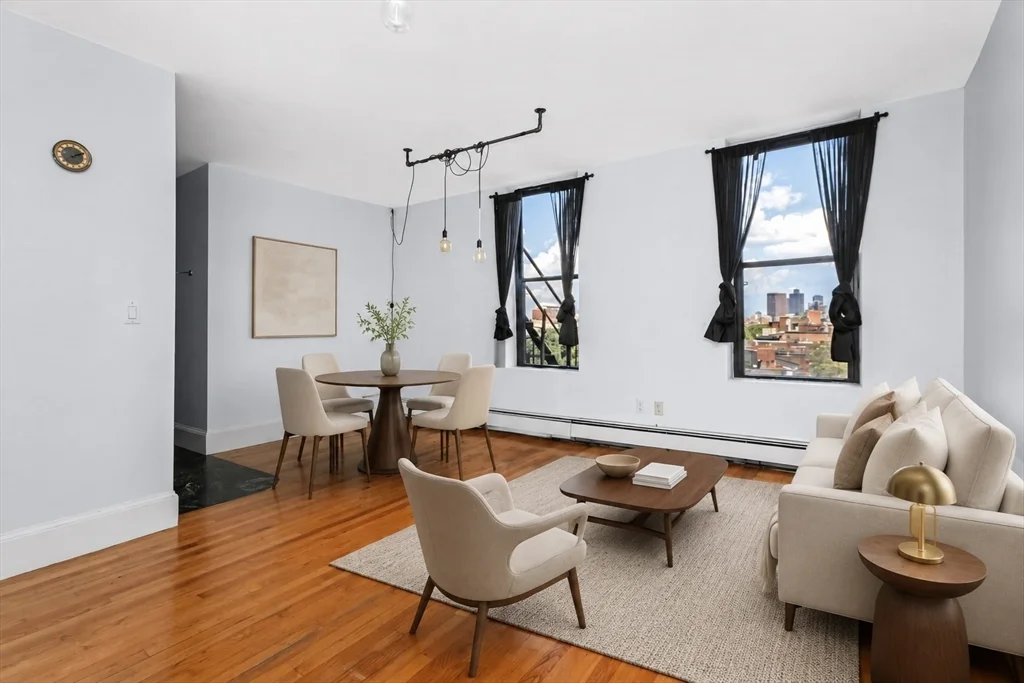
Average rent in Back Bay
As of August 2026, active listings on Spot Easy, each posted by verified agents.
| Size | Average |
|---|---|
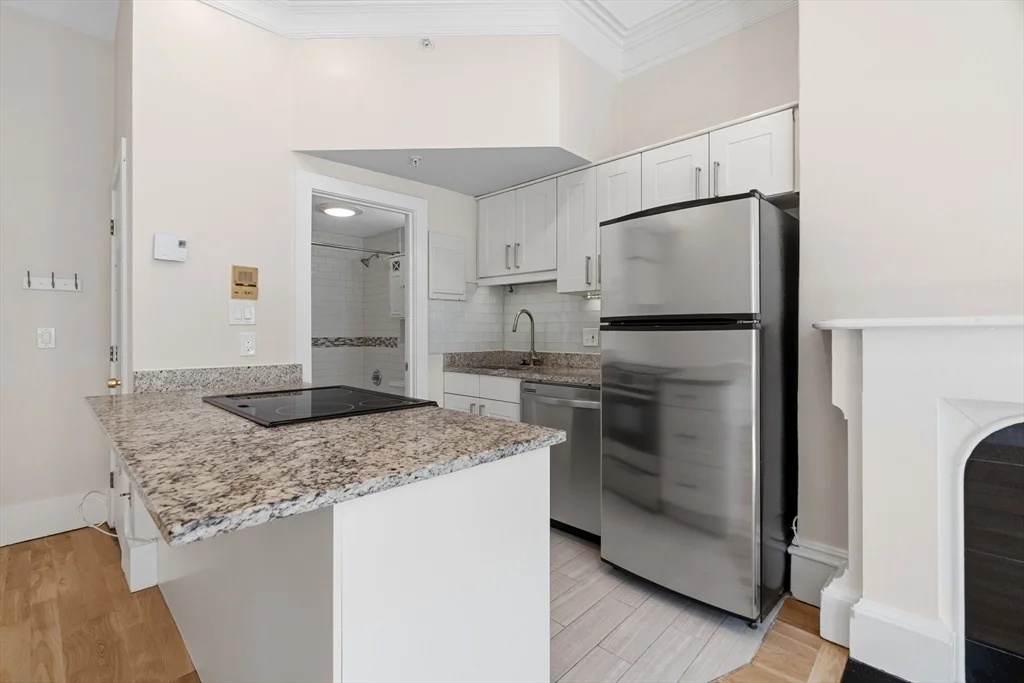
| studio | $2,790 |
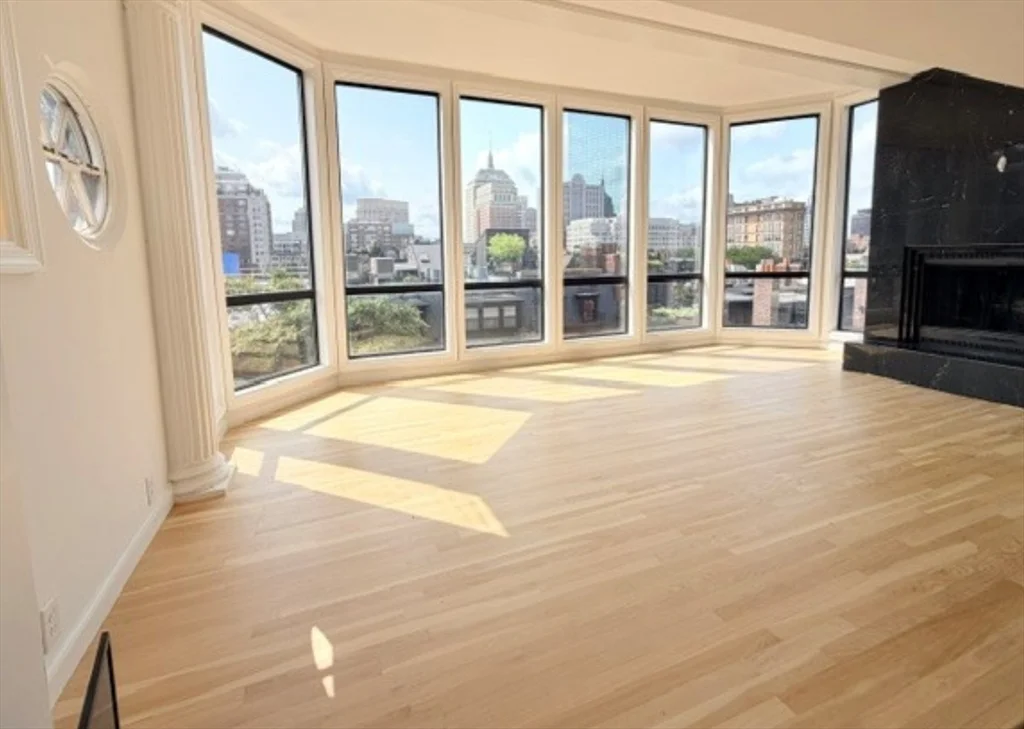
| 1-bedroom | $3,574 |
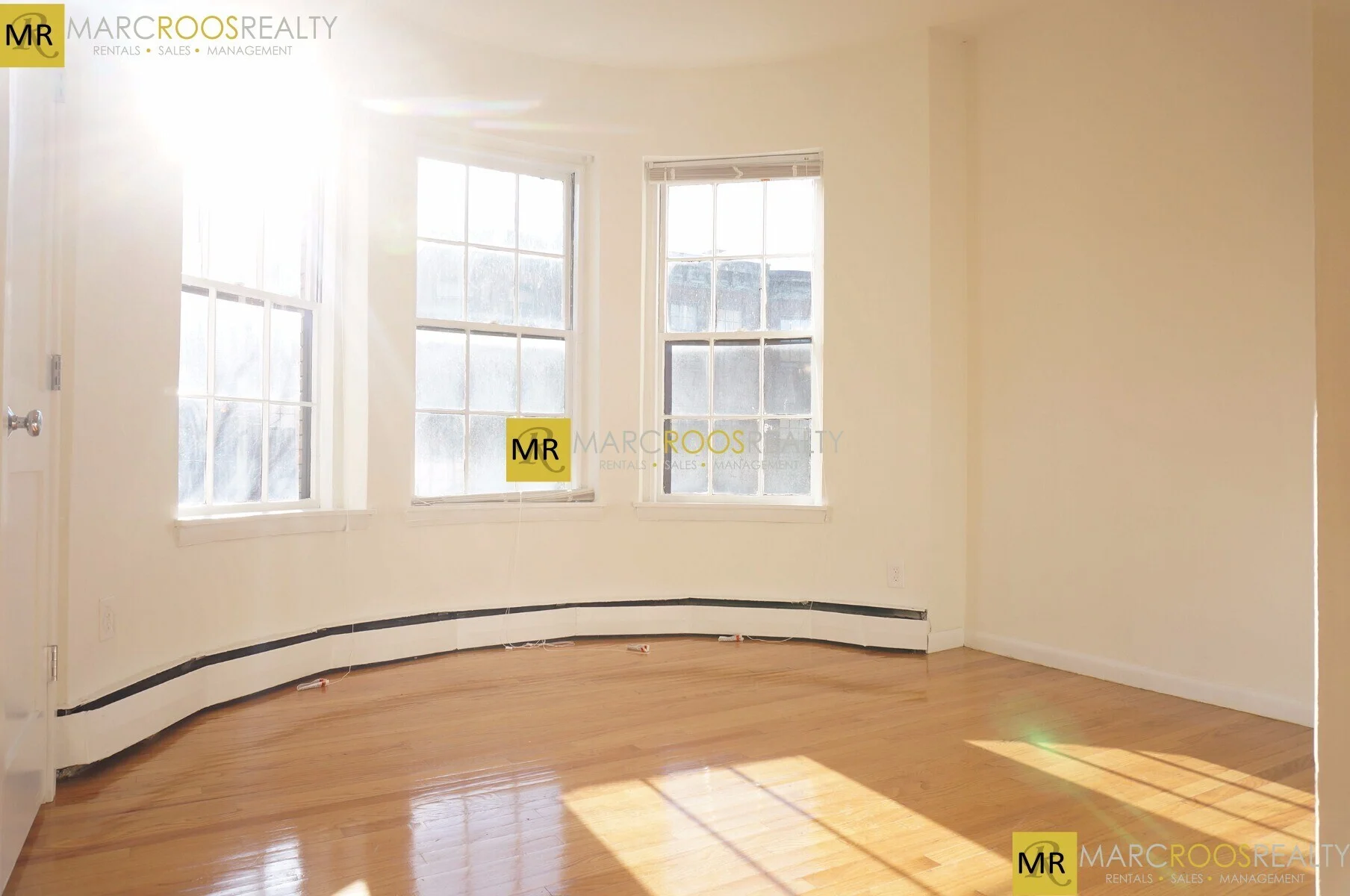
| 2-bedroom | $5,196 |
About Back Bay
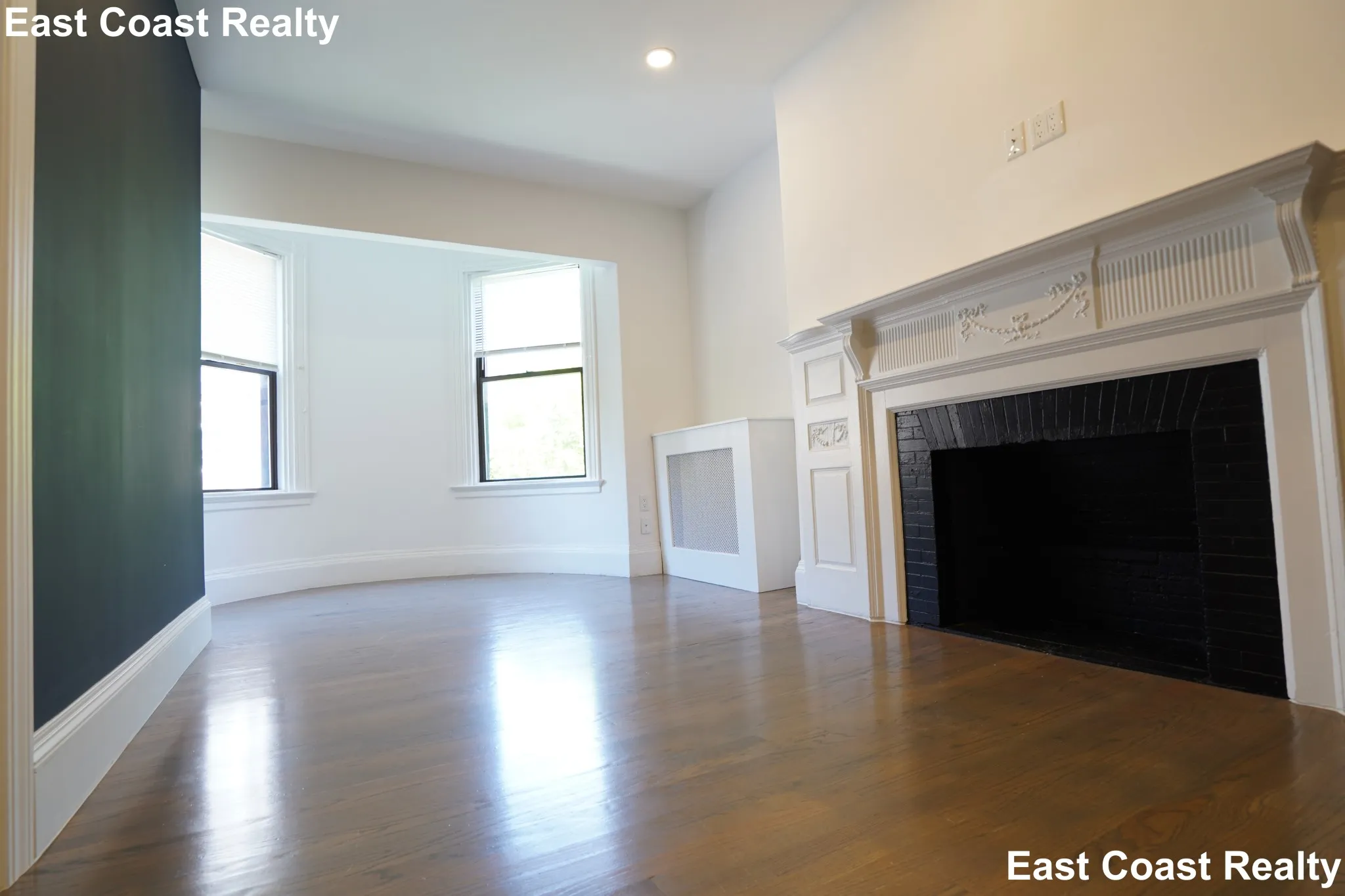
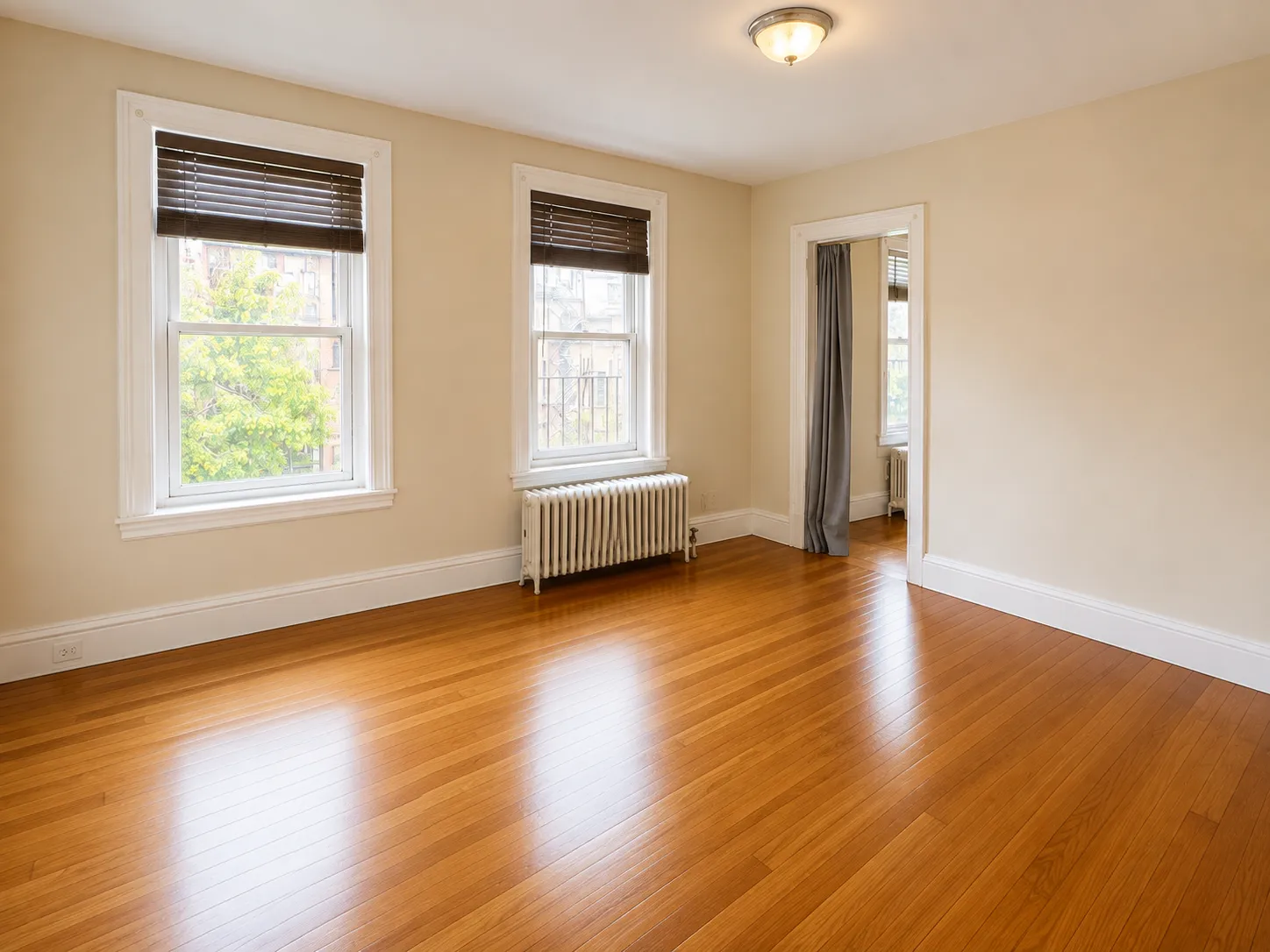
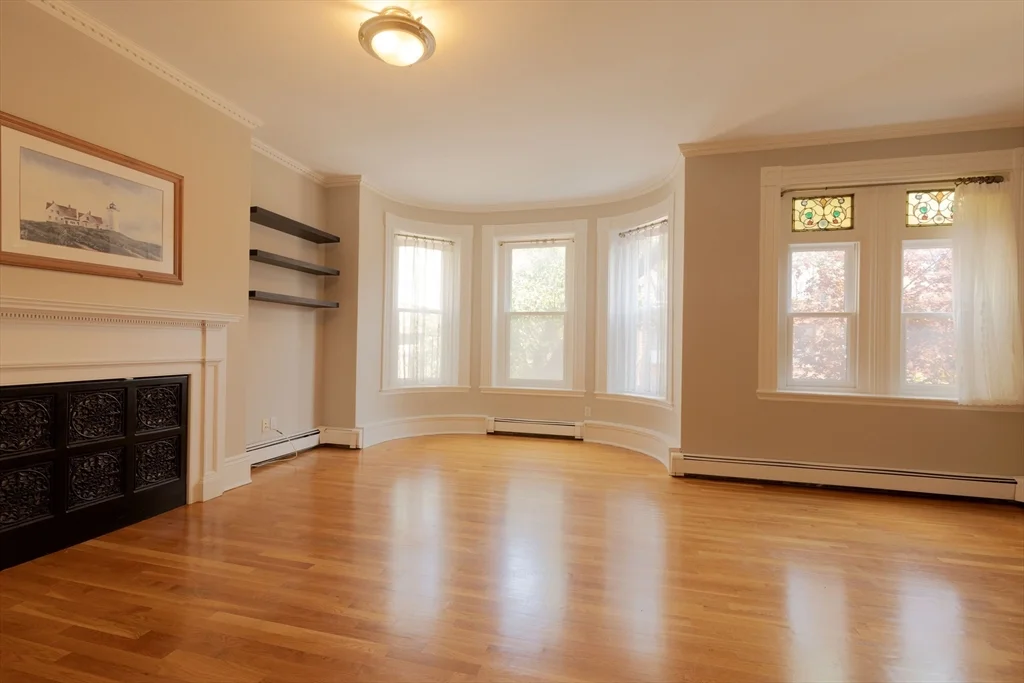
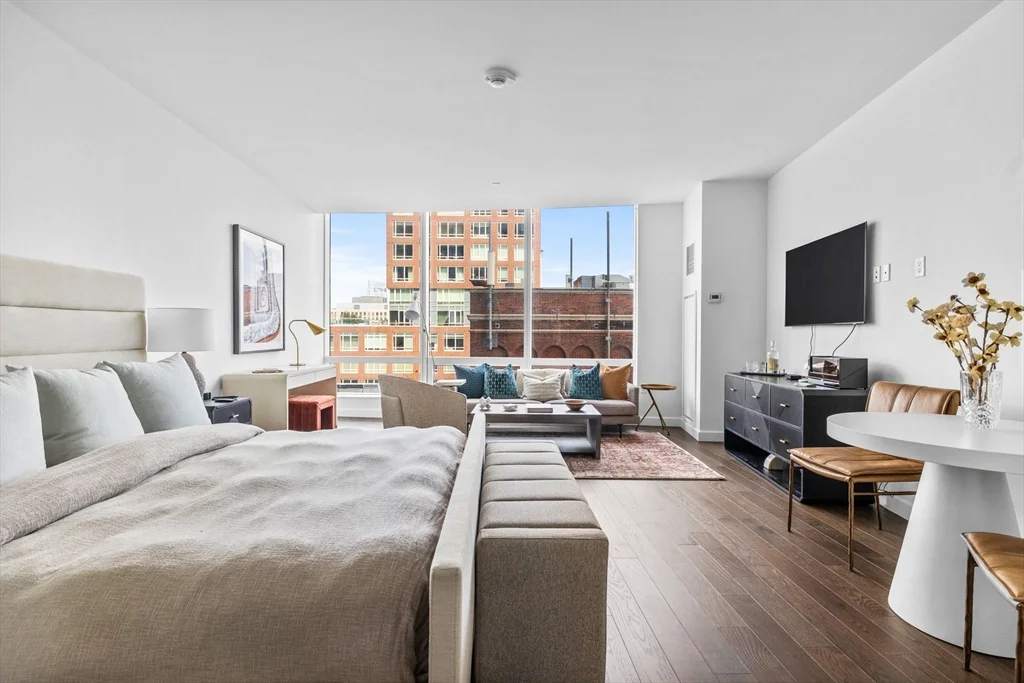
Back Bay runs from the Public Garden west to Massachusetts Avenue on filled land laid out in a rare Boston grid, and it is one of the most expensive places to rent in the city. The Spot Easy Rent Index put the average asking rent for a Back Bay one-bedroom at $3,574 in August 2026, against $2,928 across Boston and $2,863 across Greater Boston. The more typical listing asks $3,300, so a smaller number of higher-end units lifts the average above what most one-bedrooms are actually listed at. Studios averaged $2,790 and two-bedrooms $5,196; the Index published no three-bedroom figure for Back Bay in August 2026. The Rent Index publishes no four-plus figure for Back Bay at all.
Transit is unusually deep. Copley and Arlington are served by all four Green Line branches, Prudential adds the E, and Back Bay station carries the Orange Line together with four separate commuter rail lines — Franklin, Needham, Providence and Worcester. That last combination is the neighborhood's real advantage: very few addresses anywhere give you four rail corridors without a change. What is missing is the Red and Blue Lines, neither of which serves Back Bay at all.
Beacon Hill sits immediately east across the Public Garden, the South End south across Columbus Avenue, and Fenway west beyond Massachusetts Avenue.
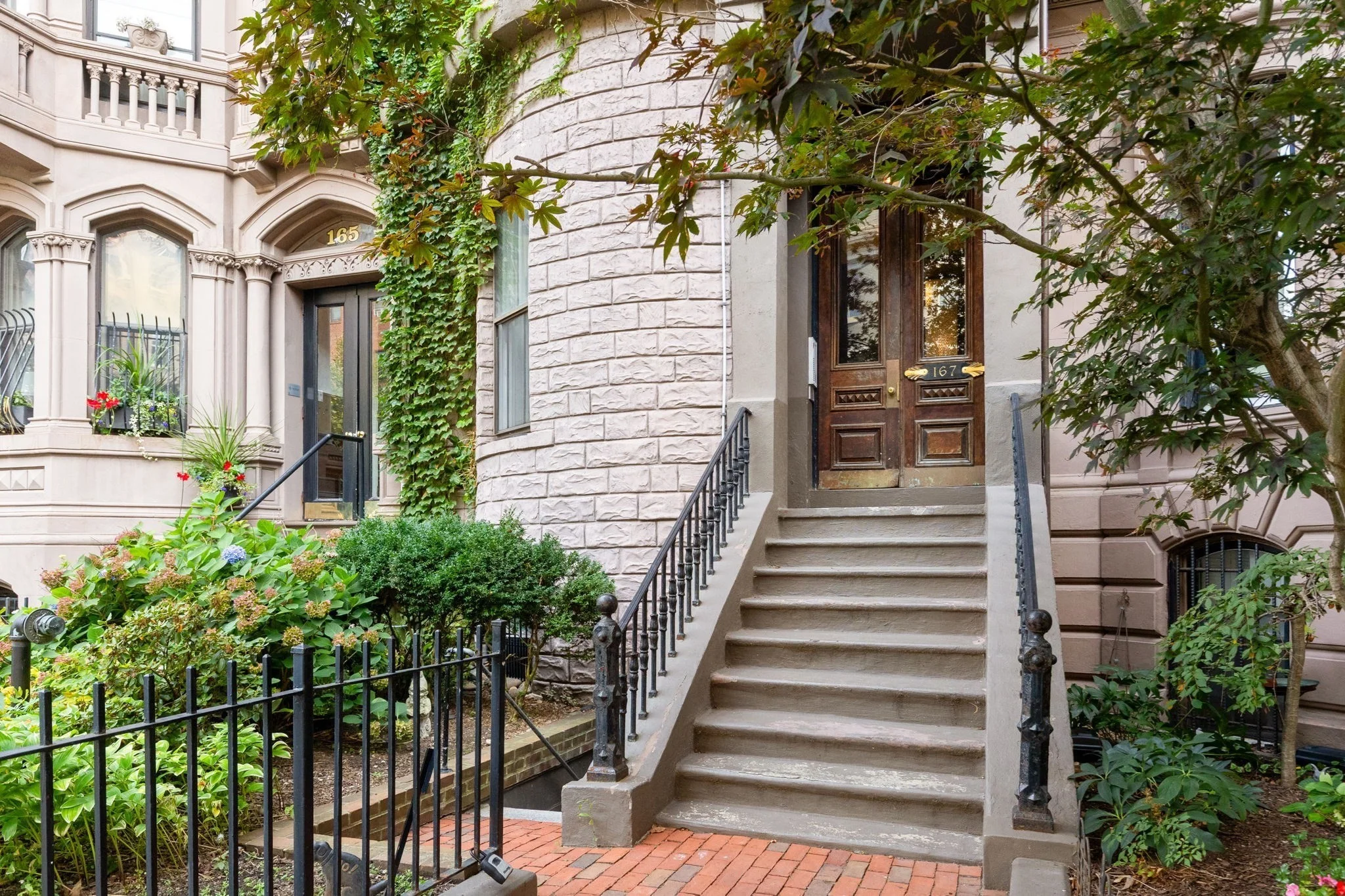
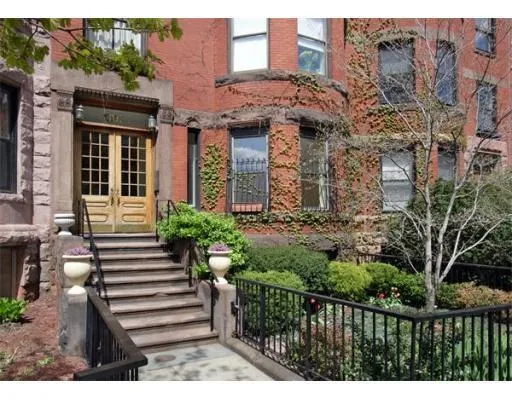
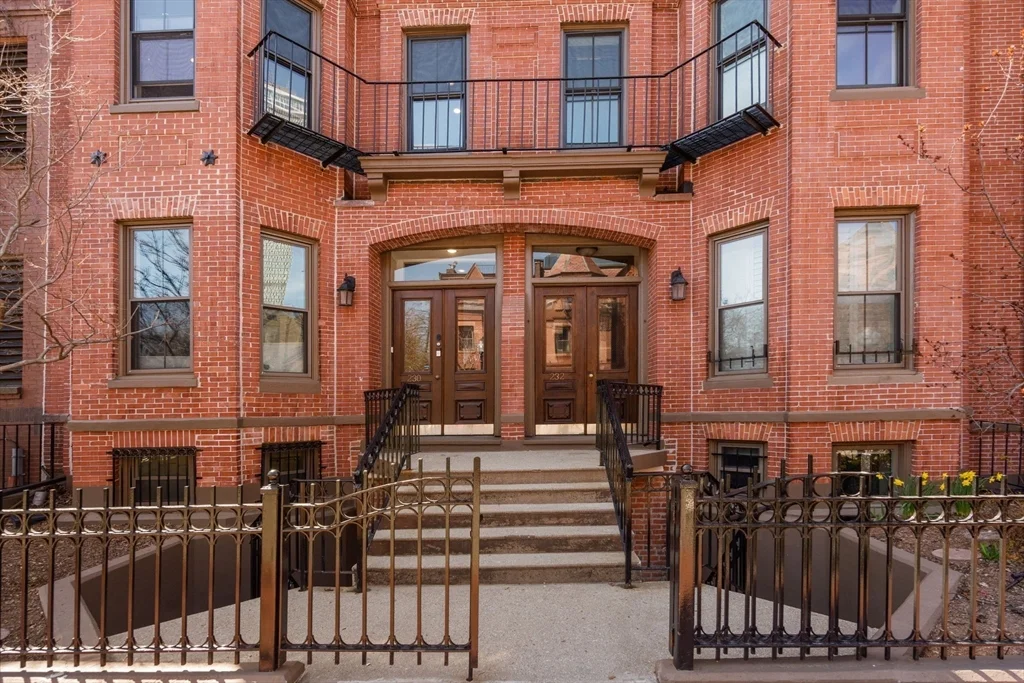
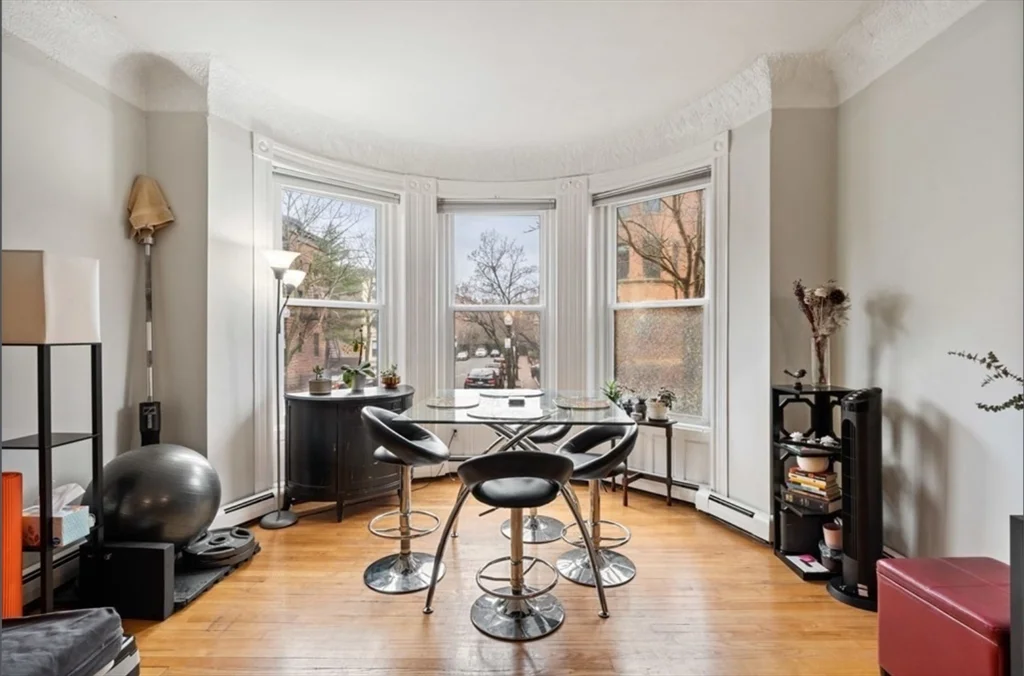
The building stock surprises people. Back Bay is not a high-rise neighborhood: about two in five properties listed on Spot Easy with a known unit count sit in buildings of four to nine units, and fewer than one in twelve is in a building of fifty units or more. Most of what you rent here is a floor or part of a floor in a converted brownstone, not a unit in a tower. Two- and three-family houses are rare, under one in twelve. The practical effect is that price here buys location and proportion rather than building services.
Lease starts follow the September 1 cycle, though the larger managed buildings turn over more evenly through the year than the brownstone stock does. Because so much of the stock is brownstone rather than managed building, a September start is the realistic default here too.
Spot Easy lists Back Bay apartments from verified agents, with filters for no-fee listings, parking, laundry and pet policy. Published averages by bedroom count are on the Spot Easy Rent Index.
FAQ about Back Bay Apartments for Rent
What is the average rent in Back Bay?
In August 2026 the average asking rent in Back Bay is $2,790 for a studio, $3,574 for a 1-bedroom (+$274 higher than the median) and $5,196 for a 2-bedroom. Those figures come from active listings on Spot Easy, and we recalculate them each month.
How much should I budget for an apartment in Back Bay?
Most 1-bedrooms in Back Bay rent for about $3,574 a month — the more typical (median) price is $3,300. Studios average $2,790, 1-bedrooms average $3,574 and 2-bedrooms average $5,196. Budget toward the average — a handful of pricier units pull it above what most listings actually ask.
Are rents going up in Back Bay?
The median 1-bedroom in Back Bay is $3,300 in August 2026, up 10.0% from $3,000 in August 2025. We hold 15 months of Back Bay rent history, built from our own listings.
Is it cheaper to split a 2-bedroom in Back Bay than rent a studio?
Usually, yes. A 2-bedroom in Back Bay splits to about $2,598 each, against $2,790 for a studio. That saves roughly $192 a month, or 7%.
How does Back Bay rent compare with nearby neighborhoods?
For a 1-bedroom, the average in Back Bay is $3,574, next to Beacon Hill at $3,069, South End at $3,318 and Fenway at $2,856. These cover the same bed size in the same month, and we only include areas with comparable data available.
Beacon Hill apartments · South End apartments · Fenway apartments
How many commuter rail lines stop at Back Bay station?
Four — Franklin, Needham, Providence and Worcester — alongside the Orange Line, confirmed against the MBTA's own route data. That is the single most useful fact about renting here and it is routinely overlooked. Four separate rail corridors from one station means a Back Bay address reaches large parts of the southern and western suburbs without a change, which almost nowhere else in the city can claim. Add Copley and Arlington on all four Green Line branches, plus Prudential on the E, and the neighborhood is served by more distinct rail services than anywhere comparable. If your work sits along any of those corridors, the premium Back Bay charges buys something concrete rather than only an address — and it is worth pricing a Back Bay address directly against a suburban one on the same line, rather than assuming the city always costs more for the same commute.
Can I reach the Red or Blue Line from Back Bay?
Not without changing. Neither the Red nor the Blue Line serves Back Bay at any point — the neighborhood has the Orange Line at Back Bay station, all four Green Line branches at Copley and Arlington, and four commuter rail lines, but nothing else. For the Red Line the usual change is at Park Street, one or two Green Line stops east; for the Blue Line it is Government Center or State. Neither is a long journey, but both add a change to every trip, so if your daily destination sits on the Red or Blue Line it is worth counting that honestly rather than treating Back Bay's rail depth as universal. Beacon Hill, a short walk east, reaches all four subway lines on foot and is worth comparing if that matters to you. Copley and Arlington are close enough together that most Back Bay addresses have a realistic choice of Green Line station, which softens the limitation considerably.
Are Back Bay apartments in high-rises?
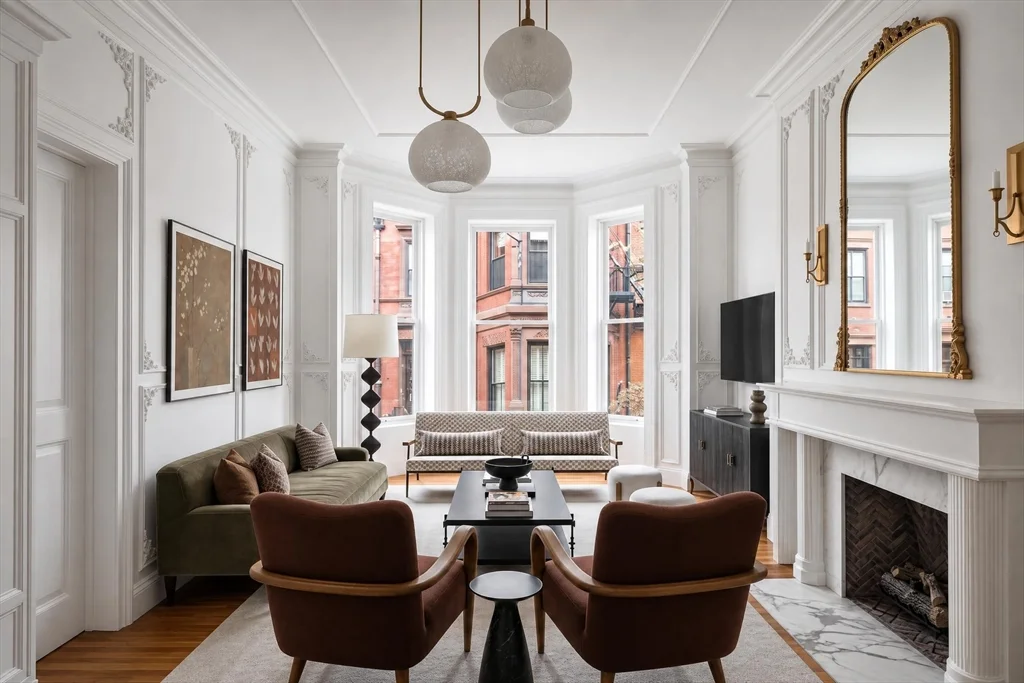
Mostly not, which surprises people. About two in five Back Bay properties listed on Spot Easy with a known unit count sit in buildings of four to nine units, and fewer than one in twelve is in a building of fifty units or more. The towers along the Prudential corridor are visible and memorable, but they are not most of what actually rents. Most listings are a floor, or part of a floor, in a converted brownstone — which means high ceilings, original layouts, bay windows, and often no elevator despite the price. Two- and three-family houses are rare here, under one in twelve. If step-free access matters, do not assume an expensive neighborhood implies a modern building, because in Back Bay it frequently does not. Filter for the Elevator amenity, then ask the agent about the entrance, since the front steps of a brownstone are not recorded on the listing. The upside is that a brownstone floor typically gives you more room volume for the money than a modern unit at the same rent would.
How does Back Bay compare with Beacon Hill?
They are the two most expensive neighborhoods in this group and they are structurally similar, but Back Bay costs more. August 2026 one-bedroom averages were $3,574 in Back Bay and $3,069 in Beacon Hill, and two-bedrooms $5,196 against $3,988. The housing stock is near-identical in shape — both are roughly two in five properties in buildings of four to nine units, both are overwhelmingly converted rowhouse rather than tower, and both have very few two- and three-family houses. The real difference is transit. Back Bay has four commuter rail lines and the Orange Line but no Red or Blue; Beacon Hill has no commuter rail but reaches all four subway lines on foot. Choose on which network you actually need. Both are also small enough that searching them together rather than separately is the sensible approach.
Where does Back Bay end and the South End begin?
Columbus Avenue is the conventional line, with Back Bay to its north and the South End to its south, though addresses close to the boundary are often marketed as either. That matters more than a naming quibble, because the two price differently and are laid out differently — Back Bay is a rare Boston grid running east to west on filled land, while the South End is a denser rowhouse district on a different street pattern. If a listing sits near Columbus Avenue, check which neighborhood the Rent Index actually assigns it to rather than trusting the description, and search both scopes rather than one. The same caution applies at the western edge, where Massachusetts Avenue separates Back Bay from Fenway. Getting this right matters for budgeting, because the two neighborhoods do not price alike at any bedroom count.
Are there large apartments in Back Bay?
Fewer than you might expect, and the data reflects it: the Spot Easy Rent Index publishes no four-plus-bedroom figure for Back Bay at all, while it does for neighborhoods like Dorchester and East Boston. Three-bedrooms were too thin to publish a figure for in August 2026; two-bedrooms averaged $5,196. The reason is structural rather than accidental — the neighborhood is dominated by converted brownstones divided into small and mid-sized units, so whole floors carrying four or more bedrooms are simply not a large part of the stock. If you are searching as a group, expect a thin market here and be ready to look at the South End or further out, where the two- and three-family housing supplies large apartments as ordinary inventory rather than as a rarity. Three-bedrooms are findable but move quickly, so treat spring as the start of that search rather than the middle of it.
When should I start looking for an apartment in Back Bay?
Four to five months ahead for a September start, which is when most of the city turns over. Inventory builds from spring onward, so a search opening in July arrives after most of the year's supply has been viewed. Back Bay does offer more off-cycle flexibility than the house-dominated neighborhoods further out, because a meaningful share of its stock sits in professionally managed buildings whose turnover is not tied to the academic calendar — but that is the smaller part of the market, and the brownstone stock that makes up most of it behaves like everywhere else. If you need a mid-year start, concentrate on the larger managed buildings from the outset rather than waiting for a brownstone floor to come free at the right moment. Set saved searches in March or April, and be ready to view within a day or two once something suitable appears.
How do I find no-broker-fee apartments in Back Bay?
Filter for no-fee listings on Spot Easy, then confirm the terms in writing before you apply. Fee arrangements are set per listing rather than per neighborhood, so two buildings on the same block can differ. Treat a listing that says nothing about a fee as unconfirmed rather than fee-free — silence is missing information, not an absence. Where a fee applies it is commonly quoted as a month's rent, which against the August 2026 Back Bay one-bedroom average of $3,574 is among the largest such additions anywhere in the city, on top of first month, last month and a security deposit. Back Bay's mix of managed buildings and small brownstone landlords means terms vary more here than the uniform price level suggests. Every agent listing on Spot Easy is verified before their listings go live.
What documents do I need to rent an apartment in Back Bay?
Photo identification, recent pay stubs or an offer letter, bank statements, and previous landlord references. Requirements vary more than in a uniform market, because Back Bay mixes professionally managed buildings — which run formal credit and income screening and may want a guarantor — with small brownstone owners who decide on references and a conversation. Ask which you are dealing with before viewing, since it changes both the paperwork and how quickly a decision comes. Massachusetts law limits what may be collected at signing to first month's rent, last month's rent, a security deposit of no more than one month's rent, and the cost of a new lock. The deposit must be held in a separate interest-bearing account at a Massachusetts bank, and you are owed a receipt for it. Managed buildings also tend to compare applications against each other rather than considering them one at a time, so arriving with everything ready is a genuine advantage.