





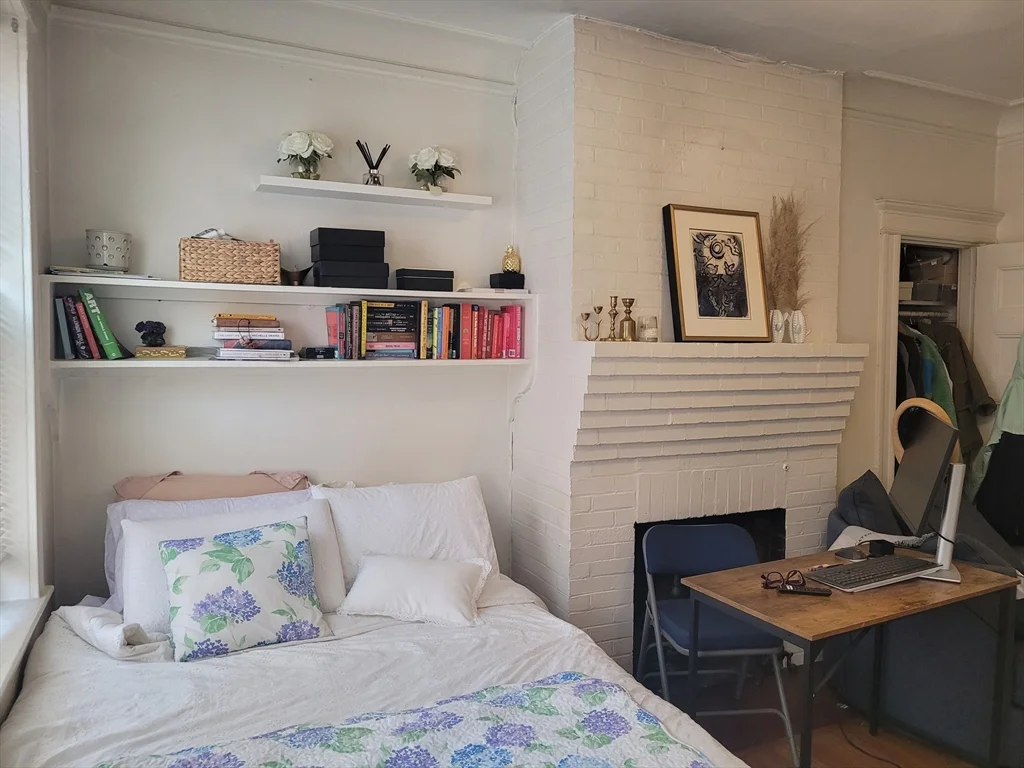
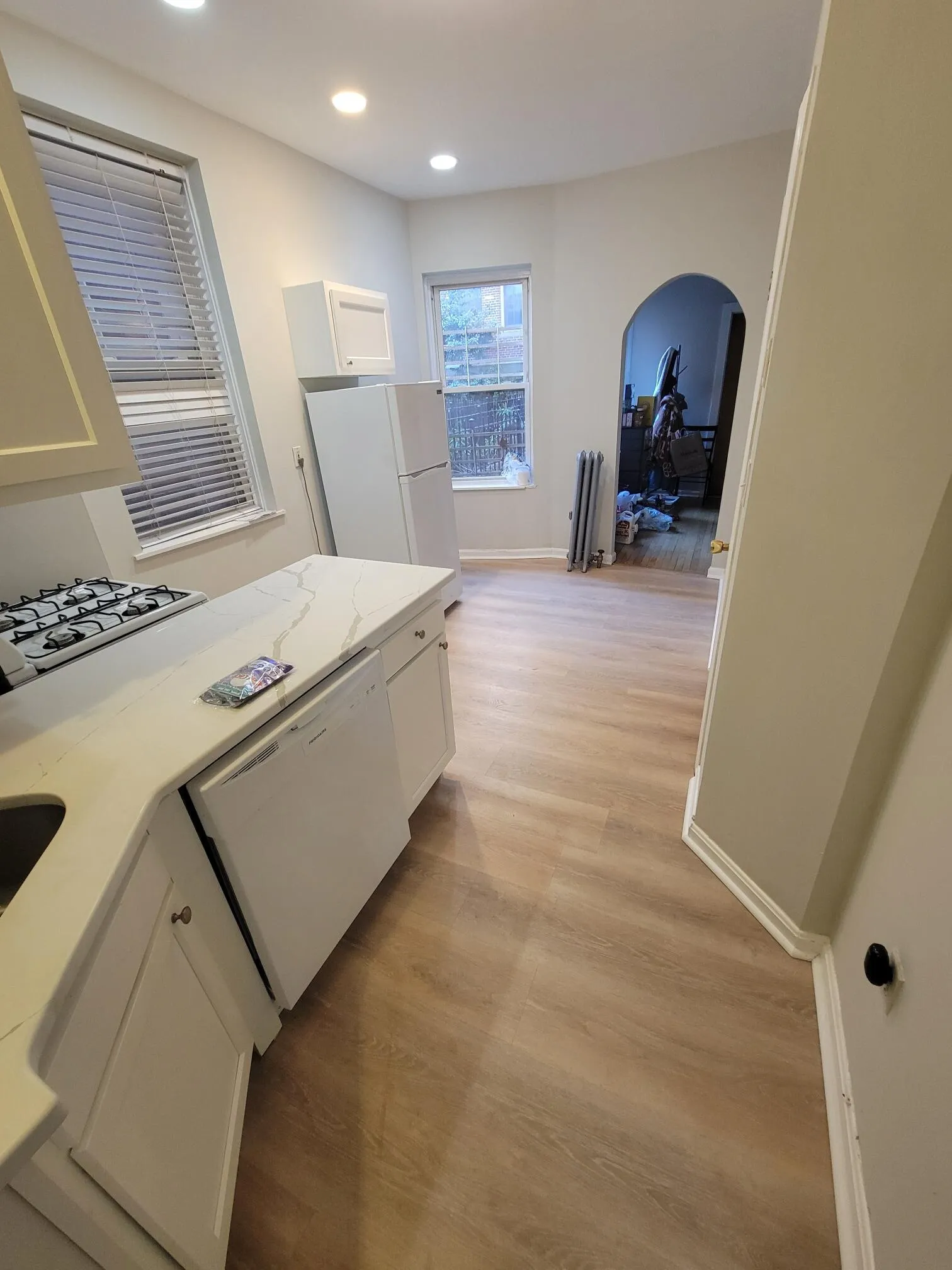
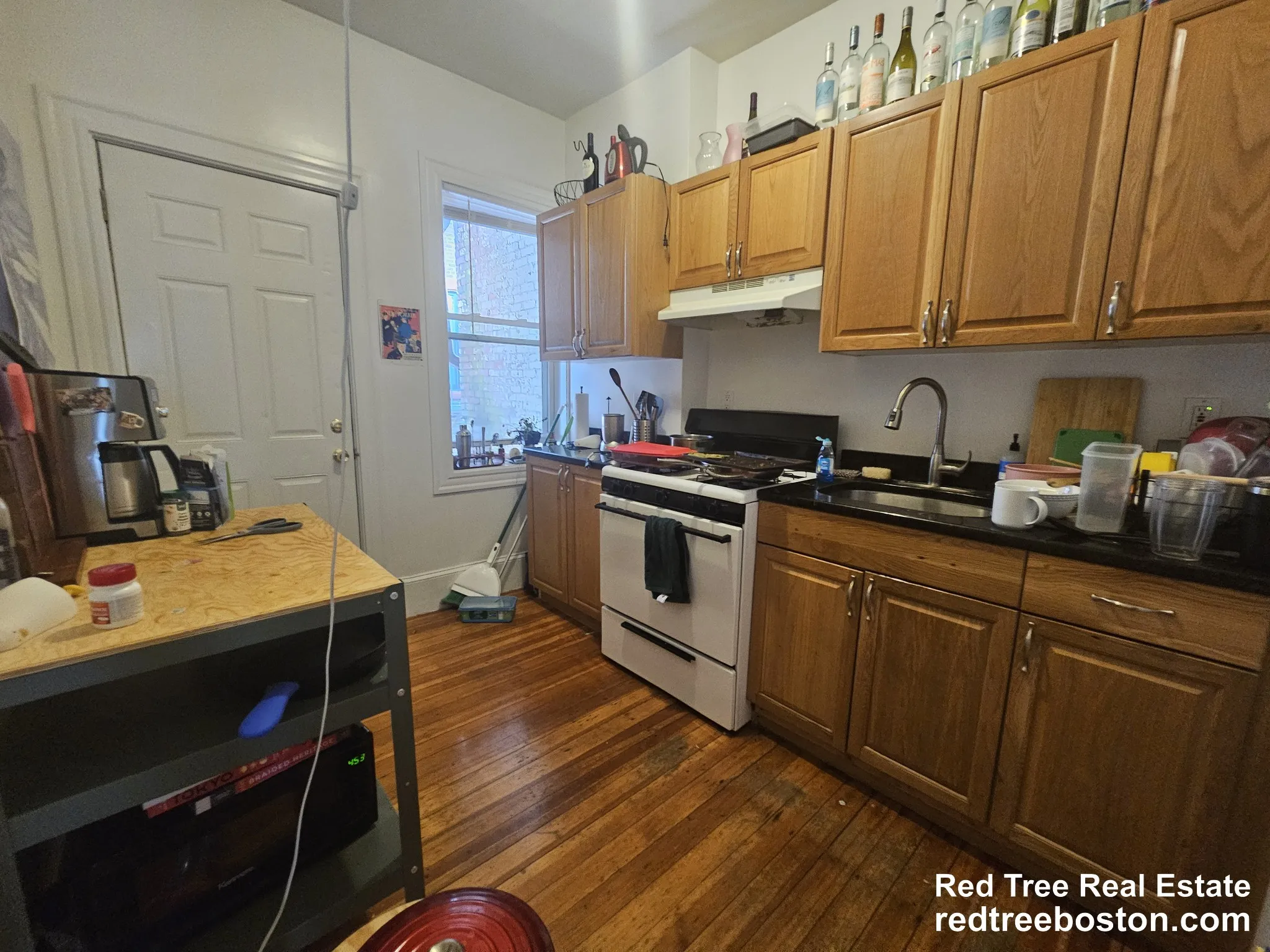
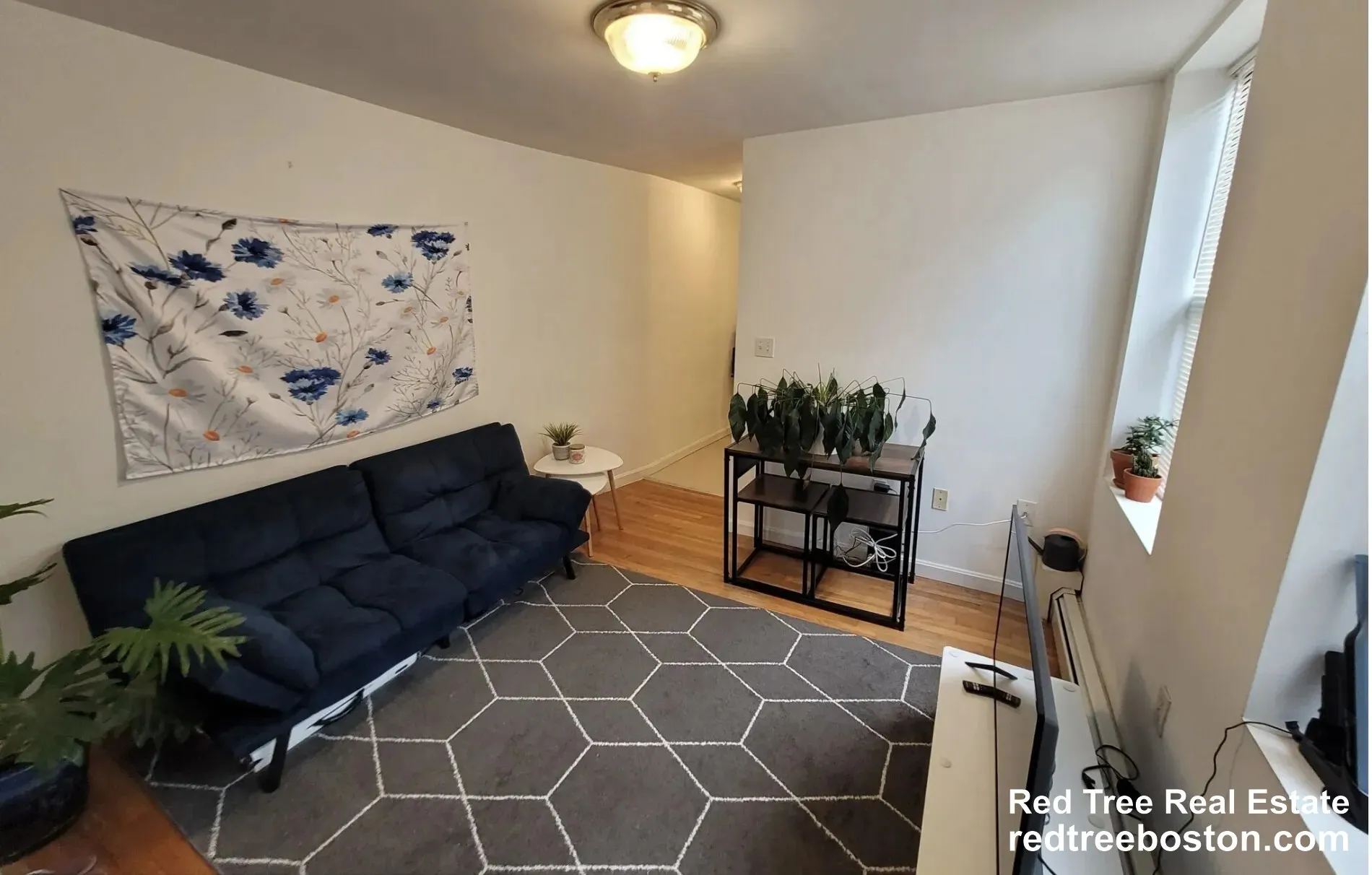
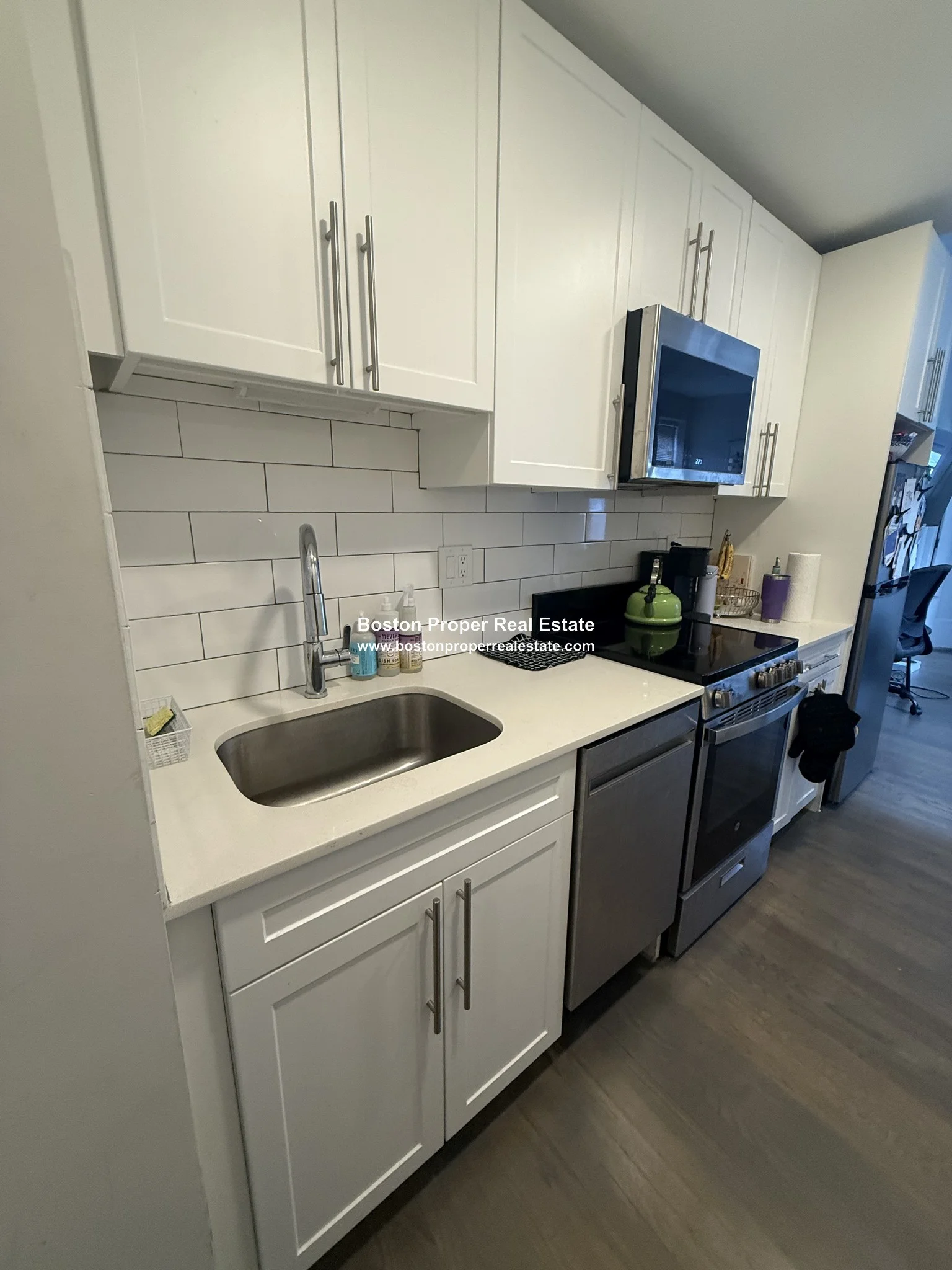
Average rent in Beacon Hill
As of August 2026, active listings on Spot Easy, each posted by verified agents.
| Size | Average |
|---|---|
| studio | $2,488 |
| 1-bedroom | $3,069 |
| 2-bedroom | $3,988 |
About Beacon Hill
Beacon Hill rises behind the State House between the Public Garden and the river, and it is the most centrally connected neighborhood in Boston. The Spot Easy Rent Index put the average asking rent for a Beacon Hill one-bedroom at $3,069 in August 2026, against $2,928 across Boston. Studios averaged $2,488 and two-bedrooms $3,988; the Index published no three-bedroom figure for Beacon Hill in August 2026. Both sit above the corresponding Boston figure, the studio by the narrowest margin.
No other neighborhood reaches all four subway lines on foot. Park Street sits about 250 yards from the State House corner and carries the Red Line and all four Green Line branches. Bowdoin adds the Blue Line about a quarter mile out, Government Center combines Blue and Green at much the same distance, and Downtown Crossing brings the Orange Line just beyond it. Charles/MGH on the Red Line sits at the foot of the hill. What Beacon Hill does not have is a commuter rail station — for that you would use Back Bay or North Station.
Back Bay lies west across the Public Garden and the North End north beyond Government Center.
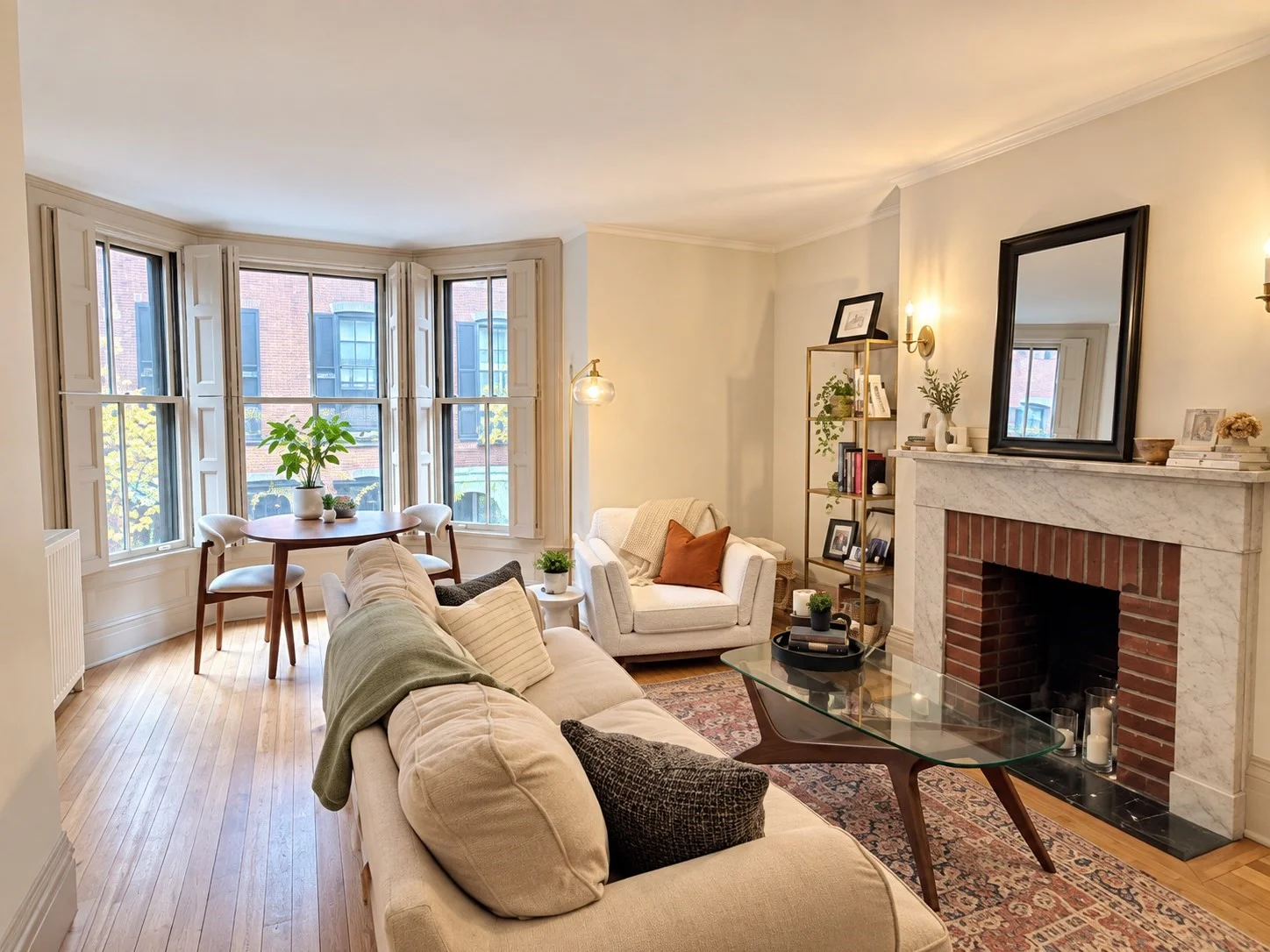
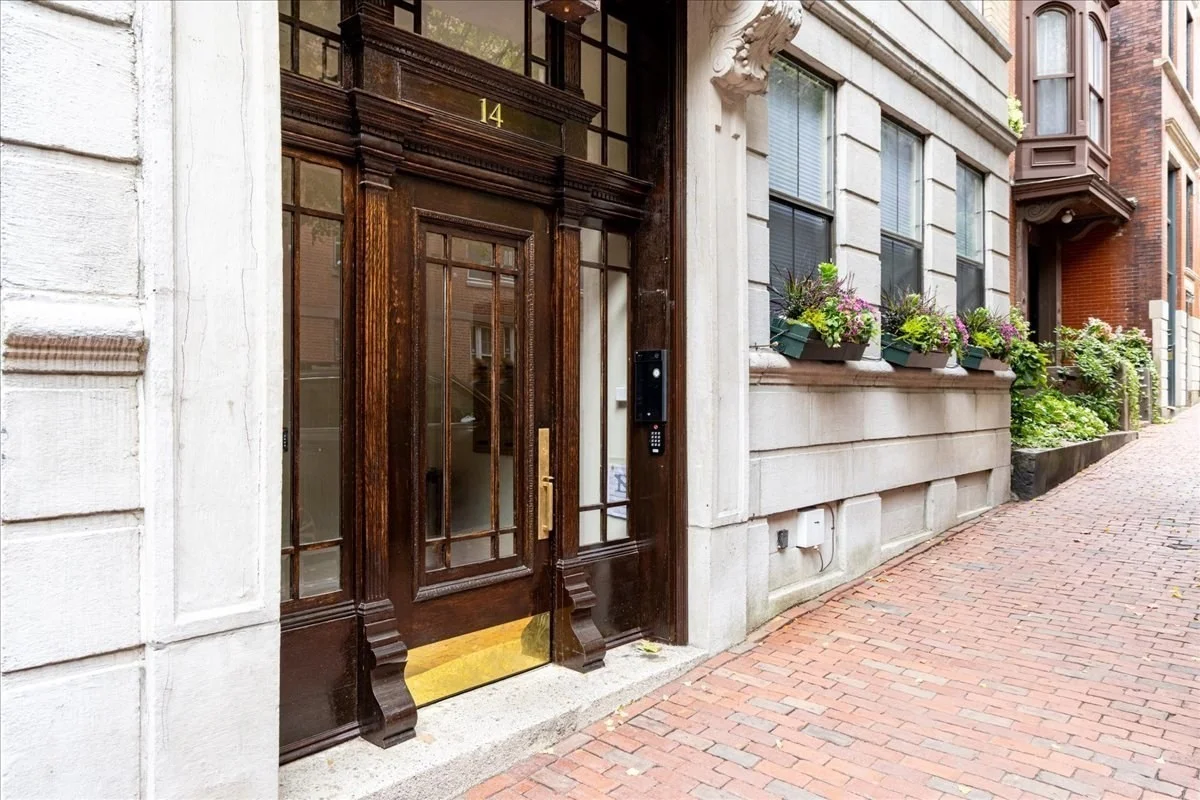
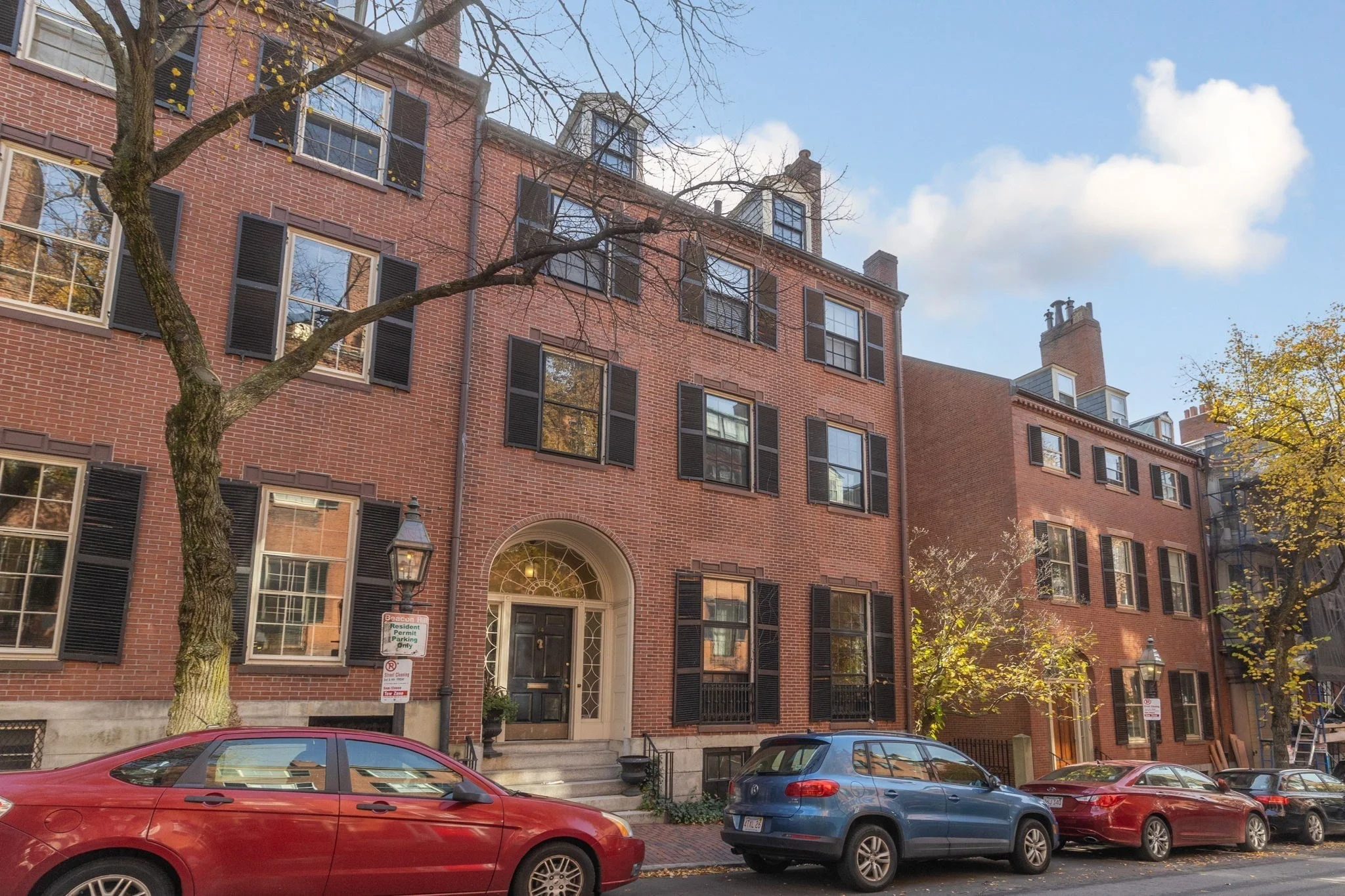
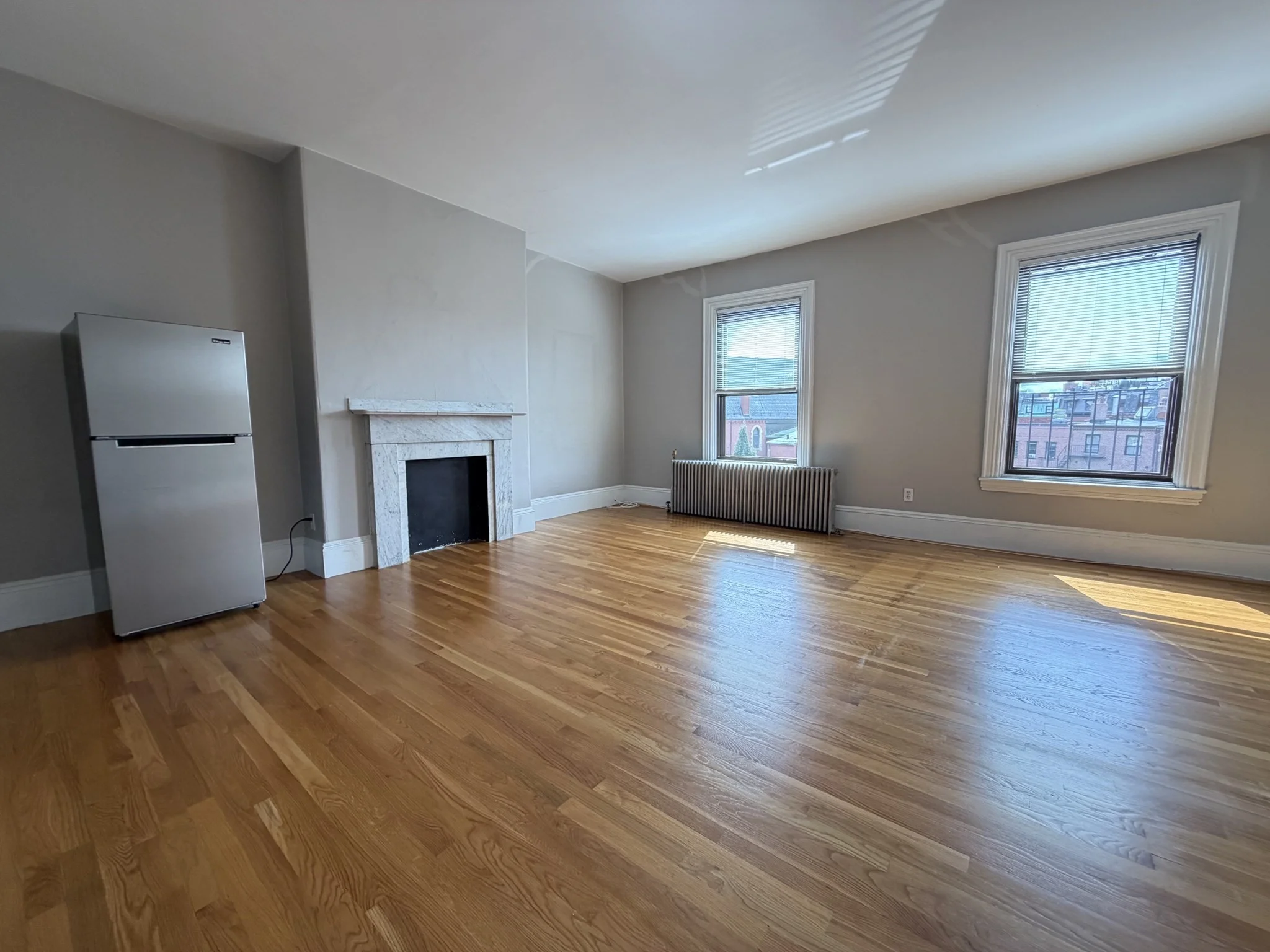
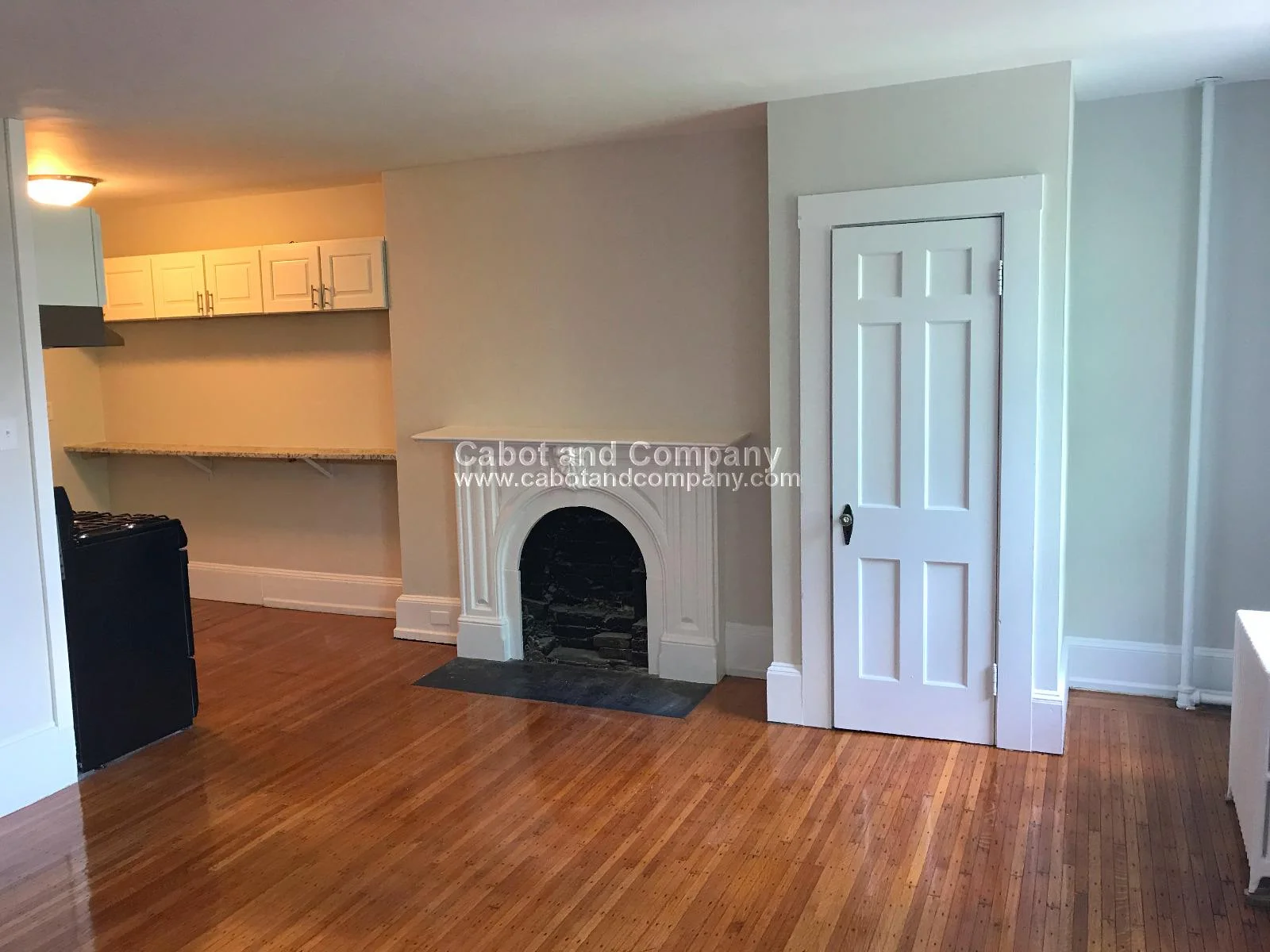
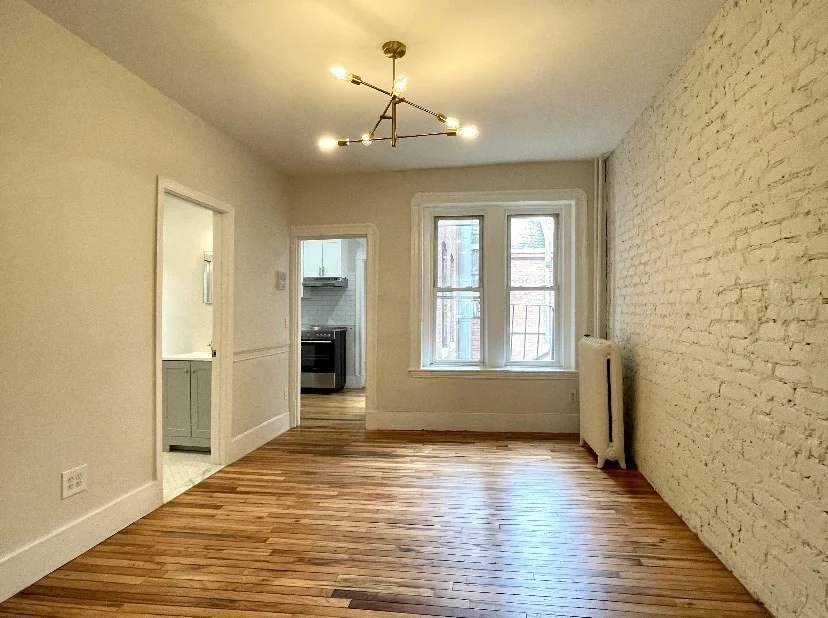
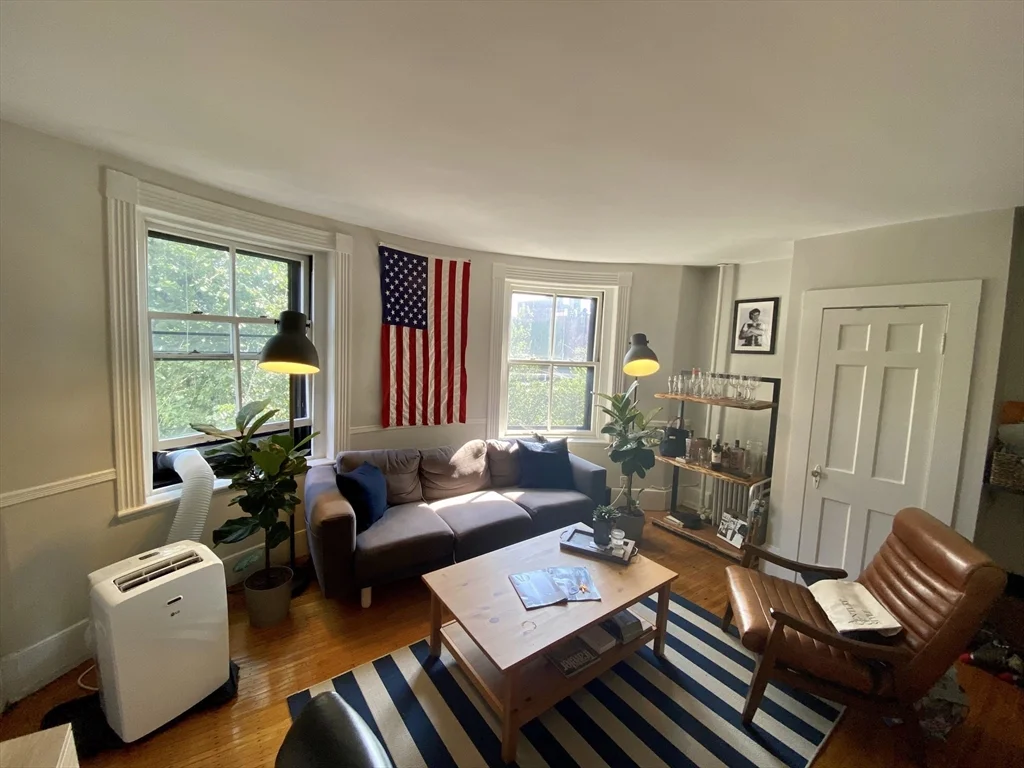
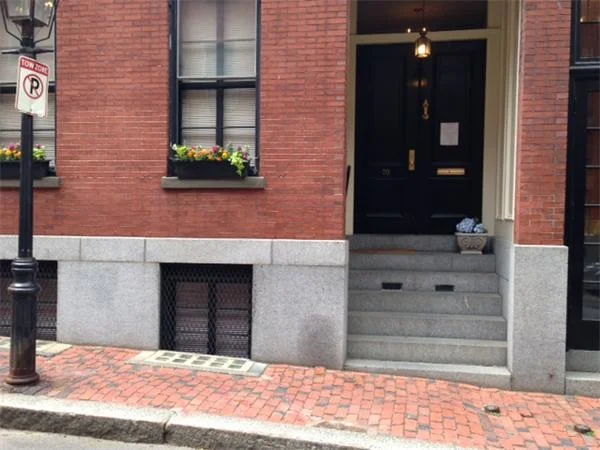
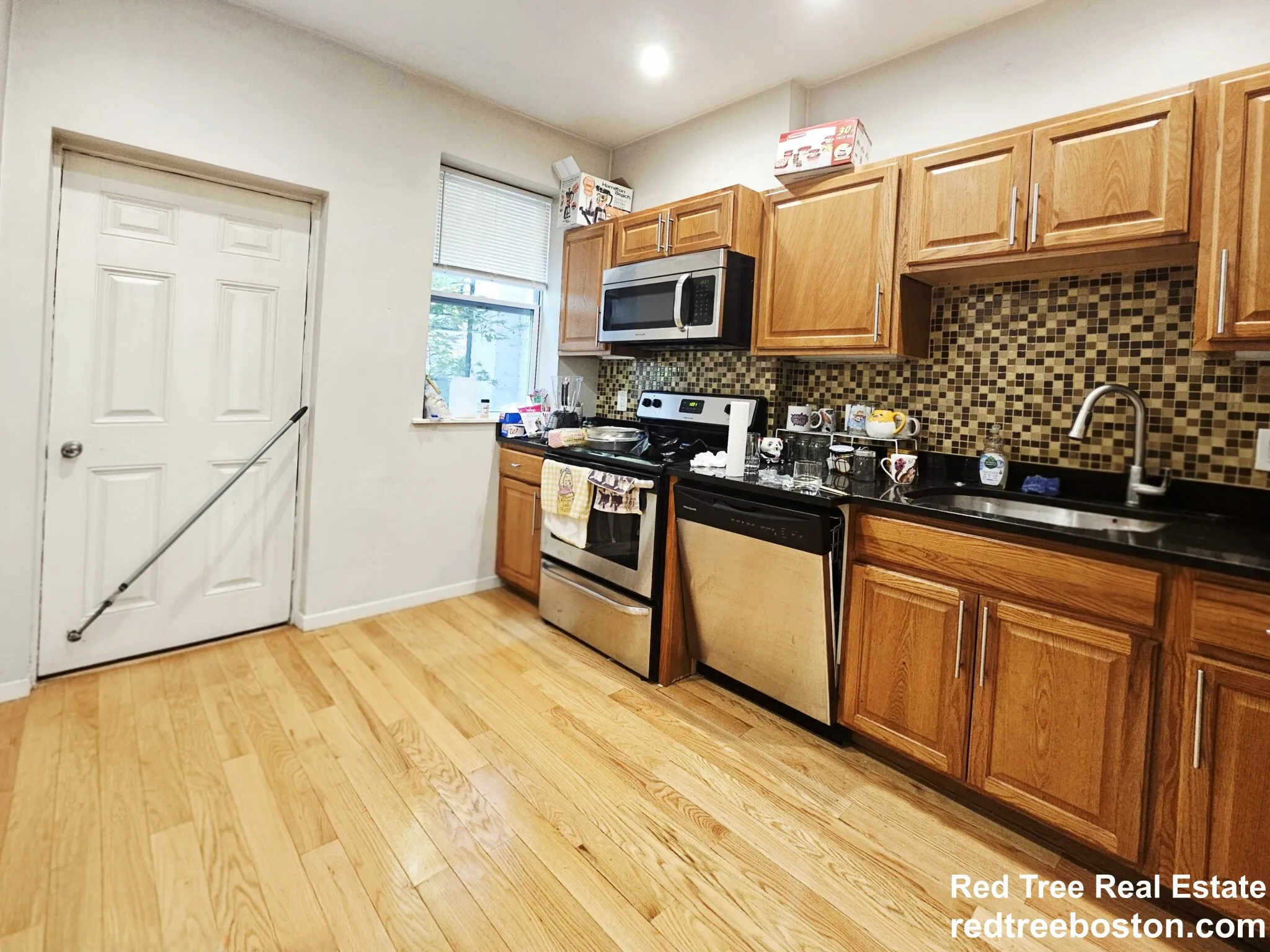
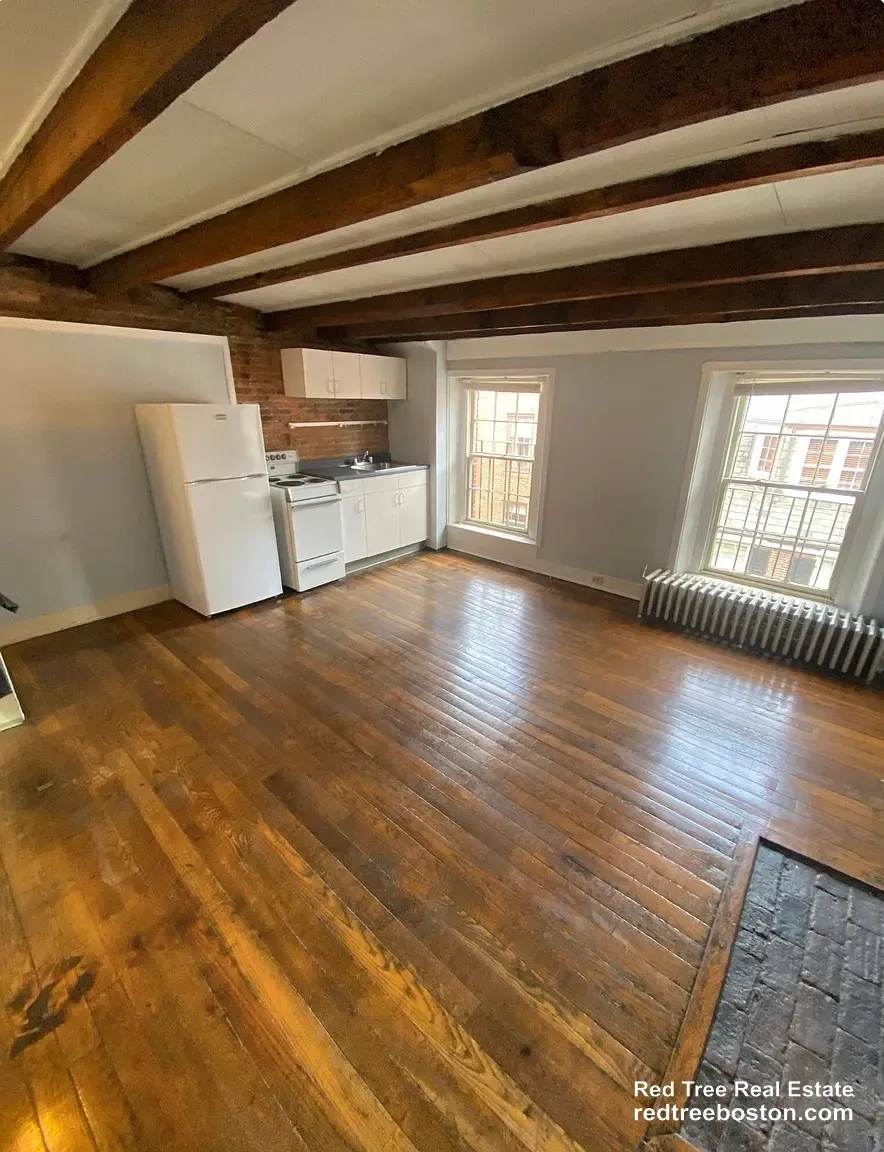
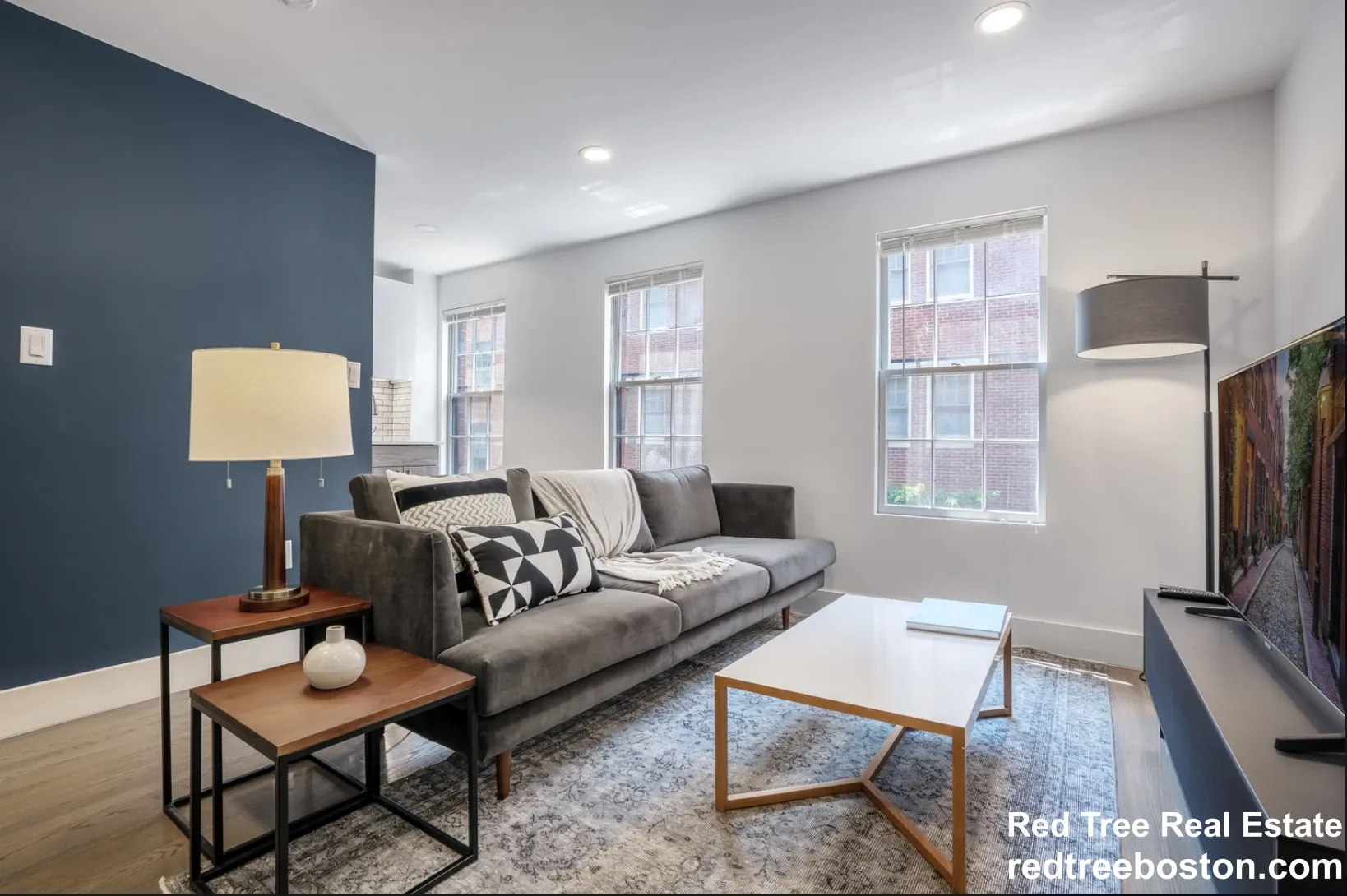
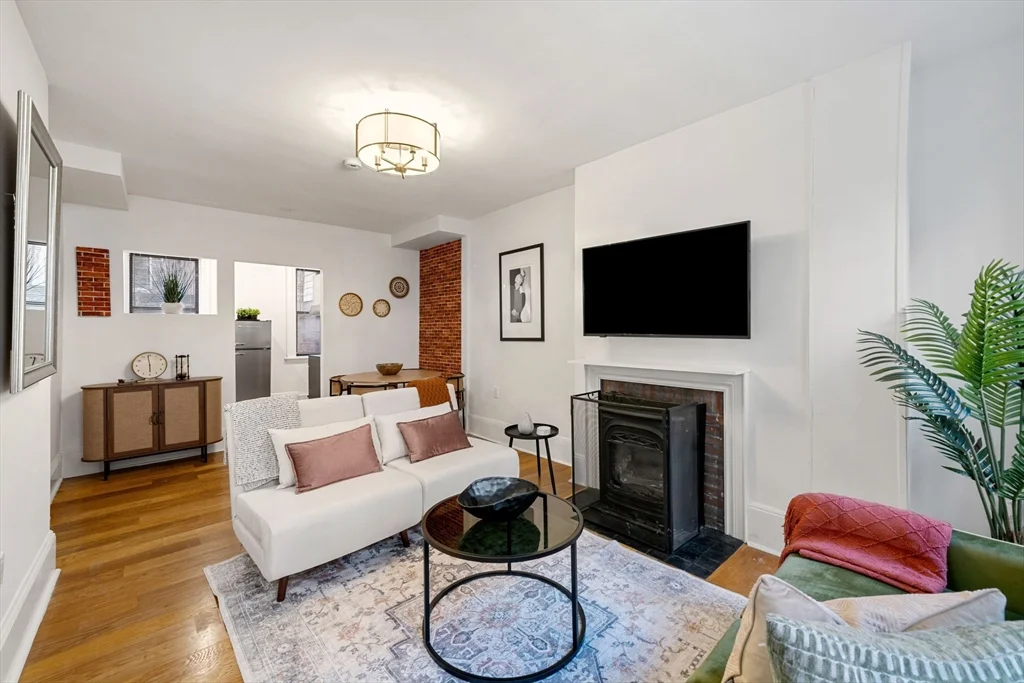
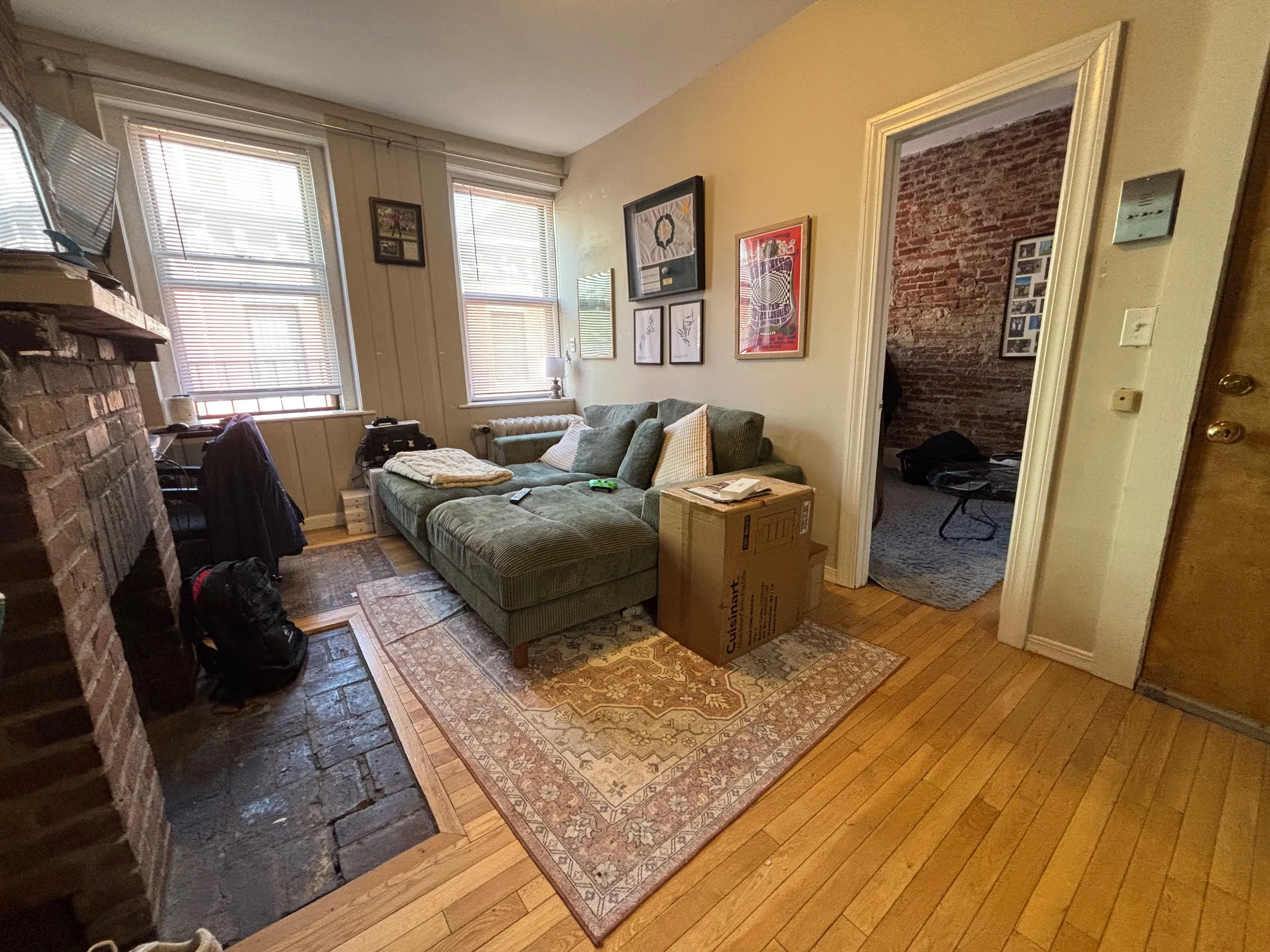
The housing stock is rowhouse rather than tower. Roughly two in five Beacon Hill properties listed on Spot Easy with a known unit count sit in buildings of four to nine units, and only about one in forty is in a building of fifty units or more. Expect a floor or part of a floor in a nineteenth-century brick rowhouse, frequently walk-up, often with original proportions and irregular room shapes. Two- and three-family houses are rare, under one in fifteen. The hill itself is steep on the north and west slopes, which matters more day to day than most listings admit. Parking is scarce and largely permit-based, which is worth settling before you sign rather than after.
Lease starts follow the September 1 cycle, with inventory building from spring.
Spot Easy lists Beacon Hill apartments from verified agents, with filters for no-fee listings, parking, laundry and pet policy. Published averages by bedroom count are on the Spot Easy Rent Index.
FAQ about Beacon Hill Apartments for Rent
What is the average rent in Beacon Hill?
In August 2026 the average asking rent in Beacon Hill is $2,488 for a studio, $3,069 for a 1-bedroom (+$119 higher than the median) and $3,988 for a 2-bedroom. Those figures come from active listings on Spot Easy, and we recalculate them each month.
How much should I budget for an apartment in Beacon Hill?
Most 1-bedrooms in Beacon Hill rent for about $3,069 a month — the more typical (median) price is $2,950. Studios average $2,488, 1-bedrooms average $3,069 and 2-bedrooms average $3,988. Budget toward the average — a handful of pricier units pull it above what most listings actually ask.
Are rents going up in Beacon Hill?
The median 1-bedroom in Beacon Hill is $2,950 in August 2026, up 11.3% from $2,650 in August 2025. We hold 15 months of Beacon Hill rent history, built from our own listings.
Is it cheaper to split a 2-bedroom in Beacon Hill than rent a studio?
Usually, yes. A 2-bedroom in Beacon Hill splits to about $1,994 each, against $2,488 for a studio. That saves roughly $494 a month, or 20%.
How does Beacon Hill rent compare with nearby neighborhoods?
For a 1-bedroom, the average in Beacon Hill is $3,069, next to Back Bay at $3,574 and North End at $3,411. These cover the same bed size in the same month, and we only include areas with comparable data available.
Can I reach all four subway lines from Beacon Hill?
Yes, and almost nowhere else in Boston can say that. Measured from the State House corner against the MBTA's own station coordinates: Park Street is about 250 yards away and carries the Red Line plus all four Green Line branches; Bowdoin brings the Blue Line at roughly a quarter mile; Government Center combines Blue and Green at much the same distance; and Downtown Crossing adds the Orange Line just beyond it. Charles/MGH on the Red Line sits at the foot of the hill. So Red, Orange, Blue and Green are all inside a quarter-mile walk. For anyone whose commute might change, or who wants to stop thinking about which line serves where, that is the strongest argument for the neighborhood and it is what the rent is buying. It is also why the neighborhood holds its price despite having no commuter rail station of its own.
Which station is closest to Beacon Hill?
Park Street, at roughly 250 yards from the State House corner — and it is the most useful station in the system to live beside, carrying the Red Line and all four Green Line branches in one fare-controlled interchange. In practice that means most journeys from Beacon Hill are a single ride or one easy change, rather than the two-change trips common from neighborhoods served by a single branch. Charles/MGH on the Red Line sits at the foot of the hill on the river side and is the better option if you are coming from the western slope. Which you use depends less on distance than on which side of the hill you live on, because the hill itself is steep enough that the shorter walk is not always the easier one. For a downtown job the walk is often quicker than waiting for a train at all, which is worth testing before you assume you need the station.
Are Beacon Hill apartments in old buildings?
Almost entirely, and it defines what renting here is like. Roughly two in five Beacon Hill properties listed on Spot Easy with a known unit count sit in buildings of four to nine units, another two in five in buildings of ten to forty-nine, and only about one in forty in a building of fifty units or more. Nearly all of that is nineteenth-century brick rowhouse divided into flats. Expect original proportions, irregular room shapes, tall windows, and frequently no elevator — the building predates them and many cannot be retrofitted. Two- and three-family houses are rare, under one in fifteen. If step-free access is a requirement, remember that on Beacon Hill a high rent does not imply a modern building. The Elevator amenity filter is the only search that gets close, and the entrance is a question for the agent. Heating and sound both behave differently in these buildings than in newer construction, so ask about both before signing.
What is the walk from Beacon Hill to downtown?
Short enough that many people do not use the train for it at all. Downtown Crossing sits about a quarter mile from the State House corner and Government Center a little less, and the financial district begins immediately beyond them. That is the practical case for the neighborhood alongside its rail access: for a downtown job you can walk, and the four subway lines are there for everything else. The one thing to factor in is the hill itself, which is genuinely steep on the north and west slopes and cobbled in places — the distance is short but the gradient is real, and it makes a material difference in winter and to anyone for whom a steep walk is not trivial. Which side of the hill you live on therefore matters as much as the distance on a map does.
Where does Beacon Hill sit relative to the North End and Back Bay?
Beacon Hill occupies the ground between them. Back Bay lies west across the Public Garden, close enough to walk in ten minutes, and the North End sits north beyond Government Center. All three are worth searching together because they are within walking distance of one another and price differently: August 2026 one-bedroom averages ran $3,069 in Beacon Hill against $3,574 in Back Bay. They also differ in what they connect to — Back Bay has four commuter rail lines and no Red or Blue service, while Beacon Hill has no commuter rail but reaches every subway line on foot. Filtering to one neighborhood alone will hide close alternatives at a materially different price. All three are small, so a search confined to one of them is working with a much thinner market than it needs to be.
Are studios easy to find in Beacon Hill?
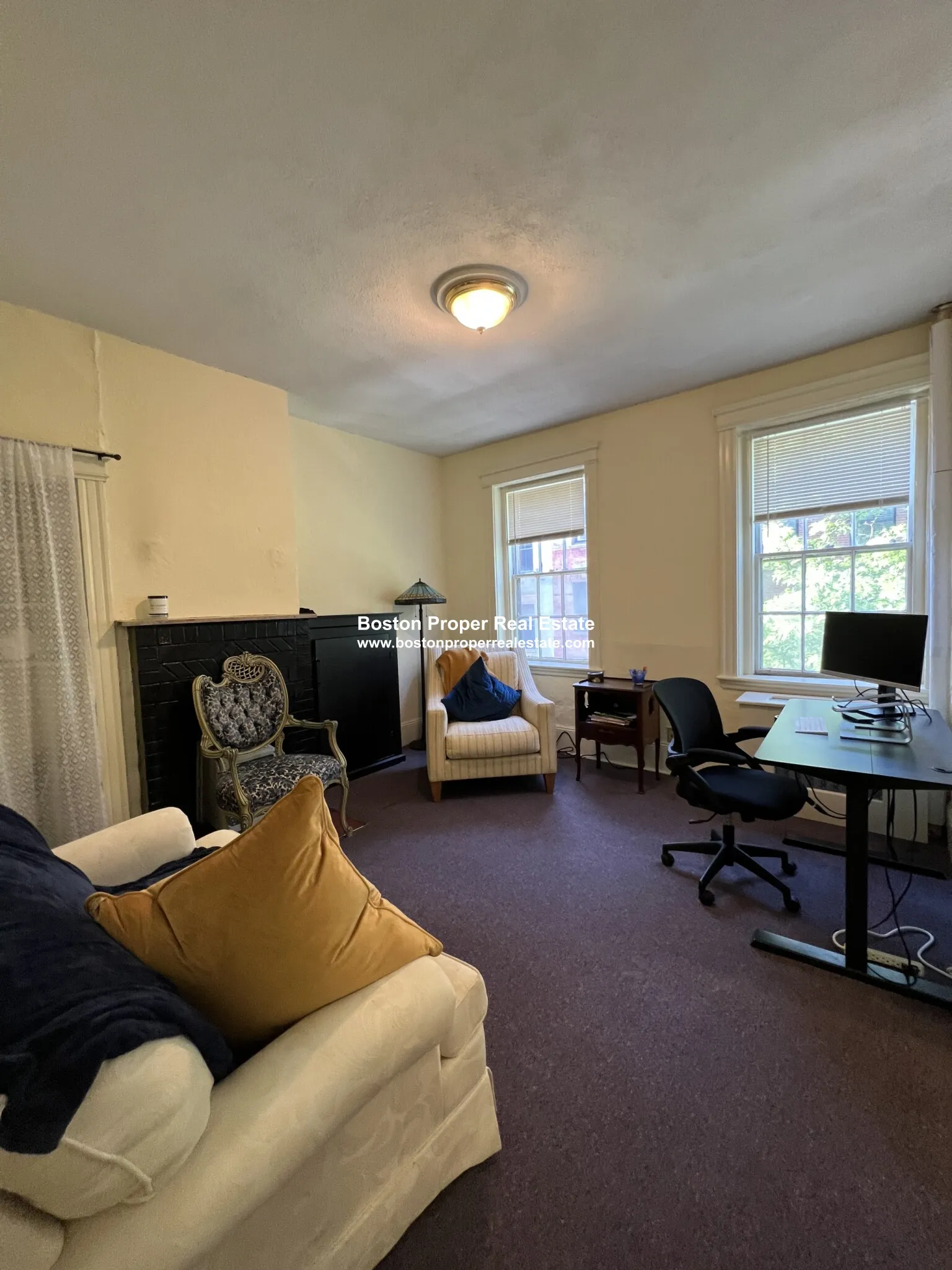
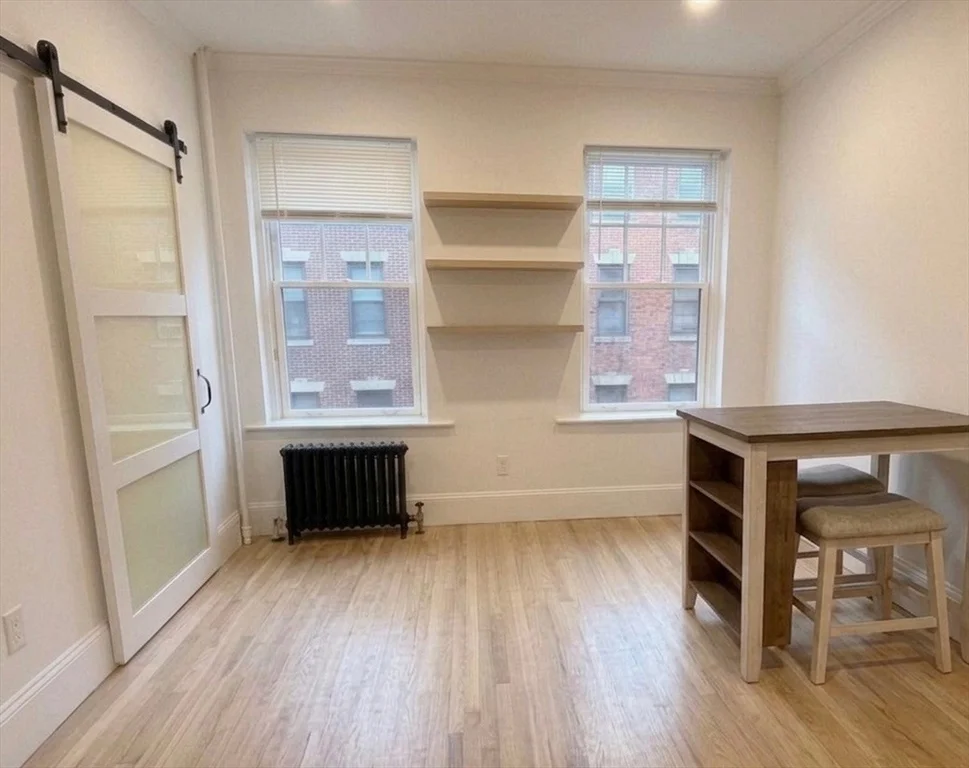
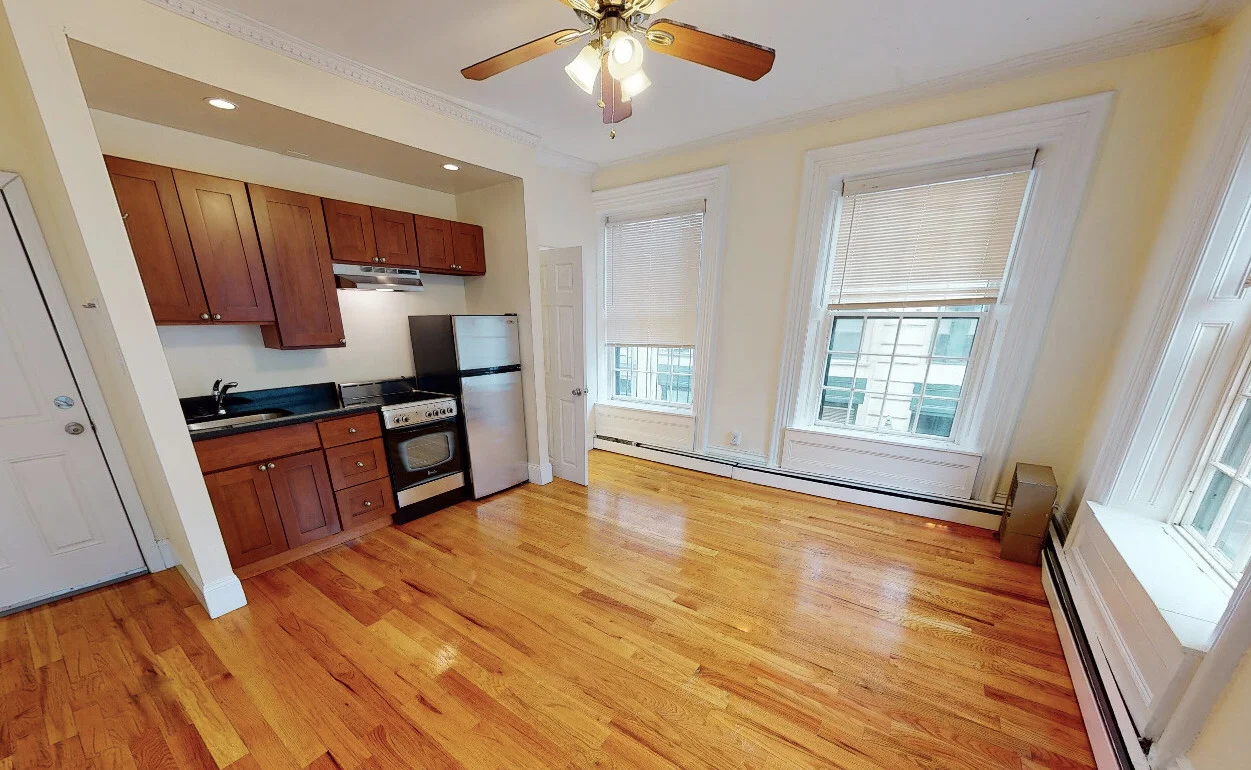
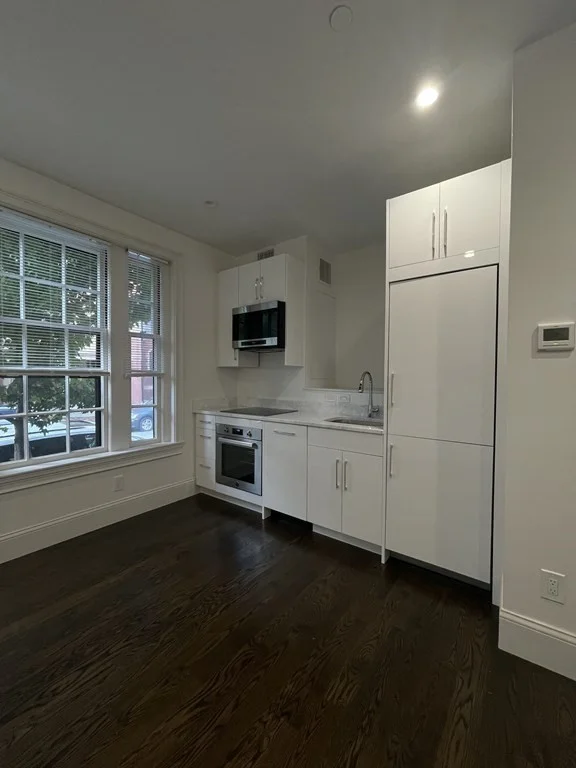
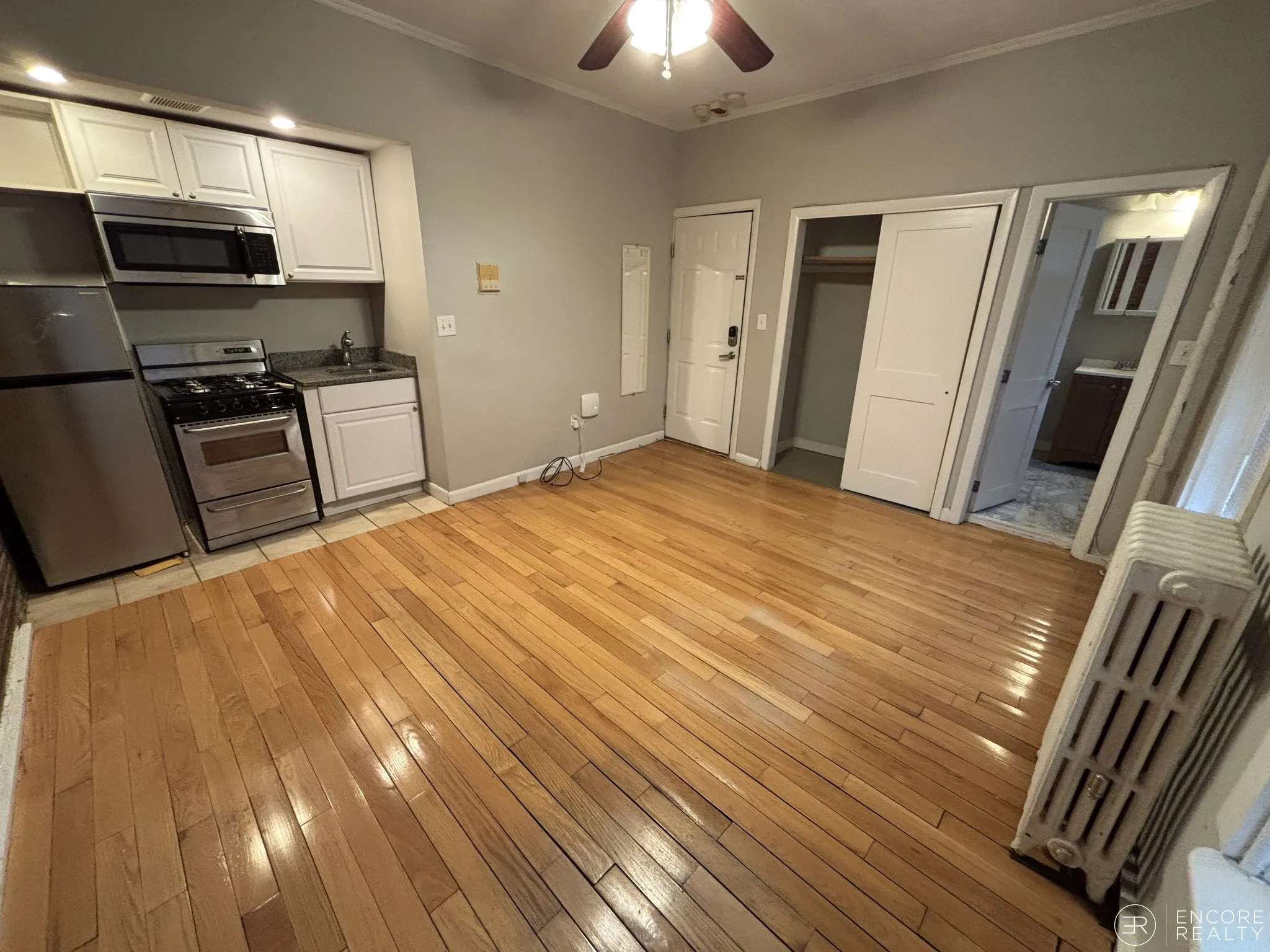
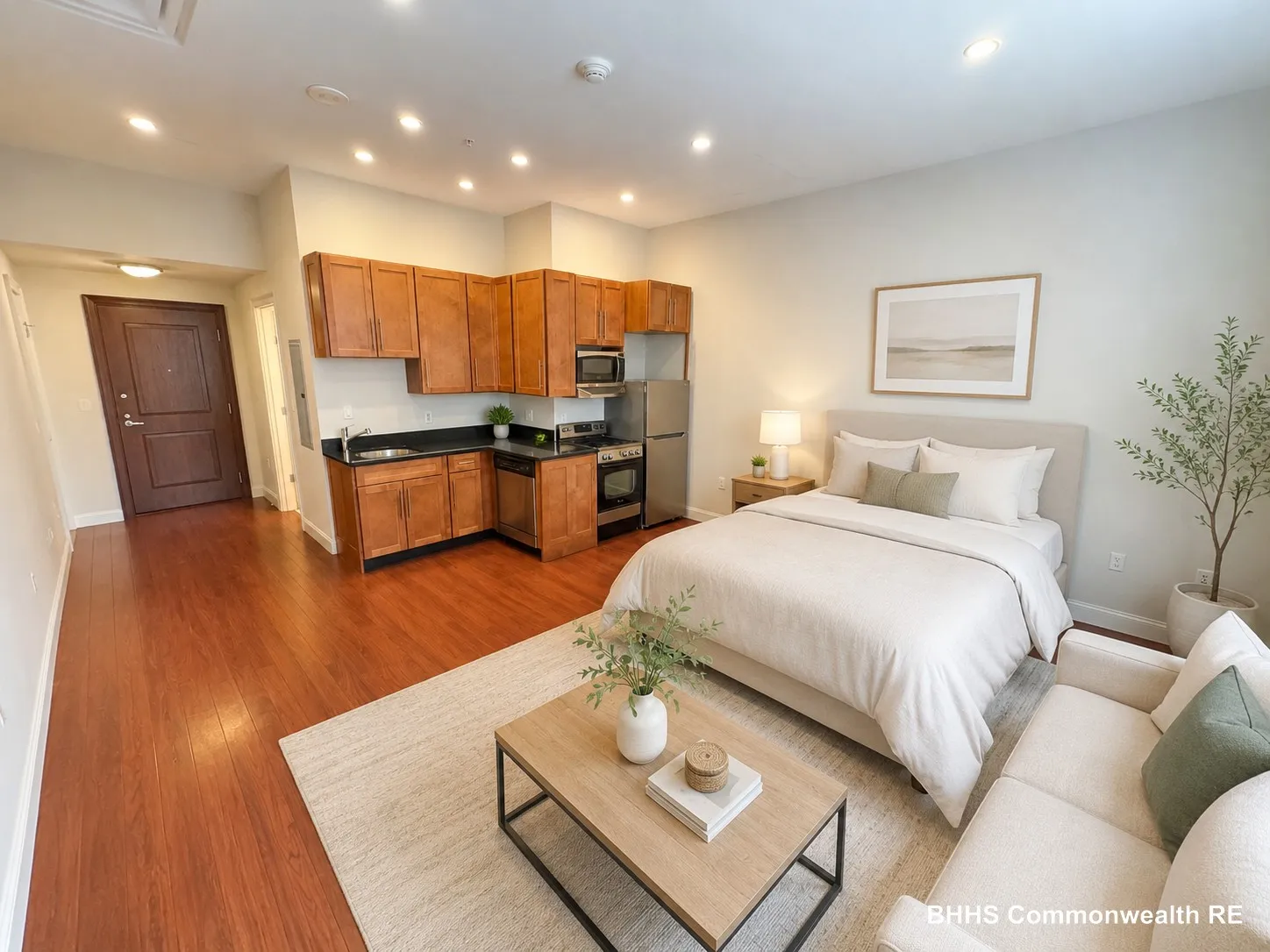
They exist and are published in the Rent Index, at a $2,488 average in August 2026 — above the $2,373 Boston studio figure, which is unusual, since most neighborhoods that price above the city on one-bedrooms price closer to it on studios. The rowhouse stock is the reason: dividing a nineteenth-century floor plan produces small units readily, so studios and small one-bedrooms are a natural product here rather than a purpose-built afterthought. What that means practically is that a Beacon Hill studio is likely to be a genuinely small carved-out space with original proportions rather than a modern open plan, and worth viewing rather than judging from a floor plan. It is also the size where the neighborhood's price premium is smallest. It is also the size most likely to come free off-cycle, since smaller units turn over more often than whole floors do.
When should I start looking for an apartment in Beacon Hill?
Four to five months ahead. Beacon Hill follows the September 1 cycle, and inventory for that date builds from spring onward, so a search opening in July arrives late. The neighborhood is small and its stock is almost entirely rowhouse rather than managed building, which means off-cycle vacancies are genuinely scarce — a floor comes free when a lease ends, not as part of a wave, and there are few large buildings whose turnover spreads through the year. That makes flexibility on start date worth less here than in a neighborhood like Back Bay, and flexibility on layout worth more, since the rowhouse units vary considerably and holding out for a specific configuration narrows an already small market. Set saved searches in March or April rather than browsing casually in June, and be ready to view within a day or two of a listing appearing, because the market here is small enough that good units do not wait.
How do I find no-broker-fee apartments in Beacon Hill?
Use the no-fee filter on Spot Easy and confirm the terms in writing before applying. Fee arrangements are set per listing rather than per neighborhood, so two buildings on the same street can differ. Treat a listing that says nothing about a fee as unconfirmed rather than fee-free — silence is missing information. Where a fee applies it is commonly a month's rent, which against the August 2026 Beacon Hill one-bedroom average of $3,069 is a substantial addition to move-in costs that already include first month, last month and a security deposit. Because the stock here is overwhelmingly small rowhouse buildings owned by individuals rather than management companies, terms vary more than in a market of large buildings, so ask for the total due at signing rather than assuming a norm. Ask the agent directly what is owed at signing and get the full figure before you commit to a schedule of viewings.
What documents do I need to rent an apartment in Beacon Hill?
Photo identification, recent pay stubs or an offer letter, bank statements and previous landlord references. Because Beacon Hill's stock is mostly small rowhouse buildings owned by individuals rather than management companies, screening is often less formal than in a large managed building — but references carry more weight, and decisions can be made quickly and in person, so having everything assembled beforehand is a real advantage in a small market. Massachusetts law caps what may be collected at signing: first month's rent, last month's rent, a security deposit of no more than one month's rent, and the cost of a new lock. The deposit must be held in a separate interest-bearing account at a Massachusetts bank, and you are owed a receipt for it. Ask which kind of landlord you are dealing with before viewing, because on Beacon Hill it is usually an individual owner and that changes both the paperwork and the pace of a decision.