

Boston renters are facing an increasingly important decision: should they live in the city or move to the suburbs?
With rising housing costs, shifting work patterns, and evolving lifestyle preferences, the choice between urban vibrancy and suburban comfort is more relevant than ever. Yet renting in Boston is worth it.
If you have just moved to Boston as a young professional drawn to downtown buzz, a family seeking space and top-rated schools, or a remote worker looking for a quiet neighborhood, this guide will help you compare the key factors that matter — rent, commute, lifestyle, and overall cost of living.
This complete cost analysis is designed to help renters make the smartest decision for their budget and lifestyle.
Quick Comparison Table: Boston Suburbs vs City Living
Renting in Boston City in 2026
Average Apartment Costs in Downtown & Nearby Neighborhoods
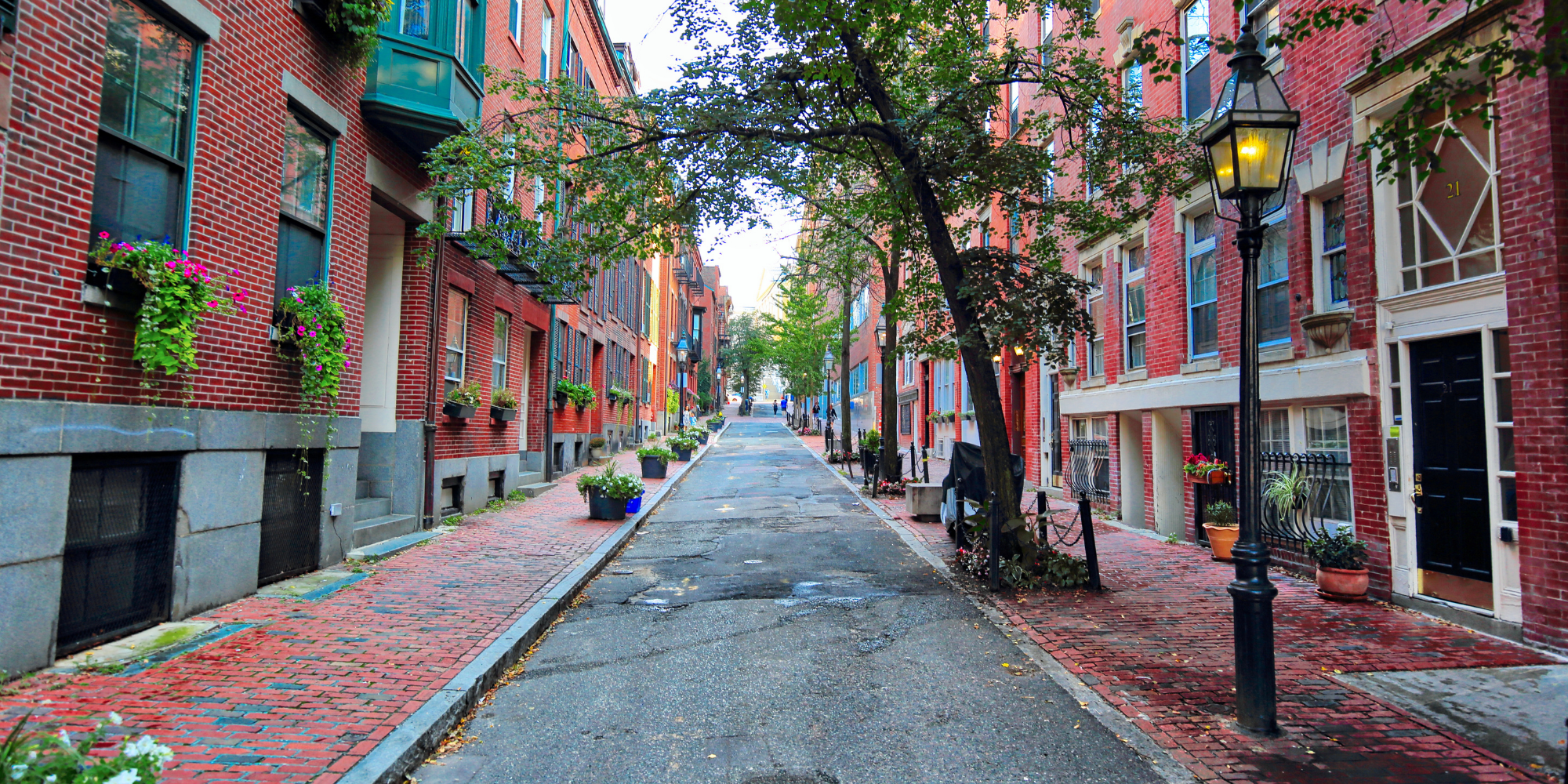
Boston remains one of the most expensive cities in the U.S. for renters. A one-bedroom apartment in neighborhoods like Back Bay, Beacon Hill, or the Seaport District ask well above the citywide average: Back Bay one-bedrooms average $3,574 and Beacon Hill $3,069 in the Spot Easy Rent Index for August 2026.
Two-bedrooms in those neighborhoods run higher again. Despite the high cost, city dwellers pay for prime location, shorter commutes, and cultural amenities.
Emerging neighborhoods like Allston or Jamaica Plain offer slightly more budget-friendly options, with Allston one-bedrooms averaging $2,637 a month in the Spot Easy Rent Index for August 2026. Too few Jamaica Plain one-bedrooms are on the market for the Index to publish an average.
Commute Times & Public Transit Accessibility
Boston’s compact size and extensive MBTA network make it highly commuter-friendly.
Most areas within the city are accessible by subway (the "T") or bus, with average commute times ranging from 25 to 35 minutes.
For those who live and work downtown, commute times can be as short as 10 minutes by foot or bike.
Lifestyle Perks – Nightlife, Walkability & Urban Amenities
City living offers unmatched access to Boston’s best restaurants, bars, cultural institutions, and job opportunities.
Walkability is a major perk—neighborhoods like the South End and Fenway are pedestrian-friendly, eliminating the need for a car.
Grocery stores, gyms, healthcare, and entertainment are all within reach. However, the trade-off is less living space and more noise, congestion, and limited parking.
Who Prefers City Living?
- Young professionals who value proximity to downtown offices and social life
- Students attending Boston University, Northeastern, MIT, or Harvard
- Couples without children looking for a vibrant urban lifestyle
- Car-free commuters or those reliant on public transit
Living in Boston Suburbs in 2026

Rent Costs in Suburbs Like Newton, Quincy, Medford, Somerville
Boston suburbs offer a more cost-effective alternative for renters. A one-bedroom apartment in suburbs like Quincy or Malden is cheaper than the city, though neither is a scope the Rent Index publishes.
More desirable suburbs like Newton or Lexington are pricier for a similar unit. The Index does not publish either, so compare the live listings directly.
While you may save on rent, suburban living can involve other costs—such as car ownership, gas, and parking fees.
Also Read: Affordable Places to Live Near Boston and Cambridge vs Somerville rent comparison.
Commute Considerations – Car Dependency & Transit Access
Suburban commuting generally requires owning a car.
While some towns are connected to Boston via the commuter rail or MBTA buses, service is less frequent and more expensive than city transit.
Expect commute times between 40 to 60 minutes, especially during rush hour.
Towns like Somerville and Brookline offer the best of both worlds—proximity to city life with slightly lower rent and good transit options.
Suburban Amenities – Parks, Schools, Space
Suburbs excel in providing space and peace.
Larger apartments, private yards, and access to parks make them ideal for renters who prioritize quiet and nature.
Many suburbs also feature high-performing public schools, safe neighborhoods, and a strong sense of community.
You’re more likely to have a washer/dryer in-unit, personal parking, and storage—luxuries in the city.
Who Suburban Living Appeals To
- Families looking for better schools and larger homes
- Remote workers seeking more space and tranquility
- Retirees and long-term renters prioritizing safety and comfort
- Commuters willing to drive or take the train for affordability
Cost Breakdown: Suburbs vs City for Boston Renters
Rent
- City: one-bedrooms average $2,928 and two-bedrooms $3,632 a month in the Spot Easy Rent Index for August 2026
- Suburbs: more space for the money, though the Index does not publish suburban towns, so compare the live listings
Utilities
- City: ~$180/month for electric, gas, internet
- Suburbs: ~$220/month (larger units, individual heating systems)
Transportation
- City: MBTA Monthly LinkPass $90; many renters forgo car ownership
- Suburbs: Owning a new car averages about $1,070/month in AAA's 2026 driving costs study, before parking
Groceries & Daily Expenses
Groceries are slightly cheaper in the suburbs due to larger supermarkets and warehouse clubs like Costco.
However, dining and entertainment options are more limited.
Budgeting Tips by Location Type
- City Renters: Choose less trendy neighborhoods, live with roommates, use public transit exclusively
- Suburb Renters: Budget for car expenses, look for housing near commuter rail for convenience
Key note to mention is the option of renting with roommates, which should also be considered to bring down the costs.
Also Read: Hidden Costs of Renting.
Key Lifestyle Differences to Consider

Noise & Population Density
- City: High density, more noise, traffic, and events
- Suburbs: Quiet streets, more privacy, lower crime rates
Space & Privacy
- City: Compact living spaces, shared walls, limited storage
- Suburbs: Larger apartments, yards, garages, and private entrances
Social Life & Community Vibe
- City: Active social scene, networking events, nightlife
- Suburbs: Family-oriented, neighborhood gatherings, quieter evenings
Safety & School Ratings
- City: Varies greatly by neighborhood
- Suburbs: Generally higher-rated schools and lower crime statistics
Pros & Cons: Boston Suburbs vs City Living
City Living Pros:
- Walkability
- Access to transit
- Job proximity
- Vibrant lifestyle
City Living Cons:
- Higher rent
- Smaller space
- Noise & congestion
- Limited parking
Suburb Living Pros:
- More affordable rent
- More space and amenities
- Safer, quieter neighborhoods
- Better schools
Suburb Living Cons:
- Longer commutes
- Car dependence
- Less nightlife and culture
- Limited transit access
Final Thoughts: How to Decide Where to Live in 2026
Choosing between Boston suburbs and city living depends on your priorities. If walkability, nightlife, and job access matter most—city living may be your best bet.
But if you're planning a family, work remotely, or need more space for your budget—the suburbs offer greater value.
Use This Decision Checklist:
- Do I need access to public transit?
- Is walkability or space more important?
- Do I plan to live with roommates or alone?
- Will I be working remotely or commuting daily?
- Do I have or plan to have children?
With rising rents and shifting priorities post-pandemic, more renters are evaluating what truly matters: cost, convenience, lifestyle, and long-term comfort.
Many renters are actively evaluating the cost benefits of renting vs. buying in Boston, as well.
Whether you choose a vibrant Boston neighborhood or a peaceful suburb, knowing what to expect in 2026 can help you make a confident decision.