


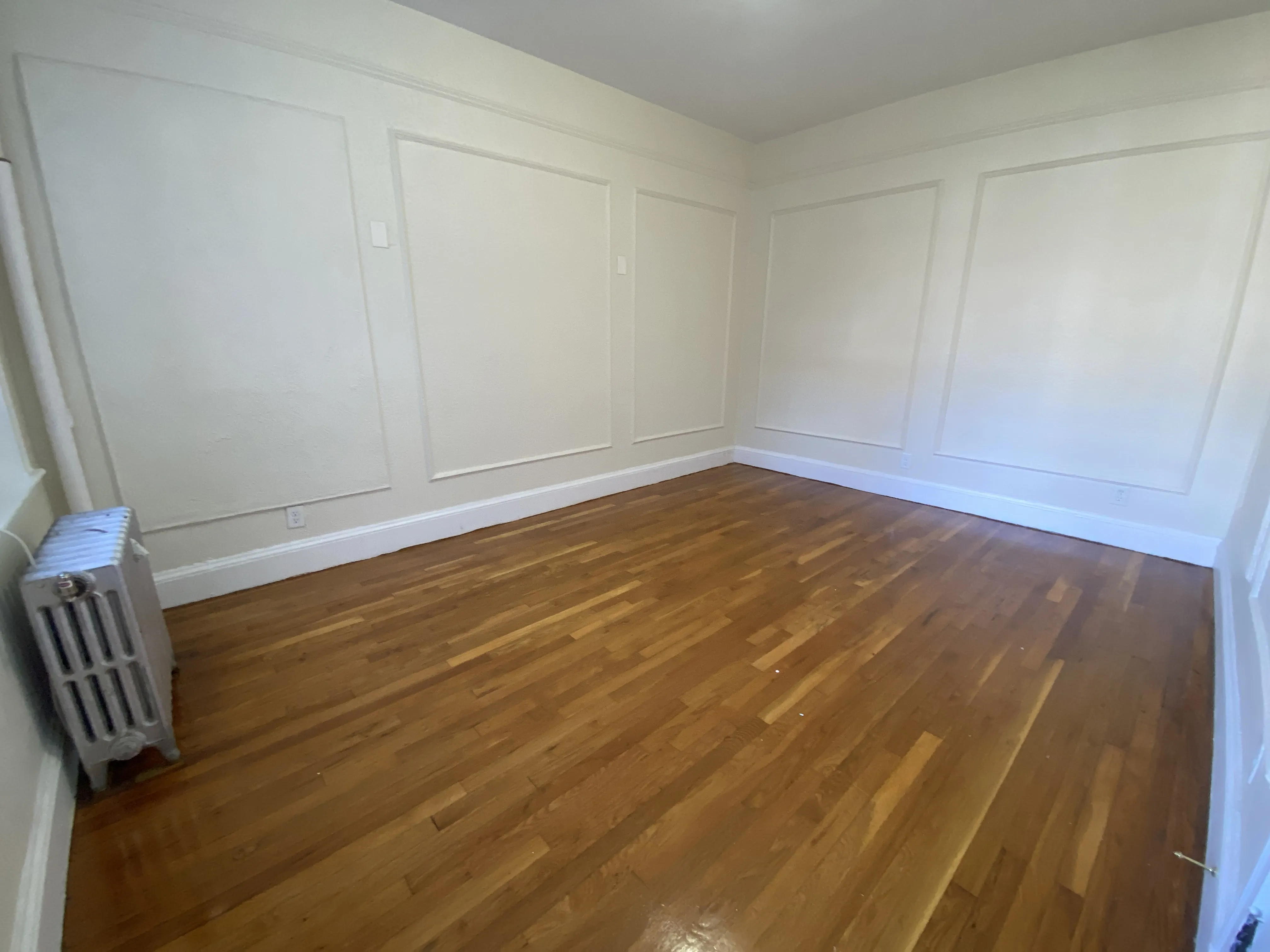
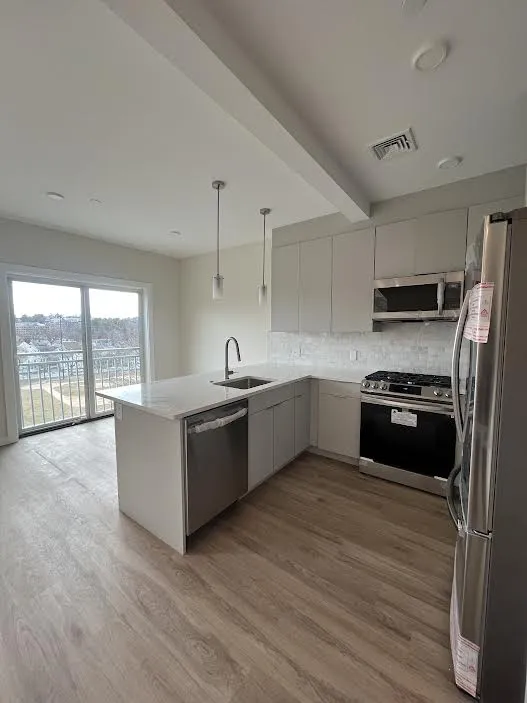
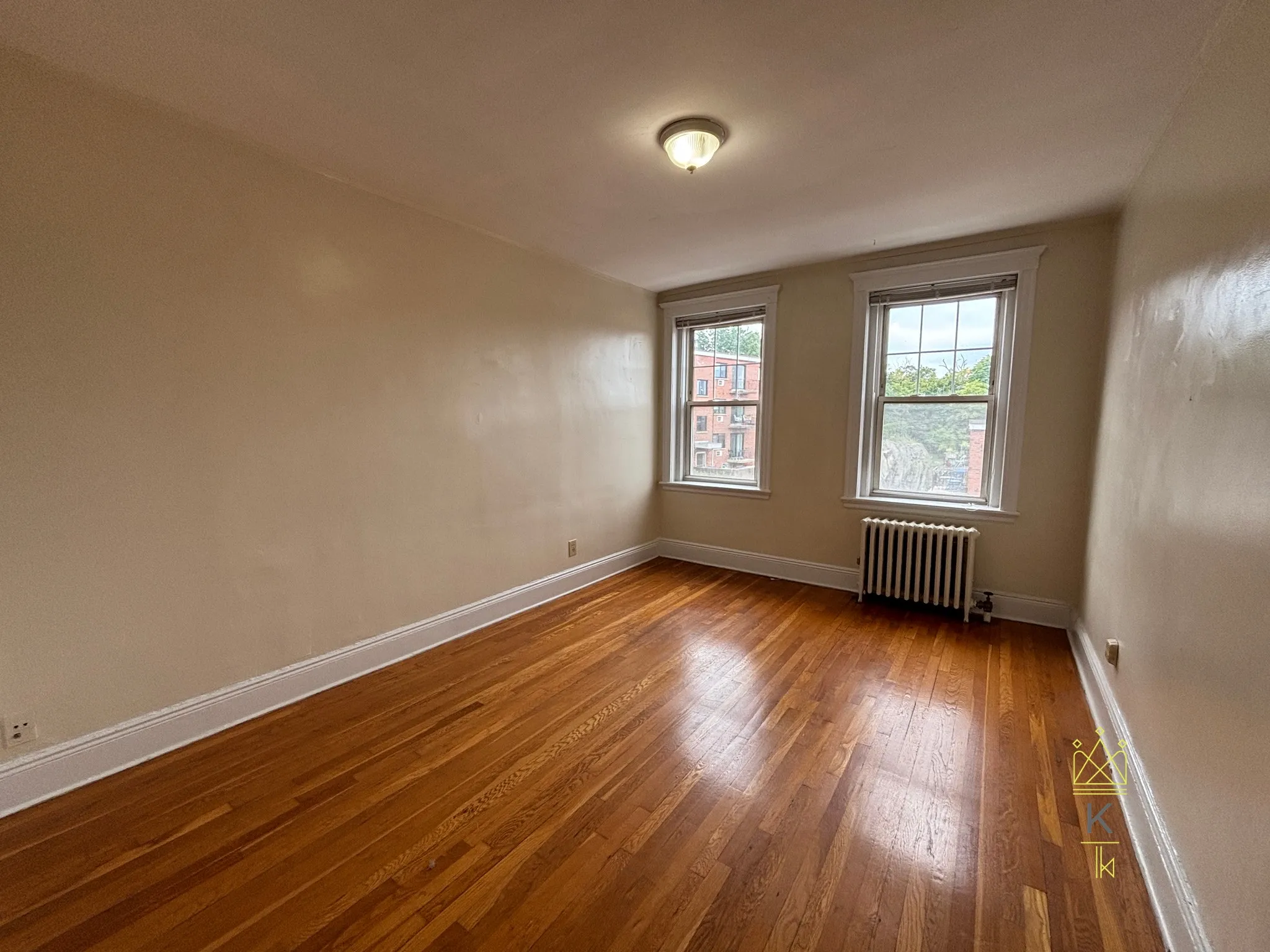



Average rent in Brighton
As of August 2026, active listings on Spot Easy, each posted by verified agents.
| Size | Average |
|---|---|
| studio | $2,110 |
| 1-bedroom | $2,463 |
| 2-bedroom | $2,986 |
| 3-bedroom | $3,761 |
| 4+ bedroom | $4,745 |
About Brighton
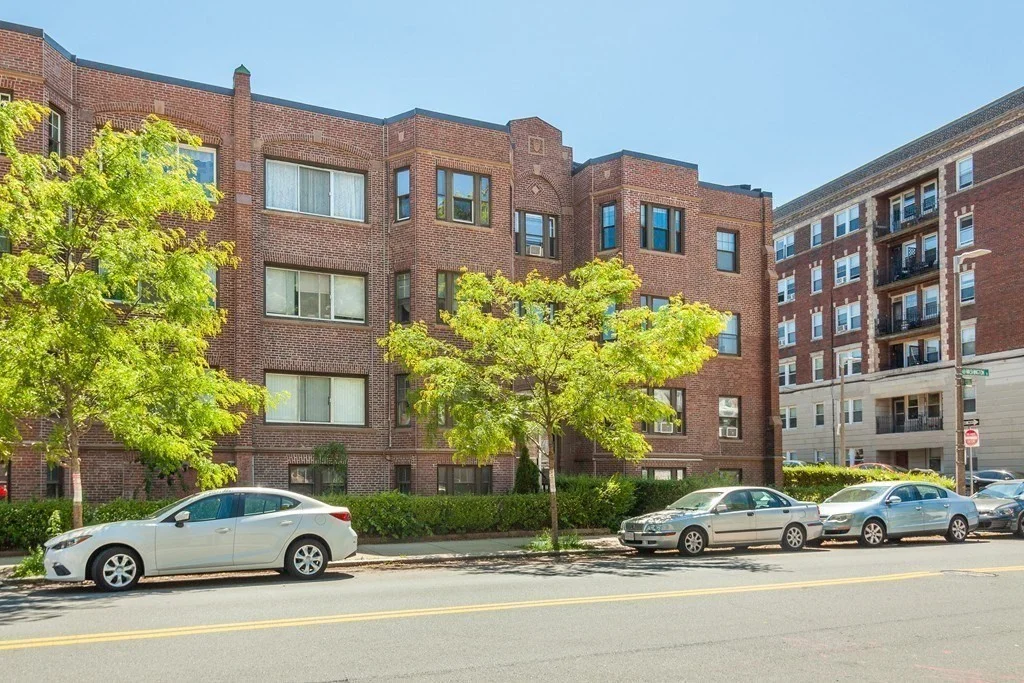
Brighton is Boston's westernmost neighborhood, reaching from the Allston line out to the Newton and Watertown boundaries, and it holds roughly twice the property base of Allston next door. The Spot Easy Rent Index put the average asking rent for a Brighton one-bedroom at $2,463 in August 2026, against $2,928 across Boston and $2,863 across Greater Boston. Studios averaged $2,110, two-bedrooms $2,986 and three-bedrooms $3,761, running a little above Allston at the three-bedroom size while staying slightly cheaper at the largest sizes.
It is the best connected of Boston's western neighborhoods. Six Green Line B branch stations sit inside it — Warren Street, Washington Street, Sutherland Road, Chiswick Road, Chestnut Hill Avenue and South Street — the C branch terminates at Cleveland Circle on its southern edge, and Boston Landing on the Worcester line gives Brighton the only commuter rail station in this part of the city.
Brighton is large enough to behave as several markets rather than one. Oak Square at the western end carries its own scope in the Rent Index and prices differently from the Cleveland Circle end, which sits against Brookline. Newton and Watertown both border it, and either is worth searching alongside Brighton if your commute allows.
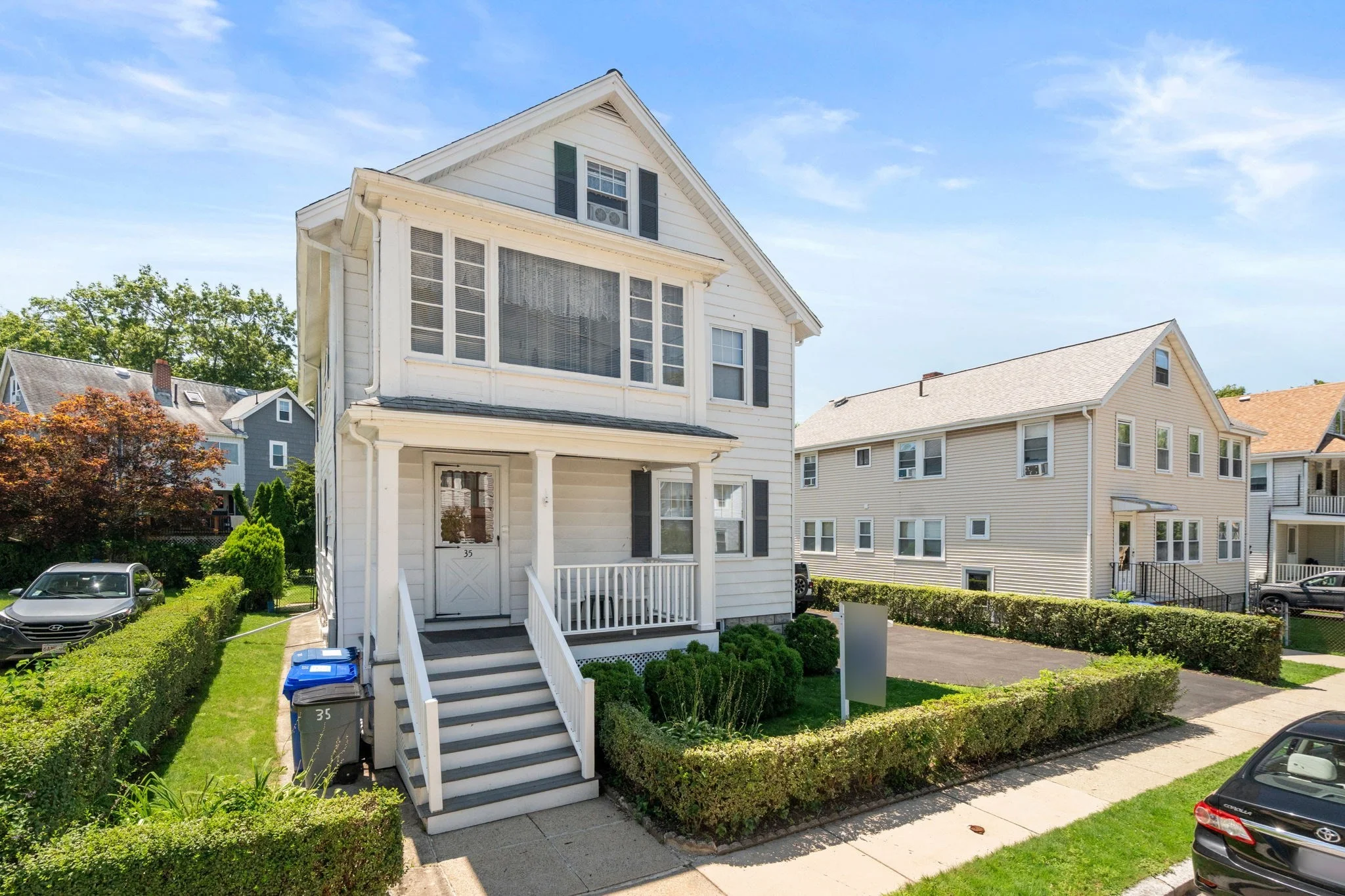
Just under two in five Brighton properties listed on Spot Easy with a known unit count are two- or three-family houses, and about a quarter sit in buildings of ten units or more — including the highest share of buildings with fifty units or more among the western neighborhoods. Elevator access, in-building laundry and deeded parking are all realistic requirements here rather than lucky finds. Another quarter of the stock sits in buildings of four to nine units, so the neighborhood covers the full range from house floor to managed building.
Lease starts follow the regional September 1 cycle, with inventory building from spring, though the larger buildings turn over more evenly through the year than the house stock does.
Spot Easy lists Brighton apartments from verified agents, with filters for no-fee listings, parking, laundry and pet policy. Published averages by bedroom count are on the Spot Easy Rent Index.
FAQ about Brighton Apartments for Rent
What is the average rent in Brighton?
In August 2026 the average asking rent in Brighton is $2,110 for a studio, $2,463 for a 1-bedroom (+$63 higher than the median), $2,986 for a 2-bedroom, $3,761 for a 3-bedroom and $4,745 for a 4+ bedroom. Those figures come from active listings on Spot Easy, and we recalculate them each month.
How much should I budget for an apartment in Brighton?
Most 1-bedrooms in Brighton rent for about $2,463 a month — the more typical (median) price is $2,400. Studios average $2,110, 1-bedrooms average $2,463 and 2-bedrooms average $2,986. Budget toward the average — a handful of pricier units pull it above what most listings actually ask.
Are rents going up in Brighton?
The median 1-bedroom in Brighton is $2,400 in August 2026, up 3.4% from $2,320 in August 2025. We hold 15 months of Brighton rent history, built from our own listings.
Is it cheaper to split a 2-bedroom in Brighton than rent a studio?
Usually, yes. A 2-bedroom in Brighton splits to about $1,493 each, against $2,110 for a studio. That saves roughly $617 a month, or 29%.
How does Brighton rent compare with nearby neighborhoods?
For a 1-bedroom, the average in Brighton is $2,463, next to Allston at $2,637 and Brookline at $2,890. These cover the same bed size in the same month, and we only include areas with comparable data available.
Does Brighton have distinct sub-markets?
Yes, and it is large enough that searching it as one place will mislead you. Brighton runs from the Allston boundary out to Newton and Watertown, and the ends behave differently. Oak Square, at the western edge, carries its own scope in the Spot Easy Rent Index — a sign it prices distinctly enough to be measured on its own. The Cleveland Circle end sits against Brookline and draws on the Green Line C terminus there. The Washington Street and Brighton Center stretch in between is the most residential. Because the Green Line B branch runs the length of the neighborhood, the practical variable is usually how far west you go rather than how far you are from a station, and that maps closely onto price. Search two of the sub-areas side by side rather than filtering the whole neighborhood, because the spread between the ends is wider than the spread within either of them.
What is Oak Square?
Oak Square is Brighton's western end, near the Newton line, and it is distinct enough to carry its own scope in the Spot Easy Rent Index. It carries its own scope in the Spot Easy Rent Index, though it fell below the publication threshold in August 2026, so no separate figures were published for it that month. Those come from a shallower sample than the neighborhood-wide numbers, so read them as an indication rather than a firm benchmark. What makes Oak Square worth knowing about is transit rather than price: it sits away from the Green Line B branch, so it depends on bus service and road access in a way the rest of Brighton does not. Check the specific commute before committing. If you do not need the Green Line daily that trade can be worth making; if you do, the Washington Street and Chestnut Hill Avenue stretch is the better starting point.
What is Boston Landing station?
Boston Landing is a commuter rail station on the Worcester line, and it is the only commuter rail stop in this part of Boston — neither Allston nor Coolidge Corner has one. It runs inbound to South Station and west toward Framingham and Worcester, which makes it genuinely useful if your work sits along that corridor rather than in the center. For a renter the practical point is that a Brighton address near Boston Landing gives you a commuter rail option that an otherwise comparable Allston address does not, and that is worth real money if you use it daily. It does not replace the Green Line for travel into the center, where the B branch or the C terminus at Cleveland Circle will usually be quicker. Treat it as a second option that widens where you can work from, rather than as your main route downtown.
What is Cleveland Circle?
Cleveland Circle is the junction at Brighton's southern edge where the neighborhood meets Brookline, and it is a genuine transit node: the Green Line C branch terminates there, and the D branch station at Reservoir is immediately adjacent. That gives an apartment near Cleveland Circle access to two Green Line branches, which is unusual in Brighton — the rest of the neighborhood depends on the B branch. Because the D branch runs on its own right of way rather than in traffic, it is meaningfully faster into the center than either the B or the C. If journey time is what you are optimizing for, the Cleveland Circle end of Brighton is the part of the neighborhood worth searching first, and it prices accordingly against the western end. It also puts Brookline within easy reach on foot, which is worth knowing if your search is really about the D branch rather than about Brighton itself.
Can I find an elevator building in Brighton?
More easily than almost anywhere nearby. About a quarter of Brighton properties listed on Spot Easy with a known unit count sit in buildings of ten units or more, and Brighton has the highest share of buildings with fifty units or more among Boston's western neighborhoods. That makes elevator access, in-building laundry, on-site management and deeded parking realistic requirements to filter on rather than things to hope for. The contrast with the surrounding two- and three-family markets is sharp: in Somerville, for instance, fewer than one property in a hundred is in a building of fifty units or more. Just under two in five Brighton properties are still two- or three-family houses, so both products exist side by side and filtering by building size early will save you a great deal of time. A further quarter sit in buildings of four to nine units, which is usually where the compromise between price and amenities lands.
How does Brighton's rental stock compare with Allston's?
Brighton is roughly twice the size by property base and skews slightly more toward houses. Just under two in five Brighton properties with a known unit count are two- or three-family, against just over a third in Allston, while Allston carries the higher share of buildings with ten or more units. Brighton, though, has more of the very largest buildings. On price Brighton runs a little under Allston for a one-bedroom — $2,463 against $2,637 in August 2026 — and the two converge as apartments get bigger, with Brighton $126 cheaper at four or more bedrooms. The other real difference is transit: Brighton has commuter rail at Boston Landing and a second Green Line branch at Cleveland Circle, where Allston has the B branch and nothing else. For a one-bedroom search the two are close enough that transit should decide it; for a larger apartment, price should.
When should I start looking for an apartment in Brighton?
Four to five months ahead for a September start, which is when most of the neighborhood turns over. Inventory for that date builds from spring onward, so a search opening in July is arriving late to a cycle that began in April. Brighton does have one advantage over the smaller markets nearby: because about a quarter of its stock sits in buildings of ten units or more, and those turn over more evenly through the year than two- and three-family houses do, an off-cycle start date is more achievable here than in Somerville or the house-dominated parts of the region. If you need a January or spring move, concentrate the search on the larger buildings from the outset rather than hoping a house floor comes free at the right moment. The Cleveland Circle end tends to hold inventory slightly later into the cycle than the Oak Square end, which is worth knowing if you start late.
How do I find no-broker-fee apartments in Brighton?
Filter for no-fee listings on Spot Easy, then confirm the terms in writing before applying. Fee arrangements are set per listing rather than per area, so two apartments on the same street can differ. Treat a listing that does not mention a fee as unconfirmed rather than fee-free. Where a fee applies it is commonly a month's rent, which against the August 2026 Brighton one-bedroom average of $2,463 is a substantial addition to move-in costs that already include first month, last month and a security deposit. Brighton's larger managed buildings lease directly more often than the small-landlord stock does, so the no-fee filter returns a different mix here than in the surrounding house markets. Every agent listing on Spot Easy is verified before their listings go live. Because Brighton spans both large managed buildings and small-landlord houses, ask for the total due at signing rather than assuming the norm you met elsewhere applies.
What documents do I need to rent an apartment in Brighton?
Photo identification, recent pay stubs or an offer letter, bank statements, and previous landlord references. Brighton's higher share of professionally managed buildings means formal credit and income screening is more common here than in the two- and three-family markets nearby, and a guarantor may be requested if your income does not meet a building's stated multiple of the rent — so allow a day or two for processing rather than expecting a decision on the spot. Massachusetts law limits what may be collected at signing to first month's rent, last month's rent, a security deposit of no more than one month's rent, and the cost of a new lock. The deposit must be held in a separate interest-bearing account at a Massachusetts bank, and you are owed a receipt. Having the paperwork assembled in advance matters most at the managed-building end, where applications are compared against each other rather than considered one at a time.