




Average rent in Fenway
As of August 2026, active listings on Spot Easy, each posted by verified agents.
| Size | Average |
|---|---|
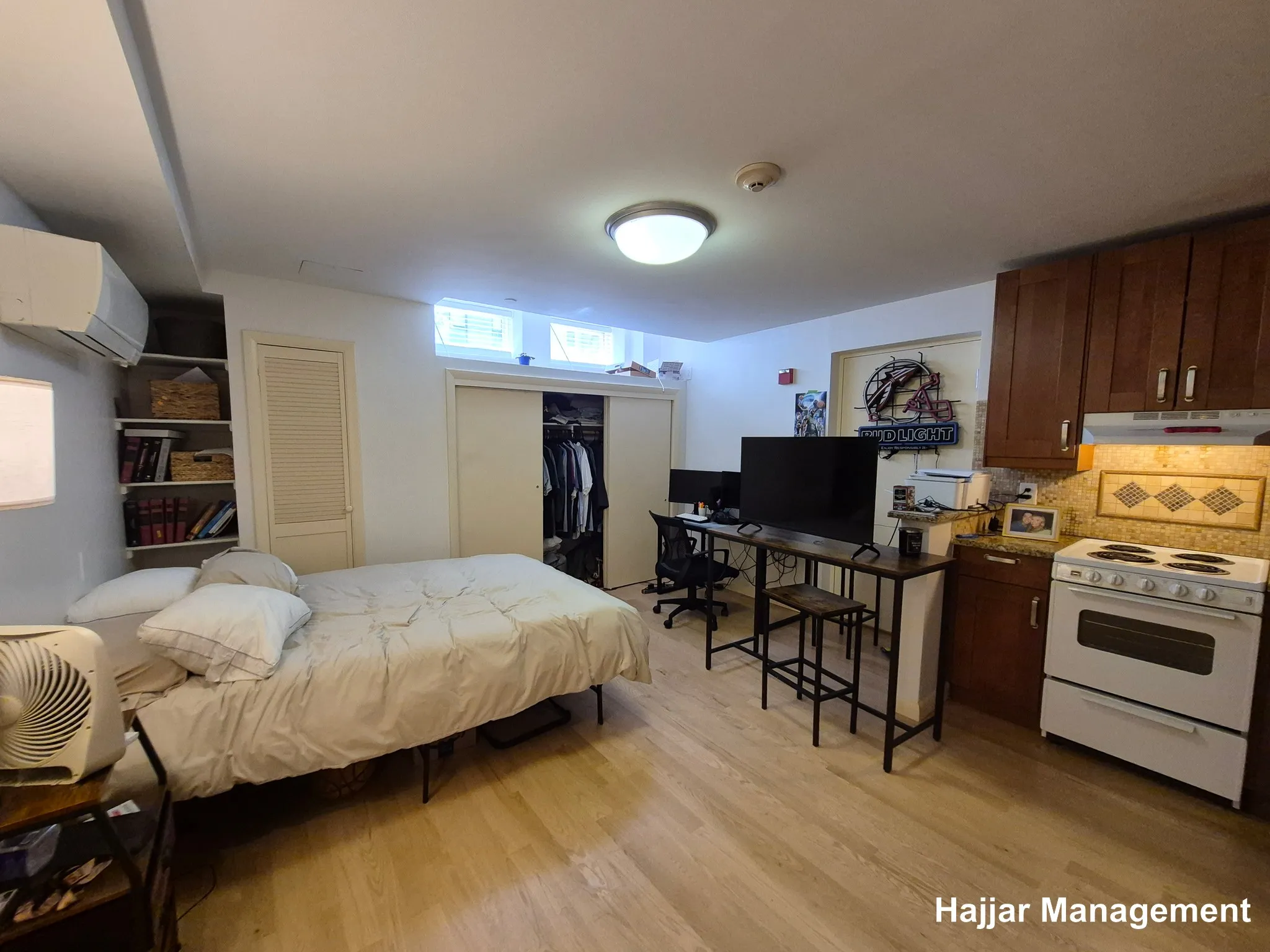
| studio | $2,303 |
| 1-bedroom | $2,856 |
| 2-bedroom | $3,862 |
| 3-bedroom | $4,811 |
About Fenway
Fenway sits west of Back Bay along the Muddy River, wrapped around Fenway Park and the Emerald Necklace, and it is the most apartment-building-heavy neighborhood in this part of Boston. The Spot Easy Rent Index put the average asking rent for a Fenway one-bedroom at $2,856 in August 2026, against $2,928 across Boston. Studios averaged $2,303 and two-bedrooms $3,862. For context, neighboring Back Bay averaged $3,574 for a one-bedroom and Mission Hill $2,952, so Fenway now sits below both at $2,856.
No neighborhood in the city is better served by the Green Line. All four branches touch Fenway — the B at Blandford Street and the Boston University stops, the C and D through Kenmore and Hynes Convention Center, the D again at Fenway station, and the E at Northeastern University and Museum of Fine Arts. Lansdowne, beside the ballpark, adds commuter rail on the Worcester line. There is no Red, Orange or Blue Line service, so those require a change.
The neighborhood runs into Back Bay to the east and Mission Hill to the south, with Brookline across the river to the west. The Longwood medical and academic cluster sits immediately south.
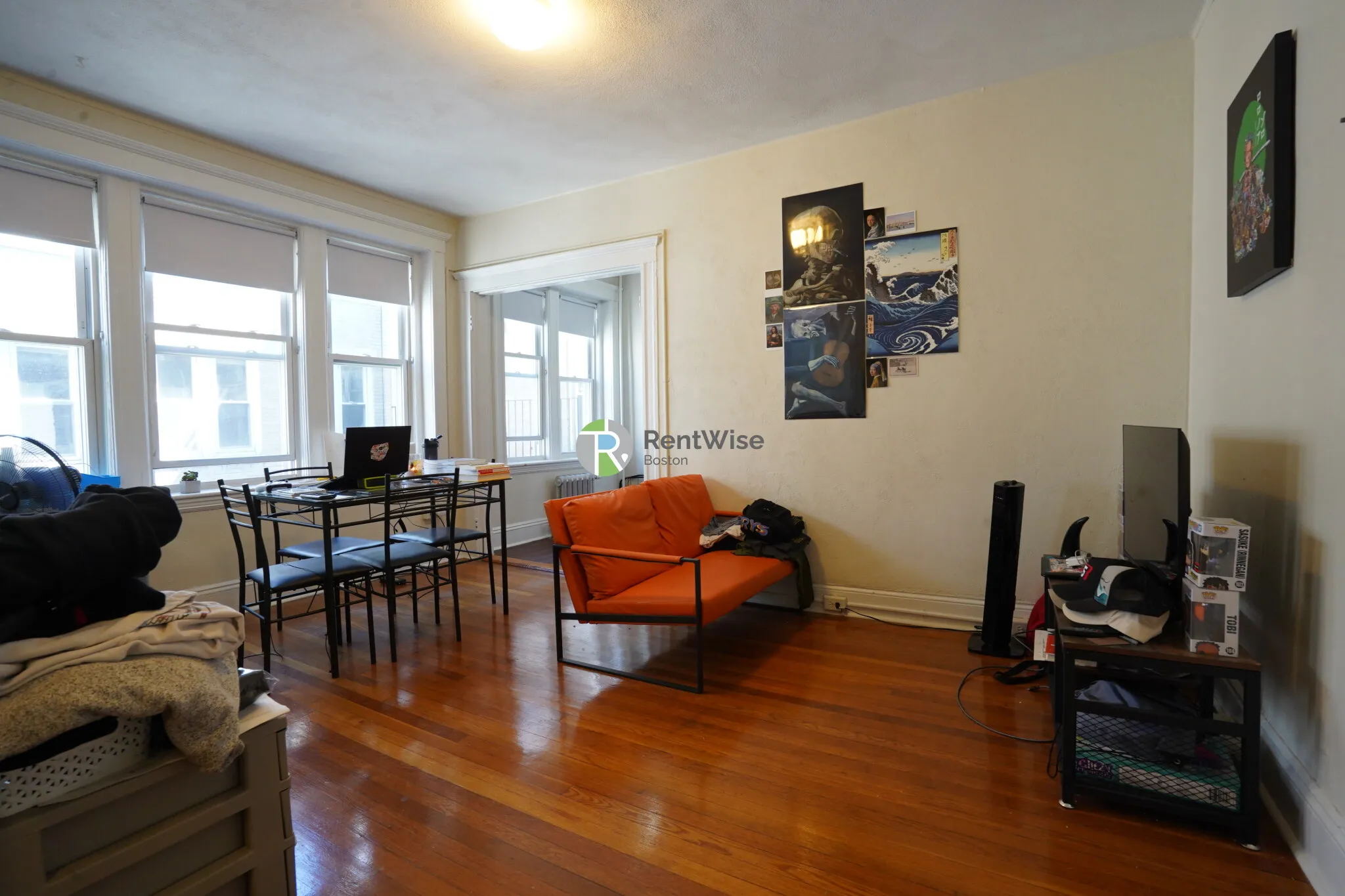
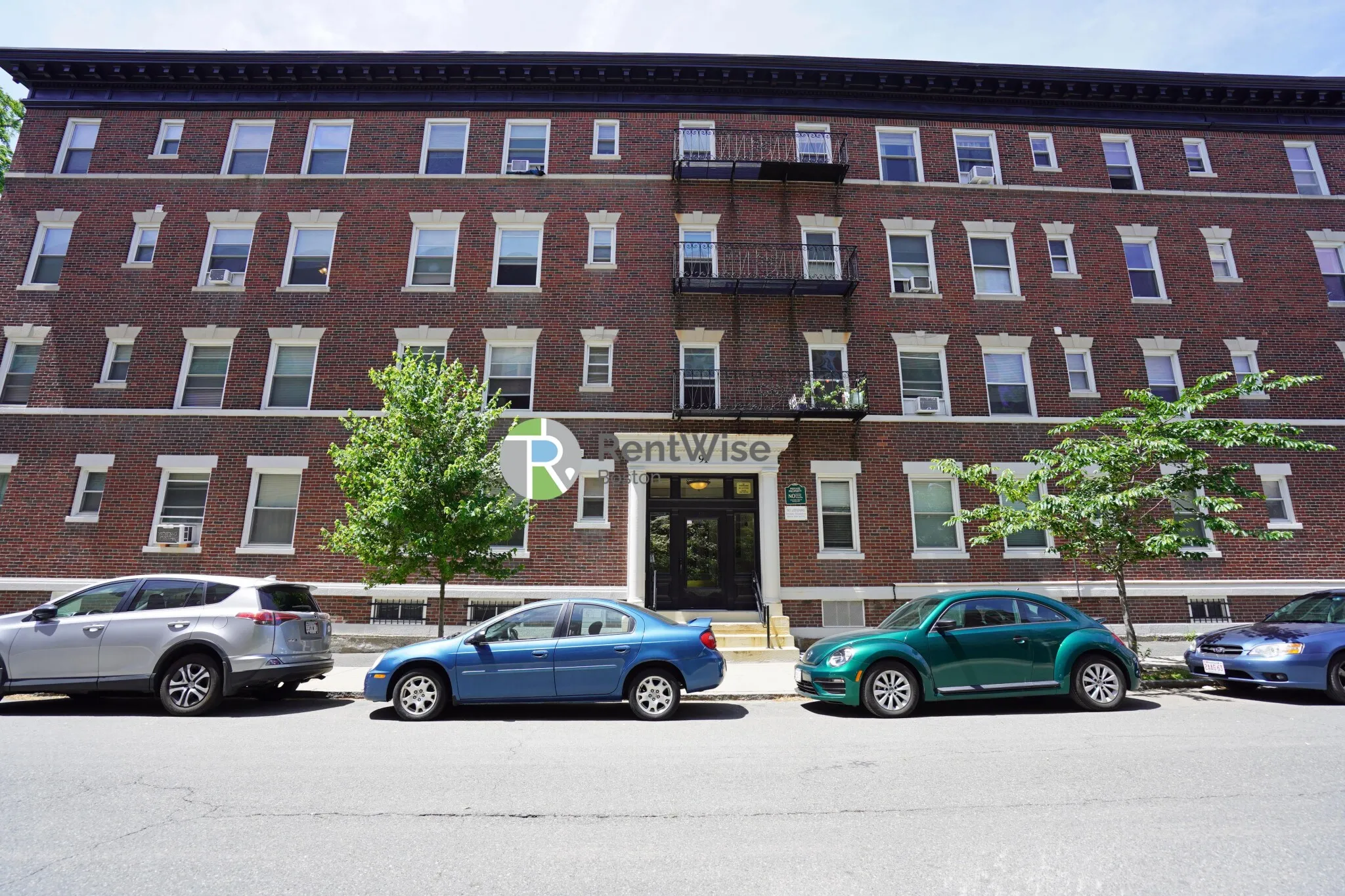
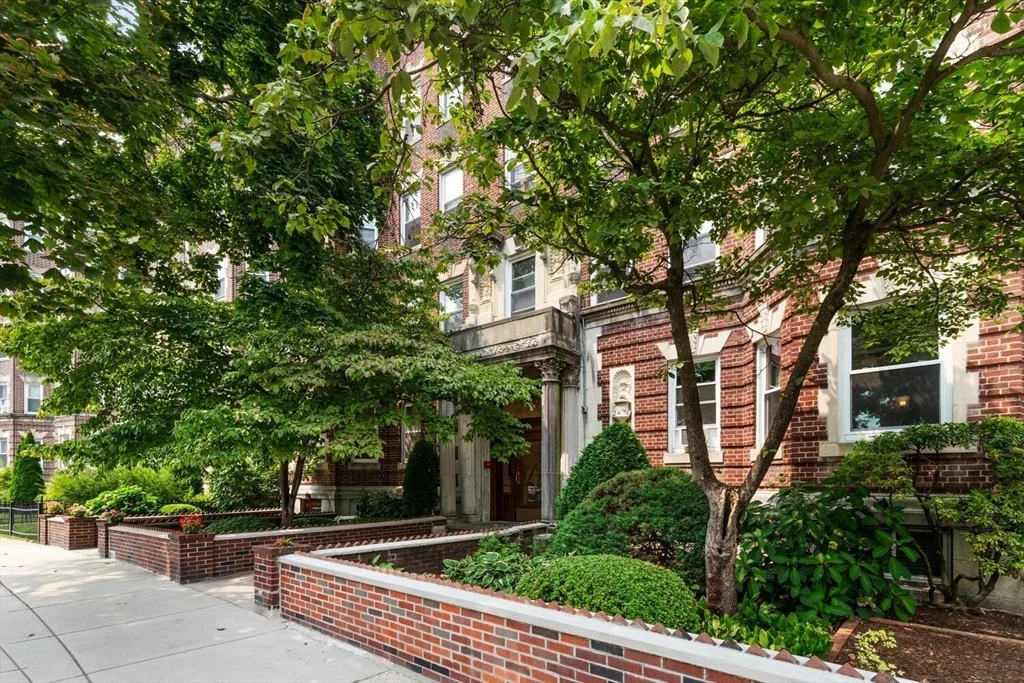
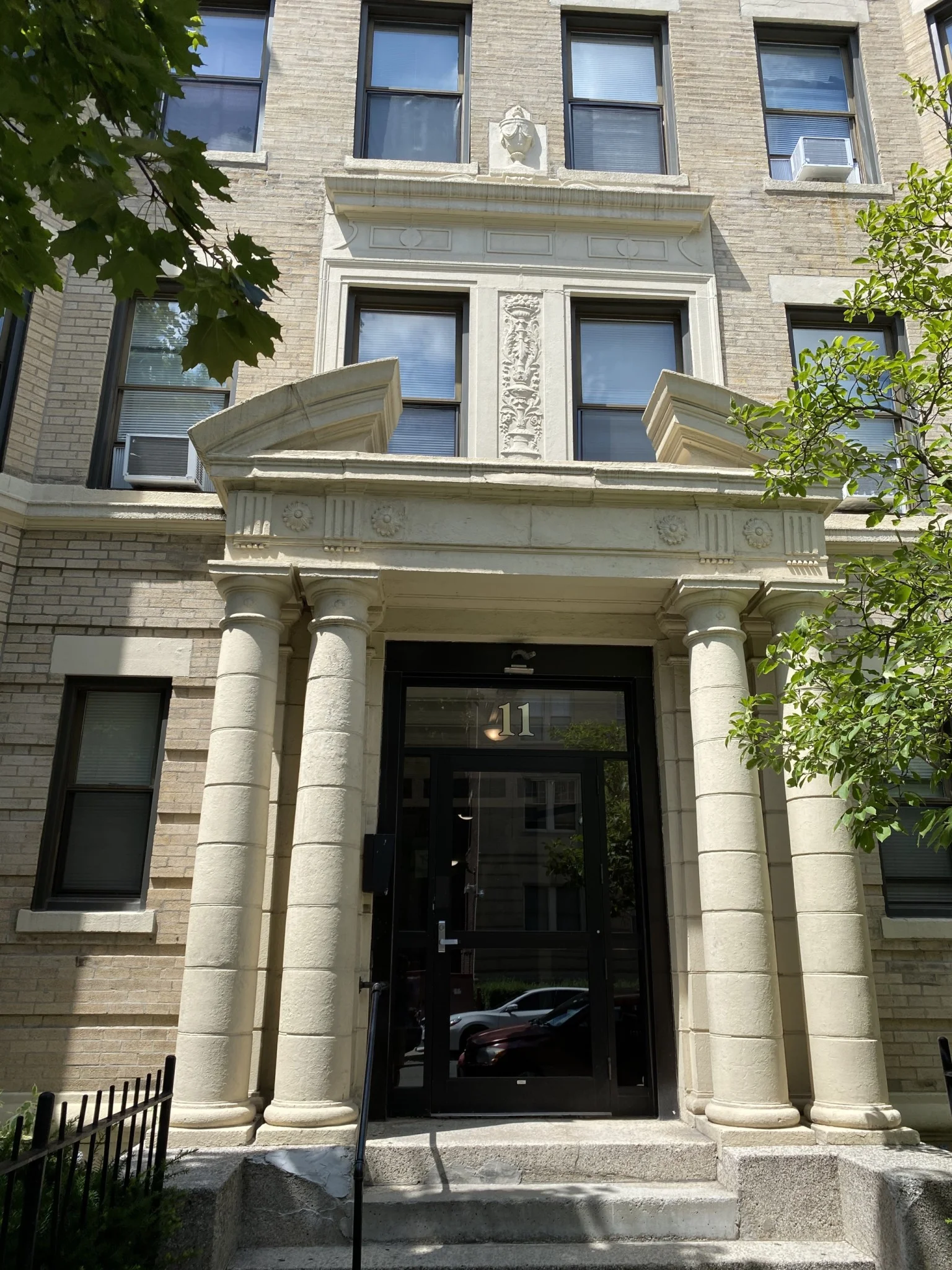
The housing stock is unlike its neighbors. Roughly two-thirds of Fenway properties listed on Spot Easy with a known unit count sit in buildings of ten units or more, and about one in six is in a building of fifty units or more. Only around one in fourteen is a two- or three-family house. Elevator access, in-building laundry, on-site management and deeded parking are ordinary here rather than exceptional. That inversion of the usual Boston pattern shapes almost everything about how a search plays out here, from what you can filter on to who signs the lease.
Lease starts cluster on September 1, and inventory for that date builds from spring, though the larger managed buildings turn over more evenly than the house stock elsewhere in the city.
Spot Easy lists Fenway apartments from verified agents, with filters for no-fee listings, parking, laundry and pet policy. Published averages by bedroom count are on the Spot Easy Rent Index.
FAQ about Fenway Apartments for Rent
What is the average rent in Fenway?
In August 2026 the average asking rent in Fenway is $2,303 for a studio, $2,856 for a 1-bedroom (+$61 higher than the median), $3,862 for a 2-bedroom and $4,811 for a 3-bedroom. Those figures come from active listings on Spot Easy, and we recalculate them each month.
How much should I budget for an apartment in Fenway?
Most 1-bedrooms in Fenway rent for about $2,856 a month — the more typical (median) price is $2,795. Studios average $2,303, 1-bedrooms average $2,856 and 2-bedrooms average $3,862. Budget toward the average — a handful of pricier units pull it above what most listings actually ask.
Are rents going up in Fenway?
The median 1-bedroom in Fenway is $2,795 in August 2026, up 1.6% from $2,750 in August 2025. We hold 15 months of Fenway rent history, built from our own listings.
Is it cheaper to split a 2-bedroom in Fenway than rent a studio?
Usually, yes. A 2-bedroom in Fenway splits to about $1,931 each, against $2,303 for a studio. That saves roughly $372 a month, or 16%.
How does Fenway rent compare with nearby neighborhoods?
For a 1-bedroom, the average in Fenway is $2,856, next to Back Bay at $3,574, Mission Hill at $2,952 and Brookline at $2,890. These cover the same bed size in the same month, and we only include areas with comparable data available.
Back Bay apartments · Mission Hill apartments · Brookline apartments
Which Green Line branches serve Fenway?
All four, which is true of no other Boston neighborhood. Confirmed against the MBTA's own route data: the B branch runs through Blandford Street and the Boston University stops, the C and D both pass through Kenmore and Hynes Convention Center, the D calls at Fenway station itself, and the E serves Northeastern University and Museum of Fine Arts along Huntington Avenue. In practice that means you can reach four different corridors of the western suburbs and the Longwood area without changing trains, which is unusual anywhere in the system. The limitation is the other direction: there is no Red, Orange or Blue Line service anywhere in Fenway, so a destination on one of those means a change downtown. Work out which branch actually serves your daily destination before narrowing your search by street — the branches diverge quickly once past Kenmore.
Is there a commuter rail station in Fenway?
Yes — Lansdowne, on the Worcester line, sitting beside Fenway Park. It runs inbound to South Station and west through Newton toward Framingham and Worcester, which makes it genuinely useful if your work sits along that corridor rather than in the center of the city. Very few Boston neighborhoods carry both commuter rail and Green Line service, and fewer still carry all four Green Line branches alongside it. For a renter the practical point is that a Fenway address gives you a rail option that neighboring Mission Hill does not, and that is worth real money if you use it daily. It does not replace the Green Line for travel into the center, where Kenmore or Hynes will normally be quicker and more frequent. Lansdowne is also close enough to the D branch at Fenway station and to Kenmore that most addresses in the neighborhood have a realistic choice of route rather than a single option.
Will a Fenway apartment be in an apartment building?
Almost certainly, and this is the single biggest thing separating Fenway from its neighbors. Roughly two-thirds of Fenway properties listed on Spot Easy with a known unit count sit in buildings of ten units or more, and about one in six is in a building of fifty units or more. Only around one in fourteen is a two- or three-family house. That inverts the usual Boston pattern — in Jamaica Plain and Mission Hill, roughly half or more of the stock is two- and three-family houses. The consequence is that elevator access, in-building laundry, on-site management and deeded parking are ordinary requirements here rather than lucky finds, and a lease is far more likely to be handled by a company than by an owner. It also changes the practical texture of a search: you are more often comparing floor plans within one building than comparing streets, and availability is posted rather than word of mouth.
Why do large apartments in Fenway cost so much?
Because the premium widens sharply with bedroom count. In August 2026 the Fenway average for a three-bedroom was $4,811, against $4,069 across Boston and $4,085 across Greater Boston — roughly 18% above the city figure, and the widest gap of any size Fenway publishes. The ladder is steep throughout: $2,303 for a studio, $2,856 for a one-bedroom, $3,862 for a two-bedroom and $4,811 for a three-bedroom. At the small end Fenway runs slightly below the city; at the top it is in a different market entirely. If you are searching as a group, that spread is worth taking seriously — the same total budget goes very much further in Jamaica Plain, where four-plus-bedroom apartments averaged $4,515. Per bedroom the picture softens — a three-bedroom at $4,811 works out near $1,604 a room against $2,856 for a one-bedroom — but the total commitment is the highest of any neighborhood in this group.
What is the difference between Fenway and Kenmore?
They are two halves of the same officially recognized Boston neighborhood, usually written Fenway-Kenmore, and the Rent Index prices them as one scope. Kenmore is the northern end, centred on Kenmore Square where the B, C and D branches converge and the ballpark sits a short walk away. Fenway proper runs south and west from there, along the Muddy River and the Emerald Necklace, toward the Longwood cluster and Mission Hill. In search terms the distinction matters less than it sounds, because both ends are served by the same fare-controlled Green Line spine and both are dominated by larger buildings. What does vary is how close you sit to the ballpark, and whether your nearest station carries one branch or three. If you are comparing listings across the two, treat the station and the building type as the real variables rather than which of the two names a listing happens to use.
How does Fenway compare with Mission Hill and Jamaica Plain?
They sit in a line running south and get more house-like, though the pricing no longer falls neatly in that order. On price, the August 2026 one-bedroom averages were $2,856 in Fenway and $2,952 in Mission Hill; Jamaica Plain did not publish a one-bedroom figure that month. The gap widens at the top: three-bedrooms averaged $4,811, $3,682 and $3,470 respectively; Fenway published no four-plus figure in August 2026. On housing stock the contrast is starker still — about two-thirds of Fenway properties are in buildings of ten units or more, against roughly one in seven in both of the others, where two- and three-family houses dominate. So the choice is not really about a few hundred dollars. It is about whether you want a managed building or a floor of a house, and the three neighborhoods answer that very differently. Journey times differ less than the prices do, since all three sit on fast, frequent lines into the center, which is what makes the comparison worth making at all.
When should I start looking for an apartment in Fenway?
Four to five months ahead for a September start, which is when most of the city turns over. Inventory for that date builds from spring onward, so a search opening in July arrives after most of the year's supply has been viewed. Fenway does have one real advantage over the house-dominated neighborhoods nearby: because roughly two-thirds of its stock sits in buildings of ten units or more, and those turn over more evenly through the year than two- and three-family houses do, an off-cycle start date is considerably more achievable here. If you need a January or spring move, concentrate on the larger buildings from the outset — that is where mid-year vacancies actually appear, rather than waiting for a house floor to come free at the right moment. Set saved searches in March or April rather than browsing casually in June, and be ready to view quickly once something suitable appears.
How do I find no-broker-fee apartments in Fenway?
Filter for no-fee listings on Spot Easy, then confirm the terms in writing before you apply. Fee arrangements are set per listing rather than per neighborhood, so two buildings on the same street can differ. Treat a listing that says nothing about a fee as unconfirmed rather than fee-free — silence is missing information, not an absence. Where a fee applies it is commonly quoted as a month's rent, which against the August 2026 Fenway one-bedroom average of $2,856 is a substantial addition to move-in costs that already include first month, last month and a security deposit. Fenway's concentration of larger managed buildings means the no-fee filter returns a different mix here than in the house markets to the south. Every agent listing on Spot Easy is verified before their listings go live. Ask the agent directly what is owed at signing, and get the full figure before you commit to a schedule of viewings.
What documents do I need to rent an apartment in Fenway?
Photo identification, recent pay stubs or an offer letter, bank statements, and previous landlord references. Because Fenway is dominated by professionally managed buildings, formal credit and income screening is the norm here rather than the exception, and a guarantor may be requested if your income does not meet a building's stated multiple of the rent — so allow a day or two for processing rather than expecting a decision on the spot. Massachusetts law limits what may be collected at signing to first month's rent, last month's rent, a security deposit of no more than one month's rent, and the cost of a new lock. The deposit must be held in a separate interest-bearing account at a Massachusetts bank, and you are owed a receipt for it. Having everything assembled in advance matters more here than in a small-landlord market, because applications are compared against each other rather than considered one at a time.