



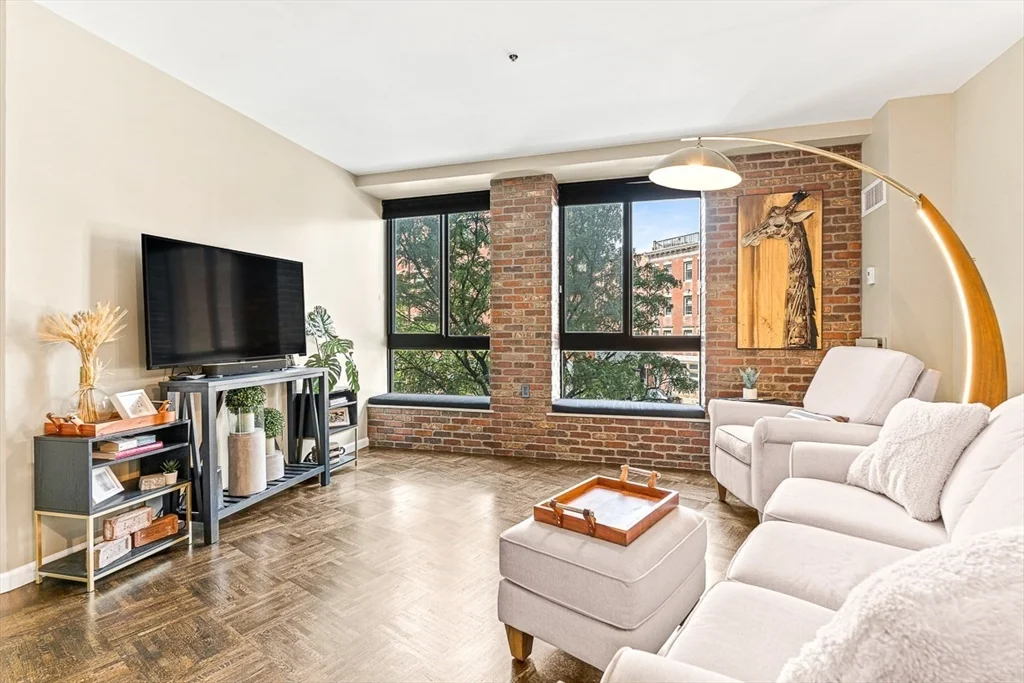
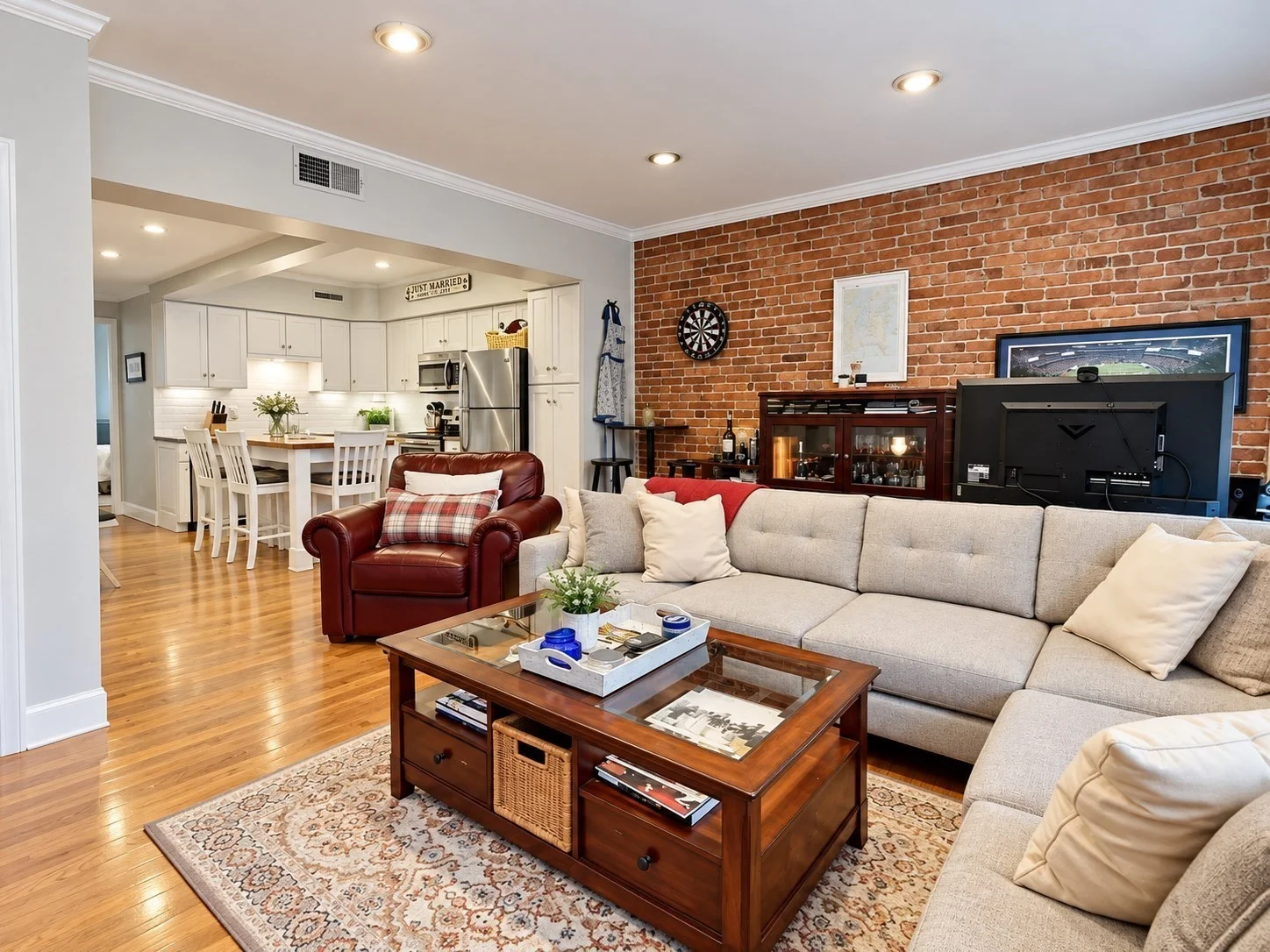
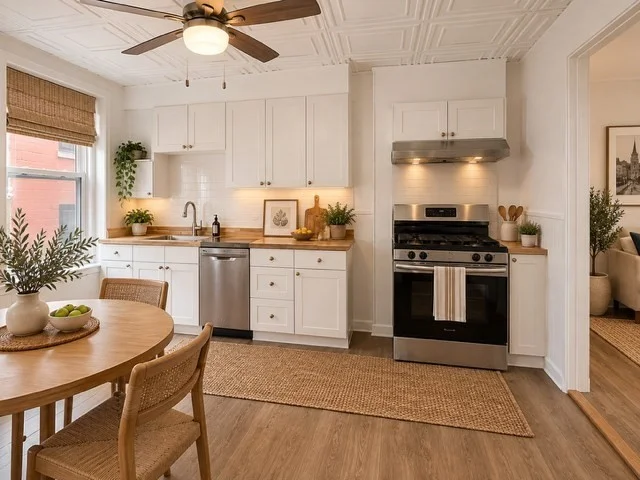
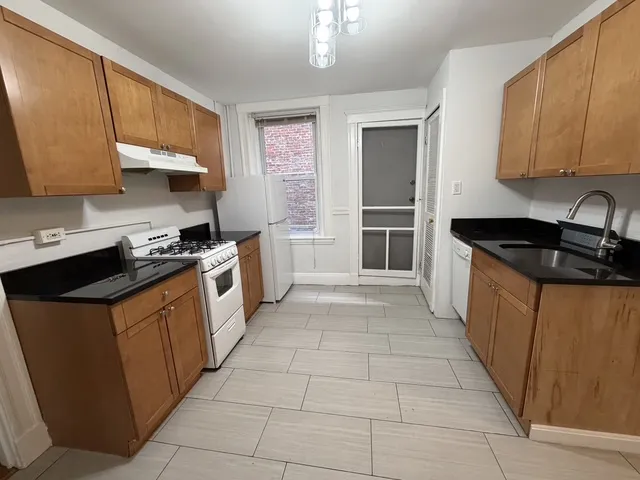
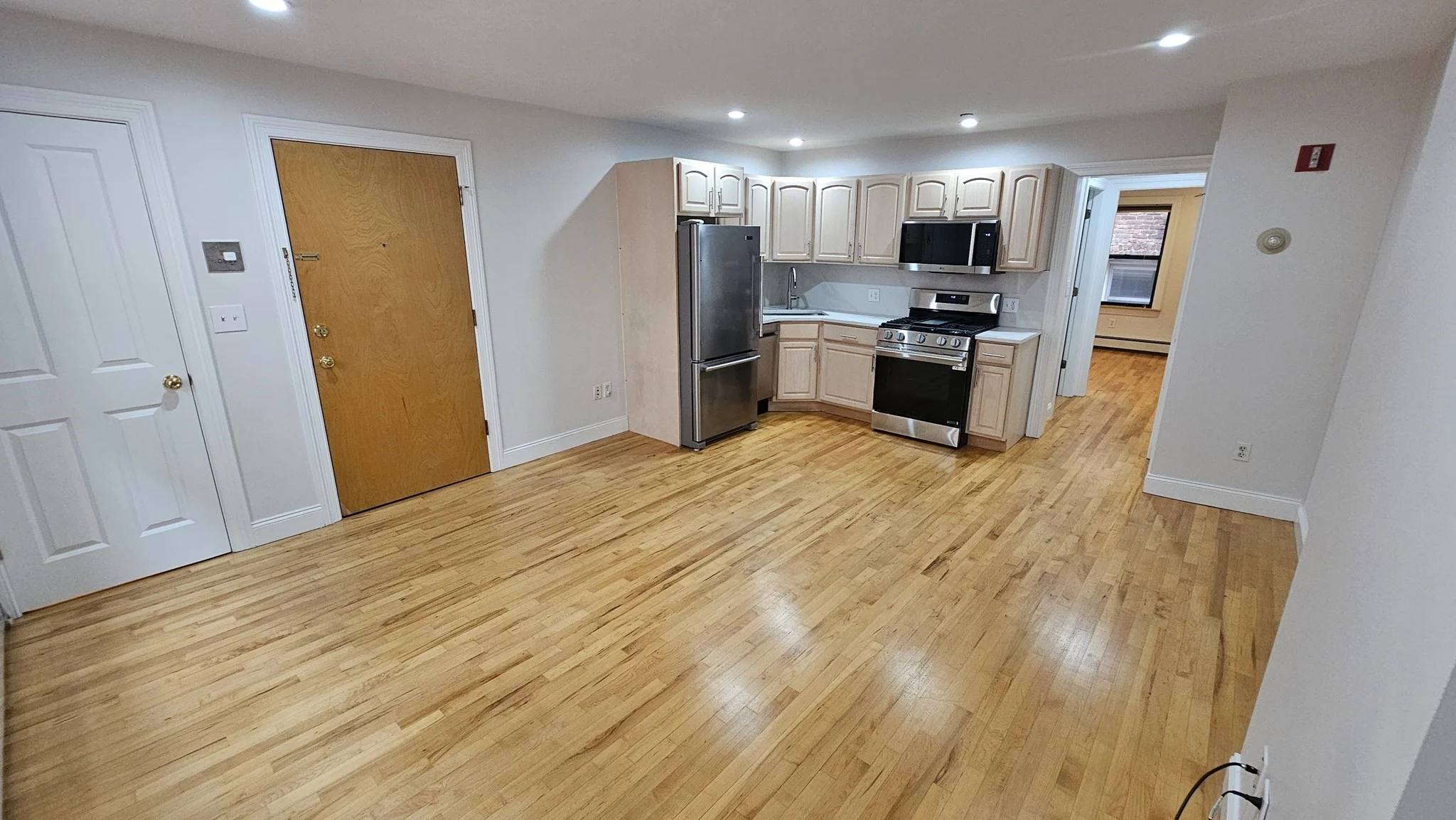
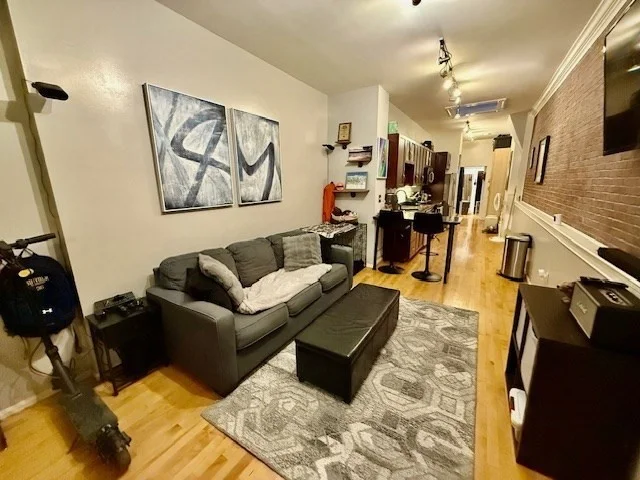
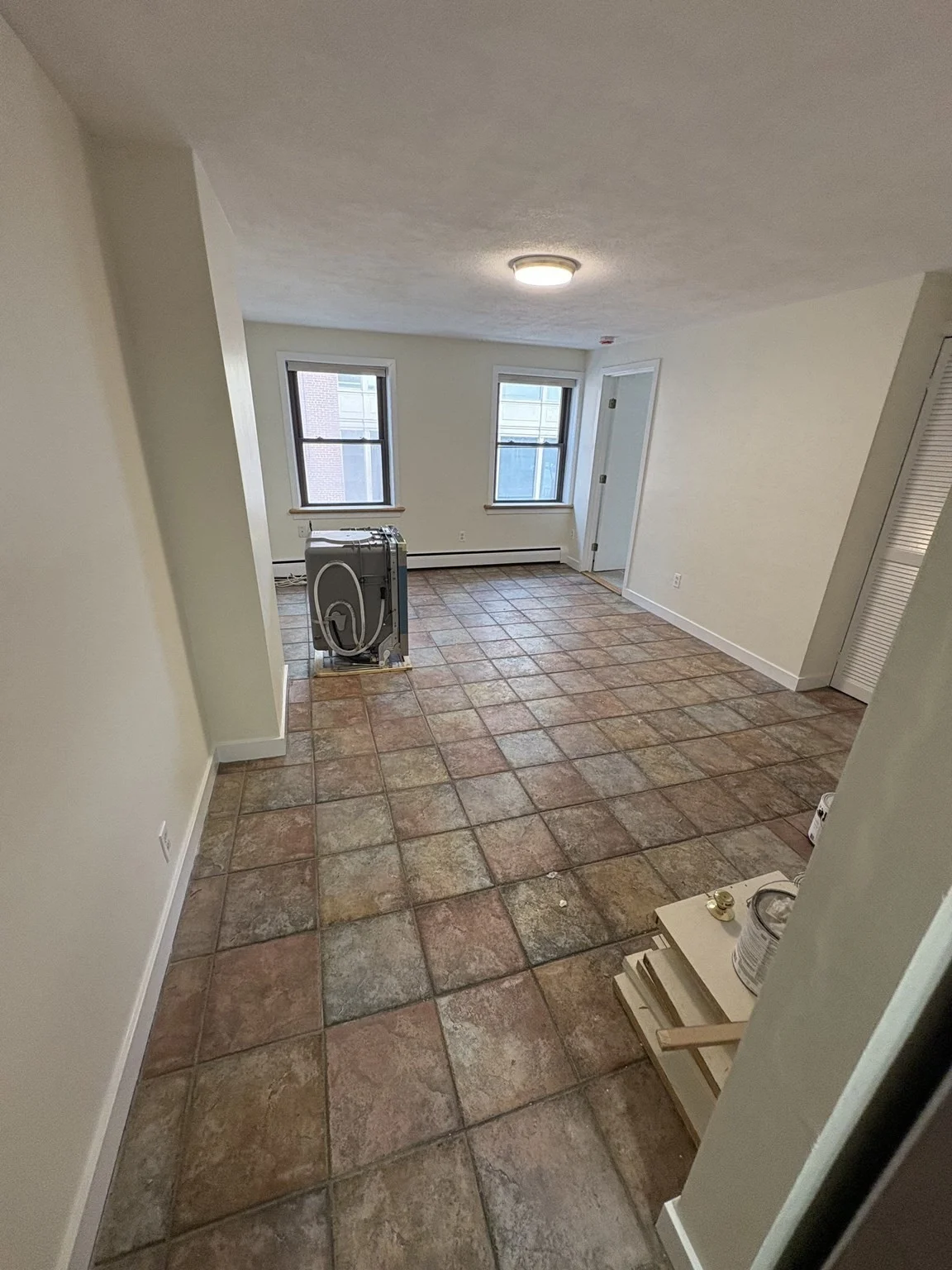

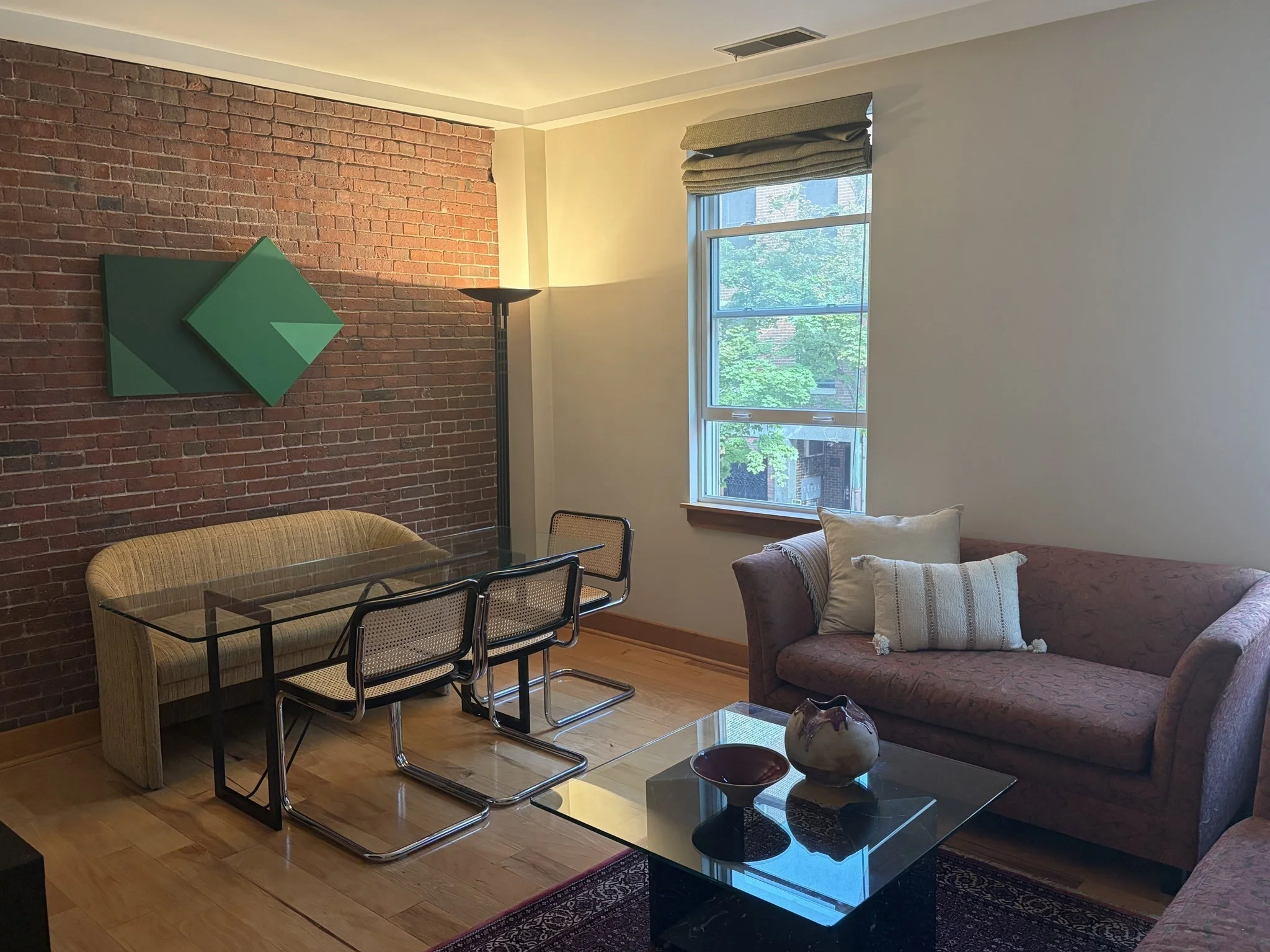


Average rent in North End
As of August 2026, active listings on Spot Easy, each posted by verified agents.
| Size | Average |
|---|---|
| 1-bedroom | $3,411 |
| 2-bedroom | $4,500 |
About North End
The North End is Boston's oldest neighborhood, a dense wedge of narrow streets between the harbor and the Rose Kennedy Greenway, and it is built almost entirely of small buildings. The Spot Easy Rent Index put the average asking rent for a North End one-bedroom at $3,411 in August 2026, against $2,928 across Boston and $2,863 across Greater Boston. The more typical listing asks $2,850, so a smaller number of higher-end units lifts the average above what most one-bedrooms are actually listed at. Two-bedrooms averaged $4,500; the Index published no three-bedroom figure for the North End in August 2026. The index publishes neither a studio nor a four-plus figure for the neighborhood. Both absences reflect the housing rather than a data gap: this is a neighborhood of small buildings, so the very smallest and very largest units barely exist.
Three subway lines sit within a short walk despite there being no station inside the neighborhood itself. Haymarket is about a quarter mile away on the Orange Line and the Green Line D and E branches, Aquarium adds the Blue Line at roughly a third of a mile, and North Station brings Orange, Green and commuter rail on the Fitchburg line at much the same distance. What is missing is the Red Line, which has no station within comfortable walking distance.
Beacon Hill lies west beyond Government Center and East Boston sits across the harbor.
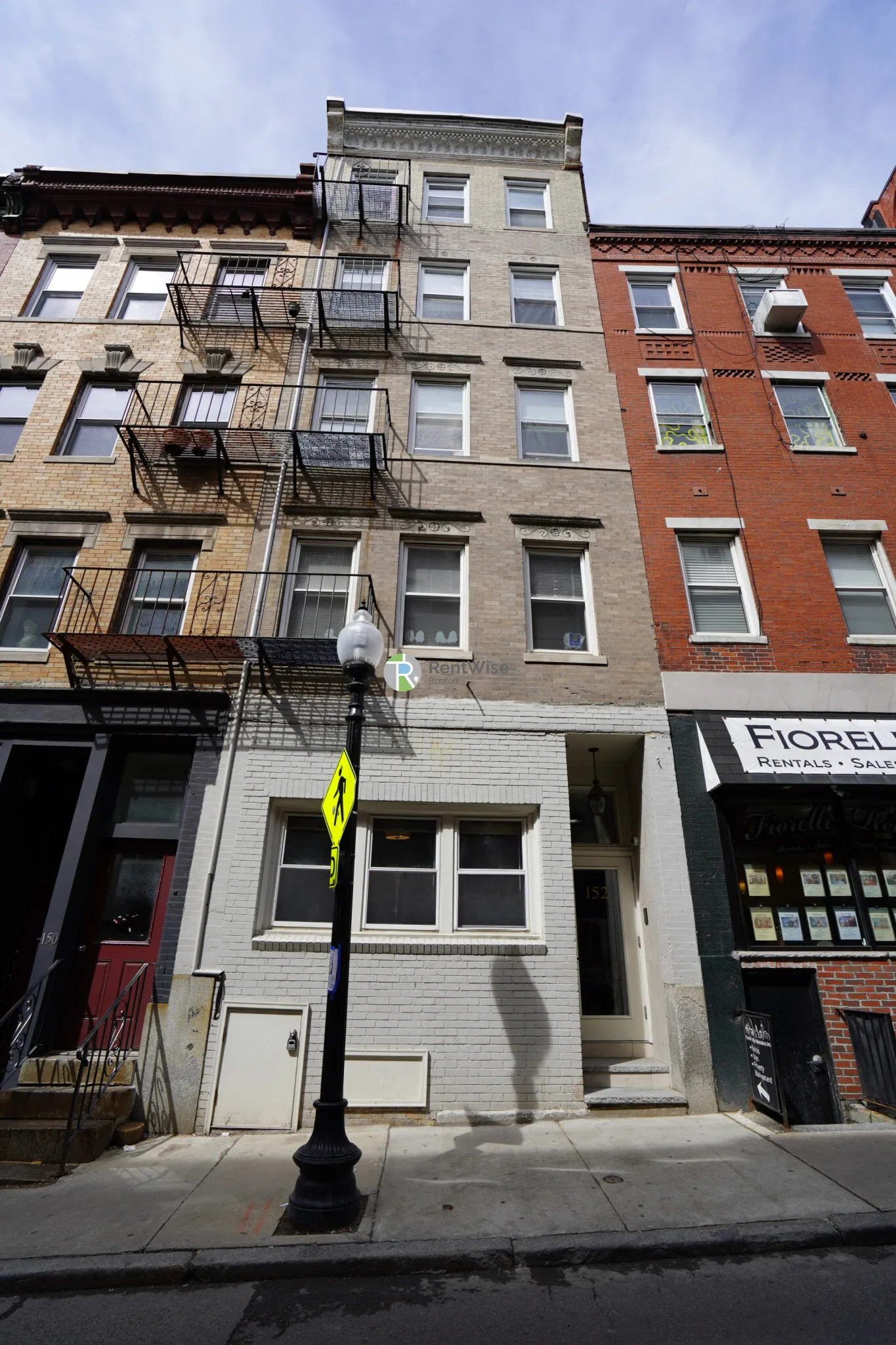
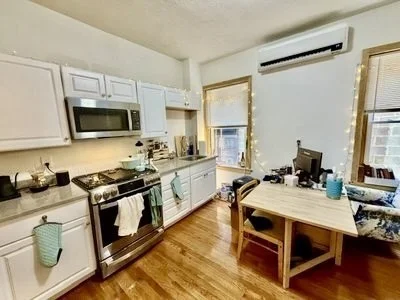
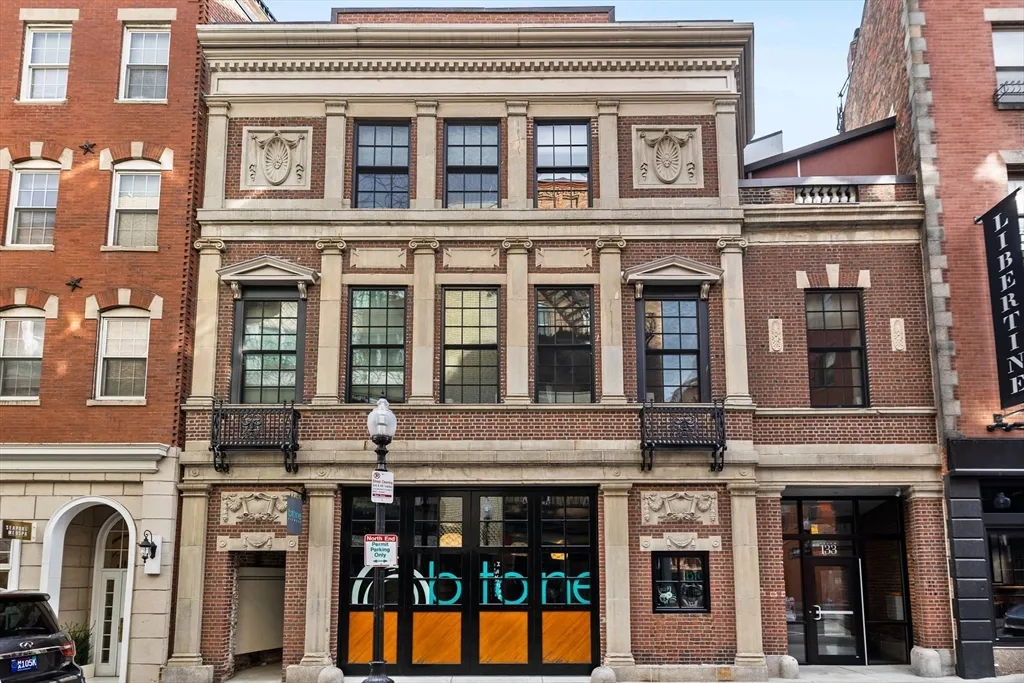
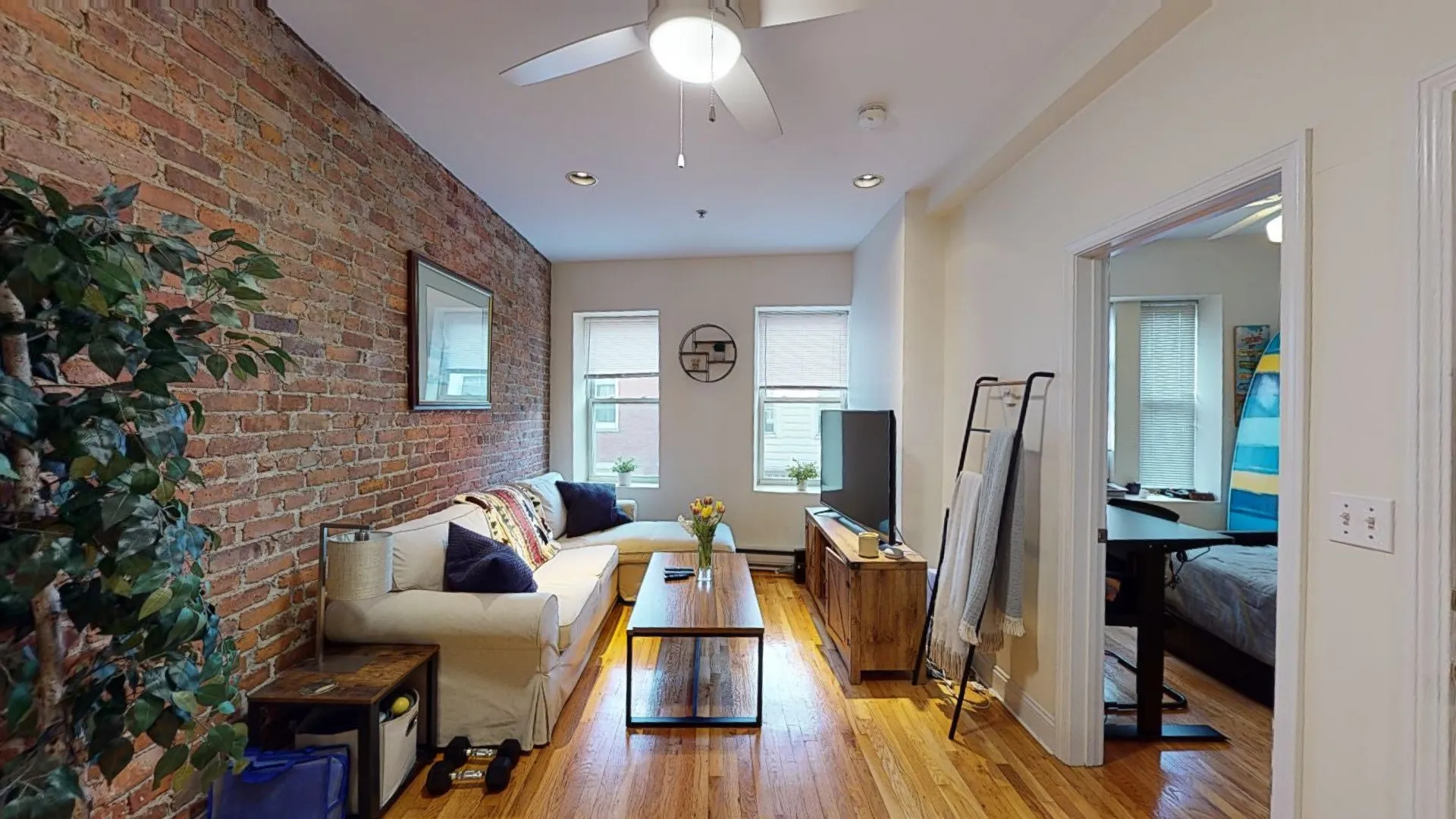
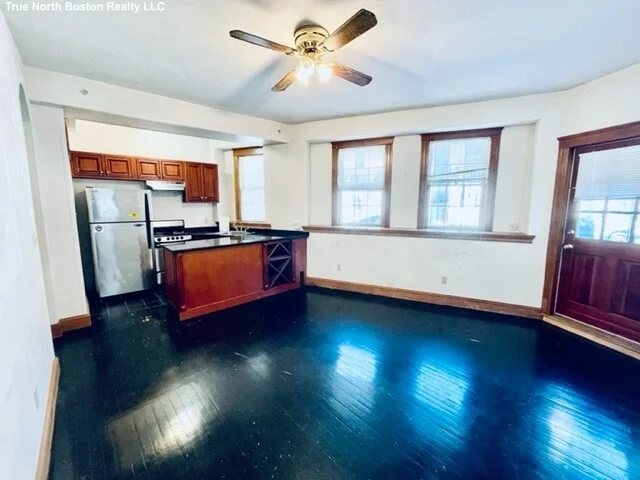
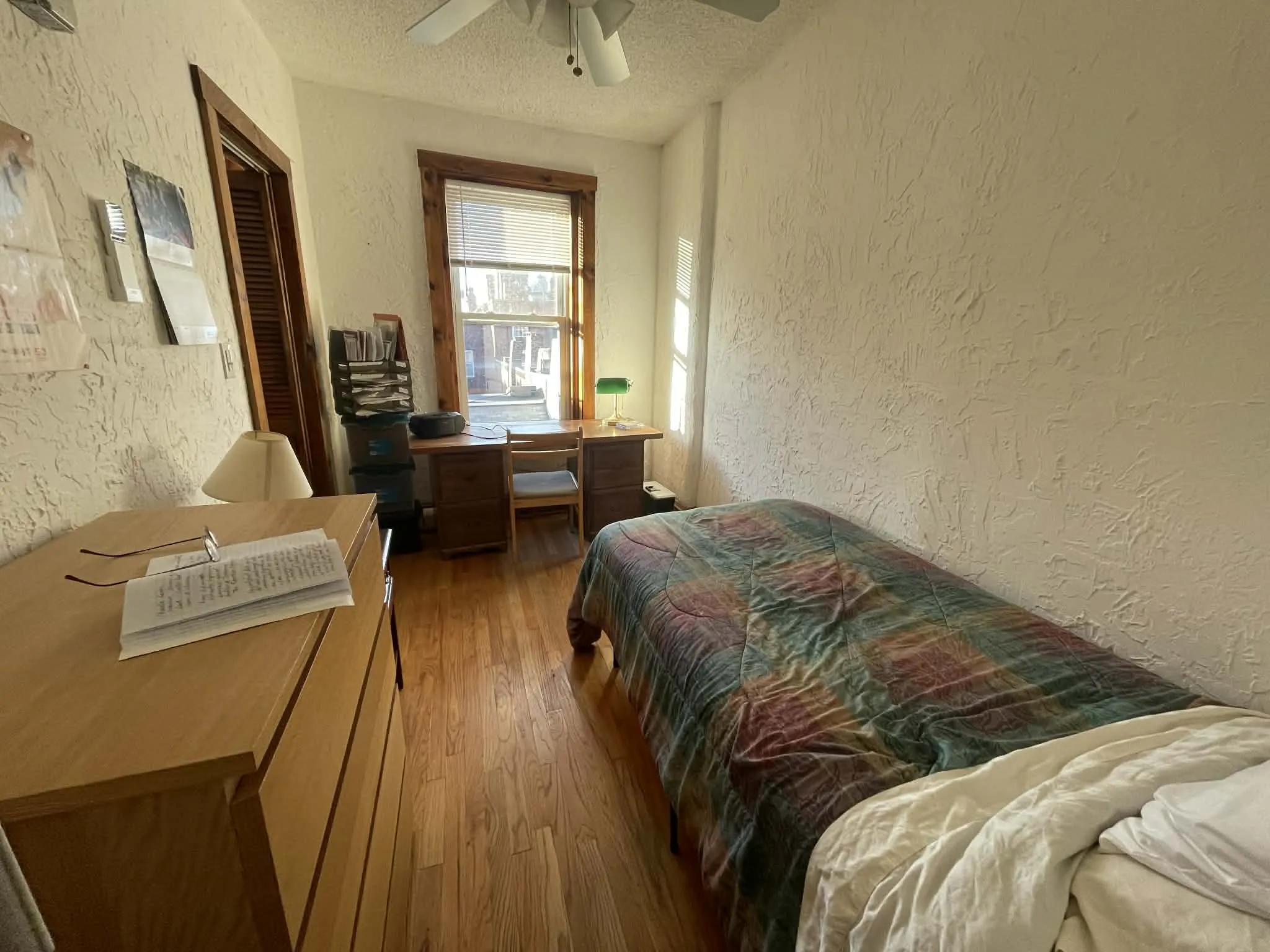
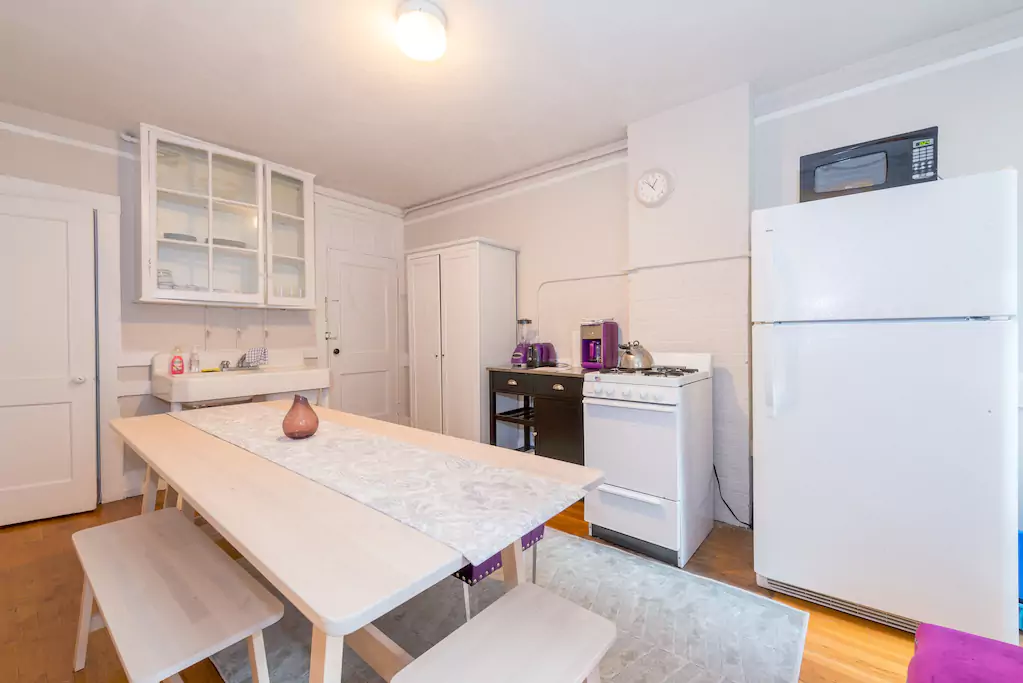
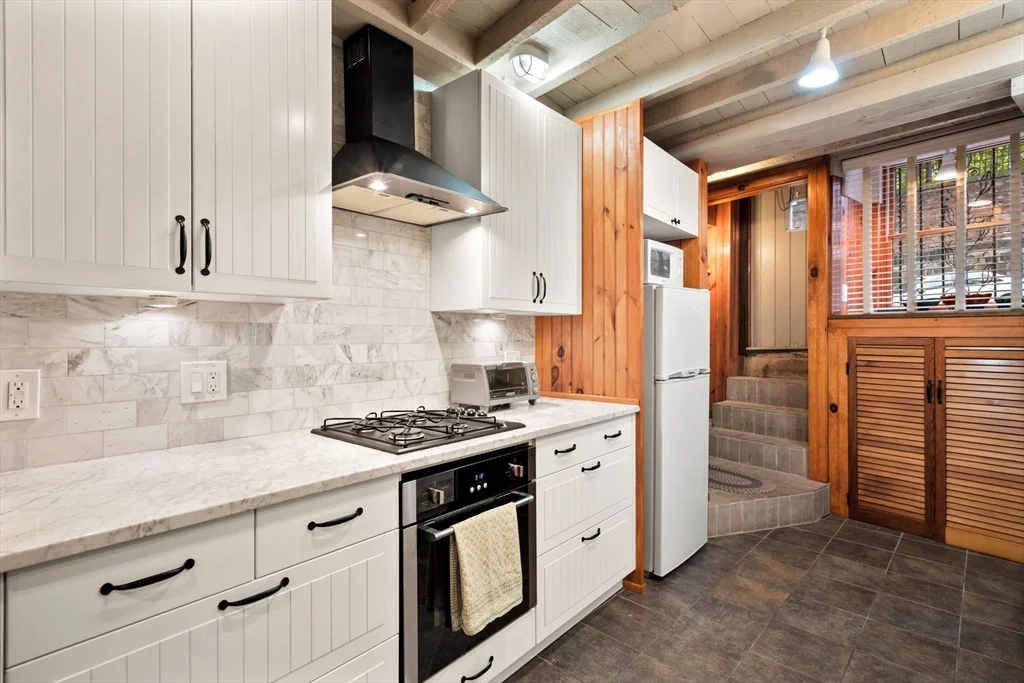
The building stock is the most distinctive thing about renting here. More than half of North End properties listed on Spot Easy with a known unit count sit in buildings of four to nine units — the highest concentration of small buildings of any neighborhood measured — and only about one in twenty-seven is in a building of fifty units or more. Two- and three-family houses are uncommon, around one in ten. Expect a unit in a narrow brick building on a narrow street, frequently walk-up. Parking is the other consequence — the streets predate cars and off-street spaces are genuinely rare.
Lease starts follow the September 1 cycle, and because the buildings are small, vacancies appear one at a time rather than in waves.
Spot Easy lists North End apartments from verified agents, with filters for no-fee listings, parking, laundry and pet policy. Published averages by bedroom count are on the Spot Easy Rent Index.
FAQ about North End Apartments for Rent
What is the average rent in North End?
In August 2026 the average asking rent in North End is $3,411 for a 1-bedroom (+$561 higher than the median) and $4,500 for a 2-bedroom. Those figures come from active listings on Spot Easy, and we recalculate them each month.
How much should I budget for an apartment in North End?
Most 1-bedrooms in North End rent for about $3,411 a month — the more typical (median) price is $2,850. 1-bedrooms average $3,411 and 2-bedrooms average $4,500. Budget toward the average — a handful of pricier units pull it above what most listings actually ask.
Are rents going up in North End?
The median 1-bedroom in North End is $2,850 in August 2026, down 5.4% from $3,013 in August 2025. We hold 15 months of North End rent history, built from our own listings.
How does North End rent compare with nearby neighborhoods?
For a 1-bedroom, the average in North End is $3,411, next to Beacon Hill at $3,069, Boston Downtown at $3,610 and East Boston at $2,670. These cover the same bed size in the same month, and we only include areas with comparable data available.
Beacon Hill apartments · Boston Downtown apartments · East Boston apartments
Which trains can I walk to from the North End?
Three subway lines and the commuter rail, though none of the stations sits inside the neighborhood. Measured against the MBTA's own station coordinates: Haymarket is about a quarter mile away and carries the Orange Line plus the Green Line D and E branches; Aquarium adds the Blue Line at roughly a third of a mile; and North Station brings Orange, Green and commuter rail on the Fitchburg line at much the same distance. Government Center and State are both a little further and add more Blue and Green options. The gap is the Red Line, which has no station within a comfortable walk — for that you would change at Park Street or Downtown Crossing. For a compact neighborhood with no station of its own, three subway lines plus commuter rail inside half a mile is unusually strong coverage — the walk is the price, and in a neighborhood this small it is a short one.
What can I reach from North Station?
North Station combines the Orange Line, the Green Line D and E branches and commuter rail on the Fitchburg route, roughly a third of a mile from the middle of the North End. That makes it the neighborhood's link to the northwestern suburbs without a change, and it is the only commuter rail option within walking distance — the North End has nothing else. It is also the arena and concert venue, which matters practically: event nights change how busy the surrounding streets and platforms are, and it is worth knowing before you commit to an address on that side of the neighborhood. For most day-to-day journeys into the center, Haymarket is closer and usually the better choice. If you commute on the Fitchburg line, an address on the western side of the neighborhood is worth prioritising over one nearer the harbor.
Are North End buildings mostly small?
Overwhelmingly. More than half of North End properties listed on Spot Easy with a known unit count sit in buildings of four to nine units — the highest concentration of small buildings of any neighborhood measured in this series — and only about one in twenty-seven is in a building of fifty units or more. Two- and three-family houses are uncommon here, around one in ten, which is the reverse of most of Boston. What that means in practice is a unit in a narrow brick building on a narrow street, often four or five stories with a handful of apartments, and frequently no elevator. It also means fewer amenities as standard: on-site management, in-building laundry and deeded parking are all less common than the rent level might suggest. It also means that when a unit does come free it is usually the only one in that building, so listings appear singly rather than in groups.
Do North End apartments have elevators?
Often not, and the building stock explains why. More than half of North End properties sit in buildings of four to nine units, which are usually too small to have been built with an elevator or to retrofit one economically. About a third are in buildings of ten units or more, and that is where step-free access realistically exists. So elevators are findable but they are the exception, and a high rent is no guide — this is an old neighborhood of narrow buildings, not a modern one. If step-free entry is a requirement rather than a preference, filter for the Elevator amenity, ask the agent about the entrance, and expect the search to take longer. South Boston and the wider city both offer more of that stock at comparable rents. Ask specifically how many flights are involved, because a fourth-floor walk-up in a narrow building is a materially different proposition from a second-floor one.
How does the North End compare with Beacon Hill?
They are Boston's two oldest and most walkable neighborhoods and they rent similarly, but the buildings differ. August 2026 one-bedroom averages were $3,411 in the North End against $3,069 in Beacon Hill. Both are dominated by small buildings, but the North End leans harder that way — more than half its properties are in buildings of four to nine units against roughly two in five on Beacon Hill, which carries more mid-sized buildings. On transit, Beacon Hill reaches all four subway lines on foot while the North End reaches three and has no Red Line access. Beacon Hill also sits closer to the downtown core, while the North End has North Station and the harbor on its doorstep. Both are small enough that searching them together rather than separately is the sensible approach, since either alone is a thin market.
Are large apartments available in the North End?
They are scarce, and the data reflects it directly: the Spot Easy Rent Index publishes no four-plus-bedroom figure for the North End at all, and no studio figure either. Two-bedrooms are published, at a $4,500 average in August 2026; three-bedrooms were too thin to publish a figure for that month. The reason is structural — the neighborhood is built of small buildings on narrow streets, so whole floors carrying four or more bedrooms barely exist as a product. If you are searching as a group, expect a very thin market here and be ready to look at South Boston or Dorchester, where the two- and three-family stock supplies large apartments as ordinary inventory rather than as a rarity. Two-bedrooms at $4,500 are the practical ceiling for most searches here. Three-bedrooms do exist but are thin enough that the Index published no figure for them in August 2026, so treat them as a search that starts in spring rather than summer.
When should I start looking for an apartment in the North End?
Four to five months ahead. The neighborhood follows the September 1 cycle, and because the buildings are small, vacancies appear one or two at a time rather than as a wave — there are very few large managed buildings whose turnover would spread across the calendar. That makes the market thin at every point in the year and particularly thin off-cycle. Inventory for September builds from early spring, so a search opening in July arrives after most of the year's supply has been viewed. Set saved searches early and be ready to view within a day or two, because in a neighborhood this compact a good unit does not stay available long enough to think about. Because the buildings are small there is rarely a second comparable unit in the same building to fall back on, which makes moving quickly more important here than in a market of larger blocks.
How do I find no-broker-fee apartments in the North End?
Filter for no-fee listings on Spot Easy and confirm the terms in writing before applying. Fee arrangements are set per listing rather than per neighborhood, so two buildings on the same street can differ. Treat a listing that says nothing about a fee as unconfirmed rather than fee-free — silence is missing information, not an absence. Where a fee applies it is commonly a month's rent, which against the August 2026 North End one-bedroom average of $3,411 is a substantial addition to move-in costs that already include first month, last month and a security deposit. Because the stock here is small buildings owned largely by individuals rather than management companies, terms vary more than in a market of large buildings. Every agent listing on Spot Easy is verified before their listings go live. Ask the agent directly what is owed at signing and get the full figure before committing to viewings.
What documents do I need to rent an apartment in the North End?
Photo identification, recent pay stubs or an offer letter, bank statements and previous landlord references. Because the North End's stock is small buildings owned largely by individuals rather than management companies, screening is often less formal than in a large managed building — but references carry more weight, and decisions are frequently made quickly and in person, so having everything assembled beforehand is a genuine advantage in a market this thin. Massachusetts law caps what may be collected at signing: first month's rent, last month's rent, a security deposit of no more than one month's rent, and the cost of a new lock. The deposit must be held in a separate interest-bearing account at a Massachusetts bank, and you are owed a receipt for it. Ask who manages the building day to day as well, because in a four-to-nine-unit building it is very often the owner rather than a management office.