


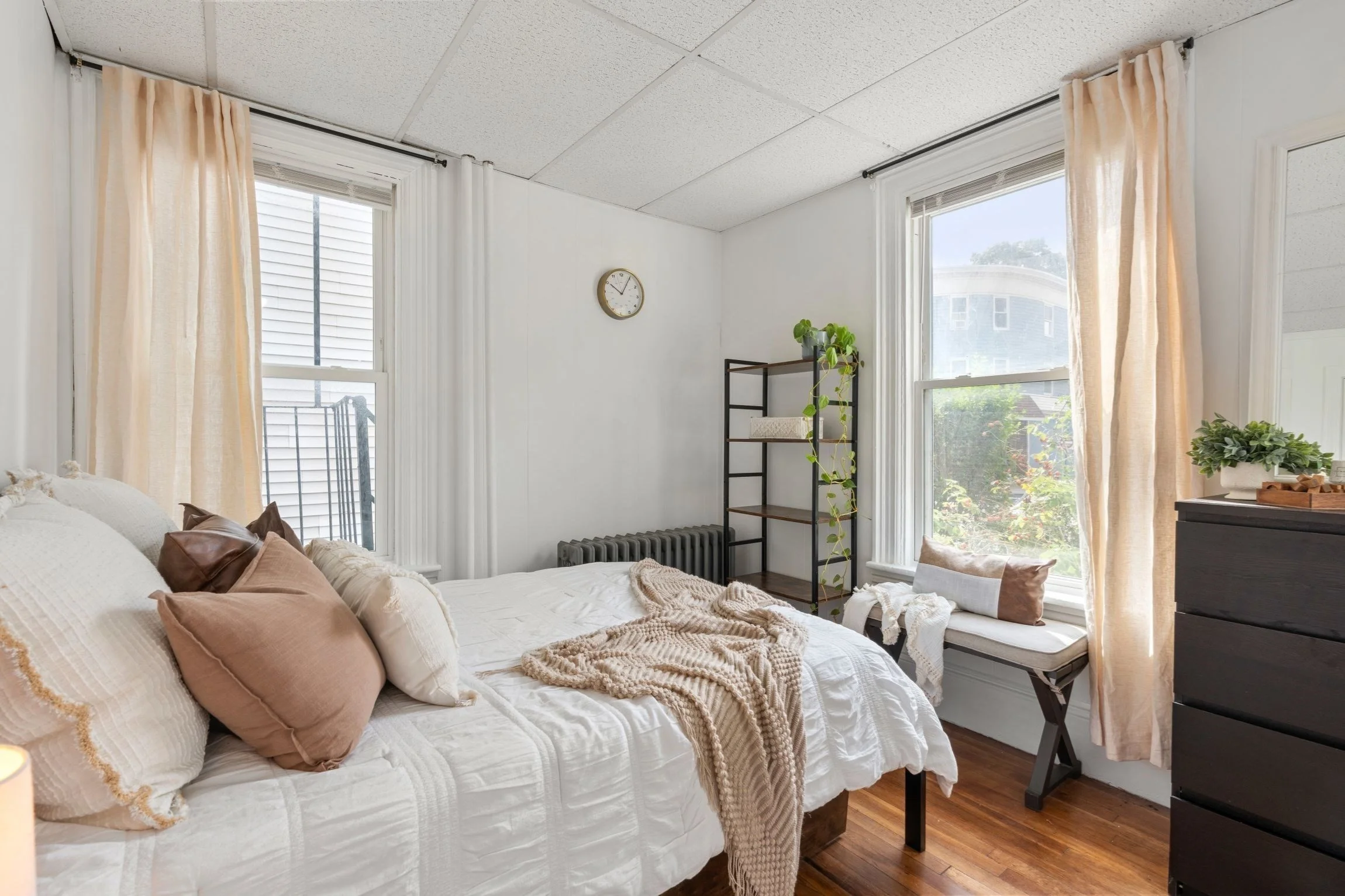
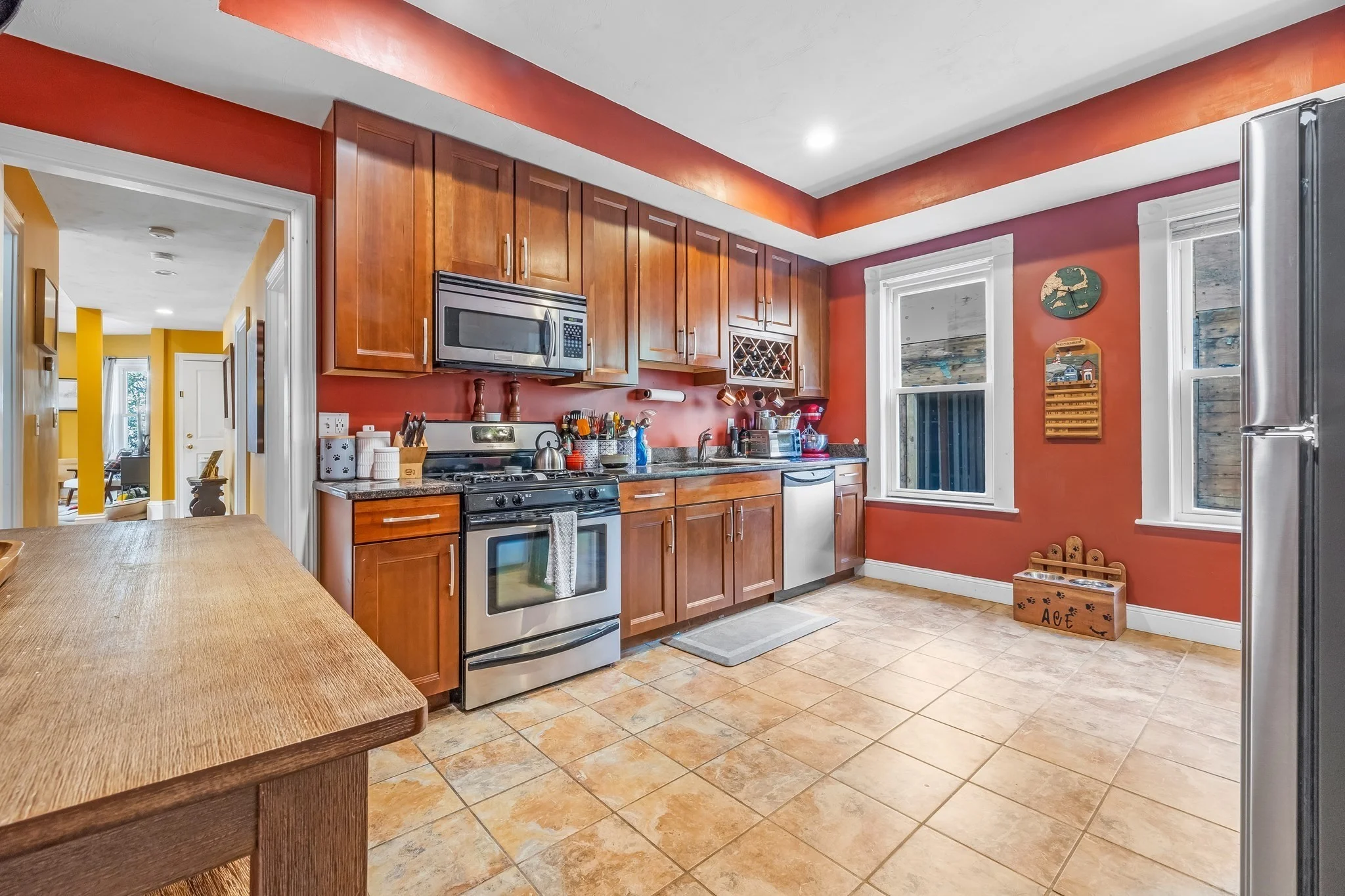
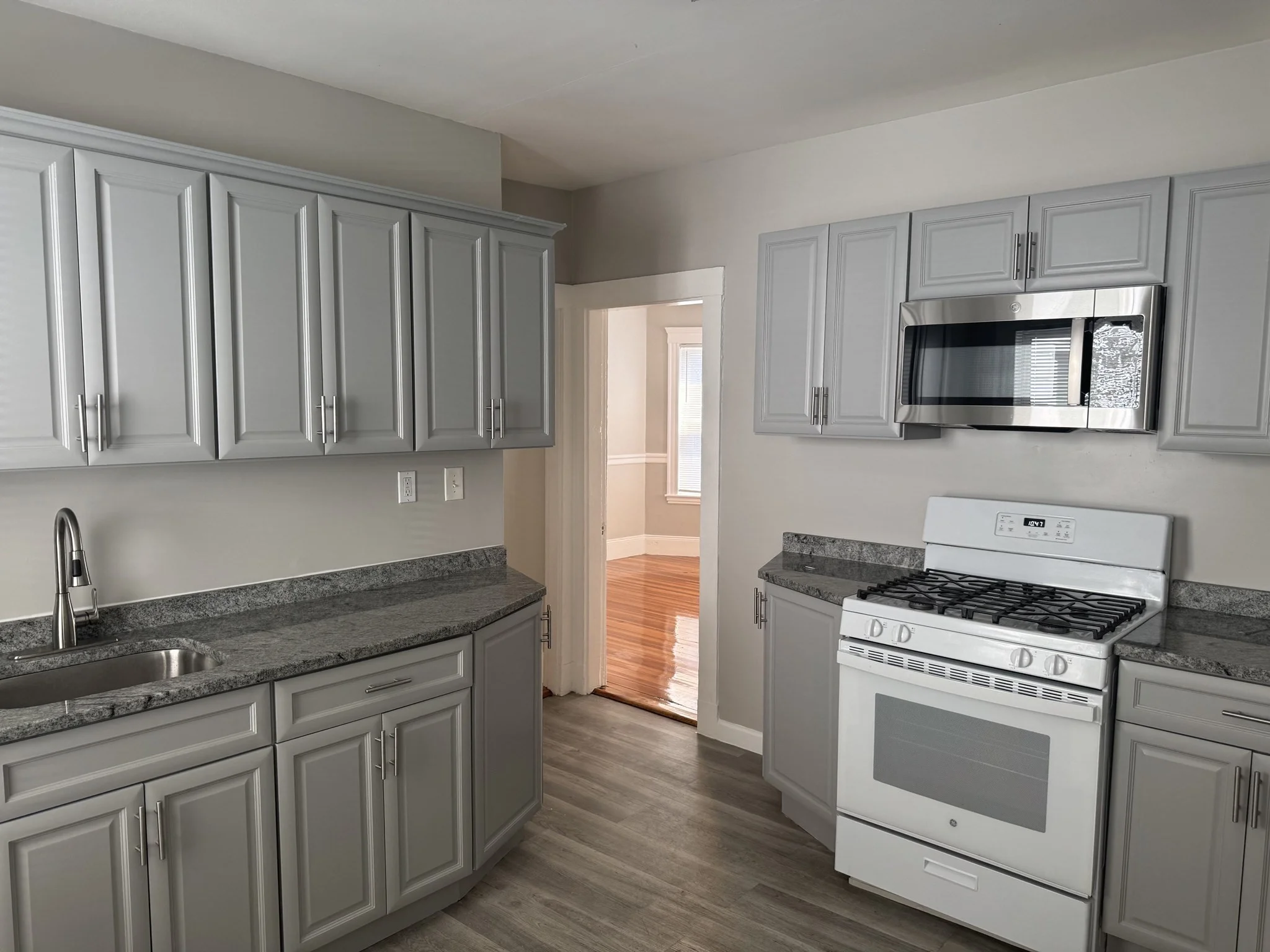
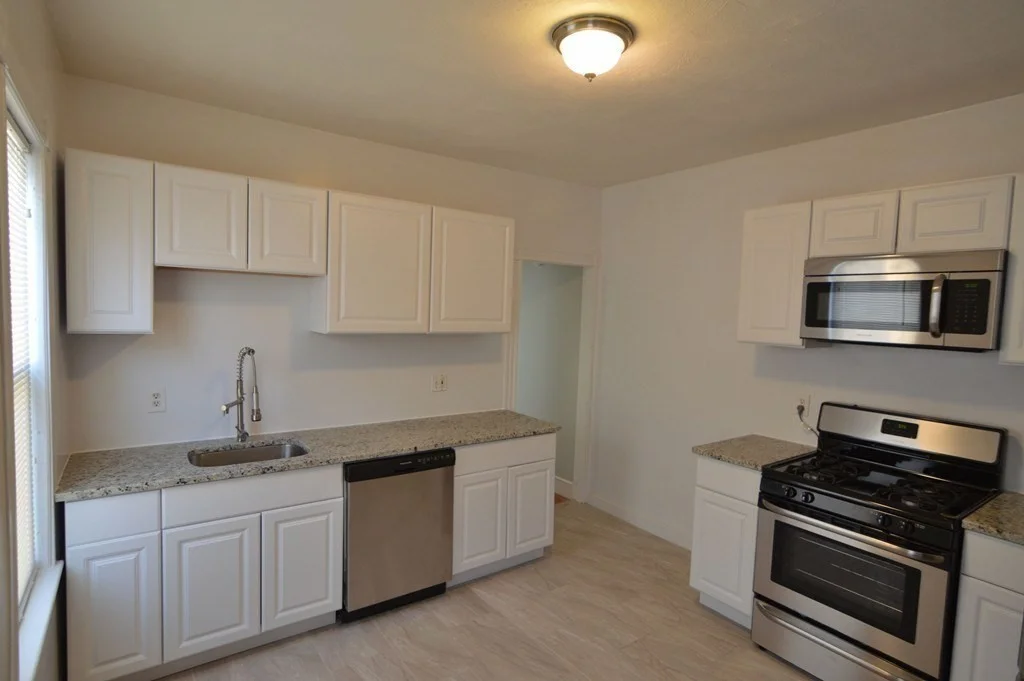
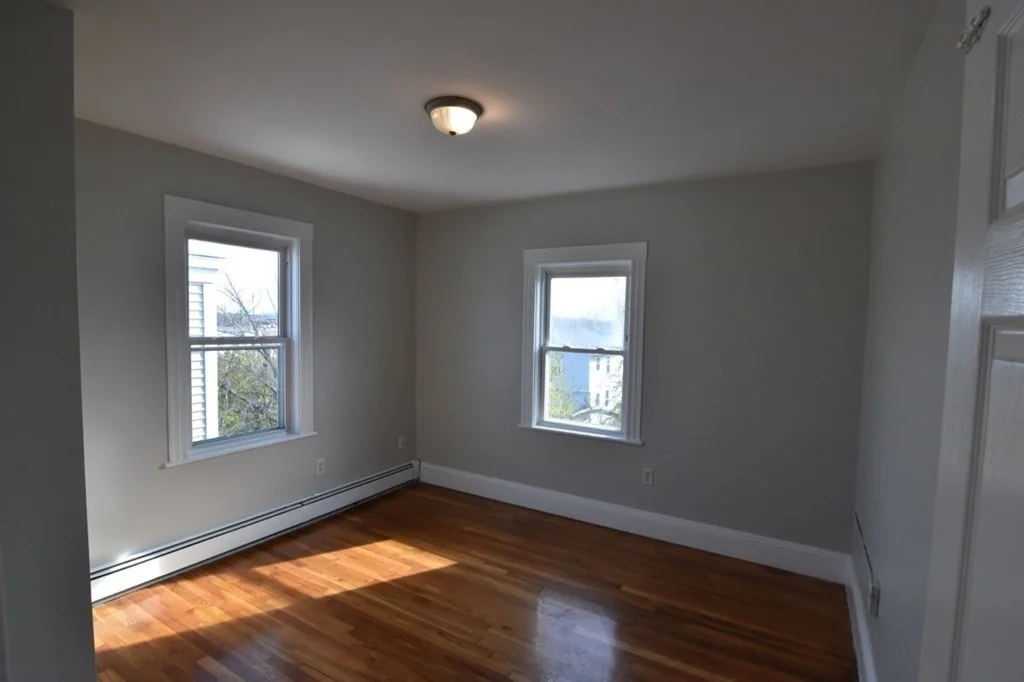
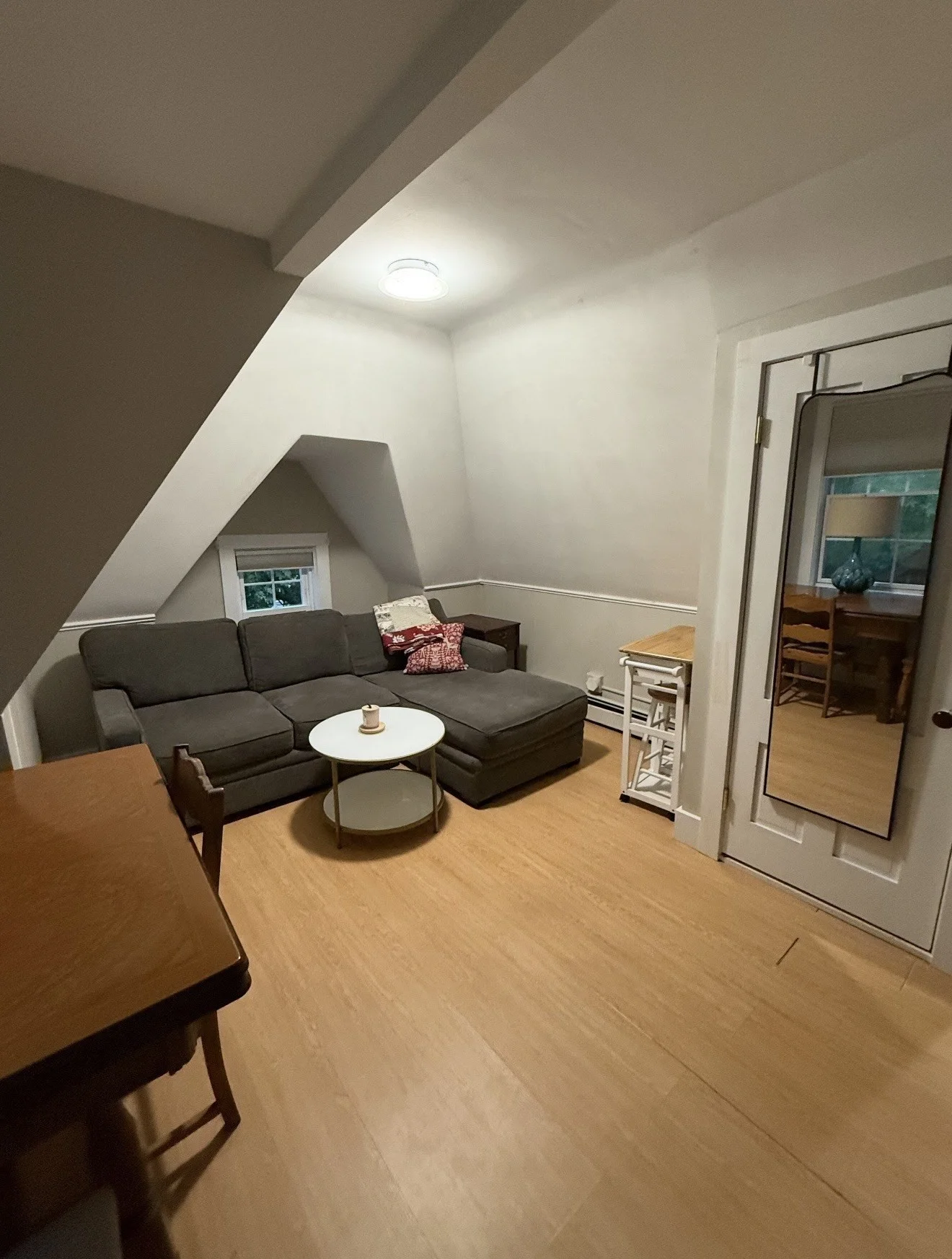
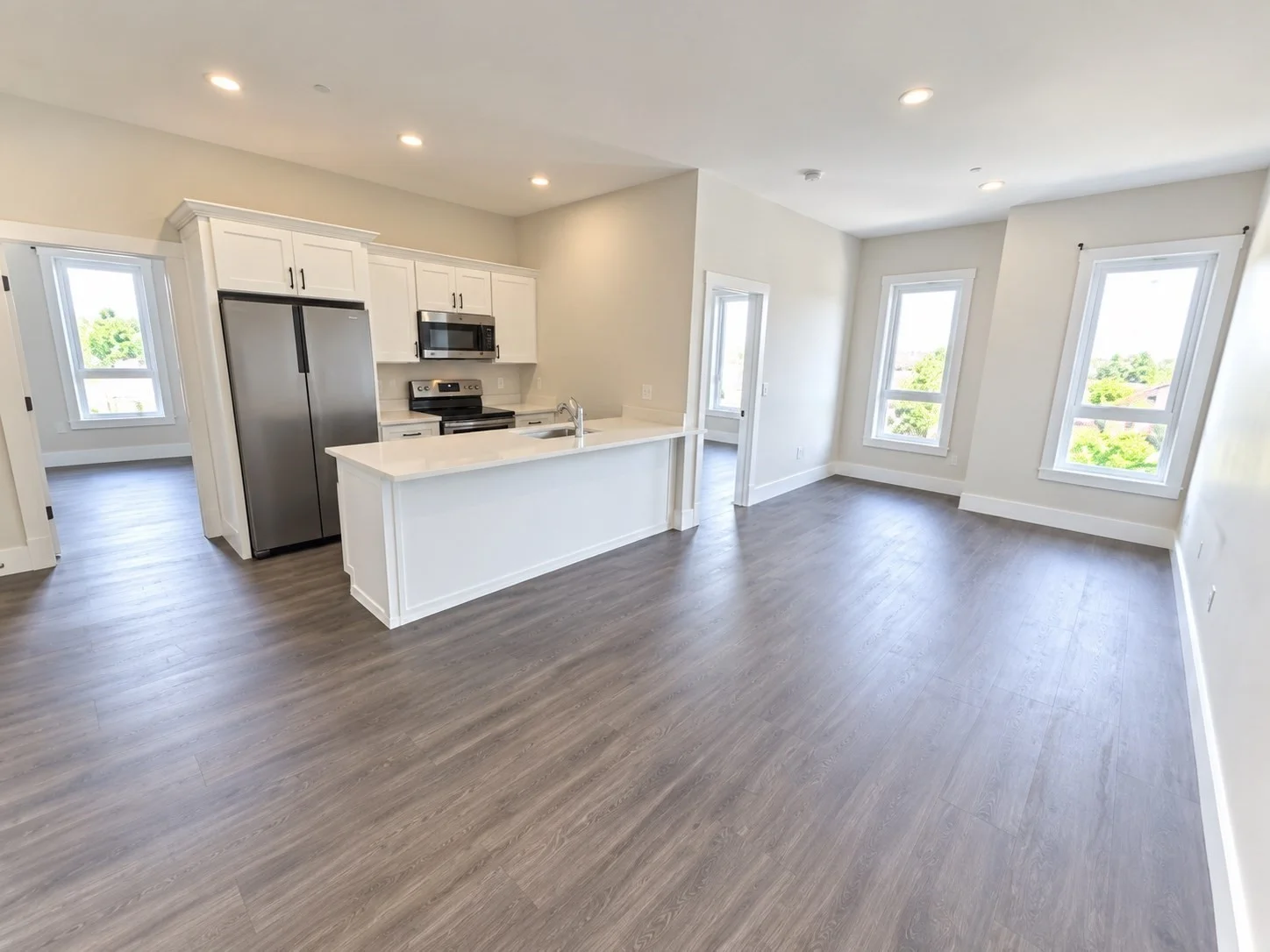
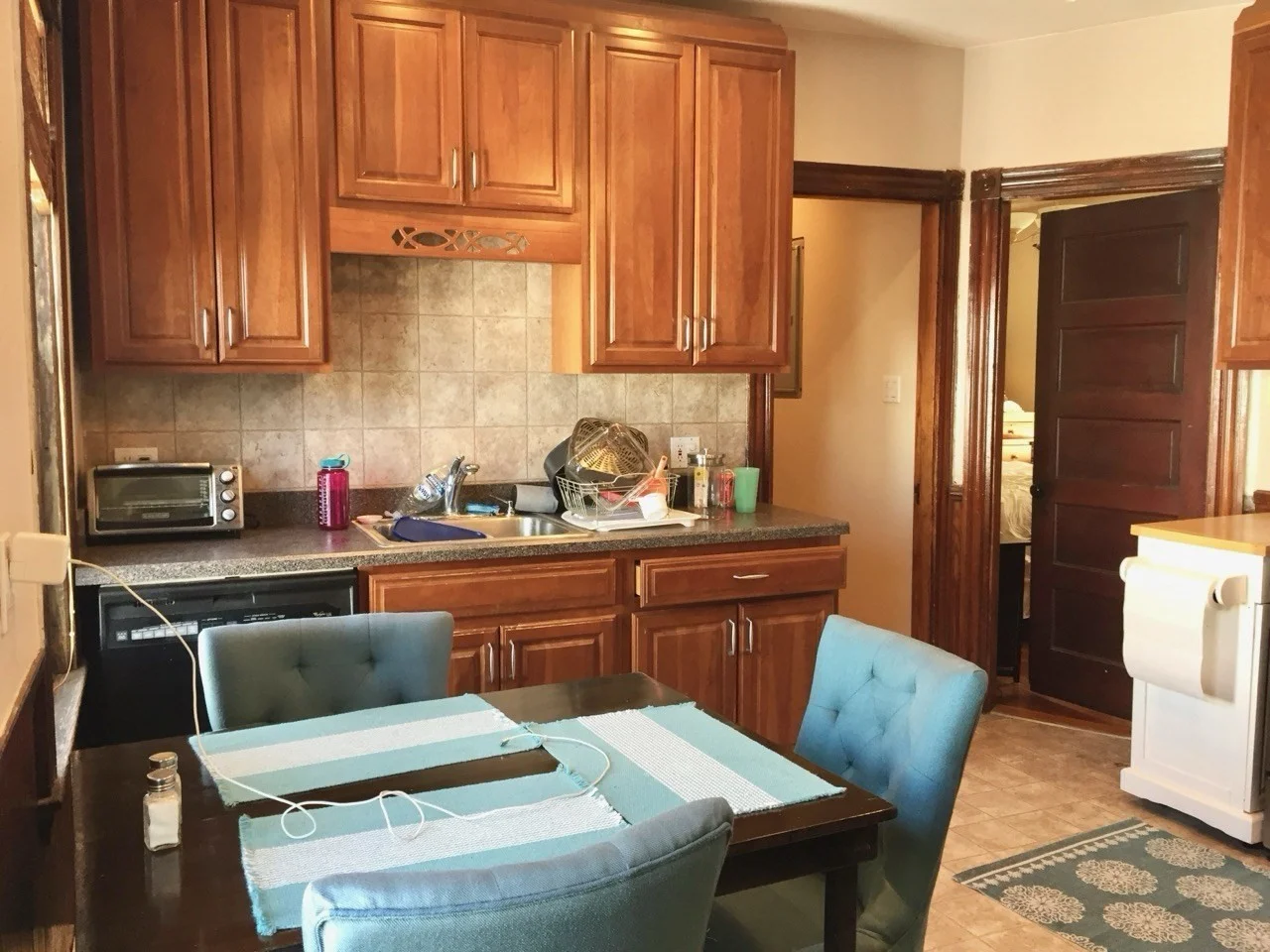
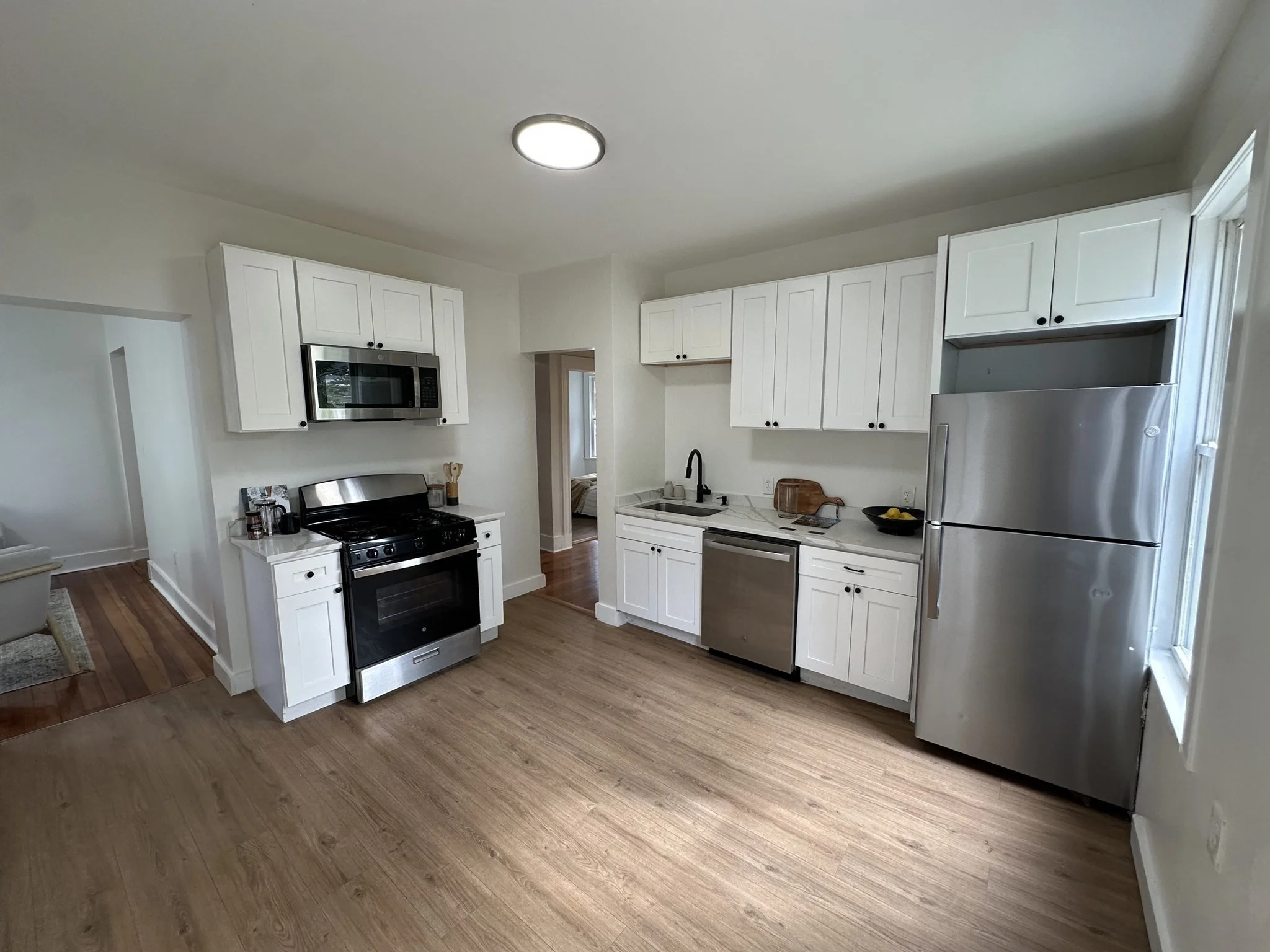
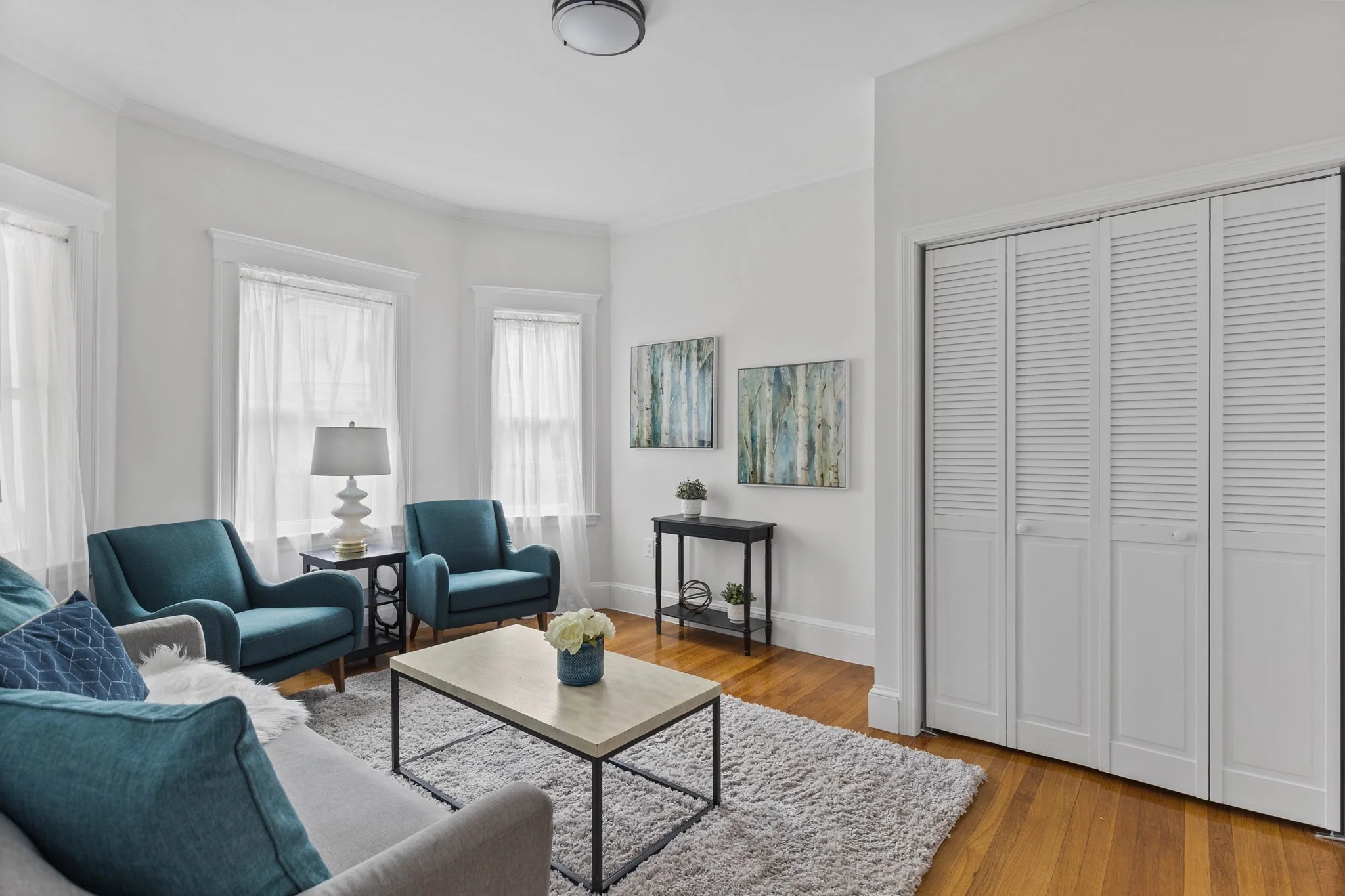
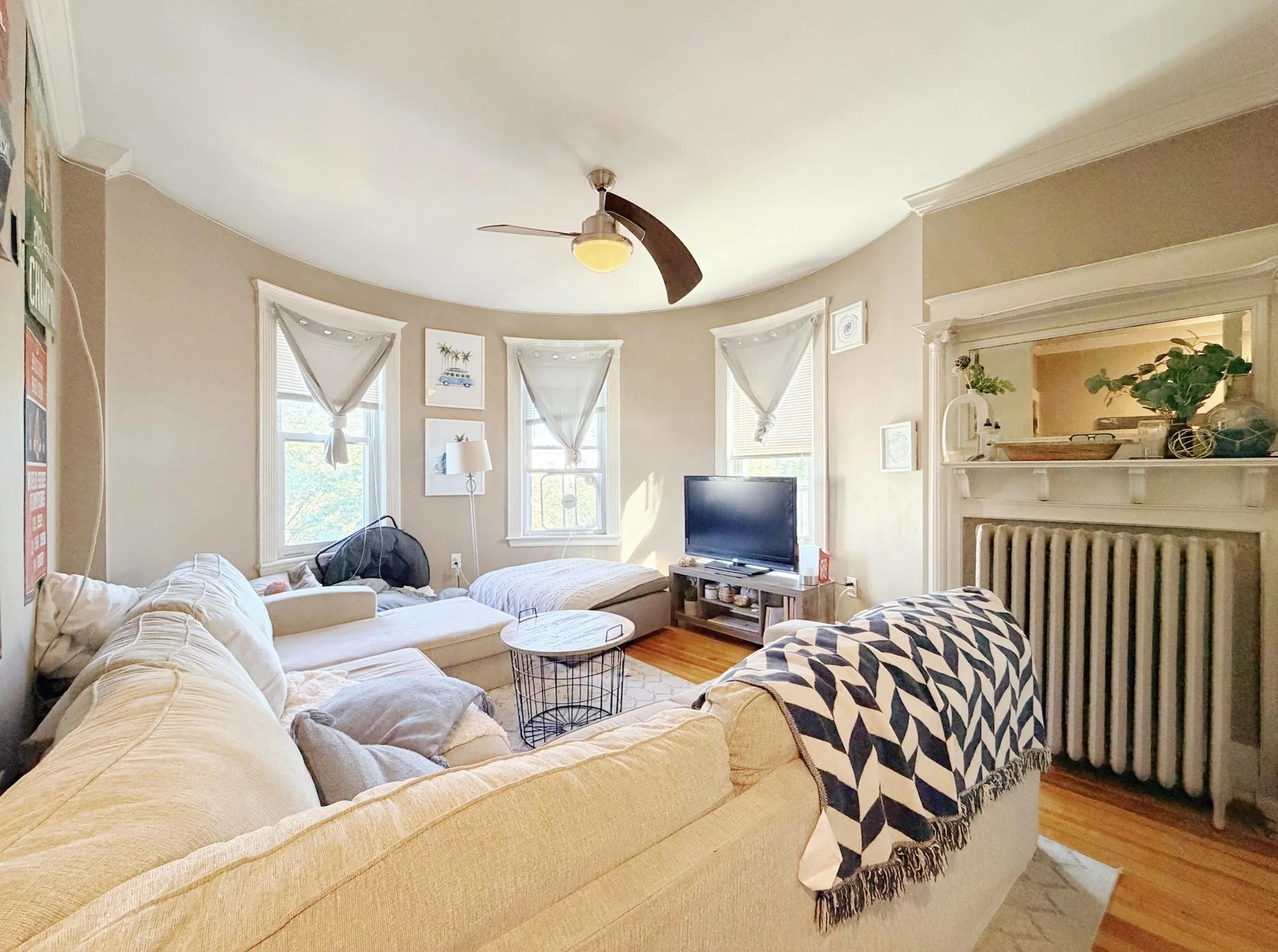



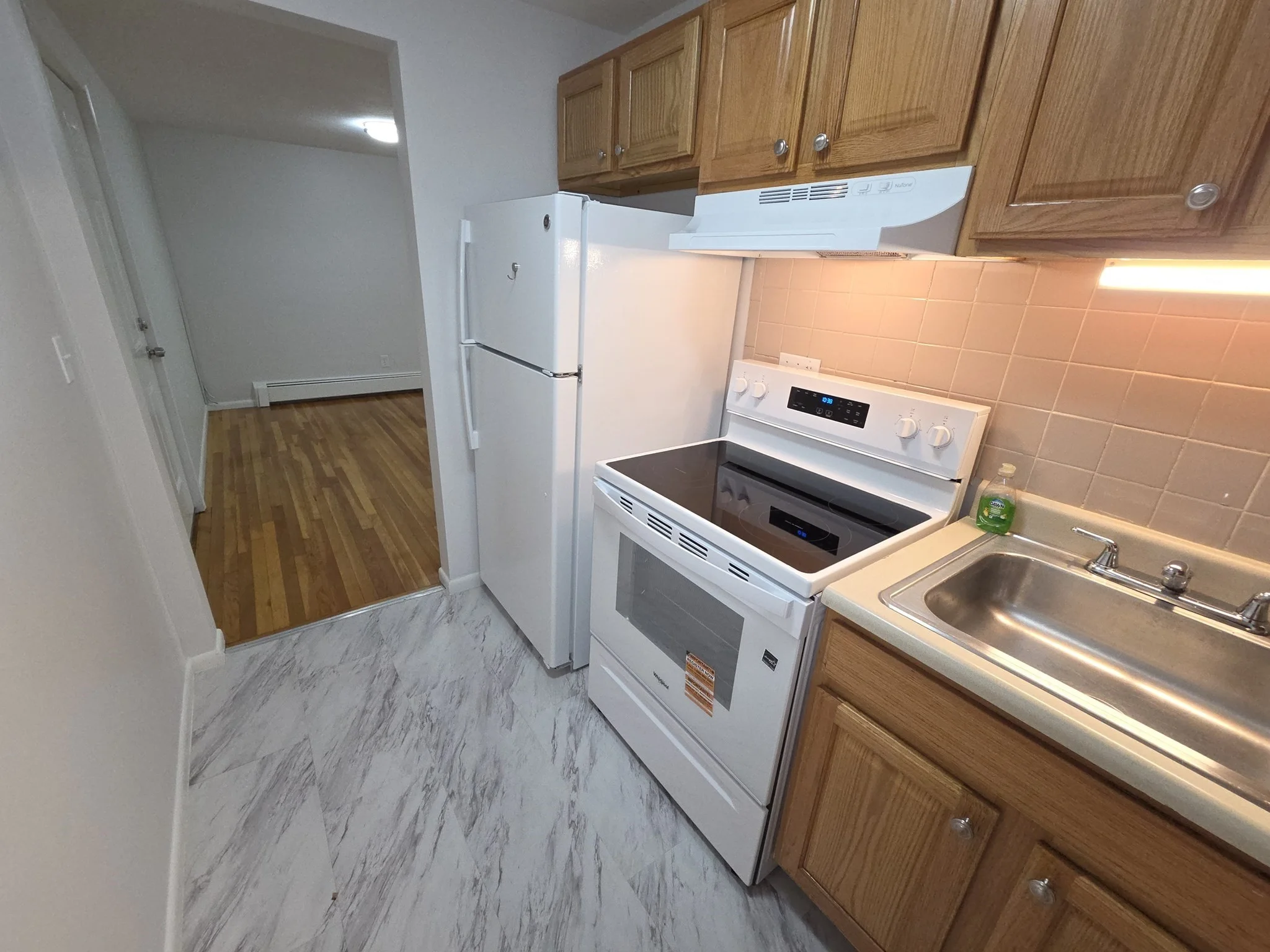
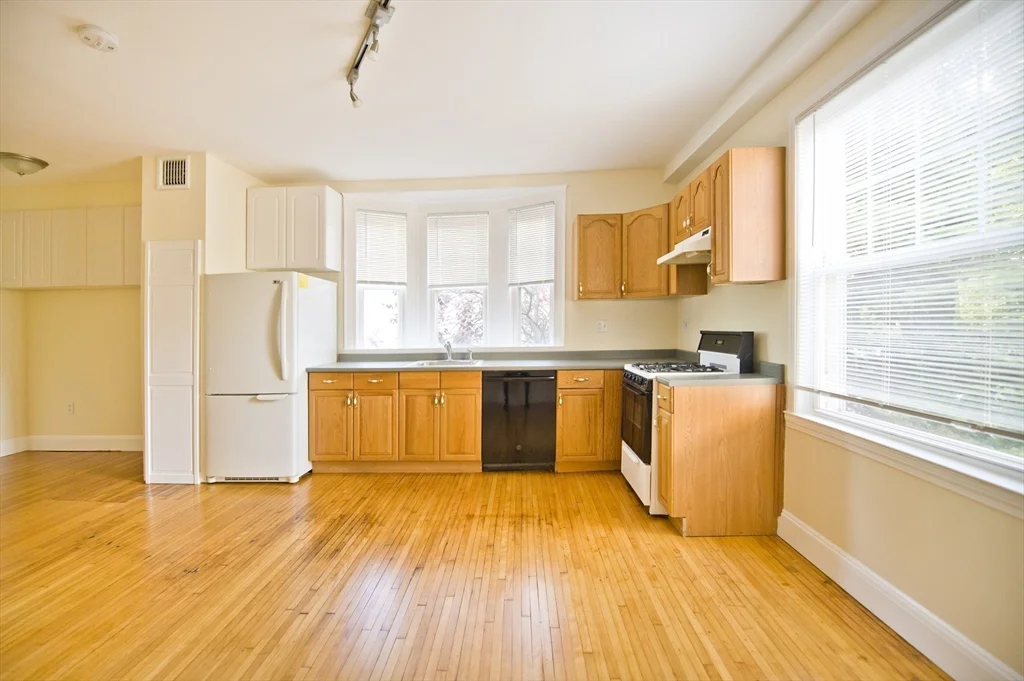
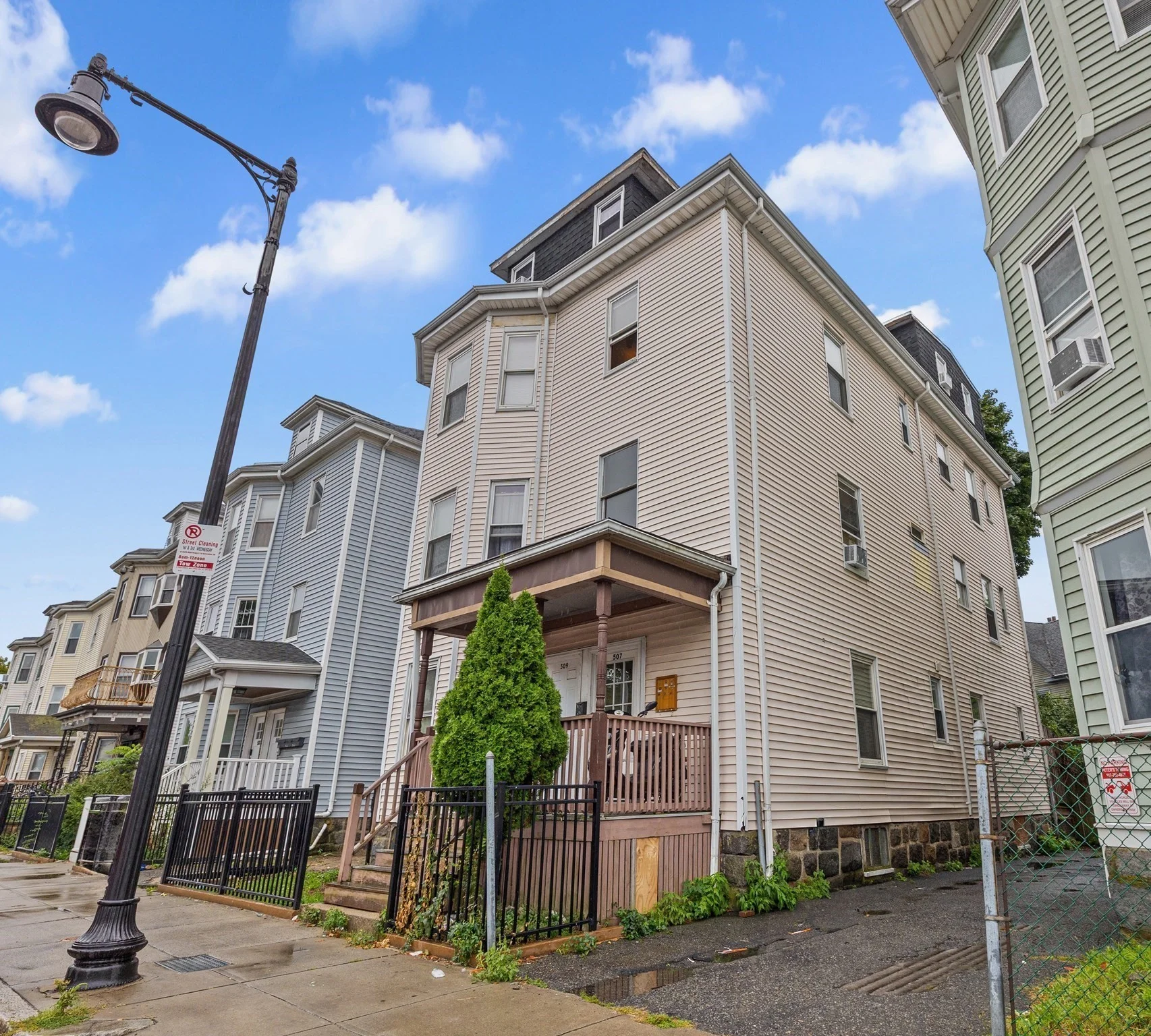
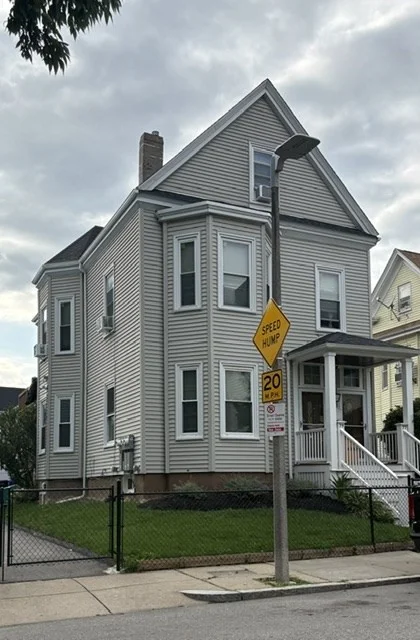
Average rent in Dorchester
As of August 2026, active listings on Spot Easy, each posted by verified agents.
| Size | Average |
|---|---|
| 1-bedroom | $2,544 |
| 2-bedroom | $3,014 |
| 3-bedroom | $3,340 |
| 4+ bedroom | $3,937 |
About Dorchester
Dorchester is Boston's largest neighborhood, running south from South Boston along the Red Line and the harbor, and it is where the city's two- and three-family housing stock is most concentrated. The Spot Easy Rent Index put the average asking rent for a Dorchester one-bedroom at $2,544 in August 2026, against $2,928 across Boston. Two-bedrooms ran to $2,850, three-bedrooms to $3,300 and apartments of four or more bedrooms to $3,800 — every size below the corresponding city figure. That makes it the most consistently affordable neighborhood in this group across the whole ladder.
Transit runs on two spines. Five Red Line stations sit inside the neighborhood — JFK/UMass, Savin Hill, Fields Corner, Shawmut and Ashmont — and the Fairmount commuter rail corridor adds four more at Newmarket, Uphams Corner, Four Corners/Geneva and Talbot Avenue. That is nine rail stations, more than any other neighborhood in this group. There is no Green, Orange or Blue Line service.
Roxbury lies west, Jamaica Plain beyond it, and South Boston north along the water.
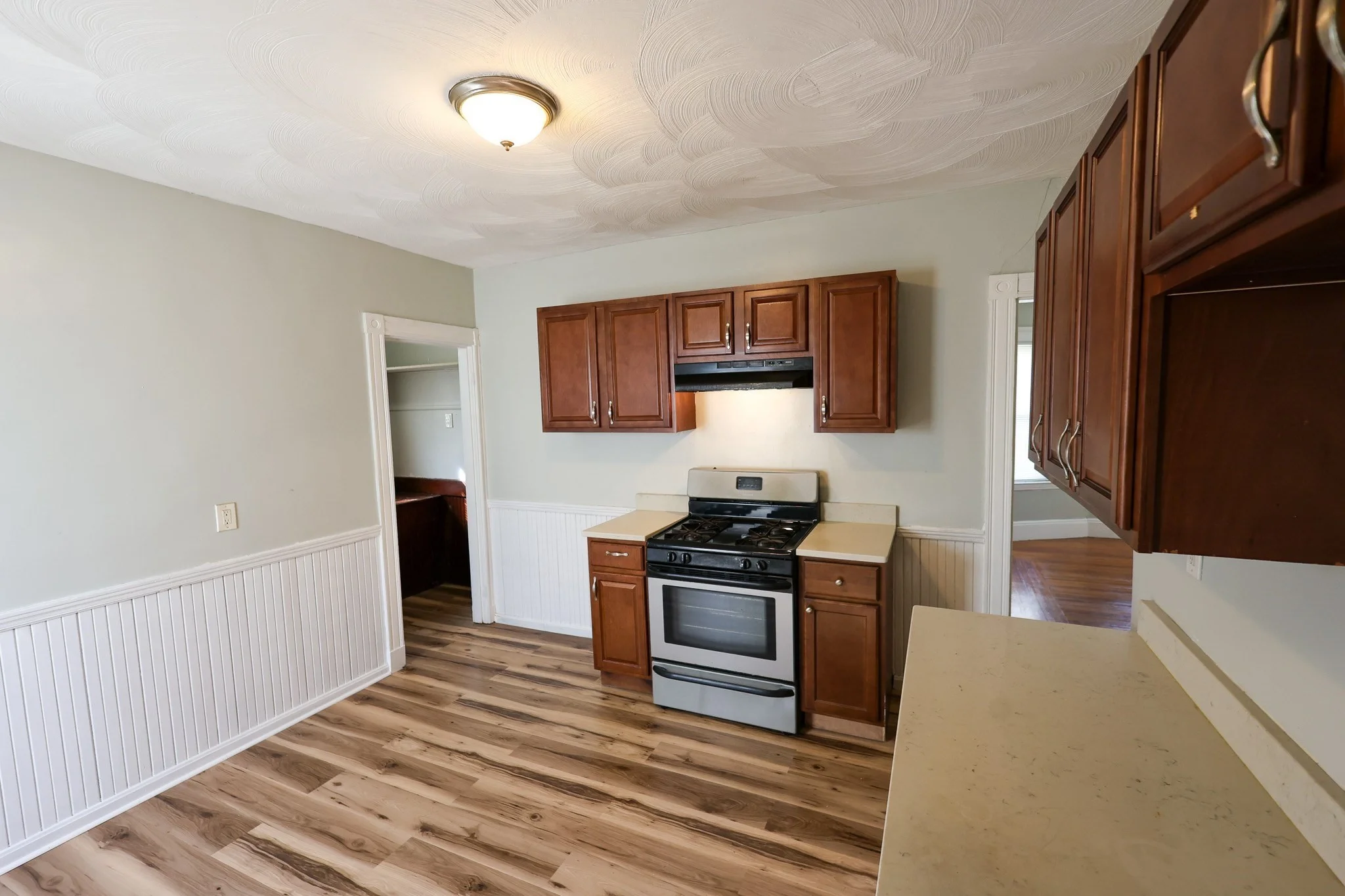
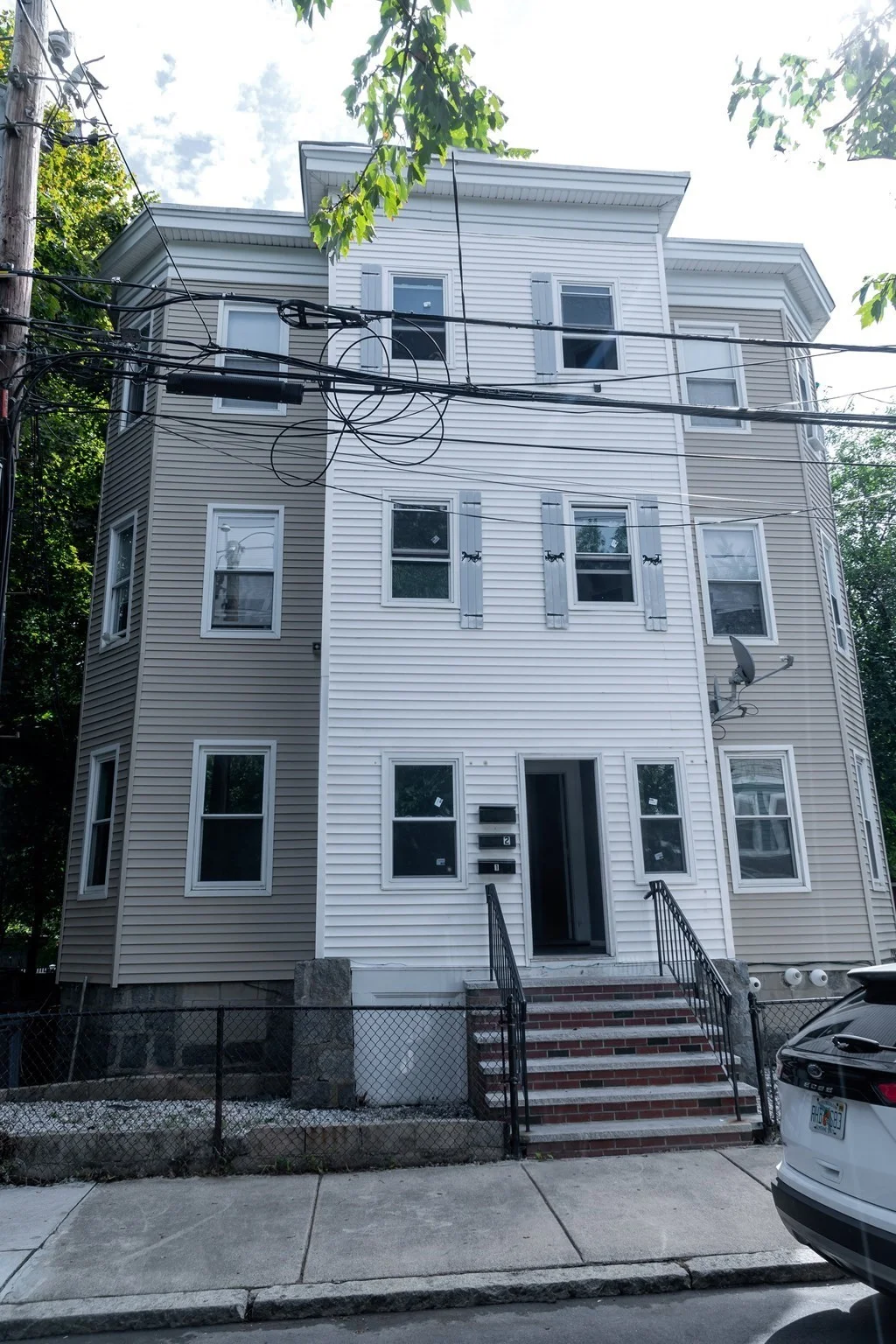
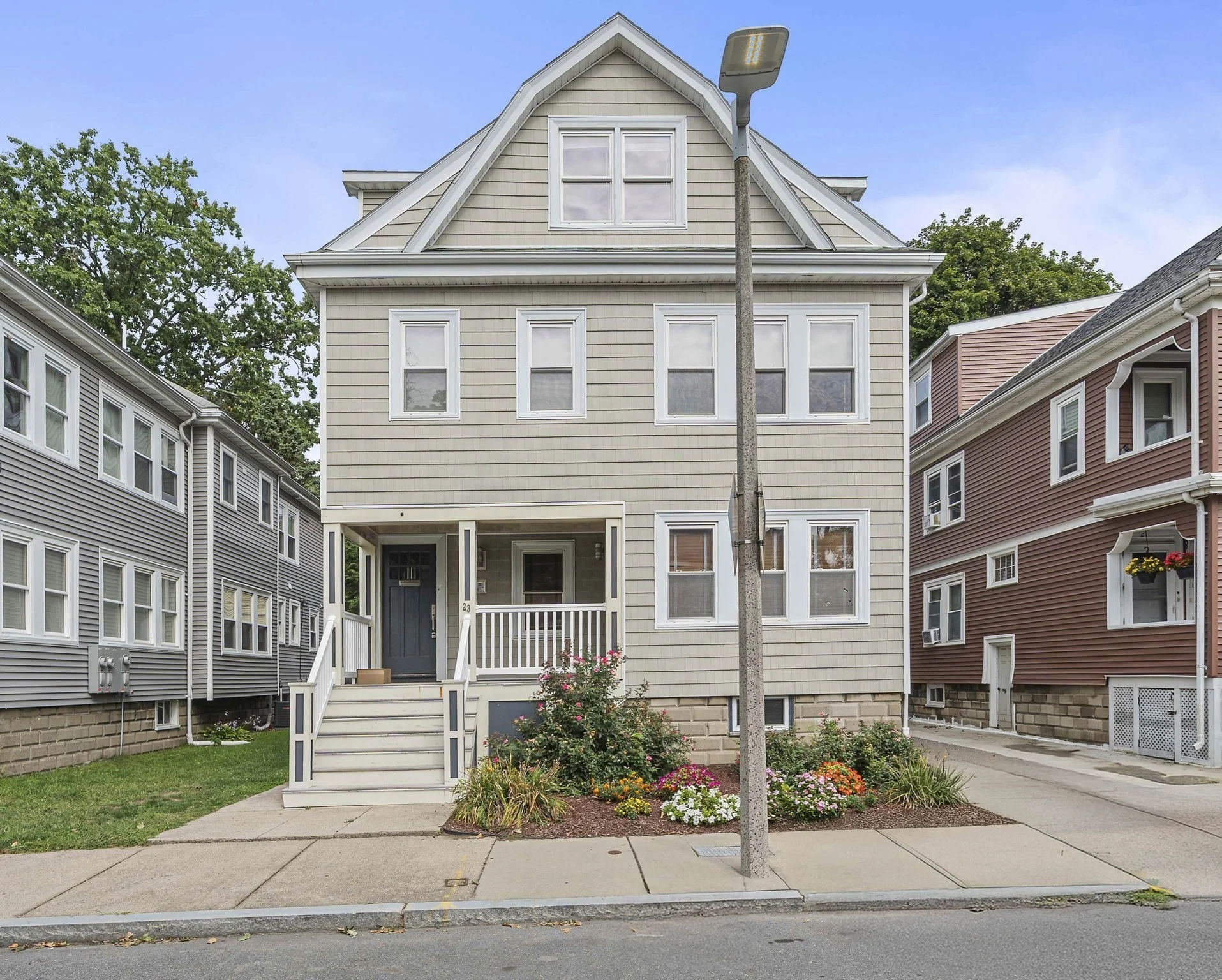
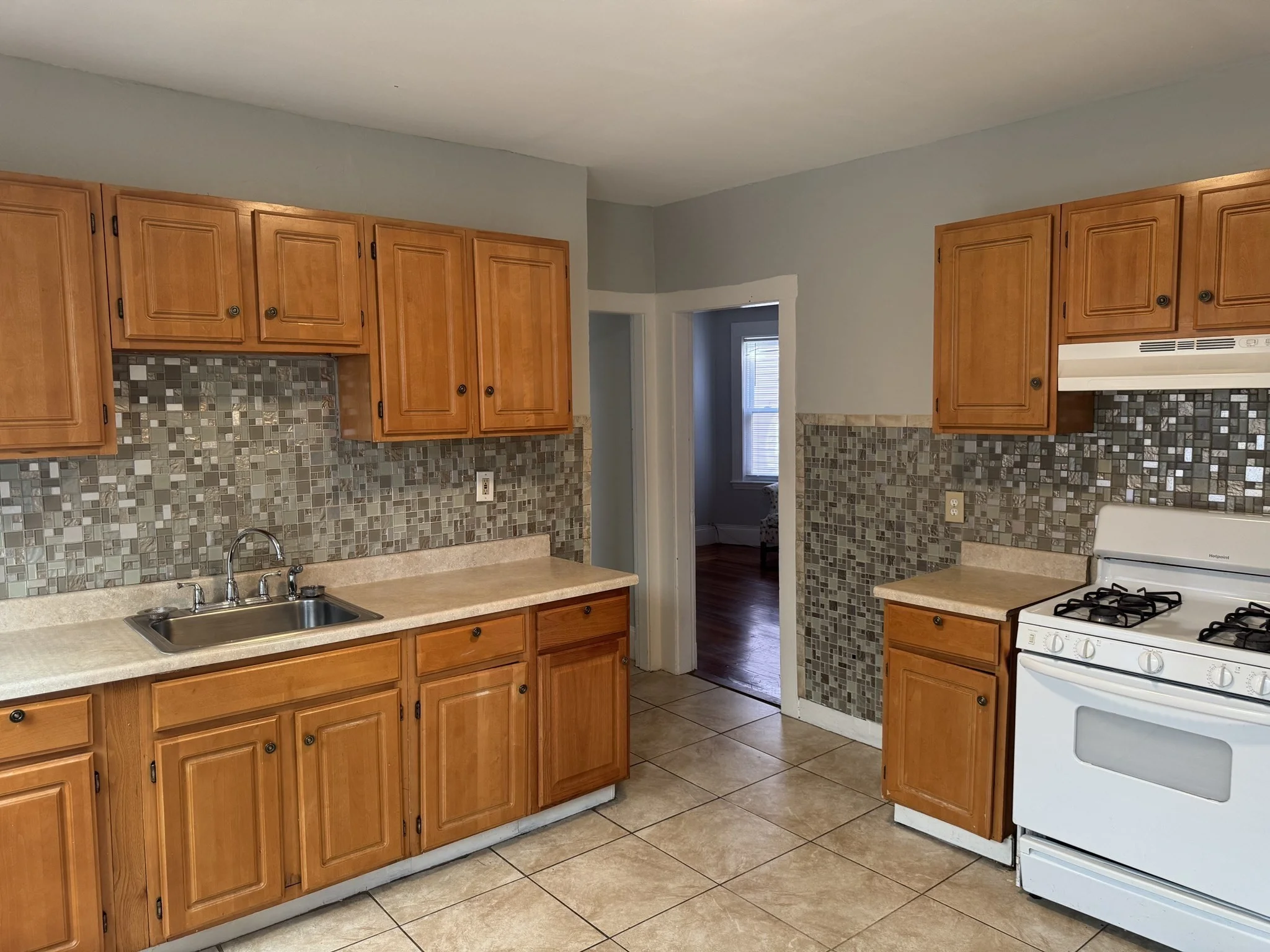
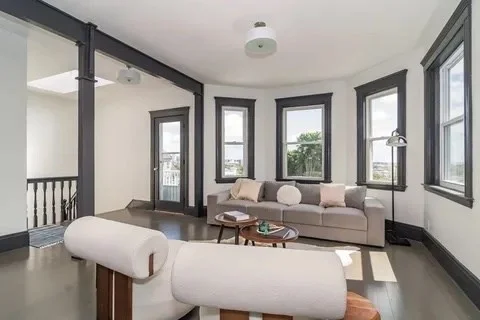
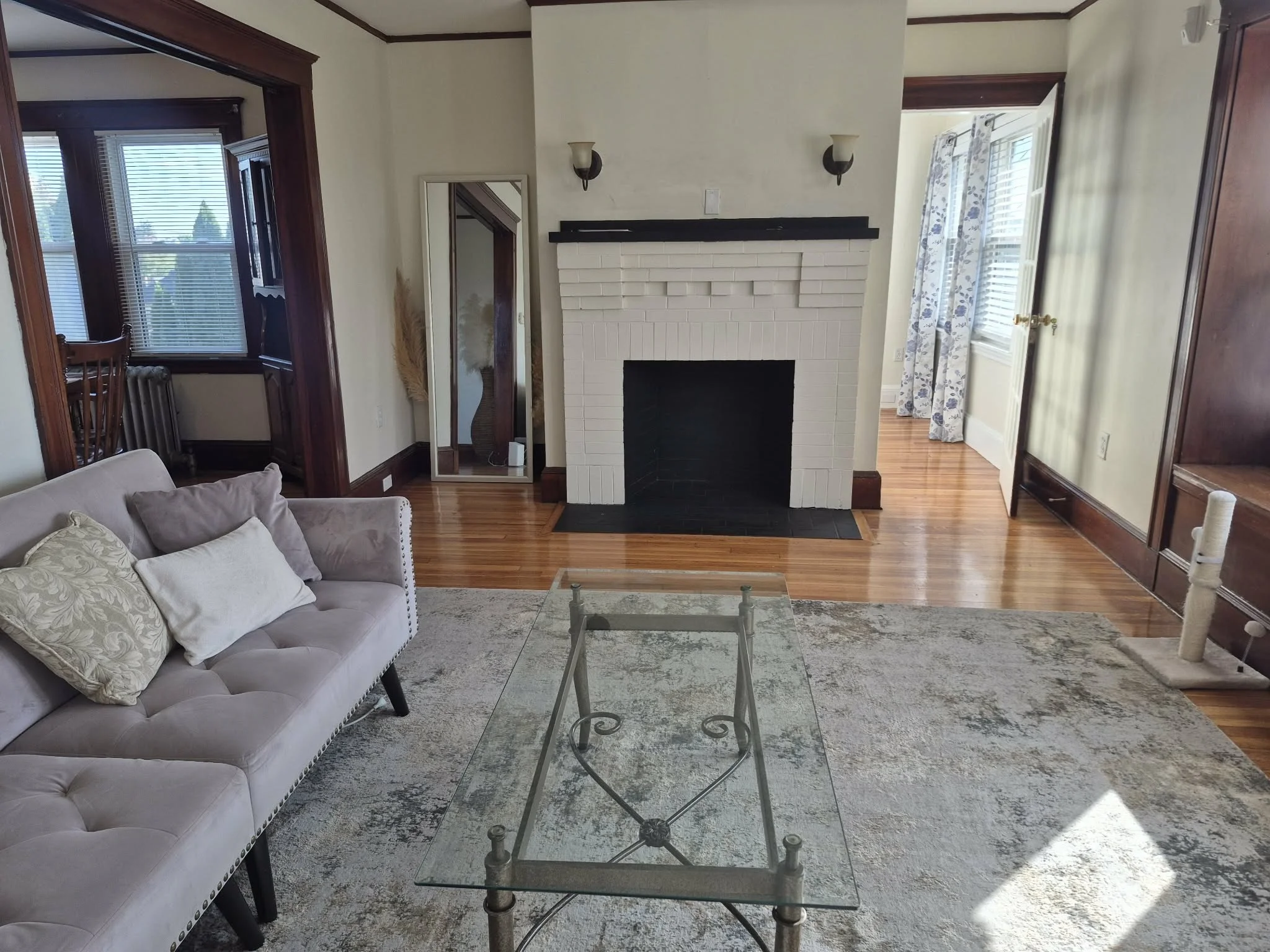
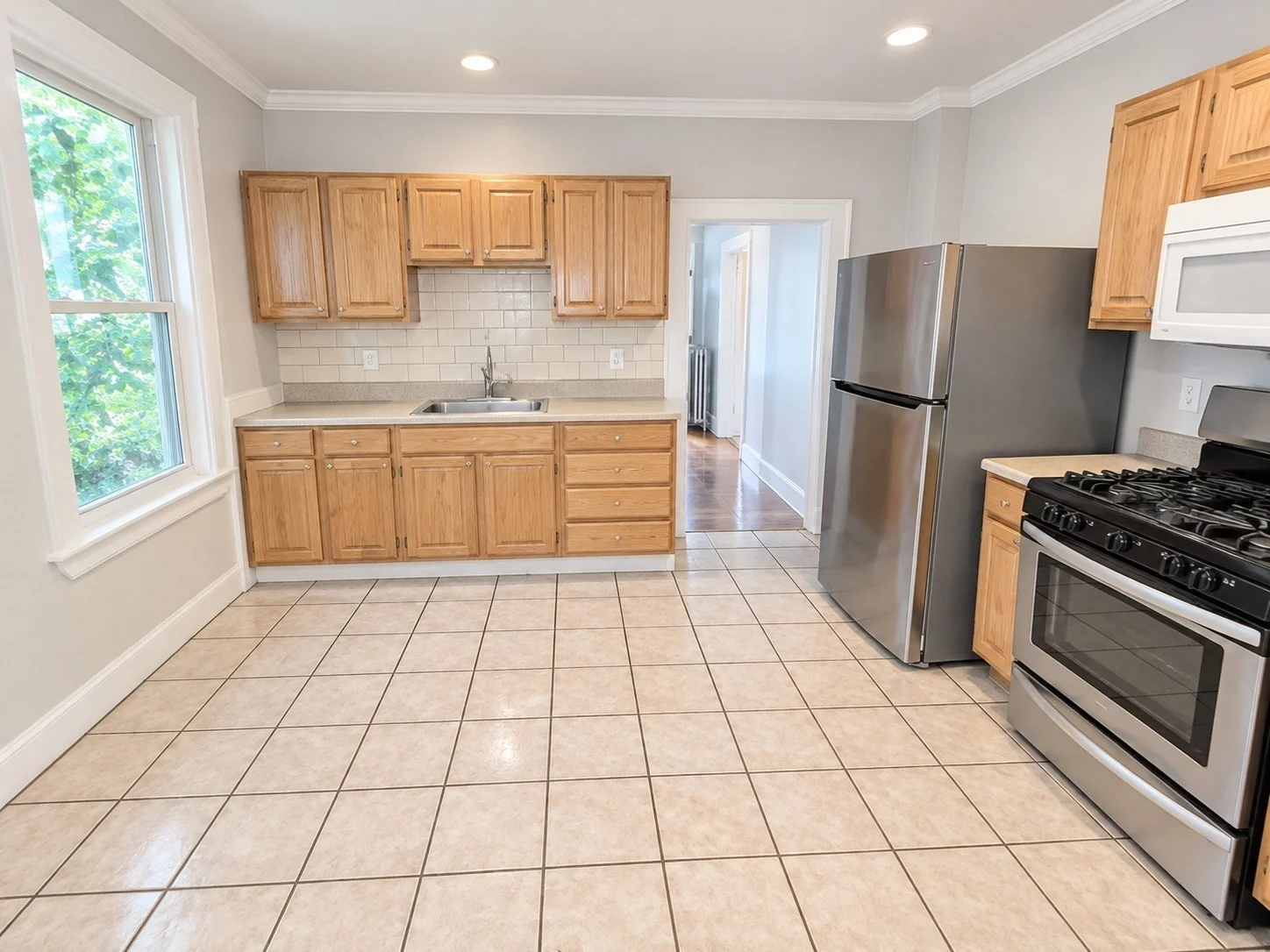
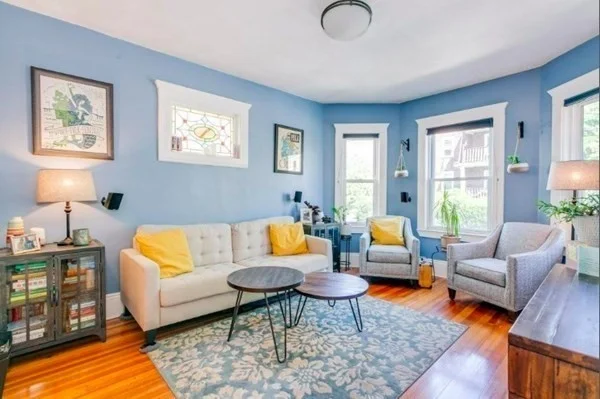
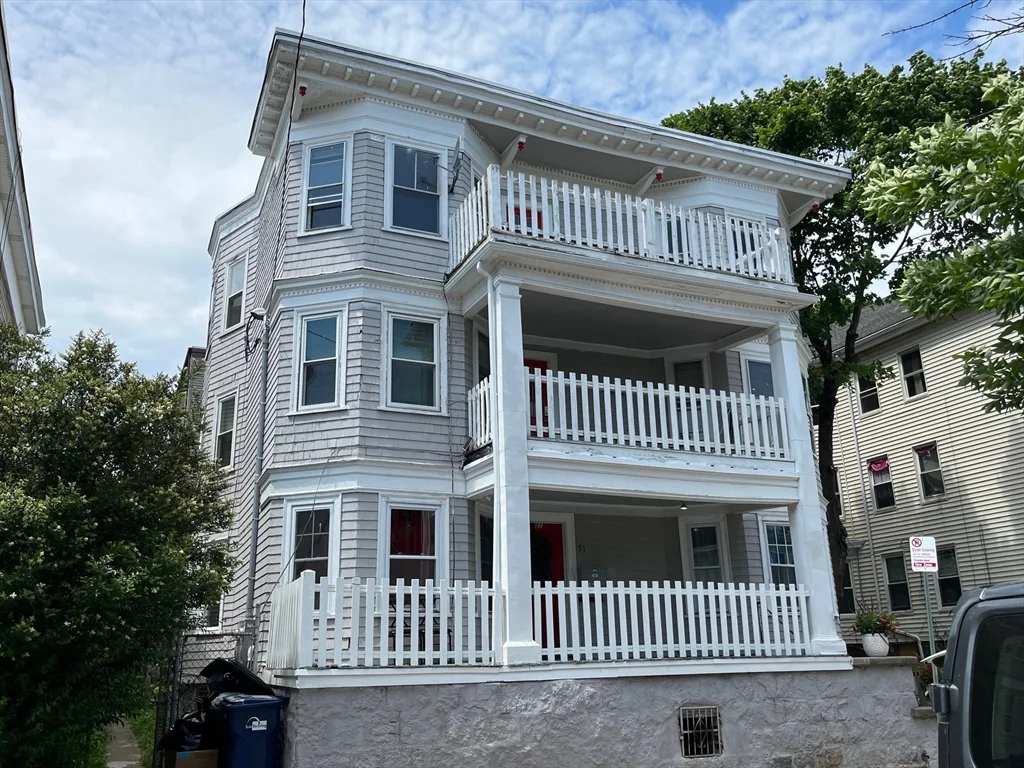
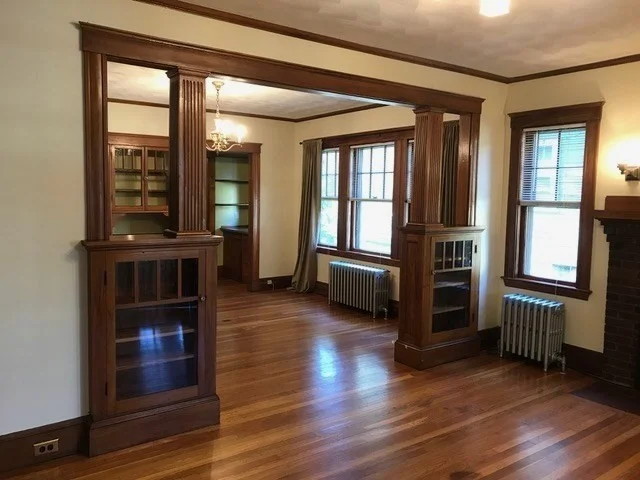
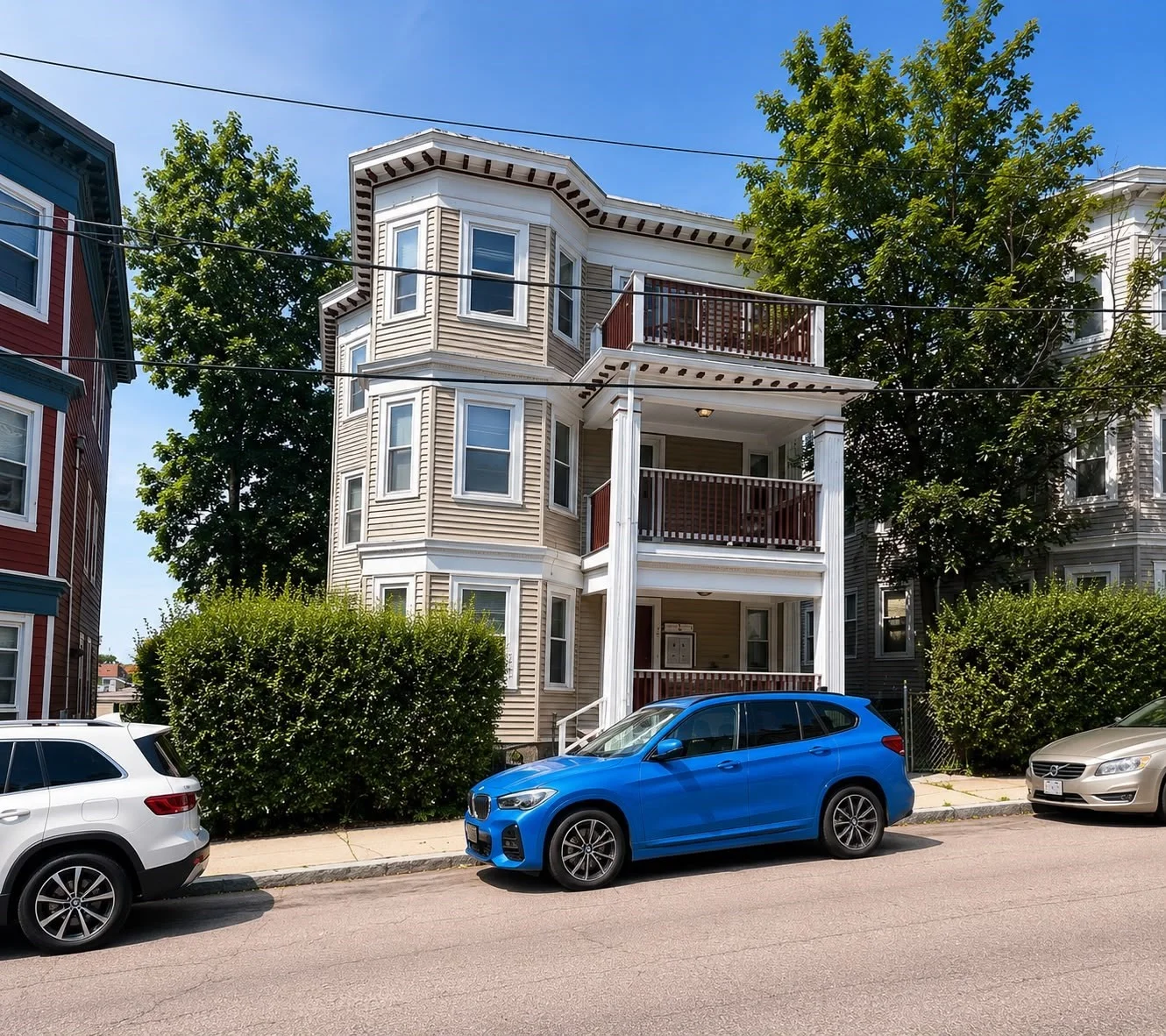
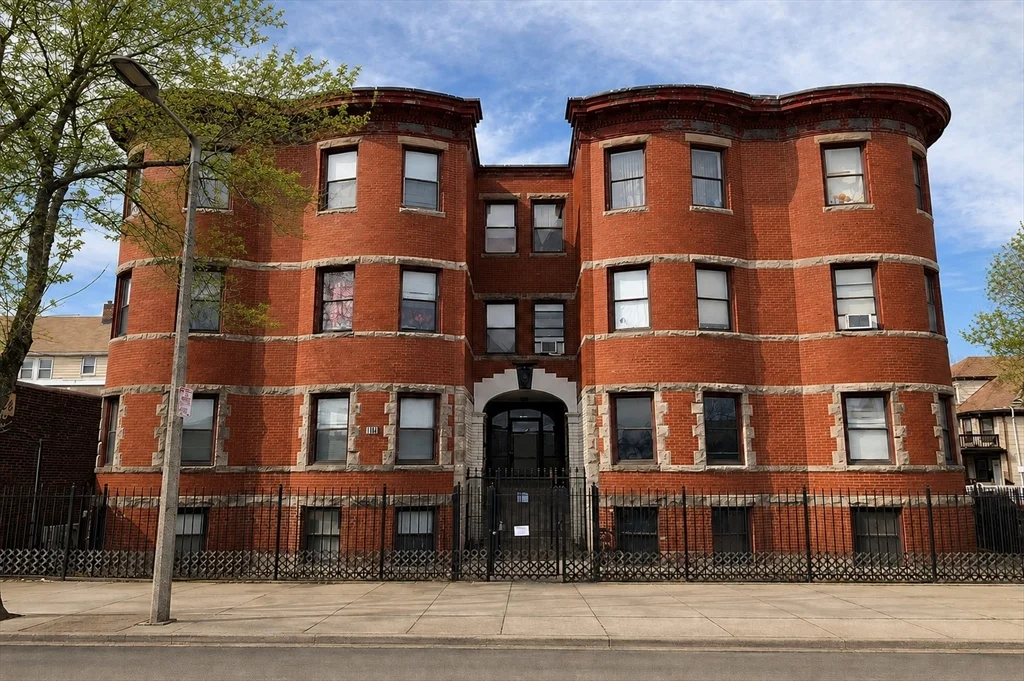
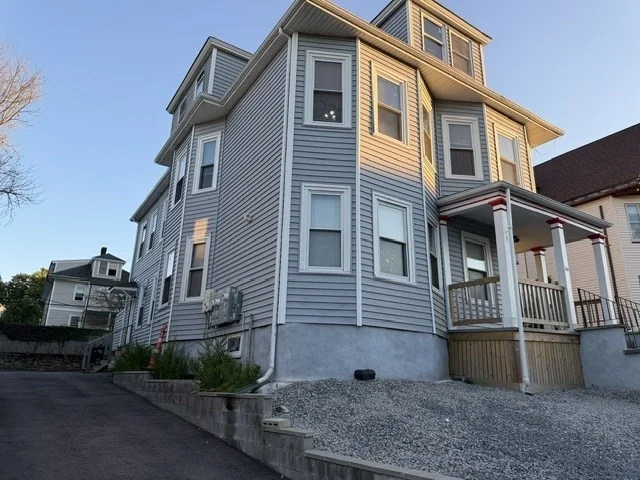
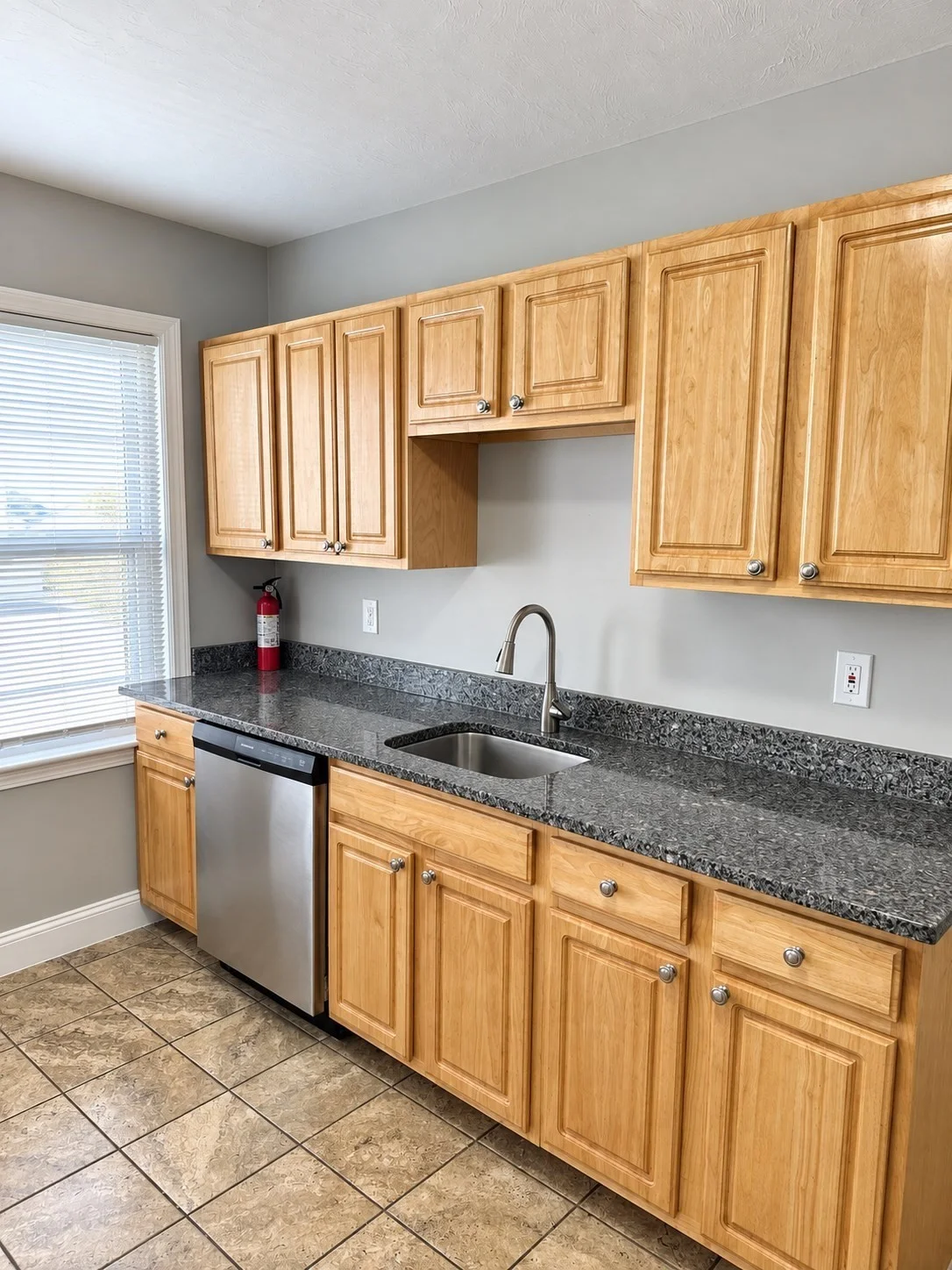
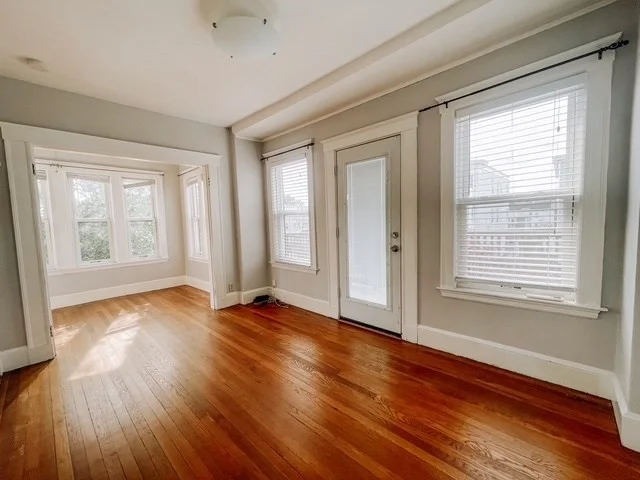
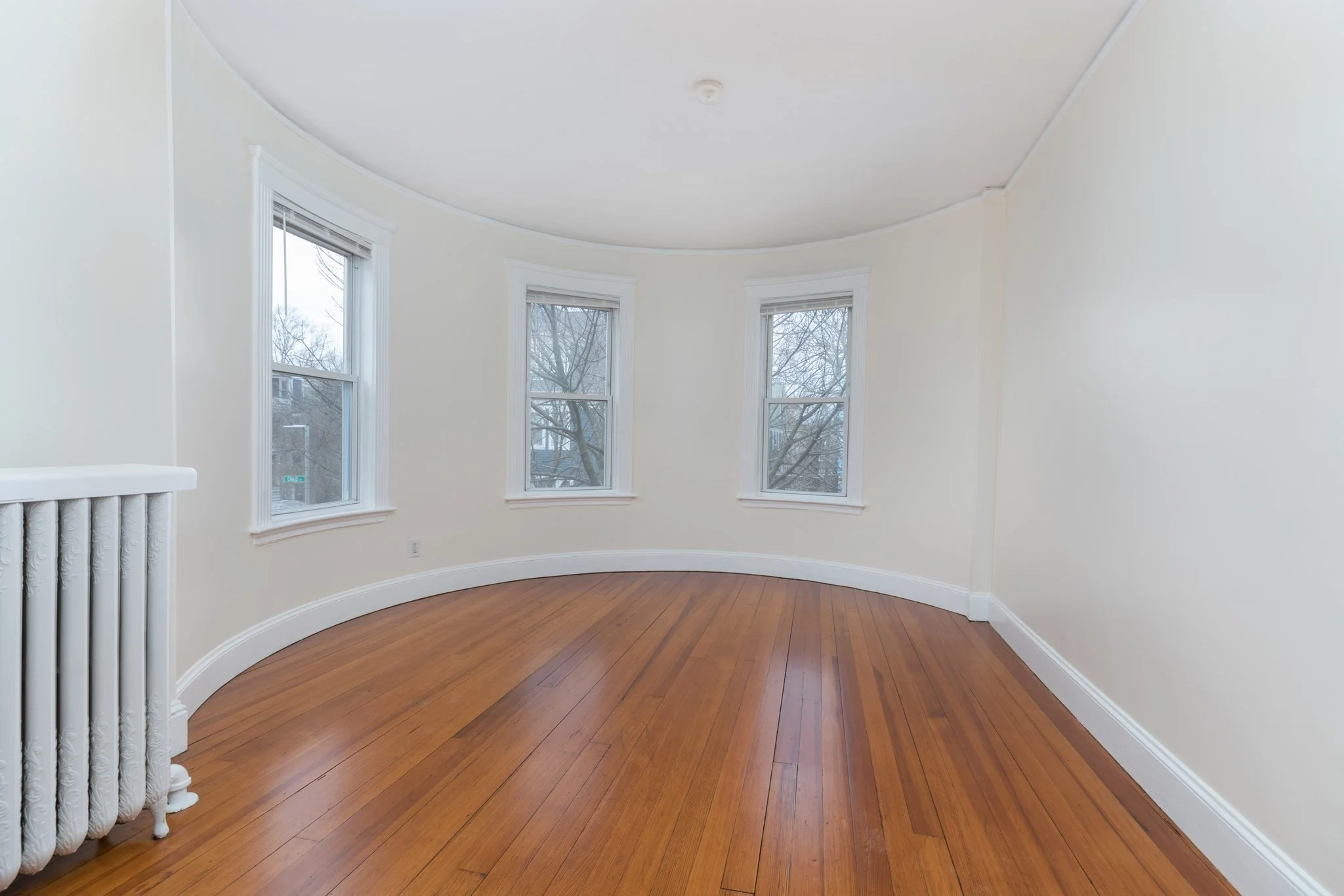
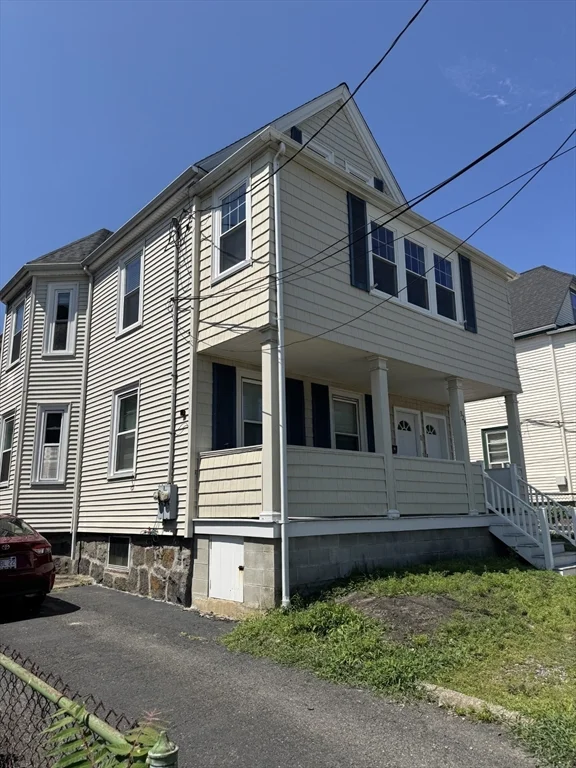
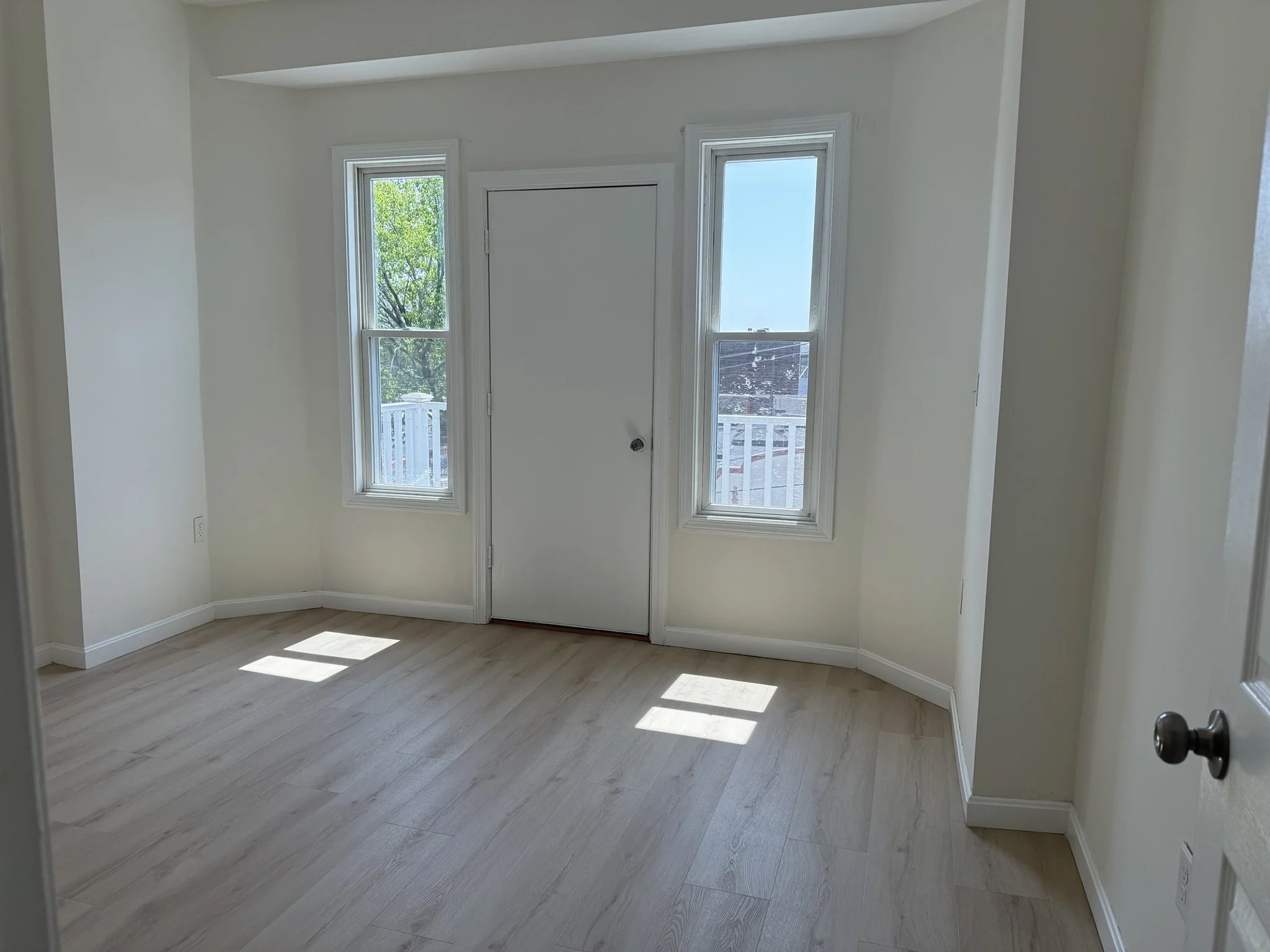
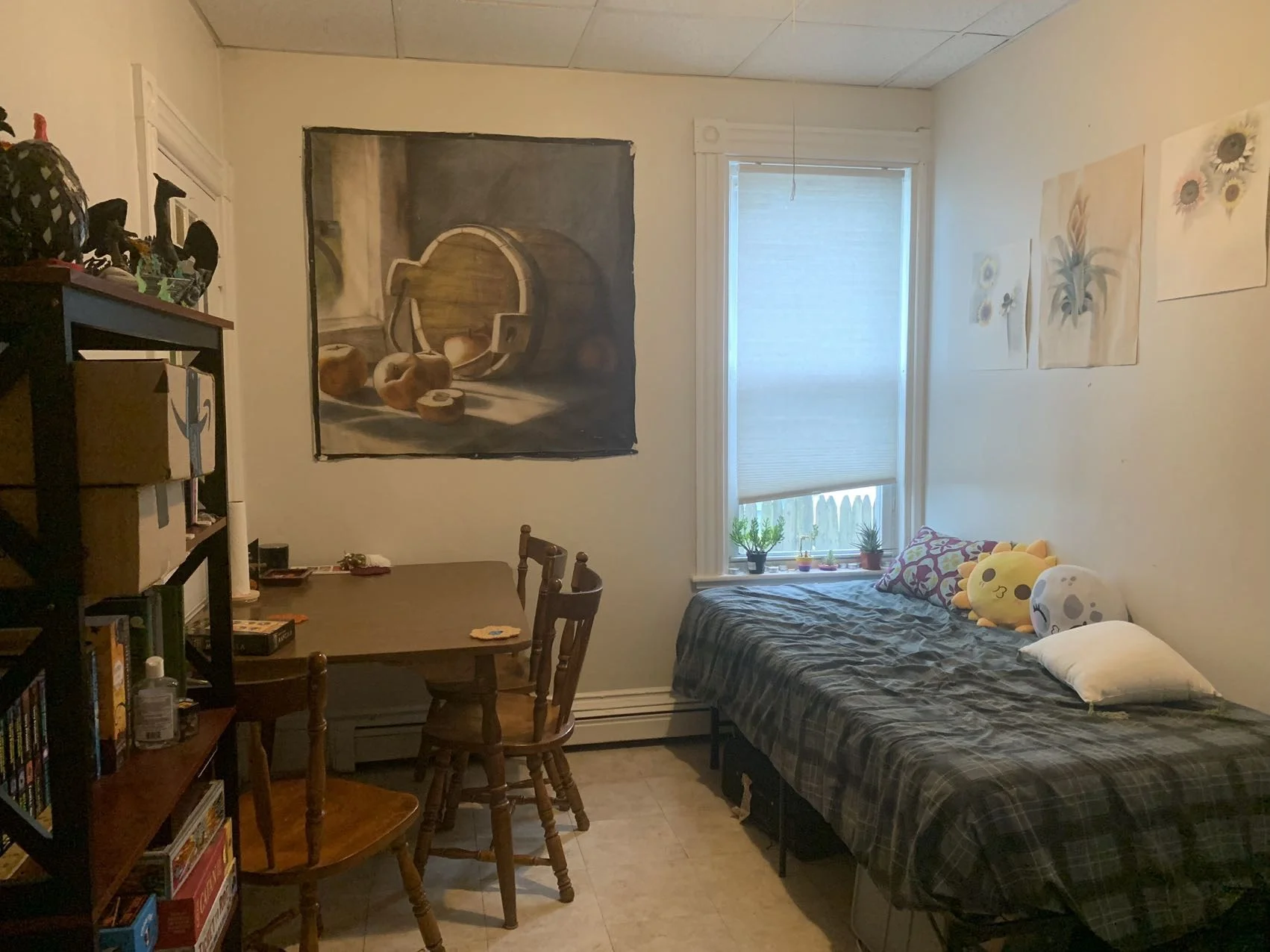
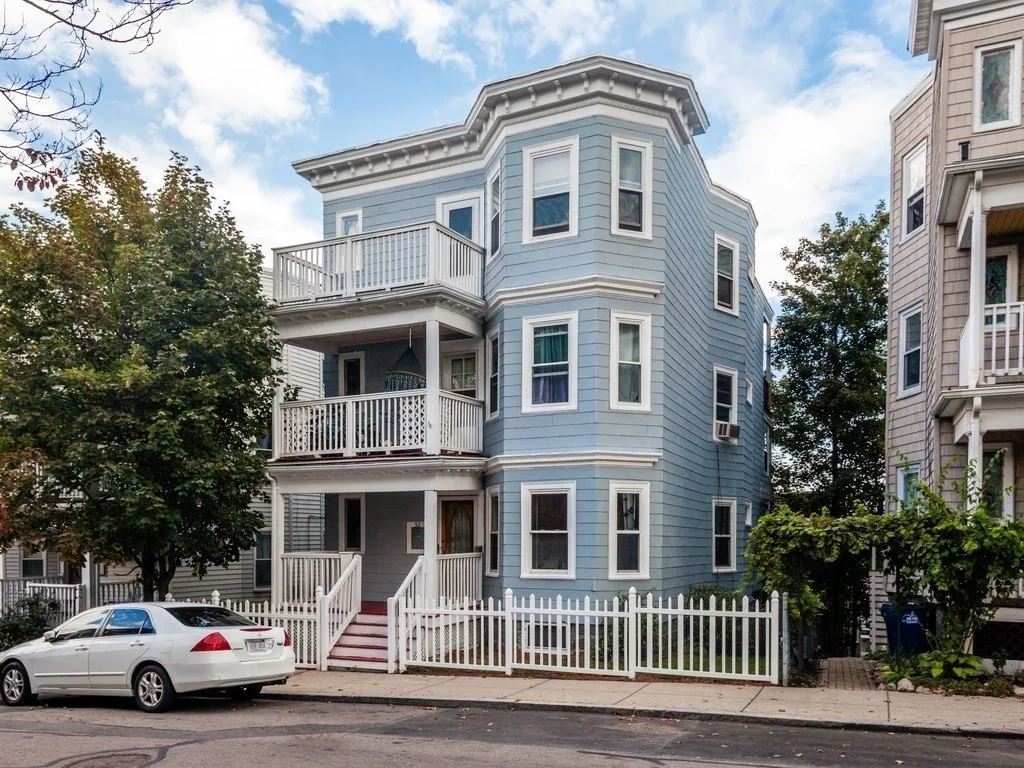
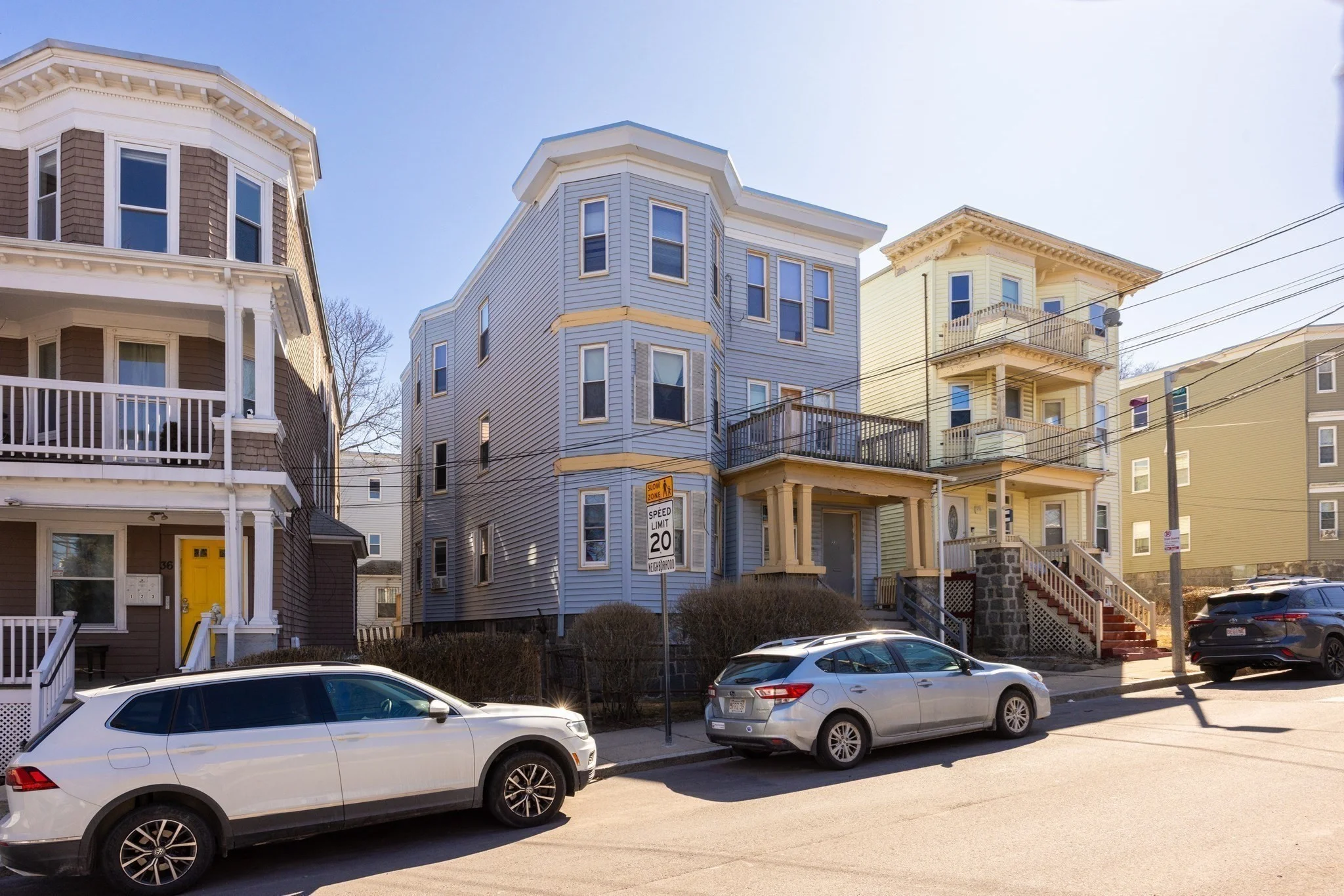
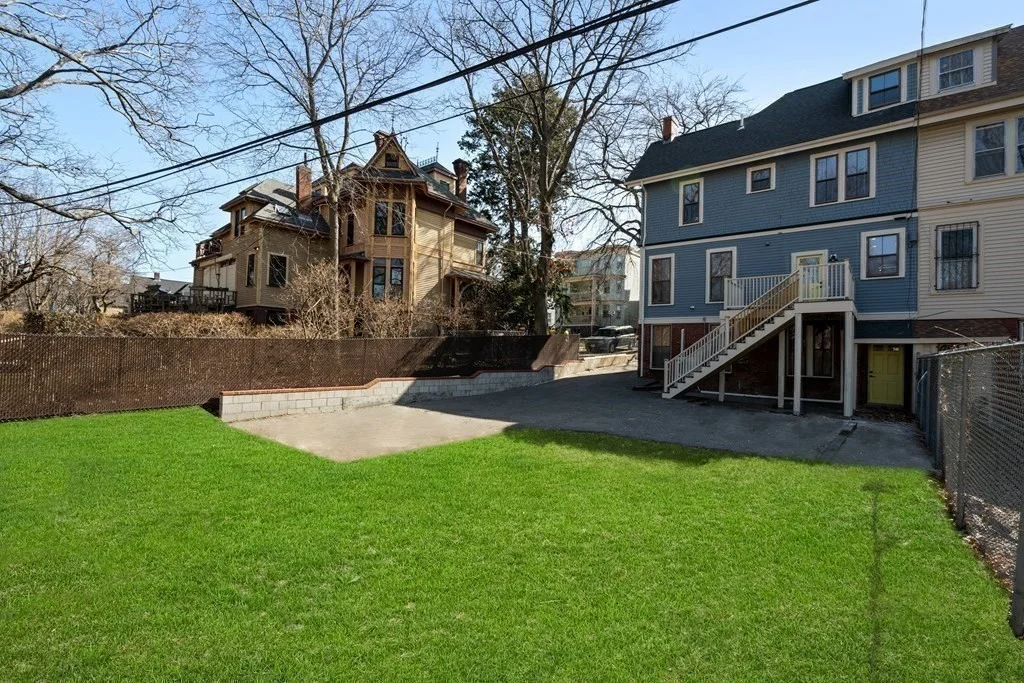
Housing stock is the defining feature. Roughly seven in ten Dorchester properties listed on Spot Easy with a known unit count are two- or three-family houses — the highest share of any neighborhood covered so far — while only about one in fourteen sits in a building of ten units or more. A typical listing is a full floor of a wood-frame house with a porch, a shared basement and street parking. Elevator buildings are genuinely rare. Single-family houses account for about one property in fifteen, which takes them out of the rental pool entirely. Where larger buildings exist they cluster near the Red Line stations rather than spreading through the residential streets.
Lease starts follow the September 1 cycle, and because most vacancies are whole floors, off-cycle listings are scarce. Searching by station rather than across the whole neighborhood is the single most useful adjustment to make.
Spot Easy lists Dorchester apartments from verified agents, with filters for no-fee listings, parking, laundry and pet policy. Published averages by bedroom count are on the Spot Easy Rent Index.
FAQ about Dorchester Apartments for Rent
What is the average rent in Dorchester?
In August 2026 the average asking rent in Dorchester is $2,544 for a 1-bedroom (+$44 higher than the median), $3,014 for a 2-bedroom, $3,340 for a 3-bedroom and $3,937 for a 4+ bedroom. Those figures come from active listings on Spot Easy, and we recalculate them each month.
How much should I budget for an apartment in Dorchester?
Most 1-bedrooms in Dorchester rent for about $2,544 a month — the more typical (median) price is $2,500. 1-bedrooms average $2,544, 2-bedrooms average $3,014 and 3-bedrooms average $3,340. Budget toward the average — a handful of pricier units pull it above what most listings actually ask.
Are rents going up in Dorchester?
The median 1-bedroom in Dorchester is $2,500 in August 2026, up 4.2% from $2,400 in August 2025. We hold 15 months of Dorchester rent history, built from our own listings.
How does Dorchester rent compare with nearby neighborhoods?
For a 1-bedroom, the average in Dorchester is $2,544, next to South Boston at $3,106. These cover the same bed size in the same month, and we only include areas with comparable data available.
Which Red Line stops are in Dorchester?
Five — JFK/UMass, Savin Hill, Fields Corner, Shawmut and Ashmont — confirmed against the MBTA's own route data, running the length of the neighborhood from the South Boston boundary down to the Ashmont terminus. The Red Line splits south of JFK/UMass into the Ashmont and Braintree branches, which matters when you are reading a listing: Savin Hill, Fields Corner, Shawmut and Ashmont are on the Ashmont branch, so trains are less frequent than on the trunk north of the split. Ashmont also connects to the Mattapan trolley. Because Dorchester is large and the stations are spread along its length, which stop you live nearest shapes your commute far more than the neighborhood name does — fix that before narrowing a search. Ashmont is also the terminus, so trains start empty there, which is a real advantage at peak times.
What is the Fairmount line?
The Fairmount corridor is a commuter rail line running through the western side of Dorchester with four stations inside the neighborhood — Newmarket, Uphams Corner, Four Corners/Geneva and Talbot Avenue — confirmed against MBTA route data. It matters because it serves parts of Dorchester that sit some distance from the Red Line, so an address that looks poorly connected on a subway map may not be. Combined with the five Red Line stops, Dorchester has nine rail stations, more than any other neighborhood in this group. The practical caveat is frequency: commuter rail runs less often than the subway, so check the actual timetable against your hours rather than treating a Fairmount station as equivalent to a Red Line one. It is nonetheless the reason parts of western Dorchester are better connected than a subway map alone would suggest.
Is a Dorchester apartment likely to be in a triple-decker?
More likely than anywhere else covered so far. Roughly seven in ten Dorchester properties listed on Spot Easy with a known unit count are two- or three-family houses — the highest share of any neighborhood in this series — and only about one in fourteen sits in a building of ten units or more. So the typical listing is a full floor of a wood-frame house, with its own entrance off a shared hall or back staircase, a porch, a basement shared with the other floors, and street parking rather than a garage. Rooms follow the house's original layout and sound carries between floors. Ask which floor a listing is on: it affects light, heat, stairs and noise, and it is rarely stated prominently. Top floors get the best light and the most stairs; first floors are easiest to move into and closest to the street.
How does Dorchester break down along the Red Line?
The stations are the practical unit of search, because the neighborhood is too large to treat as one market. JFK/UMass at the northern end is closest to South Boston and downtown and sits on the Red Line trunk before it splits. Savin Hill, Fields Corner, Shawmut and Ashmont run south down the Ashmont branch, where service is less frequent and the walk between stations is substantial. The Fairmount commuter rail stations serve the western side separately. Search by station rather than by neighborhood: a JFK/UMass address and an Ashmont address are genuinely different commutes at similar rents, and filtering the whole of Dorchester at once will mix them together in a way that hides the difference. The Fairmount stations serve the western side separately again, so three different searches may be needed rather than one.
What separates Dorchester from East Boston?
They are the two most affordable neighborhoods in this group and they are structurally alike, but they connect to completely different places. August 2026 one-bedroom averages were $2,544 in Dorchester and $2,670 in East Boston — a little over $100 apart. Both are dominated by two- and three-family houses, roughly seven in ten in Dorchester against nearly six in ten in East Boston. The difference is rail: Dorchester has five Red Line stops plus four Fairmount commuter rail stations, while East Boston has the Blue Line and nothing else. At the larger sizes Dorchester is the pricier of the two — four or more bedrooms averaged $3,937 against $3,638, and its three-bedroom also sits a little higher at $3,340 against $3,274. If you are flexible on which side of the harbor you live, searching both widens the market considerably at a similar price.
Can I find step-free access in Dorchester?
It is difficult, and worth settling before you tour rather than after. Only about one in fourteen Dorchester properties listed on Spot Easy with a known unit count sits in a building of ten units or more, and roughly one in a hundred is in a building of fifty units or more — and those larger buildings are where elevators realistically exist. With seven in ten properties being two- or three-family wood-frame houses, most listings involve at least one flight of stairs, often to a second or third floor, and the entrance itself frequently has a stoop. Where step-free access does exist in Dorchester it is usually a first-floor unit rather than an elevator building, so read the floor where the listing states it and ask where it does not. Back Bay and Beacon Hill are not better on this either, despite costing far more.
When should I start looking for an apartment in Dorchester?
Four to five months ahead. Dorchester follows the September 1 cycle, and because roughly seven in ten properties are two- or three-family houses, a vacancy usually appears as a whole floor coming free on that standard turnover rather than at an arbitrary point in the year. Off-cycle listings are therefore genuinely scarce — there are few large managed buildings here whose turnover spreads through the calendar. Inventory for September builds from early spring, so a search opening in July arrives after most of the year's supply has been seen. The larger floors in particular, which are what make the neighborhood good value at three and four bedrooms, move earliest of all. Set saved searches early and search by station rather than by neighborhood, because the good floors are gone quickly. Flexibility on which station you search around is worth more here than flexibility on start date, because supply is thin everywhere at the same moments in the year.
How do I find no-broker-fee apartments in Dorchester?
Filter for no-fee listings on Spot Easy and confirm the terms in writing before applying. Fee arrangements are set per listing rather than per neighborhood, so two houses on the same street can differ. Treat a listing that says nothing about a fee as unconfirmed rather than fee-free — silence is missing information, not an absence. Where a fee applies it is commonly a month's rent, which against the August 2026 Dorchester one-bedroom average of $2,544 is a significant addition to move-in costs that already include first month, last month and a security deposit. Because most of the stock here is owned by small landlords rather than management companies, terms vary more than in a market of large buildings, so ask for the total due at signing. Every agent listing on Spot Easy is verified before their listings go live.
What documents do I need to rent an apartment in Dorchester?
Photo identification, recent pay stubs or an offer letter, bank statements and previous landlord references. Because a large share of Dorchester apartments are owned by small landlords rather than management companies, screening is often less formal than in a managed building — references carry more weight, and decisions can be made quickly and in person, so having your paperwork assembled beforehand is a genuine advantage when a floor comes up. Massachusetts law caps what may be collected at signing: first month's rent, last month's rent, a security deposit of no more than one month's rent, and the cost of a new lock. The deposit must sit in a separate interest-bearing account at a Massachusetts bank, and you are owed a receipt for it. It is also worth asking who handles repairs day to day, because in the two- and three-family stock that is very often the owner rather than a management office.