

In recent years, Cambridge, Massachusetts, has been known for its competitive rental market, largely driven by its status as a global university town. With prestigious institutions like Harvard University and MIT drawing students from around the world, demand for housing—especially near campus—has remained consistently high. However, as we step into the 2025 academic year, the dynamics are shifting. A significant drop in international student tenants is reshaping the Cambridge housing market in unexpected ways.
This article explores how declining foreign enrollment is influencing apartment availability, rental prices, and tenant demand, and what it means for local renters and landlords alike.
The 2025 Shift: What’s Behind the Drop in International Students?
International students have historically made up a substantial portion of the student population in Cambridge. However, in 2025, several factors are contributing to a noticeable decline in their numbers:
Immigration and Visa Challenges
Ongoing visa processing backlogs and stricter immigration policies have made it more difficult for students from abroad to obtain the necessary documentation in time for the academic year. As a result, many students have deferred enrollment or opted for universities in countries with more lenient immigration processes.
Rising Tuition and Cost of Living
The cost of attending a U.S. university has always been high, but with recent tuition hikes and inflation, many prospective international students are reconsidering their options. Cambridge, known for its expensive housing market, presents additional financial barriers that can deter foreign applicants.
Global Political and Economic Uncertainty
Geopolitical instability and economic downturns in key source countries have also played a role in the declining international student numbers. Countries like China and India, which traditionally send large student populations, are seeing more students stay home or explore alternative destinations.
University Policy Adjustments
Some universities are also adjusting enrollment targets, prioritizing domestic applicants or reducing international admissions due to capacity issues and funding concerns.
A Ripple Through the Rental Market: What This Means for Cambridge Apartments

The decline in international students is not just a university issue—it's a major disruptor in the local rental market.
Surging Property Vacancies
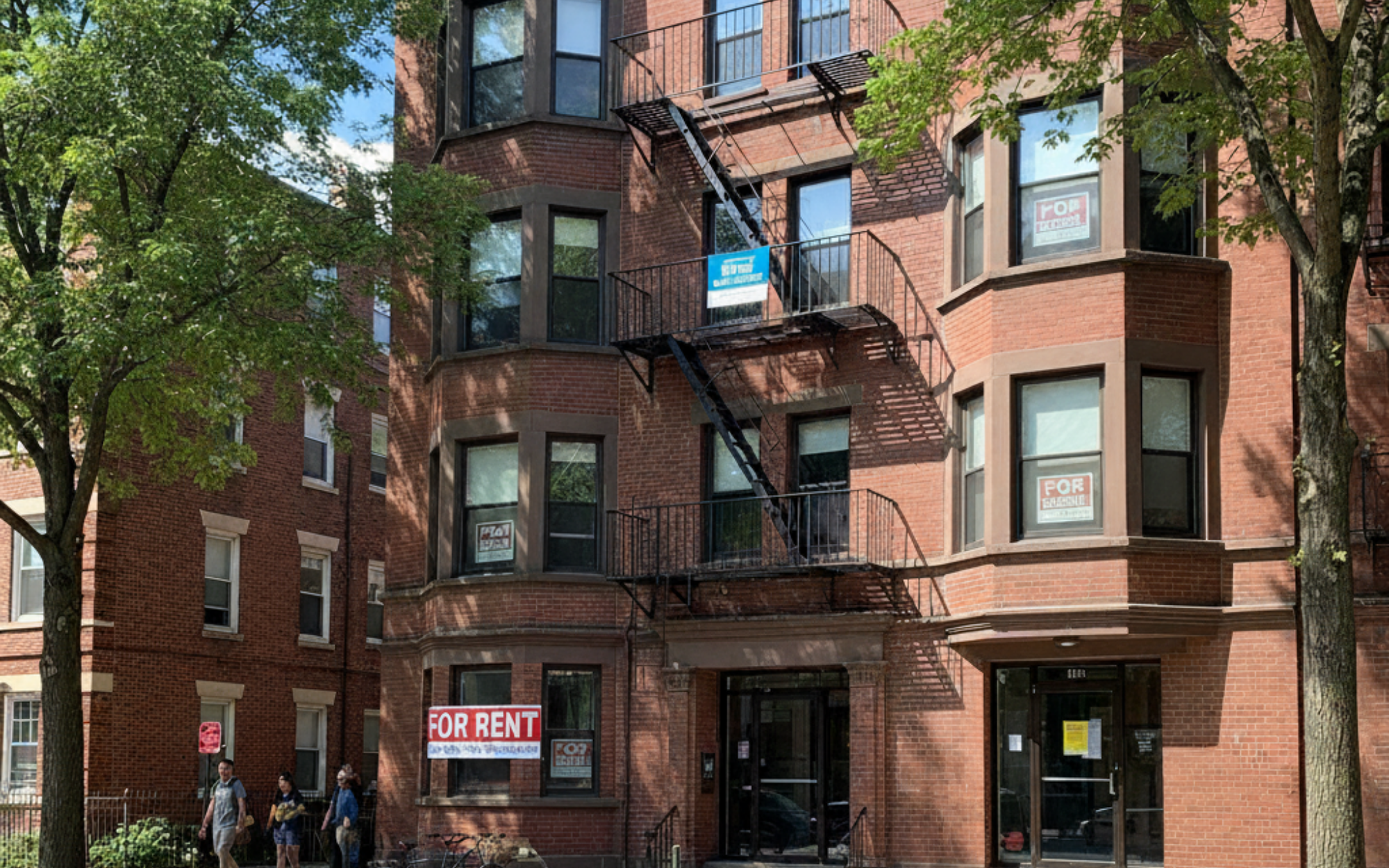
Many apartments, especially those traditionally rented by international students, are now sitting vacant. Areas like Allston and Brighton, Fenway, Mission Hill, and Kenmore, known for student housing, are experiencing an increase in unsigned leases and empty units.
Landlords, who once had waiting lists, are now scrambling to fill properties. According to local real estate sources, there's been a 40% drop in signed leases compared to the same time last year.
Seasonal Mismatch and the Academic Calendar
The academic calendar, which traditionally drives lease cycles in Cambridge, has also seen disruptions. With fewer students arriving in early September, the usual September 1 move-in surge has flattened, leaving many units unoccupied well into the fall.
Listings on the Rise
Platforms like Boston Pads and other real estate websites have seen a 20% increase in rental listings. The influx of available units is giving renters more options, but also signaling potential instability for property investors.
Rent Drops & Incentives: How Landlords Are Reacting
Faced with higher vacancy rates, landlords are being forced to adapt to a more competitive rental landscape.
Lower Rental Prices and Concessions
Rental prices, which had climbed steadily for years, are now beginning to plateau or even drop in some neighborhoods. Landlords are offering concessions like free months, reduced security deposits, and more flexible lease terms.
Virtual Consultations and Proactive Marketing
With fewer walk-in applicants and greater uncertainty, landlords have adopted more proactive strategies. Virtual consultations, video tours, and digital lease signing have become standard practices to attract prospective tenants more efficiently.
Flexible Move-in Dates
In an effort to attract renters, landlords are increasingly willing to adjust move-in dates around tenant needs, deviating from the rigid academic calendar norm. This flexibility is particularly appealing to local professionals and graduate students with varying schedules.
Expanded Target Audiences
Rather than focusing solely on student renters, landlords are broadening their marketing to include local residents, young professionals, and even small families who might be seeking centrally located apartments with now-affordable rates.
Who Wins? Local Renters and the Housing Affordability Opportunity
With less competition from international students, Cambridge’s rental market is opening up in ways that benefit local renters.
More Inventory, Less Competition
For the first time in years, renters aren’t facing bidding wars or pressure to make snap decisions. With more inventory on the market, individuals and families can take their time choosing a place that meets their needs and budget.
Increased Housing Affordability
Although Cambridge is still an expensive city, the softening demand has improved affordability—especially for units that were once priced with international students in mind. This affordability may be temporary, but it provides a window of opportunity for those who have been priced out in previous years.
Access to Previously Inaccessible Housing
Luxury student apartments and high-end off-campus housing that were once out of reach for local renters are now within consideration. Some buildings are even restructuring amenities to appeal to a broader demographic.
Lower Application Risk
With fewer applicants per listing, the risk of being passed over due to minor credit or income concerns is reduced. Renters with less-than-perfect applications may now find it easier to secure housing.
Long-Term Impact: Will This Trend Reshape the Cambridge Housing Cycle?
While the current shift in the market feels dramatic, the long-term effects remain uncertain. Several key questions and trends will shape the future:
Will International Enrollment Recover?
If visa policies ease or economic conditions improve, international student numbers may rebound. However, universities may also diversify their student bodies or embrace hybrid/online learning models that reduce housing pressure.
University Policy Changes
Colleges may shift towards more local recruitment or expand housing options to manage future demand surges. How Harvard and MIT respond to this year’s vacancy rates could influence the market for years to come.
Property Investors Reassess Strategies
Real estate investors, especially those who banked on steady student demand, are reevaluating. Some may shift toward long-term leases or sell off units in response to market saturation.
The Broader Housing Cycle
Cambridge may be entering a new phase of its housing cycle. With decreased demand, we could see slower rent growth, increased availability, and a reshaping of what off-campus housing looks like.
Expert Tips: Renting in Cambridge During a Student Enrollment Dip
For those considering renting in Cambridge in 2025, this unique market presents a strategic advantage. Here are a few tips to navigate it effectively:
1. Shop Around and Negotiate
With landlords eager to fill units, don’t be afraid to negotiate rent or ask for concessions like free parking, utilities included, or waived fees.
2. Watch the Calendar
Traditionally, leases turn over around September 1, but now, move-in flexibility means deals can be found year-round. Use the academic calendar to your advantage.
3. Be Ready to Act When You Find a Good Fit
Although competition is down, the best units still go fast. Have your paperwork ready to apply quickly when you find something that meets your needs.
4. Look Beyond Student-Centric Areas
Explore neighborhoods that were previously geared toward students. These areas may now offer better pricing and amenities for a wider renter base.
5. Consider Longer-Term Leases
If you plan to stay in Cambridge for a while, locking in a longer lease now might shield you from potential rent hikes if the market rebounds.
FAQs:
1. Will rent prices go down in Cambridge due to fewer international students?
Yes, there are already signs of softening rental prices as vacancies rise.
2. Which areas in Cambridge are most affected by vacant apartments?
Neighborhoods like Allston, Brighton, Fenway, and Mission Hill are seeing the largest shifts.
3. Are landlords offering move-in incentives for 2025?
Many landlords are offering free rent, waived fees, and more flexible lease terms.
4. How does a drop in student visas impact the local housing market?
Fewer international students mean less demand, more vacancies, and more choices for local renters.
5. Is now a good time for local renters to lease an apartment in Cambridge?
Yes, renters can find better deals and less competition compared to previous years.
Final Thoughts
The drop in international student tenants in 2025 is making Cambridge apartments more accessible, affordable, and flexible than they’ve been in years. While this shift poses challenges for landlords and investors, it presents rare opportunities for local renters and professionals looking to live in one of the most vibrant academic cities in the world.
Whether this trend holds or reverses will depend on a complex mix of immigration policy, university enrollment decisions, and economic recovery. For now, however, the Cambridge housing landscape has changed—and savvy renters should take note.
Looking to rent in Cambridge this year? Explore listings, negotiate smarter, and make the most of this window before the market tightens again.