

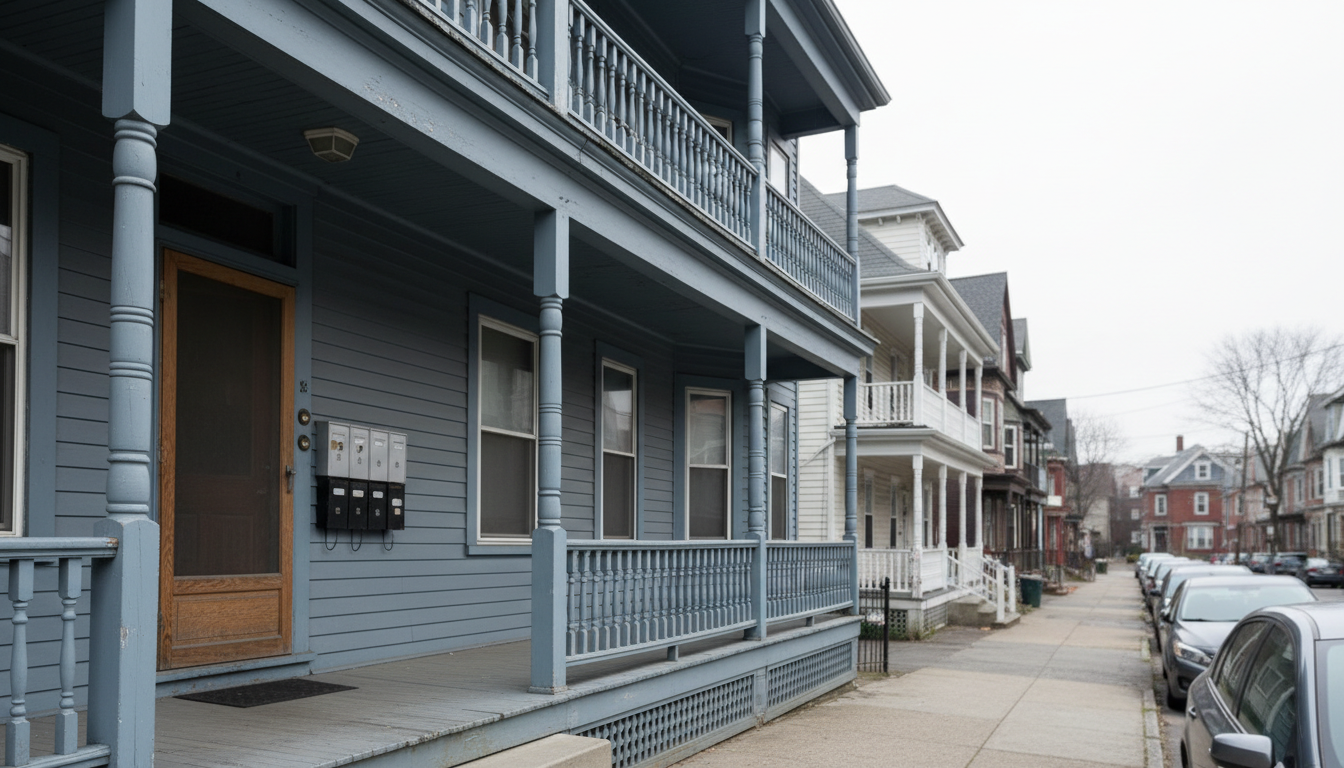
You're scrolling listings, priced out of most of them, and then you find it: a "one-bedroom apartment" in a good neighborhood for hundreds less than everything around it. You message the poster, maybe you even book a tour, and only then do you find out it's one bedroom in a house shared with five other people. The "apartment" was a single room the whole time.
This is one of the most common frustrations in the Boston rental market right now, and here's the part that makes it slippery: most of the time, it isn't technically a scam. It's aggressive, misleading marketing: a room in a shared house or a coliving arrangement dressed up in a listing to read like a whole apartment. Because it's not outright fraud, you usually can't report it. You just have to learn to catch it yourself. Here's how to read a listing and spot the mismatch before you waste a tour or an application.
Why so many Boston "apartments" are really rooms
Boston's rental market runs hot, especially in student-heavy neighborhoods like Fenway, Allston, Mission Hill, and the South End, and especially around the September 1 move-in crush. That demand has made a specific business model very common: operators and small landlords buy up multi-family houses and rent them out by the room, often furnished, sometimes under the "coliving" banner.
Coliving itself isn't a bad thing. It's a real, legitimate housing product, and for some renters the furnished rooms, all-inclusive rent, and flexible leases are genuinely a good fit. The problem is when a room in one of these setups gets listed as if it were a private, whole apartment. A renter looking for their own place ends up touring a bedroom in a six-person house, because the listing never made the difference clear. It's a frustrating version of a familiar Boston problem: trying to find a place you can afford in the city you grew up in, while more of that inventory gets bought up and re-rented room by room.
The listing tells: how to catch it before you tour
You can usually spot a room-dressed-as-apartment from the listing alone if you know what to look for. No single tell is proof on its own, but two or three together are a strong signal.
The price is too good for a "whole apartment"
This is the biggest one. On Spot Easy, genuine one-bedroom apartments currently average around $2,750 in Allston, $3,000 in Fenway, and $3,300 in the South End. If a "one-bedroom" is priced hundreds below the going rate for its neighborhood, that gap is usually the giveaway that you're looking at one room's share of a larger house, not the whole unit. When a price seems too good to be true for the area, treat it as a question to answer, not a deal to grab.
Vague or missing square footage, and a bedroom count that doesn't match the photos
A genuine whole-apartment listing usually states the square footage and shows photos of the actual unit: kitchen, living room, bedroom(s). A room-as-apartment listing often gets vague here: no square footage, or a number that seems large for the rent, plus photos that show a single furnished bedroom and some generic "shared" common spaces. If the photos show more bedrooms than the listing's bedroom count, or you can't tell which rooms you'd actually have to yourself, that's a tell.
The euphemism vocabulary: "coliving," "flexible," "all-inclusive," "furnished room"
Certain words do a lot of quiet work. "Coliving," "flexible terms," "all-inclusive rent," "furnished room," and "roommate matching" are all legitimate descriptions of a shared-housing product, but if they appear in something billed as a "whole apartment," they're a contradiction worth catching. "All-inclusive rent" in particular usually means a per-room coliving arrangement, not a standalone apartment where you'd set up your own utilities.
Individual lease vs. one lease for the whole unit
How the lease is structured is one of the clearest signals. In a coliving or by-the-room setup, you typically sign an individual lease for your room. You're only responsible for your own rent, not the whole unit, and you don't choose your housemates. A whole apartment is one lease for the entire unit. If a listing mentions an individual or per-room lease, or "you're not responsible if a housemate moves out," you're looking at a room, full stop.
What the photos show you (and what they don't)
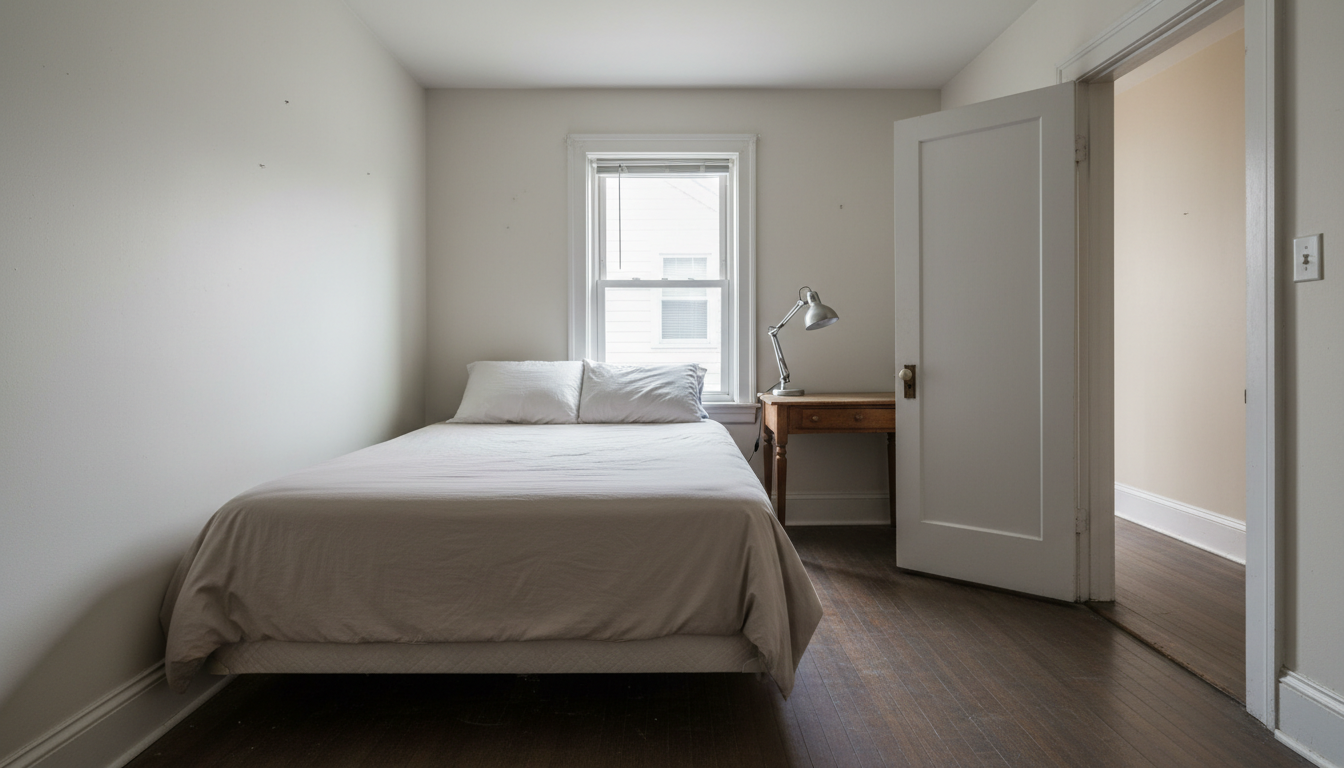
Look at what the photos actually depict versus what the listing claims. A single well-staged bedroom plus a shared kitchen and lounge is a coliving room. A full walk-through of a private kitchen, bathroom, living room, and bedroom is more likely an actual apartment. Missing photos of a private kitchen or bathroom, in particular, often means those spaces are shared.
Coliving vs. a whole apartment vs. a room in a shared house: what you're actually choosing between
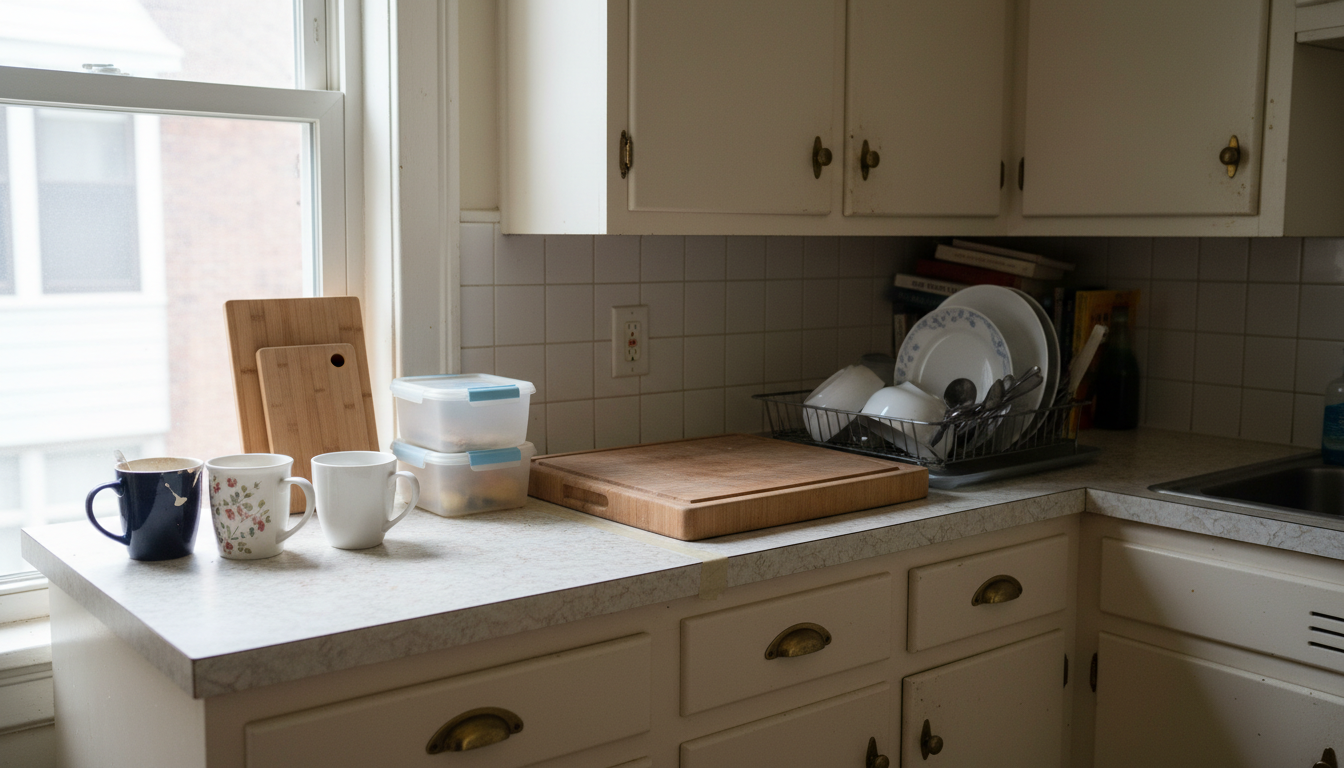
It helps to know the three things a Boston listing might actually be:
- A whole apartment: you rent the entire unit, one lease, exclusive use of the kitchen, bathroom, and living space. You may have roommates you chose, but the unit is yours collectively.
- A room in a shared house: you rent one bedroom in a house or large apartment, sharing the kitchen, bathroom, and common areas with other tenants, often on one shared lease, sometimes informally.
- Coliving: a professionally managed version of the room-in-a-shared-house model: private furnished bedroom, shared common areas, your own individual lease, all-inclusive rent covering utilities and often cleaning, usually with more flexible lease terms.
None of these is inherently the "wrong" choice. They're different products at different prices. Coliving can be cheaper and lower-hassle than going solo. The problem is only when a listing hides which one it's actually offering, so you spend time and money finding out the hard way.
Heads up: a lot of this comes down to listings that were never checked before they went live. Spot Easy verifies every listing with a human, so a room being passed off as a whole apartment gets caught before it wastes your time. What you see is what you'd actually be renting.
Questions to ask before you tour
If a listing is ambiguous and you're not sure what you're looking at, a few direct questions will flush it out fast, ideally before you spend an afternoon on a tour:
- Is this the whole unit, or a single room in a shared house?
- How many people live here in total?
- What's private to me, and what's shared: kitchen, bathroom, living room?
- Is this an individual lease for the room, or one lease for the whole apartment?
- What's the exact square footage of the space I'd actually have?
A straight answer means you can decide with real information. Evasiveness or a subject-change is its own answer.
Is it a scam, or just misleading?
Most room-as-apartment listings aren't illegal. They're misleading marketing, which means your main defense is catching them yourself rather than reporting them. But some cross the line into actual scams, and those you can report. For the full rundown of fraud signals (stolen photos, landlords who won't meet in person, payment demanded before you've seen the unit), see our guide to avoiding rental scams in Boston. One signal specific to this situation: a charge to simply "hold" or "set aside" an apartment isn't a legitimate move-in cost in Massachusetts, and pressure to pay one before touring is a strong scam signal (WGBH).
If a listing is merely misleading about being a room, the fix is to walk away and keep looking. If it shows the fraud signals above, you can report it to the City of Boston's consumer affairs office or the Massachusetts Attorney General, and you should never send money before seeing the actual unit in person.
FAQ
Is it legal to list a room as a "whole apartment" in Boston? It's usually not illegal: it's misleading marketing rather than fraud, which is why you generally can't report it. It only crosses into a reportable scam if it involves things like stolen photos, a fake unit, or demands for money before you've seen the place.
What's the difference between coliving and a regular apartment? Coliving means a private furnished bedroom with shared common areas, your own individual lease, and all-inclusive rent: a professionally managed room in a shared space. A regular apartment is the whole unit on one lease with exclusive use of the kitchen, bathroom, and living areas.
How can I tell from a listing that it's actually a room? The biggest tells are a price well below comparable whole apartments, vague or missing square footage, "coliving"/"all-inclusive"/"furnished room" language, and any mention of an individual or per-room lease. Two or three of these together are a strong signal.
Why is this so common in Boston? A hot, student-heavy market and the September 1 crush have made renting multi-family houses out by the room a common business model. When those rooms get listed as whole apartments, you get the mismatch.
What should I ask before touring an ambiguous listing? Ask directly whether it's the whole unit or a room, how many people live there, what's private versus shared, and whether the lease is per-room or for the whole apartment.
Is coliving a bad deal? Not necessarily — it can be cheaper and lower-hassle than renting solo, with utilities and furniture included. The problem isn't coliving itself; it's a listing that hides that coliving is what it's offering.
This article is informational and isn't legal advice.