

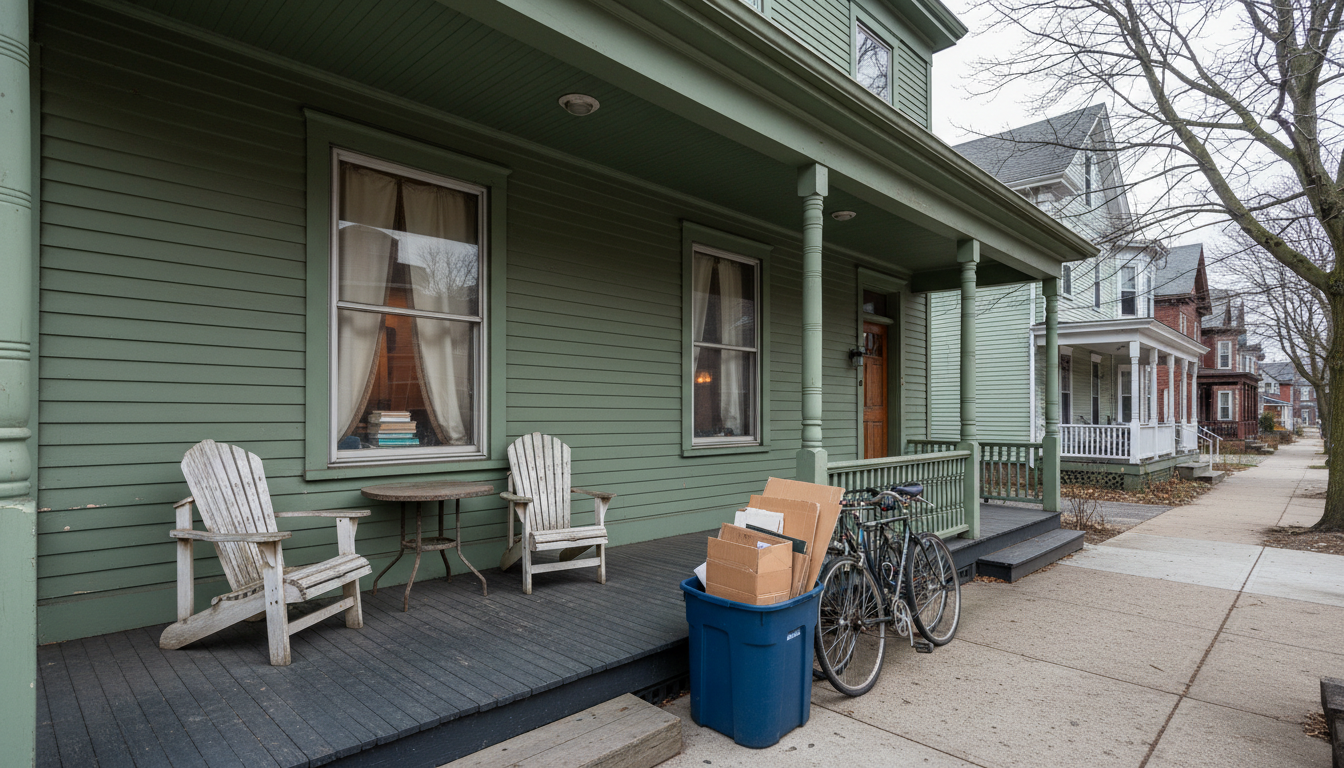
In Boston's expensive market, one of the more affordable ways to get a room is to rent one in a home where the owner also lives, a room in their house, their condo, or one unit of a two- or three-family they occupy. It can be a genuinely good deal: often furnished, sometimes with utilities included, usually cheaper than a whole apartment. But it's a different kind of arrangement than renting a standard apartment, and it's easy to miss how different until you're in it.
Most of what you'll find online about this is written for the homeowner — how to rent out a room, screen a roomer, set house rules. This guide is for the other side of the deal: the person moving in. Renting a room from a live-in landlord can absolutely work, and often does. The point here isn't to scare you off — it's to help you go in clear-eyed about the trade-offs and your rights, and to know what to lock down before you agree.
What "renting from a live-in landlord" actually is
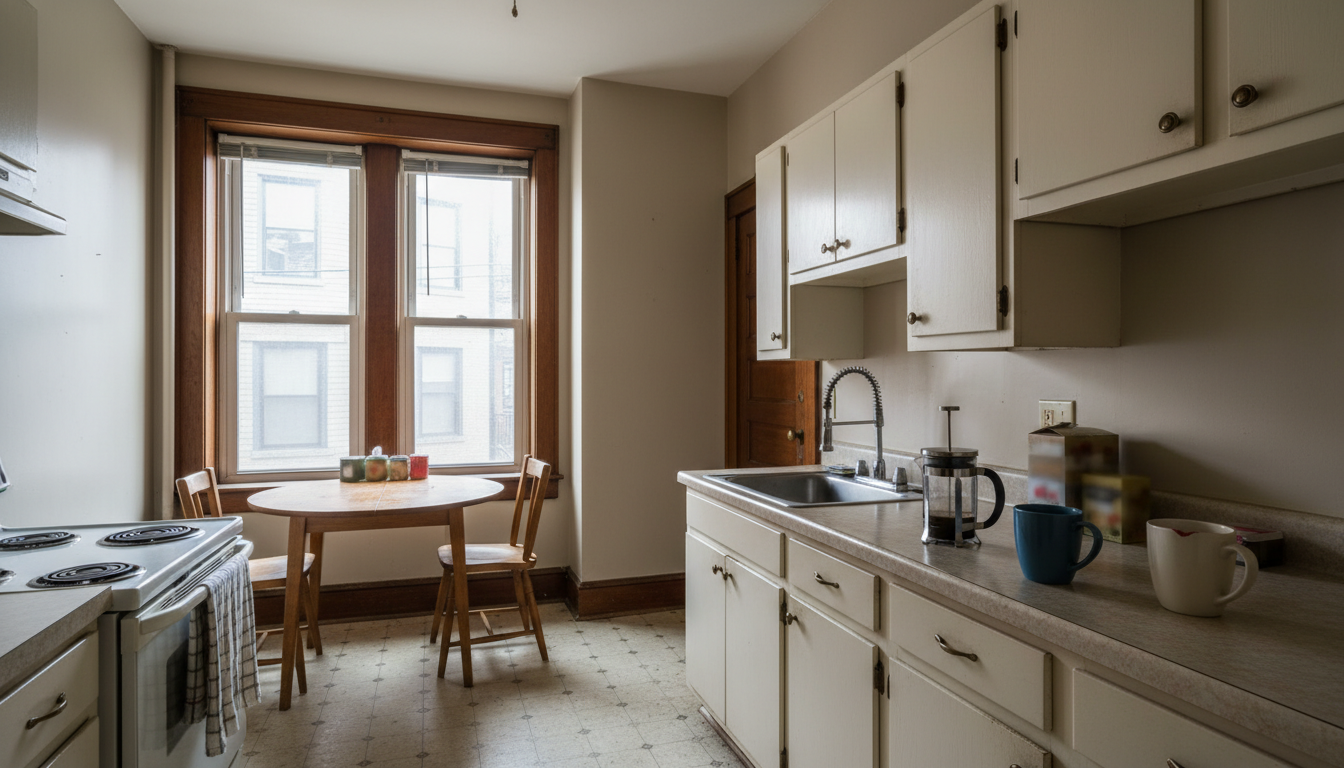
The defining feature is simple: the owner lives there too. That could be a spare bedroom in a single-family home, a room in a condo they own and occupy, or a room in one unit of a two- or three-family building where they live on-site. You're sharing a home with the person who owns it and collects your rent.
That's a different situation from two things people sometimes confuse it with. It's not renting a whole apartment (where you and any roommates have the unit to yourselves), and it's not a peer roommate arrangement (where everyone's a co-equal tenant and the actual landlord lives elsewhere). Here, your housemate is your landlord — which changes both the day-to-day feel and, importantly, your legal standing.
Your legal footing is different: lodger vs. tenant
This is the part that surprises people, and it's the most important thing to understand before you sign.
When you rent a room in a home where the owner also lives, Massachusetts generally treats you as a lodger (or "roomer"), not a tenant. Mass Legal Help's guidance on the types of tenancies draws this line clearly: a lodger is someone who rents a room in a house where the owner lives in the same house the whole time, while a tenant rents a unit they have exclusive use of. It's not just a label: lodgers generally have weaker protections than tenants, including when it comes to how easily the arrangement can be ended.
Because the exact rules around a lodger's rights (how much notice you're owed, how you can be asked to leave, how a dispute is handled) are genuinely nuanced and depend on the specifics of your situation, this is a place to get real guidance rather than trust a blog's summary (including this one). Mass Legal Help is the best free starting point, and a tenant-rights attorney or a local housing organization can tell you exactly where you stand for your arrangement.
The important flip: if the owner moves out, you become a tenant
Here's a detail worth knowing: your lodger status hinges on the owner actually living there. If the live-in owner moves out while you stay on in the home, you generally stop being a lodger and become a tenant, with the fuller set of tenant rights and protections that come with it. The owner's on-site presence is the thing creating the lodger arrangement in the first place, so if that changes, your standing changes too. If that happens to you, it's worth confirming your new rights with Mass Legal Help or a tenant-rights attorney.
Fair-housing law still protects you on the big things
You might read that owner-occupied homes are "exempt" from some housing rules — this is sometimes called the "Mrs. Murphy" exemption, and it's real but narrower than it sounds. Under Massachusetts guidance on housing discrimination, an owner-occupied two-family building can opt out of some fair-housing requirements, but not the core protections. A landlord, even a live-in one, still cannot discriminate against you based on race or color, or because you receive public assistance or a housing subsidy like Section 8, and they can't advertise that they won't rent to families with children. If you believe you've faced discrimination on one of those grounds, the exemption does not cover it — Mass Legal Help explains what's illegal regardless of owner-occupancy.
Deposits and money
Massachusetts regulates security deposits tightly: how they're held, the timeline, the interest, the documentation. How all of that applies to a room in an owner-occupied home specifically can get technical, so rather than assume, confirm what you're owed for your exact arrangement with Mass Legal Help or the Attorney General's guidance before you hand over money. The safe move in any case: get a receipt for anything you pay, and get the terms in writing (more on that below).
The real trade-offs of living with your landlord
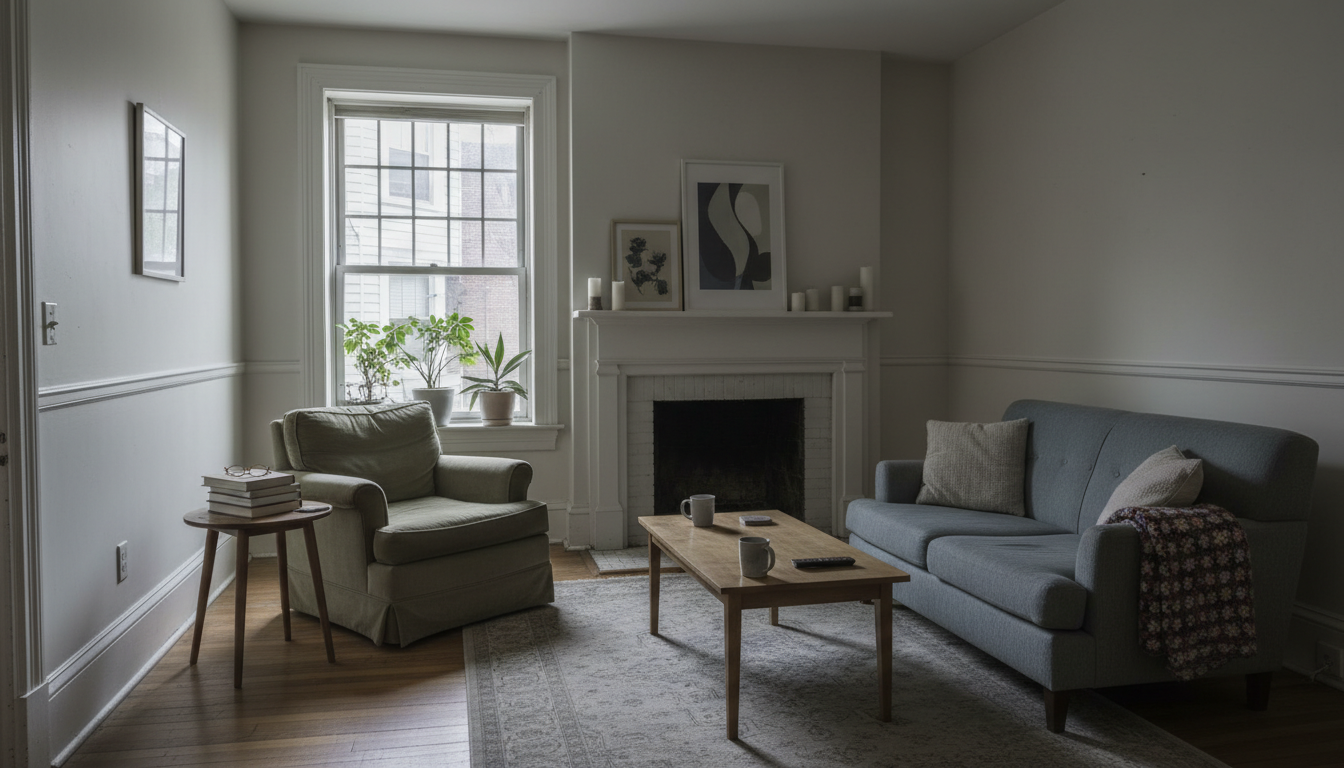
Legal standing aside, living with the person who owns the place is a distinct lifestyle trade-off. Renters on both sides of it are candid about the tension: one Boston commenter's reaction to a room in an owner-occupied unit was simply, "you're still a landlord," and another, looking at a pricey owner-occupied share, put it as "$2,500 to live with your landlord? And share the bathroom with your landlord's guests?"
The upsides are real: rooms in owner-occupied homes are often cheaper than a whole apartment, frequently come furnished, and sometimes fold utilities into the rent. Owners who live on-site tend to keep the place maintained, and the arrangement can be more flexible on lease length.
The downsides are just as real, and worth weighing honestly:
- Less privacy. You're sharing a home with your landlord. Common areas (kitchen, living room, sometimes the bathroom) are shared, and the owner is around.
- House rules you didn't set. The owner generally sets the terms of their own home: quiet hours, guest policies, how common space is used. You're agreeing to live by someone else's rules in their space.
- A weaker legal position. As above, a lodger typically has fewer protections than a tenant, and the person who can end the arrangement is also the person you see every morning.
None of that makes it a bad choice — for a lot of renters the savings and simplicity win. It just means you want to know what you're agreeing to.
What to nail down before you agree
Because your protections are thinner and the day-to-day is more entangled, the details matter more here, not less. Before you move in:
Get it in writing — even a simple agreement
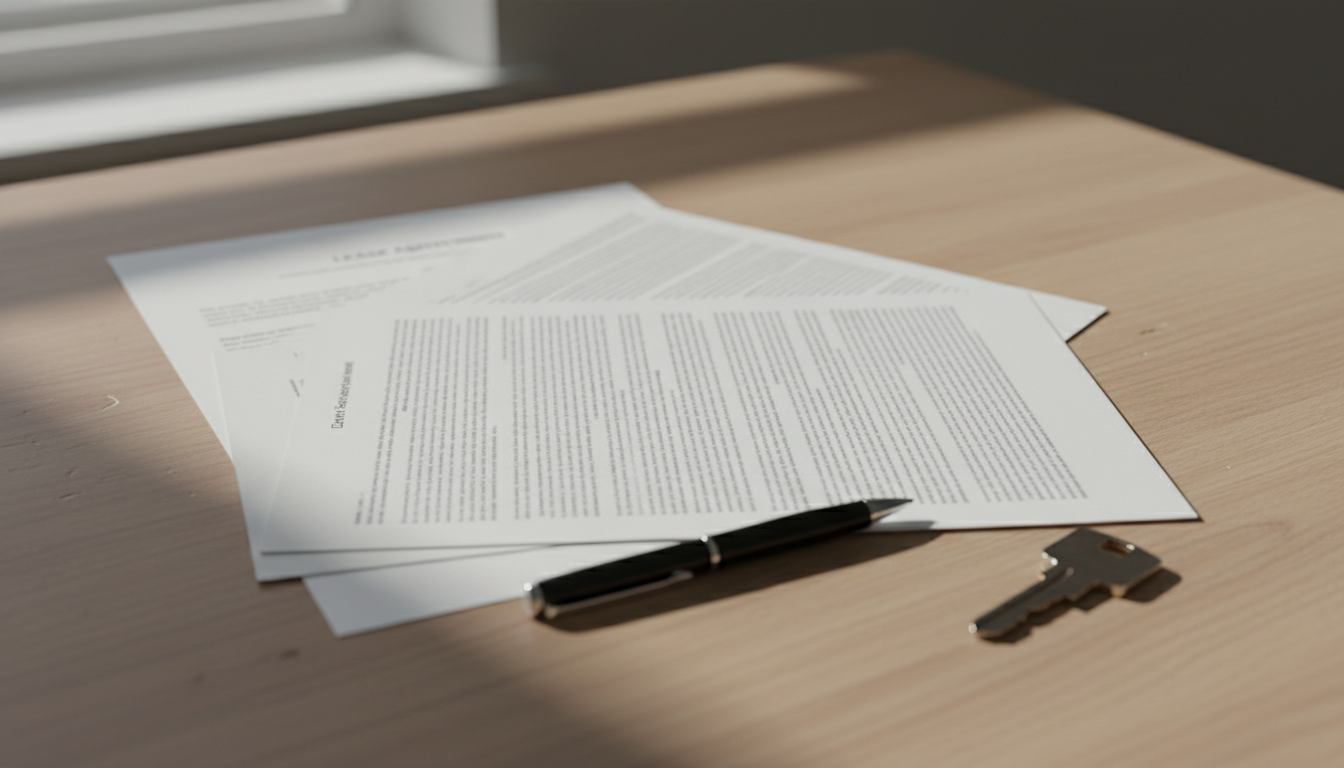
A written room-rental agreement is your friend, even when the arrangement feels casual and friendly. It should spell out the rent and what it includes, how and when you pay, how much notice either of you gives to end things, and the house rules you're agreeing to. A written agreement protects both of you and turns fuzzy expectations into something concrete — and it's the document you'll be glad to have if a disagreement ever comes up.
Pin down what's private and what's shared — and entry to your room
Get clear on which spaces are yours alone and which are shared: bedroom, bathroom, kitchen, laundry, entrance, storage. And specifically talk through your room: you're entitled to reasonable privacy in the space you're renting, so agree up front on when (and whether) the owner would enter it, and put that understanding in writing. "Only for a genuine emergency or with advance notice" is a reasonable standard to ask for.
House rules, guests, quiet hours, chores, and costs
Talk through the everyday stuff before it becomes friction: quiet hours, whether and how often you can have guests (including overnight), cleaning and chores in shared areas, parking, pets, and exactly how utilities and any shared costs are split. It's much easier to align on these at the kitchen table before move-in than to renegotiate them once you're living there.
An exit plan
Agree on how either side ends the arrangement and with how much notice, and get that in writing too. Because a lodger's default protections can be thinner than a tenant's, a clear, mutually-agreed notice period is one of the most valuable things you can lock in up front.
How to vet a live-in landlord (who's also your housemate)
Here's the thing that makes this different from a normal rental: you're choosing a landlord and a housemate at the same time. Vet accordingly. Meet in the actual space, more than once if you can. Ask how long they've rented rooms and whether you can talk to a current or former roomer for a reference — a past housemate will tell you more in five minutes than a listing ever will. Pay attention to how they answer questions about rules and boundaries; someone clear and reasonable now is likely to be clear and reasonable later, and someone cagey or controlling now probably won't improve once you've moved in. Trust your read of the person, because you'll be living with it.
FAQ
If I rent a room where the landlord lives, am I a tenant?
Usually no — Massachusetts generally treats you as a "lodger" or "roomer" rather than a tenant when the owner lives in the same home, which typically means fewer protections. The exact rules depend on your situation, so confirm your standing with Mass Legal Help or a tenant-rights attorney.
What happens if my live-in landlord moves out?
If the owner moves out while you stay, you generally become a tenant, gaining the fuller set of tenant rights. It's worth confirming your new status with a tenant-rights resource if that happens.
Can a live-in landlord refuse to rent to me for any reason?
No. Even with the owner-occupied ("Mrs. Murphy") exemption from some fair-housing rules, a landlord still cannot discriminate based on race or color, or because you receive public assistance or a housing subsidy, and cannot advertise against families with children.
Should I get a written agreement for renting a room?
Yes — even a simple one. Put the rent and what it includes, the notice to end things, privacy and entry to your room, and the house rules in writing. It protects both of you.
Can my live-in landlord come into my room?
You're entitled to reasonable privacy in the room you rent, so agree in advance, ideally in writing, on when the owner may enter (for example, a genuine emergency or with notice). If you're unsure about your rights here, Mass Legal Help can help.
Is renting a room from a live-in landlord a bad idea?
Not at all — it's often cheaper, sometimes furnished, and can be a great fit. The point is to go in aware of the trade-offs (less privacy, house rules you didn't set, thinner legal protections) and to get the important terms in writing before you move in.
This article is general information, not legal advice; because a room-in-an-owner-occupied-home arrangement is legally nuanced, confirm your specific rights with Mass Legal Help, the Massachusetts Attorney General's office, or a tenant-rights attorney.