


A monthly MBTA LinkPass, the standard subway pass, costs $90. A single subway ride costs $2.40. Divide one by the other and the pass only starts paying for itself somewhere past 37 rides a month.
Whether you'll clear that has less to do with your commute than with how far you live from the place you go every day. That makes this a housing question dressed as a transit one — and it's worth five minutes with a calculator before you hand over $90.
All prices below are as listed by the MBTA as of August 2026.
The break-even, in one table
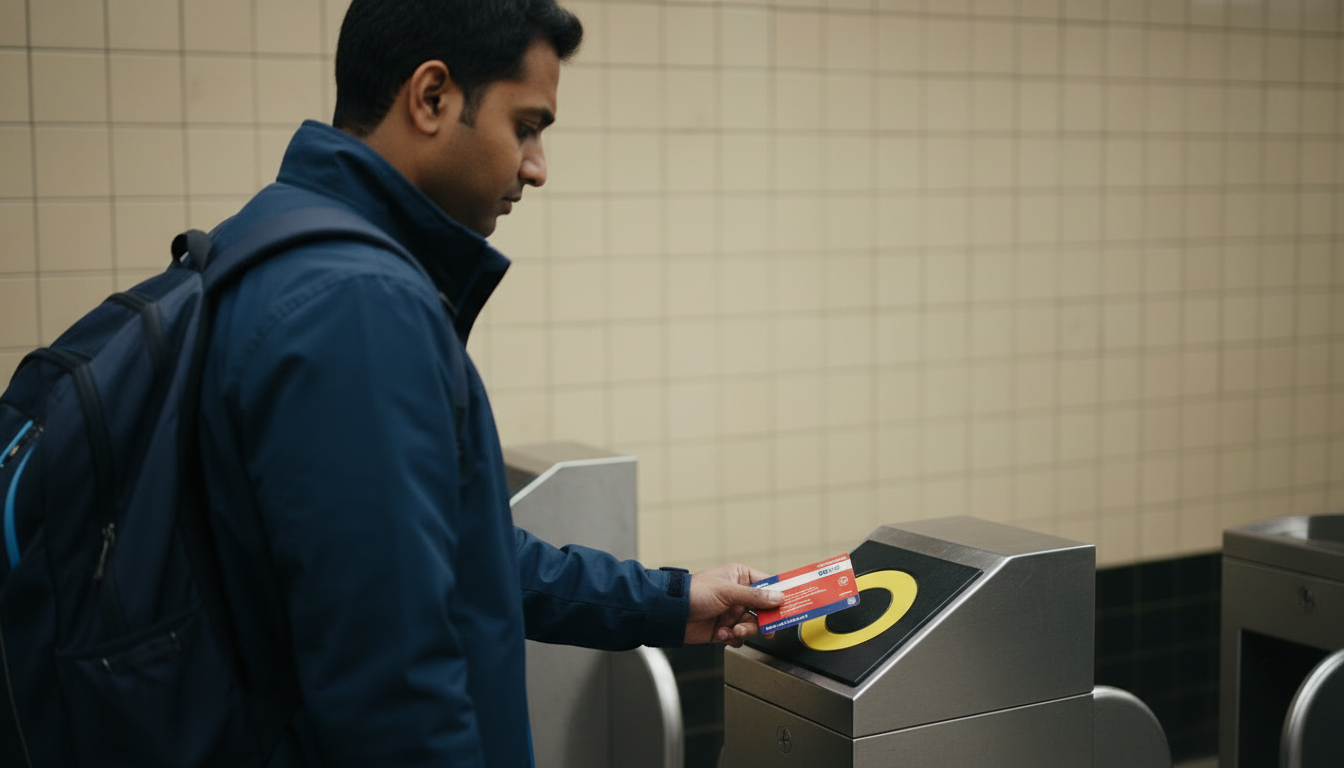
Thirty-seven rides sounds abstract. In practice it's about 19 round trips a month, or roughly four and a half round trips a week — which is to say you need to be riding nearly every weekday, both directions.
Here's how that looks at different usage levels, at $2.40 a subway ride and about 4.3 weeks in a month:
| How often you ride | Trips per month | Pay-per-ride cost | vs. the $90 pass |
|---|---|---|---|
| 2 round trips a week | ~17 | ~$41 | Pay per ride: you're roughly $49 better off |
| 3 round trips a week | ~26 | ~$62 | Pay per ride: about $28 better off |
| 4 round trips a week | ~34 | ~$83 | Pay per ride, but only just: about $7 in it |
| 5 round trips a week | ~43 | ~$103 | The pass wins: about $13 better off |
Notice the fourth row. Four round trips a week works out at about 34 trips a month, which is almost exactly where Boston University sets the threshold in its own guidance to students: the semester pass, it says, "is only a good value for those who use the MBTA very frequently (at least 34 trips per month)." Two different routes to the same number is a good sign the arithmetic is sound.
If you want your own figures run properly, particularly if an employer is involved, A Better City publishes a break-even calculator that does the sum for you. This page doesn't calculate anything; it just shows you the shape of it.
What changes the answer
The basic break-even math, the pass price divided by the fare, assumes you're paying full price out of your own pocket. Three things move that line.
- Pre-tax or subsidised purchase. If you buy through an employer's pre-tax program or get a subsidy, the pass costs you less than $90 in real terms — so the break-even falls, sometimes a long way. A Better City's calculator takes both as inputs.
- Bus instead of subway. A local bus ride is $1.70 and a Monthly Local Bus Pass is $55, which works out at about 32 trips to break even — a slightly lower bar than the subway.
- Weeks you're away. The pass doesn't care that you were on holiday, at home for the winter break, or working remotely for a fortnight. Those weeks cut your trip count without cutting the price.
One more mechanical note worth knowing: the MBTA says contactless payment is "not compatible with daily, weekly, or monthly passes." If you're tapping a phone or bank card, you're paying per ride by definition.
Your trip count is a housing decision

Every guide to this question treats your number of trips as a fact about you. It isn't. It's mostly a fact about where you signed a lease.
Live within walking distance of work or campus and you will never come close to 37 rides a month — you'll walk when it's fine out and ride when it isn't, and the pass will be money set on fire. One BU student put the campus point plainly in a thread about exactly this: the campus is very walkable, so most people simply don't ride enough.
Live three or four stops out and you land in the ambiguous middle of that table, where a hybrid week or a mild autumn decides it for you.
Live at the end of the line and the question answers itself. But so does the cost. That's roughly $90 a month, or a bit over $1,000 a year, attached to the apartment rather than to the T. And it's the number renters most often leave out when they compare a cheaper place further out against a pricier one close in. A place $75 a month cheaper that adds a pass you'd otherwise skip is not cheaper.
Spot Easy lists Boston apartments by MBTA and Commuter Rail proximity, without the broker fee on partner units, which at least makes the distance side of the trade-off easy to see.
The useful habit is to run the trip count before you sign, not after you've moved and discovered what your week actually looks like. Take the commute you're about to commit to, multiply by two, multiply by the days you'll genuinely do it, and see which side of 37 you land on.
When it's obviously not worth it
Some cases don't need the table.
- You can walk it. If your daily destination is a fifteen-minute walk, you'll ride occasionally and pay a few dollars when you do.
- You work hybrid. Two or three office days a week puts you at 17–26 trips, comfortably under the line, and that's before any week you skip.
- You're away for long stretches. Students in particular lose a chunk of December and much of the summer, which drags the effective monthly cost up without touching the price.
- You mostly ride at weekends. Errands and social trips rarely add up to daily-commuter volume.
The MBTA's own advice to BU students points the same way: most should simply use the Tap to Ride system and pay for individual fares. That's a reasonable default for anyone who isn't confident they'll clear the threshold. Give yourself a monthly budget for the T instead, and stop thinking about it at the fare gate.
A note on prices
The $2.40 subway fare, the $1.70 bus fare, the $90 LinkPass, and the $55 bus pass are all as the MBTA listed them in August 2026, and fares get revised.
That's why the arithmetic matters more than the figures. The method survives a fare change:
- Take the pass price.
- Divide it by the single fare.
- Halve that for round trips.
- Compare the result against the weeks in your month.
Whatever the numbers are when you read this, that division still tells you what you need to know.
FAQ
How many rides does it take for an MBTA monthly pass to pay off?
At August 2026 prices, a $90 LinkPass and a $2.40 subway fare, about 37.5 rides a month, which is roughly 19 round trips, or about four and a half round trips a week.
Is the MBTA pass or pay-per-ride better?
It depends entirely on how often you ride. Below roughly four round trips a week, paying per ride costs less. Above it, the pass does. The table above shows where you fall.
Does the monthly bus pass break even at the same point?
Slightly sooner. At $1.70 a local bus ride against a $55 Monthly Local Bus Pass, you need about 32 trips a month rather than 37.
Do students get a better deal?
They can. Boston University, for example, offers a Semester Pass at an 11% discount off the regular monthly rate — $320 for a LinkPass semester. BU's own guidance is that it's only good value above about 34 trips a month, and rarely worth it for students living on or near campus.
What if my employer subsidises my pass?
That lowers your effective cost and therefore your break-even. A Better City's calculator takes employer subsidy and pre-tax purchase into account, which the plain division here doesn't.
Can I use a monthly pass with tap-to-pay?
No. The MBTA states that contactless payment isn't compatible with daily, weekly, or monthly passes — tapping a phone or card means paying per ride.
Should the pass factor into which apartment I choose?
Yes, and it usually doesn't. If a cheaper apartment further out means you'll need a pass you'd otherwise skip, that's about $90 a month to add to its rent before comparing it fairly with somewhere you could walk from.
This article is informational. MBTA fares and pass prices change — check mbta.com/fares for current figures before making a decision based on them.