

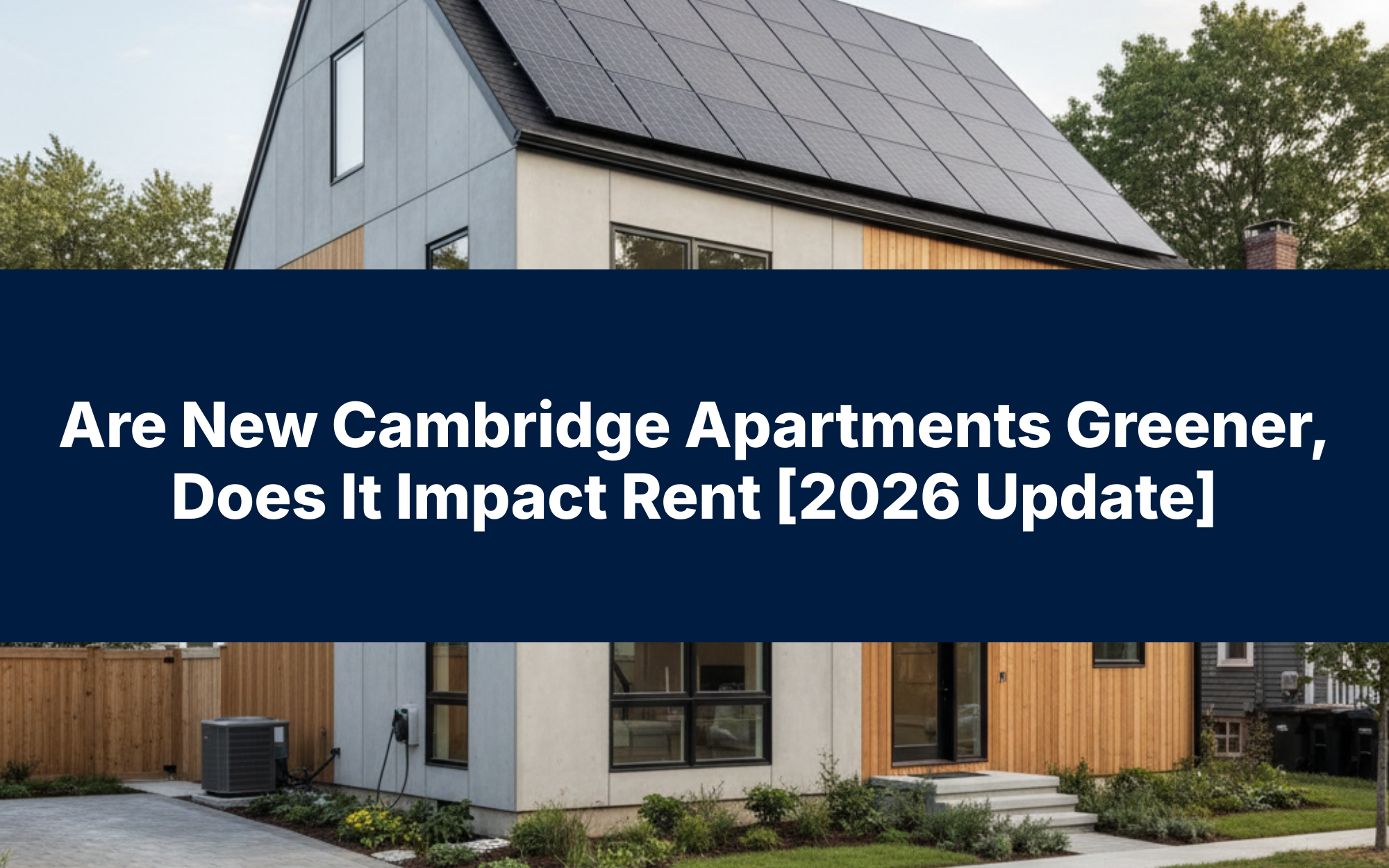
In a city known for innovation and academia, it’s no surprise that Cambridge is becoming a hub for sustainable housing development. But are new Cambridge apartments truly greener? And if they are, how does that impact rent prices and overall comfort? In this post, we explore the rise of Passive House buildings, zoning overlays, and the eco-trends shaping Cambridge’s rental market.
What Makes a "Green" Apartment in Cambridge?
Cambridge’s push toward climate-conscious living is evident in the city’s growing stock of green apartments. But what qualifies as a "green" apartment and how do classic vs. modern Cambridge rentals compare?
Green apartments typically incorporate:
- Passive House standards: rigorous energy efficiency benchmarks reducing energy consumption by up to 90%.
- LEED-certified or NetZero status: buildings that minimize environmental impact and may generate as much energy as they consume.
- Sustainable features: high-efficiency HVAC systems, triple-pane windows, solar panels, and low-flow plumbing fixtures.
- Green space and trees: urban landscaping that supports stormwater management and enhances urban biodiversity.
- Stormwater management systems: designed to reduce runoff and protect the local watershed.
These eco-friendly features aren’t just good for the planet—they often enhance comfort with better air quality, quieter interiors, and stable indoor temperatures.
Cambridge's building codes and climate action goals are raising the bar for sustainability. From energy audits to carbon-neutral goals, new developments must meet increasing expectations for environmental performance.
Zoning Overlays and Housing Policy: The Engine Behind Eco-Trends
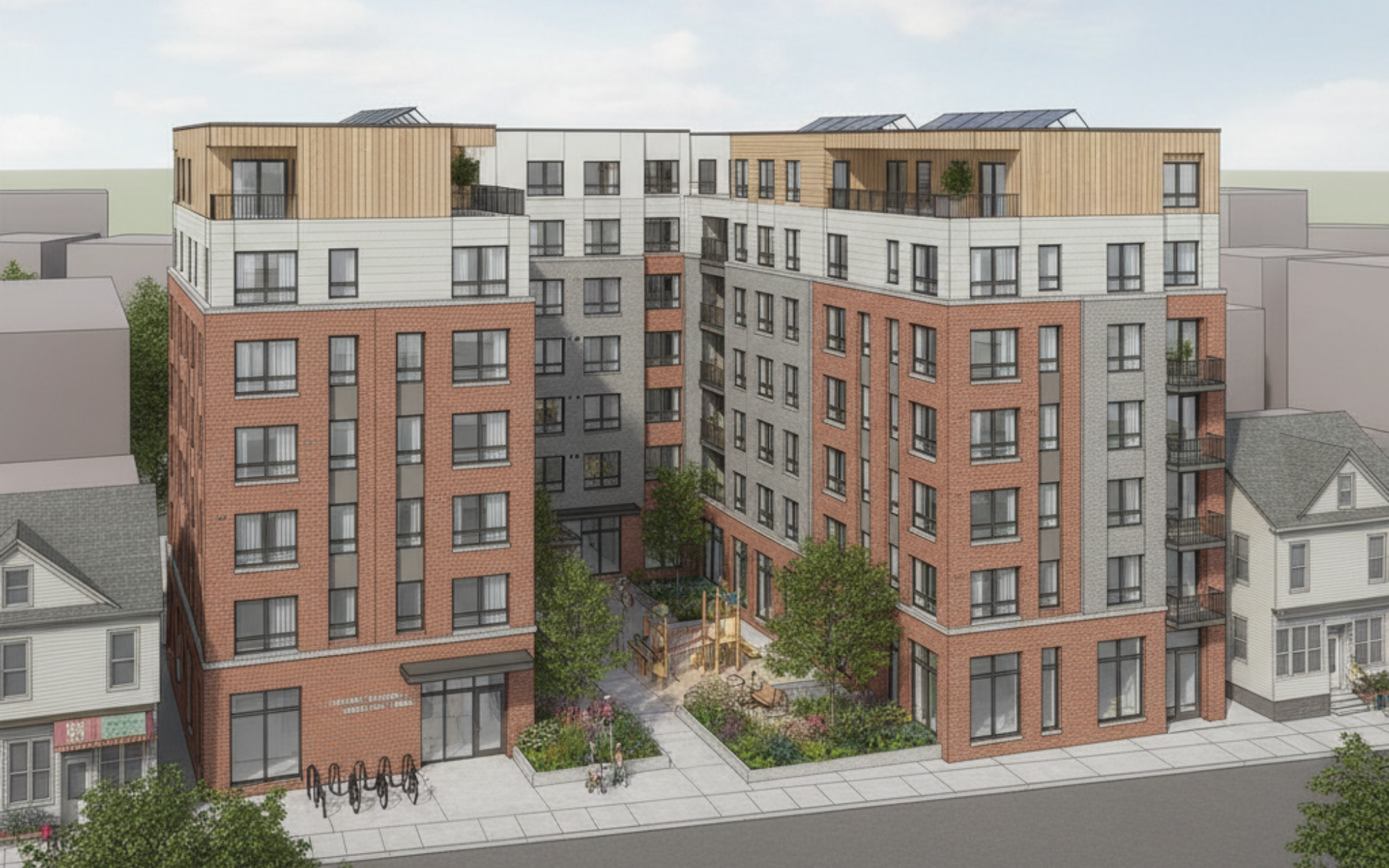
While green design is about building better, policy plays a major role in making it possible. Enter: overlays and zoning reform.
What are Overlays?
In Cambridge, overlays are zoning tools that allow developers to build differently within specific areas. The most notable example is the Affordable Housing Overlay (AHO), which allows for:
- Taller buildings (up to six stories in some areas)
- Denser multifamily housing
- Reduced parking requirements
- Expedited permitting
Paris-style Zoning and Upzoning
Inspired by European urbanism, Paris-style zoning is gaining traction. It emphasizes four-story buildings, walkability, and mixed-use development.
Upzoning also plays a role by allowing greater housing density near transit corridors. This reduces the need for sprawl and supports sustainable urban growth.
These zoning reforms make it easier for developers to include green features by offsetting costs with added height, density, and incentives.
Why It Matters for Eco-Housing
- Higher density supports public transit use, reducing carbon emissions.
- Streamlined permitting encourages more sustainable projects.
- Larger developments can accommodate green infrastructure like rooftop solar and communal green spaces.
Green Developments and the Rental Market: Who Benefits and Who Pays?
Sustainable housing isn’t just an environmental issue—it’s an economic one. So how do these eco-trends affect the rental market in Cambridge?
Rent Prices: Higher or Lower?
The answer depends on the type of unit:
- Market-rate green apartments may have higher upfront rents due to construction costs and premium features.
- However, affordable units built under overlays often cap rents based on income, helping maintain access.
Energy Efficiency = Long-Term Savings
While rent and utility costs might be slightly higher, energy-efficient buildings reduce monthly utility bills:
- Lower heating and cooling costs
- Less frequent maintenance needs
Infrastructure and Development Costs
New green buildings often involve:
- Higher infrastructure costs (solar, HVAC, insulation)
- Compliance with developer requirements for sustainability
To balance costs, developers may leverage:
- Development incentives from the city
- Inclusionary zoning to include affordable units and receive zoning bonuses
The result? A mixed market where both luxury and affordable green units coexist, with a complex relationship to rent levels and long-term affordability.
Comfort and Design in Sustainable Apartments
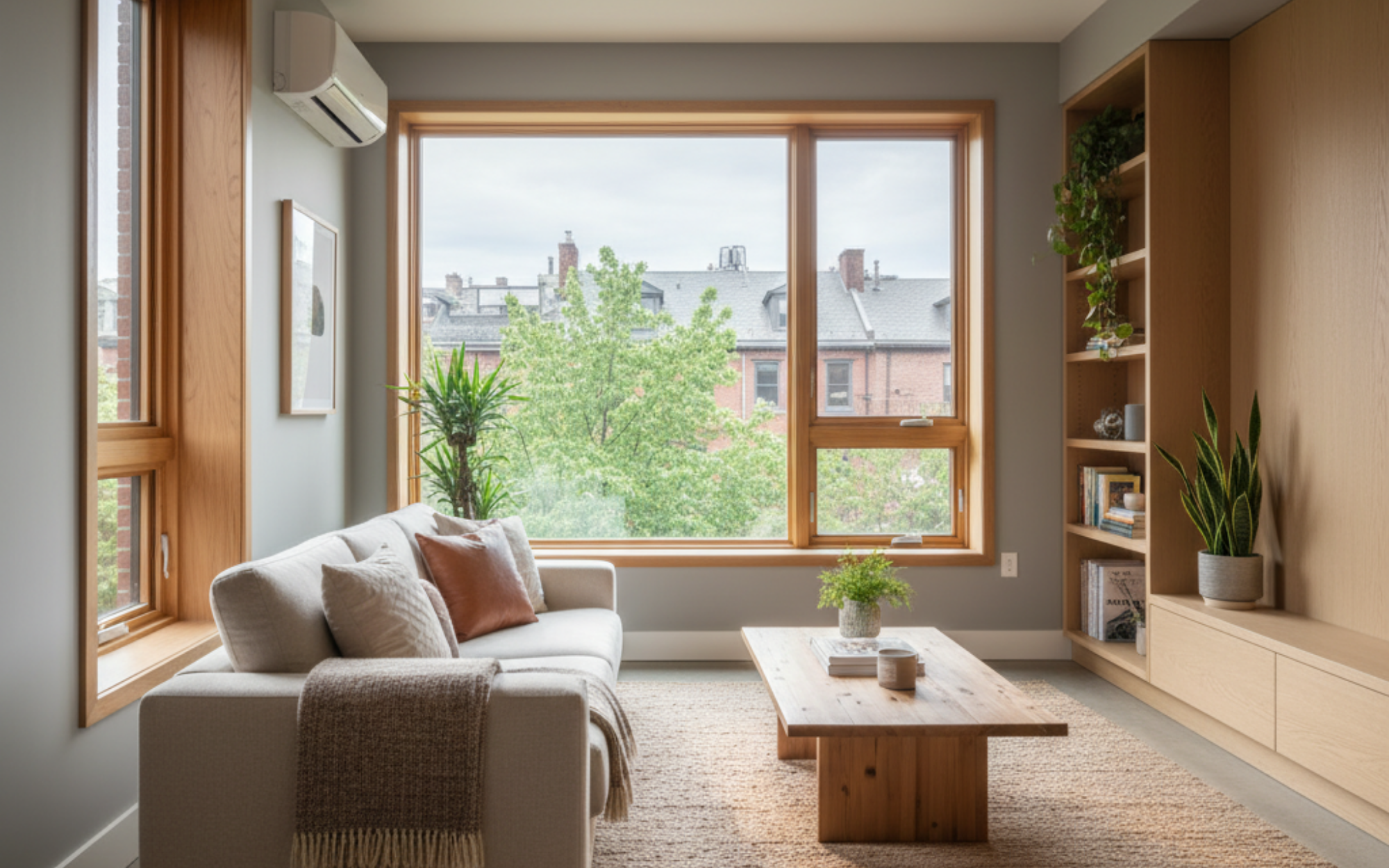
One major selling point of green apartments is comfort. These units are designed to offer a superior living experience compared to older, draftier buildings.
What Makes Green Units More Comfortable?
- Thermal stability: thanks to insulation and high-performance windows
- Better air quality: advanced ventilation systems filter out pollutants
- Noise reduction: thicker walls and better glazing keep city sounds out
- Natural lighting: often maximized in Passive House and LEED designs
Design Features to Watch
- Interior courtyards: provide light, airflow, and community space
- Community amenities: green roofs, shared gardens, composting stations
- Walkability: new developments prioritize access to services and transit
In short, these apartments are built not just for energy savings but for quality of life. That comfort can be a major draw even if rents are higher.
Transit, Trees, and the Bigger Eco-Picture
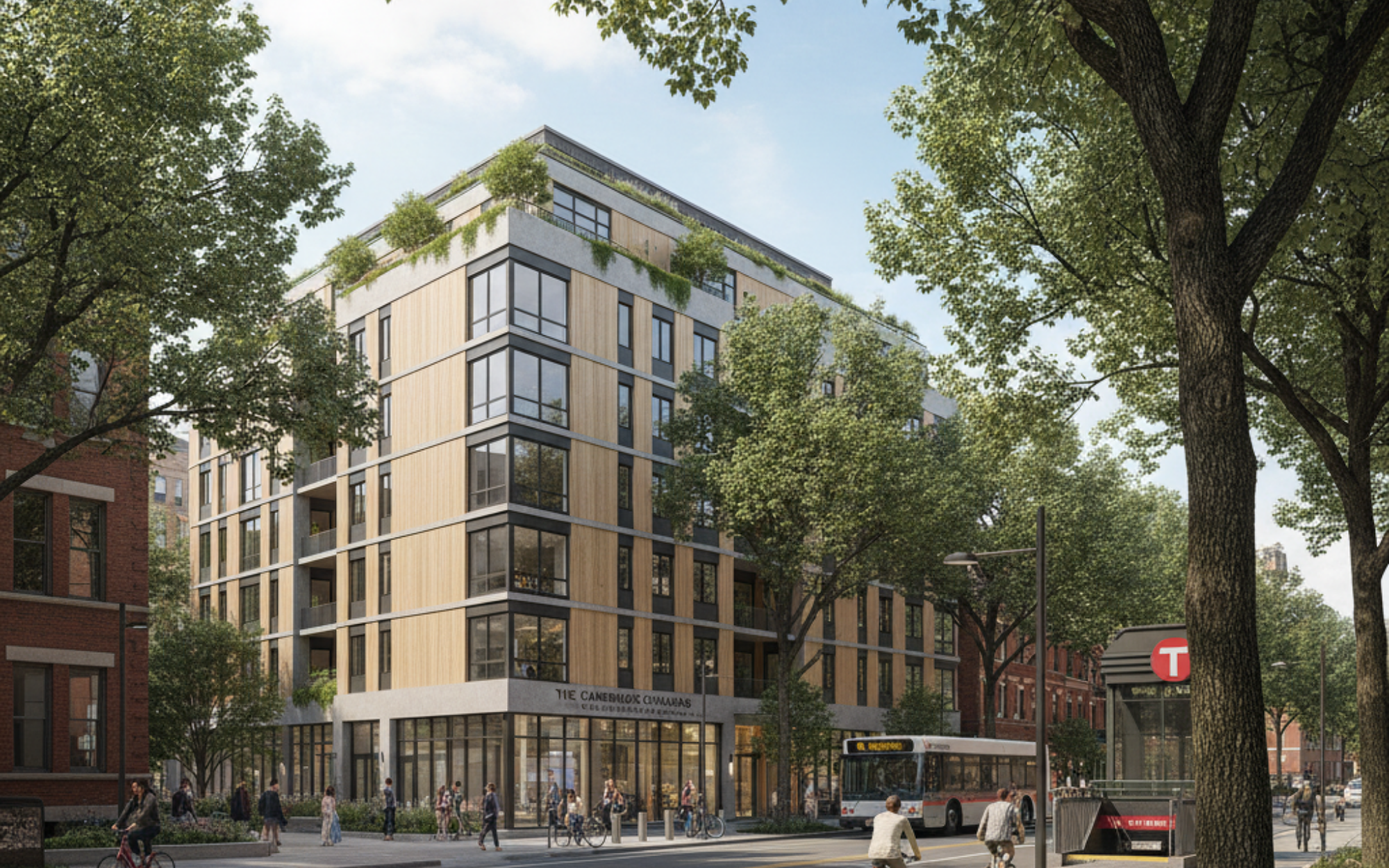
Sustainability goes beyond individual buildings. Cambridge is integrating eco-housing into a broader urban strategy.
Transit Accessibility
Eco-apartments are often located near:
- MBTA Red Line stations
- Dedicated bus lanes
- Bike infrastructure
This reduces car dependency, supporting lower emissions and a healthier lifestyle.
Trees and Green Space
The city requires or encourages:
- Tree canopy preservation
- Inclusion of green space in site design
- Use of native landscaping for biodiversity and lower maintenance
Climate and Urban Resilience
New developments are contributing to broader climate resilience goals by:
- Managing flood risk through stormwater design
- Supporting urban resilience with redundant energy systems
- Encouraging climate action from residents via eco-living education
It’s not just about the building—it’s about how that building interacts with the city and planet.
FAQs
What is a Passive House apartment?It’s a building built to high energy efficiency standards, often using 90% less heating and cooling energy.
Do green apartments cost more to rent?Not always. Market-rate green units may be pricier, but affordable housing overlays can keep costs low.
How do zoning overlays work in Cambridge?They allow for taller, denser buildings in exchange for including affordable units or green features.
Are green apartments more comfortable?Yes. They often feature better insulation, ventilation, and light, improving overall livability.
What’s driving the eco-trend in Cambridge rentals?A mix of climate policy, zoning reform, and changing renter preferences for sustainability and comfort.
Final Thoughts: Is “Green” Worth the Green?
So, are Cambridge's new green apartments worth the investment—whether you're a renter or a city planner?
For Renters:
Pros:
- Lower utility bills
- Higher indoor comfort and air quality
- Access to community amenities and transit
Cons:
- Potentially higher base rent
- Limited supply of units in certain neighborhoods
For the City:
Pros:
- Supports housing supply and climate goals
- Encourages sustainable urban design
- Aligns with long-term resiliency planning
Cons:
- Navigating exclusionary zoning and neighborhood opposition
- Balancing cost of living concerns with development goals
Ultimately, the green apartment trend in Cambridge is part of a larger movement toward sustainable, livable, and inclusive cities. As overlays and upzoning unlock new possibilities, the rental landscape is being reshaped—and renters are faced with new options that balance comfort, cost, and conscience.