

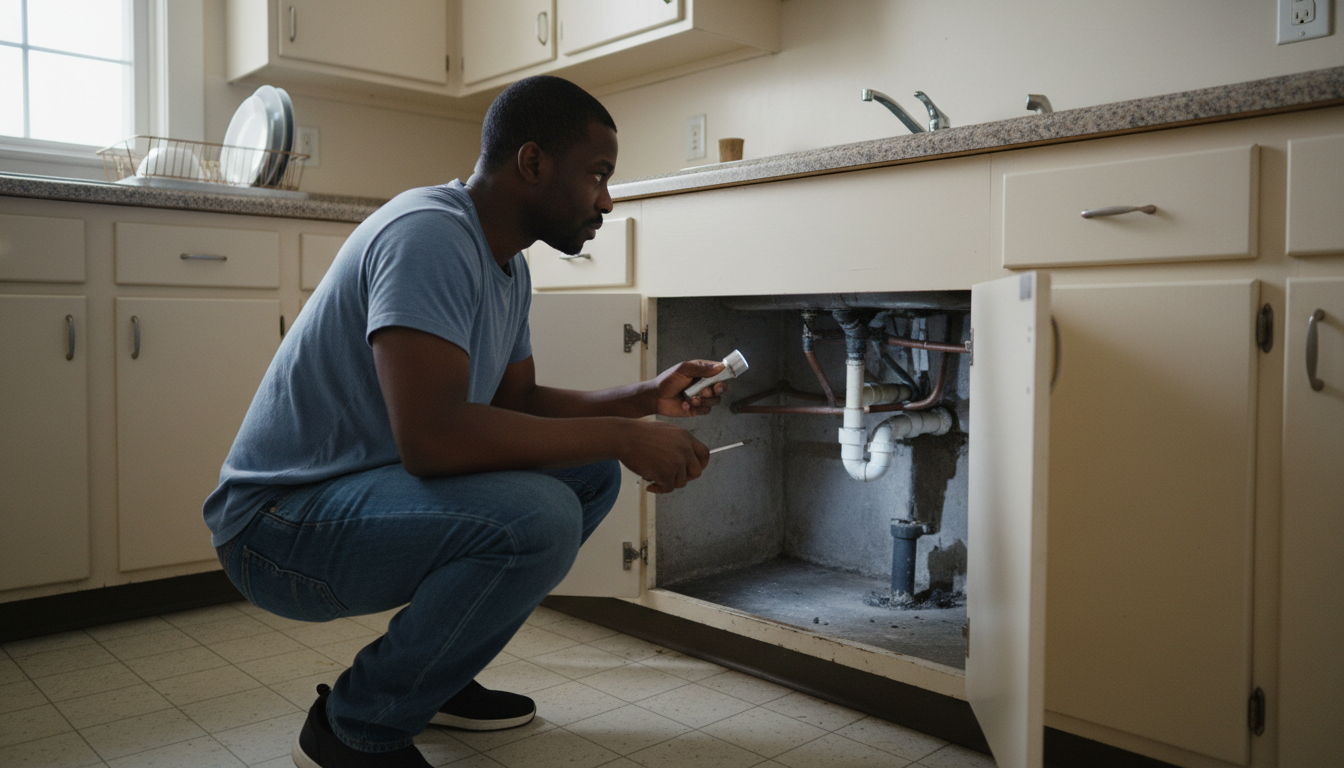
You're standing in an apartment you like, and a cockroach walks across the shower floor.
This guide covers both halves of that moment: how to read pest signs at a Boston showing before you sign, and who is legally responsible for extermination after you do. In Massachusetts, the answer to the second question is more favorable to renters than most people expect.
Most advice on this topic is written for the whole country, or quietly for one other state. Massachusetts has its own rule, it's specific, and in the kind of building most Boston renters live in it lands squarely on the owner.
What to actually check at a showing

A live sighting is the obvious signal, but it's not the only one, and it's not even the most reliable. Showings are short, often mid-day, and pests are good at not being seen. What you're really looking for is evidence that the building has conditions pests like.
Beyond a live sighting
- Droppings. Look in the backs of cabinets, under the sink, along baseboards, and in the corners of drawers. Mouse droppings are small, dark, and rice-shaped; roach droppings look like coarse ground pepper or dark specks.
- Gaps and cracks. Check where pipes enter under sinks and behind the toilet, along baseboards, and around window frames. Gaps around utility pipes and cracks in walls or floors are the entry routes.
- Damp. Look under the sink and around the tub for water staining, soft spots, or a musty smell. Standing damp from an unaddressed leak is one of the most common conditions that attracts pests, and it points at a maintenance problem rather than a housekeeping one.
- Bait stations and traps. A glue board in a corner or a bait station under the sink isn't automatically bad — it can mean the owner is treating the building. But it does mean somebody thought treatment was necessary, so ask about it directly.
- The trash area. Walk past the bins on your way out. In a multi-unit building, poorly managed refuse and unlidded containers feed the whole building, and shared walls, plumbing runs and trash rooms are how pests move between units.
Questions worth asking
Ask the agent whether the unit or the building has been treated in the last year, and who did it. Ask whether other units have reported problems — in a multi-unit building, a neighbor's infestation is your problem too.
If you can catch a current tenant on the way in or out, ask them. It's the single most reliable source of information available to you, and it takes one question.
Under the Massachusetts sanitary code (105 CMR 410.550(F), as amended in 2023), the owner must inspect each unit for the presence of pests before a new occupancy begins. It's a duty that has already run by the time you're standing at a showing — so "we didn't know" is a weaker answer than it sounds.
Is one roach a dealbreaker?
The most common reaction from experienced renters is blunt: "If you see one roach, there are a lot more." The reasoning behind it is sound — roaches are nocturnal and prefer to stay hidden, so one out in the open during a daytime showing suggests a population large enough that hiding places are getting crowded.
That instinct is worth taking seriously. It's also worth being precise about what it does and doesn't mean legally.
The Massachusetts sanitary code attaches the owner's duty to an infestation, which it defines at 105 CMR 410.020 as the recurrent presence of insects and/or rodents. One roach on one afternoon is not, by itself, a recurrent presence. So a single sighting is a signal, a good reason to look harder and ask direct questions, but it is not on its own a code violation you can point to.
That distinction matters more than it might seem. A renter who walks in expecting a single sighting to trigger an immediate legal obligation is set up for a frustrating conversation. A renter who understands that recurrence is the threshold knows what to document, and what to do if it happens again.
So: not automatically a dealbreaker. But if you see one, treat everything in the checklist above as required rather than optional, and weigh what you find against how much you want the apartment.
In Boston, whose job is it?
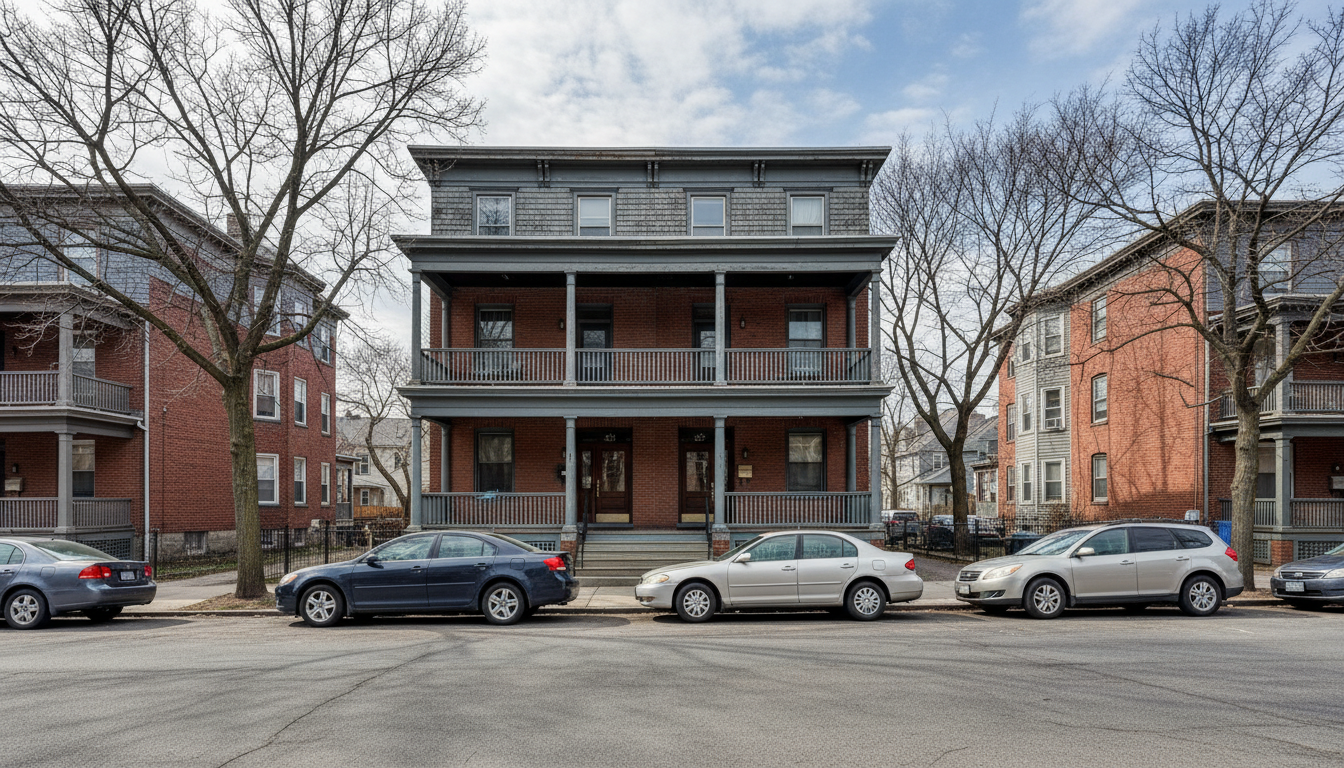
This is where Massachusetts differs from most of what you'll read online, and where the answer gets genuinely good for most Boston renters.
The governing rule is 105 CMR 410.550, part of the state sanitary code, amended effective April 2023. It splits responsibility by how many units are in the building:
| Your building | Who is responsible for pest elimination | What the code says |
|---|---|---|
| A single dwelling unit | The occupant | The occupant must maintain the unit free from all pest infestation and is responsible for pest elimination (410.550(A)) |
| A single unit where the owner hasn't maintained the building | The owner | The owner is responsible if they have not maintained structural or other building elements necessary to keep pests from entering (410.550(A)) |
| Two or more dwelling units, including a rooming house | The owner | The owner must maintain the residence and its premises free from infestation and is responsible for pest elimination (410.550(B)). If they don't, reporting a code violation is the escalation path |
Read that third row again, because it covers most of Boston. Three-deckers, converted brownstones, and apartment buildings are all two-or-more-unit residences, and for them the code states the owner's duty unconditionally. It doesn't ask who left dishes out. It doesn't carve out an exception for tenant housekeeping. In a building with two or more units, maintaining the premises free from infestation and eliminating pests is the owner's job.
There's a separate provision, 410.550(E), requiring occupants to keep their unit in a sanitary manner so as not to attract pests. That's a real duty, and you should meet it. But it sits alongside the owner's obligation rather than cancelling it.
What to do if you've already signed
Report it in writing, and keep the record
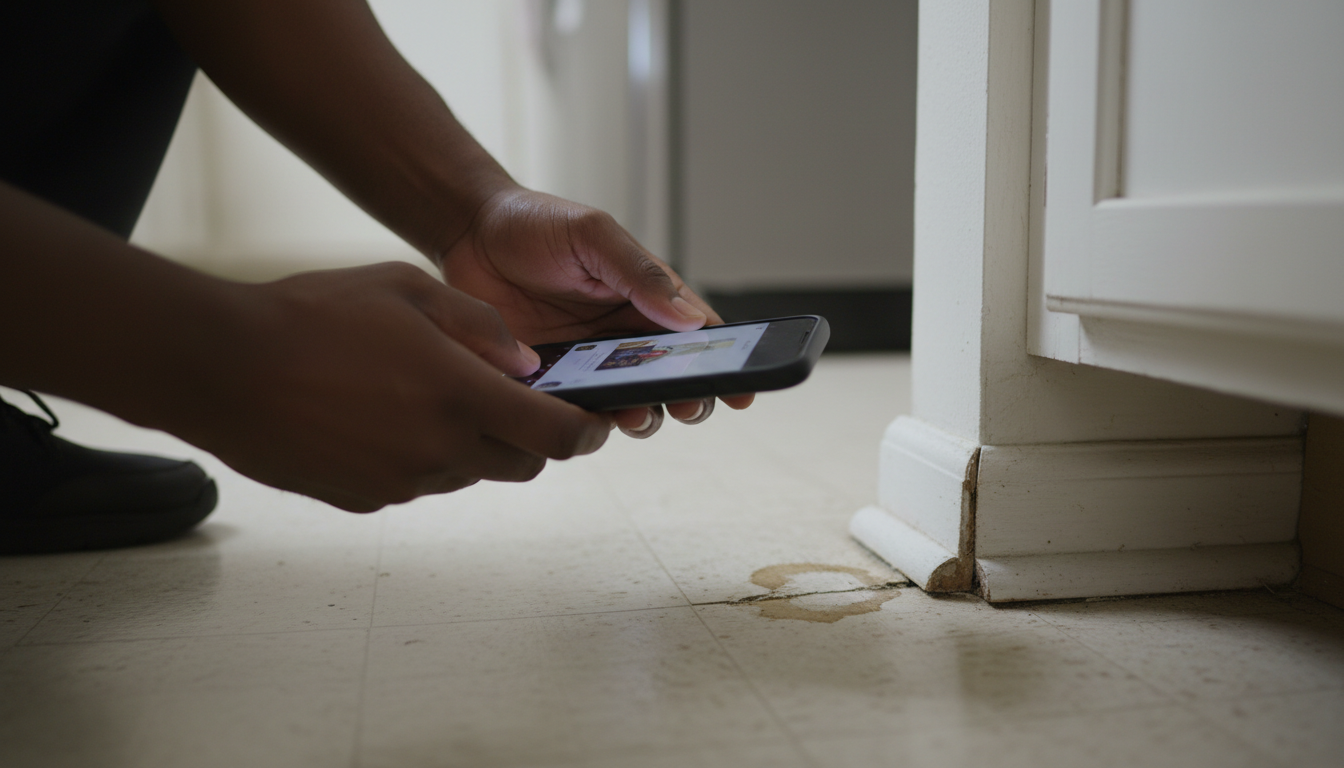
Tell your landlord or property manager in writing. Email is fine, and it's better than a phone call precisely because it timestamps itself. Describe what you saw, where, and when. Photograph droppings, damage, or sightings with a visible date.
You're building two things at once: a request, and a record of recurrence. Since the code's duty attaches to recurrent presence, a dated series of reports is what turns "I saw a bug" into a documented infestation.
If they treat: you're owed 48 hours' notice
If a commercial pesticide application is scheduled inside your building, the applicator must give occupants at least 48 hours' written pre-notification before the application, including the company's contact information, the proposed date, the locations to be treated, and the product names with their EPA registration numbers (105 CMR 410.550(D)).
That's a real entitlement, and it matters if you have young children, pets, asthma, or a chemical sensitivity. In return, you're expected to give access and follow the preparation instructions you're given — emptying cabinets, moving furniture away from walls, and so on. Treatment usually fails when units are skipped.
If nothing happens
If reports go unanswered in a two-or-more-unit building, the owner is not meeting a duty the code places on them. In Boston, the Inspectional Services Department inspects rental units and documents sanitary-code violations on request, and 311 will route a complaint. An inspection converts your account into an official record, which changes the conversation.
What the law doesn't settle — get real advice
Two questions come up constantly and the code does not resolve either. Rather than guess, here's where each one actually stands.
"My landlord says I caused it and wants me to pay." In a two-or-more-unit building, 410.550(B) states the owner's elimination duty without conditions, while 410.550(E) separately requires occupants to keep their unit sanitary. What the code doesn't do is settle cost recovery — whether a landlord can bill a tenant for extermination they say the tenant caused. That's a lease and contract question layered on top of the sanitary code, and it depends on your specific lease and circumstances. Don't concede it and don't assume it — get advice.
"Can I withhold rent until it's fixed?" Massachusetts law does allow rent withholding in narrow circumstances, but the conditions are specific and getting them wrong can put your tenancy at risk. This is not a step to take on the strength of a blog post.
For both, Mass Legal Help is the best free starting point, and a tenant-rights attorney or a local housing organization can tell you where you actually stand. If the issue is the condition of the building rather than the money, Inspectional Services is the faster lever.
FAQ
Is one cockroach at a showing a dealbreaker?
Not automatically, but treat it as a reason to inspect properly rather than a one-off. Roaches stay hidden by preference, so a daytime sighting suggests more than one. Legally, a single sighting isn't an infestation — the Massachusetts code defines infestation as the recurrent presence of insects or rodents (105 CMR 410.020).
Who is responsible for pest control in a Boston apartment?
In a building with two or more dwelling units, which covers most Boston rental stock, the owner must keep the residence free from infestation and is responsible for pest elimination, unconditionally, under 105 CMR 410.550(B). In a single dwelling unit the occupant is generally responsible, unless the owner failed to maintain the structure in a way that let pests in.
Does my landlord have to inspect for pests before I move in?
Yes. Under 105 CMR 410.550(F), the owner must inspect each unit to identify the presence of pests before a new occupancy begins.
What counts as an "infestation" under Massachusetts law?
The code defines it at 105 CMR 410.020 as the recurrent presence of insects and/or rodents. Recurrence is the threshold, which is why dated, repeated reports matter.
How much notice do I get before they spray?
At least 48 hours, in writing, before a commercial pesticide application — with the company's contact details, the proposed date, the locations, and the product names and EPA registration numbers (105 CMR 410.550(D)).
What should I do first if I find pests after moving in?
Report it to your landlord in writing with photos and dates, and keep copies. If nothing happens, Boston's Inspectional Services Department can inspect and document sanitary-code violations, and 311 will route the complaint.
Can my landlord make me pay for extermination if they say I caused it?
The sanitary code doesn't resolve cost recovery. It's a lease and contract question on top of the code, and it depends on your situation. Get advice from Mass Legal Help or a tenant-rights attorney before agreeing to pay.
This article is informational and isn't legal advice. The Massachusetts State Sanitary Code (105 CMR 410) was amended effective April 2023. Confirm the current text and how it applies to your situation with Mass Legal Help, your local board of health, or a tenant-rights attorney.